

Barbara Fried wanted to be closer to her son on trial.
During the month-long criminal fraud trial of her eldest son, Sam Bankman-Fried, Barbara Fried would occasionally leave her seat and walk to the railing separating the audience area from the defendant's seat, quietly watching SBF and his legal team. Although close at hand, Barbara Fried could not defend her son or prevent the conviction that everyone had already expected.
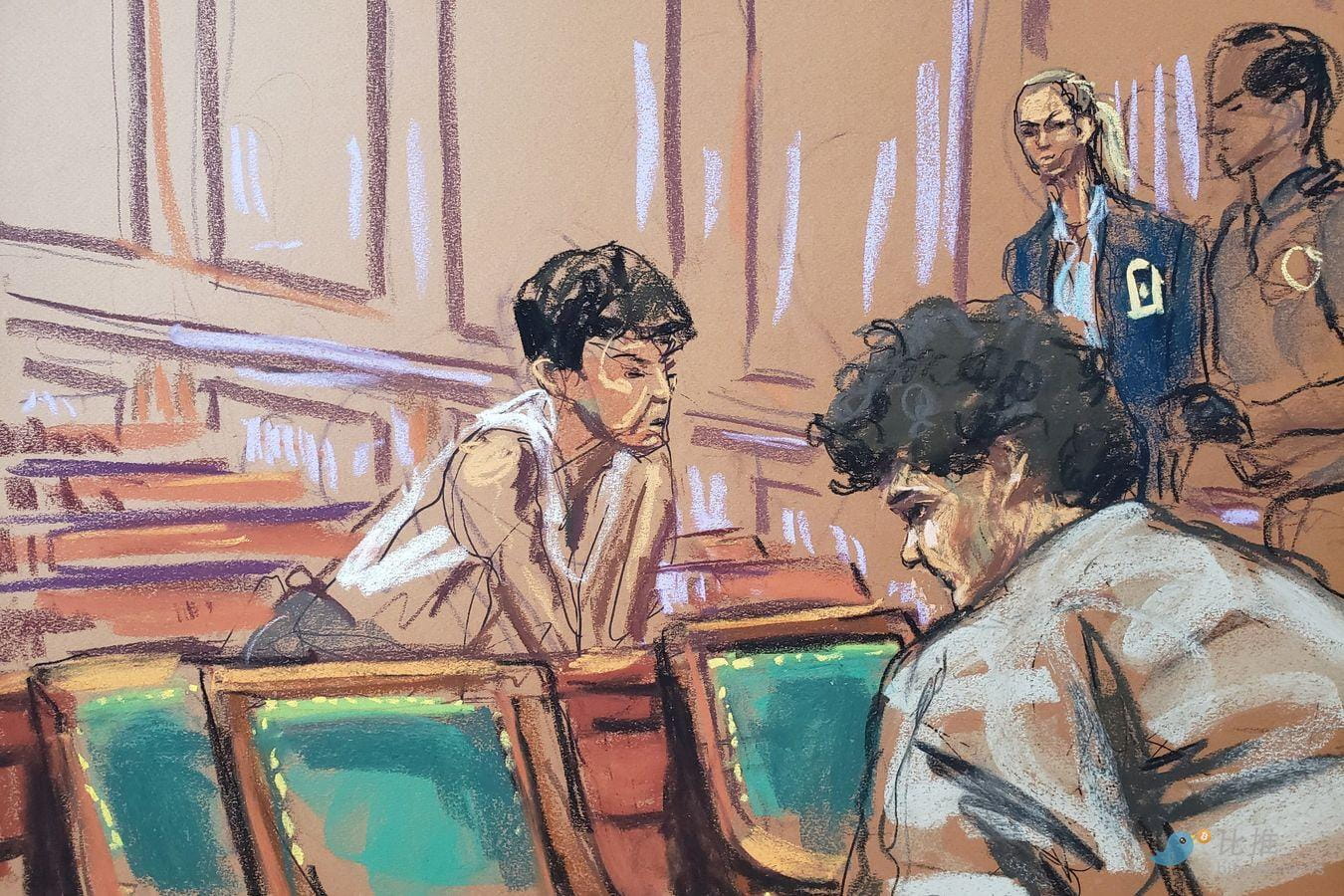
Joseph Bankman and Barbara Fried were there for their son as he quickly rose to become one of the brightest stars in the cryptocurrency industry. They also provided some advice to their son as his company collapsed and he faced prosecution. Now that a federal jury has found SBF guilty, he faces decades in prison. In the meantime, SBF's parents are trying their best to lend a hand and help their child cope with the new challenges that lie ahead.
The couple insists their son is innocent and is helping SBF prepare his case for appeal. On Tuesday, they visited their son at a jail in Brooklyn, New York, to convince him that his life is worth living, even if he has to spend most of it behind bars. SBF's conviction leaves him facing a maximum sentence of 110 years, but defendants rarely receive the maximum sentence.
As parents, their unwavering support is not surprising. However, unlike most families, Bankman, 68, and Fried, 72, are both respected professors at Stanford Law School, and their distinguished careers paved the way for the rapid development of their son's FTX cryptocurrency exchange. However, their direct dealings with FTX and the benefits they received from their son before the company declared bankruptcy also got them into trouble.
Bankman worked as a paid employee of FTX for a period of time. Fried had no official position at the company, but FTX claimed that she provided consulting services to SBF on millions of dollars in political donations. The company has now been taken over by new management and has filed a lawsuit against the couple, claiming that they embezzled millions of dollars and should return them.
The couple's lawyer said the allegations were "completely false" and "a dangerous attempt to intimidate Joe and Barbara".
Several friends said that if Bankman and Fried felt remorse for their actions or their son's, they would not show it.
“I don’t think this is the time to be pointing fingers,” said Bob Gordon, a longtime colleague of Bankman and Fried who worked with them for decades at Stanford Law School. “Either for their children, nor for themselves.”
The couple raised Sam and his brother on the campus of Stanford University. They lived near a student dormitory known for its vegetarian and nude parties. Friends and colleagues revealed that they always treated their children by adult standards and encouraged others to do the same.
As well-respected legal elites, Bankman and Fried had a powerful network of friends from Silicon Valley and Wall Street. As Bankman-Fried built his crypto empire, his parents’ reputation became a passport for him, opening doors to investors, regulators and politicians.
When FTX moved its headquarters to the Bahamas in 2021, it was already a multi-billion dollar cryptocurrency giant. According to the lawsuit, Bankman and Fried both applied for permanent residency in the Bahamas. Bankman even quit his teaching position at Stanford University to work at his son's company.
FTX claims that Bankman became a key decision-maker at the company, managing tax issues and advising on recruiting, a role that was supposed to be played by a mature adult in a company full of young people.
The lawsuit also states that FTX agreed to pay Bankman an annual salary of $200,000. In addition, Bankman lobbied the company to increase his salary in early 2022. Shortly thereafter, Bankman-Fried transferred $10 million to his parents.
“We are so touched by this gift,” Bankman wrote to her son, according to the lawsuit. “Mom would not have announced her retirement otherwise.”
In addition to money, the couple received other benefits from their son’s company—Bankman made a cameo appearance in FTX’s Super Bowl commercial, which starred Larry David.
Soon after, FTX purchased a $16.4 million property for the couple in a gated community near its headquarters, with their names on the title deed, the lawsuit said.
A spokesman for Bankman and Fried said the house "was Joe's temporary residence while he was working in the Bahamas" and they never considered themselves to be the owners of the house.
The spokesperson also revealed that FTX’s outside lawyers had assured the couple that “FTX would own all interest in the house and agreed to document this in writing.”
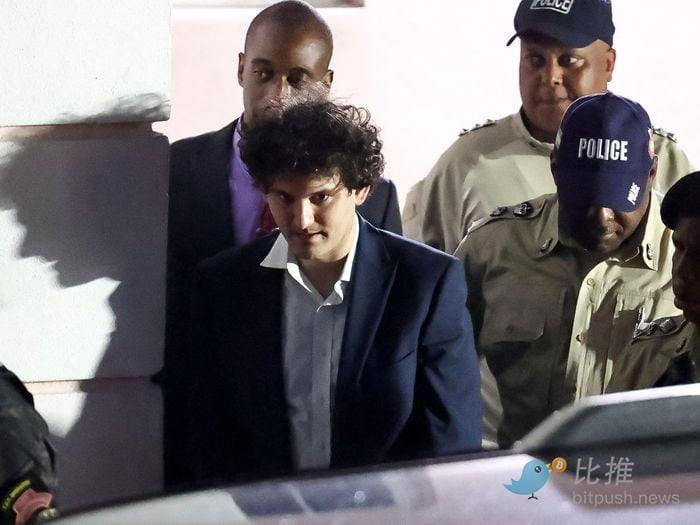
When FTX collapsed in November 2022, Bankman tried to remain optimistic. Soon after, SBF resigned as CEO and FTX filed for bankruptcy. Within weeks, SBF was arrested.
In the past year, SBF has lived with his parents under house arrest for most of the time. Two of his parents' friends at Stanford University paid hundreds of thousands of dollars to provide him with bail to ensure that he was released on bail and avoid going to jail.
SBF continued to discuss his case publicly at his parents' home before a judge revoked his bail in August and sent him to jail to await trial.
For the most part, both before and after their son was sent to prison, the couple tried to maintain a normal pace of life. They still have dinner with friends every Sunday night. Since the end of 2021, although Bankman has not returned to Stanford to teach, he still participates in faculty lunches and is often seen walking a puppy named Sandor on campus. For safety reasons, this German Shepherd was adopted by SBF's parents after FTX went bankrupt.
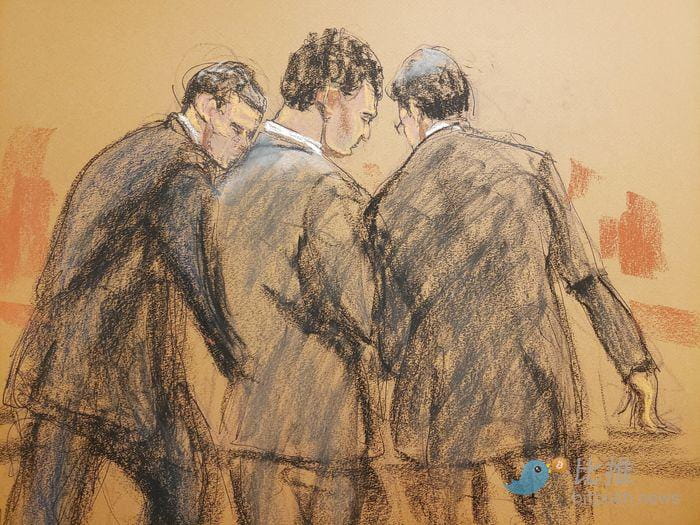
Last month, SBF's trial officially began in New York. His parents usually arrive at the courtroom around 8:30 a.m. and take notes while listening to the trial. Fried sometimes has the opportunity to speak briefly with his son during lunch breaks or before the bailiffs take SBF back to jail after the trial.
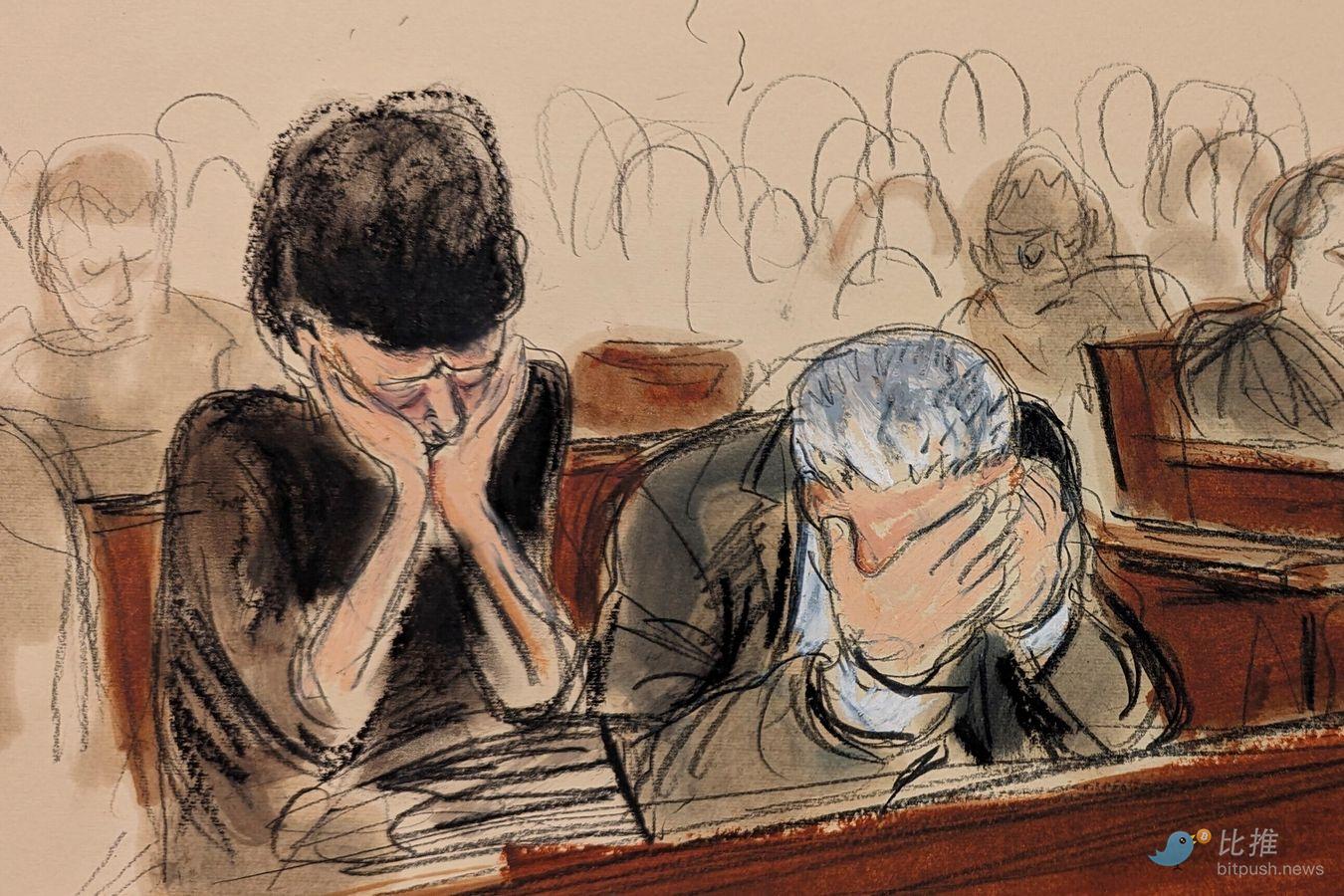
When SBF testified for the first time without a jury present, his mother put her head in her hands as the prosecutor peppered her with questions.
On the day of closing arguments, Bankman and Fried were absent from the morning session when the prosecution made its closing arguments to the jury, but were in the gallery in the afternoon when the defense spoke. That evening, they left the courtroom with their arms around each other's shoulders.
The next day, a federal jury found SBF guilty of all seven counts. Bankman collapsed to the floor as the verdict was read. Fried buried his face in his hands, tears streaming down his face.
Throughout the trial, SBF rarely looked back at his parents, who were sitting in the gallery. As he was led out of the courtroom, SBF smiled at them.
A hearing on SBF's sentence will be held on March 28 next year. He also faces other charges, including conspiracy to commit bank fraud and bribery, which may go to trial in March. Meanwhile, his parents are preparing to appeal.
This can be a long process.
“Criminal appeals are always a very difficult battle,” said Renato Mariotti, a former federal prosecutor and partner at Bryan Cave Leighton Paisner in Chicago who is not involved in the FTX case. “When there’s overwhelming evidence and sweeping charges, you need a game-changer. If there’s no such thing, it’s going to be very difficult.”
Bankman and Fried returned to California on Wednesday, the people said.
Bankman, who is also a clinical psychologist, has continued to work with some clients over the past year and plans to return to his old practice.
People familiar with them said the couple's circle of friends remains the same. People familiar with the matter also revealed that Bankman is expected to resume teaching next year. A Stanford University spokesman declined to comment.
Paul Brest, former dean of Stanford Law School, said he saw no reason why Stanford would not welcome his friend back. “I can’t imagine any institution taking a biased stance because of an employee’s child,” he said.