


The 4.0 technology revolution has brought us countless innovations, and cryptocurrency is one of the prime examples. In this, ICOs are emerging as a completely new form of fundraising, breaking traditional barriers and creating a revolution in the financial sector. So what is an ICO? Let's find out with danhgiacoin!
What is an ICO?
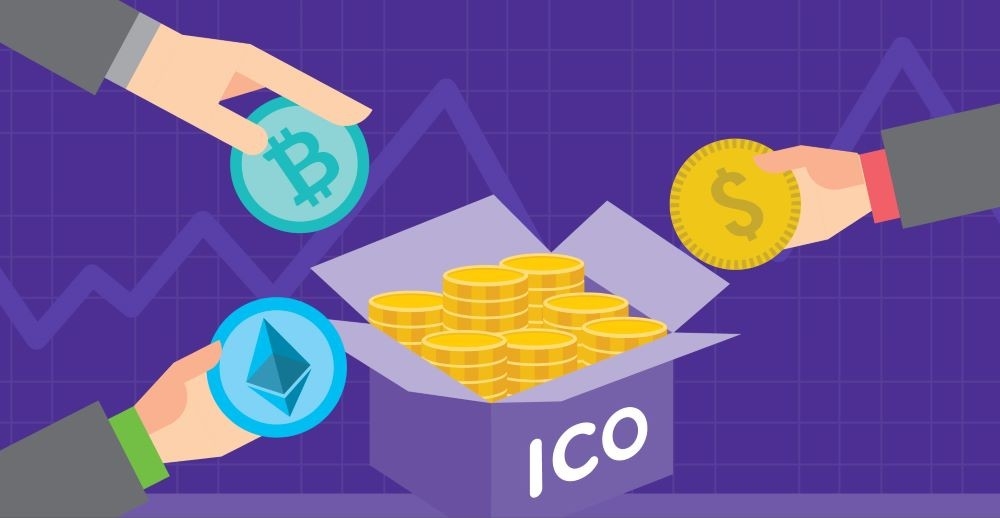
ICO, short for Initial Coin Offering, is a form of fundraising from the community through blockchain projects. In this, investors contribute money to the project and receive a corresponding amount of coins at a predetermined exchange rate. This is a popular method for projects to raise funds to develop products or services.
Before proceeding with an ICO, projects need to publicly disclose important information such as: the expected amount to be raised, the total amount of coins issued, the coin exchange rate, and other detailed parameters. This information will serve as a basis for investors to assess and make informed investment decisions.
In addition to ICOs, Pre-ICO is also a noteworthy term:
Pre-ICO or ICO Presale is a token sale stage that occurs before the official ICO launch. This stage typically aims to raise a smaller amount of capital and attract early investors by offering discounted prices for tokens. This is also a way for the project to gauge community interest and build momentum for the official ICO.
This method brings dual benefits: early investors have the opportunity to own tokens at low prices, while the project can build trust and attract market attention.
3 Notable Crypto ICO Deals
Currently, several notable ICO projects have made a strong mark in the crypto market, including Ethereum ICO, Bitcoin ICO, and Ripple ICO. Below are the highlights of each deal:
Ethereum ICO: Ethereum is the most popular platform for deploying ICOs due to its capability to support smart contracts. This system allows for the automation of transactions and the management of the ICO process transparently and reliably. Ethereum also facilitates global investors to participate from the early stages of the project, contributing to building a fair investment environment. Many major projects have originated from this platform, making Ethereum the top choice in the ICO field.
Bitcoin ICO: Bitcoin is also used in many ICO deals, notably Antshares (now NEO), Stratis, and Ethereum ICO. However, unlike Ethereum, Bitcoin is not a specialized platform for smart contracts. Therefore, it does not directly support the management and execution of ICOs but is used as a payment medium. Nevertheless, Bitcoin's role in initiating crypto projects remains significant.
Ripple ICO: Ripple (XRP) is one of the successful ICO projects, aiming to provide fast and low-cost payment solutions for financial institutions and banks. With a market capitalization of around 20.6 billion USD, Ripple focuses not only on ICOs but also contributes to increasing liquidity and improving transaction speed globally. This has made Ripple a popular choice for financial institutions entering the cryptocurrency space.
These ICO deals not only demonstrate the potential for raising capital through blockchain but also shape how new projects approach and build a community of investors.
How do ICOs work?
ICOs are often compared to IPOs (Initial Public Offerings), but there are several significant differences between them. IPOs are fundraising methods for established companies, allowing investors to buy shares and become partial owners of the company. In contrast, ICOs are designed to raise funds for blockchain projects in the initial stage. Investors purchase digital tokens, but these tokens do not confer ownership rights in the project.
Typically, ICO tokens are issued on the Ethereum blockchain and comply with the ERC-20 standard, so they are often referred to as ERC-20 tokens. However, Ethereum is not the only option. Platforms like Stellar, NEM, NEO, and Waves also support the creation and issuance of tokens. Some projects choose to issue tokens on their own blockchain to ensure independence and customization within their ecosystem.

The process of conducting an ICO begins with project founders creating tokens and calling for funding from the community. To attract investors, they publish an important document called the Whitepaper. This Whitepaper details:
Project goals, How the ecosystem operates, Potential benefits for investors, Project development roadmap.
In addition to the Whitepaper, the project often builds an official website with comprehensive information, from describing the idea to outlining the implementation steps to enhance trust and transparency with investors.
Thanks to the flexible features of blockchain and transparency through documents like the Whitepaper, ICOs have become an effective tool for projects to raise capital, while also providing investors with the opportunity to participate from the early stages of promising projects.
What are the 4 development stages of an ICO project?
1. Setup Phase
The first phase is to build the technical and legal foundation for the project. This process includes creating tokens, designing databases, developing blockchain wallets, and ensuring the legality of the cryptocurrency. Depending on the goals, tokens may be issued as algorithmic coins or coins designed for a specific purpose within the project's ecosystem.
2. Ecosystem Development Phase
Once the basic system is ready, the project will focus on building an ecosystem around the crypto asset. This includes building a community, promoting the use of tokens in specific transactions or services.
For example:
Ripple, Digibyte: Ecosystem for banks and financial services. Steem Coin: Content-sharing community similar to Facebook. Bitconnect, Onecoin: Multi-level ecosystem.
The value of ICO tokens depends greatly on the scale and influence of the ecosystem. A strong ecosystem that attracts a large number of users will create a sustainable foundation for the long-term development of the project.
3. Crowdfunding Phase
This is the time when the ICO attracts investment capital. The project will present its ideas through Whitepapers, communication campaigns, and appear on reputable platforms such as Cointelegraph or Coinschedule.
Once interest from investors has been garnered, the project will sell tokens at a discounted price in the early stage. After achieving its fundraising goal, the project can expand its ecosystem and list the tokens on exchanges.

A notable example is the Bitconnect project, which increased its value from $9 to $270 in just one year thanks to effective fundraising strategies and a strong development ecosystem.
4. Indexing Phase
The final stage is when the crypto asset is listed on major exchanges like Binance, OKX, or smaller exchanges like NovaExchange and CoinExchange.
After being listed, the value of the token depends entirely on supply and demand in the market. If the ecosystem is solid and continues to attract community interest, the value of the crypto asset will remain stable and has the potential for growth. This is a decisive stage for the success or failure of an ICO.
Thus, from setup to listing, each stage in the ICO journey plays an important role in shaping and determining the development potential of the project in the cryptocurrency market.
5 Ways to Identify Scam ICOs
The strong development of the cryptocurrency market comes with risks from fraudulent ICO projects. Some signs that help you identify unreliable projects are:
Anonymous founding team: A reliable ICO project often fully discloses information about the founding team, including names, photos, and experience. In contrast, scam projects often hide or provide false information to avoid scrutiny from investors. Therefore, look for transparency from the issuing team and check their profiles on professional platforms like LinkedIn.
Lack of a clear roadmap: Every serious startup project needs to have a clear development plan presented in the Whitepaper or on the official website. If the project does not provide a specific development roadmap or sets vague goals, this is a clear sign of an unreliable project. Investors should be particularly cautious when encountering such cases.
Promises of overly attractive profits: One of the most common 'tricks' of fraudulent ICOs is to promise huge profits, far exceeding normal levels. If a project commits to an 'unbelievable' return in a short time, this could be a sign of fraud. Investing in cryptocurrency always carries risks, so unrealistic claims are often just traps.
Non-public source code: Reputable ICO projects often make their source code public on platforms like GitHub for the community to review and evaluate. Lack of source code transparency may mean the project does not exist or lacks real value.
Unreliable PR and communication activities: Reputable ICO projects often hire experienced marketing professionals to build communication strategies and create communities. Be sure to thoroughly check the information provided on media channels. If the project only appears on unreliable platforms or is not well-rated on major investment forums, this could be a warning sign of fraud.
To avoid scams, investors should take the time to thoroughly research the project, check team information, development roadmaps, and related documents before making decisions. Always maintain a clear mindset and do not be swayed by promises of 'sky-high' profits.
5 Steps to Invest in ICO Projects
Investing in ICOs can be a great opportunity but also poses many risks. Below is a basic 5-step process for you to participate effectively and safely:
Step 1 – Search for ICO Projects to Invest In: The first step is to search for potential ICO projects. You can look up information through reputable platforms like Cointelegraph, Coinschedule, or famous investment forums. Prioritize trustworthy sources to avoid falling into scam projects.
Step 2 – Evaluate the ICO Project: Once you have a list of projects, you need to filter out the most promising ones.
Step 3 – Open an Account and Create a Crypto Wallet: To buy ICO tokens, you need to own popular cryptocurrencies like Bitcoin (BTC) or Ethereum (ETH). Open an account on reputable exchanges like Binance or Coinbase to purchase these coins. Then, create a dedicated crypto wallet like Trust Wallet or MetaMask to securely store your assets.
Step 4 – Buy ICO Tokens: When you are ready, you can participate in purchasing tokens from the ICO project of your choice. Typically, the project will provide detailed instructions on how to buy, including the wallet address for receiving funds and how to send cryptocurrency. Follow the steps carefully to ensure a successful transaction.
Step 5 – Protect Your Tokens: After acquiring tokens, protecting them is a top priority. To avoid risks such as hacking or data loss, store your tokens in a cold wallet or hardware wallet like Ledger or Trezor. At the same time, activate high-level security measures such as two-factor authentication (2FA) for your wallet.
Always conduct thorough research and do not rush to make investment decisions. Potential ICO projects need to be carefully evaluated to ensure that you are investing in a platform with real value and sustainable development prospects.
What are the advantages and disadvantages of ICOs?
1. Advantages
Potential investment opportunities: ICOs provide the chance to own new cryptocurrencies at low prices right from the outset of the project. Early investors often have the opportunity to access tokens before they increase in value, thereby hoping to achieve significant profits when the project succeeds.
High profitability: If investing in a promising project, profits from ICOs can multiply many times the initial capital. Many famous cryptocurrency projects have created enormous value for initial investors, such as Ethereum or Binance Coin.
Diversifying the investment portfolio: ICOs help investors expand their portfolios with new digital assets, minimizing risks from the volatility of traditional markets or economic and political factors.
Security and anonymity: Many ICO tokens offer anonymity in transactions, similar to Bitcoin and Ethereum. This helps protect investors' identities and financial information.
Utility: In addition to profitability, ICO tokens often provide additional utility value such as privileged access to the project's products/services or sharing revenue.
2. Disadvantages

Low legality: ICOs are not regulated as strictly as traditional investment forms like IPOs. This means a lack of investor protection mechanisms, increasing the risk of capital loss when projects fail or are fraudulent.
Lack of accountability from the development team: Token issuers are not obligated to execute the project or provide progress reports. This makes it difficult for investors to track and evaluate the project's development.
Risks from inexperienced teams: Many ICO projects are built by teams lacking experience, capacity, or intention to fulfill initial commitments. This increases the risk of project failure or indefinite delays.
Fraud risks: Due to the decentralized nature and loose legal framework, the ICO market is easily exploited by organizations or individuals committing fraud, causing many investors to lose their investments.
High price volatility: The value of ICO tokens heavily depends on market supply and demand, making them easily influenced by crowd psychology, leading to significant and unpredictable price fluctuations.
Should you invest in ICOs at this time?
Investing in ICO projects (Initial Coin Offering) can yield attractive profits, but it also comes with many risks. To minimize these risks, equipping yourself with knowledge and thorough preparation is essential. If you have sufficient knowledge and investment skills along with caution in market research, you will be able to achieve profits from ICO investment opportunities.
However, the cryptocurrency market is always volatile and poses many risks. Therefore, consider carefully and only invest the amount you can afford to lose.
What are the trends and opportunities for ICOs in the future?
With increasing oversight from regulatory agencies, new fundraising methods like IEO (Initial Exchange Offering) and IDO (Initial DEX Offering) are gradually replacing traditional ICOs. IEO offers reliability thanks to exchanges acting as intermediaries, while IDOs leverage the decentralization of blockchain, providing more transparency and speed compared to ICOs.
Currently, many countries are developing legal frameworks for ICOs to minimize fraud and protect investors. In the future, ICO projects will operate more legally and transparently, providing peace of mind for both individual and institutional investors.
Finally, ICO projects are gradually expanding applications into various fields such as finance, healthcare, education, and entertainment. This not only increases the practical value of tokens but also attracts interest from large organizations, bringing in capital and opportunities for more sustainable development.
With strong and positive transformation, ICOs remain a highly potential investment channel for those willing to learn and accept risks in the future.
Conclusion
Above are detailed pieces of information about what an ICO is. It can be seen that this is a highly potential fundraising method in the cryptocurrency sector, providing the opportunity to own digital assets from the early stages with a high potential for profitability. However, investing in ICOs also comes with risks, especially when there is no complete legal framework. To succeed and avoid scams, investors need to conduct thorough research, understand the market, and only invest within their financial capacity.