
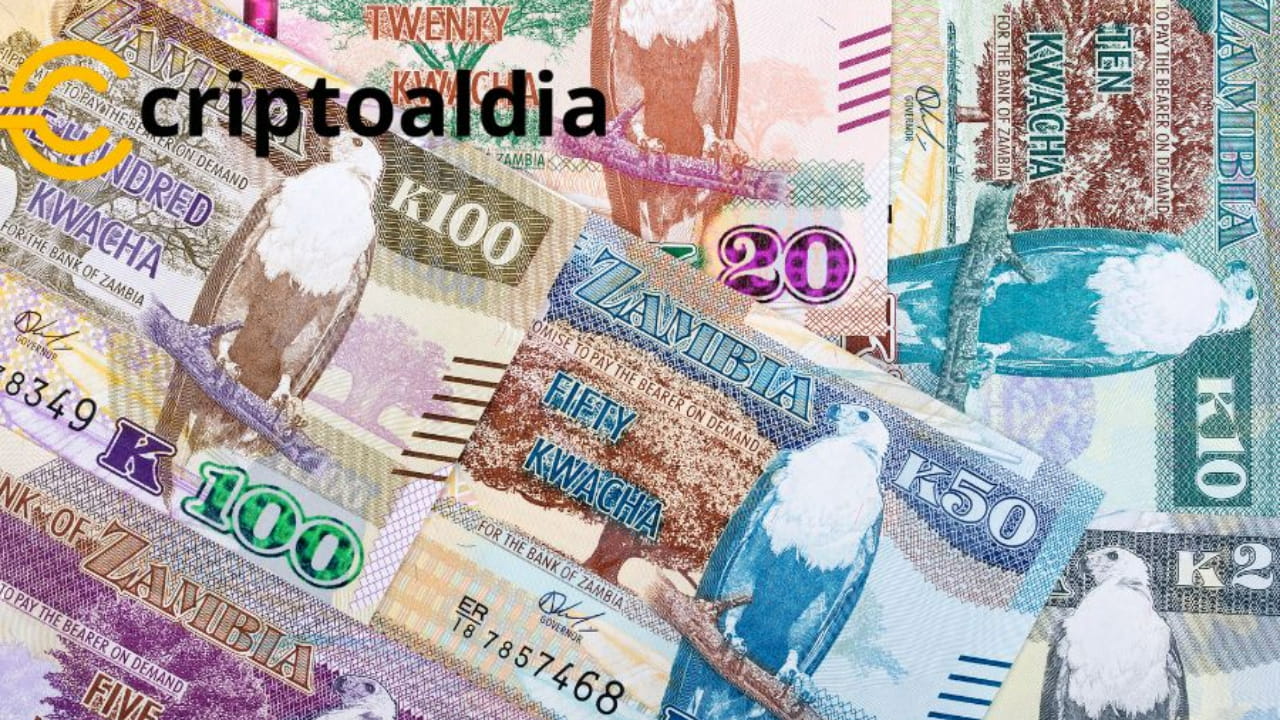
The Zambian kwacha has fallen to a record low against the US dollar, losing more than 21% of its value since late June.
The Bank of Zambia has taken steps to stem the fall of the kwacha by raising the deposit ratio that commercial banks must hold in an attempt to reverse the downward trend of the world's most undervalued currency after the Argentine peso.
Inflation in Zambia has hit 12.6% year-on-year, the fastest pace in almost two years, due in part to the depreciation of the kwacha.
Raising the interest rate has both pros and cons. On the one hand, raising the interest rate can help curb inflation, as loans and mortgages become more expensive, reducing the amount of money that people and businesses can spend.
In addition, raising the interest rate can attract foreign investors, which can strengthen the Canadian currency and make Canadian products more attractive in the global market.
On the other hand, rising interest rates can also have negative effects. Loans and mortgages become more expensive, which can discourage individuals and businesses from borrowing money.

Disclaimer: The information presented does not constitute financial, investment, trading or other advice and is solely the opinion of the writer. Images are for illustrative purposes only and should not be used for making any important decisions. By using this site, you agree that we are not responsible for any loss, damage or injury arising from the use or interpretation of the information or images.