

Original: Ponyo, Hyewon Jeong, Xangle
Compiled by: Zen, PANews
From the launch of the first blockchain game Crypto Kitties, to the Play-to-Earn concept proposed by Axie Infinity, to the entry of global gaming giants such as Ubisoft, SEGA, and Nexon into the blockchain gaming market, blockchain gaming has been around for six years. However, mainstream adoption of blockchain gaming remains elusive. Not only that, many gamers have a negative view of cryptocurrencies and NFTs, and blockchain games based on popular IPs have received disappointing reviews. When will the era of blockchain gaming really arrive? Why are gamers still skeptical about it? What does blockchain gaming need to gain a foothold? This article aims to address these fundamental questions and provide insights into the future direction of the blockchain gaming market.
When will the blockchain gaming era begin?
It has only been a few years since a large amount of capital began to flow into the blockchain game market
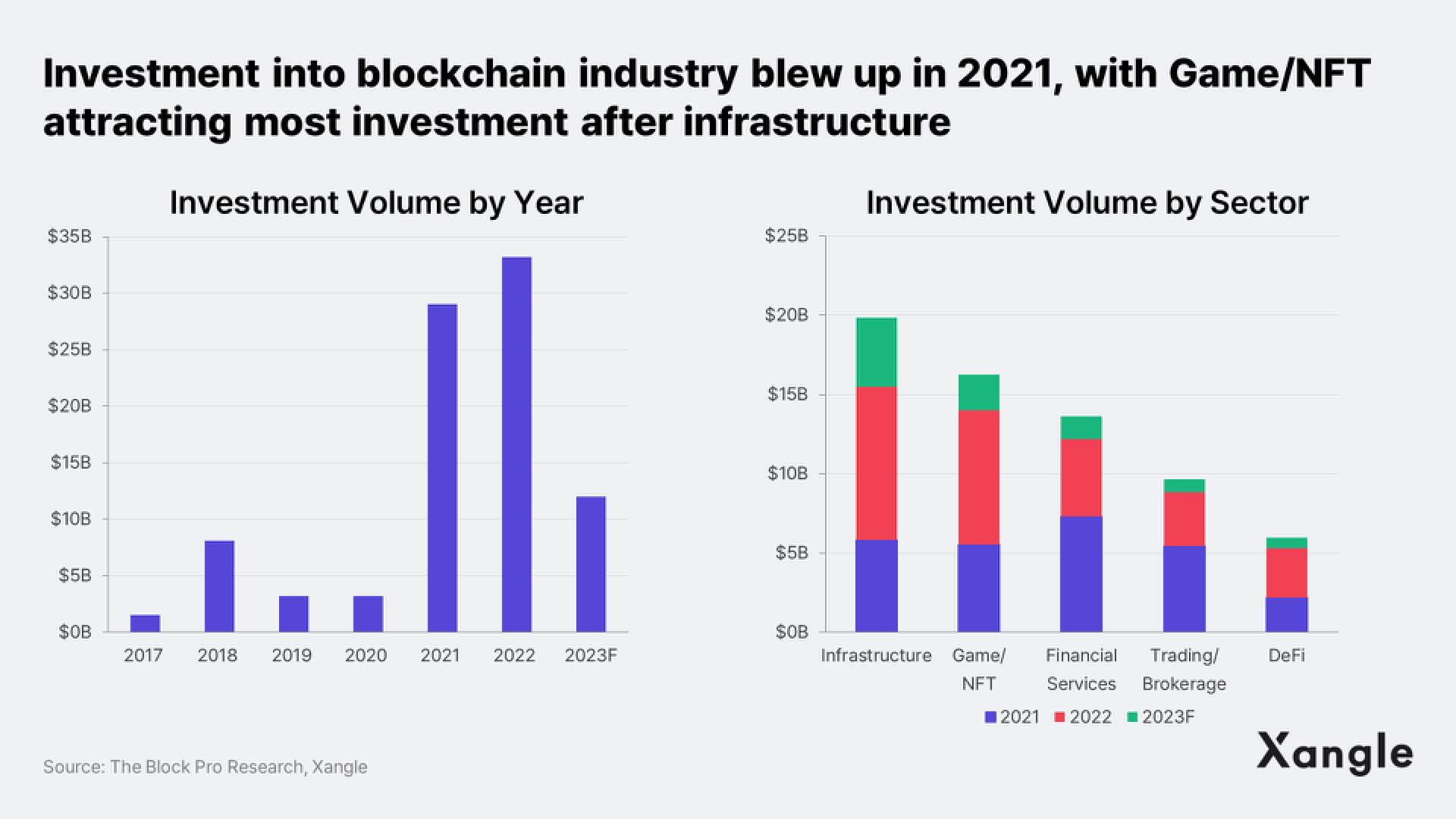
Games are one of the areas where blockchain technology has received a lot of investment after infrastructure. In 2021, blockchain game investment has been strong, and successful cases such as Axie Infinity and MIR4 continue to emerge. In terms of the investment and financing market, investment in 2020 was only US$151.6 million, but it has increased significantly to US$5.5 billion in 2021, and further increased to US$8.5 billion in 2022. Due to the overall downturn in cryptocurrencies, investment is expected to decrease to around US$2.3 billion in 2023. Overall, the cumulative investment from 2021 to 2023 has reached a staggering US$16.3 billion.
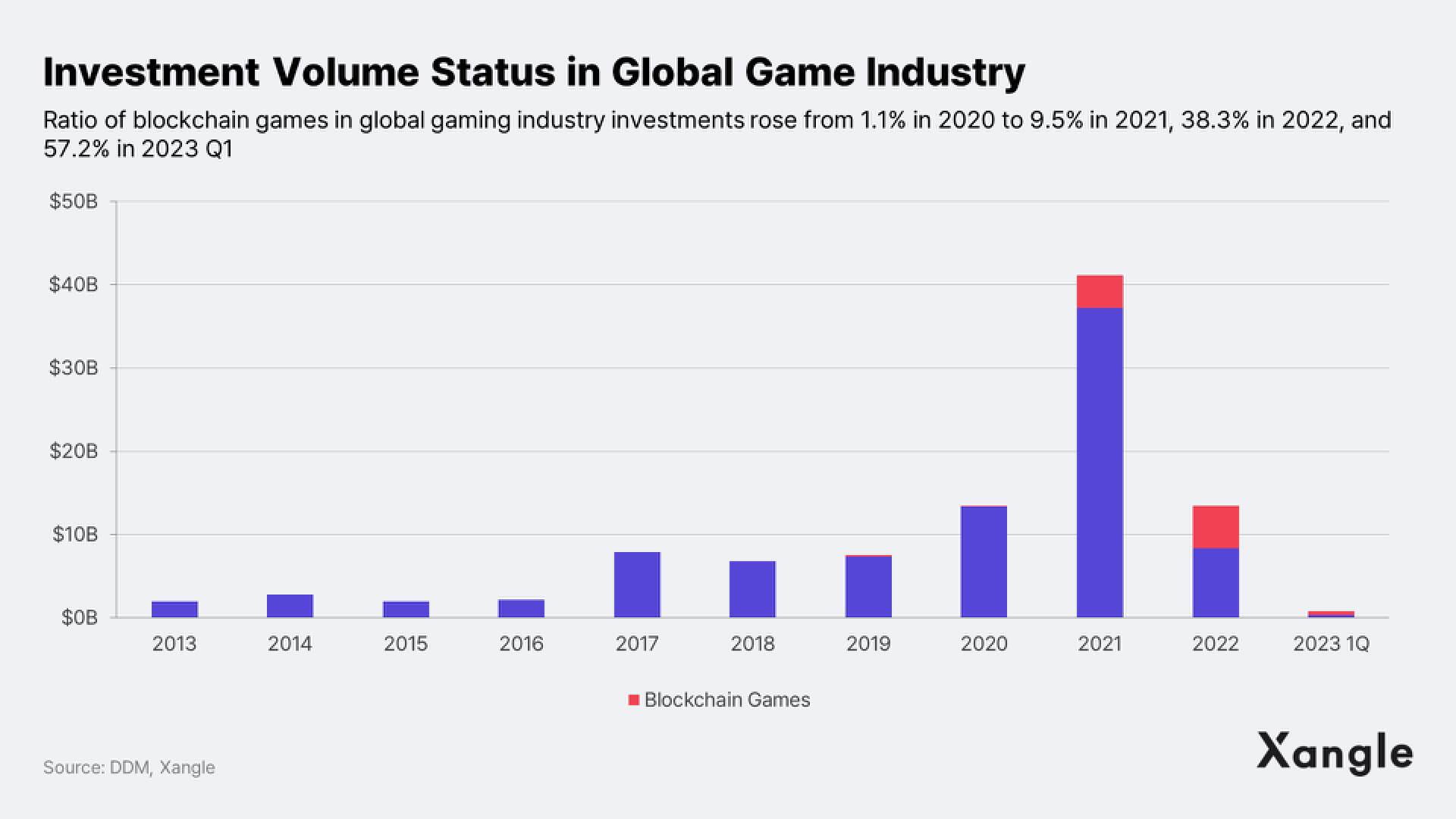
This level of investment is generally approaching that of the traditional gaming industry. The proportion of blockchain game investment in the entire gaming industry has steadily increased, from 1.1% in 2020 to 9.5% in 2021, 38.3% in 2022, and a staggering 57.2% in the first quarter of 2023. However, despite the influx of funds into the blockchain gaming market, it has not yet become a dominant force. Why is it so difficult for blockchain games to gain a foothold? How will it develop in the future compared to the development of traditional PC and mobile games?
 PC and mobile games are direct beneficiaries of technological advancement
The development of the gaming industry can be understood through three major inflection points. The gaming industry was revolutionized in the 1970s with the introduction of arcade games, and has gone through three more significant phases in the 1980s (console gaming), the 2000s (PC gaming), and the 2010s (mobile gaming). transformation. From less than $5 billion in the early 1970s to $45 billion in the 1980s, and from $80 billion in the early 2000s to $140 billion in 2010, the gaming industry's revenue has increased at every stage. Significant growth.
By 2022, PC games will reach $40.5 billion and mobile games will reach $92.6 billion, accounting for 22% and 55% of the entire gaming industry, respectively. However, neither PC games nor mobile games have achieved their current impressive revenue levels since the beginning. The gap between the emergence of PC/mobile games and their accelerated revenue growth is shown in the figure below.
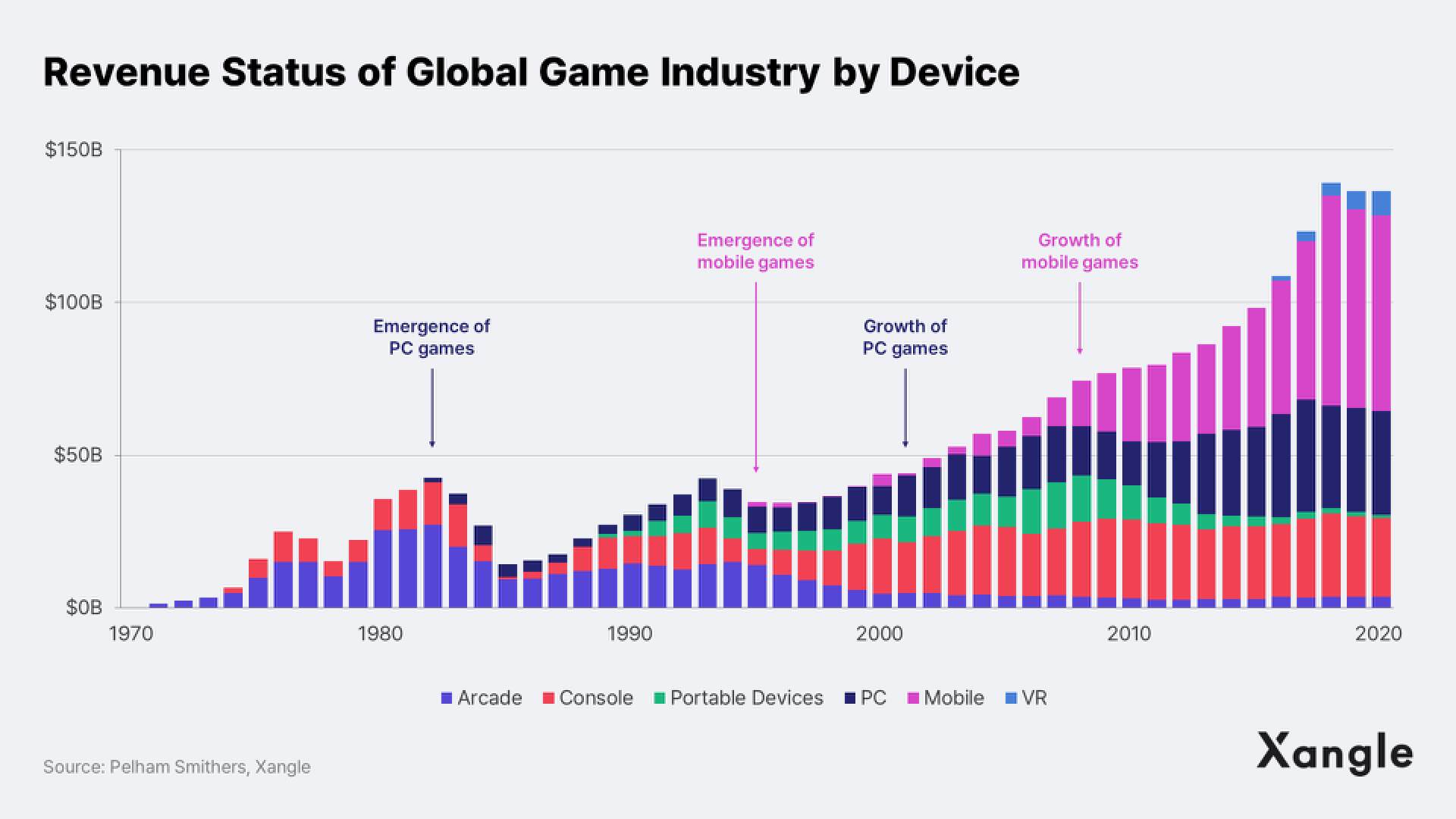
When PC gaming first gained mainstream acceptance, it was only $1 billion in annual revenue, accounting for only 2.4% of the total gaming industry at the time. It took 13 years for PC gaming revenue to grow to $10 billion (29.4%), and another 25 years to reach $15 billion (22.1%). Mobile gaming followed a similar trajectory, starting with $1 billion in annual revenue, accounting for 2.9% of the total gaming industry, taking 10 years to reach $10 billion (16.1%), and 12 years to reach $15 billion (20.4%). Although the new wave of games such as mobile gaming has significantly accelerated in terms of revenue growth, it still takes a considerable amount of time for these market segments to gain significant traction. In other words, neither PC gaming nor mobile gaming can quickly establish and grow their own markets.
So, what are the key factors driving growth in the PC and mobile gaming markets?
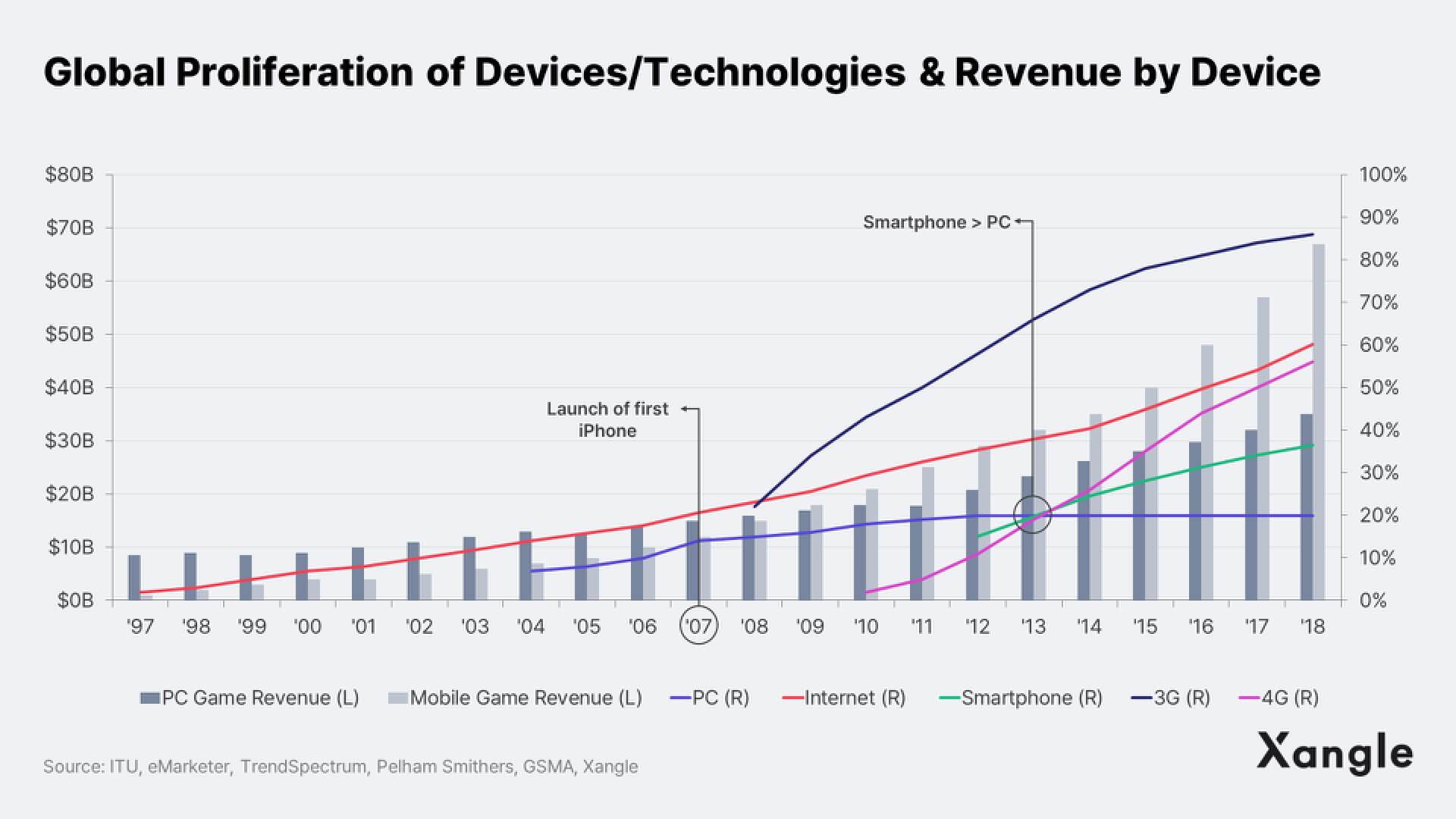
The first condition is the widespread popularity of hardware and the advancement of technology. The popularity of PCs and the development of Internet technology have driven the growth of PC games. Similarly, the expansion of mobile games has occurred simultaneously with the popularity of smartphones and the development of mobile communication technologies such as WiFi, 3G and 4G. As shown in the figure below, both PC and mobile game revenues have grown with the growth of related technologies. Personal computers and the Internet enable players to enjoy games simultaneously with countless other players, getting rid of the limitations of playing games alone, thus changing the gaming landscape. On the other hand, smartphones and mobile communications transcend the existing time and space limitations of games, allowing players to connect to games anytime, anywhere. The development of gaming hardware has created a more convenient and enjoyable gaming environment, attracted new groups of gamers, and contributed to the expansion of the PC and mobile gaming markets.
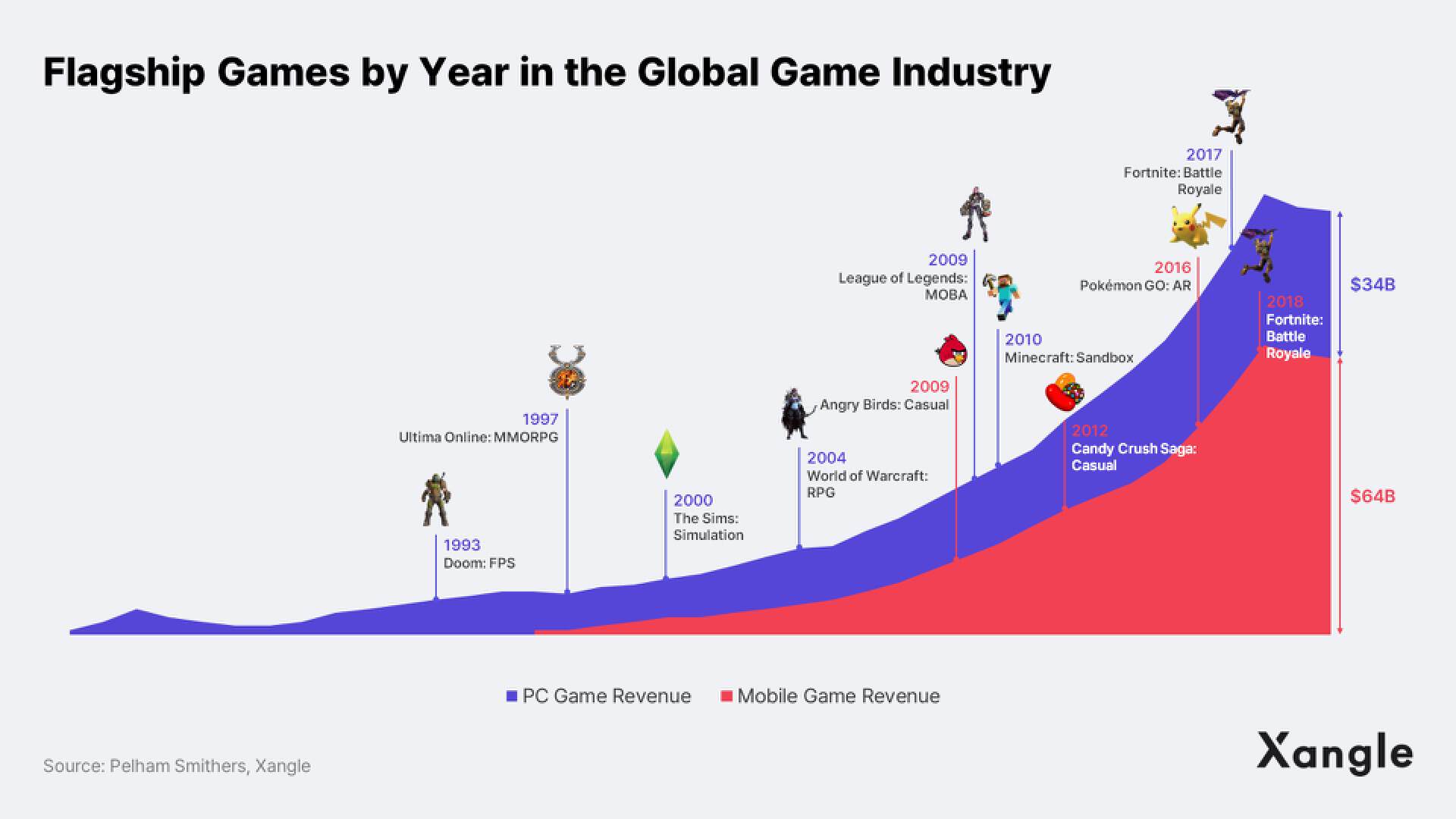
Second, the development of new game genres has played an important role. The history of PC and mobile gaming is a process in which successful games have continuously pioneered new genres and expanded them. As new genres become successful, game developers will work on developing games in these genres, which in turn promotes the growth and activity of the market. For example, Ultima Online (1997) was not the first MMO (massively multiplayer online) game, but it played a crucial role in shaping the MMORPG (massively multiplayer online role-playing game) genre. The success of Ultima Online paved the way for MMORPG games such as EverQuest (1999), Runescape (2001) and World of Warcraft (2004). DotA (2003) was also a pioneer in the MOBA (multiplayer online battle arena) genre, giving rise to games such as League of Legends (2009) and DotA 2 (2013).
Let’s look at mobile games. After the rapid growth of the mobile gaming market in the late 2000s with the advent of smartphones, a large number of casual games flooded the market with the success of Angry Birds in 2009, and games such as Cut the Rope (2010) and Candy Crush Saga (2012) marked the arrival of the casual gaming era. Later, the success of multiplayer mid-core strategy games such as Clash of Clans (2012), as well as mid-core/hardcore multiplayer game genres such as MMO strategy games such as Game of War: Fire Age (2013) and MOBA games such as Honor of Kings (2015) further expanded the market. The success of PlayerUnknown’s Battlegrounds Mobile (2018) also showed that the battle royale genre could thrive on mobile devices, paving the way for the mobile adaptation of the PC game Fortnite Battle Royale (2017).
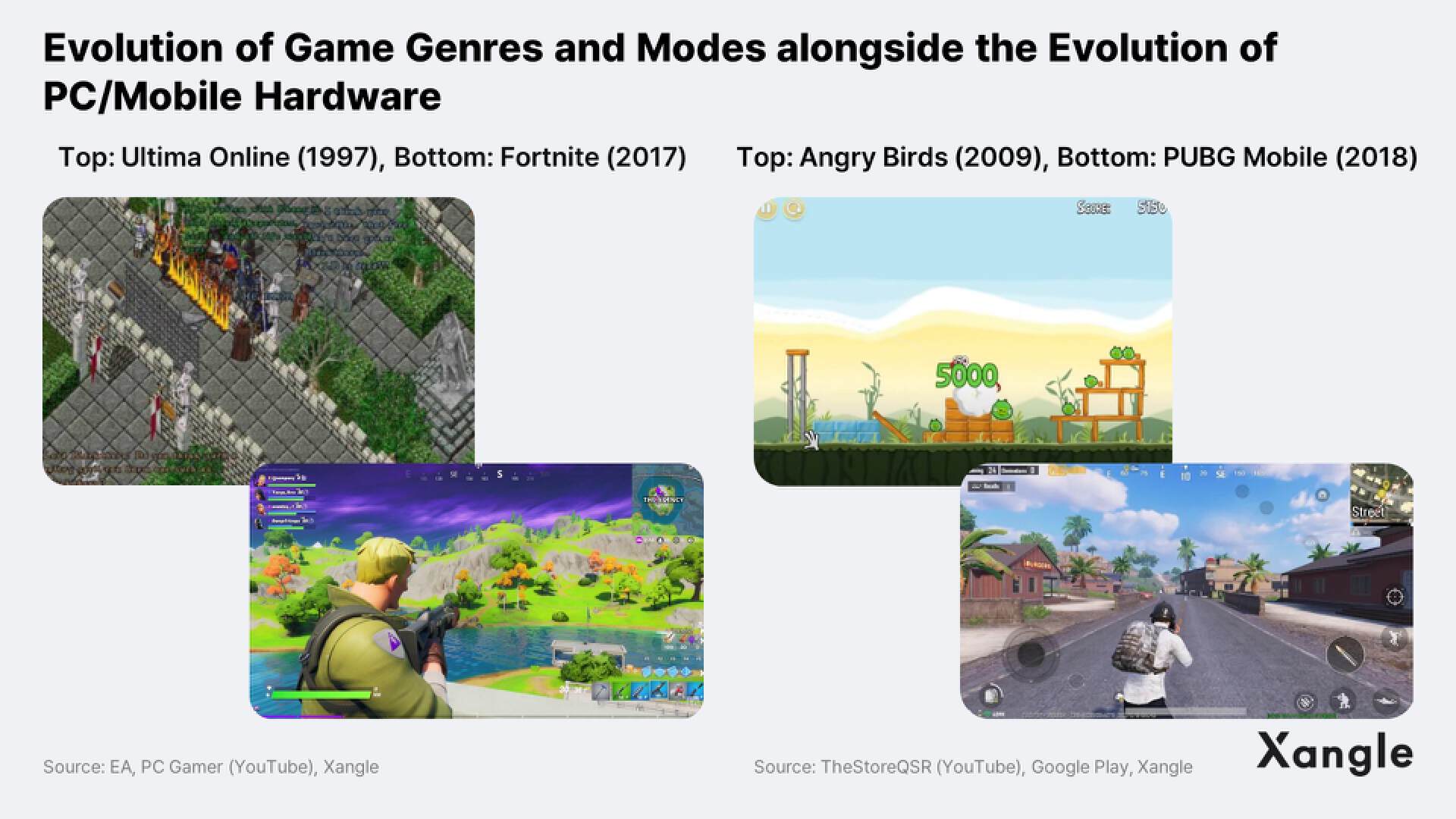
In summary, the growth of PC and mobile games can be attributed to technological advances and the exploration of new game types. Among them, technology has a more significant role in driving market growth. When we look at the revenue scale, the PC game market expanded with the advent of Internet connection services, while the mobile game market took off with the widespread adoption of smartphones. Increased Internet speeds, as well as improvements in PC and smartphone specifications, have brought enhanced graphics and faster frame rates, creating an environment that can accommodate more gamers and provide a smoother gaming experience. Multiplayer game modes such as MMORPG, MOBA, and Battle Royale have emerged as a result, making the game type more immersive. It is precisely because the growth of PC and mobile games relies on previously widely used hardware and technological advances that their rise took quite a long time.
 It is recommended to look at blockchain games from a long-term perspective
So, how should we view blockchain games? When examining the market size and growth rate, the short-term market size may not seem large, but the current growth rate is considered promising.
First, since blockchain games are not accompanied by new hardware, the short-term market size of blockchain games is expected to be small. With the surge in new hardware, PC and mobile games naturally become the main content on the platform thanks to technological advances such as the Internet, mobile communications, and semiconductor development. As a result, they occupy a large part of the expanding market with a wider range of hardware.
On the other hand, blockchain games run on already popular and widely used PCs and mobile devices, which means that blockchain games must compete with existing games in a market saturated with PC and mobile games. They need to compete for a limited market share in an environment with limited room for growth. In other words, unlike PC and mobile games that directly benefit from the growth of the hardware industry, it is difficult for blockchain games to gain the same benefits in the short term, which is why it is difficult for blockchain games to be on the same level as PC or mobile games.
Although the short-term market size may not be large, as new hardware on which blockchain games can thrive becomes more widely available, a mature blockchain game market is expected to develop. Therefore, it is recommended to consider the growth potential of blockchain games from a longer-term perspective, which will be further elaborated below.
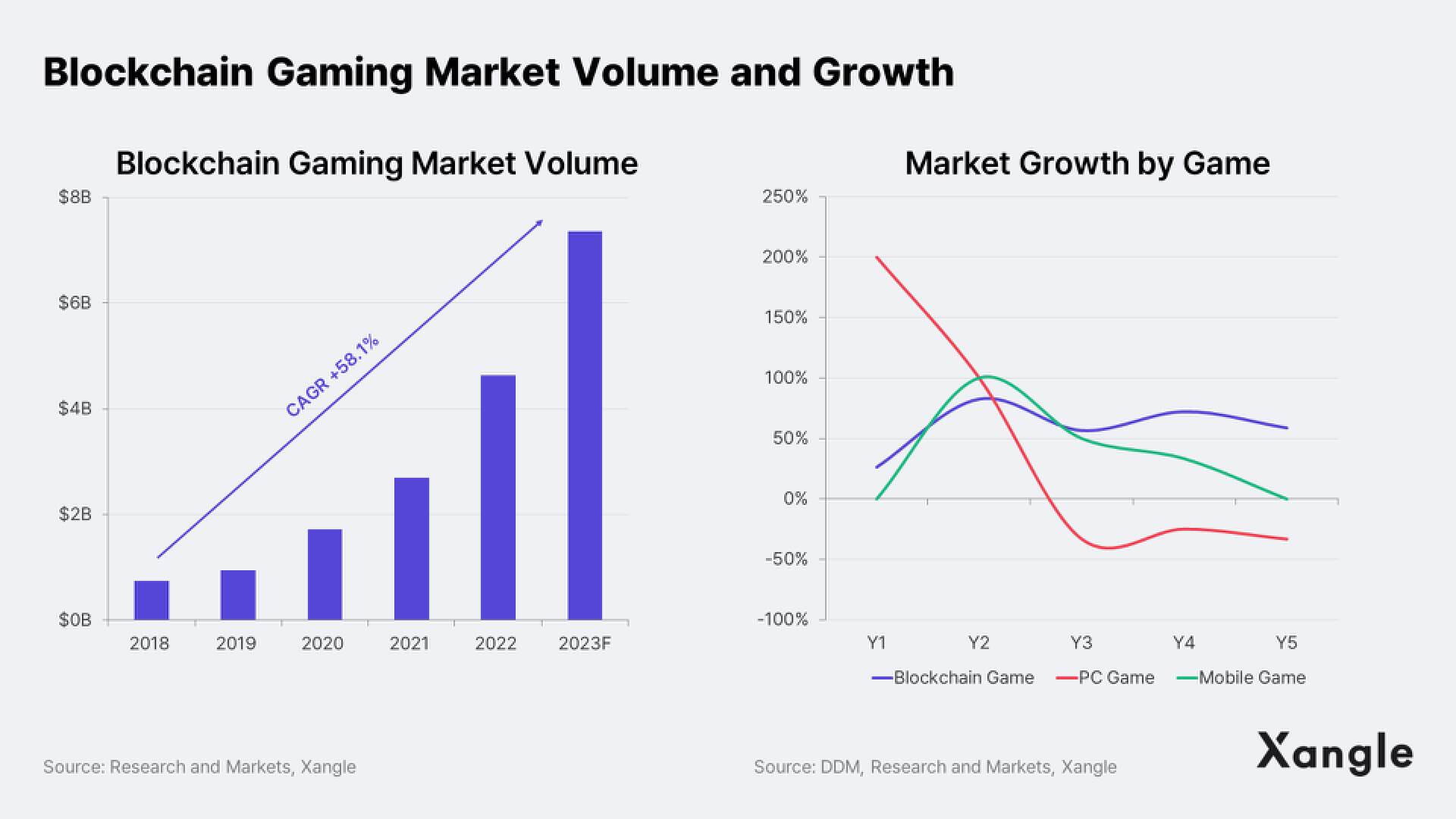
So, is the growth rate of the blockchain game market really slow? The blockchain game market is expected to grow from US$746.1 million in 2018 to US$7.4 billion in 2023, with an average annual growth rate of 58.1%. Although the market size in the first five years may be smaller than PC or mobile games, the absolute growth rate shows a good trend and even presents a higher growth trajectory.
 Success stories are expected in the short term
Therefore, the question we should ask is not how fast the blockchain gaming market will grow, but what will happen in the short term and which technologies will accelerate the long-term growth of blockchain gaming. Short-term expectations include creating initial success stories, while long-term prospects include benefiting from the growth of the AR/VR hardware market.
From a short-term perspective, just as the PC and mobile gaming markets have seen success in new genres in the past, leading to the development of more games in that genre, creating a cycle of success, we expect a similar pattern to occur in blockchain gaming. Through initial success stories, more game developers will get involved, further creating more success. This process will involve multiple attempts and repeated trials, leading to improvements that provide gamers with new gaming experiences that go beyond P2E.
On the positive side, more and more game developers are increasingly involved in the blockchain game market. Among them, Korean game companies play an important role in blockchain game development. With the exception of NCSoft, most game giants have taken a positive attitude towards blockchain games. Their approaches vary, from releasing major games in the form of blockchain games to creating original IPs and leveraging blockchain technology in platforms other than games.
Compared to Korean companies, many international game companies have a more conservative stance on the market. Nevertheless, there is a growing trend of major Japanese game companies such as Bandai Namco, Square Enix, Konami and SEGA, as well as Western companies such as Ubisoft and Take-Two Interactive, gradually entering the blockchain game market. Although they have not yet entered the game release stage like Korean game companies, the rough outline of their first game seems to have basically taken shape.
In the long run, blockchain games will benefit from the AR/VR industry
In the long run, blockchain games will become the main content provider for AR/VR hardware and are expected to grow in tandem with the AR/VR hardware industry. This expectation stems from the belief that blockchain technology will play a key role in the metaverse space enabled by AR/VR hardware.
The metaverse is an abstract concept with no specific definition. However, according to the core attributes of the metaverse model proposed by Matthew Ball (managing partner of venture capital fund EpyllionCo., one of the first people to think about the metaverse business transformation), the potential of blockchain technology will play a significant role in two key areas: data, digital interoperability assets, and the creation and operation of content by different participants.
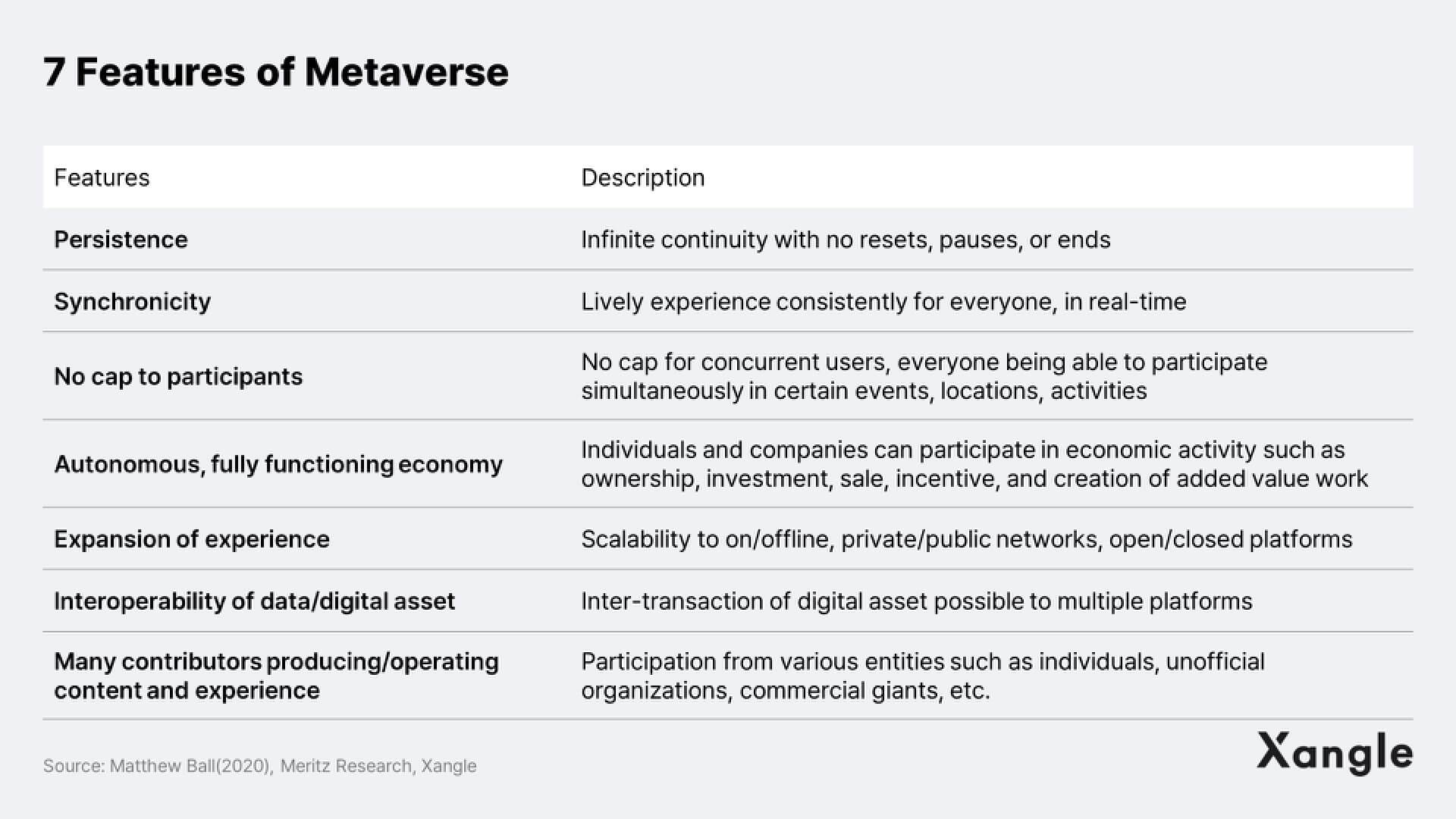
To ensure that digital assets maintain the same value across platforms within the Metaverse, they need to be designed and issued under a unified blockchain standard. This allows digital assets to move freely between different Metaverse platforms, ensuring interoperability. Just as PC and mobile games continue to evolve and fully embrace the expanding market and proliferating hardware, blockchain games are expected to play the same role on AR/VR hardware.
How can blockchain games succeed?
Why do games based on popular IPs always fail?
When we talk about the success of blockchain games, we are not just talking about the quality of the game, but also about whether it can attract and retain existing gamers and Web3 users. Games that prioritize Web3 concepts over overall quality may not meet the expectations of traditional gamers. However, even when games with mature IPs strive to maintain traditional game quality while incorporating blockchain features, these features can sometimes still create obstacles for gamers.
In the existing game market, games with well-known IPs usually achieve great success. This is because when new games are launched, they naturally attract a loyal fan base associated with the IP. Typical examples include Blizzard's Diablo series and Nintendo's Legend of Zelda series.
Diablo Series: Blizzard’s Diablo series, originally launched in 1996, recently achieved record-breaking sales with the fourth installment, Diablo 4. It earned $666 million in just one week after its release, making it one of the fastest-selling games in Blizzard’s history.
The Legend of Zelda Series: Nintendo's The Legend of Zelda series was first launched in 1986 and recently released its 20th installment, The Legend of Zelda: Kingdom of Tears. The game also made history for the series, selling over 10 million copies in just three days, becoming the fastest-selling game in the Legend of Zelda series.
However, it remains unpredictable whether these loyal fan bases can seamlessly transition to blockchain games based on existing IPs. From the perspective of gamers who like original IPs, they may not have much motivation to participate in blockchain games due to the lack of new content, high barriers to entry, and lack of meaningful gameplay. On the other hand, these games can attract the interest of Web3 gamers and token investors. Such games provide Web3 gamers with a rare, quality-assured blockchain game and cultivate a user base that can absorb initial selling pressure, which is more robust for token investors than other blockchain games. In order to attract Web2 gamers, these games leverage familiar game IPs. However, games that rely solely on old IPs without careful consideration of game design will ultimately attract mainly Web3 gamers and token investors, which is why blockchain games that are redesigned without careful planning often fail.
Current blockchain games are not attracting traditional gamers
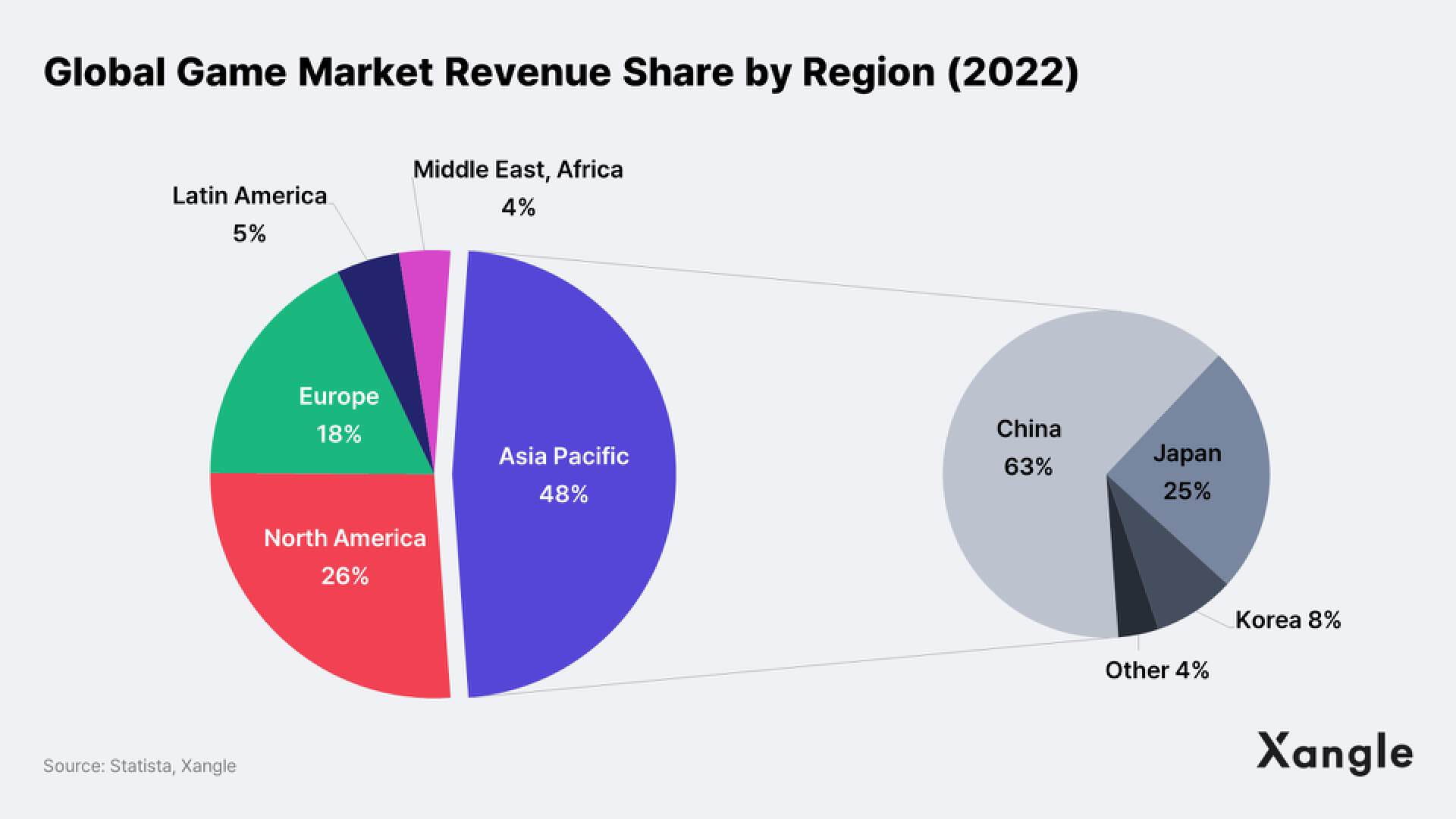
So, how can Web2 gamers smoothly transition to the world of blockchain games? When we look at the regional revenue distribution of the global game market, we find that the Asia-Pacific region accounts for 48% of the share, followed by North America (26%) and Europe (18%). It is worth noting that the Asia-Pacific region is dominated by three countries: China (63%), Japan (25%) and South Korea (8%), which together account for more than 95% of the market share.
On the contrary, the top blockchain games like Axie Infinity have user bases in the Philippines (41%), Venezuela (6%), the United States (6%), Thailand (5%), and Brazil (3%). Most of its users come from Southeast Asia and South America, which have relatively small market shares in the global gaming market, at 4% and 5%, respectively. As for MIR4 Global, it has user bases across Asia, South America, North America, Europe, India, and Central Asia. Overall, the Philippines stands out in Asia, while Brazil has the most users in South America.
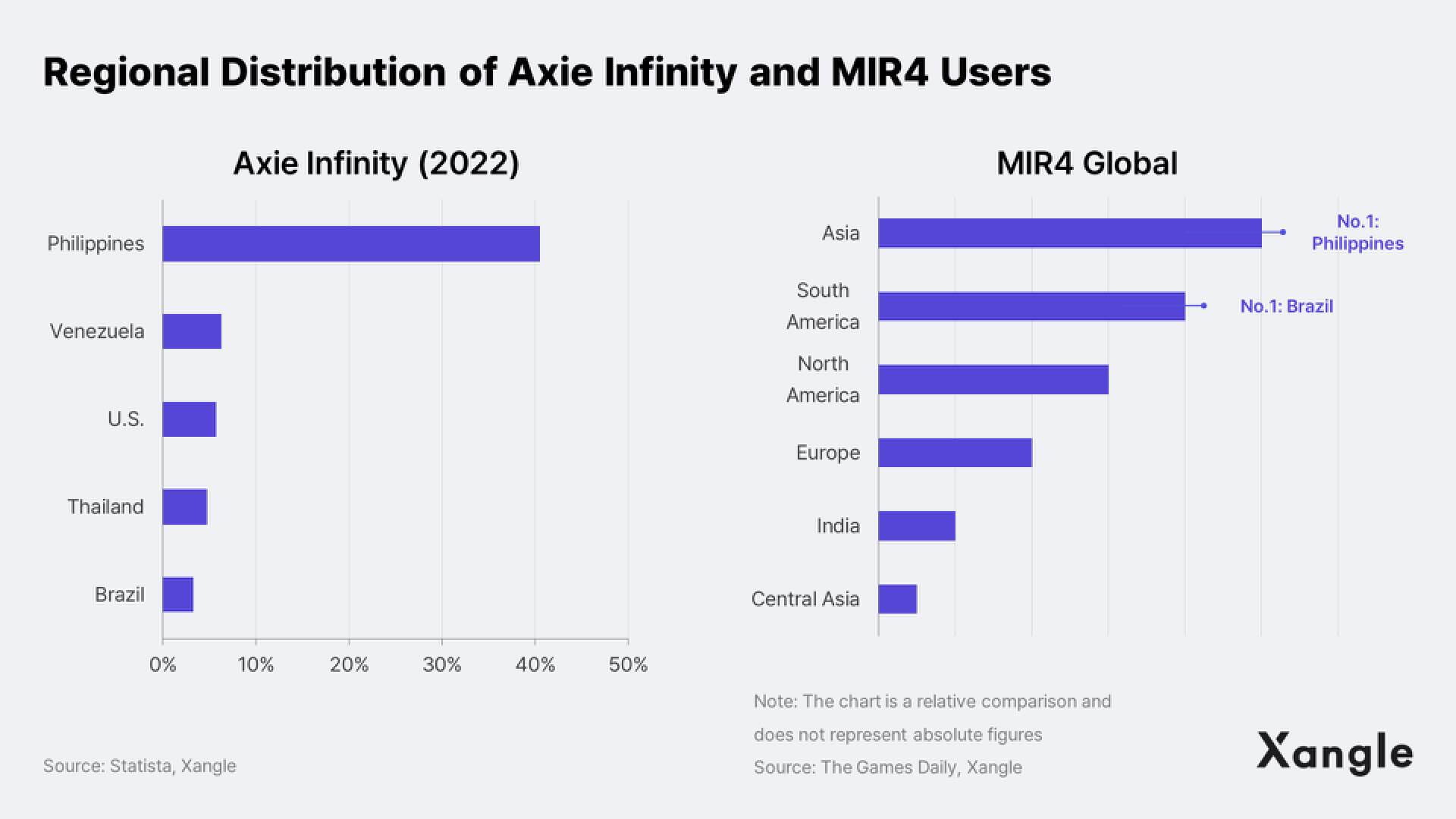
This suggests that blockchain games are not very attractive to gamers in the three major gaming regions of East Asia (China, Japan, South Korea), North America and Europe. It is worth noting that a license is required to provide games in China, and South Korea's restrictions on blockchain game services mean that they are not reflected in the statistics. Japan is following South Korea and is actively developing the blockchain game market, which suggests that Japan and South Korea may take a different path in the future.
In the West, where gamers have higher average incomes, blockchain games with a “play and earn” model lack appeal to them. In addition, the Western gaming market is primarily centered around single-player games, which makes integrating token economies and NFTs challenging. Unlike Asian gamers who are accustomed to free-to-play games, Western gamers have historically resisted pay-driven content, leading to strong opposition to tokens and NFTs. When Ubisoft announced its NFT plans in a YouTube video, it was met with overwhelming (95%) opposition, and it eventually had to delete the video.
Shifting the focus to “modules”
In order to attract traditional gamers to blockchain games, we must provide the game formats they like, while also providing a gaming experience that is unique to blockchain. Overcoming challenges such as wallet setup and transaction execution that seem complex at first is critical to enhancing the user experience. The blockchain industry is well aware of these issues and is actively researching ways to improve the UI/UX of blockchain services. It is expected that these issues will naturally be resolved as blockchain technology advances, so we will not delve into this issue further. So, what basic characteristics should a game have in order to be recognized by existing gamers and provide unique value that only blockchain can provide?
When blockchain meets gaming, it offers gamers more than just tradable tokens. The real potential of blockchain is to give gamers the freedom to create their own unique modifications (often referred to as "MODs") and profit from them. Mods are a common phenomenon even in traditional games, where players can tweak various elements of a game to create something new. For example, the popular game PlayerUnknown's Battlegrounds, created by the Korean company Krafton, originated from ARMA 2 mods, especially the "DayZ" mod, and the subsequent "DayZ: Battle Royale" mod. DayZ modifies the ARMA 2 universe, while DayZ: Battle Royale adjusts the rules of the game based on the DayZ game system. In addition, League of Legends was born from the DOTA mod of Warcraft 3, while Counter-Strike originated from the mod of Half-Life.
While some mods such as Battlefield, League of Legends, and Counter-Strike have grown into independent, successful games, the attitude of most gaming companies is to either restrict or prohibit mod creation. In fact, the rights of gamers to develop secondary content are entirely at the discretion of these companies. From the perspective of gaming companies, this is a wise choice. Unrestricted modifications could change the vision of the original game, affect the profitability of paid downloadable content (DLC), and even pose risks to the company's intangible assets such as game code. However, despite these concerns, we can still expect some advantages by integrating blockchain.
Game companies: the pursuit of sustainable development
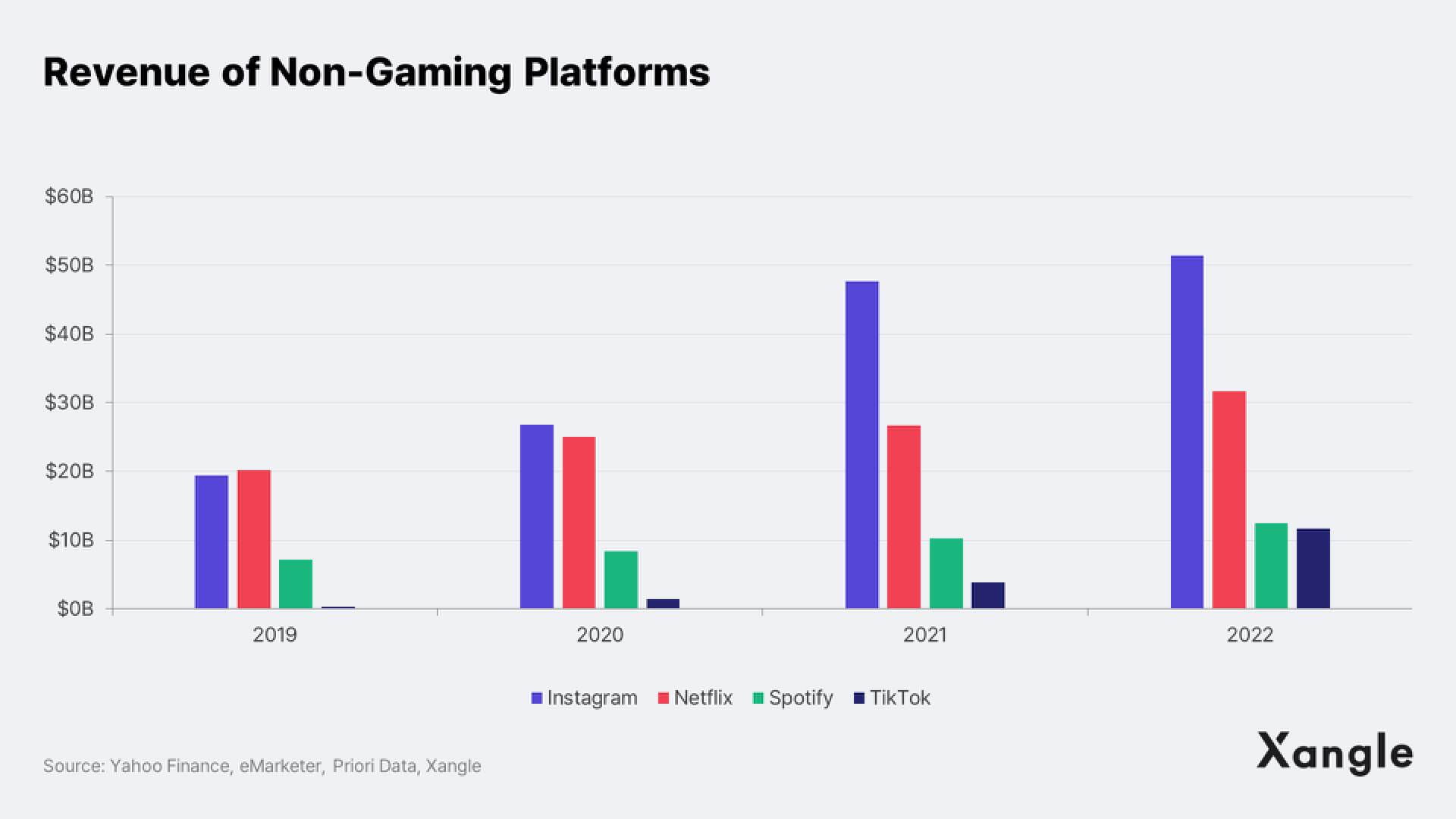
Gaming companies are constantly updating content to attract and retain gamers. However, no matter how sound a gaming company’s financials are, or how entertaining their games are, ensuring a continuous influx of new gamers and keeping them engaged through updates is no easy task. In addition, there has been an explosion in non-gaming content options compared to the past, such as YouTube, Instagram, TikTok, Netflix, US, etc. These platforms are tirelessly generating content, while our leisure time remains limited. Gaming companies are finding it challenging to compete with the volume and velocity of user-generated content on these platforms, corresponding to the transition of the global gaming industry to a more challenging phase.
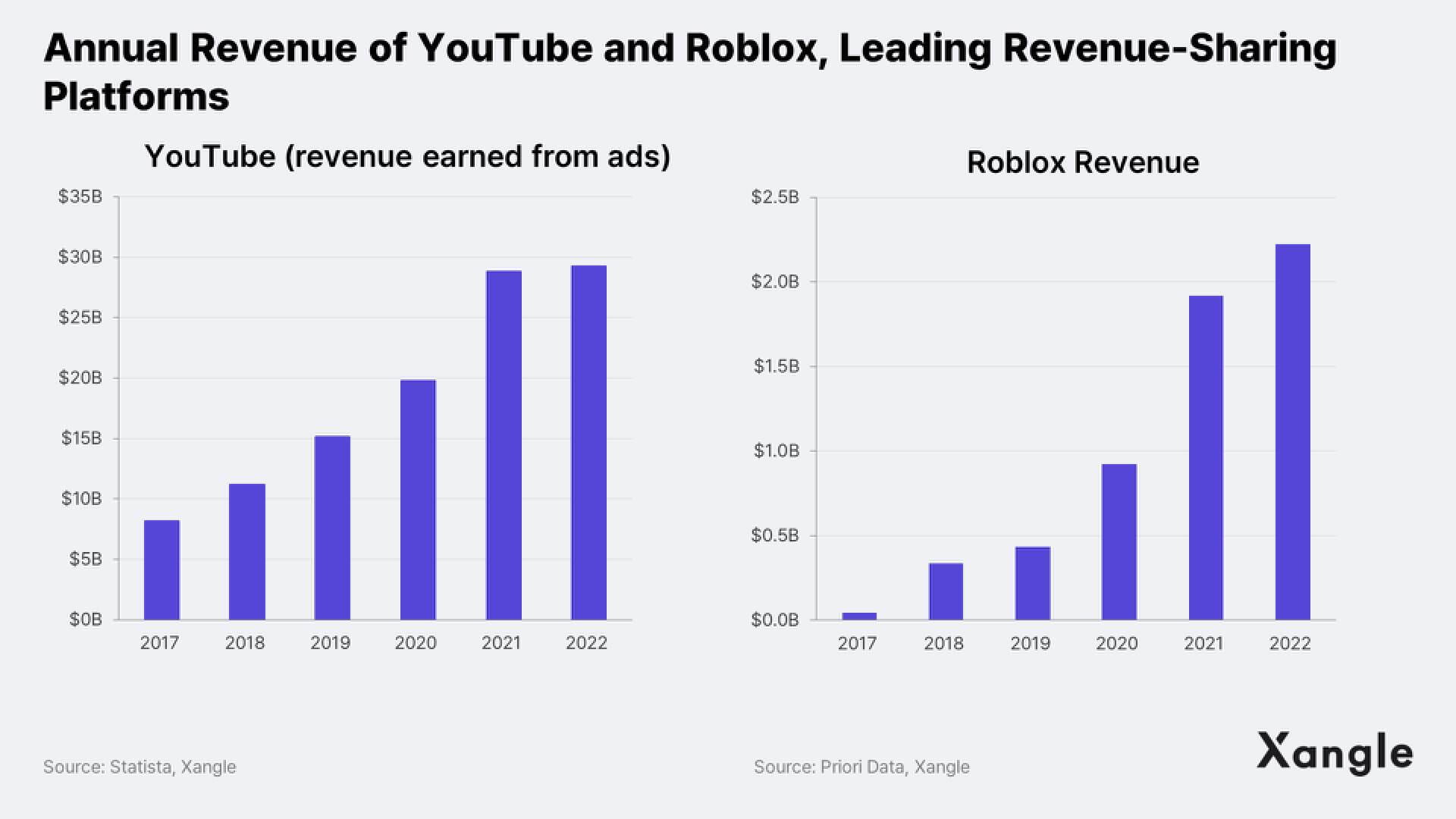
Game mods offer a solution to the inherent limitations of games in terms of sustainability. Allowing game mods enables game companies to share the responsibility of continuous content updates with the game’s players. This results in faster and more extensive updates, expanding the scope of the game and extending its lifecycle by reducing the rate at which gamers exhaust the available content. Ultimately, this approach reduces the sustainability burden on game companies. Frequent modders understand player preferences and needs better than game companies do. The efficacy of this user-centric content creation and its associated revenue sharing model has been demonstrated on platforms such as YouTube and Roblox.
 Modders: Get Rewarded
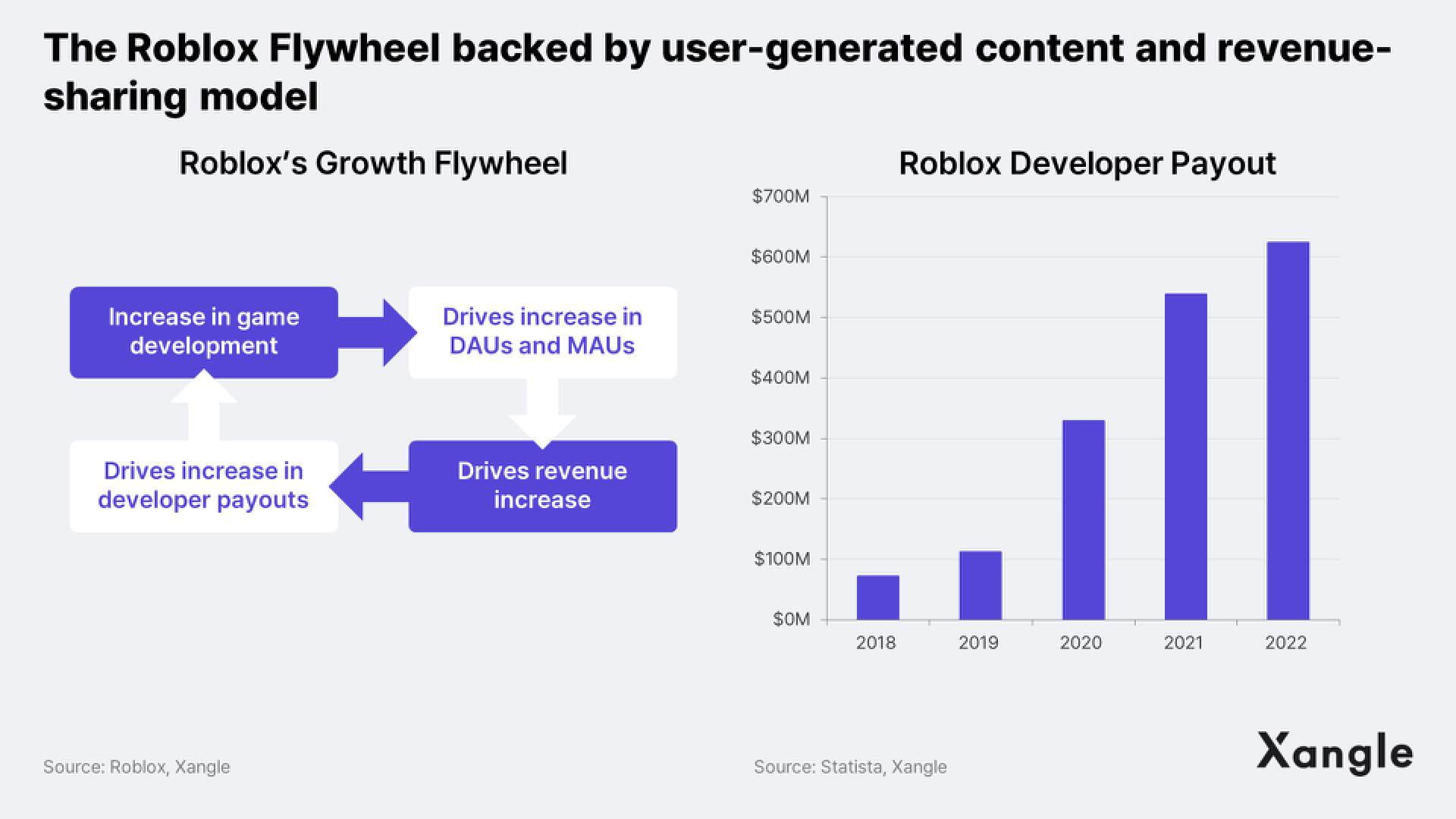
In traditional games, players invest time and effort to create mods out of love for the game, and often share them for free. While some mods eventually become independent, profitable games, most remain free. Due to the lack of proper reward mechanisms for modders, they sometimes abandon development midway or leave the mods unattended after completion due to lack of incentive. In blockchain games, we have the opportunity to reward modders through a token economy, depending on their level of activity and engagement with the mod. This approach ensures that contributors to the gaming ecosystem are fairly recognized, promoting their continued participation in the gaming community. As the number of modders increases, the variety of content available also becomes richer, expanding the user base. As a result, this increases revenue and provides creators with more generous returns.
 Player: It's all about fun
From the perspective of gamers, the advent of blockchain has brought about a rapid supply of quality content and enhanced the gaming experience. Gamers can delve into original games that have been creatively tweaked and find games that perfectly suit their tastes. While game companies focus on profits and creating games for the masses, mod makers do not have to bear the pressure of development costs and profits and can provide customized games for specific niche players. In addition, mods that can be easily rewritten based on player feedback are very popular among gamers. The introduction of blockchain has taken the fun of gaming to a higher level, which naturally attracts gamers.
The potential of mods in blockchain games
Providing gamers with the opportunity to create secondary works through mods and profit from them can create a win-win situation for game companies, mod makers, and gamers. But the following questions also arise: Mods are not a feature unique to blockchain games. How are blockchain games different; will Web2 game companies break away from the current closed mentality and allow full modification? As mentioned earlier, unlimited modification will bring various side effects.
The answer to the first question lies in the unique features of blockchain games, mainly interoperability and transparency. In traditional games, each module usually operates in its own isolated world with different habits, rules, and economic systems, making them essentially independent games in the eyes of players. Therefore, transitioning from one model to another comes with huge switching costs. However, when modules built on the same blockchain can share in-game assets and economic systems, gamers no longer need to worry about such costs. They can invest the same time, energy, and resources to enjoy a more immersive gaming experience.
However, this can lead to a major problem: it can upset the balance between early players and latecomers. Most traditional games achieve equality between all players by separating servers or introducing seasons, ensuring that everyone competes on a level playing field. This provides an incentive for latecomers to enjoy the game while extending the life of the game by attracting these new players.
If characters and in-game assets can be used without restriction across all mods, it becomes challenging to close the gap between early players and latecomers. Of course, it is up to each game company or mod creator to decide whether to build a larger user base to enhance the sustainability of the game or to maximize profits by favoring a core group of players, even if this deepens the imbalance. However, it is crucial to consider possible measures to prevent a situation where only a few players continue to dominate, thereby avoiding an unbalanced situation.
Another advantage of blockchain games is transparent profit sharing. In existing platforms that adopt a revenue sharing model, such as YouTube or Roblox, it is often difficult to determine the criteria for profit distribution, and the information on whether the profits are actually settled according to these criteria is unclear. However, by using blockchain, profits are automatically distributed according to smart contracts, and all settlement records are transparently accessible. This increases players' trust in game companies and contributes to the vitality of the game ecosystem.
Regarding the second question, of course, we should not expect game companies to completely open up their game resources and development rights from the outset. Allowing extensive modifications may lead to issues such as changing the original vision or infringing on intangible assets. Nevertheless, some game companies are exploring this path and conducting partial experiments, with Nexon being a notable example. Nexon's MapleStory Universe is a testing ground for verifying the impact and potential of blockchain integration. MOD N, an integral part of the MapleStory Universe ecosystem, is a blockchain game development platform that can utilize Nexon's NFTs and NFTs from external games. Nexon intends to evaluate contributions to the ecosystem based on the popularity of games created by MOD N and provide corresponding rewards.
Conclusion
There is growing anticipation that games will play a central role in driving widespread adoption of blockchain technology. This excitement is amplified, especially as major global gaming companies announce their forays into this space. However, it must be acknowledged that the blockchain gaming market is still in its early stages. We suggest taking a step back and looking at the growth potential of blockchain gaming from a more mid- to long-term perspective.
Furthermore, we emphasize the importance of thoughtfully integrating blockchain into games. The model adopted by many large game companies is to rely solely on existing IP without careful game design, which can be a challenging path. Instead, games should provide a familiar gameplay experience for current gamers while providing a unique blockchain gaming experience. We firmly believe that the most important potential of blockchain lies in giving gamers the freedom to create and monetize secondary content.