
Bitcoin ordinals are unique digital assets on the Bitcoin blockchain with potential use cases in art, gaming, and entertainment, and gained popularity especially through Bitcoin Ordinal NFT collections.
What are Bitcoin Ordinals?
Bitcoin ordinals are a new type of digital asset that has been gaining attention in the cryptocurrency world. They are unique tokens that are created by assigning a specific ordinal number to a Bitcoin transaction. In other words, Bitcoin ordinals are a way of tracking the order in which Bitcoin transactions occur on the blockchain.
To understand Bitcoin ordinals, it is important to first understand how Bitcoin transactions work. When someone sends Bitcoin to another person, the transaction is recorded on the blockchain, which is a public ledger that records all Bitcoin transactions. Each transaction is assigned a unique identifier called a transaction ID or TXID.
Bitcoin ordinals take this a step further by assigning a specific ordinal number to each transaction based on the order in which it was included in a block. For example, the first transaction in a block would be assigned ordinal number 1, the second transaction would be assigned ordinal number 2, and so on.
Bitcoin ordinals are created using a protocol called OP_RETURN, which allows users to embed data in a Bitcoin transaction that is not related to the transfer of Bitcoin. This means that Bitcoin ordinals can be created without affecting the actual transfer of Bitcoin between users.
Technical Aspects of Bitcoin Ordinals
Inscriptions
In the context of Bitcoin ordinals, Inscriptions refer to the ability to add arbitrary content to the smallest unit of Bitcoin, the Satoshi. This allows for the creation of unique digital assets, similar to Non-Fungible Tokens (NFTs), that can be tracked and transferred using ordinal theory.
Inscriptions are made possible by the Ordinals protocol, which was created in January 2023. The protocol indexes every Satoshi and allows users to inscribe any file on-chain on Bitcoin. The inscribed data can include text, images, videos, or any other file format. The inscriptions are stored on the Bitcoin base chain and are as durable, immutable, secure, and decentralized as Bitcoin itself.
The use of Inscriptions with ordinal theory allows for the creation of digital collectibles or NFTs that are unique, verifiable, and tradable. Each Inscription represents a distinct identity on the Bitcoin blockchain and can be used to represent anything from virtual artwork to real-world assets. Additionally, because Inscriptions are stored on the Bitcoin blockchain, they can be easily accessed and transferred, making them a powerful tool for creating decentralized digital assets.
Sat rarity
There are a limited number of satoshis in circulation. There are a total of 2.1 quadrillion satoshis in existence, which is the maximum amount that can ever be created on the Bitcoin network. As more people use Bitcoin, the number of available satoshis will decrease, making them more scarce and potentially increasing their value over time.
This scarcity is what makes Bitcoin ordinals and the use of inscriptions so interesting. By inscribing arbitrary content on a satoshi, individuals can create unique and scarce digital collectibles or NFTs that can be shared and traded on the Bitcoin network. This adds a new layer of utility and value to Bitcoin beyond its use as a digital currency. The use of ordinals theory to track and transfer these unique assets provides a secure and decentralized way of managing digital ownership, further increasing the potential value of Bitcoin ordinals.
The rarity of satoshis is important in determining their value as collectibles, making them attractive to Bitcoin Ordinals collectors. Several factors could influence the rarity of satoshis. One of them is the periodic events that occur in Bitcoin, such as new block mining, difficulty adjustments, and halvings. These events happen at varying frequencies, and their occurrence could make satoshis minted during those periods more valuable. For instance, satoshis that are minted after a halving event could be considered more valuable than others.
Apart from periodic events, satoshis could also hold value based on unique qualities of the number itself or significant events in Bitcoin’s history. For example, satoshis from block 477,120 that marked the activation of SegWit, or the last ordinal that will ever be mined, could potentially carry significant value for collectors. These satoshis are often referred to as “exotic,” and their classification is subjective.
Bitcoin Ordinals Wallets
What are Bitcoin Ordinals?
Bitcoin ordinals are a new type of digital asset that has been gaining attention in the cryptocurrency world. They are unique tokens that are created by assigning a specific ordinal number to a Bitcoin transaction. In other words, Bitcoin ordinals are a way of tracking the order in which Bitcoin transactions occur on the blockchain.
To understand Bitcoin ordinals, it is important to first understand how Bitcoin transactions work. When someone sends Bitcoin to another person, the transaction is recorded on the blockchain, which is a public ledger that records all Bitcoin transactions. Each transaction is assigned a unique identifier called a transaction ID or TXID.
Bitcoin ordinals take this a step further by assigning a specific ordinal number to each transaction based on the order in which it was included in a block. For example, the first transaction in a block would be assigned ordinal number 1, the second transaction would be assigned ordinal number 2, and so on.
Bitcoin ordinals are created using a protocol called OP_RETURN, which allows users to embed data in a Bitcoin transaction that is not related to the transfer of Bitcoin. This means that Bitcoin ordinals can be created without affecting the actual transfer of Bitcoin between users.
Technical Aspects of Bitcoin Ordinals
Inscriptions
In the context of Bitcoin ordinals, Inscriptions refer to the ability to add arbitrary content to the smallest unit of Bitcoin, the Satoshi. This allows for the creation of unique digital assets, similar to Non-Fungible Tokens (NFTs), that can be tracked and transferred using ordinal theory.
Inscriptions are made possible by the Ordinals protocol, which was created in January 2023. The protocol indexes every Satoshi and allows users to inscribe any file on-chain on Bitcoin. The inscribed data can include text, images, videos, or any other file format. The inscriptions are stored on the Bitcoin base chain and are as durable, immutable, secure, and decentralized as Bitcoin itself.
The use of Inscriptions with ordinal theory allows for the creation of digital collectibles or NFTs that are unique, verifiable, and tradable. Each Inscription represents a distinct identity on the Bitcoin blockchain and can be used to represent anything from virtual artwork to real-world assets. Additionally, because Inscriptions are stored on the Bitcoin blockchain, they can be easily accessed and transferred, making them a powerful tool for creating decentralized digital assets.
Sat rarity
There are a limited number of satoshis in circulation. There are a total of 2.1 quadrillion satoshis in existence, which is the maximum amount that can ever be created on the Bitcoin network. As more people use Bitcoin, the number of available satoshis will decrease, making them more scarce and potentially increasing their value over time.
This scarcity is what makes Bitcoin ordinals and the use of inscriptions so interesting. By inscribing arbitrary content on a satoshi, individuals can create unique and scarce digital collectibles or NFTs that can be shared and traded on the Bitcoin network. This adds a new layer of utility and value to Bitcoin beyond its use as a digital currency. The use of ordinals theory to track and transfer these unique assets provides a secure and decentralized way of managing digital ownership, further increasing the potential value of Bitcoin ordinals.
The rarity of satoshis is important in determining their value as collectibles, making them attractive to Bitcoin Ordinals collectors. Several factors could influence the rarity of satoshis. One of them is the periodic events that occur in Bitcoin, such as new block mining, difficulty adjustments, and halvings. These events happen at varying frequencies, and their occurrence could make satoshis minted during those periods more valuable. For instance, satoshis that are minted after a halving event could be considered more valuable than others.
Apart from periodic events, satoshis could also hold value based on unique qualities of the number itself or significant events in Bitcoin’s history. For example, satoshis from block 477,120 that marked the activation of SegWit, or the last ordinal that will ever be mined, could potentially carry significant value for collectors. These satoshis are often referred to as “exotic,” and their classification is subjective.
Bitcoin Ordinals Wallets
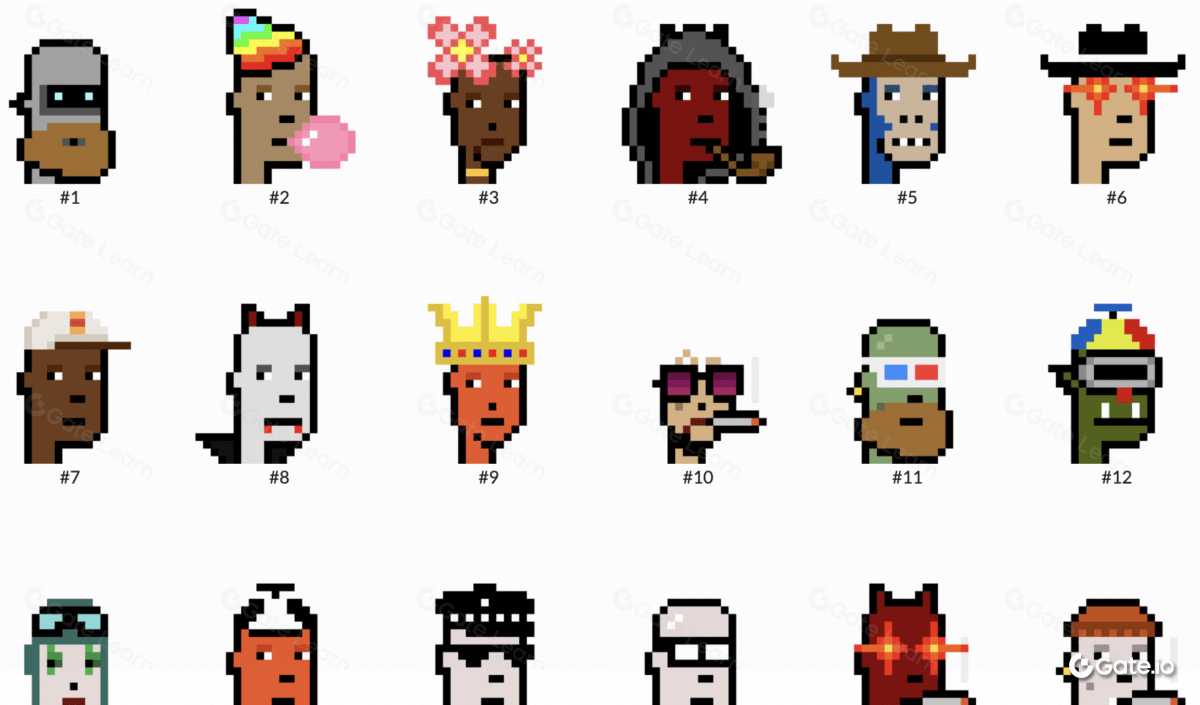
Source: Ordinals Wallet
To mint and manage Bitcoin ordinals, users can utilize a variety of specialized wallets. The most popular options are Ordinals Wallet, Xverse Wallet, Hiro Wallet, and UniSat.
Ordinals Wallet is a dedicated Bitcoin ordinal wallet that allows users to create and transfer ordinals. The wallet uses an intuitive interface that simplifies the creation of ordinals, making it accessible even to those without technical expertise.
Xverse Wallet is another popular choice, offering a range of features beyond just ordinal management. The wallet supports multiple cryptocurrencies and allows for the creation of non-fungible tokens (NFTs) in addition to ordinals. Its intuitive interface and broad functionality make it a powerful tool for those looking to manage various digital assets.
Hiro Wallet is a highly secure, non-custodial wallet that supports the creation and management of Bitcoin ordinals. The wallet utilizes advanced security measures such as biometric authentication and two-factor authentication to ensure the safety of user funds.
UniSat is a decentralized platform that enables anyone to inscribe arbitrary data on the Bitcoin blockchain using ordinals. It also provides a marketplace where users can buy and sell these custom tokens, with prices determined by supply and demand. The platform is built on top of the Lightning Network, allowing faster and cheaper transactions than traditional Bitcoin blockchain transactions. With UniSat, users have full control over their tokens and can transfer them to any compatible wallet.
Relevance of Bitcoin Ordinals
Bitcoin ordinals have the potential to add significant value to the cryptocurrency ecosystem in several ways.
Auditing
Bitcoin ordinals can be used for auditing purposes, as they provide a transparent and immutable record of the order in which Bitcoin transactions occur on the blockchain. This can be useful for businesses and organizations that need to maintain accurate and reliable records of their financial transactions.
New financial products and services
Bitcoin ordinals can enable new types of financial instruments and contracts to be created on the blockchain. For example, Bitcoin ordinals can be used to create smart contracts that are triggered by specific Bitcoin transactions, such as the transfer of a certain amount of Bitcoin from one wallet to another. This can enable a wide range of new financial products and services to be developed on the blockchain.
Organization and analysis of BTC transactions
Bitcoin ordinals can provide a new way of organizing and analyzing Bitcoin transactions on the blockchain, which can lead to new insights and discoveries about the behavior of Bitcoin users and the overall health of the Bitcoin ecosystem.
Potential Use Cases for Bitcoin Ordinals
Supply chain management
By tracking the order of Bitcoin transactions on the blockchain, Bitcoin ordinals can provide a transparent and immutable record of the movement of goods and products along the supply chain. This can help to prevent fraud and counterfeiting, and can provide consumers with greater confidence in the products they are purchasing.
Digital identity
By assigning a unique ordinal number to each Bitcoin transaction, Bitcoin ordinals can provide a way of verifying the identity of individuals and entities that are engaging in Bitcoin transactions. This can be useful for preventing fraud and for complying with regulatory requirements related to KYC and AML.
Lending and borrowing
By tracking the order of Bitcoin transactions on the blockchain, Bitcoin ordinals can provide a way of verifying the creditworthiness of borrowers and the legitimacy of lenders. This can enable new types of peer-to-peer lending platforms to be developed on the blockchain.
DAOs and dApps
Bitcoin ordinals can be used for creating decentralized autonomous organizations (DAOs) and other types of decentralized applications (dApps). By providing a transparent and immutable record of the order of Bitcoin transactions on the blockchain, Bitcoin ordinals can provide a way of creating decentralized governance structures and decision-making processes.
Digital collectibles and non-fungible tokens (NFTs)
By assigning a unique ordinal number to each Bitcoin transaction, Bitcoin ordinals can provide a way of verifying the authenticity of digital assets and collectibles. This enables new types of digital art and collectibles to be created on the blockchain.
Pros of Bitcoin Ordinals
Increased transparency
By tracking the order of Bitcoin transactions on the blockchain, Bitcoin ordinals can provide a transparent and immutable record of the movement of funds. This helps to prevent fraud and other types of illegal activity, and can increase confidence in the Bitcoin ecosystem.
Increased efficiency
By automating the tracking and recording of Bitcoin transactions, Bitcoin ordinals help reduce the costs and time required for manual record-keeping and auditing.
Potential to enable new types of financial innovation
By providing a transparent and immutable record of the order of Bitcoin transactions, Bitcoin ordinals enable new types of financial instruments and contracts to be created on the blockchain. This can lead to new opportunities for investment, lending, and other financial services.
Cons of Bitcoin Ordinals
Privacy concerns
By tracking the order of Bitcoin transactions on the blockchain, Bitcoin ordinals reveal information about the parties involved in those transactions, which can raise privacy concerns.
Scalability
As the number of Bitcoin transactions increases, it may become more difficult and resource-intensive to track and record all of those transactions using Bitcoin ordinals. This could potentially lead to slower transaction processing times and higher costs for users.
Technical challenges and implementation issues
As with any new technology, there may be technical hurdles and implementation challenges that need to be overcome in order to successfully implement Bitcoin ordinals in the cryptocurrency ecosystem.


