


Main conclusions
NFT scammers often deceive new users who are not well versed in the blockchain.
Check the authenticity of the work. Study information about the NFT, its website and the creator’s profile - this way you can spot signs of dubious NFTs and unscrupulous sellers.
Follow our tips for spotting fake NFT collections to stay safe when purchasing NFTs. You can greatly reduce the likelihood of being scammed by doing a little research on your own.
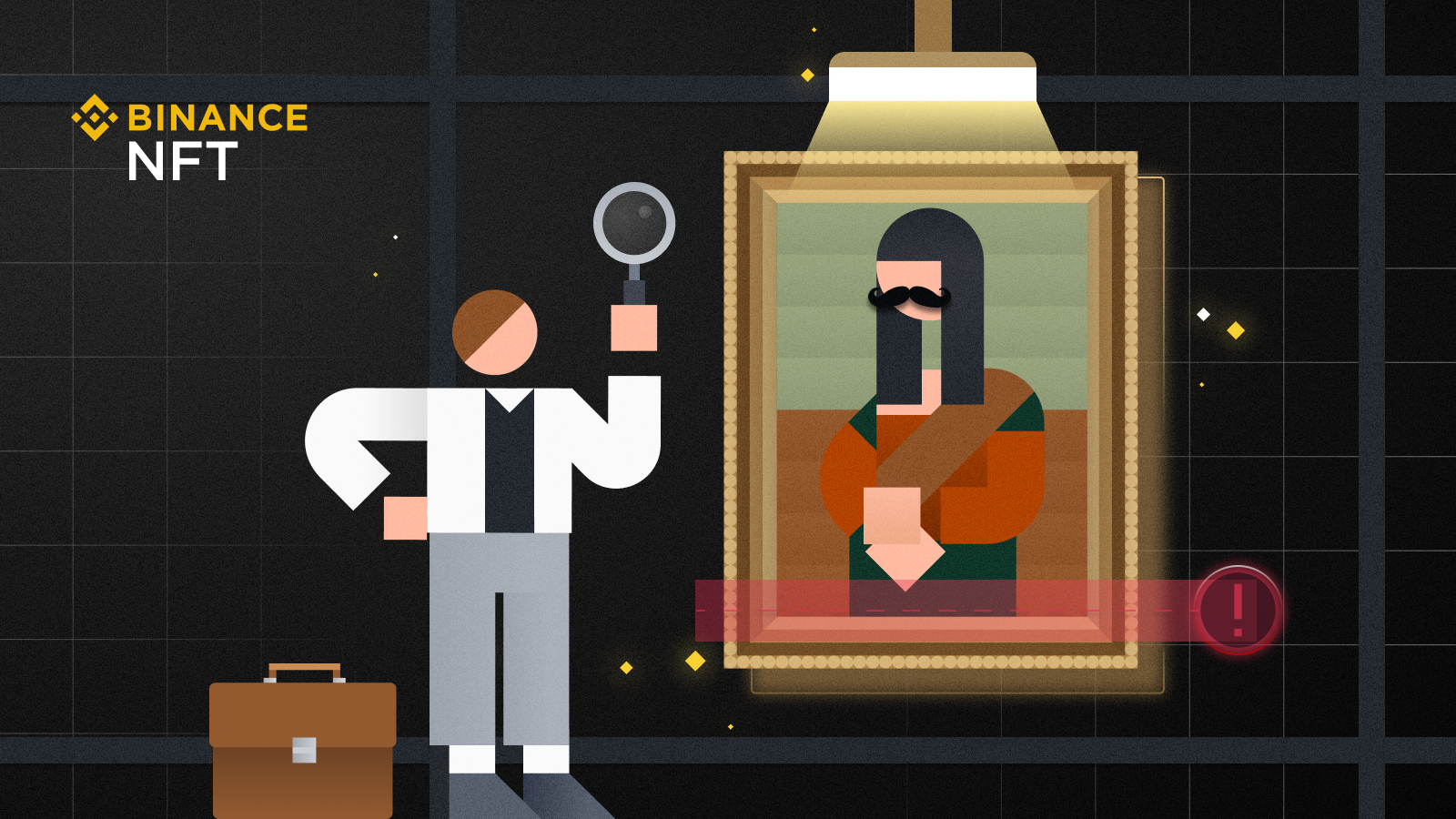
As NFTs grow in popularity, the issue of authenticity becomes more pressing. How to recognize a fake NFT? What might such fakes even look like? To transact safely, you need to know how to verify the authenticity of NFTs.
Since this area appeared not so long ago, scammers are actively taking advantage of the fact that users have little understanding of how it works. The best way to protect yourself in this situation is to learn how to authenticate NFTs yourself so you know exactly what you're buying.
Are NFT scams common?
In a word - yes! The incredible rise in popularity of NFTs and the metaverse in 2020 and 2021 has brought scammers into the market who are scamming unsuspecting victims by selling them fake NFTs. Many new investors find it difficult to understand the workings of blockchain and non-fungible tokens. All this creates a favorable environment for attackers who take advantage of the inexperience of novice NFT users.
Additionally, the requirements for creating your own NFTs are quite low. This is a huge plus for creators, artists and their audiences, but also a great opportunity for scammers to quickly and cheaply list fake NFTs on the market. However, not everything is so hopeless. The tips below will help you recognize suspicious NFTs. As with any investment, saving your money requires time, patience and doing your own research.
Basic Tips for NFT Authentication
1. Verify the identity of the NFT creator or seller
If you're sure you're buying an NFT directly from the creator, check their website and social media to confirm where they're selling. Make sure it's an official account and not a scam account created by an impostor.
It is always a good idea to cross-check information on different platforms and official websites. If you can't find a reliable source of information, it's probably suspicious. Another option is to seek help from trusted NFT communities. Again, make sure you use reliable sources and don't just take one person's word for it.
If you buy a collectible on the secondary market, you can check the seller's wallet address and NFT ID on the blockchain to track its origin. Be especially careful if the marketplace does not allow you to see the seller's wallet address.
2. Study the NFT site carefully
Sometimes scammers copy entire NFT sites. Such a site may look reliable, but it will have the wrong address. In addition, upon closer inspection, it shows other signs of deception, such as poor quality text and a lack of detail.
Do not link your wallet to the site until you are sure of its authenticity. If you link your wallet to a fraudulent site, its operators will have access to your funds.
3. Check the NFT contract address
In addition to the seller's wallet and NFT data on the blockchain, it's worth checking the NFT contract address. The exact address of the collection contract must be obtained from an official source. If it is different from what is shown, then the NFT is not genuine.
4. Check NFT Sales Volume
If you're buying an NFT from a particularly popular series, there's a good chance the NFT has already been traded before. You can check this in a blockchain explorer or an NFT marketplace aggregator. If the NFT has never been sold before, it's worth doing more thorough research.
Even if there were enough sales, double-check the activity history and make sure that these transactions do not involve a small number of identical wallets. This could be a scammer buying and selling their own fake NFTs to manipulate sales volume and even price.
5. Analyze the NFT Price
If the price looks too tempting, there's probably a catch. Check the minimum price of the entire collection and compare it with the offered price of the NFT you are interested in. For example, if you find CryptoPunk for just $5,000, it is highly unlikely that it is real. As mentioned earlier, even if the price looks reasonable, you need to make sure it's not being priced out by a small number of wallets.
6. Use reverse NFT image search
While you may be confident that you are purchasing an original piece of art in NFT format, this may not be the case. By performing a reverse search on an NFT image, you can see where else it has been published. Some uses may be legal, but you may find that another artist previously created the image but didn't turn it into an NFT. Or realize that you are interested in a duplicate NFT and not the original.
Trade NFTs safely
Even when using reputable exchanges like Binance NFT, always be vigilant. The tips above will, in most cases, help you understand whether you are buying a genuine NFT. Remember that all transactions on the blockchain are final. If something seems suspicious to you, listen to your intuition and do not rush to make a purchase.
For more information, check out the following articles:
What is NFT
(Blog) Common NFT Scams and Safety Tips 2022
(Blog) How to protect yourself from NFT rug pull scams?
(Academy) 5 Common Types of Cryptocurrency Scams and How to Avoid Them