


How Did Bounty Hunters Get Paid in the Old West?
In the rugged and dangerous world of the Old West, bounty hunters made their living by capturing fugitives and delivering them to justice. With limited law enforcement resources, the bounty system became a key method to apprehend criminals and reward those willing to take on the risks. However, this profession came with its own challenges, from payment disputes to life-threatening dangers.
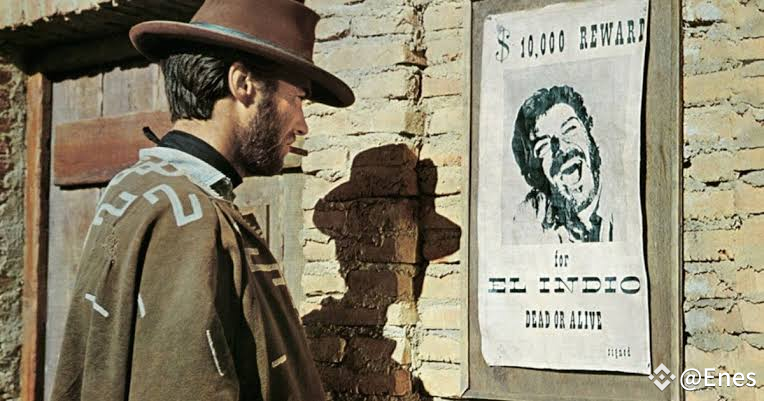
During the 19th century, when someone committed a crime and fled, local authorities or private citizens would set a bounty for their capture. These bounties were often advertised in newspapers, spread through word of mouth, or posted on the famous “Wanted” posters. These posters included the fugitive’s name, physical description, the amount of the reward, and conditions for their capture (alive, dead, or either). The job of the bounty hunter was to locate the fugitive, apprehend them, and deliver them to the designated authorities or issuer of the bounty to claim their reward.
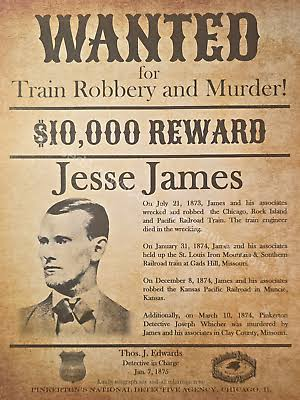
The reward amounts varied based on the severity of the crime and the fame of the fugitive. Small-time criminals typically had bounties ranging from $5 to $50, while more significant offenders warranted $100 to $200. For infamous outlaws, rewards could climb to $500, $5,000, or even higher. Jesse James, one of the most notorious outlaws in history, had a $10,000 bounty on his head—a fortune in the 1800s.
Once the fugitive was captured, bounty hunters were responsible for delivering them to the appropriate authorities, often over long and dangerous journeys. Upon arrival, officials would verify the fugitive’s identity, and the bounty hunter would receive their payment. Payments were usually made in cash or gold, though some cases offered bartered goods such as livestock or store credit.
However, payment was not always straightforward. Some issuers failed to honor their commitments, leaving bounty hunters unpaid. Delays in verifying the fugitive’s identity or authorizing the payment could also result in weeks or months of waiting. Additionally, disputes often arose when multiple bounty hunters claimed to have captured the same fugitive.
Being a bounty hunter in the Old West was fraught with risks. They frequently encountered armed and desperate criminals willing to fight to the death. Hunters also had to guard against ambushes from the fugitive’s allies or rival bounty hunters. Beyond the physical dangers, bounty hunters bore all the costs of the hunt themselves—ammunition, food, lodging, and horse care—making the job financially precarious.
Despite these challenges, bounty hunters became a symbol of grit and determination in the American West. The bounty system, though unpredictable and fraught with risks, was a lifeline for many seeking justice in a lawless land. The profession balanced the allure of high rewards with the ever-present danger of the hunt, leaving its mark as an enduring piece of American history.