
The President of El Salvador has announced that he will run for re-election to continue promoting his Bitcoin policies that have attracted much attention at home and abroad. Although El Salvador has broad support in the country, some have raised questions about his eligibility for re-election under El Salvador's constitution.
El Salvador has filed documents to run for re-election in the February 2024 presidential election. A supporter of Bitcoin, he officially received his party's nomination on October 26, and he has strong support among the public.
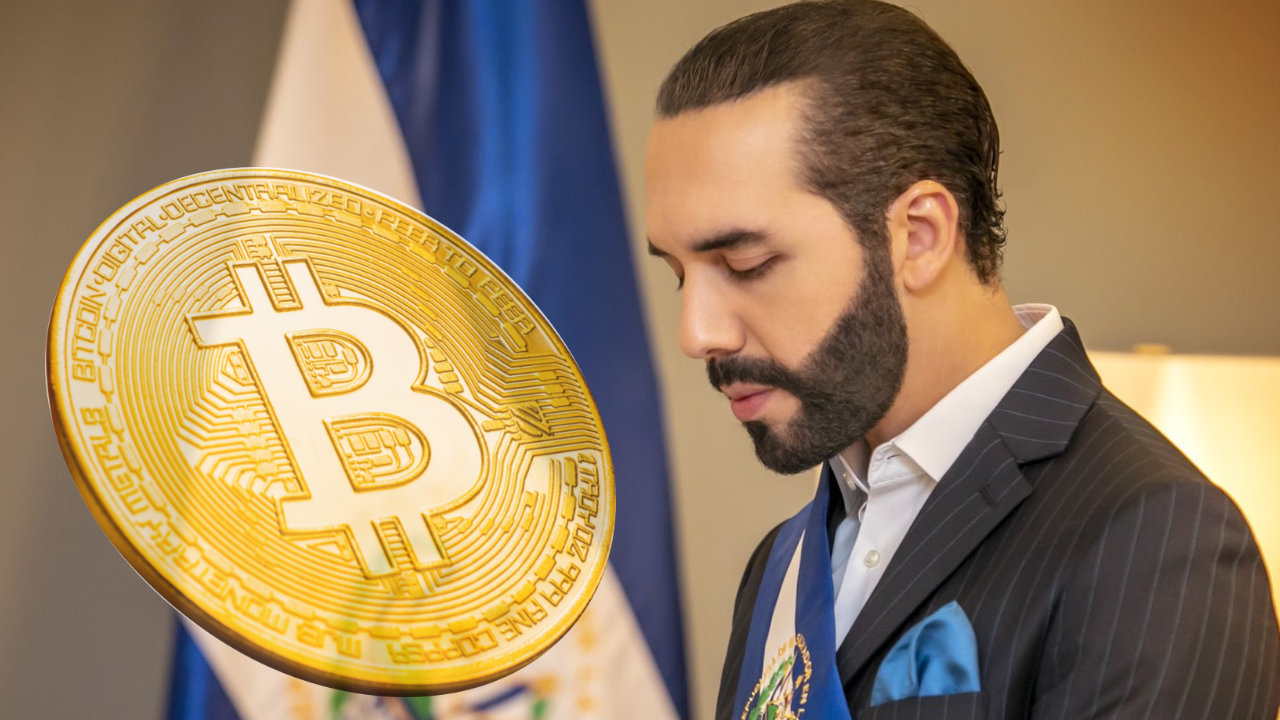
"Five more years, five more years, we will not take a step back," El Salvador said at a rally in front of thousands of Salvadorans. "We need five years to continue to improve our country," he added. El Salvador came to power in 2019 with his party, New Idea, which broke a three-decade two-party monopoly by the Salvadoran National Republican Alliance and the Farabundo Martí National Liberation Front (FMNLB).
However, despite his widespread popularity at home, some critics, such as Salvadoran lawyer Alfonso Fajardo, argue that the country's constitution prohibits El Salvador from running for a second term.
"Today is a good day to remember that the Constitution explicitly prohibits re-election for up to seven terms," he said on October 26. However, in September 2021, the Salvadoran Supreme Court ruled that the president could run for consecutive terms.
El Salvador's president announced that he would run for re-election. His New Thought Party won 70% of the voter support.
According to a Reuters report citing a study by a university in El Salvador, the New Idea party received the support of 70% of the country's voters, while its closest rival received only 4% of the total votes.
A rival party to the New Thought Party, FMNLB, filed a lawsuit in June 2021, claiming that El Salvador’s Bitcoin adoption plan was unconstitutional. However, three months later, in September 2021, El Salvador recognized Bitcoin as legal tender, and the complaint did not go far, with the government subsequently implementing other tech-oriented policies aimed at boosting the country’s economy, such as exempting all taxes on technological innovation.
Recently, Gabor Gurbacs, a consultant at VanEck Strategy, said that El Salvador has the potential to become the "Singapore of the Americas." He said that much of the country's president's popularity comes from his tough crackdown on the transnational gang MS-13, which caused El Salvador to record the highest murder rate in the world six years ago.
As a result of the crackdown, El Salvador’s murder rate has dropped rapidly to 92.6 per 100,000 people in 2015, from 106. However, the United Nations and other critics argue that El Salvador has violated human rights law by imprisoning 65,000 people without giving them the legal right to defend themselves.