

The history of the development of human currency is a colorful one. Money in the form of shells, gold and silver, paper money, digital currency, etc. has emerged and evolved in different eras and cultures. This history is full of social, economic and technological changes. The following will summarize the history of the development of human currency.
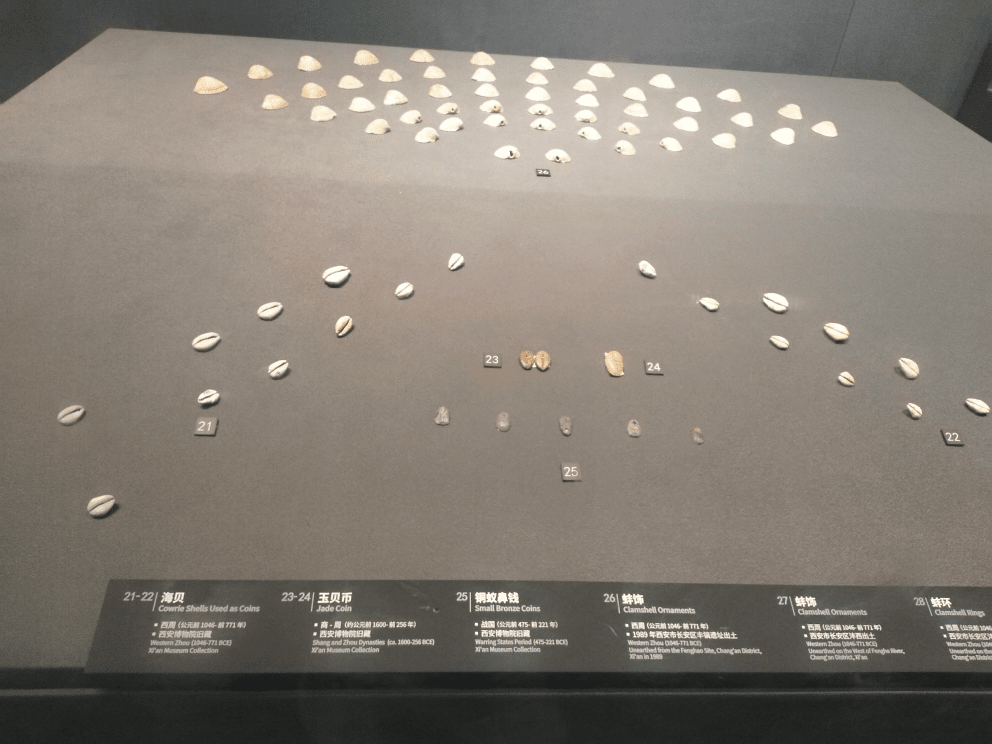
1. Shell currency:
The history of human currency can be traced back to about 10,000 years ago, when the earliest forms of currency were shells, bones and other precious objects. These objects were used for exchange in ancient societies and were considered to have certain value.
2. Gold and Silver Currency:
Gold and silver were widely used as currency in ancient times. Civilizations such as Ancient Egypt and Ancient Greece created gold and silver coins, which became a medium of trade and exchange. The value of these gold and silver coins was determined by their quality and weight.
3. The emergence of paper money:
The use of paper money can be traced back to the Tang Dynasty in China. The earliest paper money was issued by merchants and governments to facilitate trade. These paper money gradually spread to other regions and became a more convenient form of currency to carry and trade.
4. Banks and Banknotes:
The rise of banks further promoted the development of currency. Banks began to issue banknotes, which represented the value of bank deposits and replaced the use of coins to a certain extent. This laid the foundation for the establishment of a financial system.
5. Central Banks and National Currencies:
Countries began to establish central banks, institutions responsible for monetary policy and the issuance of currency. National currencies became official legal tender, backed by the government and widely accepted both domestically and internationally. This system became more common in the late 19th and early 20th centuries.
6. Gold Standard and Bretton Woods System:
The gold standard, which pegged currencies to a certain amount of gold, prevailed in the late 19th and early 20th centuries. Later, the Bretton Woods system was established, an international monetary system with the U.S. dollar as the main reserve currency and pegged to gold.
7. Modern Paper Money and Electronic Payments:
Modern paper money has gradually become more and more invisible, and the value on the paper money represents the credibility and government guarantee. At the same time, the emergence of electronic payment and bank cards has made it more convenient for people to conduct transactions and reduce their dependence on cash.
8. The rise of digital currency:
In the early 21st century, the concept of digital currency began to attract widespread attention. Bitcoin, as the first decentralized digital currency, came out in 2009. Its uniqueness lies in the fact that it is based on blockchain technology and enables secure and anonymous transactions. The success of Bitcoin has inspired the creation of other digital currencies, such as Ethereum and Litecoin.
9. Central Bank Digital Currency (CBDC):
Central banks in some countries have begun to explore issuing their own digital currencies, called central bank digital currencies (CBDCs). CBDCs are government-backed digital forms of legal tender that have broad legal status and can be used for payments and savings. CBDCs are expected to provide greater security and convenience, but also raise concerns about privacy and monetary policy.
10. Blockchain technology and the future:
The future of digital currency is full of uncertainty, but the application of blockchain technology has far exceeded digital currency itself. Blockchain technology has a wide range of applications in supply chain management, smart contracts, identity verification and other fields. In the future, currency and payment systems may become more intelligent and decentralized, thus changing our financial system and daily life.
The history of human currency is an evolving process, influenced by technological, political and social factors. From the earliest shells to modern digital currencies, the evolution of currency forms reflects the continuous development and change of human society. With the continuous advancement of technology, the form and use of currency in the future will continue to change.