
As cryptocurrencies become more popular and adopted globally, so too have fraud attempts targeting investors in this field. Therefore, if you are thinking of investing in cryptocurrencies or own a digital wallet, you should take some precautionary measures to protect your money and personal data.
1. Use trusted wallets
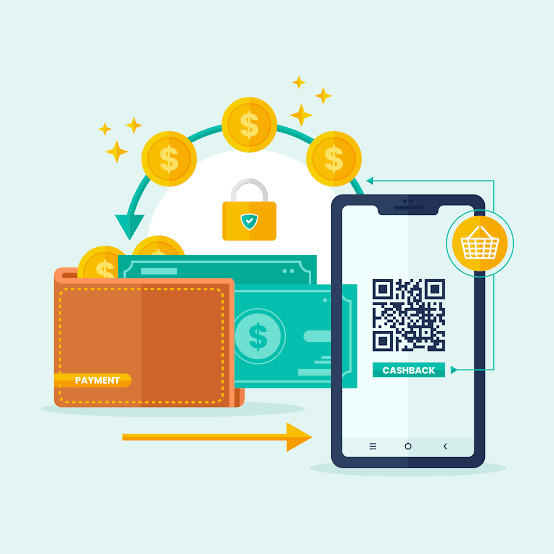
The first step to protecting yourself is to choose a reliable and secure digital wallet. There are two main types of wallets:
Hot wallets: Connected to the internet and used on a daily basis for transactions. Make sure to use well-known and reputable wallets.
Cold wallets: Store coins offline and are the safest for holding assets for long periods.
2. Enable two-factor authentication (2FA)
Two-factor authentication (2FA) is an extra layer of protection. When you enable this feature, you will need to enter an additional code that is sent to your phone or via a special app, making it more difficult for hackers to access your account.
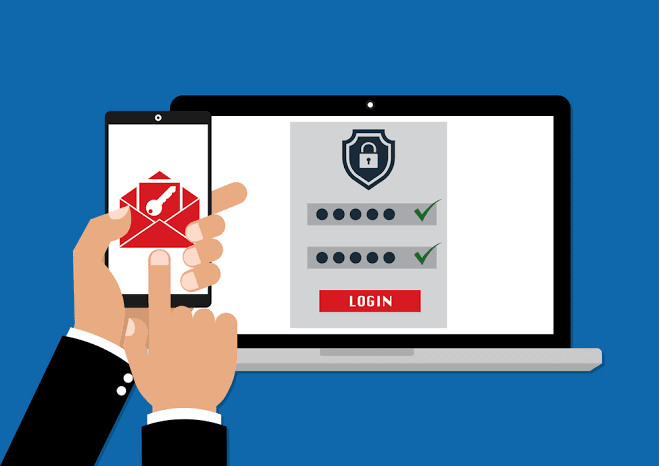
3. Use strong passwords
Avoid using weak or duplicate passwords across multiple accounts. Instead, use complex, unique passwords for each account. You can use a password manager to store them securely.
4. Be careful of suspicious messages and links.
Social engineering attacks are one of the most common forms of fraud in cryptocurrency. Do not open suspicious emails or click on links you do not trust. Always verify the identity of the party you are dealing with.
5. Dealing with trusted platforms
When trading cryptocurrencies, use only well-known and licensed trading platforms. Avoid dealing with unknown platforms or those that promise exaggerated profits, as they may be scam platforms.

6. Educate yourself about fraudulent methods
You should be aware of common scams in the crypto world such as:
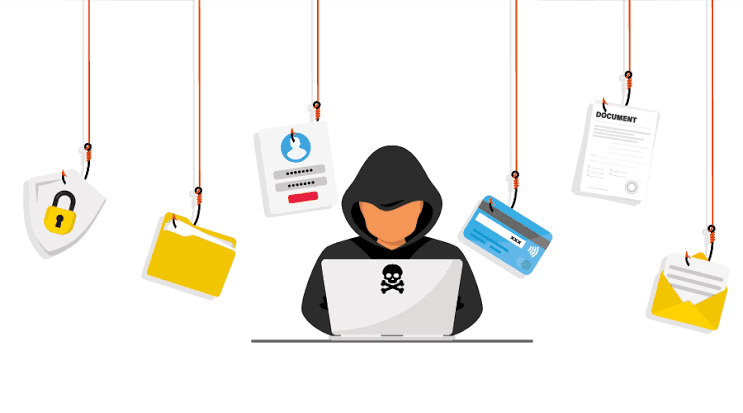
Phishing scam: You are tricked into providing your wallet login details via fake websites or emails.
Fake investment scam: You are offered an investment with exaggerated guaranteed returns.
7. Verify wallet addresses
When sending coins, always make sure the wallet address you are sending to is correct. Beware of malware that may change the address once copied.
8. Update security software
Make sure that your operating system and the applications you use to manage your wallet are up to date with the latest security updates. Using antivirus and anti-virus software can prevent malicious attacks.

9. Continuing Education
In the world of crypto, things change quickly. Follow the news and learn about the latest ways to protect yourself and your money. Joining trusted crypto communities can help you stay informed.

Protecting yourself from cryptocurrency fraud requires awareness and knowledge of the right tools and practices. By using trusted wallets, enhancing security through two-factor authentication, and avoiding dealing with unknown parties, you can reduce risks and protect your funds from hackers and scammers.
#AirdropGuide #TopCoinsJune2024 #BinanceTurns7


