




Dear readers, welcome to Gryphsis Academy’s weekly crypto digest. We bring you key market trends, deep insights into emerging protocols, and fresh industry updates, all designed to advance your expertise in crypto and Web3. Follow us on Twitter and Medium for deeper research and insights.
Market and Industry Snapshot:
Layer 2 Overview:
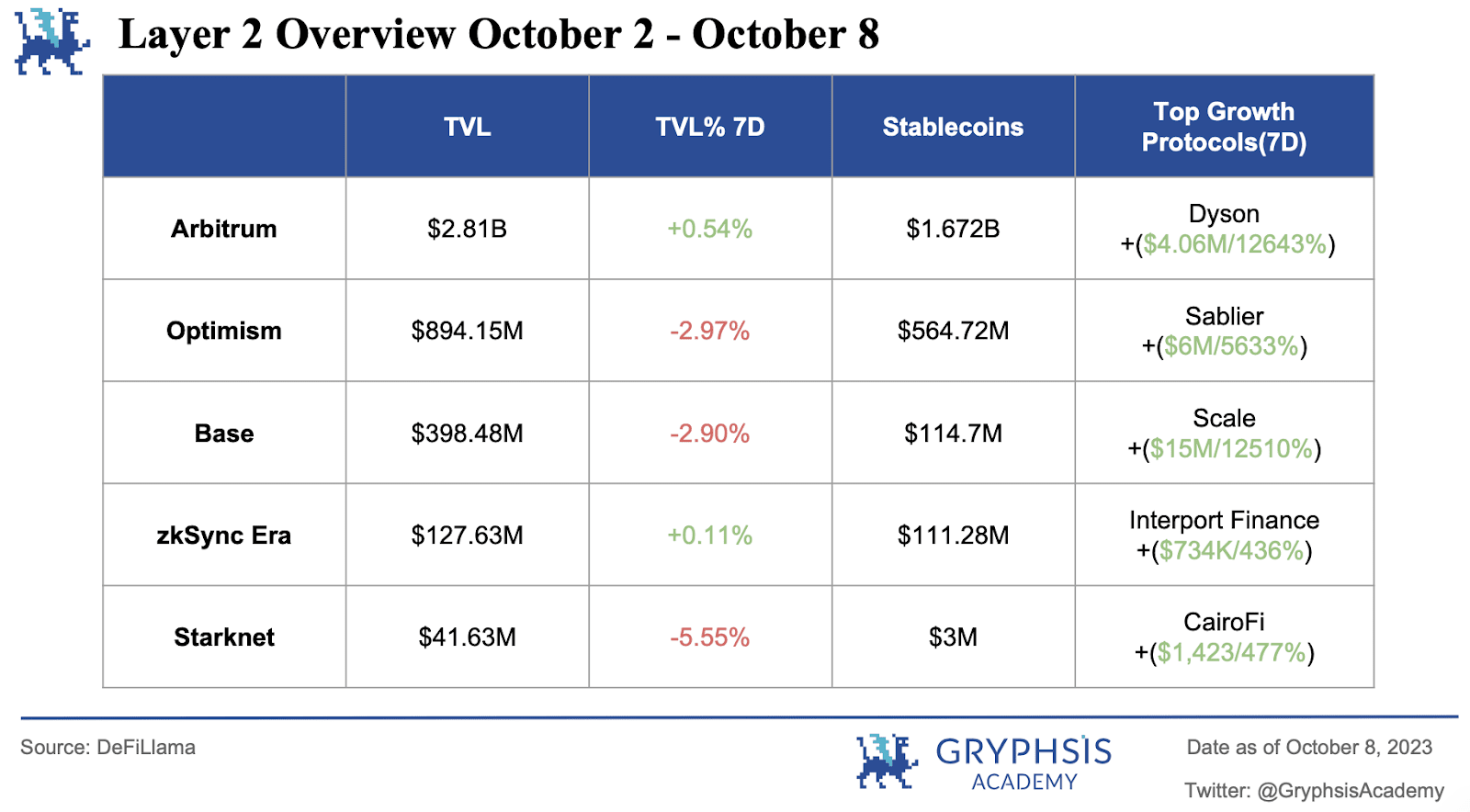
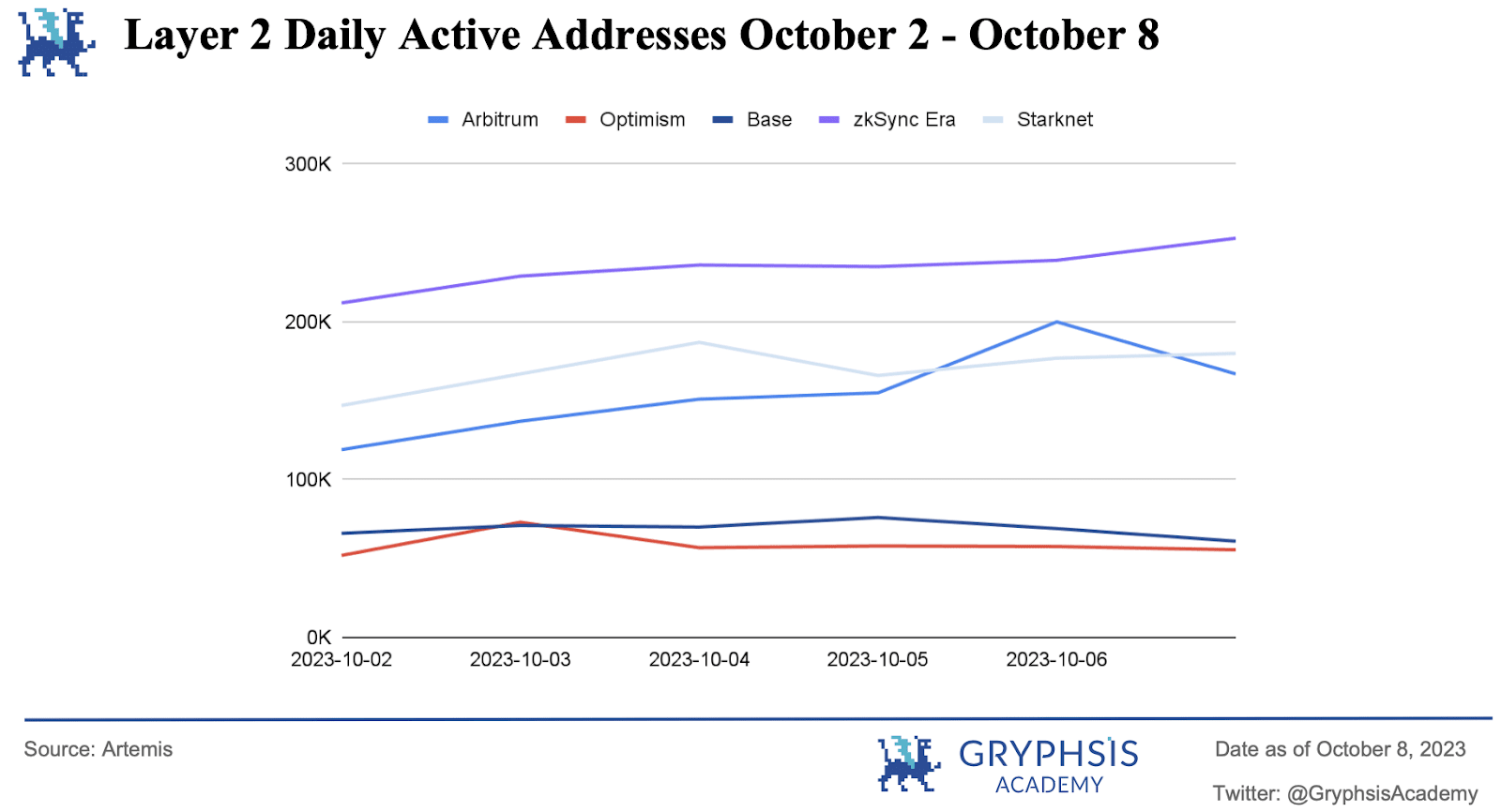
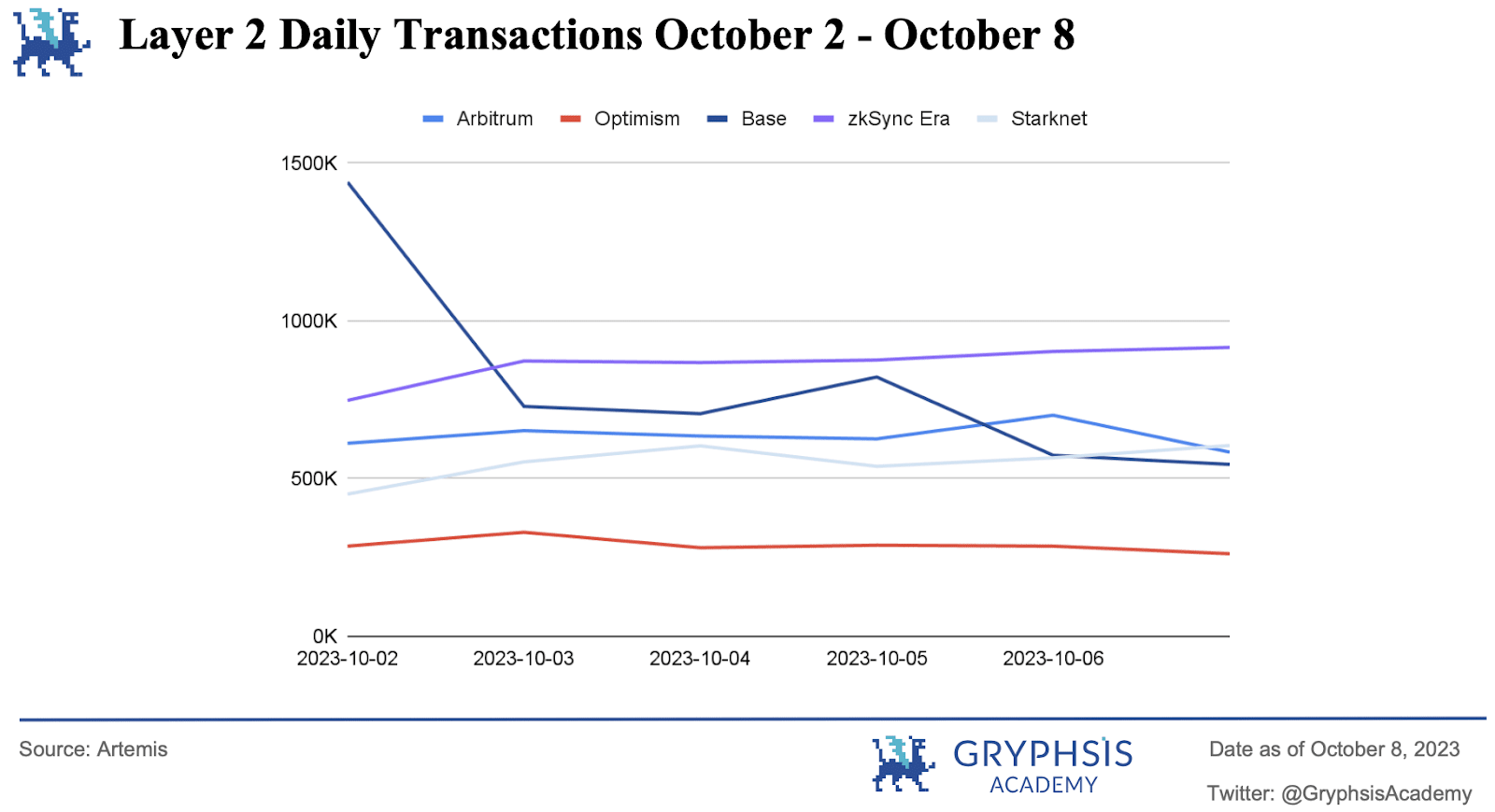
The total value locked (TVL) of most Layer 2 solutions has declined over the past week. The momentum of Base and Starket seems to be weakening, with TVL declining for two consecutive weeks. In comparison, protocols such as Dyson, Sablier, Scale, Interport Finance, and Cairo have all seen significant growth in their TVL.
LSD Sector Overview:
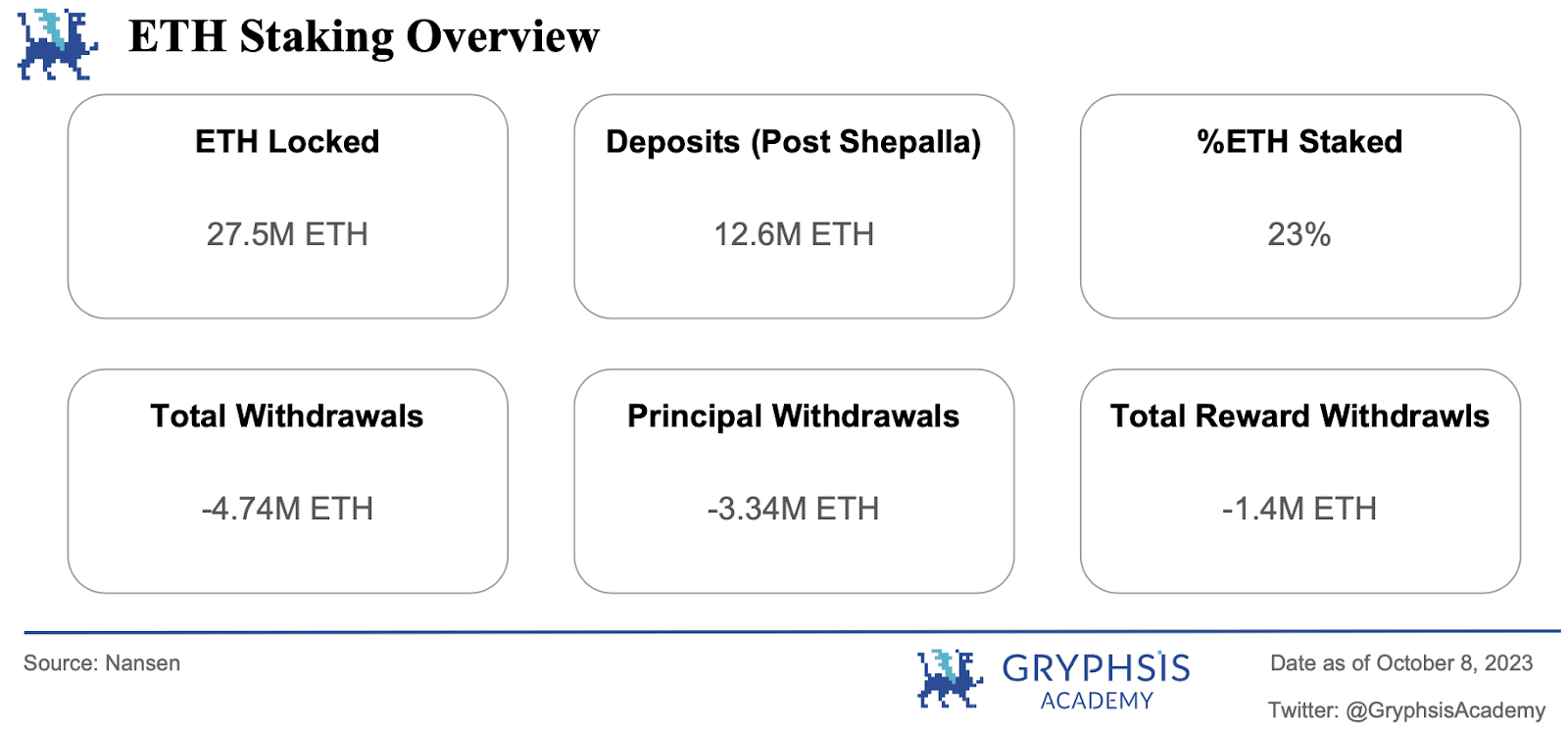
The LSD sector remains stable and the number of Ethereum staked continues to grow. In terms of market share, Rocket Pool and Frax both showed modest growth this week.
RWA Sector Overview:
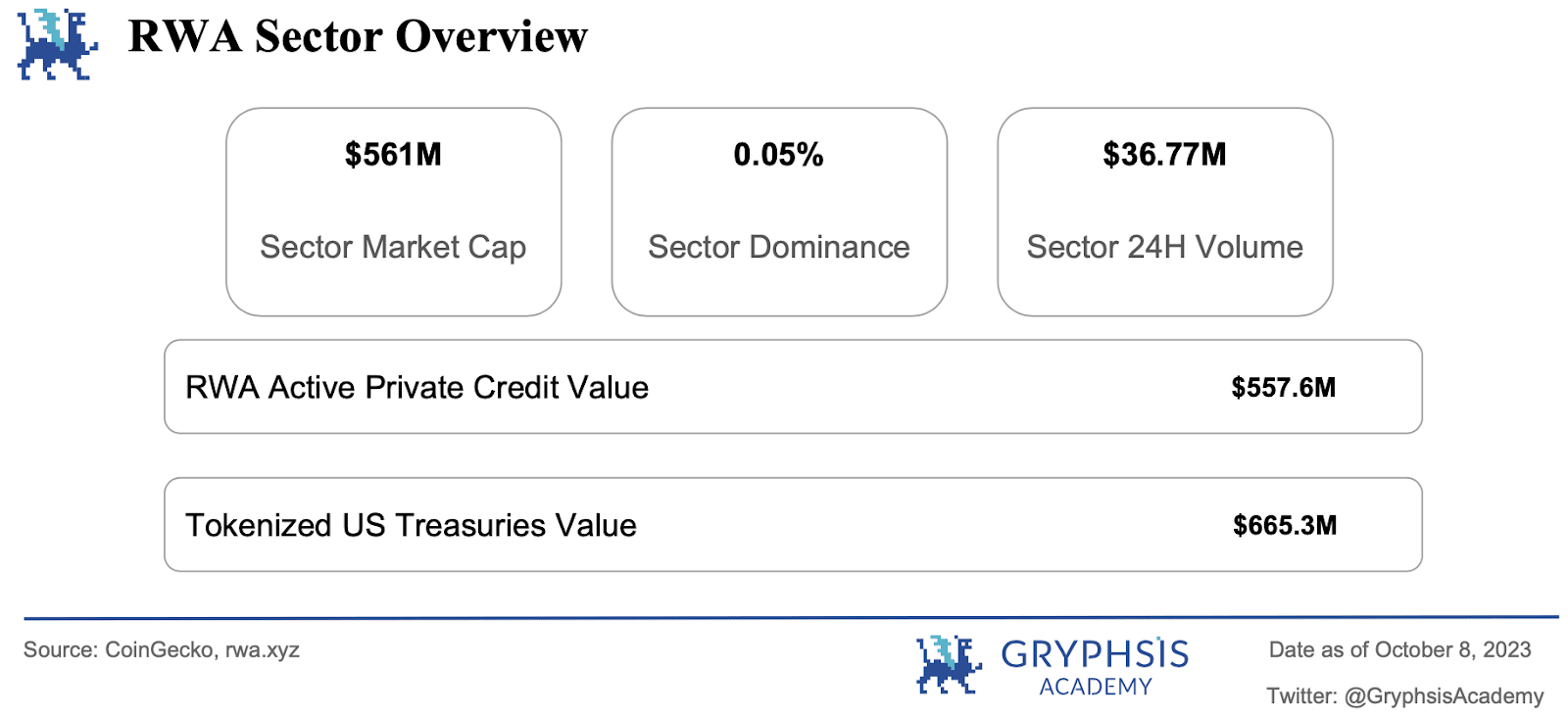
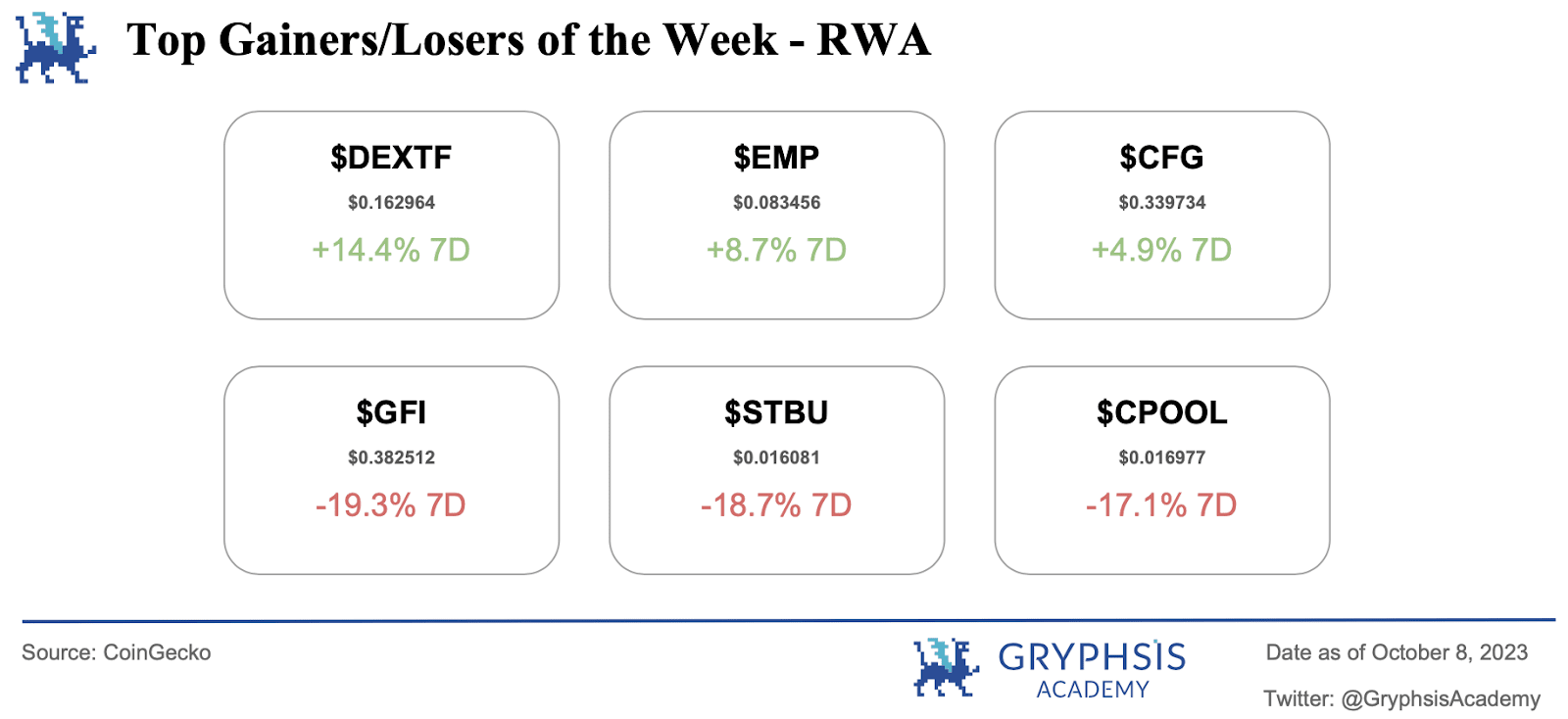
RWAs remain stable. Active loan amounts and tokenized Treasuries remain flat from last week. Leaders this week are $DEXTF, $EMP, and $CFG, while $GFI, $STBU, and $CPOOL slip.
Main Topics
Macro Overview:
US Stock V.S. Crypto
Big events this week:
Star Arena Exploit
Weekly Protocol Recommendations:
Radpie
Weekly VC Investment Focus
Blackbird ($ 24 M)
phaver ($ 7 M)
Twitter Alpha:
@TheDeFISaint weekly L2 roundup
@thedefiedge lesson from past cycle
@DeFiMinty’s twitter growth tip
@wacy_time 1 on psychology
Macro Overview
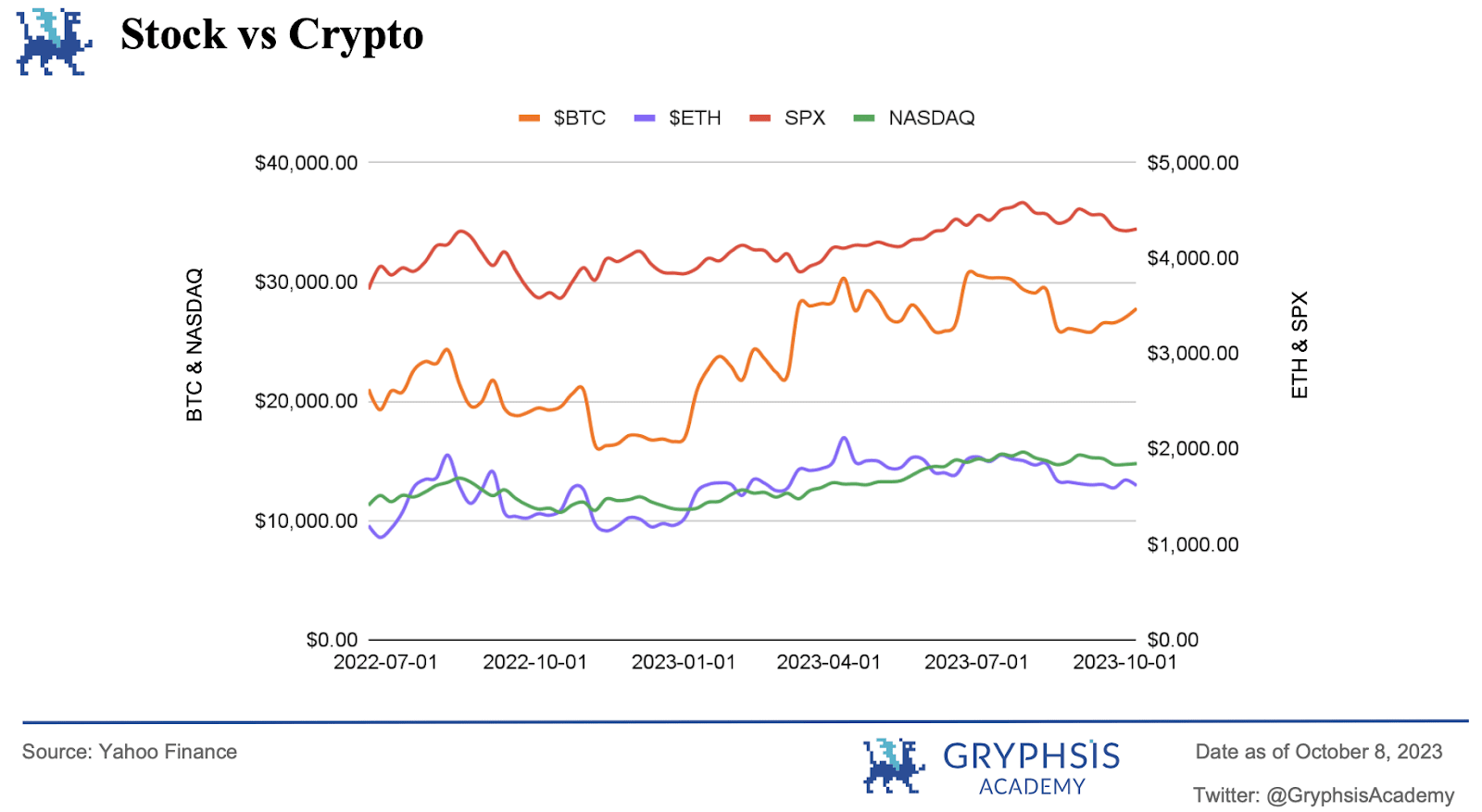
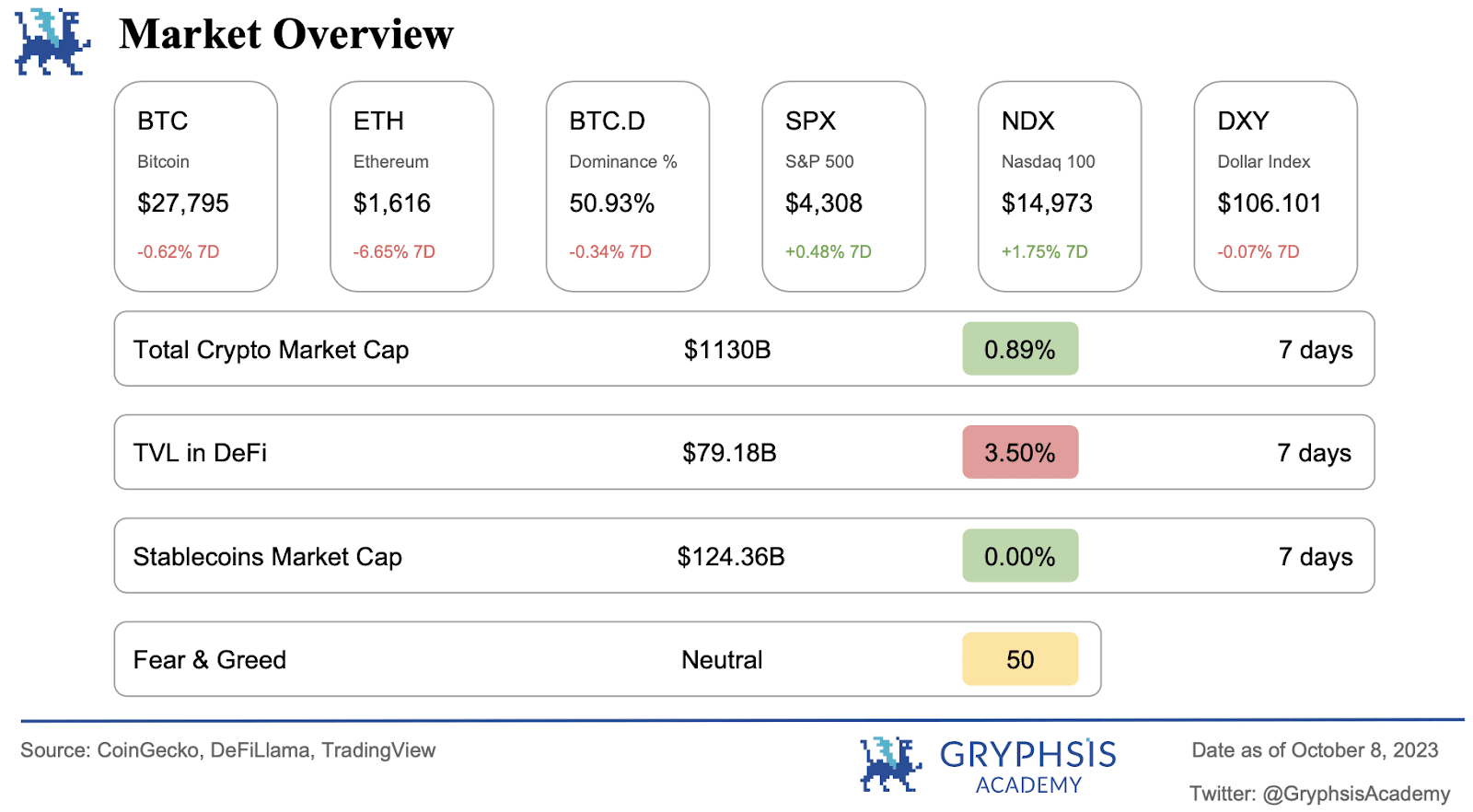
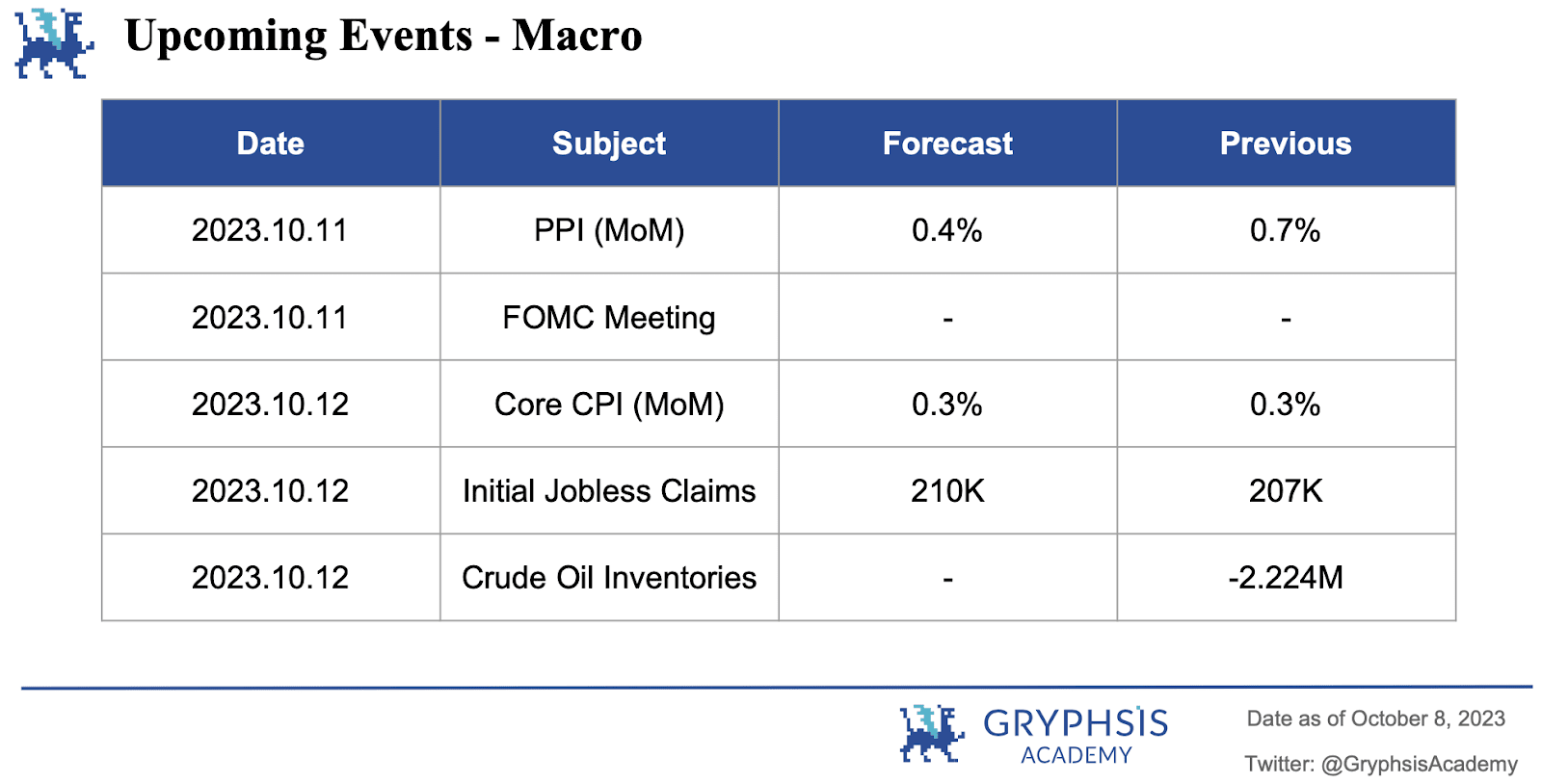
Bitcoin, SPX and NAQ have all seen modest price gains over the past week. However, Ethereum has lagged slightly, with a seven-day price drop of more than 6%. Looking ahead, readers should monitor releases regarding the FOMC, PPI, CPI, crude oil inventories and initial jobless claims.
This week's big events

Stars Arena security issues: fighting security vulnerabilities
Stars Arena, a Web3 social media application built on Avalanche, has recently suffered a major security attack, highlighting the challenges facing emerging platforms in the crypto space. On October 6, the platform suffered a serious vulnerability exploit that resulted in the theft of nearly $3 million in AVAX tokens. The stolen funds were subsequently traced to the Fixed Float cryptocurrency exchange, raising concerns about existing security measures.
https://twitter.com/el3 3 th 4 xor/status/1710617850807832910? s= 61t=x-elXoazvNjP-jMagbvbbQ
The Stars Arena team quickly responded to the vulnerability, announcing that they have raised resources to address the financial losses caused by the vulnerability. They further emphasized their commitment to the security of the platform and brought in a professional white hat development team to conduct a thorough review. The goal is to ensure that such vulnerabilities can be resolved and prevented in the future. The team also stated that they intend to reopen the smart contract, but only after a comprehensive security audit to protect users' assets and trust.
However, this was not the only security challenge the platform faced in a short period of time. Just one day before the major breach, on October 5, Stars Arena had to address another vulnerability. This early security incident resulted in the attacker quietly transferring $2,000 worth of AVAX from the platform. This spate of security incidents not only attracted attention but also led to criticism from the cryptocurrency community, questioning the platform’s security protocols and preparedness.
https://twitter.com/starsarenacom/status/1709934535570608172?s=61t=x-elXoazvNjP-jMagbvbbQ
Despite these setbacks, the Stars Arena team remained resilient. They proactively responded to concerns and dispelled the “organized FUD” (fear, uncertainty, doubt) that emerged following the security breach. The team’s determination to correct the issues and move forward was evident. These incidents serve as a reminder of the challenges that new platforms face in the rapidly evolving crypto space and underscore the importance of strong security measures in ensuring user trust and platform credibility.
Our Take
Recent security breaches at Stars Arena in the crypto space have raised critical questions about security vulnerabilities and the need for strong protections. These incidents highlight the teething problems of emerging platforms, where security protocols can be inadvertently compromised in the rush to get to market. These security breaches serve as a reminder that rigorous testing, ongoing monitoring, and comprehensive security audits are critical. Additionally, tracing the stolen funds to the Fixed Float cryptocurrency exchange has also put the exchange’s security and asset tracking under scrutiny, highlighting the need for exchanges to strengthen their defenses and vigilance.
Trust and reliability are the cornerstones of platform development, especially in the crypto space, where reputation is hard-earned and fragile. Stars Arena’s continuous security lapses not only put its reputation at risk, but also cast a shadow on the broader Avalanche ecosystem and the DeFi/Web3 space.
Faced with challenges like these, the crypto community’s resilience has been tested. The rapid spread of “organized FUD” following security breaches demonstrates that platforms need to excel not only at managing technical issues, but also public perception. In such situations, constant and transparent communication becomes a vital tool. As the industry matures, these incidents highlight the need for standardized security protocols, the importance of user education, and the potential benefits of collaborative defense strategies. Ultimately, as the crypto space evolves, user trust and rigorous security measures will determine its trajectory for success.
Weekly Protocol Recommendations
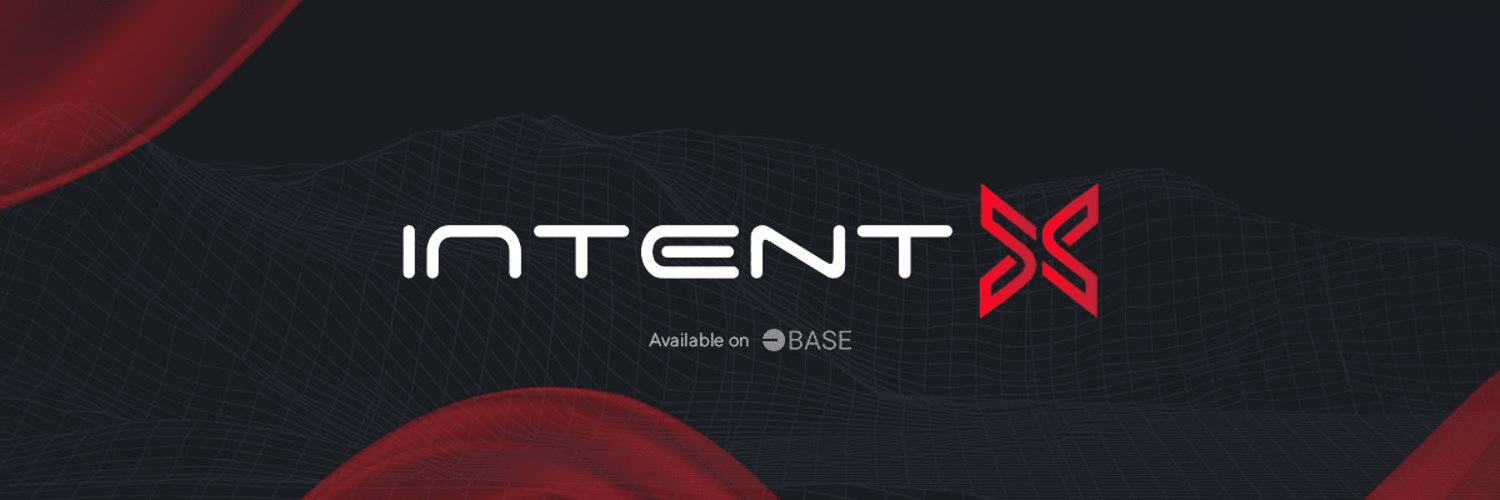
IntentX is an innovative decentralized trading platform that aims to bridge the liquidity gap prevalent in the crypto derivatives market. Based on a unique RFQ (Request for Quote) or intent-based architecture, IntentX facilitates seamless interaction between traders and solution providers (market makers). By effectively "bridging" the liquidity of centralized exchanges (CEXs) to the chain, IntentX provides traders with the benefits of deep liquidity, best price execution, and trustless, permissionless trading while ensuring security and isolation. This combination makes IntentX a game changer in the on-chain derivatives space.
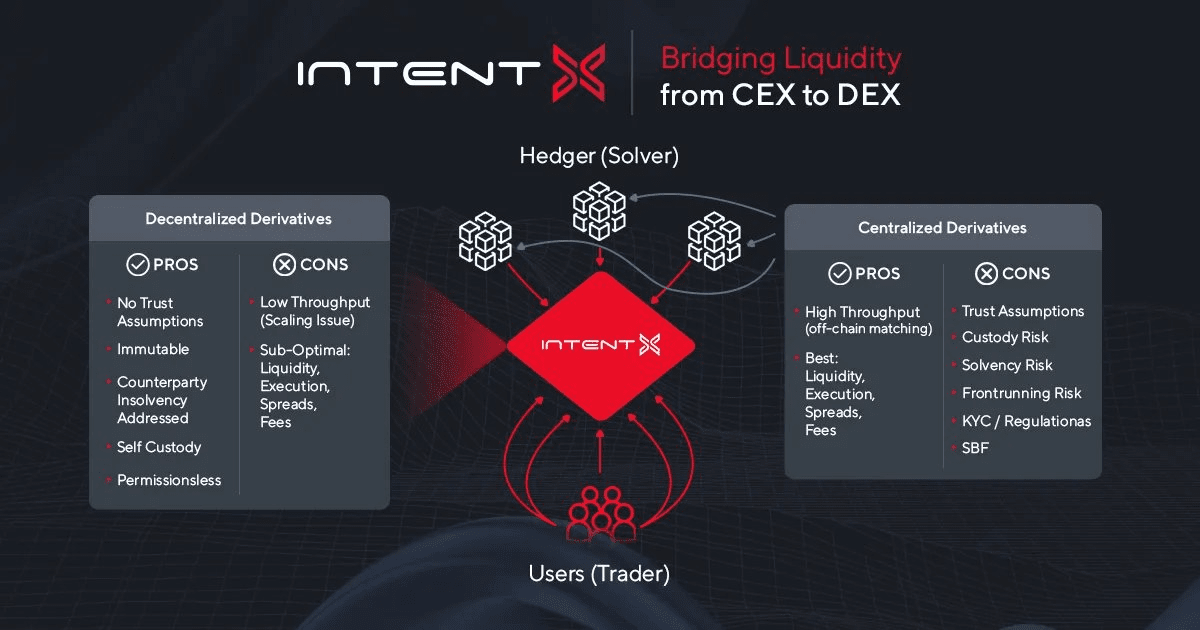
IntentX's architecture operates in a unique way. Traders specify the trades they want and solution providers (market makers) provide real-time conditions for the trades. Once the trader is satisfied, they send a “trade request” to the solution provider, locking up their collateral. The solution provider then accepts the request, deposits their collateral, and forms a bilateral agreement. Solution providers can hedge their position exposure through various sources, including CEX, other DEX or even spot positions. This innovative approach changes the dynamics of on-chain derivatives, providing deep liquidity, capital efficiency, and rapid deployment across chains without liquidity challenges.
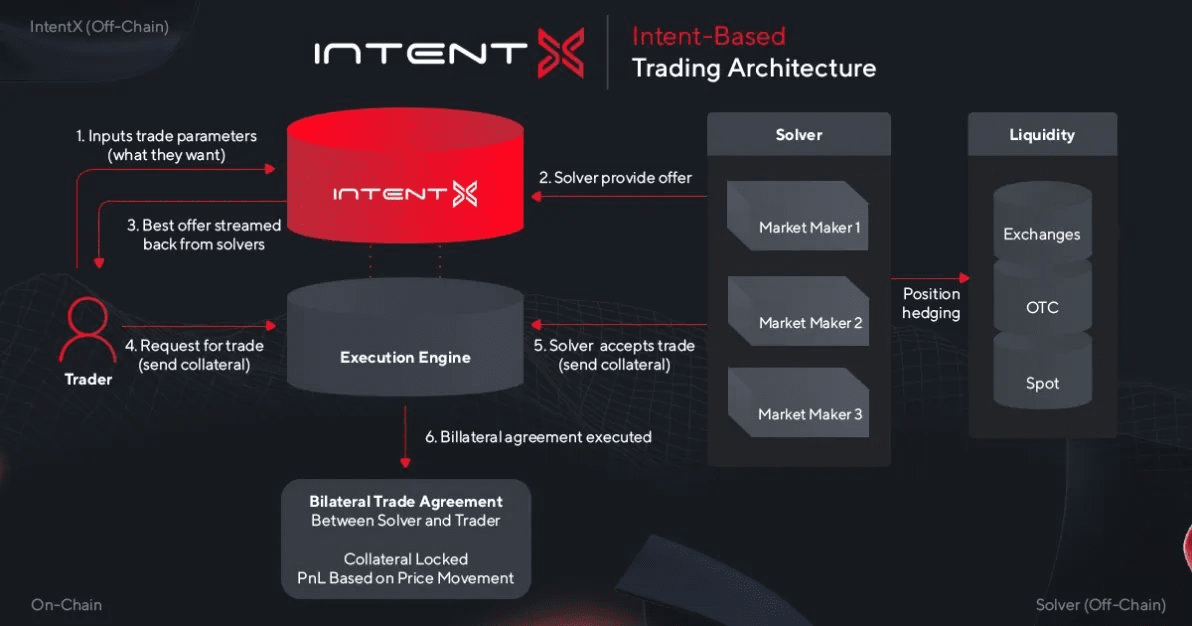
IntentX’s architecture is explicitly designed around an RFQ (Request for Quote) or intent-based model. Here’s a step-by-step breakdown of how it operates:
1. Trade Initiation: Traders approach IntentX and specify the details of their desired trade, e.g., a long position of 1 BTC with 10x leverage.
2. Solution Provider Role: Solution providers acting as market makers immediately provide conditions for trades. These conditions include price, slippage, fees, funding rates, collateral requirements, etc. This interaction is real-time and automated.
3. Trade Review: Traders receive a set of pre-agreed terms, called a “quote”. This quote simplifies the RFQ process by eliminating the need for traders to manually evaluate quotes. IntentX automates this step, ensuring that traders receive the best quote. This makes IntentX not just a traditional RFQ exchange, but an “Automated Market for Quotes” exchange (AMFQ).
4. Trade Execution: Once the trader agrees to the conditions, they send a “trade request” to the solution provider and lock the required collateral. In response, the solution provider accepts this request and deposits an equal amount of collateral into the contract.
5. Bilateral Agreement: This process concludes a bilateral agreement between the solution provider and the trader. It is a symmetrical contract where one party is obliged to pay the other party a profit or loss based on the price movement of the position.
6. Hedging by Solution Providers: After the agreement, Solution Providers hedge their position exposure. They can do this through various sources, whether it is a CEX, another DEX, an OTC desk, or their spot positions. In addition, Solution Providers can also hedge their positions with other contracted traders.
7. Liquidity Bridging: A standout feature of IntentX is its ability to bridge liquidity from CEXs onto-chain. Solution providers act as a “liquidity aggregation” layer, acquiring liquidity from the most efficient platform, whether it is a CEX or another DEX.
8. Security and Isolation: All transactions on IntentX are permissionless, secure, and isolated, ensuring there is no risk of escrow or bankruptcy.
Our insights
IntentX presents itself as a novel solution in the decentralized exchange space, aiming to bridge the existing liquidity gap in the crypto derivatives market. Currently, the monthly trading volume of the crypto derivatives market is around $3 trillion, of which a staggering 99% of the trading takes place on centralized exchanges (CEXs). Despite the dominance of CEXs in terms of trading volume, they present inherent challenges such as trust issues, front-running behavior, centralization, and regulatory restrictions. On the other hand, while blockchain technology offers trustless and permissionless trading, current on-chain derivatives technology lags behind CEXs in terms of liquidity, fees, speed, and user experience. Through its unique RFQ/intent-based architecture, IntentX seeks to bridge the gap by effectively “bridging” CEX liquidity to on-chain through a solution that ensures that transactions are permissionless, secure, and isolated.
IntentX’s main value proposition lies in its ability to provide deep liquidity by effectively bridging the gap between centralized and decentralized exchanges. By leveraging a resolution mechanism, IntentX can source liquidity from the most efficient platforms, ensuring best price execution and minimal slippage. This approach is not only capital efficient, but also allows for rapid deployment across multiple chains without the need to build liquidity pools. Additionally, the protocol does not rely on oracles for asset pricing, protecting it from potential oracle manipulation vulnerabilities. The risks associated with derivatives contracts are perfectly contained within the bilateral agreement, ensuring a trustless system where profits on one side correspond to losses on the other.
Furthermore, IntentX’s potential goes beyond just providing liquidity. The platform’s unique architecture makes it a game changer in the on-chain derivatives space. By combining the best features of CEXs (liquidity) and DEXs (security), IntentX paves the way for new use cases and applications in the DeFi ecosystem. The platform’s vision is clear: to facilitate the migration of derivatives trading from centralized platforms to on-chain solutions. While this shift may not happen immediately, with IntentX’s strategic intent and innovative solutions, the evolution of on-chain derivatives trading is not only foreseeable, but inevitable.
Weekly VC Investment Focus
Welcome to our weekly Investment Spotlight, where we uncover the most significant venture capital developments in the crypto space. Each week, we’ll highlight the protocols that have received the most funding.
Blackbird
Blackbird, a new venture at the intersection of blockchain technology and the culinary world, has successfully raised $24 million in a Series A round led by renowned venture capital firm Andreessen Horowitz (a16z). Led by Ben Leventhal, a prominent figure in restaurant innovation, known for his contributions to Resy and Eater, the platform aims to revolutionize the dining experience using Web3 technology. Blackbird’s unique proposition allows restaurants and patrons to connect directly, offering rewards ranging from free drinks to exclusive memberships. With this significant investment, Blackbird is poised to redefine the value dynamics of the restaurant industry, emphasizing enhanced engagement and rewards for diners.
https://x.com/blackbird_xyz/status/1709562317615063465?s=20
Phaver
Phaver, a prominent player in the Web3 social ecosystem, has successfully raised $7 million in seed funding. The round saw contributions from prominent investors such as Polygon Ventures, Nomad Capital, dao 5, Symbolic Capital, and Foresight Ventures. Launched in May 2022, Phaver’s platform bridges the gap between Web2 and Web3, enabling users to connect using familiar Web2 logins while gradually introducing them to Web3 features. The platform supports decentralized social graphs like Aave Company’s Lens Protocol and showcases on-chain assets like NFTs. Phaver’s application has surpassed 250, 000 downloads, making it one of the most active applications in the Web3 space. The company’s vision revolves around user ownership of the Web3 space, allowing users to use their data on various platforms and build reputation through a decentralized ID and on-chain social layer.
https://x.com/phaverapp/status/1709922051576807490?s=20
Protocol Events
Stars Arena drained of $ 2.9 million in AVAX tokens, funds in user wallets are safe
Sui Foundation reallocates 117 million SUI from external market makers to support growth initiatives
Manifold Finance rolls out an MEV auction protocol, names Frax founder and 0x Maki as advisors
StarkWare delays first token unlocks to April 2024
OP Labs' 'fault proof' system goes live as an alpha on testnet
Orbiter Finance allays rug pull accusations, says Discord blocked its account
ZeroSync implements first Stark-based ZK client for Bitcoin
Frax Finance V3 doc released
Industry Update
Yuga Labs cuts employees, focuses on metaverse extension amid restructuring
FriendTech developers rake in nearly $ 20 million since August launch
Galxe hit by DNS attack on front-end website
Ostium Labs raises $ 3.5 million to bring DEX perpetual swaps to oil and gold
Solana's latest update brings native support for private blockchain transactions
MoonPay adds the ability to swap cryptocurrencies in its consumer app
Former FTX executive once found millions of dollars of airdrops that the exchange didn't know about
Ledger cuts 12% of staff due to macroeconomic headwinds
Twitter Alpha
There’s a lot of alpha in crypto Twitter, but navigating through thousands of Twitter threads can be difficult. Every week, we spend hours researching, handpick insightful threads, and curate a weekly curated list for you. Let’s dive in!
https://x.com/TheDeFISaint/status/1710742013635703089?s=20
https://x.com/wacy_time1/status/1710613871529001459?s=20
https://x.com/thedefiedge/status/1710839956464377902?s=20
https://x.com/DeFiMinty/status/1710331397771043288?s=20
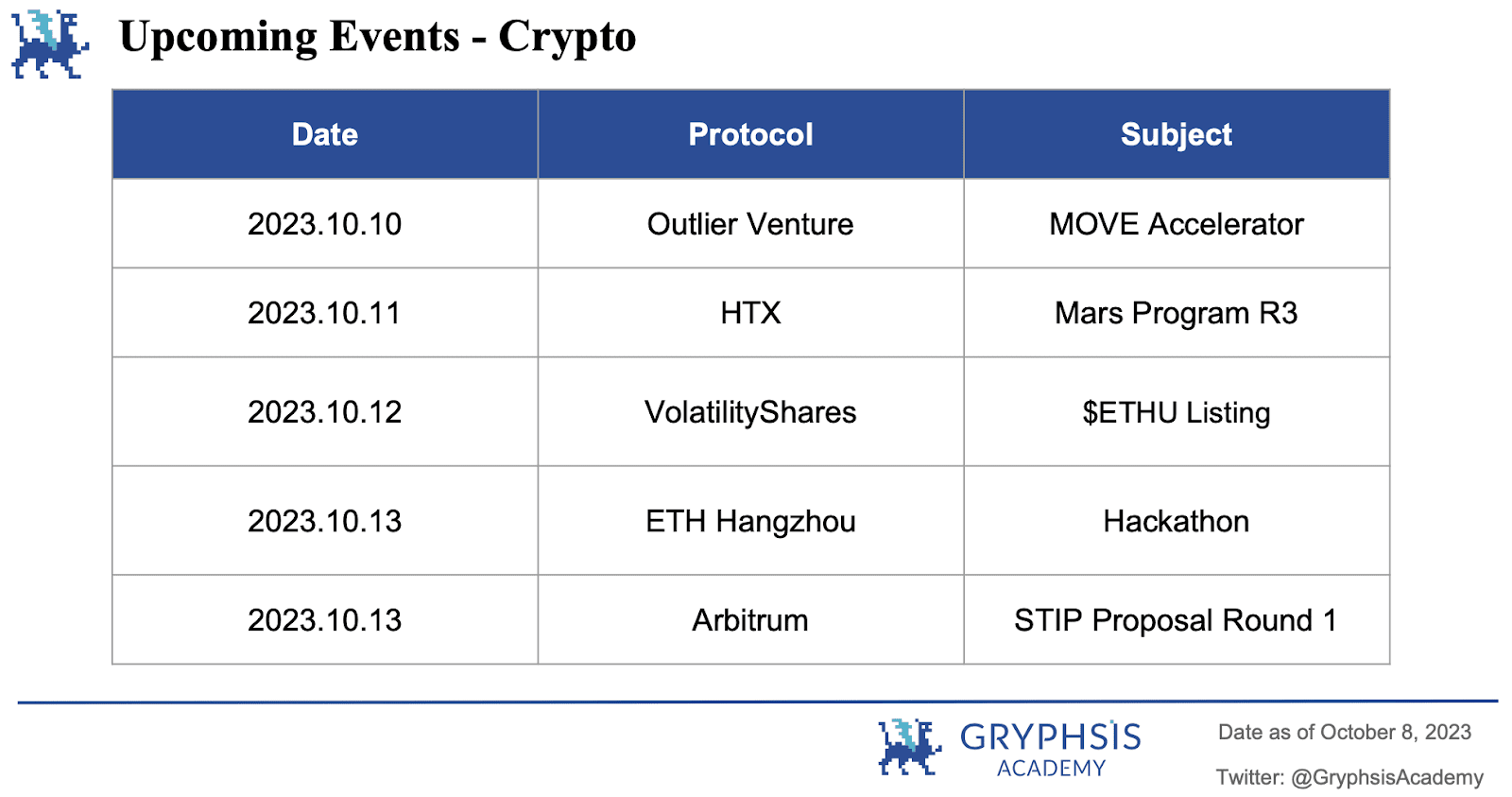
Next week's events
News sources/references:
https://www.coindesk.com/tech/2023/10/05/blackbird-crypto-restaurant-app-raises-24m-in-funding-led-by-a16z/
https://blockchain.news/news/a16z-leads-blackbird-24 m-series-a-funding-to-elevate-dining-experiences-through-web3
https://cointelegraph.com/press-releases/phaver-raises-7m-seed-funding-to-grow-its-web3-social-ecosystem
https://www.theblock.co/post/254946/web3-social-platform-phaver-raises-7-million-in-seed-funding
https://cointelegraph.com/news/stars-arena-secures-funds-to-plug-exploit
https://cointelegraph.com/news/friend.tech-copycat-starsarena-patches-exploit-after-some-funds-drained
https://cointelegraph.com/news/friend-tech-clone-stars-arena-drives-surge-avalanche-avax-token
https://cointelegraph.com/news/stars-arena-dispels-fud-patches-vulnerability
That’s all for this week. Thank you for reading this week’s report. We hope you benefit from our insights and observations.
Follow us on Twitter and Medium for real-time updates. See you next time!
This weekly report is for informational purposes only. It should not be construed as investment advice. You should conduct your own research and consult an independent financial, tax or legal advisor before making any investment decision. Past performance of any asset is not indicative of future results.