
Ethereum, as one of the largest and most popular blockchain platforms, has experienced rapid growth in terms of usage and adoption. However, when a large number of transactions are processed on the Ethereum network, scalability problems occur that lead to high transaction fees and long confirmation times. To overcome this problem, Layer 2 technology has emerged as a promising solution. In this article, we will explain the different types of technologies used on Layer 2 Ethereum to improve network scalability and efficiency.
Sumber: Chainlink
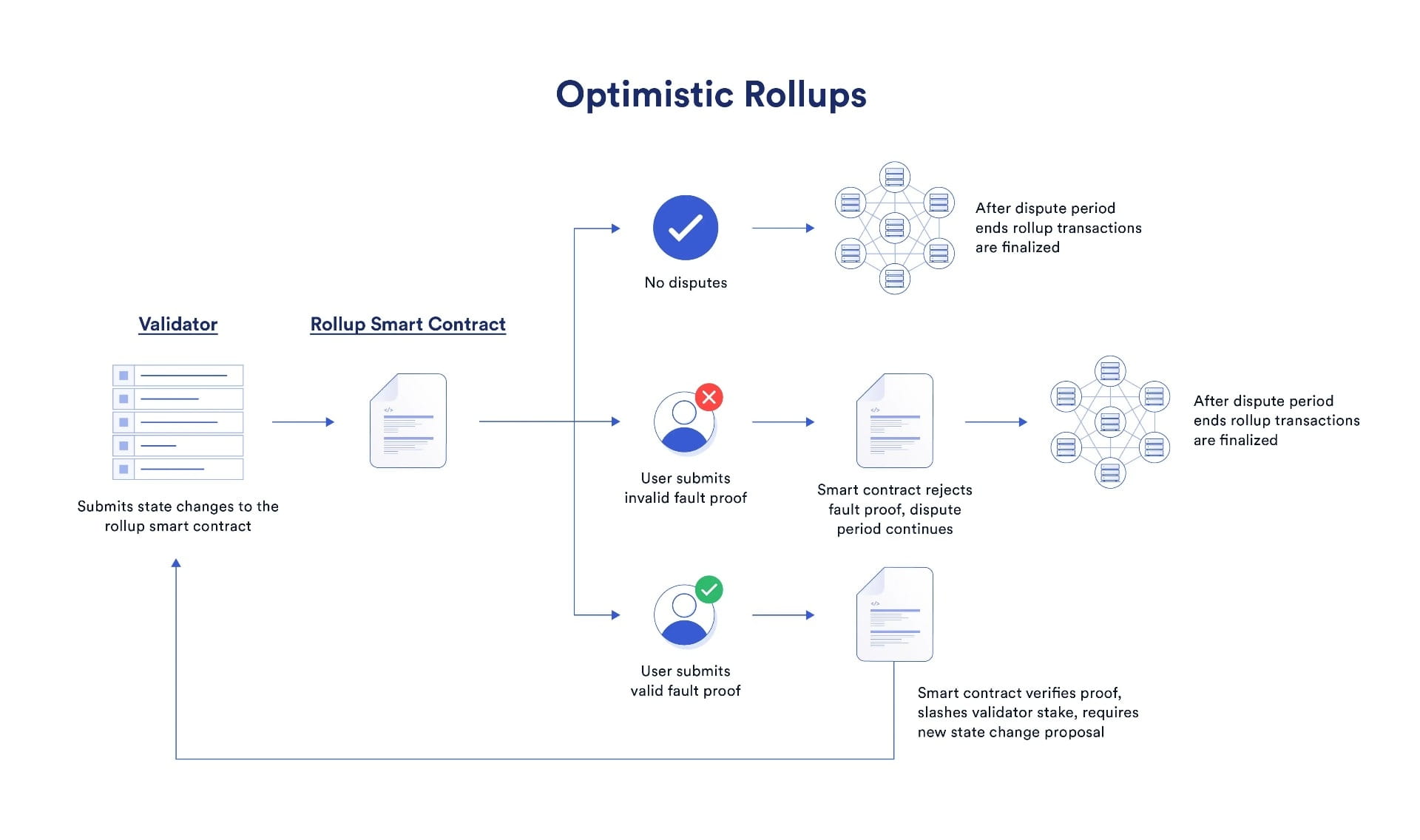
Optimistic Rollups are one of the most popular Layer 2 technologies. They function by processing transactions off-chain on Layer 2, meaning that transactions can be executed quickly and at lower fees than on main Ethereum (Layer 1). Optimistic Rollups assumes that transactions made are valid by default, so they do not require immediate confirmation at Layer 1. However, there is a waiting period at Layer 1 that allows users to submit a dispute if they doubt the validity of the transaction. This is an "optimistic" move that allows the network to remain secure. Examples of Optimistic Rollup projects include Optimism and Arbitrum.
2. Zero-Knowledge Rollups
Sumber: Towards Data Science
Zero-Knowledge Rollups is another Layer 2 technology that is getting a lot of attention. They utilize the concept of zero-knowledge proofs to secure transactions without having to reveal details. Zero-Knowledge Rollups aggregate multiple transactions into one valid zero-knowledge proof, which is then confirmed at Layer 1. This increases transaction efficiency and privacy. With Zero-Knowledge Rollups, users can maintain their privacy while reducing costs and increasing transaction speed. One well-known implementation is zkSync and Linea.
3. State Channels
Sumber: CryptoWise
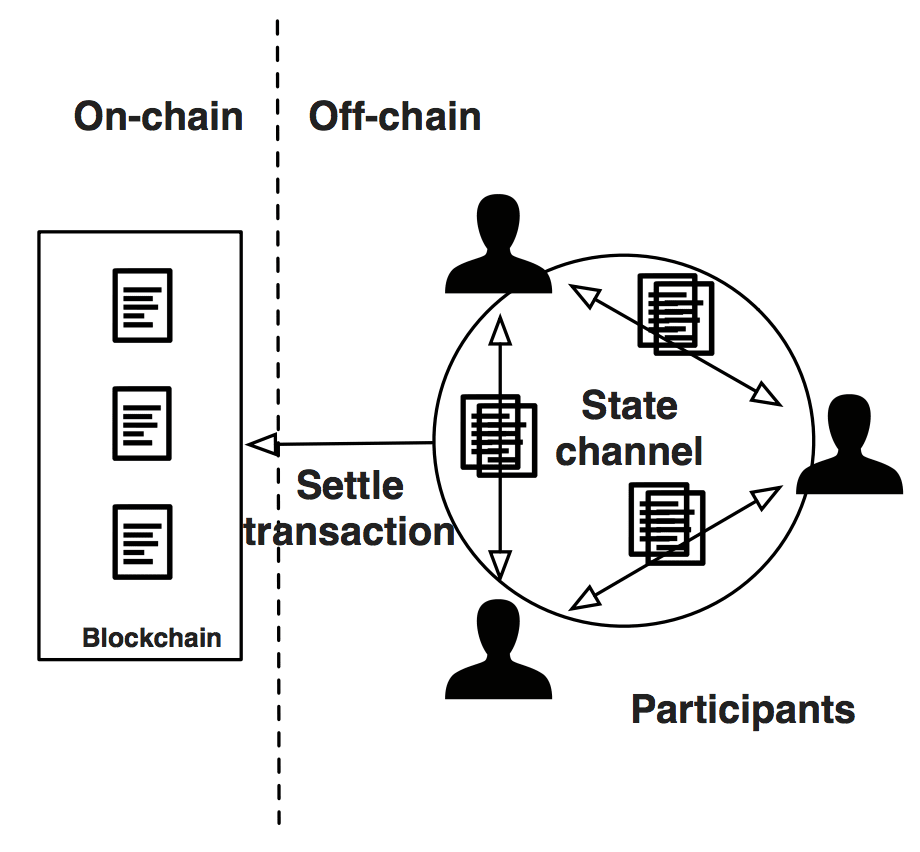
State Channels is a Layer 2 technology that allows users to conduct transactions off-chain. They open a direct communication channel between the parties involved, allowing them to carry out multiple transactions without having to send each transaction to the main Ethereum. Examples of use of state channels include micropayments and gaming applications that require fast interactions. Well-known implementations are Celer Network and Connext Network.
4. Plasma
Source: Changelly Blog
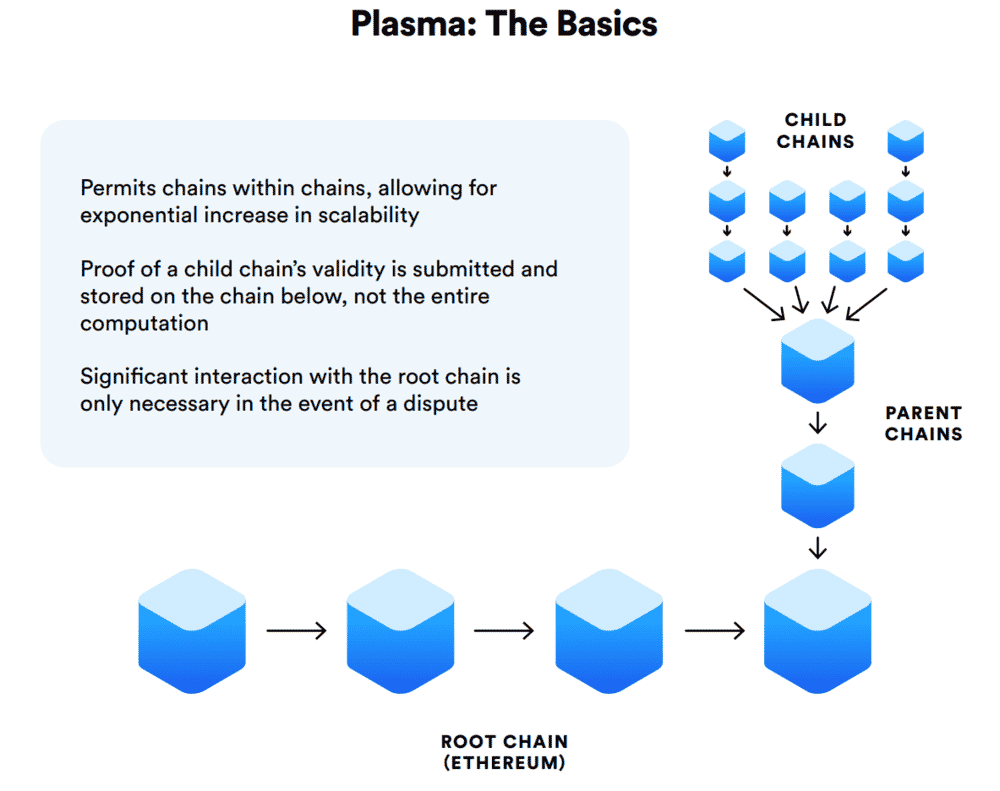
Plasma is a technology that creates a sidechain connected to the main Ethereum. These sidechains can process transactions at a higher rate than the main Ethereum, while still relying on the security of the main Ethereum through sending periodic status reports to Layer 1. Plasma enables the development of various types of decentralized applications and asset exchanges. One of the famous layer 2 projects that uses this technology is Polygon.
5. Validity
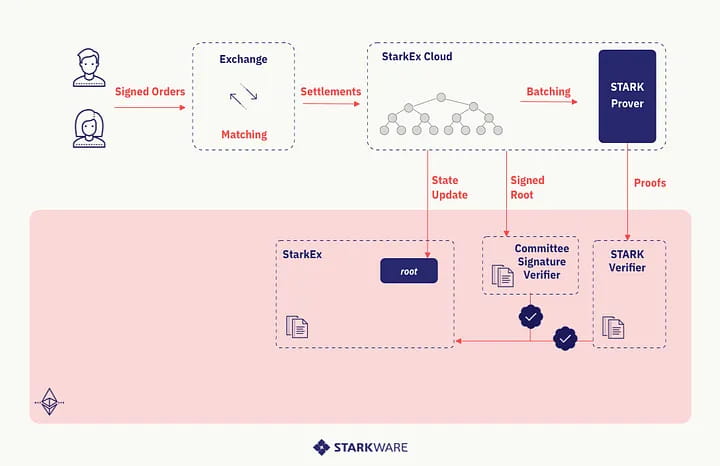
Sumber: Starkware
Validium is a variation of Optimistic Rollups that focuses more on privacy. It combines features from rollups and privacy technology to enable more confidential transactions. With Validium, transaction data is not exposed at Layer 1, which can increase user privacy. One that implements this technology is Starkware.
Conclusion
Layer 2 technology has become a promising solution to improve scalability, cost efficiency, and privacy in the Ethereum network. These types of technologies, such as Optimistic Rollups, Zero-Knowledge Rollups, State Channels, Plasma, and Validium, provide powerful alternatives to overcome the problems faced by the main Ethereum. With further adoption, Ethereum can continue to develop as a decentralized platform capable of handling a wide range of applications and use cases in the future.