
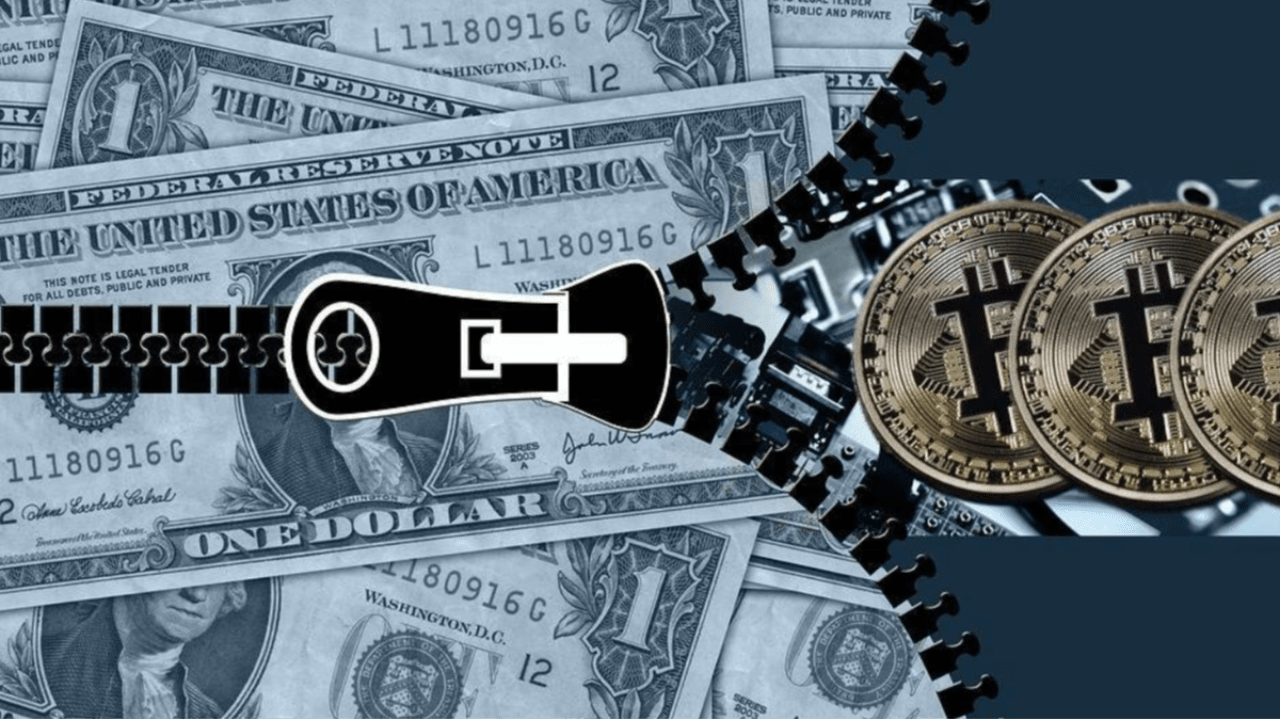
• Some people have made a lot of money by speculating in currencies, achieved financial freedom, and lived the life of their dreams. They may be veterans who entered the currency circle in the early stages, or they may be lucky people who boldly bought at low points, or they may have bet on some concepts and innovative assets, or they may have strong position control and risk management capabilities. Master. They may continue to pay attention to the dynamics of the currency circle, or they may choose to withdraw from the currency circle and enjoy other aspects of fun.
• Some people have lost a lot of money in currency speculation, even incurred huge debts, and have fallen into despair and difficulty. They may be leeks who blindly chase the rise at high points, or losers who sell in panic during the plunge, or gamblers whose positions are liquidated in contracts, or victims who are cut off in scams. They may try to pay off the debt or recover through other means, or they may choose to give up or commit suicide.
• Some people have uncertain profits and losses from currency speculation, are sometimes excited and sometimes depressed, and live an exciting and tense life. They may be retail investors who frequently change stocks and cut their profits amid fluctuations, or they may be believers who follow the analysis of masters in the trend, or they may be followers who follow the trend in the market, or they may be confused people who sway in public opinion. They may continue to speculate in currencies to seek excitement and opportunities, or they may choose to quit speculating in currencies to seek peace and stability.
The above is some information I have provided you about how you are doing in currency speculation, as well as some of my opinions. I believe that currency speculation is an investment activity full of opportunities and risks, which requires sufficient knowledge, skills, psychology and funds. I do not recommend blindly participating in currency speculation, nor do I encourage you to place your entire life on currency speculation. I suggest that before making any investment decisions, you should conduct sufficient investigation and analysis, make rational and wise judgments, and have reasonable and transparent plans and strategies. I also hope that you can maintain a healthy and balanced lifestyle and don't ignore other aspects of happiness and value because of currency speculation.

Cryptocurrency trading, the act of making profits by buying and selling cryptocurrencies, has become increasingly popular around the world in recent years. Cryptocurrency is a digital asset based on blockchain technology. It is not controlled by any central organization and has the characteristics of decentralization, anonymity, security, and traceability. Currently, there are thousands of cryptocurrencies on the market, the most famous of which are Bitcoin, Ethereum, Dogecoin, etc.
The attraction of currency speculation is that it can bring high profits and even make you rich overnight. For example, Bitcoin has increased more than 5 million times since its birth in 2009; Dogecoin has also increased nearly 8,000% from the beginning of 2021 to the end of April. Many people believe that cryptocurrency is the trend of the future and has unlimited potential and value.
However, there are also great risks and challenges in currency speculation. Cryptocurrency prices fluctuate wildly and are difficult to predict. In a single day, prices can rise or fall by tens or even hundreds of percent. For example, on May 19, 2021, Bitcoin plummeted by 30% in one day, from US$42,000 to less than US$30,000; on the same day, Ethereum also fell by 40%, from US$3.4,000 to US$2,000. the following. These large fluctuations can cause investors to suffer heavy losses in a short period of time.
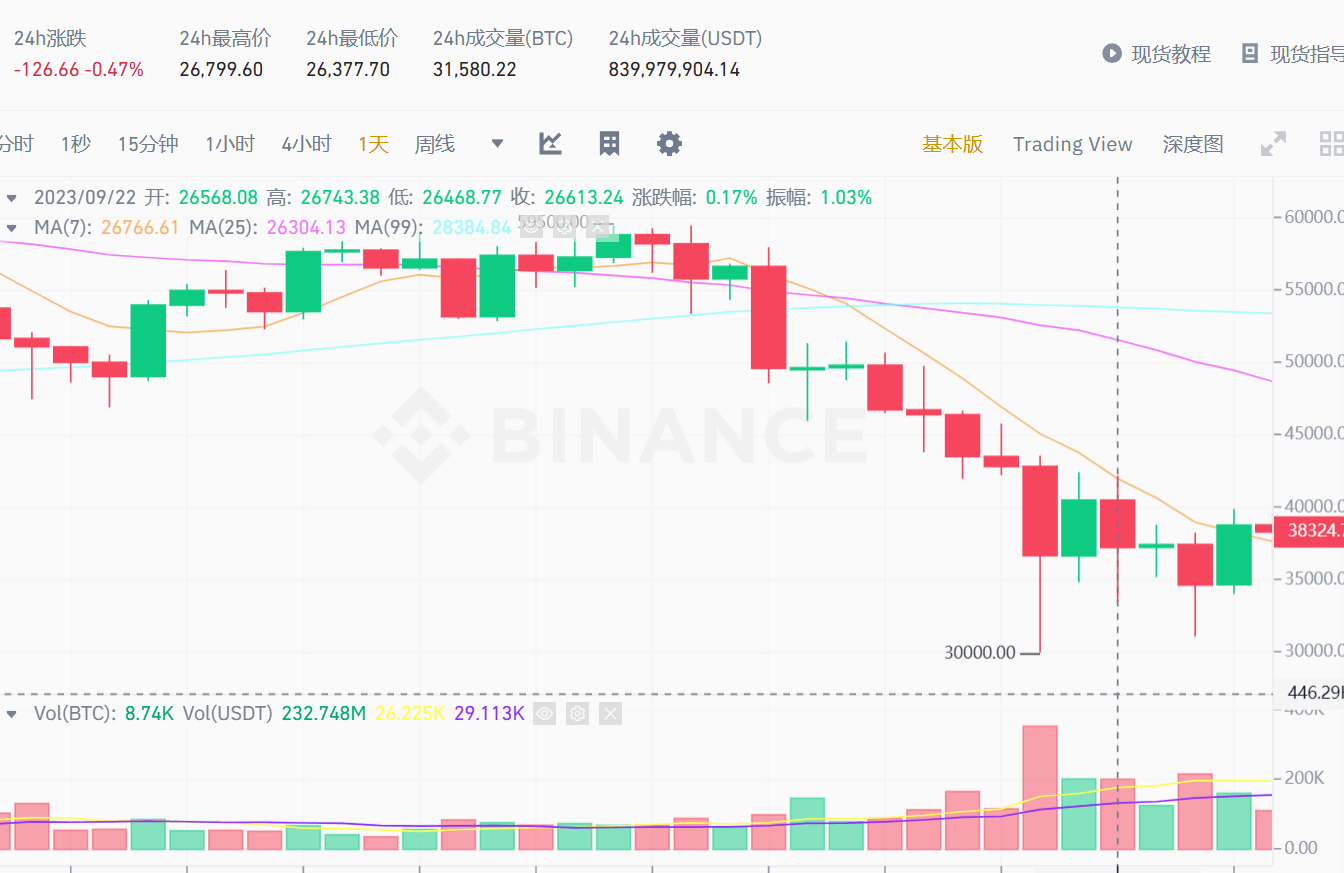
The price of cryptocurrency is affected by many factors, including market supply and demand, technological innovation, policy regulation, social media, public sentiment, etc. Among them, the most influential ones are policy supervision and social media. Policy regulation refers to the attitudes and regulations of various governments towards cryptocurrency, which may have a significant impact on the legality, liquidity, taxation, etc. of cryptocurrency. For example, on May 18, 2021, the People's Bank of China issued a statement reiterating its ban on financial institutions and payment companies from participating in cryptocurrency-related businesses; this news caused a sharp decline in the cryptocurrency market. Social media refers to various platforms and channels on the Internet, which can spread and amplify cryptocurrency-related information and opinions and influence public perception and emotions. For example, Tesla founder Elon Musk frequently tweets about cryptocurrencies; each of his tweets can cause a violent reaction in the cryptocurrency market.
Therefore, speculating in currencies is not an easy task and requires sufficient knowledge, experience, funds and psychological quality. Currency speculators need to always pay attention to market dynamics, analyze various information, and make reasonable judgments and decisions. At the same time, they also need to control their greed and fear, avoid blindly following the trend or panic selling, and stick to their own strategies and principles. Coin speculators also need to pay attention to risk management, allocate funds reasonably, set stop losses and take profits, and do not put all their eggs in one basket.
In order to make this article more detailed and complete, I will also add the following aspects:
The history and development of currency speculation. The emergence and development of cryptocurrency are closely related to Internet technology and the financial crisis. In 2008, a mysterious figure named Satoshi Nakamoto proposed the concept of Bitcoin in a paper as a decentralized electronic cash system. In 2009, the Bitcoin network was officially launched, and the first transaction occurred between Satoshi Nakamoto and a programmer named Hal Finney. At the time, Bitcoin had almost no value and was just an experimental project. In 2010, a Bitcoin enthusiast named Laszlo Hanyecz purchased two pizzas for 10,000 Bitcoins, which is considered the first physical transaction with Bitcoin. At that time, 10,000 Bitcoins were worth approximately US$25; on May 19, 2021, 10,000 Bitcoins were worth approximately US$300 million.
As the popularity and influence of Bitcoin increase, more and more people begin to participate in currency speculation activities. In 2011, the first cryptocurrency exchange Mt.Gox was established to provide a trading platform for Bitcoin. In the same year, the first competitor also appeared - Litecoin, which was an improved version based on the Bitcoin protocol. In 2012, the first non-profit organization, the Bitcoin Foundation, was established to promote and protect the development of Bitcoin. In 2013, Bitcoin exceeded the $1,000 mark for the first time, attracting global attention and heated discussion.
2014 was the darkest year in the history of currency speculation. The Mt.Gox exchange was hacked, resulting in the theft of $850 million in Bitcoin; at the same time, the People's Bank of China issued the first regulatory document for cryptocurrency, prohibiting financial institutions and payment companies from participating in cryptocurrency-related businesses. These two events dealt a huge blow to the cryptocurrency market, causing the price of Bitcoin to plummet.
The period from 2015 to 2016 was a recovery period in the history of currency speculation. As technology advances and the community expands, cryptocurrencies begin to gradually regain confidence and vitality. In 2015, the Ethereum network was officially launched. It is a platform based on smart contracts.
A smart contract is a contract that can be executed automatically. It can implement various applications and services on the blockchain, such as decentralized exchanges, lending platforms, prediction markets, etc. Ethereum is considered the second generation of cryptocurrencies, providing more possibilities for innovation and diversification of cryptocurrencies. In 2016, Bitcoin implemented an important protocol upgrade, Segregated Witness, which was designed to improve Bitcoin’s transaction speed and scalability.
2017 is the most glorious year in the history of currency speculation. This year, the cryptocurrency market has experienced unprecedented prosperity and mania. Bitcoin reached its all-time high price of nearly $20,000 in December; at the same time, many new cryptocurrency projects emerged, such as Tron, EOS, Cardano, etc., which attracted a large number of investors and developers. This year is also the golden age of ICO (Initial Coin Offering). An ICO is a way to raise funds through the issuance of tokens, allowing anyone to easily create and promote their own cryptocurrency project. ICOs reached their peak in 2017, with more than 4,000 projects conducting ICOs and raising more than $6 billion.
The period from 2018 to 2019 is the cold winter period in the history of currency speculation. After the madness of 2017, the cryptocurrency market has entered a sustained decline and downturn. Bitcoin fell from $20,000 to under $3,000; many emerging cryptocurrency projects also failed or disappeared. During this period, cryptocurrency faced many challenges and difficulties, such as technical flaws, security vulnerabilities, legal disputes, community divisions, etc. At the same time, there are also some positive developments and changes, such as the launch of Lightning Network, the rise of stablecoin, and the emergence of DeFi (Decentralized Finance).
2020 to 2021 is a revival period in the history of currency speculation. After two years of sluggishness, the cryptocurrency market has regained its vitality. Bitcoin broke through a new high of $64,000 in April 2021; Ethereum also broke through a new high of $4.3,000 in May 2021. During this period, cryptocurrencies have gained more recognition and support, with large companies such as Tesla, Microsoft, and Starbucks accepting Bitcoin as a payment method; countries and regions such as the United States, Japan, and the European Union have introduced more friendly and clear regulations Policies; world-renowned investors, entrepreneurs, celebrities, etc. have expressed their optimism and participation in cryptocurrency. At the same time, this period also witnessed innovations and breakthroughs in the field of cryptocurrency, such as the explosion of DeFi (decentralized finance), the popularity of NFT (non-fungible tokens), the rise of BSC (Binance Smart Chain), etc.
In short, currency speculation is an investment method full of opportunities and challenges. It can make people make a lot of money, or it can make people lose everything. How are you money speculators doing now? It depends on your choices and actions. I hope you can speculate in currencies rationally, prudently and steadily, and enjoy the fun and benefits brought by cryptocurrency. Wish ya'll good luck! family.