


The arrival of Web3.0 has brought new development opportunities to digital currency. It is not only an evolved version of cryptocurrency, but also a decentralized, programmable and autonomous digital asset.
In this new era of digital economy, Web3.0 digital currency has become the core of the financial revolution. This article will introduce some important Web3.0 digital currencies and discuss their characteristics, application scenarios and impact on the future financial system.

1. Ethereum: As a pioneer in the Web3.0 era, Ethereum is an open and programmable blockchain platform that not only supports the cryptocurrency Ethereum (ETH), but also supports the creation and execution of smart contracts. The decentralized nature of Ethereum offers endless possibilities for innovators, making building decentralized applications (DApps) and digital assets a reality.
2. Polkadot: Polkadot is a cross-chain platform designed to achieve interconnection between different blockchains. Its design concept is to connect different sub-chains through Polkadot's relay chain to achieve cross-chain data transmission and asset transfer. Polkadot's innovation makes cooperation and interoperability between different blockchains more convenient and efficient.
3. Lightweight Bitcoin (Litecoin): As a derivative of Bitcoin, lightweight Bitcoin plays an important role in the Web3.0 era. It retains the decentralized and anonymous nature of Bitcoin, but provides a faster and more efficient transaction experience by employing faster block generation times and higher transaction throughput.

4. Filecoin: Filecoin is a decentralized storage network designed to solve the problems of data storage and sharing. It enables efficient and secure file storage and retrieval by distributing storage space and computing resources across nodes around the world. The emergence of file currency provides powerful infrastructure support for decentralized applications in the Web3.0 era.
5. Blockchain cloud storage (Sia): Blockchain cloud storage is a decentralized storage platform based on blockchain technology. It stores user data dispersedly on different nodes in the network, ensuring data security. performance and reliability. The emergence of blockchain cloud storage provides users with a more private and controlled way to store data.
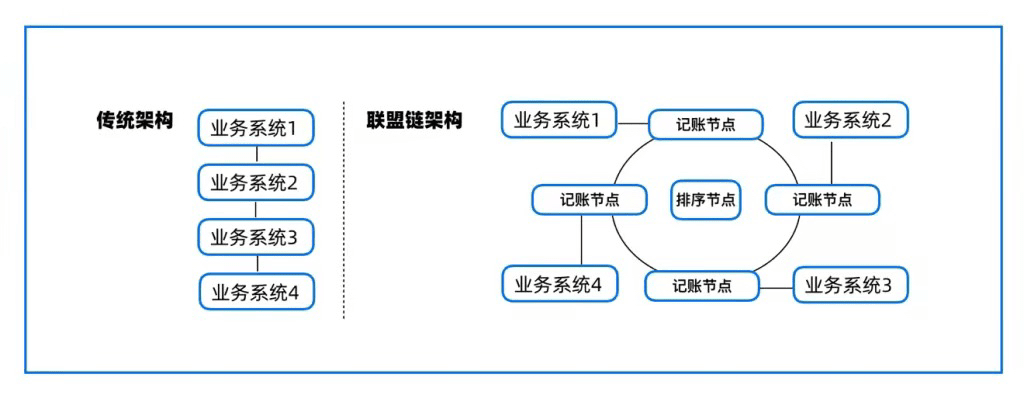
6. Consortium Chain: Consortium Chain is a special type of blockchain that is controlled and managed by a specific group of participants to build a more private and controllable blockchain network. Alliance chains play an important role in enterprise-level applications and financial institutions in the Web3.0 era, providing secure, efficient and customizable blockchain solutions.
 Web3.0时代带来了丰富多样的数字货币选择,以太坊、波卡、区块链云存储、文件币等都是该领域的重要代表。这些数字货币的创新性和技术进步为用户提供了更广阔的金融和经济可能性。
At the same time, the emergence of ClonBrowser, an anti-fingerprint browser, provides important support for user privacy and security protection. As veterans of Web3.0, we should continue to pay attention to and explore these innovative technologies and digital currencies, and actively participate in the financial changes in this new era.