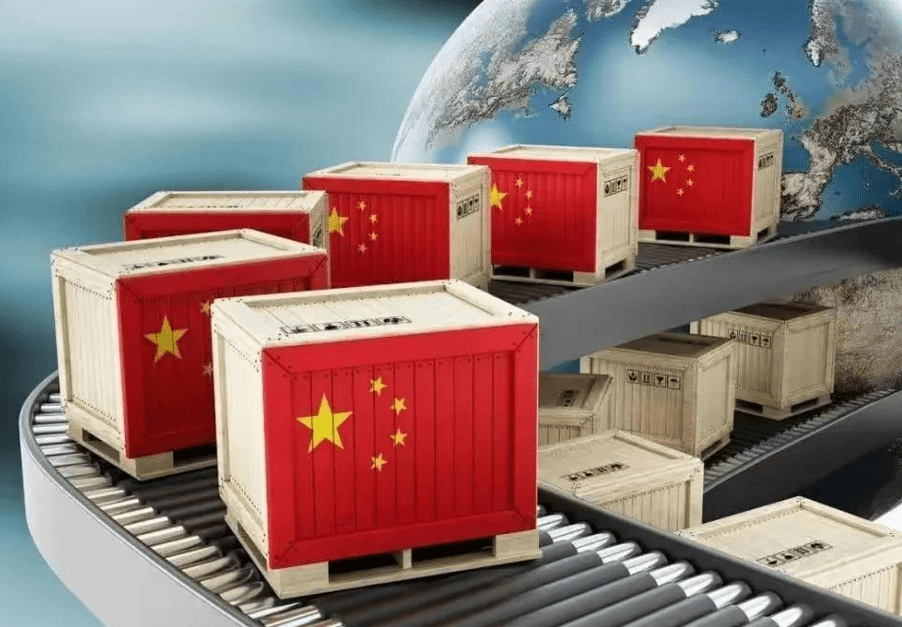
Has the Indian economy collapsed? According to reports, India's economy has declined sharply in recent years, and the proportion of foreign investment has shrunk sharply, plummeting by 43%. A large amount of foreign investment has withdrawn, and India's economy has become precarious in an instant!
In contrast, our country has always ranked second, and Russia has also shown a sharp upward trend in recent years.
Seeing this, many people will be curious about what happened to the Indian economy and what secrets are behind the massive withdrawal of foreign capital.
Why is Russia booming while China is still able to maintain its second place while India's economy is in recession?
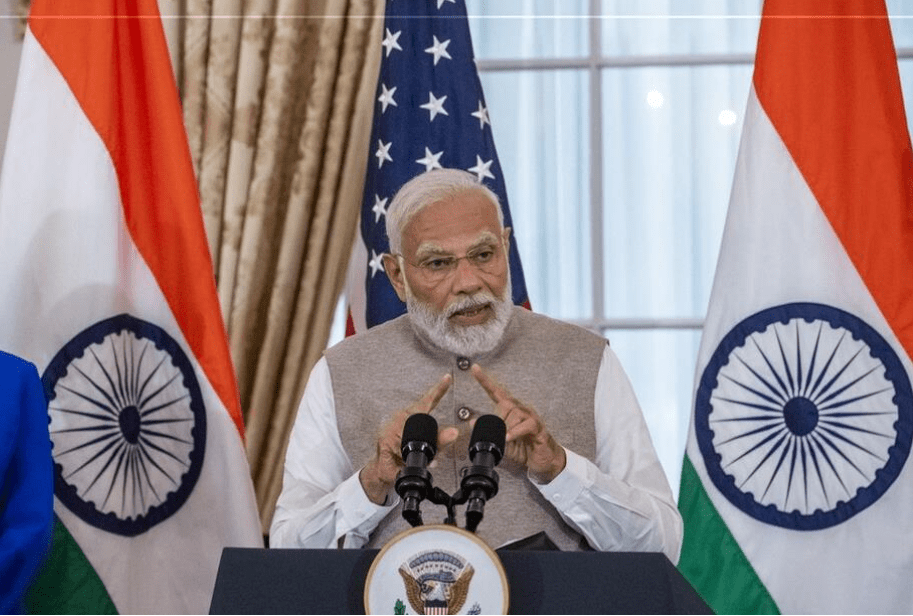
Foreign investment in India is in decline
When talking about India, most people will find it magical. Their social classes are so clearly divided, with a lot of poor people and a minority of rich people.
Putting aside the various strange systems in their country, its economy is also confusing. In the past two years, India's economic development can be said to be booming, but in recent years, India's economy seems to have ushered in a crisis.
India's economic development has been the focus of international attention in recent years, because its economic development has been very rapid in recent years.
Judging from the data, India's GDP has maintained rapid growth in recent years and has always been among the top in the world. While the economy maintains rapid growth, India has introduced a large amount of foreign capital, and the Indian government has released a series of preferential policies for foreign capital, with the aim of promoting its country's industrial transformation.
However, after a large amount of foreign investment entered India, the situation changed dramatically. According to relevant data from the United Nations, by 2023, the total amount of foreign investment introduced by India was only US$28.1 billion, showing a sharp decline compared with the past few years.
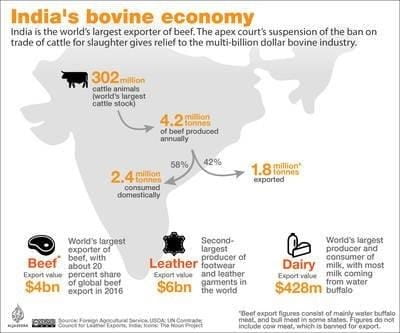
According to statistics from relevant people, the proportion of foreign investment in India has plummeted by nearly 43%. However, what is more frightening than this number is that India seems to have lost the ability to retain foreign capital. Currently, more than 2,700 foreign companies have chosen to leave India. The departure of 2,700 foreign companies from India can be said to have dealt a huge blow to India's economy.

For India, the departure of these 2,700 foreign companies took away nearly one-third of India's foreign investment. Today, India is a scourge in the eyes of foreign companies. Therefore, many people are curious as to why such a large number of foreign companies have chosen to withdraw their investments from India in a short period of time?
What exactly did India do? What are the reasons behind the large amount of foreign investment withdrawing from India?
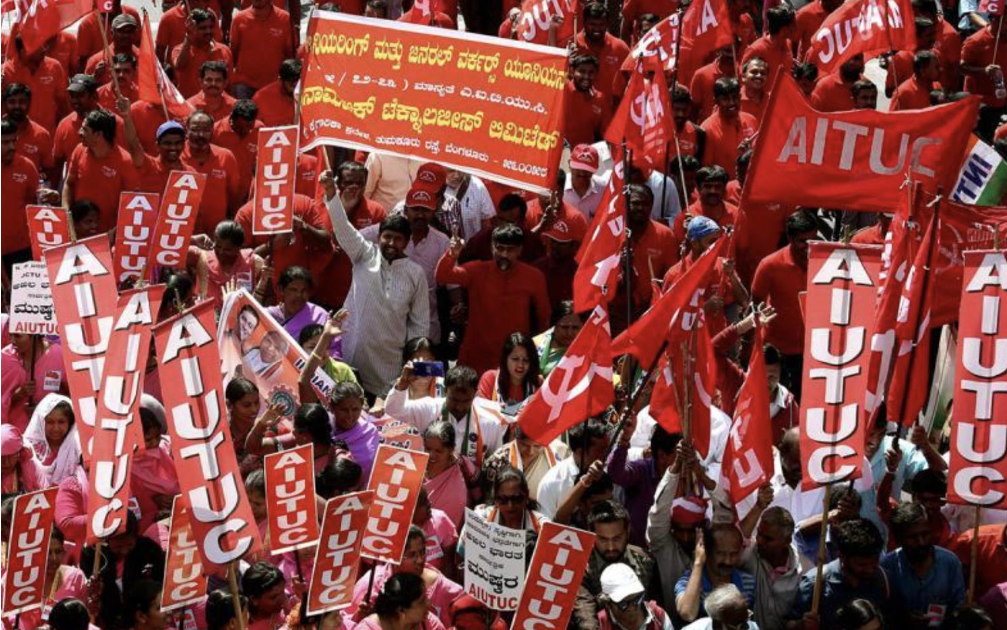
The truth behind the massive withdrawal of foreign capital from India
In today's relatively depressed economic environment, many countries have begun to adjust their economic policies. Riskier categories such as foreign-funded enterprises have become more cautious in recent years. The international environment plays a dominant role behind the withdrawal of a large number of companies from India.
Since 2022, the Federal Reserve has started a round of aggressive interest rate hikes, raising the federal funds rate from 0.25% to 5.5%. This policy has directly led to a rapid return of global capital to the United States, and emerging market countries are generally facing pressure from capital outflows.

Prior to this, India, as an important member of the emerging market, introduced a large number of foreign-funded enterprises to transform its own industries. When the United States started the interest rate hike cycle, India, as an important member of the emerging market, was naturally not immune.
According to relevant data, in a short period of time, more than 100 billion US dollars of funds flowed out of the Indian market. American institutions such as JPMorgan Chase, Goldman Sachs, and Fidelity International sold off Indian assets on a large scale and withdrew their investments.

The withdrawal of foreign capital not only exacerbated the turmoil in India's financial markets, but also directly led to a sharp drop in the Indian rupee exchange rate, which to some extent also weakened the stability of the Indian economy.
The United States' financial harvesting strategy is undoubtedly the fuse of India's economic crisis. In order to ensure its dominant position in the global market, the United States has indirectly affected India's economy through constant changes in interest rate policies, exchange rate strategies and trade sanctions.

India's rapid economic growth in recent years is mainly due to foreign investment and exports. Foreign direct investment in India accounts for as much as 3.5% of GDP, and foreign institutions hold nearly 30% of the market value of the Indian stock market.
Therefore, a country like India, which is highly dependent on foreign capital, is particularly vulnerable during the sharp interest rate hike cycle in the United States.
In addition to the significant impact of US policy adjustments and international influences on the withdrawal of foreign capital from India, there are also certain problems with the economic nature of India itself.
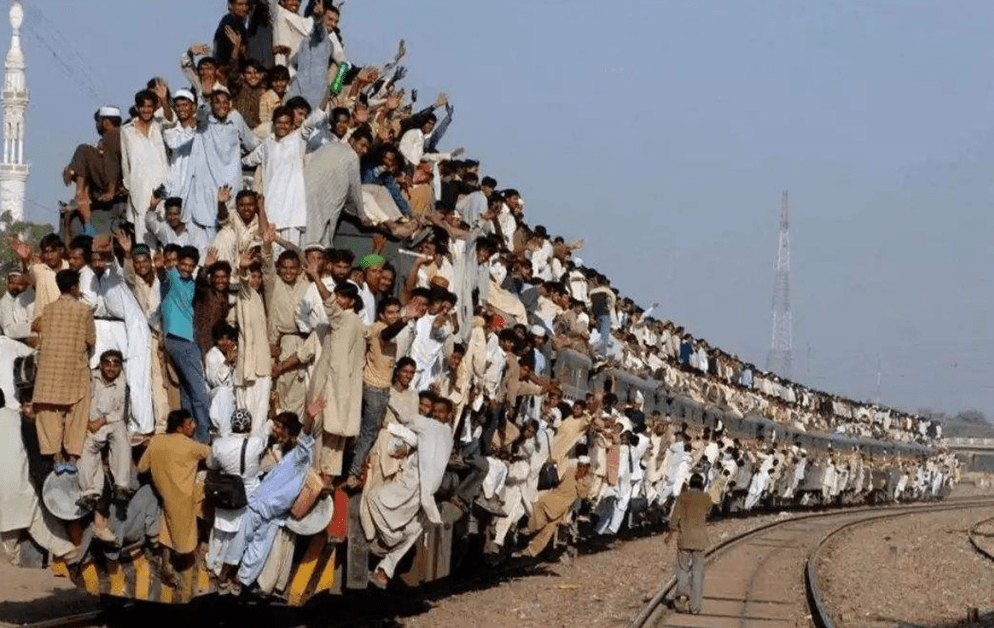
Objectively speaking, India's development is still relatively backward in the international environment.
Due to its large population, India has a large amount of cheap labor in the country. However, due to its own backward economic development and incomplete infrastructure construction, India's economy has had to rely on the introduction of foreign capital for a long time. Therefore, India launched the Make in India plan as early as 2014.
In 2015, the Indian government launched a targeted phased manufacturing plan, which attracted foreign investment by imposing tariffs on products at different stages and gradually transferred the industrial chain to India. Industries such as mobile phones and home appliances were regulated by this plan. By 2020, the Indian government also launched a production-linked incentive plan, which aims to support the self-reliance of domestic enterprises and promote industry transformation. The original goal set by the Indian government was to increase the proportion of manufacturing in GDP from a low level to 25% by 2025.
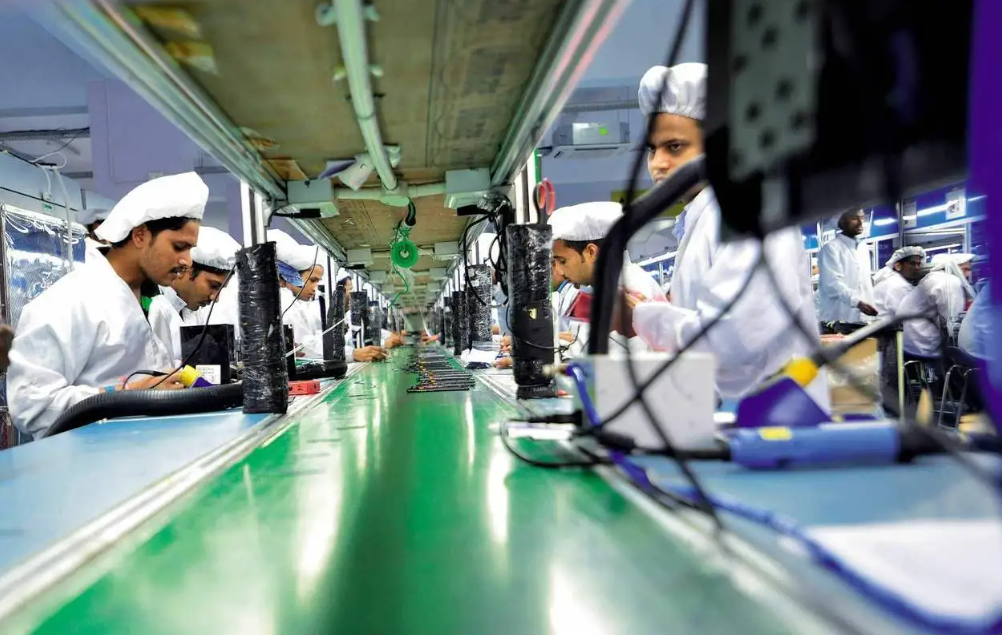
However, it seems that the withdrawal of a large number of foreign companies from India makes this goal seem far away. In 2023, India's manufacturing industry will account for only 13.5% of GDP, far lower than China's 27.7%. India's weak infrastructure, complex business environment and insufficient worker skills have seriously hindered the rise of India's manufacturing industry. In addition, the instability of the Indian government's policies has also deterred a large number of foreign investors.
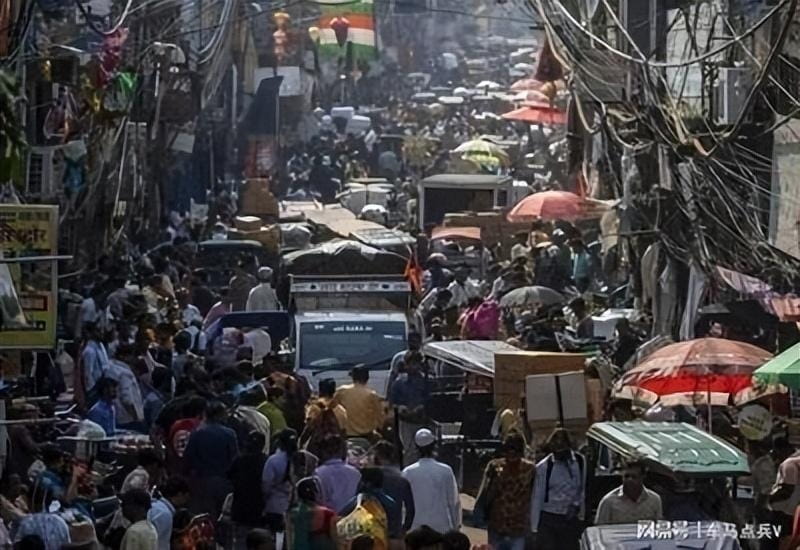
For example, India suddenly imposed high tariffs on imports of commodities such as gold and oil, which caused market panic. In addition, the Indian government's tax policies on foreign-funded enterprises have been changing frequently, which has to some extent exacerbated the distrust of foreign capital.
From the Make in India plan released by India, we can get a glimpse that the Indian government's policies towards foreign companies have always been volatile. In addition to frequent changes in tax policies, India's attitude towards a large number of foreign companies is more like cutting leeks.
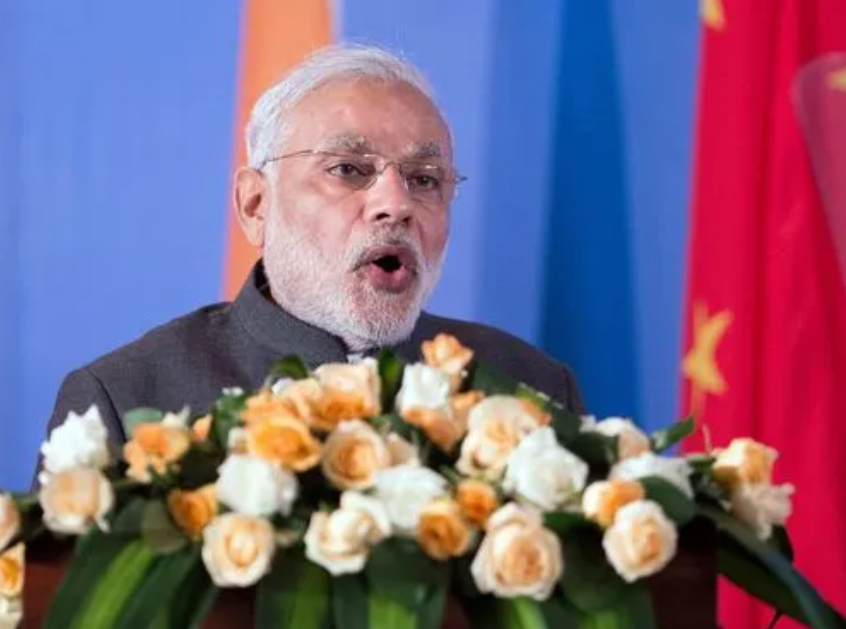
In the past few years, with the entry of a large number of enterprises into India, India's economy also showed a period of prosperity. However, these enterprises that entered India became miserable after entering India.
Many foreign companies have not escaped tax audits and hefty fines in India.
Many companies have even faced tax audits for many years due to Indian government policies. It can be said that almost all foreign companies that want to develop in India have been subjected to high-priced fines and long-term tax audits.
In such a volatile business environment, it does not seem surprising that many foreign companies are exiting the Indian market.
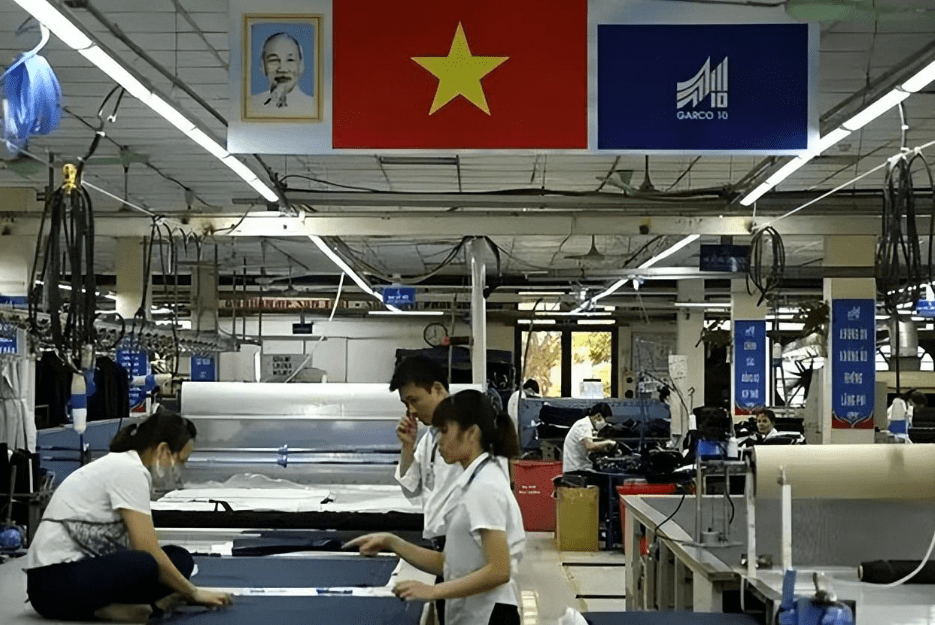
In addition to facing difficulties in its manufacturing industry, India’s demographic dividend is also rapidly disappearing.
According to statistics, India's population growth rate has dropped to 1.1% in 2023, and the aging trend is also intensifying. According to the United Nations forecast, by 2040, the elderly population over 65 years old in India will account for 11% of the total population of India, while the proportion of young people under 15 years old will drop to 19%. This trend will further aggravate the labor shortage problem in the Indian economy. For India, this may cause long-term pressure.

Against the backdrop of India's deteriorating economy, the economic situation in Russia and China appears slightly more optimistic.

Comparison with India: Russia and China’s performance
Although Europe and the United States have been imposing sanctions on Russia in recent years, the Russian economy has still shown strong resilience in the face of US and European sanctions.
In the first quarter of 2024, Russia's economy grew by 5.4% year-on-year, with manufacturing up 9%. Financial and insurance activities grew by 18.8%, and the information and communications industry grew by 15.3%. Despite the large fluctuations in the ruble exchange rate, the Russian government has stabilized its economy through a series of measures and has been seeking new growth points in agriculture and industry.

As the world's second largest economy, China's economic development is more optimistic and still shows a steady trend. Today, China's economy ranks second in the world. According to data released by my country's National Bureau of Statistics, in the first half of 2024, China's GDP reached 61.7 million yuan, a year-on-year increase of 5%.

Compared with economies such as India, China's economy has a more balanced growth structure. China's economy not only relies on manufacturing, but also actively promotes the development of service industries and high-tech industries, which makes the Chinese economy more resilient and stable in the global economic fluctuations.
Judging from China's current industrial structure, manufacturing is one of the pillar industries of China's economy and has made outstanding contributions to economic growth.
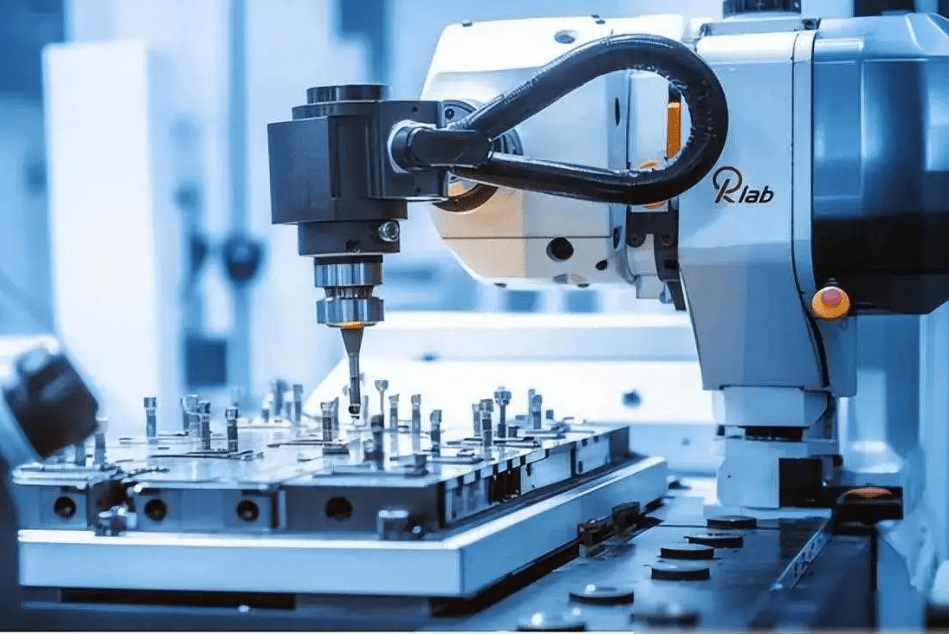
In recent years, China's manufacturing industry has also been undergoing digital transformation and industrial upgrading. By introducing technologies such as the Internet of Things, big data, and artificial intelligence, production efficiency and product quality have been greatly improved.
According to a research report by the China Research Institute of Industry, the scale of China's intelligent manufacturing equipment market continues to expand, and is expected to reach 3.4 trillion yuan in 2024.
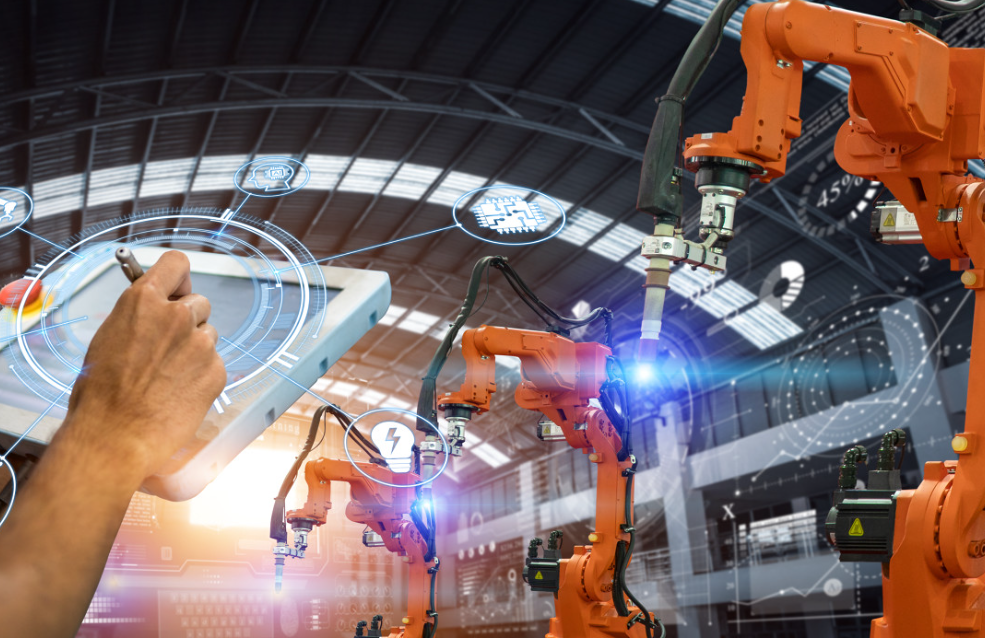
Compared with India, which is facing a large amount of foreign capital withdrawal, China is showing a thriving trend in foreign trade. The scale of China's foreign trade has been continuously expanding. In the first half of 2024, the total import and export of goods reached 21,168.8 billion yuan, a year-on-year increase of 6.1%. The import and export of private enterprises increased by 11.2%, accounting for 55% of the total import and export. In terms of investment, the Chinese government has continued to increase its support for emerging industries and key areas, and fixed asset investment has grown steadily, among which the growth rate of investment in high-tech industries has accelerated.