

Author: Web3 Research Institute of Asia, Africa and Latin America
Layout: Deer, Green
Editor: vand
Nigeria is the second largest Bitcoin user after the United States, with 22 million cryptocurrency holders, or 10% of the population.
As the country with the largest GDP in Africa, Nigeria has serious inflation. Foreign exchange controls restrict people from fighting inflation by exchanging foreign currencies, so residents have begun to circumvent regulation through cryptocurrencies to maintain the value of their assets.
The decentralized and globalized characteristics of Web3 are very suitable for local needs.
Nigeria | Rich land and poor people
This is the West Coast! Nigeria is located on the west coast of Africa. It is the largest country in Africa and speaks English. Nigerians are not as poor as we think. Most people don't have mobile phones? Not true.
One in every six Africans is Nigerian. All the natural resources you can think of, such as oil and natural gas, are abundant in this land. At the same time, the tropical climate also brings abundant water and heat conditions to the Niger River.
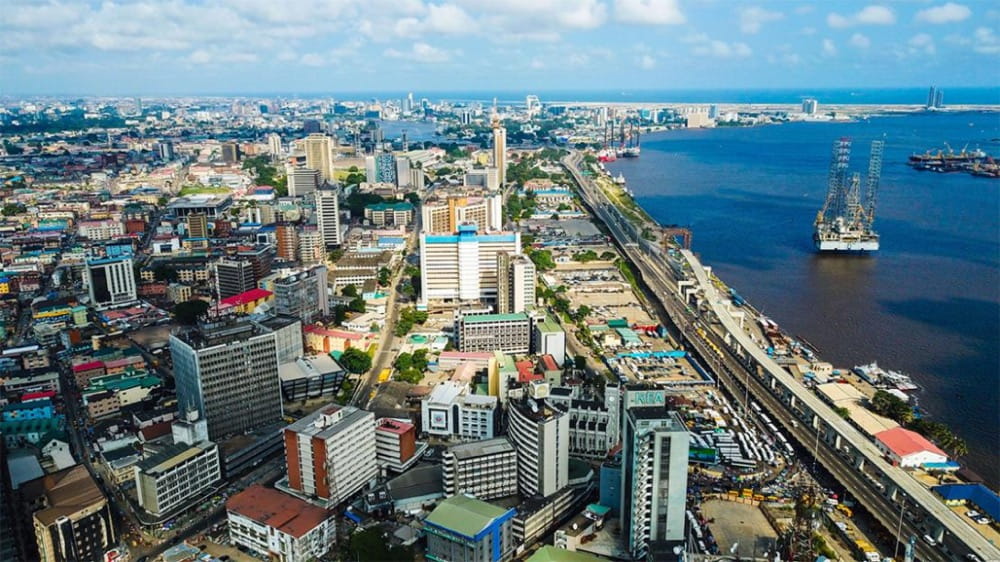
Image source: TechCrunch Although the overall situation is still poor, urban construction and infrastructure are still weak. However, thanks to the influence of low-priced mobile phone brands such as Transsion, the price is 100-200 RMB, and local people can buy it with a month's hard work.
Therefore, the mobile Internet penetration rate is still relatively high, and the broadband penetration rate is 41%; 102 million people have access to the Internet, which is equivalent to the level in my country in 2013.
The gap between the rich and the poor is huge, and money flows to those who have more money.
Despite the abundance of resources, residents' income is not high. According to World Bank data, there are 95.1 million poor people, accounting for half of the country's population.
However, the total wealth accumulated by the top five richest people in Nigeria is as high as 29.9 billion US dollars, while the average local worker earns 18,000 naira per month, equivalent to RMB 267.48.
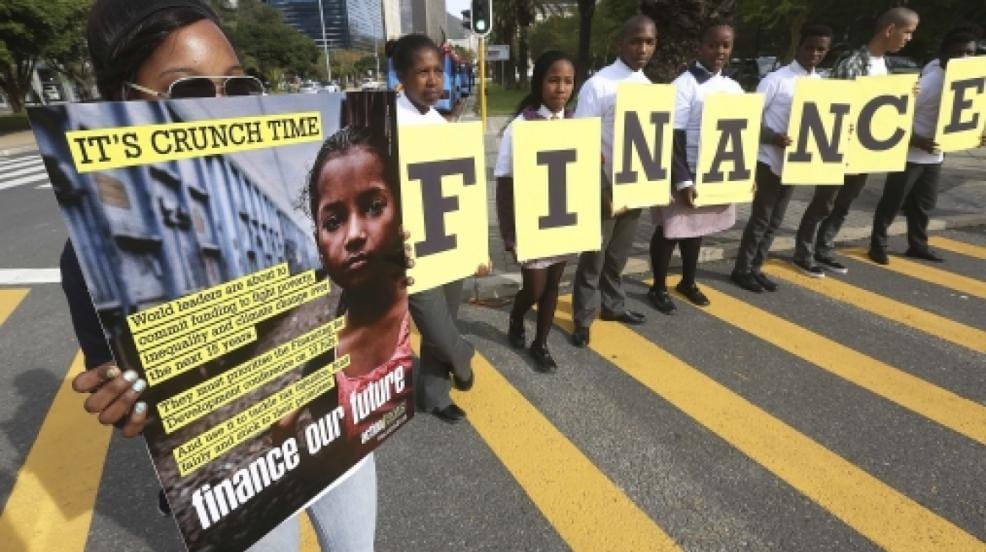
Image source: United Nations official website
The Dapp ecosystem is not booming, but crypto assets have entered the wallets of 22 million people
Nigeria ranks 11th in the Chainalysis 2022 Global Cryptocurrency Adoption Index and 17th in P2P exchange (similar to Binance, which is a p2p exchange) trading volume.
It is estimated that more than 22 million people currently own cryptocurrencies, which is 10.3% of Nigeria’s total population. Among the top 10 countries for Bitcoin trading volume in 2020, Nigeria ranked third after the United States and Russia, with a trading volume of more than $400 million.
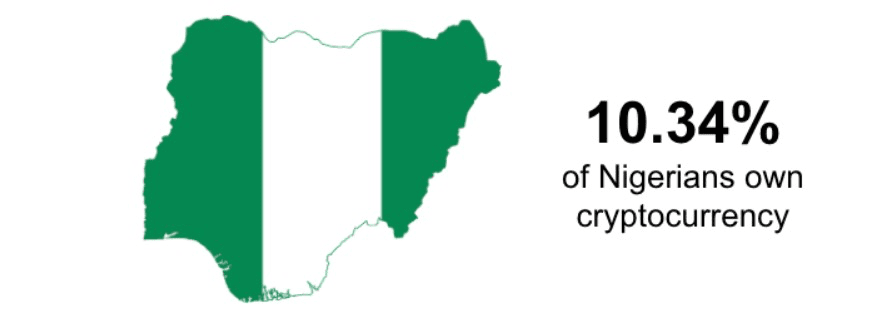
Image source: News
The thoughts and feelings of overseas Chinese are transferred into Crypto accounts along with cryptocurrencies
Nigeria’s official language is English, so an estimated 21.7 million Nigerian citizens live abroad, fleeing underdevelopment in their homeland. That’s one-tenth of Nigeria’s total population.
Therefore, the huge number of expatriates has brought huge remittances. In 2018, the remittances of expatriates were US$24.31 billion; in 2019, it was US$23.81 billion; by 2020, it dropped to US$17.21 billion. The gradual decline in remittances may be caused by the expatriates starting to adopt cryptocurrencies! Because BTC cannot be regulated.
Before cryptocurrencies, the two major cross-border remittance service providers serving these expatriates were Western Union and MoneyGram.
The salary that people working overseas send back home for a year will still be taken away by local capitalists for one month!
WN and MG occupy 65% of offline remittance and withdrawal locations. Due to the monopoly of these two banks, the remittance fee often reaches 10%, and it often takes 2-3 days to receive the money.
Image source: Internet
Users are not only affected by the 10% handling fee, but are also restricted by the local government's foreign exchange controls, and the exchange rate prices are also outrageous.
The Nigerian government has a strict control policy on foreign exchange. The official exchange rate is 460 naira for one dollar, and 765 naira for one dollar in the parallel market (black market). Therefore, BTC is the intermediary for black market exchange operations, and the recipient can exchange more naira on the black market through BTC.
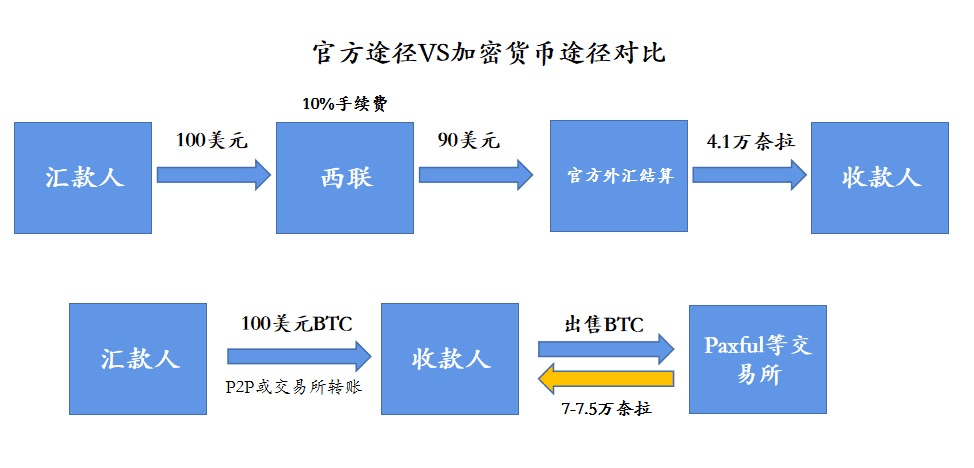
Image source: 3WW3 Research Institute of Asia, Africa and Latin America
Inflation and currency depreciation promote the storage of funds in cryptocurrencies such as BTC
Every African is troubled by inflation, especially Nigeria, where the average CPI increase is over 10%. In particular, the inflation rate reached 17% in 2021, and in January 2022, inflation increased by 21% year-on-year.
Generally, inflation is accompanied by the depreciation of the local currency. After 2013, the Naira fell by nearly 70% against the US dollar, from 0.0062 US dollars to 0.0021 US dollars. Therefore, everyone's enthusiasm for crypto assets is unstoppable!
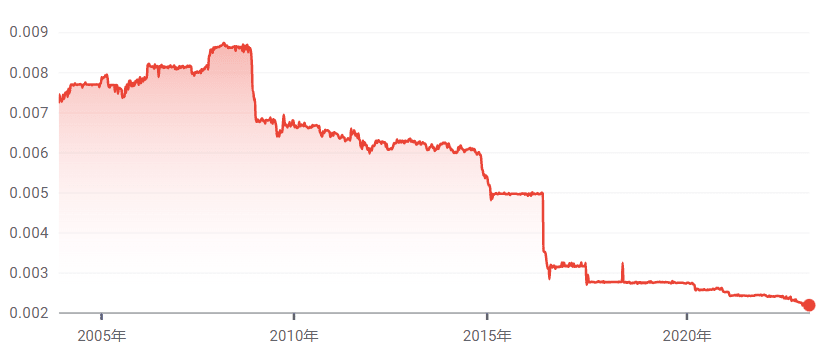
Image source: Google Finance
Although the Nigerian Central Bank emphasized in February 2021 that cryptocurrencies "violate current laws" and prohibited commercial banks from trading cryptocurrencies, it still cannot curb Nigerians' enthusiasm for crypto assets. Tens of millions of Nigerian residents, especially young people, have exchanged their Naira for Bitcoin and USDT.
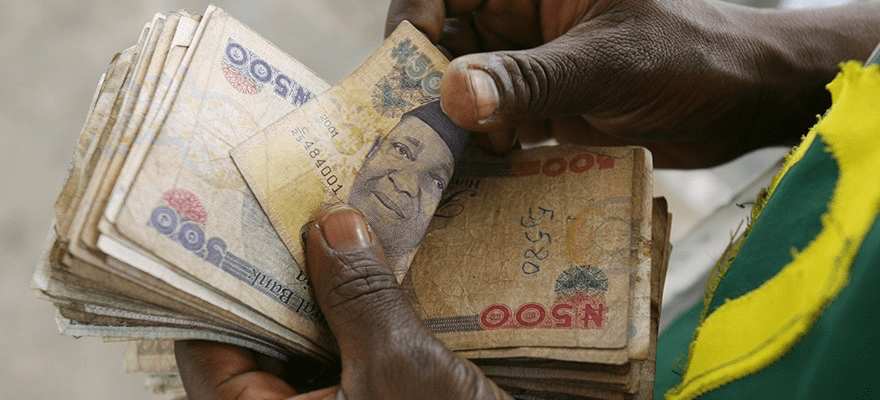
Image source: TED
The banking system collapsed, and everyone moved from WEB2 to WEB3
By the end of 2020, only 64% of Nigerian adults were aware of financial services.
Nigeria’s banking infrastructure is very weak and has been close to collapse. In January 2022, an error occurred in the amount of an inter-bank transfer, which later turned into a problem with the bank’s internal transfer.
Many remitters may face the risk of not being able to recover their money. The direct cause of this banking crisis was Nigeria’s “demonetization order”. Banks were short of new banknotes. At the same time, the month-end salary withdrawals and Nigeria’s general elections caused huge withdrawal pressure, which paralyzed the banking business.
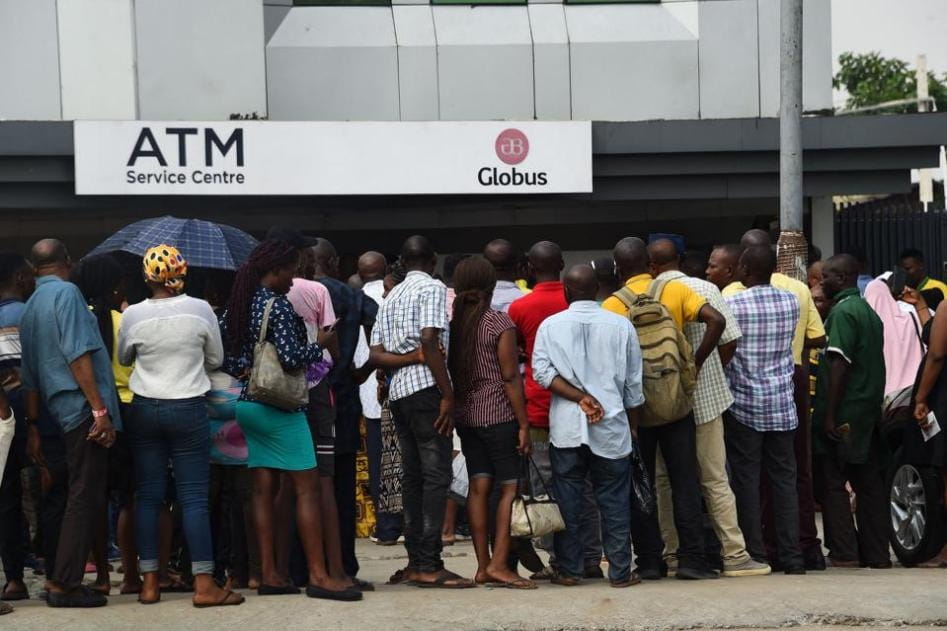
Image source: TED
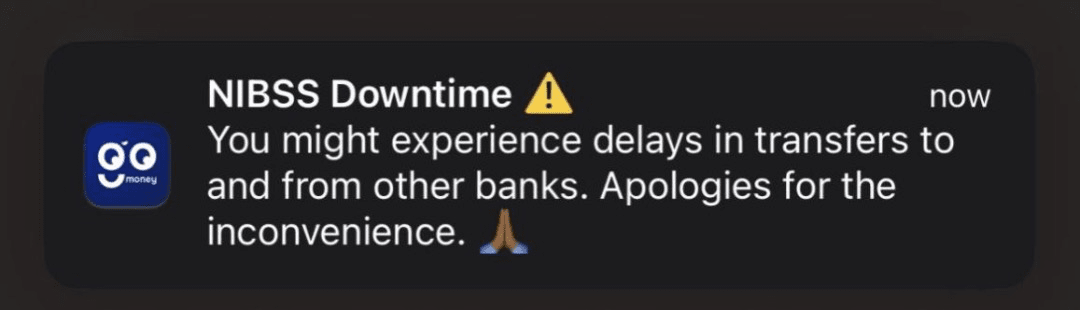
Image source: Feedback from local netizens
Such incidents are not accidental. Similar problems often occur in the Nigerian Interbank Transfer System (NIBSS). NIBSS is very backward and most of the withdrawal equipment is obsolete products from Europe and the United States.
In addition, the inter-bank reconciliation system is backward. Banks regularly send Excel spreadsheets to corresponding banking institutions for manual reconciliation. Any slight error will affect the security of customer funds.
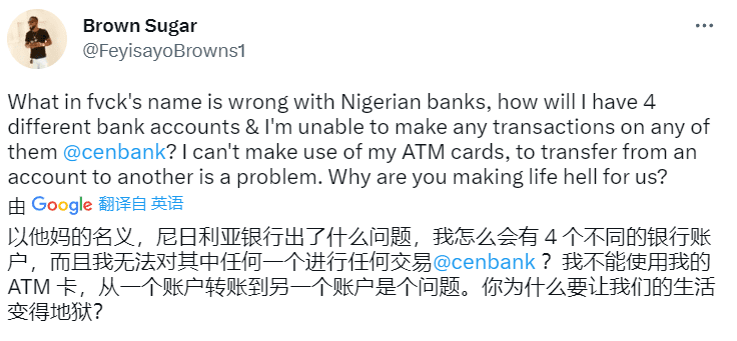
Image source: Twitter
In addition to the poor bank transfer system, the bank's non-performing loan rate and large deposit-lending interest rate spread also put depositors in an unsafe situation.
The Strike reported on June 10, 2022 that in March, the savings deposit rate of Nigerian banks was 1.28%, and the highest loan rate was 26.61%, a gap of 25.33%. In the face of an inflation rate of 16.8%, this is a serious exploitation of depositors.
At the same time, the non-performing loan ratio of Nigeria's banking industry reached 6% in 2020, which is higher than the world level. During the same period, the non-performing loan ratio of China was 1.92% and that of the United States was 0.96%. It is obviously unfair to let depositors share such risks at such a low interest rate.
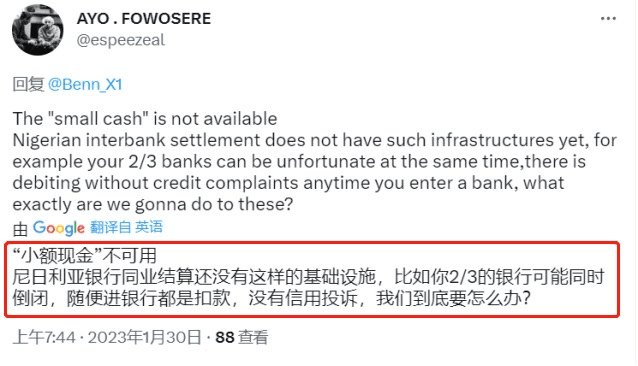
Image source: Twitter
The Nigerian government has made attempts to change this situation through digital currency.
On October 25, 2021, Nigerian President Buhari announced the issuance of digital currency e-Naira, making Nigeria the first African country to issue digital currency. However, the centralized Naira stablecoin has not changed the financial status quo in Nigeria. After a year of vigorous promotion by the government, the usage rate of e-Naira is only 0.5%, and the total transaction amount is only US$9 million.
The biggest problem facing e-Naira is the lack of trust in any government initiative by the public, and users would rather use cryptocurrencies than e-Naira.
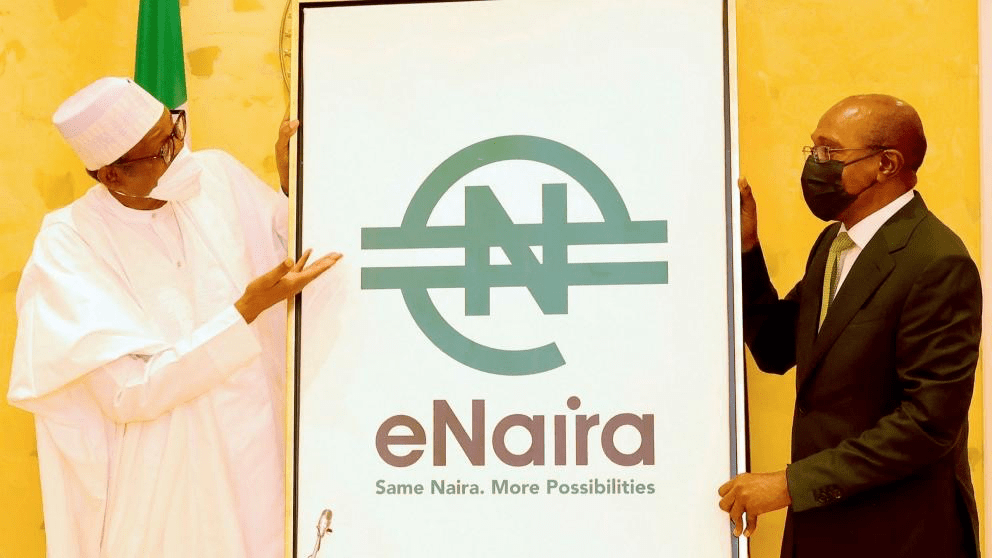
Image source: NY TIME
Nigerians can only choose Web3. Only Web3 can meet the requirement: as long as you can access the Internet, you can enjoy the financial services used by the global elite.
For ordinary Nigerians, the oil is not theirs, the land is not theirs, the skyscrapers are not theirs, and the money in the bank may all be wiped out. Only the tokens in their wallets belong to them.
Web3 is changing Africa, and Africa is changing Web3
If we only focus on the K-line and the fluctuating prices, Web3 may just be an investment or speculation tool. But if we explore the value of Web3 to the people of Asia, Africa and Latin America, we will find that Web3 is also a kind of "social welfare."
On this planet, Africa, with a population of more than one billion, has been ignored by the mainstream of the world and is generally facing problems such as inflation, mobile payment, and employment.
Web3 is an excellent student that can bring a solution, payment, finance... all of this only needs to be spread through the Internet, across governments and across geography. Web3 will also bring a large number of user growth. Cryptocurrency was born in Europe, America and the East, but perhaps "Africa" is the "cradle" of cryptocurrency growth.