


Rage Trade is expected to become a dark horse in the decentralized derivatives field through innovative mechanism designs such as 80-20Vaults and Omnichain recycled liquidity.
Written by: aididiaojp.eth, Foresight News
What is Rage Trade?
Rage Trade is a perpetual contract protocol based on the Arbitrum ecosystem, which aims to build a highly liquid and composable full-chain Ethereum perpetual contract protocol through innovative mechanism designs such as 80-20Vaults and Omnichain recycled liquidity. Rage Trade will also be integrated in LayerZero to allow vaults to obtain liquidity from any L1 and L2.
Rage Trade integrates DeFi liquidity from other chains (LP chains) through the Omnichain recycled liquidity mechanism. When these liquidity enters 80-20Vaults, no more than 20% will be injected into Rage Trade's vAMM pool in the form of virtual liquidity to provide centralized liquidity for Rage Trade, and the other 80% will remain in external protocols to earn income for LPs. At the same time, LP providers can also earn fees from contract traders. The main chain Arbitrum and the LP chain transmit messages through LayerZero's cross-chain messaging protocol.
In the initial state, 100% of LP is outside the protocol. When the price of Ethereum fluctuates and the protocol position begins to increase, external liquidity begins to enter Rage in the form of virtual liquidity. Through the Rebalance PnL operation, Rage is able to transfer the income generated by the protocol from the protocol to the external protocol again. Rage Trade will adjust the market-making range of centralized liquidity once a day based on the latest price. If the accumulated LP liquidity of the vault exceeds 20%, Rage Trade will reset the liquidity operation, close the vault, and redeploy liquidity.
Rage Trade protocol revenue includes 10% of the income generated by 80-20valuat and 0.5% of the transaction fee. One thousandth of the transaction fee will be used as LP token incentives.
What are the innovations of Rage Trade?
Rage Trade has core innovations such as Omnichain recycled liquidity and 80-20Vaults. At the same time, it will cooperate with GMX to launch the Delta Neutral GLP vault.
Omnichain recycled liquidity
Rage Trade allows all liquidity funds in other existing protocols to enter, including AMM (Curve, Balancer, Sushi, etc.), money markets (AAVE, Rari, Euler, etc.) and derivatives protocols (GMX, Ribbon). The liquidity in these protocols can be integrated into 80-20Vaults in the form of ETH-USD LP, and then enter the ETH perp liquidity pool of Rage Trade. The specific process is shown in the figure below:
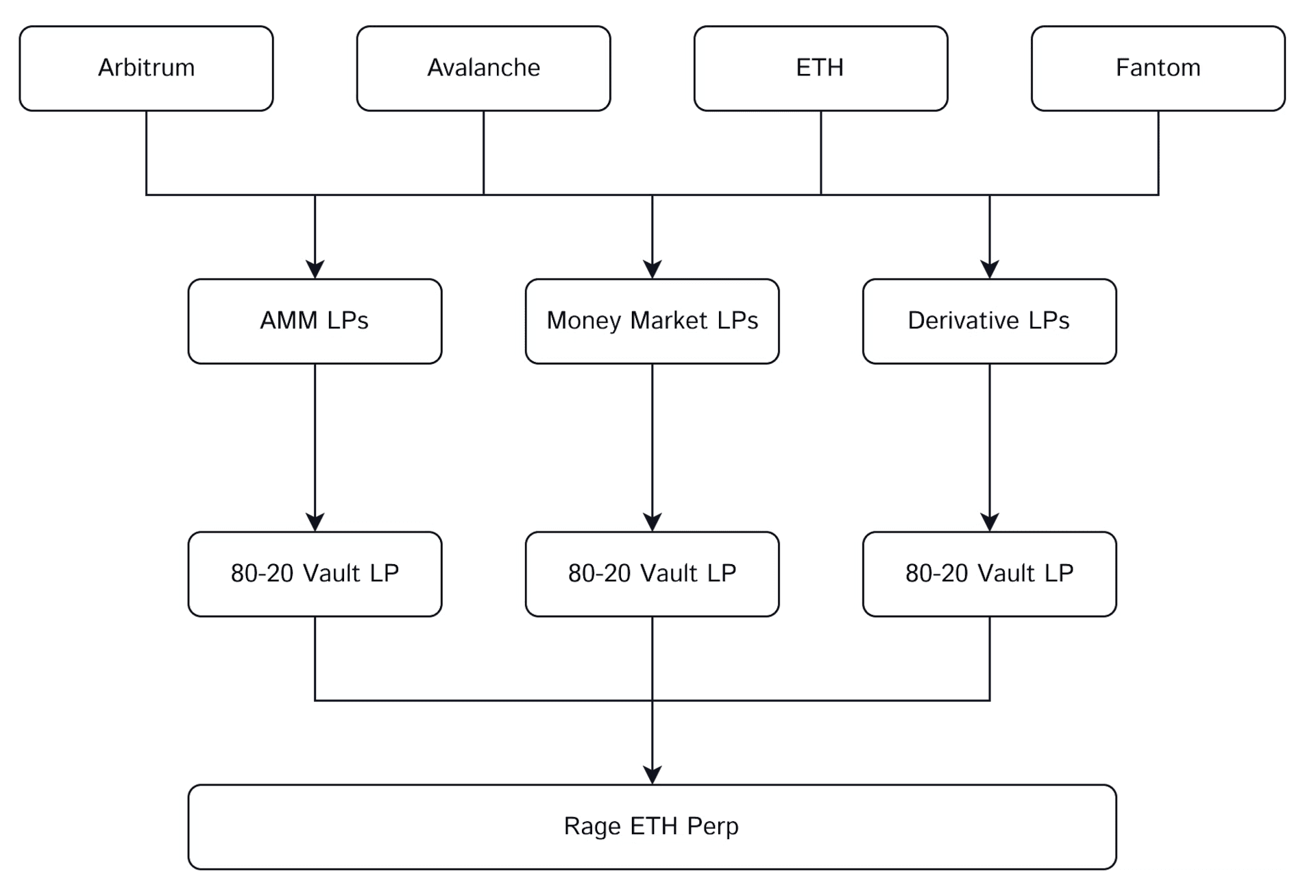
Rage Trade's perp, treasury, and business are all deployed on the main chain Arbitrum, and other chains that provide liquidity are called LP chains. In order to integrate full-chain liquidity, Rage Trade uses LayerZero's cross-chain messaging protocol to transmit messages between the main chain and LP chains, and uses Stargate to send and receive assets (USDC PnL).
When the LP chain deposits liquidity into the protocol, the LP chain will send a message to the main chain to inject virtual liquidity into Rage Trade's vAMM pool; otherwise, it will be withdrawn from the vAMM pool.
80-20Vaults
80-20Vaults is the LP operation strategy of Rage ETH perp, which is inspired by the solutions released by Hayde (Uniswap) and Scott (DeFi Pulse). In 80-20Vaults, 80% of the liquidity deposited in the Rage Trade protocol will still be maintained in external protocols such as Curve, GMX, Sushi, etc. to earn income, providing a maximum of 20% of centralized liquidity for Rage Trade.
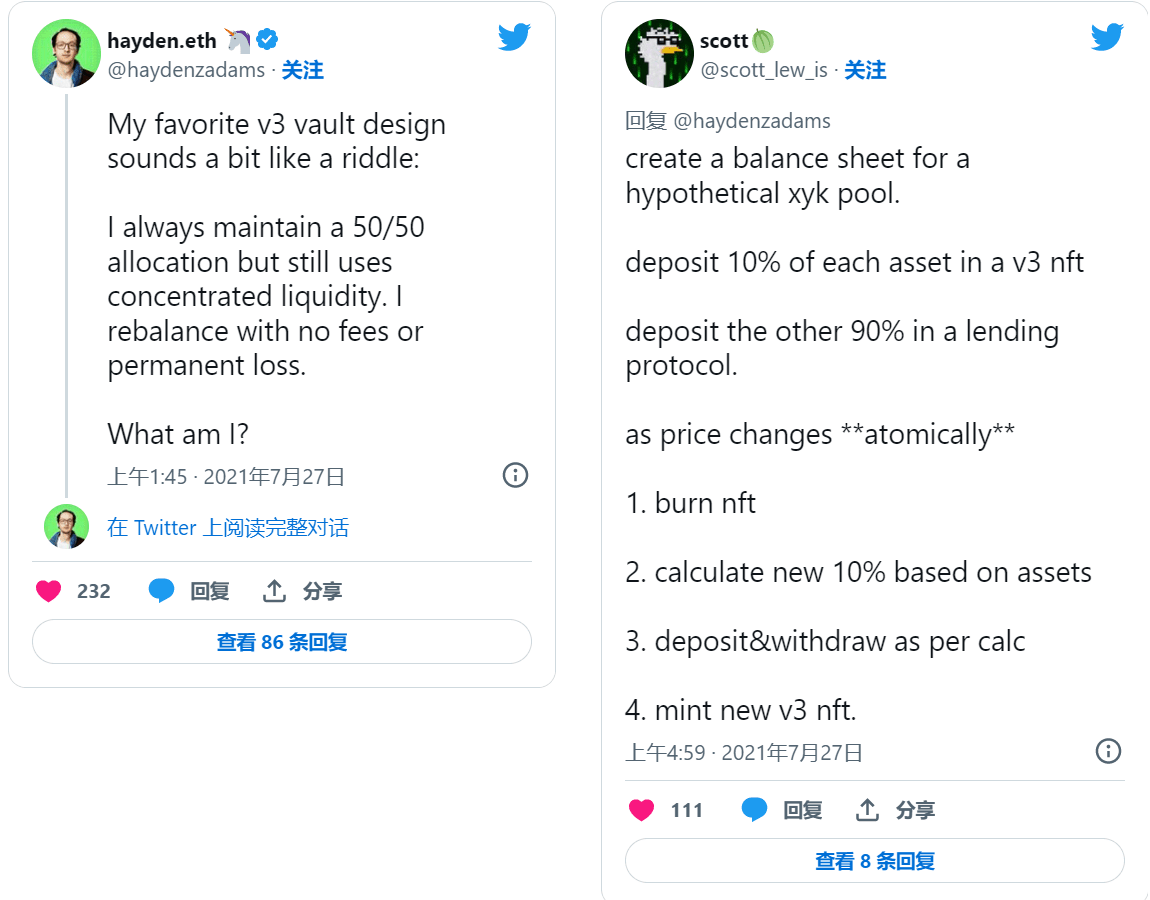
80-20Vaults relies on three core operations: Rebalance PnL, Update Range, and Reset Liquidity.
At launch, 100% of TVL is in yield-generating LP positions (outside of Rage), with the vault providing a concentrated liquidity position around the current value (with equal amounts of vUSDC and vETH).
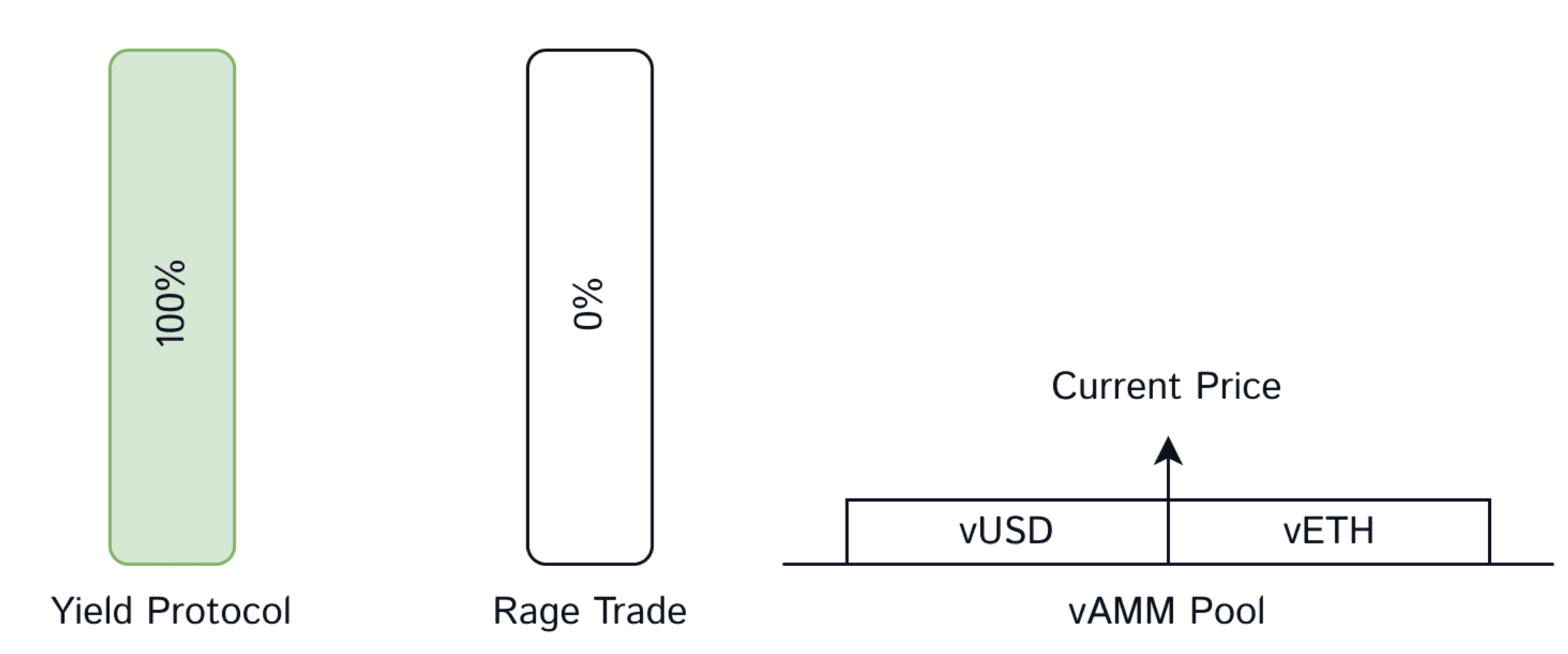
When the price of ETH changes, the LP vault accumulates directional perpetual contract positions. For example, as the price of ETH rises, the vault's ETH perpetual contract short positions begin to increase (the rise is equivalent to borrowing USD to buy ETH). The Rebalance PnL operation realizes PnL from these positions and transfers assets to services that generate income, maximizing capital efficiency while maintaining a sufficient collateral ratio.
Note: PnL represents the day-to-day change in the value of the trading portfolio and is usually calculated using the following formula: PnL = Today's Value - Previous Day's Value.
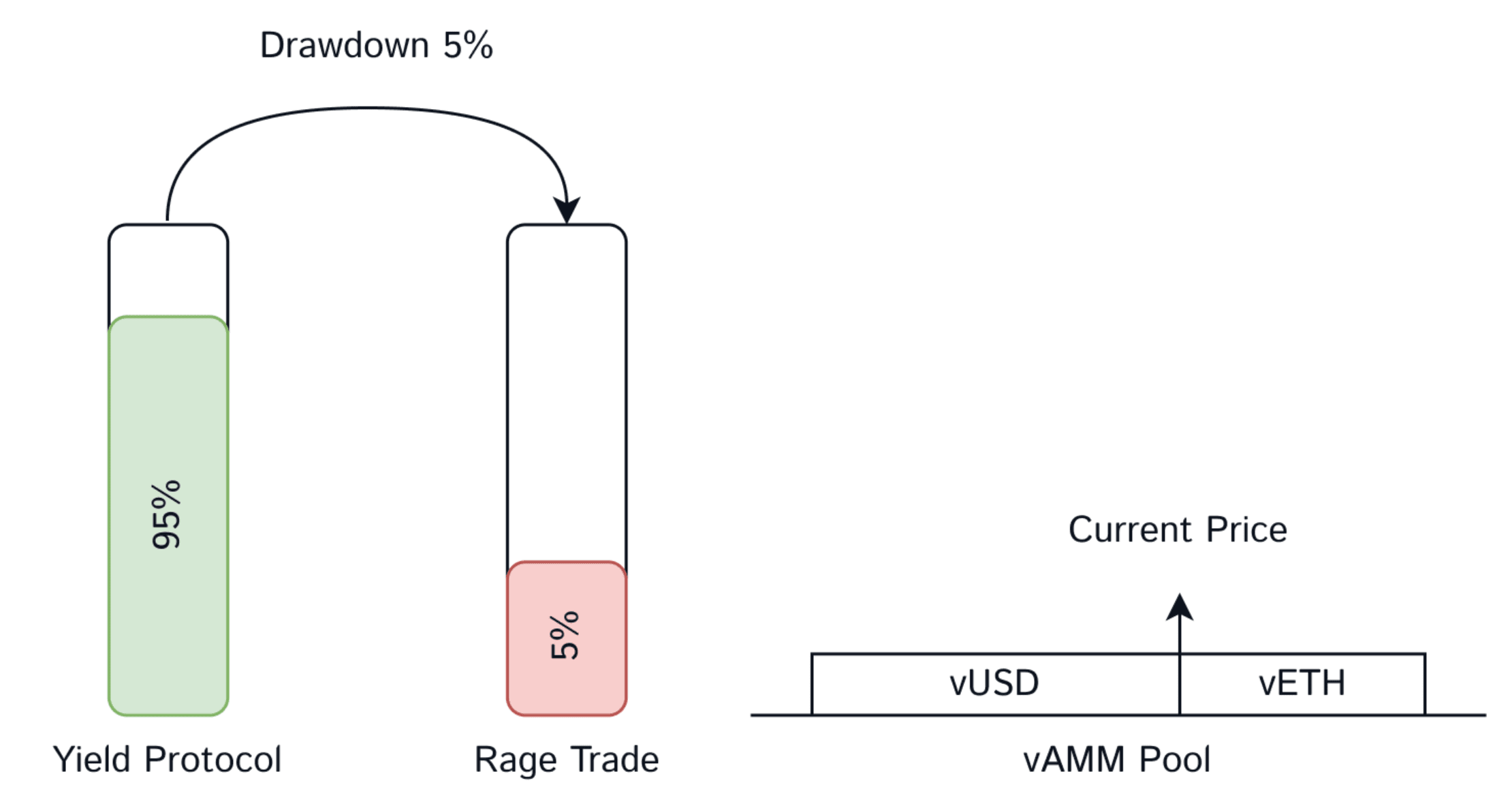
As the price of ETH changes, concentrated liquidity positions may cause vETH and vUSDC to become unbalanced. By updating the range operation, Rage Trade will adjust the market making range of concentrated liquidity once a day based on the latest price.
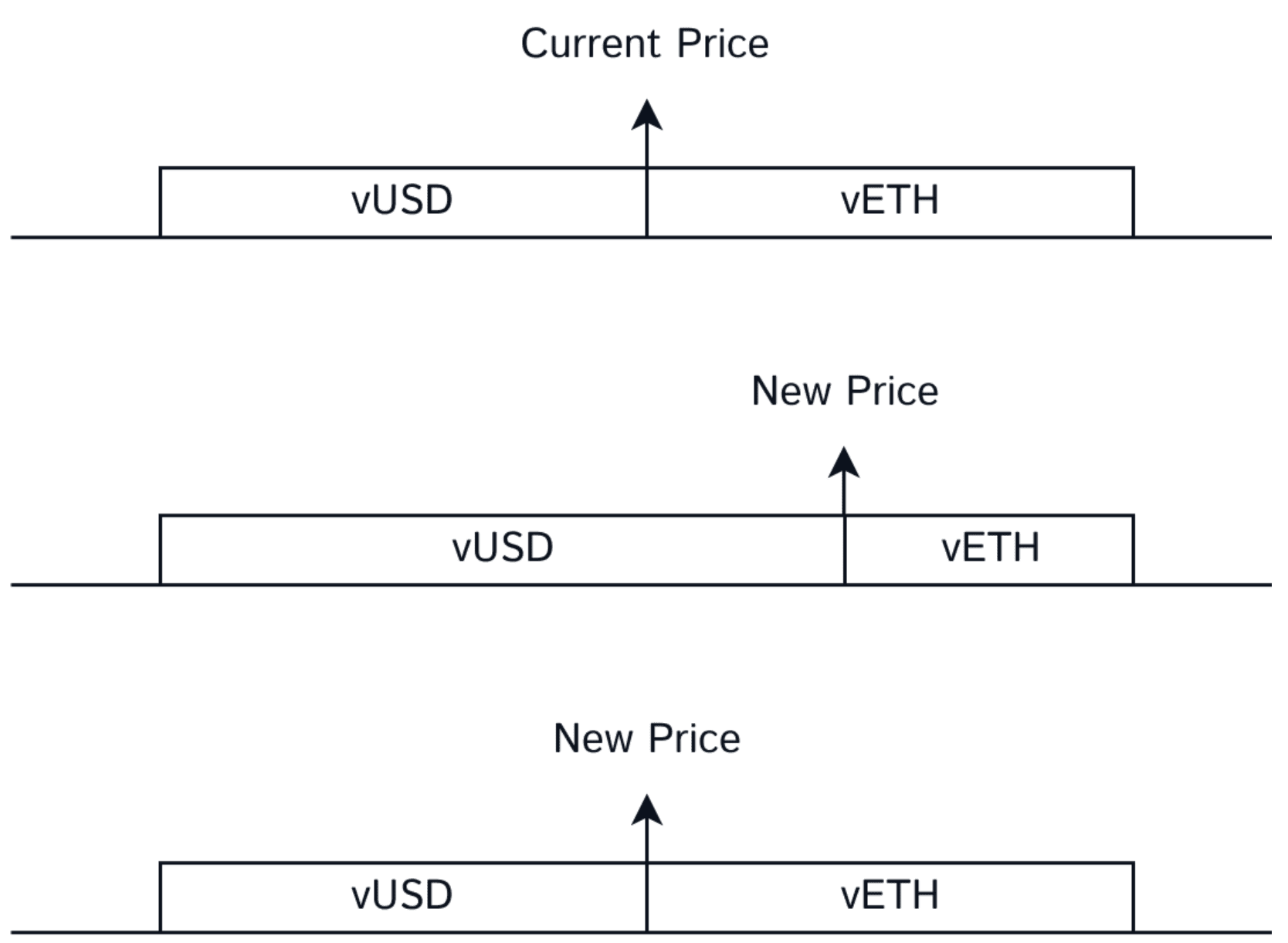
If there is a large price fluctuation, causing the accumulated LP liquidity in the vault to exceed 20%, Rage Trade will close the vault and redeploy liquidity through a liquidity reset operation.
Each 80-20Vaults can accept different LP positions as collateral to provide Rage's ETH perp liquidity. 80-20Vaults aims to earn additional yield for LP positions while earning ETH-USD LP yield in Uniswap v2. In order to attract all ETH-USD assets that may generate yield, LPs will be able to recycle liquidity from all LayerZero compatible chains.
Through 80-20Vaults, external LP positions can actually obtain additional benefits such as transaction fees, RAGE token incentives, etc. by providing liquidity for Rage Trade. And 80% of the assets are in the isolation protocol, there is no liquidation risk, this design may attract a large amount of liquidity.
Although 80-20Vaults have no liquidation risk, they still face two forms of exogenous risk:
Arbitrum Downtime: If the Arbitrum network is down for an extended period of time, treasury returns may deviate from expected UNI v2 returns.
Yield-generating asset risk: Yield-generating assets such as Curve’s Tri-Crypto may experience their own impermanent loss, which could cause returns to deviate from UNI v2.
Delta Neutral Vault
Rage Trade's Delta Neutral Vaults is a set of liquidity smart contracts that allows users to pool funds to provide liquidity on GMX in a delta-neutral manner while earning ETH rewards on GMX. The vault runs on-chain and minimizes risk exposure to ETH and BTC by shorting Aave and Uniswap with the help of two independent risk vaults.
Two independent risk vaults include:
Risk-Off Vault: Allows users to deposit USDC that can be used as Aave collateral while earning Aave supply APR and a portion of ETH rewards from GMX based on asset utilization.
Risk-On Vault: Earn yield through GLP while offsetting the price risk of ETH and BTC. Since the ratio of ETH and BTC on GMX may change, the vault updates the open short position at each rebalance.
How does Rage’s vAMM work?
Rage Trade is powered by UNI v3, which is designed with a virtual automated market maker (vAMM). UNI v3 vAMM pools hold virtual tokens such as vETH-vUSDC, which represent the underlying tokens in the spot market, ETH-USDC. Traders and liquidity providers (LPs) use virtual tokens to place trade orders on vAMM.
How does Rage Trade establish liquidity and accurate funding rates?
Rage Trade uses Omnichain Liquidity and 80-20 Vaults to build deep liquidity for ETH perp, and also designed a funding rate mechanism called forward-guided funding rate to ensure that the funding rate matches the CEX rate. When the CEX funding rate and Rage funding rate are different, the forward-guided funding rate mechanism allows the governance module to switch between 3 funding rate calculation methods to keep the rate close to fair value.
The funding rate mechanism is designed for stablecoins such as UXD, Lemma, Frax, etc. This enables stablecoin issuers to earn CEX base yields while obtaining a delta neutral perp position, i.e. a 1x short position collateralized by ETH.
How to use Rage Trade?
Deposits and Withdrawals
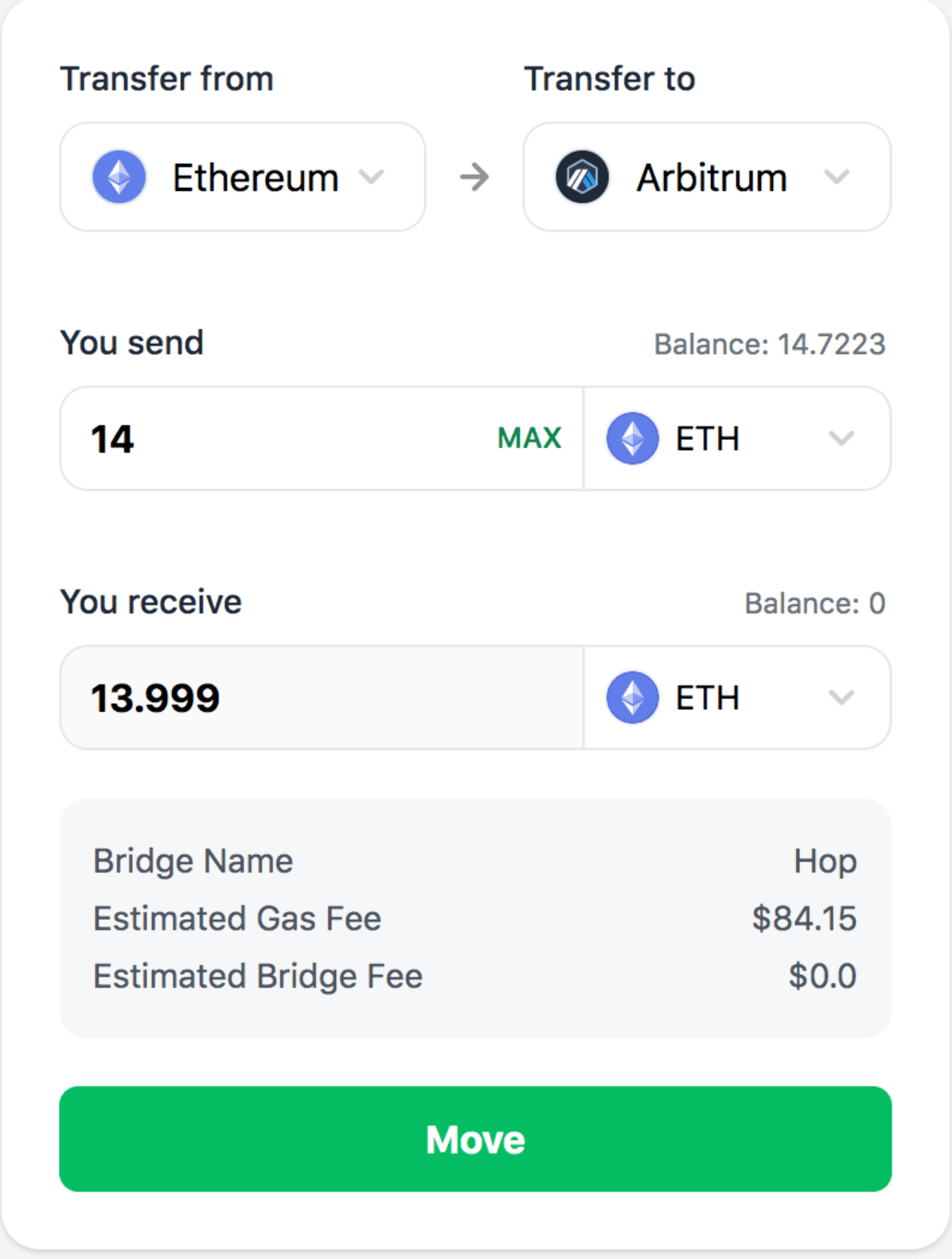
First, use Fund Movr to bridge the ETH asset to Arbitrum:
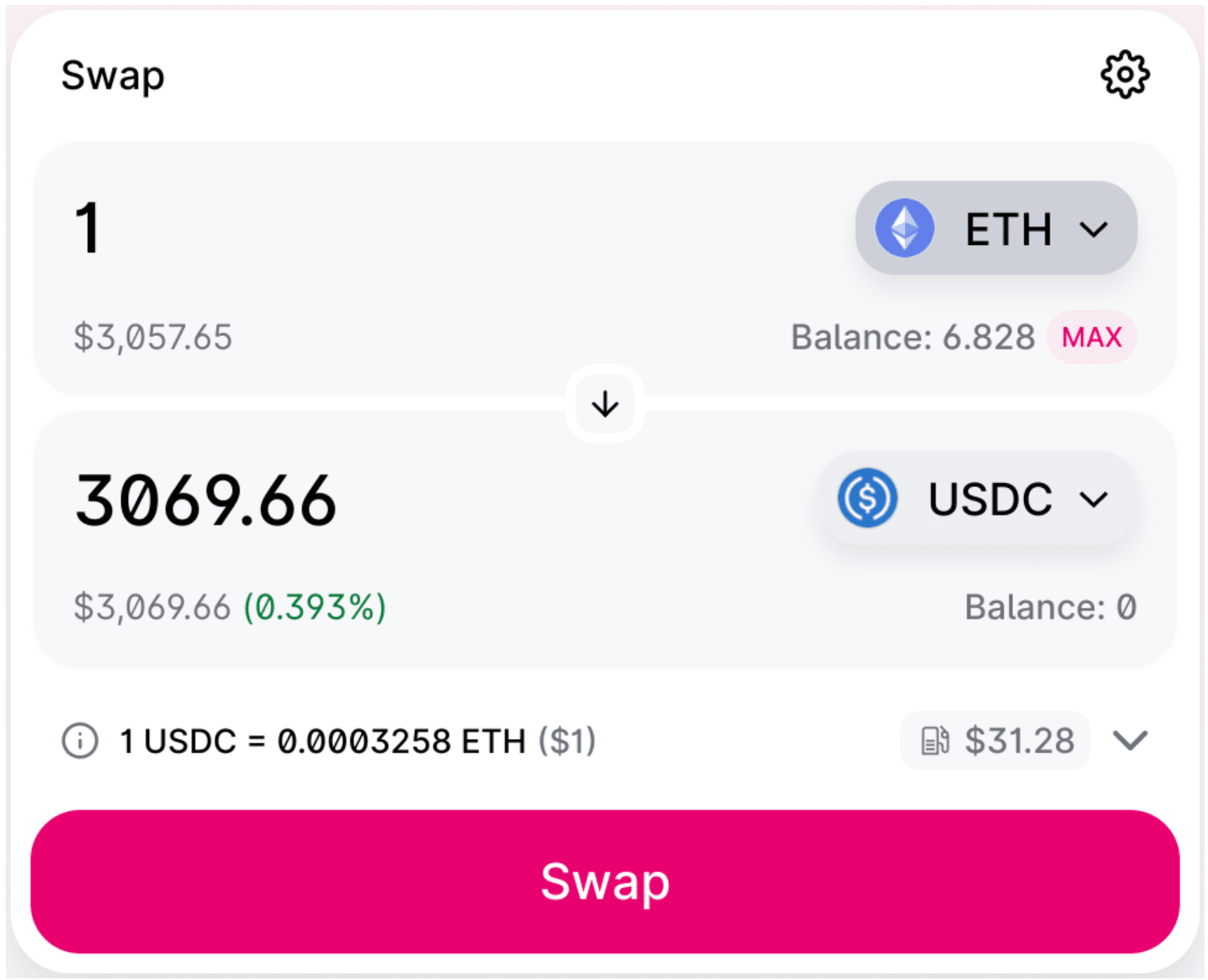
Then you need to hold both ETH and USDC. Users need to open a trading position in Rage with a USDC balance, and they need ETH to pay for gas fees. You can choose to use Uniswap to exchange assets:
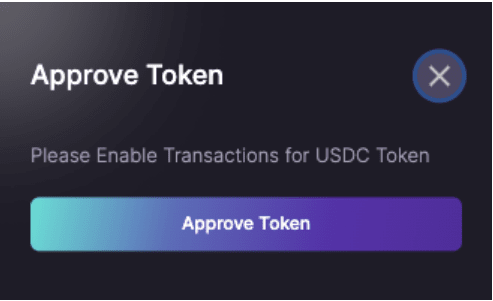
Adding USDC tokens on Rage Trade
First you need to connect your personal wallet:

Then add the USDC token:
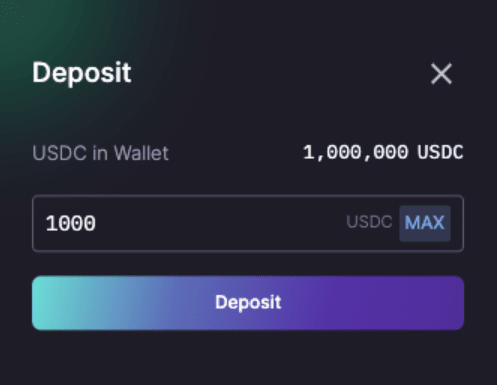
Finally, deposit the USDC amount required to open a position:
Opening a long position
Taking establishing a long position as an example, let’s analyze how to trade on Rage Trade.
First, select long in the trading interface and confirm the trading assets:
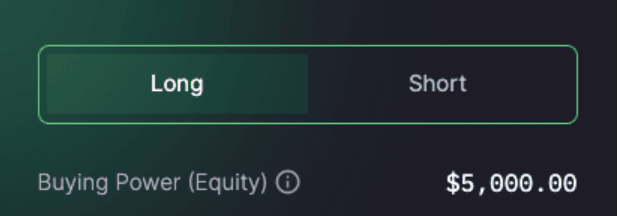
Then enter the number of tokens you want to buy, and the trading interface will automatically top up the required USDC and set the acceptable slippage:
Finally, click Swap to start the transaction and view the transaction data:
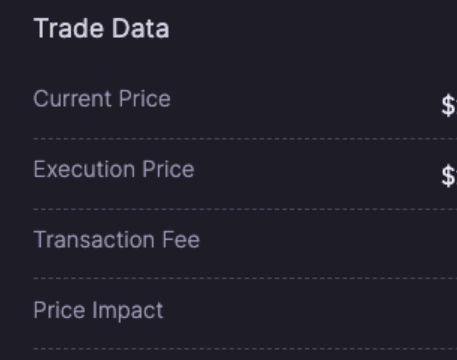
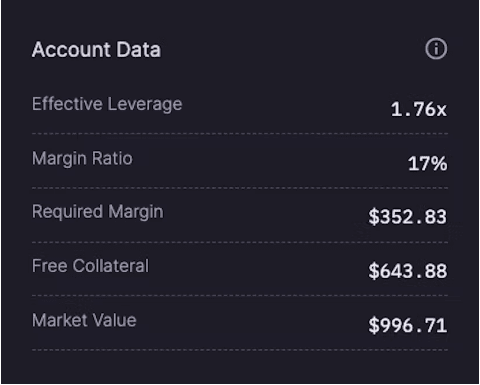
Once the transaction is confirmed: the position status and account data will be displayed on the page.
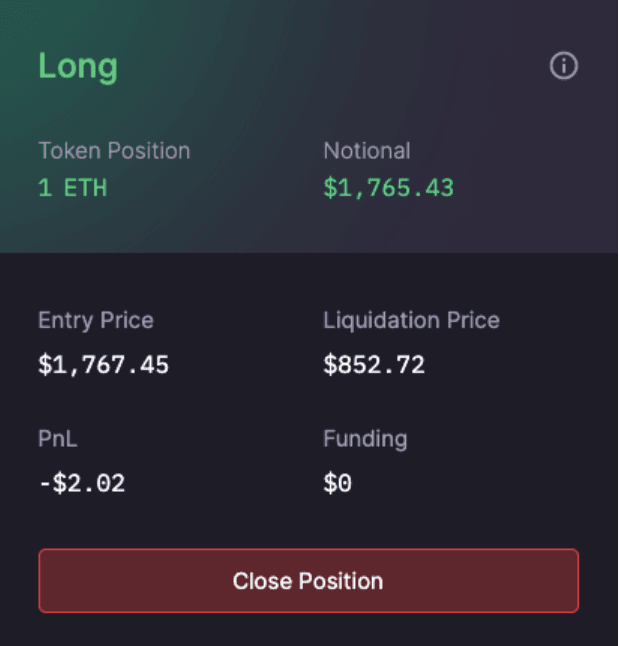
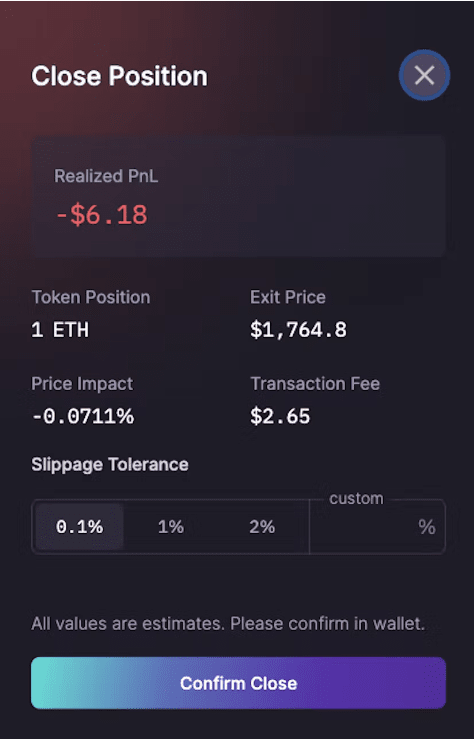
If you want to close a position, just click the Close Position button and check the pop-up window before confirming the position.
Team Information
Team Information
The Rage Trade official website does not disclose team information, but the accounts of three developers related to the project can be found in the GitHub repository. The user account introduction of 0xDosa shows that he is not only a core developer of RageTrade, but also active in the development of GMX Vault and Strategy Vault.
Main competitors
Multi-party game model represented by GMX
GMX is a perpetual futures and spot protocol based on Avalanche and Arbitrum, using GLP index tokens composed of ETH, USDC and other underlying assets in a certain proportion to provide liquidity. GMX has the characteristics of zero slippage, 10bps fees and high leverage, and can quickly trade BTC, ETH, AVAX and other tokens on the network at a low cost.
GMX turns the original long-short game process of futures into a three-party game between longs, shorts and GLP holders. In simple terms, if the trader fails, the LP will profit; if the trader wins, the LP will lose. The main source of profit for the agreement is the borrowing fees deducted by the trader during the transaction, and 70% of the agreement fee will be issued to the LP as an incentive.
Other protocols that use similar mechanisms to GMX include Deri Protocol.
vAMM model represented by Perpetual
Perpetual created the virtual AMM vAMM in 2020, becoming a pioneer of on-chain Perp. Perpetual v1 uses a single coin to simulate the x*y=k constant product model. Simply put, users deposit USDC margin and can trade in the virtual liquidity pool. Taking the ETH-USDC virtual pool as an example, x and y represent the number of ETH and USDC tokens in the virtual pool, respectively, and the protocol gives the K value.
vAMM can achieve more convenient liquidity in and out, support leveraged trading and avoid impermanent loss. Perpetual v2 integrates the vAMM mechanism with the aggregated liquidity of Uniswap v3, while providing PERP liquidity incentives and online limit order functions.
Protocols similar to the vAMM model adopted by Perpetual include MCDEX, FutureSwap, Drift, etc.
Central Limit Order Book Model CLOB represented by dYdX
dYdX is an L2-based derivatives exchange that provides a variety of derivatives services similar to CEX, including perpetual contracts, leveraged trading, and lending. The protocol aims to build a fully decentralized derivatives exchange.
Traders conduct peer-to-peer transactions on dYdX through an order book and use a funding rate mechanism to balance net positions, similar to the principle of CEX perpetual futures contracts. The order book system can provide more complex order types, but is more dependent on market makers and liquidity.
Other protocols that use the order book model like dYdX include Injective, Mango Market, etc.
summary
Although the decentralized derivatives market has seen relatively mature applications with different mechanisms such as GMX, dYdX, and Perpetual, there is still a lot of room for development in terms of its market size. Rage Trade uses an innovative 80-20Vaults design to improve capital efficiency and effectively isolate some risks while maintaining a good trading experience. In addition, the Omnichain recycled liquidity mechanism can help it integrate the existing DeFi scattered liquidity, providing effective protection for the depth of transactions. Therefore, Rage Trade is expected to become a dark horse in the field of decentralized derivatives.
References
Official website information
Documentation
Arbitrum Ecosystem’s Leading Derivatives Protocol GMX is Gaining Popularity, Let’s Review Its Token Design and Potential Risks
Arbitrum Summer is coming, these 5 innovative projects are worth paying attention to
Will Rage Trade, the first to integrate full-chain liquidity, be the dark horse of perpetual futures?