

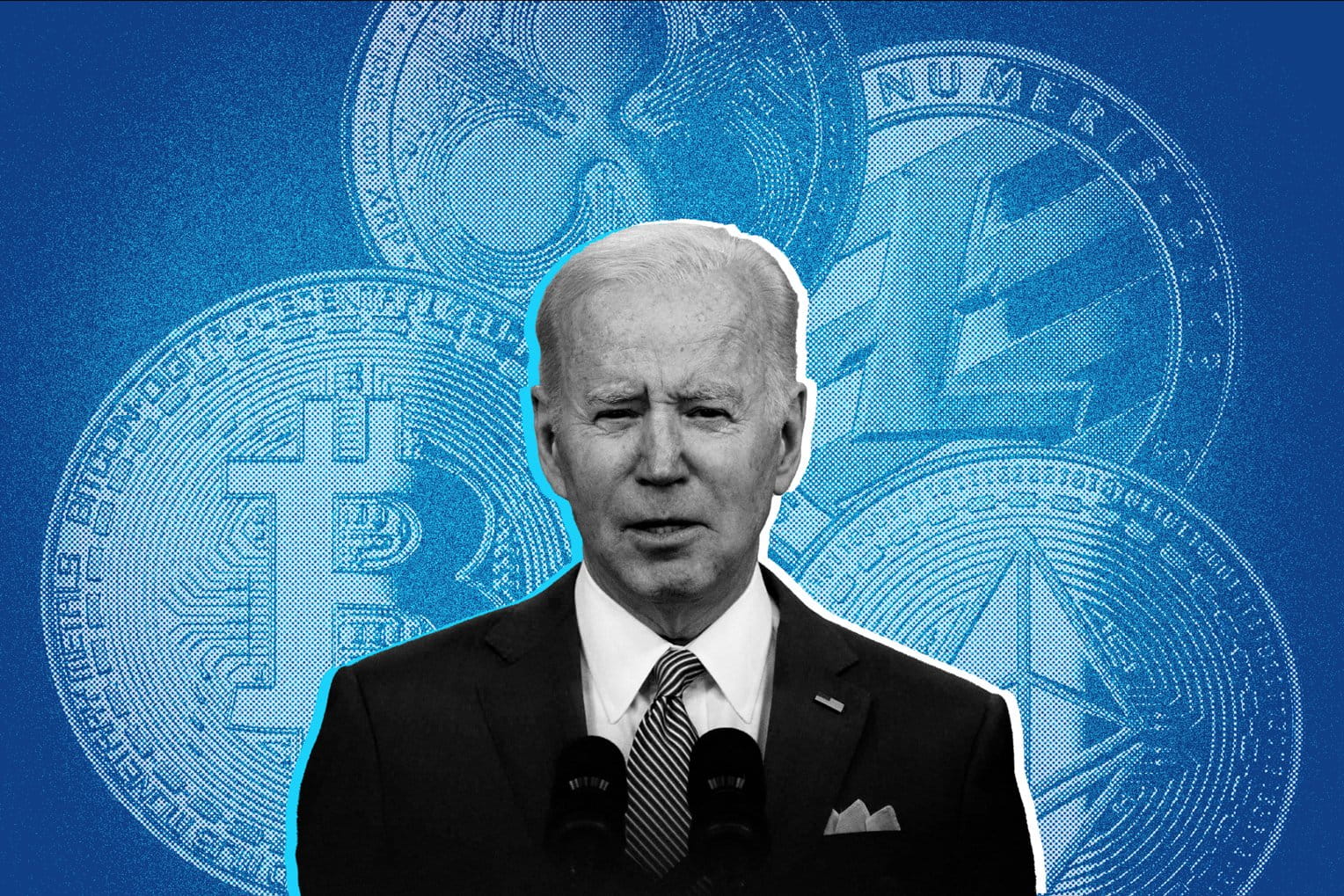
The U.S. Treasury Department has unveiled proposed regulations that would require brokers and exchanges to report sales of certain cryptocurrencies, from Bitcoin to NFTs, in an effort to close tax gaps and "ensure everyone is playing by the same rules."
The U.S. Department of the Treasury and the Internal Revenue Service (IRS) announced a set of proposed regulations on Friday (25th), which are part of the Infrastructure Investment and Employment Act passed in 2021. The content includes brokers’ control of customers’ cryptocurrency activities. The declaration must be increased. In other words, this will subject cryptocurrency brokers to similar treatment as traditional investment brokers such as stocks and bonds. In the future, they must provide a new 1099-DA form to help taxpayers clarify whether they owe taxes.
The U.S. Treasury Department noted that the proposed regulations would allow cryptocurrencies to be declared similar to other assets; however, many in the cryptocurrency community believe that this strict regulation will accelerate the cryptocurrency industry’s flight from the United States.
For example, Messari CEO Ryan Selkis does not support this approach, saying that if Biden is re-elected as president, the encryption industry will not flourish in the United States.
There's no future for crypto in the US if Biden is reelected. I'm sorry.
Move abroad, draft Newsom and hope for the best, or vote GOP where at least we know the top three candidates are less terrible on this issue.
Crypto has always been political.
Have a nice weekend.
— Ryan Selkis (@twobitidiot) August 25, 2023
Chris Perkins, president of cryptocurrency venture capital firm CoinFund, also believes that other countries have surpassed the United States and these regulations will inevitably lead to less innovation flowing into the United States. He believes that there should be no harsh crackdowns, but simple and detailed regulations to allow the encryption industry to innovate safely.
To clarify, I agree that other jurisdictions have seized the initiative and the U.S. has sadly fallen behind. We need proactive, nuanced policies that encourage and unlock responsible innovation across crypto verticals. Clarity is coming, one way or another. The time to engage…
— Christopher Perkins NYC (@perkinscr97) August 26, 2023
Meanwhile, others remain skeptical that neither Democrats nor Republicans can adequately support U.S. cryptocurrency interests. One netizen said: "I don't believe either party will be good for cryptocurrency, although it is definitely worse than the previous president."
Another netizen emphasized the privacy concerns raised by the new regulations: "The United States attaches great importance to income tax, which means they will never accept private transactions on public accounts because there is no tax and sanctions supervision."
Kristin Smith, CEO of the Blockchain Association, has reservations about merging digital asset declarations with traditional asset declarations. “It is important to remember that the cryptocurrency ecosystem is very different from the ecosystem of traditional assets, so regulations must be tailored rather than hunting down ecosystem players with no way out,” he said.
Previously, Biden also proposed imposing taxes on cryptocurrency mining, including a tax equivalent to 30% of the cost of mining electricity, hoping to reduce cryptocurrency mining operations.
The U.S. cryptocurrency industry has repeatedly expressed concerns about regulations affecting domestic innovation. For example, on the 13th of this month, Michael Sonnenshein, CEO of Grayscale Investments, warned that the U.S. Securities and Exchange Commission (SEC) has been taking enforcement actions to expel cryptocurrency companies from the United States. He said at the time: "If every cryptocurrency issuance has to be legally brought to court, then as a country, we will discourage innovation from happening here."
Ripple CEO Brad Garlinghouse also recently stated that cryptocurrency players are leaving the United States because the cryptocurrency regulatory process is slower than in countries such as Europe, the United Kingdom, and Singapore.
This article Biden administration proposes new rules for cryptocurrency declaration! Industry insiders criticized: Stifling innovation first appeared on Blockchain.