
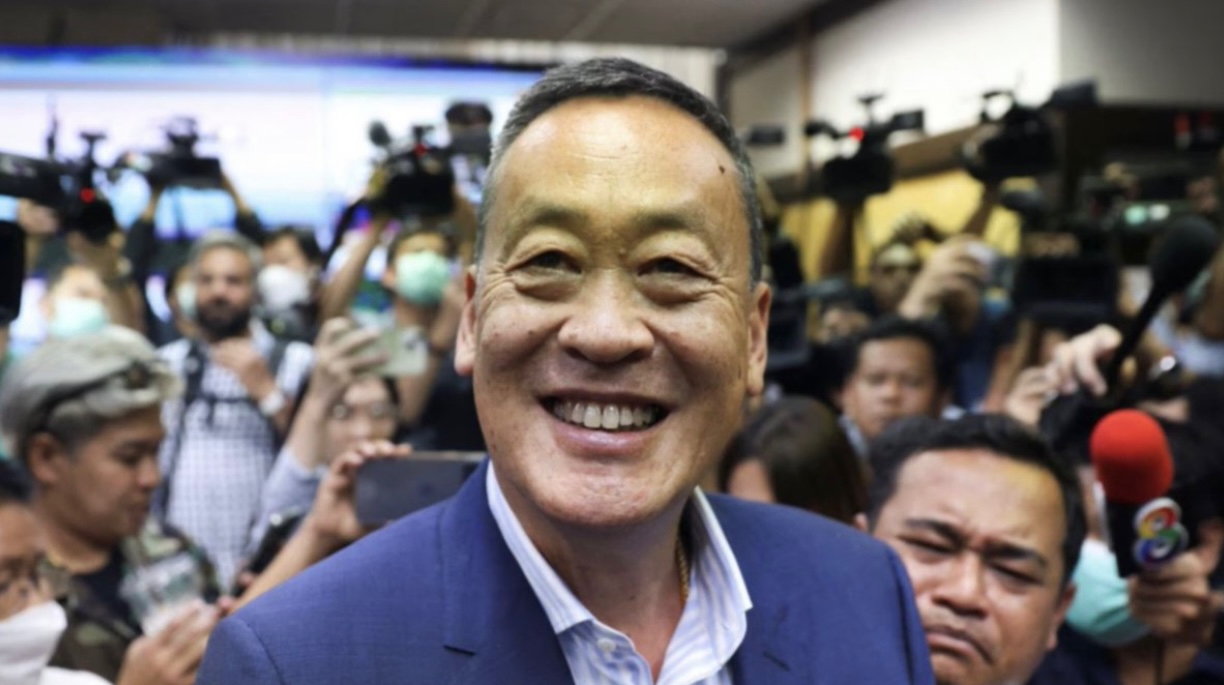

Srettha Thavisin, the Thai Prime Minister candidate of the Pheu Thai Party, promised during the election campaign that if he is elected Prime Minister and forms a government after the May 14 election, he will give 1 to Thai citizens aged 16 and above. A digital currency worth 10,000 baht to be used for local economic stimulus projects. The bill caused an uproar among the public, with many questioning the source of funding.

Paetongtarn Shinawatra, the Pheu Thai party’s chief adviser for public engagement and innovation and the youngest daughter of former Prime Minister Thaksin Shinawatra, described the project as a blockchain technology-based effort to help sell Thai-made products abroad and Bringing digital currency to Thailand. The goal is to make Thailand a fintech hub in ASEAN.
Both are Thai real estate tycoons. Pei Dantong is the largest shareholder of SC Asset and Sreeta is the CEO of Sansiri Pcl.
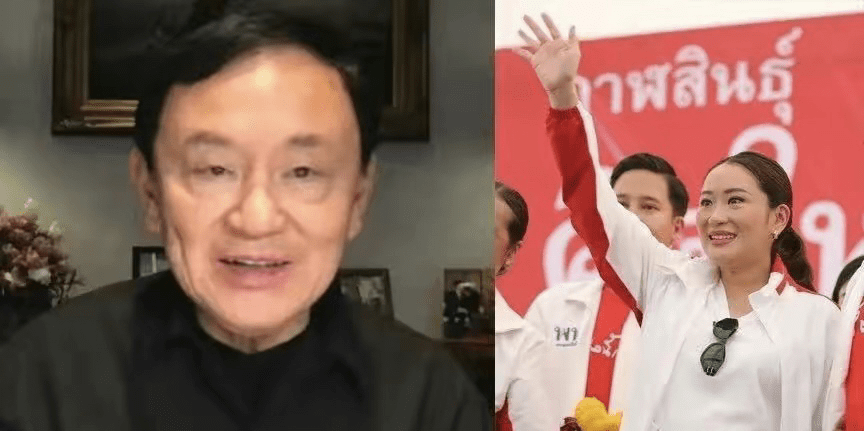
But many Thai people question this.
Waiwit Thongthongkham, a 51-year-old commercial bank employee, believes that the main point of conflict is where the money comes from: "Everyone likes free money, especially low-income people, but the question is where does the money come from?"
Sophomore Preeyaphat Raksasana directly expressed her strong opposition to this "handout" policy: "This policy is disgusting. Do they really think most people are that stupid?"
In addition, rival Unity Party Strategy Chief Thanakorn Wangboonkongchana also questioned this "welfare" measure that requires a huge amount of money. It is estimated that the successful implementation of the plan requires a budget of 500 billion baht. Therefore, this will have a significant impact on Thailand's entire financial system. challenge. He suspects the policy is just a marketing stunt.

Former election commissioner Somchai Srisutthiyakorn, who now heads the strategy team of the Thai Liberal Party, said the Pheu Thai party's promise is unfeasible and illegal.
“The great-grandfather of populism has emerged,” Somchai quipped, possibly referring to Thaksin Shinawatra, whose Thai Rak Thai party came to power in 2001 with a series of populist policies. The Pheu Thai Party is actually the reincarnation of the Thai Rak Thai Party.
Somchai estimates that this campaign promise will cost 500 billion baht to fulfill, as there are about 50 million Thais over the age of 16.

If the 3.35 trillion baht in the government's fiscal 2024 budget is sent to 50 million digital wallets, each government agency will have to cut its budget by 14.9%.
By law, the government cannot arbitrarily cut fixed expenses, including official salaries, so the Pheu Thai government will have to cut the budget allocated to investment.
However, if it did so, it would leave only 5% of the entire investment budget, which would violate the National Budget and Financial Discipline Law, which requires the government to allocate at least 20% of the total investment budget.
Somchai said if the government borrowed money from banks and transferred 10,000 baht to every Thai over the age of 16, it would be no different than what the Prayuth government has done. People ask who is going to repay the loan? And has the public debt ceiling been breached?
He finally emphasized that digital currency promises may also violate Article 7 of the Election Law, which prohibits political parties from promising monetary rewards to voters.