

#tokenization
tokenization
3.4M views
14,955 Discussing
Hot
Latest

Wall Street institutional adoption and tokenization growth are reshaping market dynamics. Major financial institutions including Goldman Sachs, Wells Fargo, and Morgan Stanley view asset tokenization as a core growth driver for trading opportunities and payments. Simultaneously, $POL is expanding into the payments sector through its Coinme acquisition to capture intermediary revenue. In network updates, Fidelity notes $SOL has maintained two years without mainnet outages, though stake concentration warrants monitoring. Stablecoin sector competition is intensifying as rivals challenge $USDC via higher partner payouts, while traditional bank deposit rate shifts continue to influence stablecoin growth vectors. Positioning should account for evolving macroeconomic utility and regulatory positioning.
#CryptoMarket #Tokenization #Stablecoins #Altcoins #TradingUpdates
Wall Street institutional adoption and tokenization growth are reshaping market dynamics. Major financial institutions including Goldman Sachs, Wells Fargo, and Morgan Stanley view asset tokenization as a core growth driver for trading opportunities and payments. Simultaneously, $POL is expanding into the payments sector through its Coinme acquisition to capture intermediary revenue. In network updates, Fidelity notes $SOL has maintained two years without mainnet outages, though stake concentration warrants monitoring. Stablecoin sector competition is intensifying as rivals challenge $USDC via higher partner payouts, while traditional bank deposit rate shifts continue to influence stablecoin growth vectors. Positioning should account for evolving macroeconomic utility and regulatory positioning.
#CryptoMarket #Tokenization #Stablecoins #Altcoins #TradingUpdates
#CryptoMarket #Tokenization #Stablecoins #Altcoins #TradingUpdates
40
·
--
🦈 WALL STREET TITANS SIGNAL MASSIVE INSTITUTIONAL EXPANSION INTO TOKENIZATION AND $BTC ECOSYSTEM! ⚡
🏦 Goldman Sachs, Morgan Stanley, and Wells Fargo just confirmed on Q3 earnings calls that tokenization and real-world asset rails are their next structural growth engines. Smart money is quietly laying the institutional plumbing for sub-two-minute cross-border settlement, automated liquidity routing, and DeFi integration.
🔍 While revenue guidance remains behind closed doors, the institutional footprint shows deliberate accumulation of network infrastructure before liquidity fully migrates on-chain. 💬 Are institutions building the foundation for the next macro liquidity transfer? 👇
⚠️ Not financial advice. Always manage your risk. 🛡️
🏷️ #BTC #Tokenization #RWA #SmartMoney #Crypto
🎯 🦈
🦈 WALL STREET TITANS SIGNAL MASSIVE INSTITUTIONAL EXPANSION INTO TOKENIZATION AND $BTC ECOSYSTEM! ⚡
🏦 Goldman Sachs, Morgan Stanley, and Wells Fargo just confirmed on Q3 earnings calls that tokenization and real-world asset rails are their next structural growth engines. Smart money is quietly laying the institutional plumbing for sub-two-minute cross-border settlement, automated liquidity routing, and DeFi integration.
🔍 While revenue guidance remains behind closed doors, the institutional footprint shows deliberate accumulation of network infrastructure before liquidity fully migrates on-chain. 💬 Are institutions building the foundation for the next macro liquidity transfer? 👇
⚠️ Not financial advice. Always manage your risk. 🛡️
🏷️ #BTC #Tokenization #RWA #SmartMoney #Crypto
🎯 🦈
🏦 Goldman Sachs, Morgan Stanley, and Wells Fargo just confirmed on Q3 earnings calls that tokenization and real-world asset rails are their next structural growth engines. Smart money is quietly laying the institutional plumbing for sub-two-minute cross-border settlement, automated liquidity routing, and DeFi integration.
🔍 While revenue guidance remains behind closed doors, the institutional footprint shows deliberate accumulation of network infrastructure before liquidity fully migrates on-chain. 💬 Are institutions building the foundation for the next macro liquidity transfer? 👇
⚠️ Not financial advice. Always manage your risk. 🛡️
🏷️ #BTC #Tokenization #RWA #SmartMoney #Crypto
🎯 🦈
30

·
--
🚨 🇺🇸 **RWAs: THE NEXT TRILLION-DOLLAR OPPORTUNITY?**
$BTC $ETH
The US is moving toward clearer crypto market rules, with the CFTC advancing regulatory initiatives even as the CLARITY Act remains a key legislative development to watch.
🔥 **Why does this matter?**
🏢 Real estate tokenization
💳 Tokenized funds & private credit
⛓️ 24/7 onchain markets
🏦 Greater potential for institutional adoption
As regulation and infrastructure evolve, more traditional assets could move onchain.
👀 **One project to watch: @Brickken ($BKN)** — building infrastructure to help businesses tokenize real-world assets.
📈 The RWA sector has significant growth potential, but adoption will depend on regulation, liquidity, and real-world demand.
**Are RWAs the next big crypto narrative?** 🚀
#RWA #BKN #Brickkdn #CFTC #CLARITYAct #Tokenization #CryptoNewss #AyanXAlpha
🚨 🇺🇸 **RWAs: THE NEXT TRILLION-DOLLAR OPPORTUNITY?**
$BTC $ETH
The US is moving toward clearer crypto market rules, with the CFTC advancing regulatory initiatives even as the CLARITY Act remains a key legislative development to watch.
🔥 **Why does this matter?**
🏢 Real estate tokenization
💳 Tokenized funds & private credit
⛓️ 24/7 onchain markets
🏦 Greater potential for institutional adoption
As regulation and infrastructure evolve, more traditional assets could move onchain.
👀 **One project to watch: @Brickken ($BKN)** — building infrastructure to help businesses tokenize real-world assets.
📈 The RWA sector has significant growth potential, but adoption will depend on regulation, liquidity, and real-world demand.
**Are RWAs the next big crypto narrative?** 🚀
#RWA #BKN #Brickkdn #CFTC #CLARITYAct #Tokenization #CryptoNewss #AyanXAlpha
$BTC $ETH
The US is moving toward clearer crypto market rules, with the CFTC advancing regulatory initiatives even as the CLARITY Act remains a key legislative development to watch.
🔥 **Why does this matter?**
🏢 Real estate tokenization
💳 Tokenized funds & private credit
⛓️ 24/7 onchain markets
🏦 Greater potential for institutional adoption
As regulation and infrastructure evolve, more traditional assets could move onchain.
👀 **One project to watch: @Brickken ($BKN)** — building infrastructure to help businesses tokenize real-world assets.
📈 The RWA sector has significant growth potential, but adoption will depend on regulation, liquidity, and real-world demand.
**Are RWAs the next big crypto narrative?** 🚀
#RWA #BKN #Brickkdn #CFTC #CLARITYAct #Tokenization #CryptoNewss #AyanXAlpha
1
225
Institutional adoption narratives are dominating today's macro tape. Wall Street titans including Goldman Sachs, Wells Fargo, and Morgan Stanley now view asset tokenization as a growth catalyst rather than a structural threat. This institutional push positions $BTC and top altcoin infrastructure for robust capital inflows as real-world assets integrate deeper into traditional finance.
In payments, $POL is expanding its addressable market through its Coinme acquisition, challenging intermediaries like Visa and Stripe. Meanwhile, Fidelity notes that $SOL displays strong network uptime, though validator and stake concentrations warrant continued tactical monitoring.
Macro crosswinds persist. A Bank for International Settlements paper highlights that higher bank deposit rates can dampen stablecoin growth, yet emerging market expansion continues. Circle targets forty developing nations, supported by data showing stablecoin remittances cost 84.0% less than legacy wires. Traders should monitor positioning as regulatory clarity and bank competition evolve.
#CryptoMarket #Tokenization #Stablecoins #Altcoins #MacroEconomics
Institutional adoption narratives are dominating today's macro tape. Wall Street titans including Goldman Sachs, Wells Fargo, and Morgan Stanley now view asset tokenization as a growth catalyst rather than a structural threat. This institutional push positions $BTC and top altcoin infrastructure for robust capital inflows as real-world assets integrate deeper into traditional finance.
In payments, $POL is expanding its addressable market through its Coinme acquisition, challenging intermediaries like Visa and Stripe. Meanwhile, Fidelity notes that $SOL displays strong network uptime, though validator and stake concentrations warrant continued tactical monitoring.
Macro crosswinds persist. A Bank for International Settlements paper highlights that higher bank deposit rates can dampen stablecoin growth, yet emerging market expansion continues. Circle targets forty developing nations, supported by data showing stablecoin remittances cost 84.0% less than legacy wires. Traders should monitor positioning as regulatory clarity and bank competition evolve.
#CryptoMarket #Tokenization #Stablecoins #Altcoins #MacroEconomics
In payments, $POL is expanding its addressable market through its Coinme acquisition, challenging intermediaries like Visa and Stripe. Meanwhile, Fidelity notes that $SOL displays strong network uptime, though validator and stake concentrations warrant continued tactical monitoring.
Macro crosswinds persist. A Bank for International Settlements paper highlights that higher bank deposit rates can dampen stablecoin growth, yet emerging market expansion continues. Circle targets forty developing nations, supported by data showing stablecoin remittances cost 84.0% less than legacy wires. Traders should monitor positioning as regulatory clarity and bank competition evolve.
#CryptoMarket #Tokenization #Stablecoins #Altcoins #MacroEconomics
94


·
--
Goldman Sachs, Wells Fargo and Morgan Stanley told analysts that tokenization is a growth opportunity rather than a threat to their businesses. Goldman Sachs CEO David Solomon said the technology could create more products, greater activity, new clients and broader distribution channels, noting that current activity remains small and at the margin. Wells Fargo CFO Michael Santomassimo said its tokenized deposit system is already processing cross‑border payments in two minutes or less, though volumes are still low. Morgan Stanley CFO Sharon Yeshaya added that moving assets faster will increase the need for wealth‑management advice. The banks have been investing in digital asset infrastructure, with Goldman’s GS DAP platform dating back to 2022 and a July half‑day test of a DTCC tokenization service.
#Tokenization #Banking #FinTech
Goldman Sachs, Wells Fargo and Morgan Stanley told analysts that tokenization is a growth opportunity rather than a threat to their businesses. Goldman Sachs CEO David Solomon said the technology could create more products, greater activity, new clients and broader distribution channels, noting that current activity remains small and at the margin. Wells Fargo CFO Michael Santomassimo said its tokenized deposit system is already processing cross‑border payments in two minutes or less, though volumes are still low. Morgan Stanley CFO Sharon Yeshaya added that moving assets faster will increase the need for wealth‑management advice. The banks have been investing in digital asset infrastructure, with Goldman’s GS DAP platform dating back to 2022 and a July half‑day test of a DTCC tokenization service.
#Tokenization #Banking #FinTech
#Tokenization #Banking #FinTech
43

WALL STREET IS EYEING TOKENIZATION!
Goldman Sachs, Wells Fargo, and Morgan Stanley are exploring tokenization as a growth opportunity—not a threat.
🔹 Stocks and bonds could become tokenized assets.
🔹 Blockchain could enable faster financial transactions.
🔹 Real-world assets (RWA) are gaining attention from traditional finance.
The big question: Could tokenization become one of the next major bridges between traditional finance and crypto?
💬 What do you think—is RWA tokenization the future of finance?
#Tokenization #RWA #Blockchain #crypto #BinanceSquare $JPMB $AAPLB
WALL STREET IS EYEING TOKENIZATION!
Goldman Sachs, Wells Fargo, and Morgan Stanley are exploring tokenization as a growth opportunity—not a threat.
🔹 Stocks and bonds could become tokenized assets.
🔹 Blockchain could enable faster financial transactions.
🔹 Real-world assets (RWA) are gaining attention from traditional finance.
The big question: Could tokenization become one of the next major bridges between traditional finance and crypto?
💬 What do you think—is RWA tokenization the future of finance?
#Tokenization #RWA #Blockchain #crypto #BinanceSquare $JPMB $AAPLB
Goldman Sachs, Wells Fargo, and Morgan Stanley are exploring tokenization as a growth opportunity—not a threat.
🔹 Stocks and bonds could become tokenized assets.
🔹 Blockchain could enable faster financial transactions.
🔹 Real-world assets (RWA) are gaining attention from traditional finance.
The big question: Could tokenization become one of the next major bridges between traditional finance and crypto?
💬 What do you think—is RWA tokenization the future of finance?
#Tokenization #RWA #Blockchain #crypto #BinanceSquare $JPMB $AAPLB
1
82

·
--
Bullish
$ONDO — Tokenized real-world assets connect blockchain systems with traditional financial instruments.
$CFG — Real-world asset platforms need clear legal structures and transparent collateral arrangements.
$MPLX — Tokenized credit raises important questions about borrower risk, liquidity, and enforceable claims.
#RealWorldAssets #Ondo #Centrifuge #Tokenization
$ONDO — Tokenized real-world assets connect blockchain systems with traditional financial instruments.
$CFG — Real-world asset platforms need clear legal structures and transparent collateral arrangements.
$MPLX — Tokenized credit raises important questions about borrower risk, liquidity, and enforceable claims.
#RealWorldAssets #Ondo #Centrifuge #Tokenization
$CFG — Real-world asset platforms need clear legal structures and transparent collateral arrangements.
$MPLX — Tokenized credit raises important questions about borrower risk, liquidity, and enforceable claims.
#RealWorldAssets #Ondo #Centrifuge #Tokenization
143

🦈 INSTITUTIONAL LIQUIDITY MIGRATES ON-CHAIN AS $RWA SECTOR CAPTURES RECORD EQUITIES SHARE! 📈
Smart money architecture is quietly shifting as Securitize secures a commanding 10.7% market share in tokenized equities. 🌊 This structural expansion confirms that institutional capital is no longer probing liquidity at the fringes, but actively establishing permanent on-chain settlement rails. 📊
When traditional equity volume bridges into on-chain order flow, the foundational demand floor for tokenized assets shifts permanently higher. 💡
🤔 Will tokenized real-world assets outpace native decentralized liquidity pools during this macro cycle? 👇
⚠️ Not financial advice. Always manage your risk. 🛡️
🏷️ #RWA #Tokenization #SmartMoney #Macro
🎯 🦈
🦈 INSTITUTIONAL LIQUIDITY MIGRATES ON-CHAIN AS $RWA SECTOR CAPTURES RECORD EQUITIES SHARE! 📈
Smart money architecture is quietly shifting as Securitize secures a commanding 10.7% market share in tokenized equities. 🌊 This structural expansion confirms that institutional capital is no longer probing liquidity at the fringes, but actively establishing permanent on-chain settlement rails. 📊
When traditional equity volume bridges into on-chain order flow, the foundational demand floor for tokenized assets shifts permanently higher. 💡
🤔 Will tokenized real-world assets outpace native decentralized liquidity pools during this macro cycle? 👇
⚠️ Not financial advice. Always manage your risk. 🛡️
🏷️ #RWA #Tokenization #SmartMoney #Macro
🎯 🦈
Smart money architecture is quietly shifting as Securitize secures a commanding 10.7% market share in tokenized equities. 🌊 This structural expansion confirms that institutional capital is no longer probing liquidity at the fringes, but actively establishing permanent on-chain settlement rails. 📊
When traditional equity volume bridges into on-chain order flow, the foundational demand floor for tokenized assets shifts permanently higher. 💡
🤔 Will tokenized real-world assets outpace native decentralized liquidity pools during this macro cycle? 👇
⚠️ Not financial advice. Always manage your risk. 🛡️
🏷️ #RWA #Tokenization #SmartMoney #Macro
🎯 🦈
1

·
--
Verified
Article
📈 The US Stock Market Closes. But bStocks Keep Trading.One thing I find interesting about tokenized securities is how they challenge the traditional idea of market hours.
The US stock market has its opening and closing times. But company earnings, economic announcements, and unexpected news can happen at any moment.
This is where bStocks on Binance offers a different approach to accessing selected stocks and ETFs.
And the latest numbers make the story even more interesting. 👀
📊 The 58% That Happened Outside Market Hours
On October 15, Binance announced that bStocks had surpassed $1 billion in assets under management (AUM) just four months after launch.
But there’s another figure worth paying attention to.
According to Binance Research, only 42% of bStocks trading volume in August 2026 happened during regular US market hours.
The other 58% happened outside those hours, including pre-market, after-hours, overnight, and weekend sessions.
For comparison, 89.2% of conventional US equity trading volume occurred during regular market hours in the same data.
To me, this highlights an important difference: access to trading outside traditional market hours is already a meaningful part of bStocks activity.
💡 Why Does This Matter?
Imagine a company announces its earnings after the US market closes.
With conventional stocks, trading on the exchange generally has to wait for the next available session.
Eligible bStocks users can trade the corresponding token outside regular market hours, subject to liquidity and market conditions.
That provides more flexibility when news breaks outside the traditional trading schedule.
Of course, being able to trade at more times doesn’t guarantee better prices or profitable outcomes. Liquidity can vary, spreads may widen, and prices may differ from those of the underlying stock when the traditional market reopens.
🌐 More Than Just 24/7 Trading
The development of bStocks goes beyond trading hours.
🔸 1:1 conversion: Users can convert between supported bStocks and corresponding direct stocks on Binance without conversion fees.
🔸 Growing coverage: By October 2026, bStocks covered nearly 100 tickers across different sectors.
🔸 On-chain utility: Binance Research reported that bStocks utilization reached 11.2%, reflecting activity beyond simply holding the tokens.
These developments show how tokenized securities are evolving in terms of access, flexibility, and potential on-chain use.
One important distinction: bStocks provide exposure to the price performance of selected stocks and ETFs, but they are not direct shares and do not provide direct ownership or shareholder rights.
Availability also depends on user eligibility and jurisdiction.
💭 My Take
The $1 billion milestone is worth noting, but the statistic that stands out to me is the 58% of trading volume outside regular US market hours.
It illustrates how tokenized securities can offer a different trading schedule from traditional exchanges.
The bigger question is how this market will evolve as more assets become available on-chain, and how users will balance flexibility with the risks involved.
Do you think 24/7 trading access will become an important feature of tokenized securities? Let me know your thoughts below. 👇
📚 [Read the milestone blog ](https://www.binance.com/en/blog/markets/4864326073677731553)
#BinanceAngels #BStocks #Tokenization #blockchain @Binance_Angels
Educational content only, not financial advice. bStocks are tokenized securities, not direct shares or ownership in the underlying companies.
Always DYOR and review the applicable product terms and risks.
📈 The US Stock Market Closes. But bStocks Keep Trading.
One thing I find interesting about tokenized securities is how they challenge the traditional idea of market hours.
The US stock market has its opening and closing times. But company earnings, economic announcements, and unexpected news can happen at any moment.
This is where bStocks on Binance offers a different approach to accessing selected stocks and ETFs.
And the latest numbers make the story even more interesting. 👀
📊 The 58% That Happened Outside Market Hours
On October 15, Binance announced that bStocks had surpassed $1 billion in assets under management (AUM) just four months after launch.
But there’s another figure worth paying attention to.
According to Binance Research, only 42% of bStocks trading volume in August 2026 happened during regular US market hours.
The other 58% happened outside those hours, including pre-market, after-hours, overnight, and weekend sessions.
For comparison, 89.2% of conventional US equity trading volume occurred during regular market hours in the same data.
To me, this highlights an important difference: access to trading outside traditional market hours is already a meaningful part of bStocks activity.
💡 Why Does This Matter?
Imagine a company announces its earnings after the US market closes.
With conventional stocks, trading on the exchange generally has to wait for the next available session.
Eligible bStocks users can trade the corresponding token outside regular market hours, subject to liquidity and market conditions.
That provides more flexibility when news breaks outside the traditional trading schedule.
Of course, being able to trade at more times doesn’t guarantee better prices or profitable outcomes. Liquidity can vary, spreads may widen, and prices may differ from those of the underlying stock when the traditional market reopens.
🌐 More Than Just 24/7 Trading
The development of bStocks goes beyond trading hours.
🔸 1:1 conversion: Users can convert between supported bStocks and corresponding direct stocks on Binance without conversion fees.
🔸 Growing coverage: By October 2026, bStocks covered nearly 100 tickers across different sectors.
🔸 On-chain utility: Binance Research reported that bStocks utilization reached 11.2%, reflecting activity beyond simply holding the tokens.
These developments show how tokenized securities are evolving in terms of access, flexibility, and potential on-chain use.
One important distinction: bStocks provide exposure to the price performance of selected stocks and ETFs, but they are not direct shares and do not provide direct ownership or shareholder rights.
Availability also depends on user eligibility and jurisdiction.
💭 My Take
The $1 billion milestone is worth noting, but the statistic that stands out to me is the 58% of trading volume outside regular US market hours.
It illustrates how tokenized securities can offer a different trading schedule from traditional exchanges.
The bigger question is how this market will evolve as more assets become available on-chain, and how users will balance flexibility with the risks involved.
Do you think 24/7 trading access will become an important feature of tokenized securities? Let me know your thoughts below. 👇
📚 Read the milestone blog
#BinanceAngels #BStocks #Tokenization #blockchain @Binance Angels
Educational content only, not financial advice. bStocks are tokenized securities, not direct shares or ownership in the underlying companies.
Always DYOR and review the applicable product terms and risks.
The US stock market has its opening and closing times. But company earnings, economic announcements, and unexpected news can happen at any moment.
This is where bStocks on Binance offers a different approach to accessing selected stocks and ETFs.
And the latest numbers make the story even more interesting. 👀
📊 The 58% That Happened Outside Market Hours
On October 15, Binance announced that bStocks had surpassed $1 billion in assets under management (AUM) just four months after launch.
But there’s another figure worth paying attention to.
According to Binance Research, only 42% of bStocks trading volume in August 2026 happened during regular US market hours.
The other 58% happened outside those hours, including pre-market, after-hours, overnight, and weekend sessions.
For comparison, 89.2% of conventional US equity trading volume occurred during regular market hours in the same data.
To me, this highlights an important difference: access to trading outside traditional market hours is already a meaningful part of bStocks activity.
💡 Why Does This Matter?
Imagine a company announces its earnings after the US market closes.
With conventional stocks, trading on the exchange generally has to wait for the next available session.
Eligible bStocks users can trade the corresponding token outside regular market hours, subject to liquidity and market conditions.
That provides more flexibility when news breaks outside the traditional trading schedule.
Of course, being able to trade at more times doesn’t guarantee better prices or profitable outcomes. Liquidity can vary, spreads may widen, and prices may differ from those of the underlying stock when the traditional market reopens.
🌐 More Than Just 24/7 Trading
The development of bStocks goes beyond trading hours.
🔸 1:1 conversion: Users can convert between supported bStocks and corresponding direct stocks on Binance without conversion fees.
🔸 Growing coverage: By October 2026, bStocks covered nearly 100 tickers across different sectors.
🔸 On-chain utility: Binance Research reported that bStocks utilization reached 11.2%, reflecting activity beyond simply holding the tokens.
These developments show how tokenized securities are evolving in terms of access, flexibility, and potential on-chain use.
One important distinction: bStocks provide exposure to the price performance of selected stocks and ETFs, but they are not direct shares and do not provide direct ownership or shareholder rights.
Availability also depends on user eligibility and jurisdiction.
💭 My Take
The $1 billion milestone is worth noting, but the statistic that stands out to me is the 58% of trading volume outside regular US market hours.
It illustrates how tokenized securities can offer a different trading schedule from traditional exchanges.
The bigger question is how this market will evolve as more assets become available on-chain, and how users will balance flexibility with the risks involved.
Do you think 24/7 trading access will become an important feature of tokenized securities? Let me know your thoughts below. 👇
📚 Read the milestone blog
#BinanceAngels #BStocks #Tokenization #blockchain @Binance Angels
Educational content only, not financial advice. bStocks are tokenized securities, not direct shares or ownership in the underlying companies.
Always DYOR and review the applicable product terms and risks.
2
95
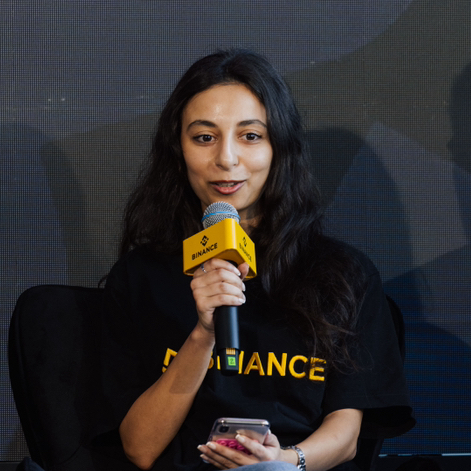
JOEY’S TAKE: WHAT IF YOUR STOCKS DIDN’T HAVE TO FOLLOW THE CLOCK? ⏰
Imagine wanting exposure to a company like NVIDIA or Tesla without being limited to traditional stock-market hours.
That’s where bStocks get interesting.
Here’s what stands out:
🔹 24/7 trading on Binance Spot, subject to platform availability and liquidity.
🔹 Fractional exposure, with access starting from small amounts where supported.
🔹 Blockchain flexibility, including withdrawals to compatible wallets where permitted.
🔹 A bridge between traditional markets and crypto infrastructure.
But remember: bStocks are tokenized securities, not direct ownership of company shares. Availability also depends on your jurisdiction.
The real perk isn’t that stocks suddenly became risk-free. It’s that stock exposure can now come with more of the flexibility crypto users are familiar with.
#Binance #BStocks #Tokenization #CryptoEducation
JOEY’S TAKE: WHAT IF YOUR STOCKS DIDN’T HAVE TO FOLLOW THE CLOCK? ⏰
Imagine wanting exposure to a company like NVIDIA or Tesla without being limited to traditional stock-market hours.
That’s where bStocks get interesting.
Here’s what stands out:
🔹 24/7 trading on Binance Spot, subject to platform availability and liquidity.
🔹 Fractional exposure, with access starting from small amounts where supported.
🔹 Blockchain flexibility, including withdrawals to compatible wallets where permitted.
🔹 A bridge between traditional markets and crypto infrastructure.
But remember: bStocks are tokenized securities, not direct ownership of company shares. Availability also depends on your jurisdiction.
The real perk isn’t that stocks suddenly became risk-free. It’s that stock exposure can now come with more of the flexibility crypto users are familiar with.
#Binance #BStocks #Tokenization #CryptoEducation
Imagine wanting exposure to a company like NVIDIA or Tesla without being limited to traditional stock-market hours.
That’s where bStocks get interesting.
Here’s what stands out:
🔹 24/7 trading on Binance Spot, subject to platform availability and liquidity.
🔹 Fractional exposure, with access starting from small amounts where supported.
🔹 Blockchain flexibility, including withdrawals to compatible wallets where permitted.
🔹 A bridge between traditional markets and crypto infrastructure.
But remember: bStocks are tokenized securities, not direct ownership of company shares. Availability also depends on your jurisdiction.
The real perk isn’t that stocks suddenly became risk-free. It’s that stock exposure can now come with more of the flexibility crypto users are familiar with.
#Binance #BStocks #Tokenization #CryptoEducation
2
95

Chainlink picks up a new partner in Japan
Pacific Meta just signed a strategic partnership with Chainlink. They chose CCIP as their preferred interoperability solution for institutional tokenized finance in Japan. Chainlink's Automated Compliance Engine is now listed on Pacific Meta's marketplace too.
Price barely reacted. $LINK sits near $12.39, down about 0.6% on the day.
Is Japan the next big tokenization market?
#Chainlink #LINK #Tokenization
Chainlink picks up a new partner in Japan
Pacific Meta just signed a strategic partnership with Chainlink. They chose CCIP as their preferred interoperability solution for institutional tokenized finance in Japan. Chainlink's Automated Compliance Engine is now listed on Pacific Meta's marketplace too.
Price barely reacted. $LINK sits near $12.39, down about 0.6% on the day.
Is Japan the next big tokenization market?
#Chainlink #LINK #Tokenization
Pacific Meta just signed a strategic partnership with Chainlink. They chose CCIP as their preferred interoperability solution for institutional tokenized finance in Japan. Chainlink's Automated Compliance Engine is now listed on Pacific Meta's marketplace too.
Price barely reacted. $LINK sits near $12.39, down about 0.6% on the day.
Is Japan the next big tokenization market?
#Chainlink #LINK #Tokenization
1
113

·
--
🚀 $AI TOKENIZING AI COMPUTE: BLACKROCK HINTS FUTURE OF MACHINE POWER 💥
🦈 BlackRock’s nod to tokenizing AI horsepower signals that institutional whales are eyeing the next liquidity frontier. 📊 The prospect of bundling compute cycles into tradable assets could rewrite the supply‑demand playbook for AI‑centric projects.
⚡ If the market starts pricing that future now, we could see a surge of capital chasing the first wave of AI‑compute tokens, turning a niche protocol into a blue‑chip contender. 🌊 Are you ready to stake a claim before the smart‑money flood arrives? 💬
⚠️ Not financial advice. Always manage your risk. 🛡️
🏷️ #AI #Tokenization #AICompute #Crypto
🔥 💎
🚀 $AI TOKENIZING AI COMPUTE: BLACKROCK HINTS FUTURE OF MACHINE POWER 💥
🦈 BlackRock’s nod to tokenizing AI horsepower signals that institutional whales are eyeing the next liquidity frontier. 📊 The prospect of bundling compute cycles into tradable assets could rewrite the supply‑demand playbook for AI‑centric projects.
⚡ If the market starts pricing that future now, we could see a surge of capital chasing the first wave of AI‑compute tokens, turning a niche protocol into a blue‑chip contender. 🌊 Are you ready to stake a claim before the smart‑money flood arrives? 💬
⚠️ Not financial advice. Always manage your risk. 🛡️
🏷️ #AI #Tokenization #AICompute #Crypto
🔥 💎
🦈 BlackRock’s nod to tokenizing AI horsepower signals that institutional whales are eyeing the next liquidity frontier. 📊 The prospect of bundling compute cycles into tradable assets could rewrite the supply‑demand playbook for AI‑centric projects.
⚡ If the market starts pricing that future now, we could see a surge of capital chasing the first wave of AI‑compute tokens, turning a niche protocol into a blue‑chip contender. 🌊 Are you ready to stake a claim before the smart‑money flood arrives? 💬
⚠️ Not financial advice. Always manage your risk. 🛡️
🏷️ #AI #Tokenization #AICompute #Crypto
🔥 💎
6

·
--
🚀 IMF Report: High Demand for Tokenized Stocks, But Liquidity Lags Behind
The International Monetary Fund (IMF) has released insights into the tokenized stock market, highlighting a growing appetite for blockchain-based traditional assets like $BTC , $ETH , and Real-World Assets ($RWA ).
{alpha}(560x9c8b5ca345247396bdfac0395638ca9045c6586e)
{spot}(ETHUSDT)
{spot}(BTCUSDT)
💡 Key Takeaways from the IMF Report:
>> 24/7 Access & Fractional Ownership: Retail traders are actively leveraging blockchain tech for fractional share purchases and after-hours trading.
>> Higher Volatility: Tokenized equities are currently ~1.5x more volatile than their traditional stock market counterparts due to fragmented order books.
>> Infrastructure Bottlenecks: Liquidity depth, cross-chain interoperability, legal ownership clarity, and instant settlement systems have not yet fully caught up.
🔍 What This Means for Crypto Investors
While institutional adoption of RWA solutions continues to gain momentum, structural gaps mean price action remains choppy. Until regulatory frameworks and institutional liquidity venues mature, traders should expect wider spreads and heightened short-term risk premiums on tokenized traditional assets.
What are your thoughts on tokenized shares? Are you trading stock tokens off-hours or sticking to core crypto like BTC and $ETH? Drop your strategy below! 👇
#Write2Earn #Tokenization #RWA #CryptoNews #stocks
🚀 IMF Report: High Demand for Tokenized Stocks, But Liquidity Lags Behind
The International Monetary Fund (IMF) has released insights into the tokenized stock market, highlighting a growing appetite for blockchain-based traditional assets like $BTC , $ETH , and Real-World Assets ($RWA ).
💡 Key Takeaways from the IMF Report:
>> 24/7 Access & Fractional Ownership: Retail traders are actively leveraging blockchain tech for fractional share purchases and after-hours trading.
>> Higher Volatility: Tokenized equities are currently ~1.5x more volatile than their traditional stock market counterparts due to fragmented order books.
>> Infrastructure Bottlenecks: Liquidity depth, cross-chain interoperability, legal ownership clarity, and instant settlement systems have not yet fully caught up.
🔍 What This Means for Crypto Investors
While institutional adoption of RWA solutions continues to gain momentum, structural gaps mean price action remains choppy. Until regulatory frameworks and institutional liquidity venues mature, traders should expect wider spreads and heightened short-term risk premiums on tokenized traditional assets.
What are your thoughts on tokenized shares? Are you trading stock tokens off-hours or sticking to core crypto like BTC and $ETH ? Drop your strategy below! 👇
#Write2Earn #Tokenization #RWA #CryptoNews #stocks
The International Monetary Fund (IMF) has released insights into the tokenized stock market, highlighting a growing appetite for blockchain-based traditional assets like $BTC , $ETH , and Real-World Assets ($RWA ).
💡 Key Takeaways from the IMF Report:
>> 24/7 Access & Fractional Ownership: Retail traders are actively leveraging blockchain tech for fractional share purchases and after-hours trading.
>> Higher Volatility: Tokenized equities are currently ~1.5x more volatile than their traditional stock market counterparts due to fragmented order books.
>> Infrastructure Bottlenecks: Liquidity depth, cross-chain interoperability, legal ownership clarity, and instant settlement systems have not yet fully caught up.
🔍 What This Means for Crypto Investors
While institutional adoption of RWA solutions continues to gain momentum, structural gaps mean price action remains choppy. Until regulatory frameworks and institutional liquidity venues mature, traders should expect wider spreads and heightened short-term risk premiums on tokenized traditional assets.
What are your thoughts on tokenized shares? Are you trading stock tokens off-hours or sticking to core crypto like BTC and $ETH ? Drop your strategy below! 👇
#Write2Earn #Tokenization #RWA #CryptoNews #stocks
87
JAPANESE BANKING GIANTS UNLOCK INSTITUTIONAL STABLECOIN SETTLEMENT RAILS AFFECTING $INJ AND $TIA 🏦 ⚡
Japan's banking heavyweights executing live cross-border transactions on tokenized fiat marks a decisive transition from retail speculation to institutional liquidity plumbing. 🌊 This infrastructure validation builds massive long-term structural tailwinds for financial settlement protocols like $INJ and modular data layers like $TIA .
🔍 Smart money positioning consistently anticipates foundational plumbing long before sovereign volume reflects across public ledgers. 📊 As institutional balance sheets bridge capital directly onto tokenized rails, order flow will prioritize secure, battle-tested execution layers.
🤔 Will enterprise stablecoin integration accelerate true institutional liquidity capture this cycle, or will regulatory friction delay the rotation? 👇
⚠️ Not financial advice. Always manage your risk. 🛡️
🏷️ #INJ #TIA #Stablecoins #Tokenization #Crypto
🎯 🦈
JAPANESE BANKING GIANTS UNLOCK INSTITUTIONAL STABLECOIN SETTLEMENT RAILS AFFECTING $INJ AND $TIA 🏦 ⚡
Japan's banking heavyweights executing live cross-border transactions on tokenized fiat marks a decisive transition from retail speculation to institutional liquidity plumbing. 🌊 This infrastructure validation builds massive long-term structural tailwinds for financial settlement protocols like $INJ and modular data layers like $TIA .
🔍 Smart money positioning consistently anticipates foundational plumbing long before sovereign volume reflects across public ledgers. 📊 As institutional balance sheets bridge capital directly onto tokenized rails, order flow will prioritize secure, battle-tested execution layers.
🤔 Will enterprise stablecoin integration accelerate true institutional liquidity capture this cycle, or will regulatory friction delay the rotation? 👇
⚠️ Not financial advice. Always manage your risk. 🛡️
🏷️ #INJ #TIA #Stablecoins #Tokenization #Crypto
🎯 🦈
Japan's banking heavyweights executing live cross-border transactions on tokenized fiat marks a decisive transition from retail speculation to institutional liquidity plumbing. 🌊 This infrastructure validation builds massive long-term structural tailwinds for financial settlement protocols like $INJ and modular data layers like $TIA .
🔍 Smart money positioning consistently anticipates foundational plumbing long before sovereign volume reflects across public ledgers. 📊 As institutional balance sheets bridge capital directly onto tokenized rails, order flow will prioritize secure, battle-tested execution layers.
🤔 Will enterprise stablecoin integration accelerate true institutional liquidity capture this cycle, or will regulatory friction delay the rotation? 👇
⚠️ Not financial advice. Always manage your risk. 🛡️
🏷️ #INJ #TIA #Stablecoins #Tokenization #Crypto
🎯 🦈
2

·
--
🚨 WALL STREET MEETS CRYPTO FRICTION AS TECH GIANTS PUSH BACK AGAINST TOKENIZED $AVGO ! ⚡
TradFi boardrooms are officially drawing battle lines against synthetic liquidity. Tech giants CoreWeave and Broadcom are pushing back against plans by a major exchange and ICE to launch tokenized versions of their shares without explicit issuer consent. 🦈
💡 Real-world asset tokenization is the fastest-growing macro narrative, but the friction over actual legal ownership versus pure synthetic exposure proves institutional integration will not be frictionless. Smart money is watching closely to see how platforms navigate corporate clearance to unlock this massive liquidity bridge. 🌊
💬 Can tokenized equities truly scale without corporate issuer approval, or does Wall Street still control the gateway? 👇
⚠️ Not financial advice. Always manage your risk. 🛡️
🏷️ #AVGO #RWA #Tokenization #CryptoMarkets
🎯 🦈
🚨 WALL STREET MEETS CRYPTO FRICTION AS TECH GIANTS PUSH BACK AGAINST TOKENIZED $AVGO ! ⚡
TradFi boardrooms are officially drawing battle lines against synthetic liquidity. Tech giants CoreWeave and Broadcom are pushing back against plans by a major exchange and ICE to launch tokenized versions of their shares without explicit issuer consent. 🦈
💡 Real-world asset tokenization is the fastest-growing macro narrative, but the friction over actual legal ownership versus pure synthetic exposure proves institutional integration will not be frictionless. Smart money is watching closely to see how platforms navigate corporate clearance to unlock this massive liquidity bridge. 🌊
💬 Can tokenized equities truly scale without corporate issuer approval, or does Wall Street still control the gateway? 👇
⚠️ Not financial advice. Always manage your risk. 🛡️
🏷️ #AVGO #RWA #Tokenization #CryptoMarkets
🎯 🦈
TradFi boardrooms are officially drawing battle lines against synthetic liquidity. Tech giants CoreWeave and Broadcom are pushing back against plans by a major exchange and ICE to launch tokenized versions of their shares without explicit issuer consent. 🦈
💡 Real-world asset tokenization is the fastest-growing macro narrative, but the friction over actual legal ownership versus pure synthetic exposure proves institutional integration will not be frictionless. Smart money is watching closely to see how platforms navigate corporate clearance to unlock this massive liquidity bridge. 🌊
💬 Can tokenized equities truly scale without corporate issuer approval, or does Wall Street still control the gateway? 👇
⚠️ Not financial advice. Always manage your risk. 🛡️
🏷️ #AVGO #RWA #Tokenization #CryptoMarkets
🎯 🦈
6

You can now hold Apple, Nvidia and Tesla on Solana.
Securitize launched 1:1 tokenized US stocks, settled in USDC. Wall Street on-chain is no longer a pitch deck. It's live.
#solana #sol #RWA #Tokenization
You can now hold Apple, Nvidia and Tesla on Solana.
Securitize launched 1:1 tokenized US stocks, settled in USDC. Wall Street on-chain is no longer a pitch deck. It's live.
#solana #sol #RWA #Tokenization
Securitize launched 1:1 tokenized US stocks, settled in USDC. Wall Street on-chain is no longer a pitch deck. It's live.
#solana #sol #RWA #Tokenization
50
Injective's CEO just met the White House, SEC and CFTC to bring regulated tokenized assets to the US.
They're already the first L1 registered as an SEC transfer agent. $INJ up 14% today.
#injective #İNJ #RWA #Tokenization
Injective's CEO just met the White House, SEC and CFTC to bring regulated tokenized assets to the US.
They're already the first L1 registered as an SEC transfer agent. $INJ up 14% today.
#injective #İNJ #RWA #Tokenization
They're already the first L1 registered as an SEC transfer agent. $INJ up 14% today.
#injective #İNJ #RWA #Tokenization
86

·
--
Bullish
Here’s a question I keep coming back to with tokenized assets: if the backing disappeared, how would you know?
Picture two tokens. Both promise to be backed 1:1 by gold. (Hypothetical, but the problem is real.)
The first shows you a reserve report once a quarter. A PDF, a signature, and a date that’s already in the past by the time you read it.
The second publishes a backing ratio onchain, live. Circulating supply on one side, actual reserves on the other.
Now say a slice of that gold quietly leaves the vault. The first token’s holders find out weeks later, when the next report lands. The second token’s ratio moves right away, and any protocol reading it can react before the damage spreads.
Same promise. Completely different level of evidence. “Backed” is a claim. A backing ratio is something you can check.
That’s the idea behind Proof of Reserves at @DIAdata_org: verifying that circulating supply matches real backing, even when reserves sit offchain or across several custodians, and publishing the result continuously instead of waiting for the next audit. #tGBP already uses it, and Stroom uses #DİA to verify Bitcoin reserves onchain.
The same thinking applies to tokens that barely trade. Fund shares don’t have a deep market to price from, so DIA’s NAV feeds read the onchain balance sheet, price the holdings and return a per-share value. The price reflects what the token is worth, not what it last traded for.
#Tokenization made it easy to put assets onchain. The hard part is proving what’s behind them.
Who can verify that? $DIA
Here’s a question I keep coming back to with tokenized assets: if the backing disappeared, how would you know?
Picture two tokens. Both promise to be backed 1:1 by gold. (Hypothetical, but the problem is real.)
The first shows you a reserve report once a quarter. A PDF, a signature, and a date that’s already in the past by the time you read it.
The second publishes a backing ratio onchain, live. Circulating supply on one side, actual reserves on the other.
Now say a slice of that gold quietly leaves the vault. The first token’s holders find out weeks later, when the next report lands. The second token’s ratio moves right away, and any protocol reading it can react before the damage spreads.
Same promise. Completely different level of evidence. “Backed” is a claim. A backing ratio is something you can check.
That’s the idea behind Proof of Reserves at @DIAdata_org: verifying that circulating supply matches real backing, even when reserves sit offchain or across several custodians, and publishing the result continuously instead of waiting for the next audit. #tGBP already uses it, and Stroom uses #DİA to verify Bitcoin reserves onchain.
The same thinking applies to tokens that barely trade. Fund shares don’t have a deep market to price from, so DIA’s NAV feeds read the onchain balance sheet, price the holdings and return a per-share value. The price reflects what the token is worth, not what it last traded for.
#Tokenization made it easy to put assets onchain. The hard part is proving what’s behind them.
Who can verify that? $DIA
Picture two tokens. Both promise to be backed 1:1 by gold. (Hypothetical, but the problem is real.)
The first shows you a reserve report once a quarter. A PDF, a signature, and a date that’s already in the past by the time you read it.
The second publishes a backing ratio onchain, live. Circulating supply on one side, actual reserves on the other.
Now say a slice of that gold quietly leaves the vault. The first token’s holders find out weeks later, when the next report lands. The second token’s ratio moves right away, and any protocol reading it can react before the damage spreads.
Same promise. Completely different level of evidence. “Backed” is a claim. A backing ratio is something you can check.
That’s the idea behind Proof of Reserves at @DIAdata_org: verifying that circulating supply matches real backing, even when reserves sit offchain or across several custodians, and publishing the result continuously instead of waiting for the next audit. #tGBP already uses it, and Stroom uses #DİA to verify Bitcoin reserves onchain.
The same thinking applies to tokens that barely trade. Fund shares don’t have a deep market to price from, so DIA’s NAV feeds read the onchain balance sheet, price the holdings and return a per-share value. The price reflects what the token is worth, not what it last traded for.
#Tokenization made it easy to put assets onchain. The hard part is proving what’s behind them.
Who can verify that? $DIA
1
107

Tokenized assets on Solana are now a $4.37B footprint on the RWA.xyz dashboard.
As of Oct. 16, RWA.xyz lists $4.37B in distributed asset value and 902,273 holders. Over the last 30 days, the dashboard shows holders up 45.66% and transfer volume up 44.06%, while distributed asset value is down 0.56%. So the story isn’t a straight-line boom: activity indicators are rising while reported value is roughly flat.
These are network-level RWA metrics, not SOL’s market cap or a direct price signal. Which metric says more about real adoption—asset value, holders, or transfers?
Sources: RWA.xyz Solana dashboard (as of Oct. 16): https://app.rwa.xyz/networks/solana | CoinNess report (03:49 UTC): https://coinness.com/en/news/1171994
Conclusion: $SOL — Binance SOL/USDT spot chart: https://www.binance.com/en/trade/SOL_USDT?type=spot. Check the chart for yourself, do your own research, and trade responsibly. #Solana #RWA #Tokenization #OnchainFinance
Tokenized assets on Solana are now a $4.37B footprint on the RWA.xyz dashboard.
As of Oct. 16, RWA.xyz lists $4.37B in distributed asset value and 902,273 holders. Over the last 30 days, the dashboard shows holders up 45.66% and transfer volume up 44.06%, while distributed asset value is down 0.56%. So the story isn’t a straight-line boom: activity indicators are rising while reported value is roughly flat.
These are network-level RWA metrics, not SOL’s market cap or a direct price signal. Which metric says more about real adoption—asset value, holders, or transfers?
Sources: RWA.xyz Solana dashboard (as of Oct. 16): https://app.rwa.xyz/networks/solana | CoinNess report (03:49 UTC): https://coinness.com/en/news/1171994
Conclusion: $SOL — Binance SOL/USDT spot chart: https://www.binance.com/en/trade/SOL_USDT?type=spot. Check the chart for yourself, do your own research, and trade responsibly. #Solana #RWA #Tokenization #OnchainFinance
As of Oct. 16, RWA.xyz lists $4.37B in distributed asset value and 902,273 holders. Over the last 30 days, the dashboard shows holders up 45.66% and transfer volume up 44.06%, while distributed asset value is down 0.56%. So the story isn’t a straight-line boom: activity indicators are rising while reported value is roughly flat.
These are network-level RWA metrics, not SOL’s market cap or a direct price signal. Which metric says more about real adoption—asset value, holders, or transfers?
Sources: RWA.xyz Solana dashboard (as of Oct. 16): https://app.rwa.xyz/networks/solana | CoinNess report (03:49 UTC): https://coinness.com/en/news/1171994
Conclusion: $SOL — Binance SOL/USDT spot chart: https://www.binance.com/en/trade/SOL_USDT?type=spot. Check the chart for yourself, do your own research, and trade responsibly. #Solana #RWA #Tokenization #OnchainFinance
85

🚨 $RWA NARRATIVE HITS RESISTANCE AS TECH TITANS OPPOSE ON-CHAIN STOCK LISTINGS! 🏦
TradFi giants are pushing back on the on-chain revolution. 💡 Tech heavyweights like Broadcom and CoreWeave just formally opposed a major exchange's move to launch tokenized stock trading, joining nine out of 63 surveyed issuers slamming the door on synthetic equity listings.
While the friction between traditional corporate governance and permissionless liquidity was inevitable, 54 issuers stayed silent or receptive. 🌊 The bridge connecting equities to decentralized order books remains the ultimate macro catalyst, even if corporate boardrooms want to protect their traditional distribution pipes. 💬 Will tokenized stocks overcome TradFi resistance, or is institutional hesitation here to stay? 👇
⚠️ Not financial advice. Always manage your risk. 🛡️
🏷️ #RWA #Tokenization #RealWorldAssets #TradFi
🎯 🦈
🚨 $RWA NARRATIVE HITS RESISTANCE AS TECH TITANS OPPOSE ON-CHAIN STOCK LISTINGS! 🏦
TradFi giants are pushing back on the on-chain revolution. 💡 Tech heavyweights like Broadcom and CoreWeave just formally opposed a major exchange's move to launch tokenized stock trading, joining nine out of 63 surveyed issuers slamming the door on synthetic equity listings.
While the friction between traditional corporate governance and permissionless liquidity was inevitable, 54 issuers stayed silent or receptive. 🌊 The bridge connecting equities to decentralized order books remains the ultimate macro catalyst, even if corporate boardrooms want to protect their traditional distribution pipes. 💬 Will tokenized stocks overcome TradFi resistance, or is institutional hesitation here to stay? 👇
⚠️ Not financial advice. Always manage your risk. 🛡️
🏷️ #RWA #Tokenization #RealWorldAssets #TradFi
🎯 🦈
TradFi giants are pushing back on the on-chain revolution. 💡 Tech heavyweights like Broadcom and CoreWeave just formally opposed a major exchange's move to launch tokenized stock trading, joining nine out of 63 surveyed issuers slamming the door on synthetic equity listings.
While the friction between traditional corporate governance and permissionless liquidity was inevitable, 54 issuers stayed silent or receptive. 🌊 The bridge connecting equities to decentralized order books remains the ultimate macro catalyst, even if corporate boardrooms want to protect their traditional distribution pipes. 💬 Will tokenized stocks overcome TradFi resistance, or is institutional hesitation here to stay? 👇
⚠️ Not financial advice. Always manage your risk. 🛡️
🏷️ #RWA #Tokenization #RealWorldAssets #TradFi
🎯 🦈
4
Log in to explore more content
Join global crypto users on Binance Square
⚡️ Get latest and useful information about crypto.
💬 Trusted by the world’s largest crypto exchange.
👍 Discover real insights from verified creators.
Email / Phone number
Trending Topics
1
#ElSalvadorBitcoinHoldingsSurpass7800BTC
1,190 views
75 Discussing
2
#BitcoinSurpasses$82K
17,072 views
67 Discussing
3
#FranceNationalAssemblyPassesCryptoToStablecoinTaxAmendment
38 views
46 Discussing
4
#DeepSeekReleasesUpdatedAIModel
33,601 views
437 Discussing
5
#CelestiaRises16%To2026High
280,740 views
1,684 Discussing
6
#NasdaqDowWeeklyGapWidestSinceJuly2002
140,561 views
1,239 Discussing
7
#Nasdaq100Falls5.5%InWorstWeekIn18Months
68,318 views
882 Discussing
8
#StrategySharesFall9%OnFriday
92,746 views
818 Discussing
9
#USPPIRises6.3%YearOverYear
135,485 views
1,001 Discussing
10
#CelestiaLaunchesEdenToTestAIAgentTrading
78,740 views
863 Discussing