

#gold
gold
24.4M views
62,971 Discussing
Hot
Latest


·
--
Bearish
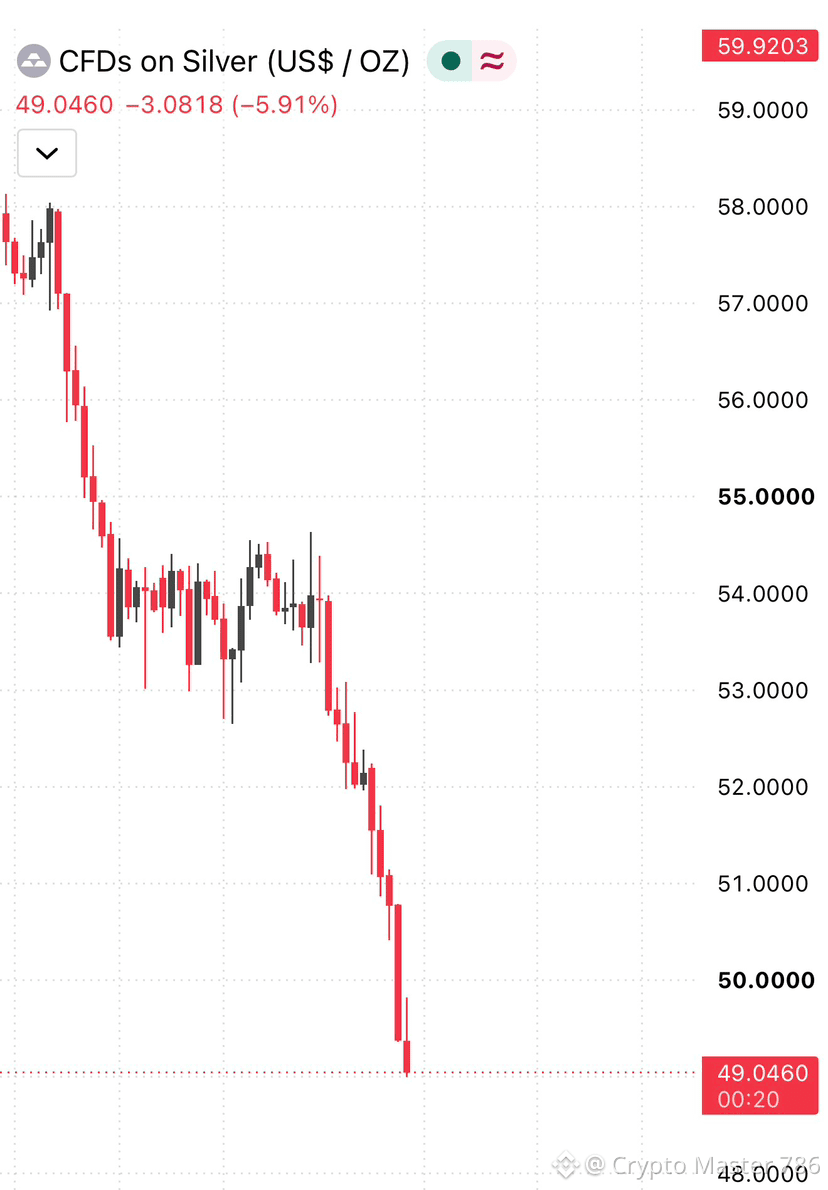
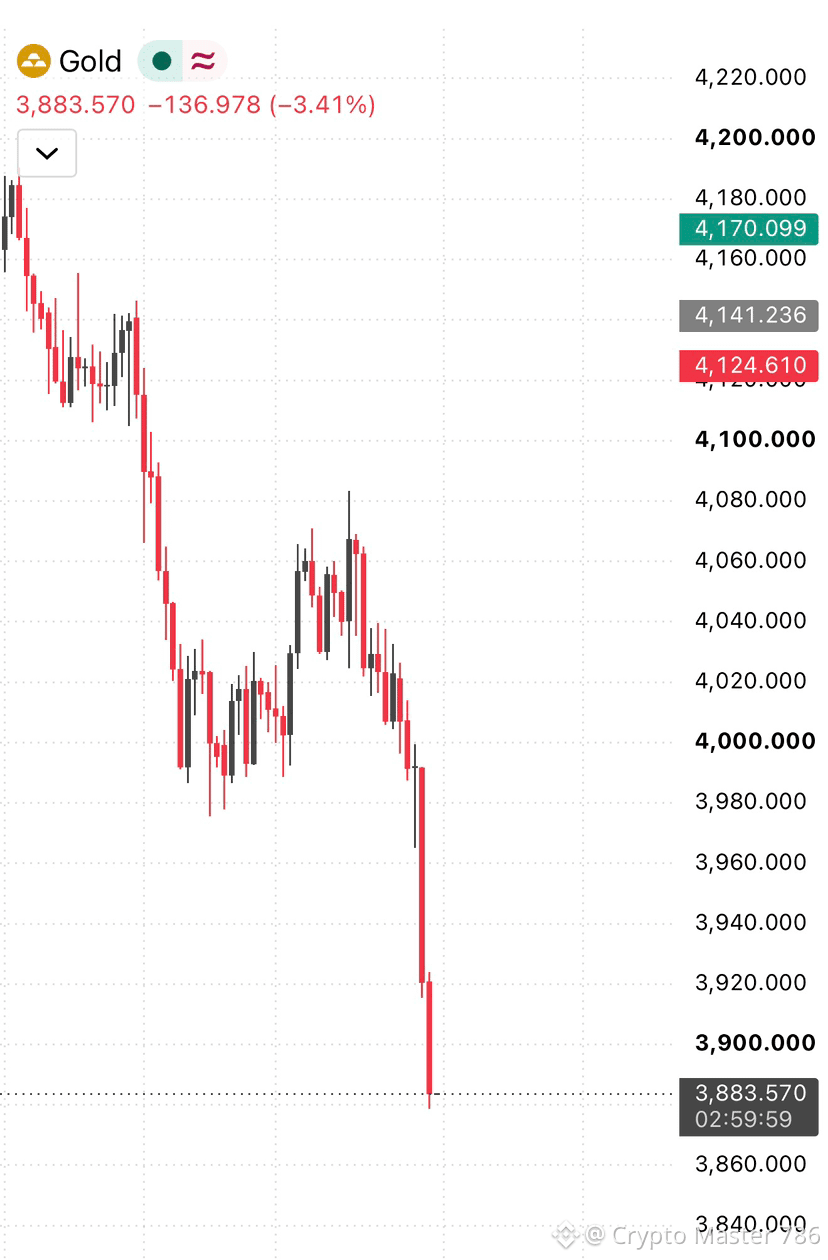
Attention, traders! $XAU and $XAG are crashing hard‼️
I warned you about this massive drop, and today we made some excellent profits from our #GOLD and #Silver short trades!
Who shorted Gold and Silver with me today and enjoyed big profits???
Stay connected with me, MasterFamily! Let’s keep winning, growing, and moving forward together!🤝
I warned you about this massive drop, and today we made some excellent profits from our #GOLD and #Silver short trades!
Who shorted Gold and Silver with me today and enjoyed big profits???
Stay connected with me, MasterFamily! Let’s keep winning, growing, and moving forward together!🤝
6
7k

·
--
#GOLD — UPDATE 👀
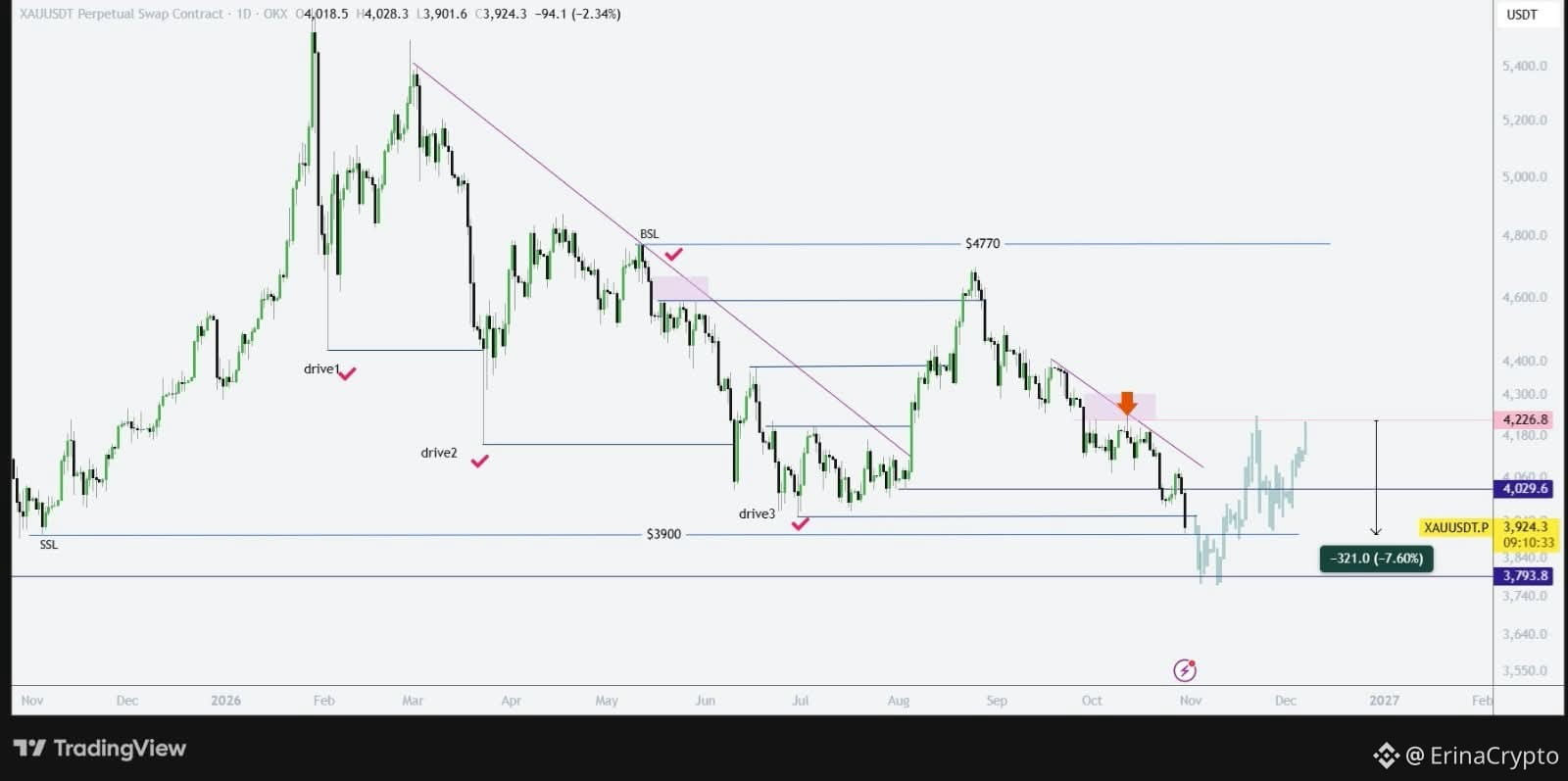
See how liquidity below 3,900 pulled price down? We’ve seen a correction of over 7%!
➡️Below 3,800 is where I’ll be watching for a reaction and a potential move back up. ✍️
$XAUT
{spot}(XAUTUSDT)
#Erinacrypto #XAU
#GOLD — UPDATE 👀
See how liquidity below 3,900 pulled price down? We’ve seen a correction of over 7%!
➡️Below 3,800 is where I’ll be watching for a reaction and a potential move back up. ✍️
$XAUT
#Erinacrypto #XAU
See how liquidity below 3,900 pulled price down? We’ve seen a correction of over 7%!
➡️Below 3,800 is where I’ll be watching for a reaction and a potential move back up. ✍️
$XAUT
#Erinacrypto #XAU
1
3
1.4k
·
--
Bearish
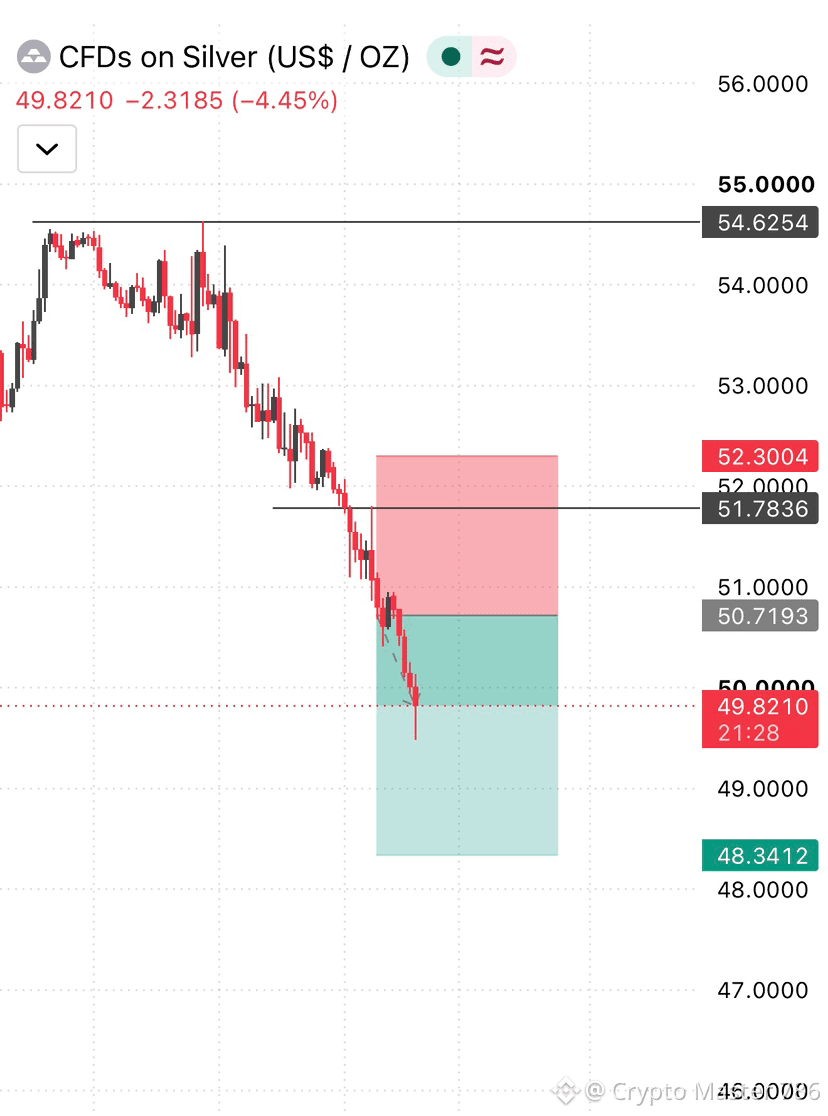
TWO SHORT CALLS, TWO BIG DROPS! $XAU & $XAG
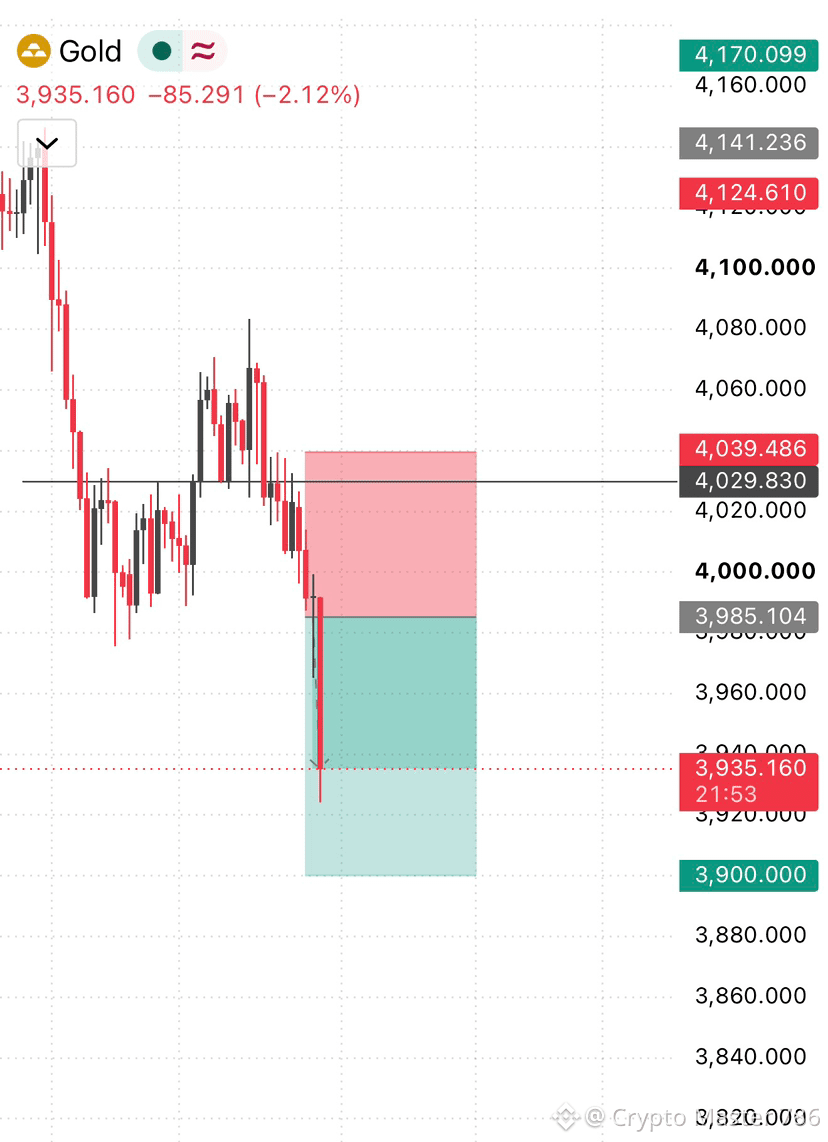
Everyone, check out my Gold and Silver short trades! I shared both setups with my community, and look at the results!
#GOLD Perfect bearish move! TP2 already HIT, and price continues to fall toward $3,900.
#Silver TP1 successfully HIT! TP2 is getting closer as sellers maintain control.
#MasterFamily , I’m still holding my short positions, watching for further downside. Keep managing your risk and protect your profits!
Who caught both trades with me???
elturko34:
when they will be up?
1
6
8.7k

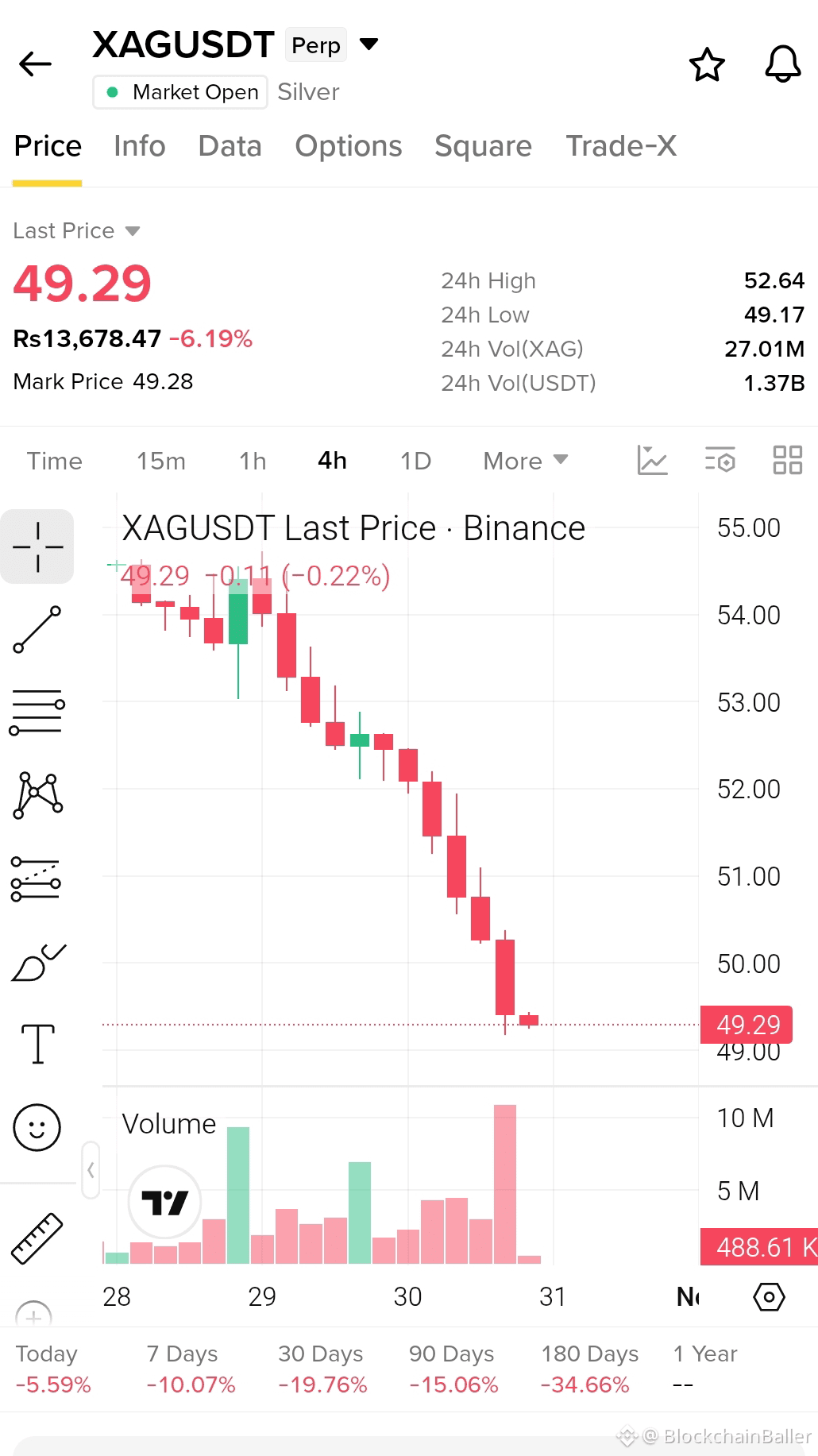
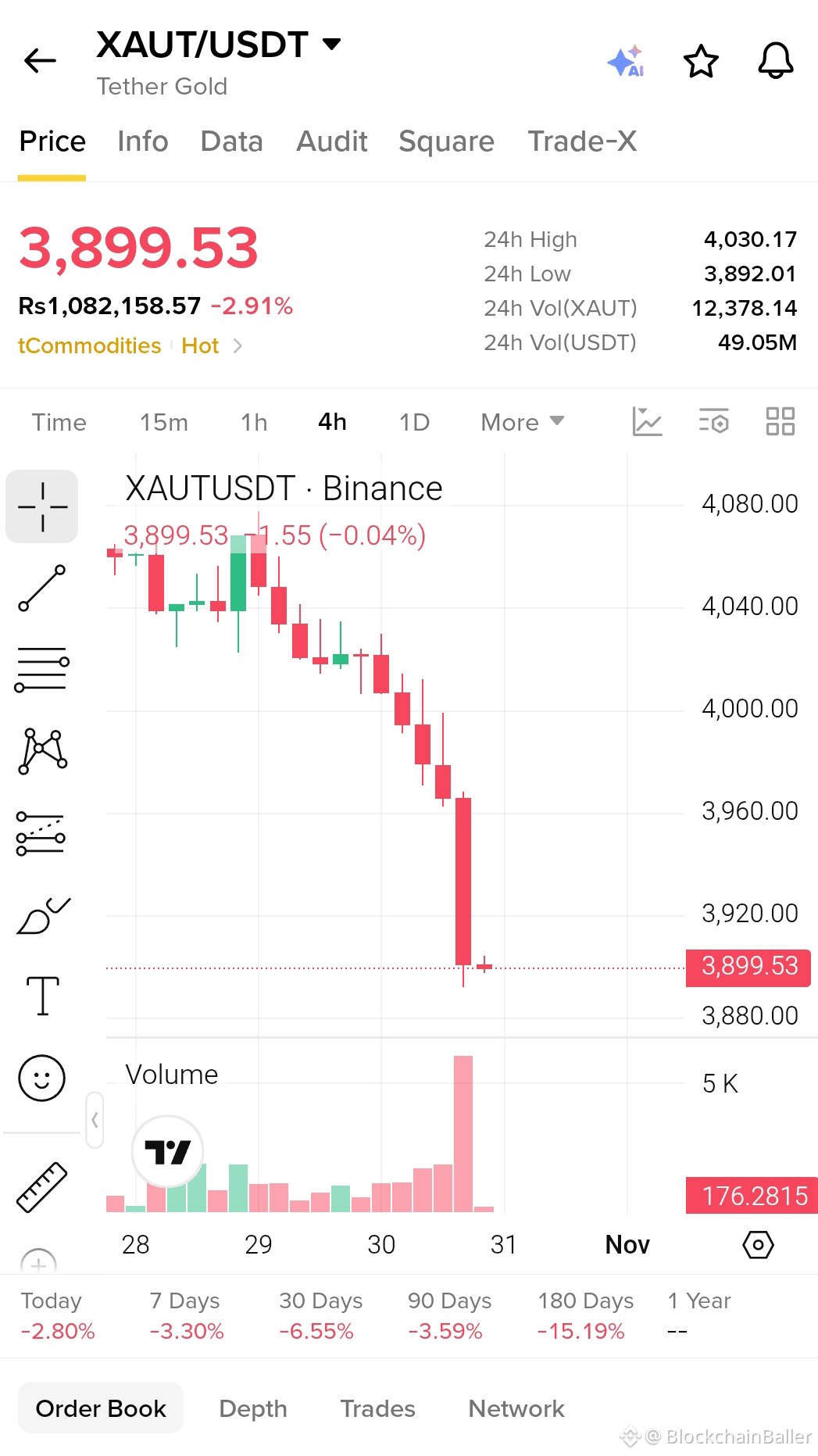
🛑🛑🛑 #Gold & #Silver Just Took a Heavy Hit‼️
$XAUT dropped near $3,900 while $XAG crashed to $49.29. Both are showing strong selling pressure on the 4H charts with big red candles and rising volume.
I'm watching for a possible bounce from these levels, but I won't call it a reversal until buyers show some strength.
Gold: Support $3,890 | Bounce targets $3,960–$4,000
Silver: Support $49.00 | Bounce targets $50.50–$52.00
[click here and join my premium community](https://app.binance.com/uni-qr/QvAXwhBB)
🛑🛑🛑 #Gold & #Silver Just Took a Heavy Hit‼️
$XAUT dropped near $3,900 while $XAG crashed to $49.29. Both are showing strong selling pressure on the 4H charts with big red candles and rising volume.
I'm watching for a possible bounce from these levels, but I won't call it a reversal until buyers show some strength.
Gold: Support $3,890 | Bounce targets $3,960–$4,000
Silver: Support $49.00 | Bounce targets $50.50–$52.00
click here and join my premium community

Messias Francisco Abílio :
xaut Caio bastante
1
3
2.6k
Verified
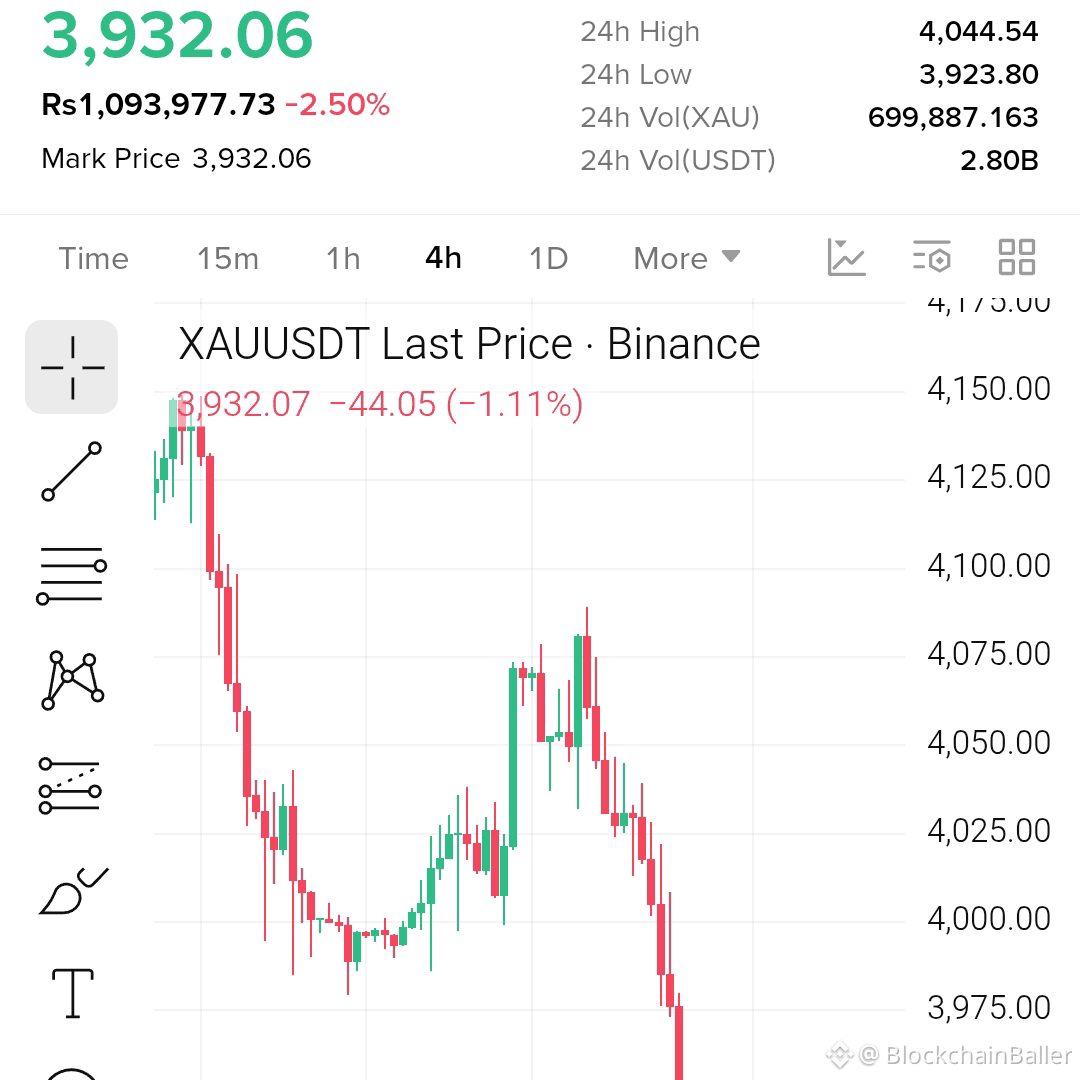
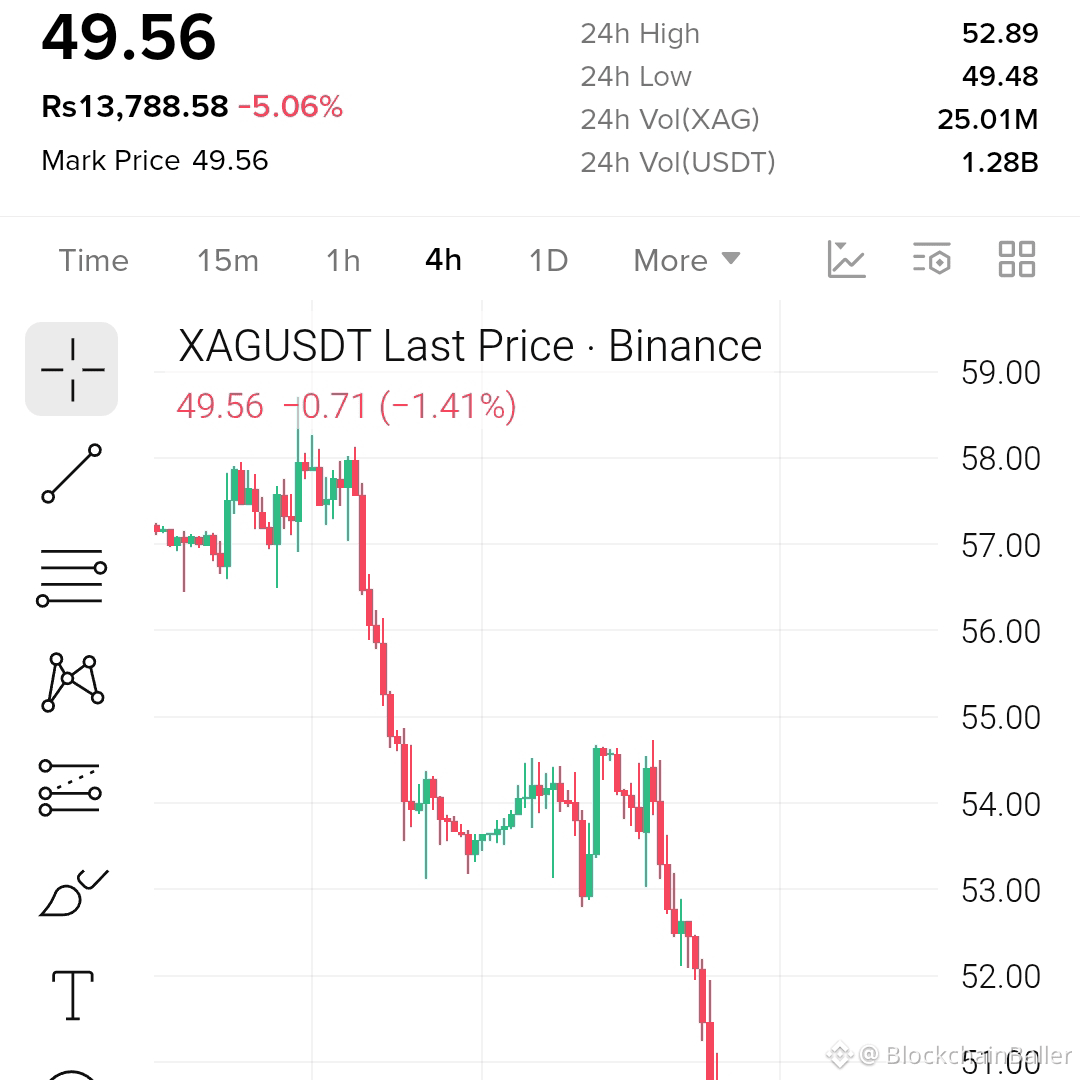
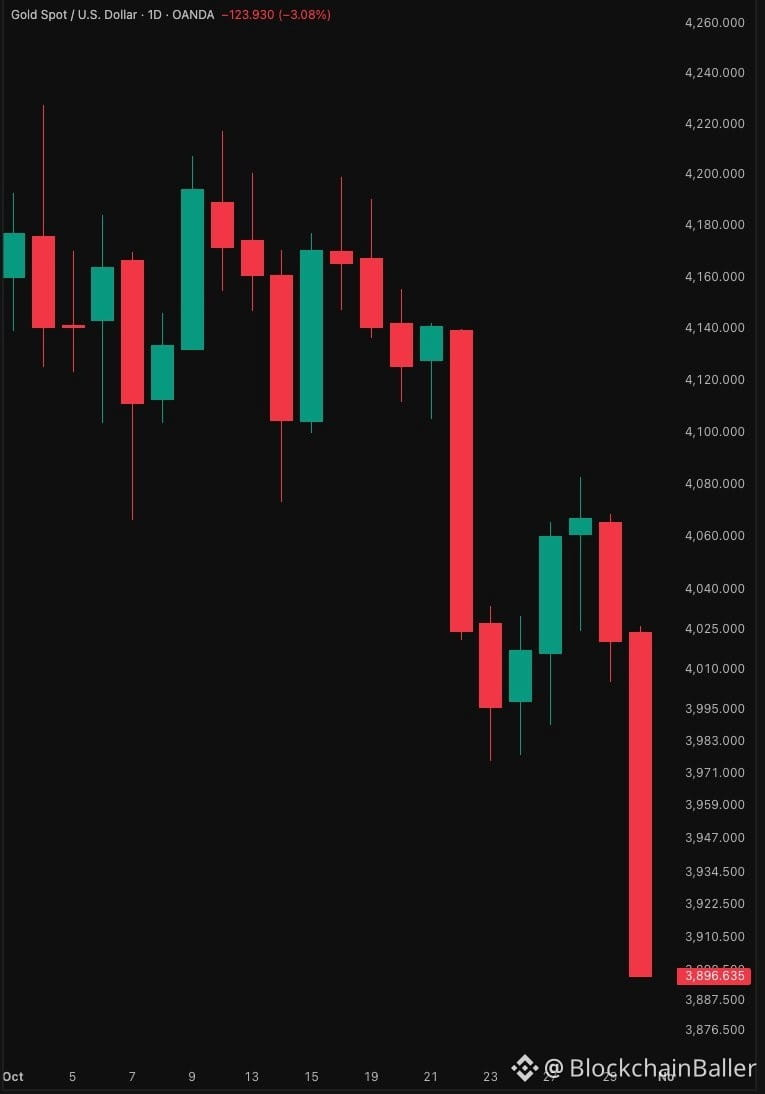
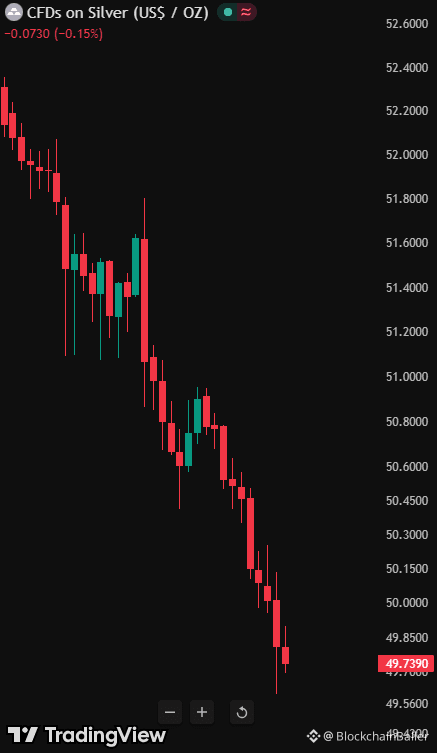
#BREAKING :
#Gold PLUNGES 3% to below $3,900, hitting a ONE-YEAR LOW last seen in October 2025.
Over $700,000,000,000 wiped out today as gold and #silver fall to their lowest levels in almost a year.
Gold falls below $4k, while silver drops below $50, levels last seen in Nov 2025.
$XAU l $XAG l
[click here and join my premium community](https://app.binance.com/uni-qr/QvAXwhBB)
#BREAKING :
#Gold PLUNGES 3% to below $3,900, hitting a ONE-YEAR LOW last seen in October 2025.
Over $700,000,000,000 wiped out today as gold and #silver fall to their lowest levels in almost a year.
Gold falls below $4k, while silver drops below $50, levels last seen in Nov 2025.
$XAU l $XAG l
click here and join my premium community
7
5.6k

·
--
Bullish
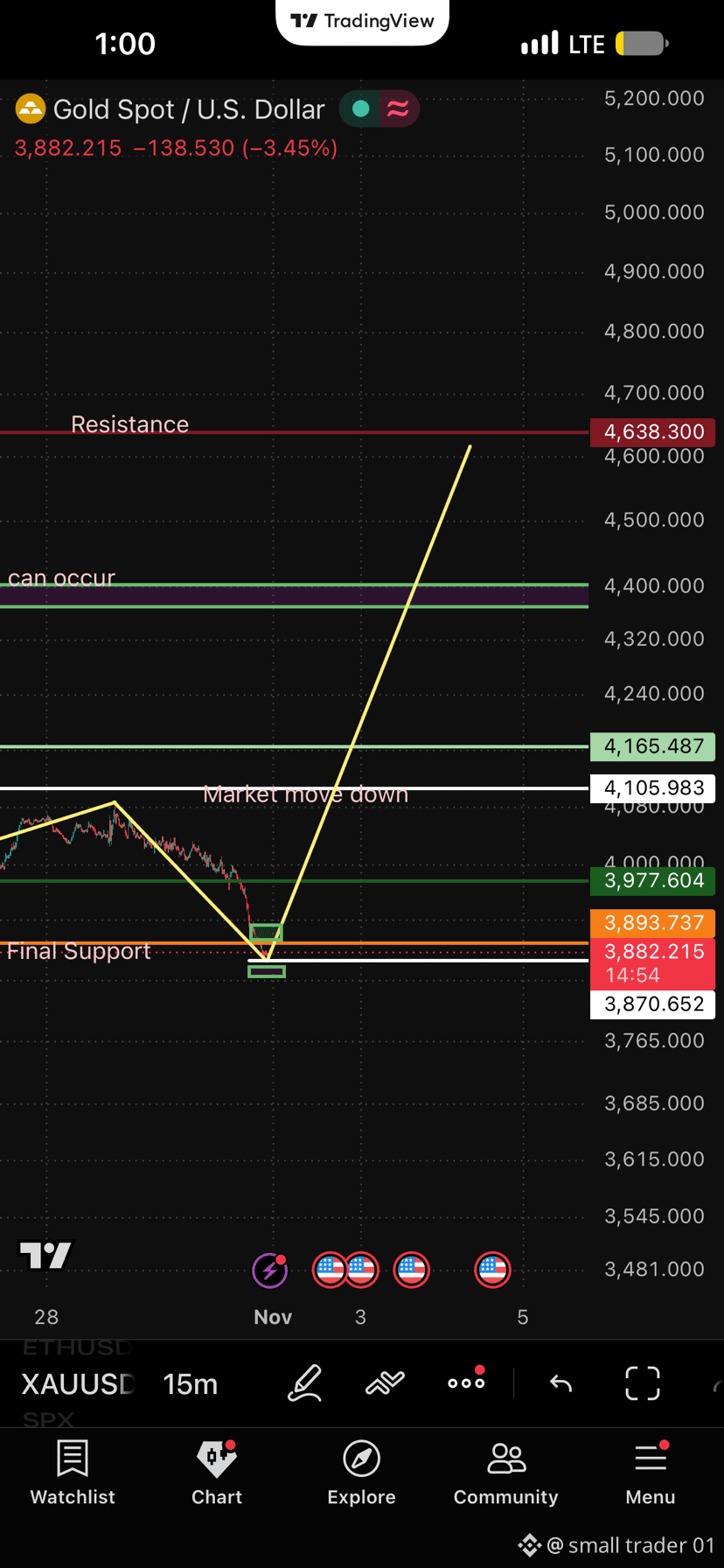
What a beautiful pump seen on #gold buy now and wait for its resistancetouch at 4360 its a good opportunity if u buy after 3870$ then set ure sl at 3865 and wait for its resistance touch it take almost 1 months and give a huge prize
Give me review of my chart analysis
I will $#wait for ure comment
{future}(XAUTUSDT)
What a beautiful pump seen on #gold buy now and wait for its resistancetouch at 4360 its a good opportunity if u buy after 3870$ then set ure sl at 3865 and wait for its resistance touch it take almost 1 months and give a huge prize
Give me review of my chart analysis
I will $#wait for ure comment
Give me review of my chart analysis
I will $#wait for ure comment
1
1.1k



·
--
$XAU /USDT crashed to $3,881? 👀
{future}(XAUUSDT)
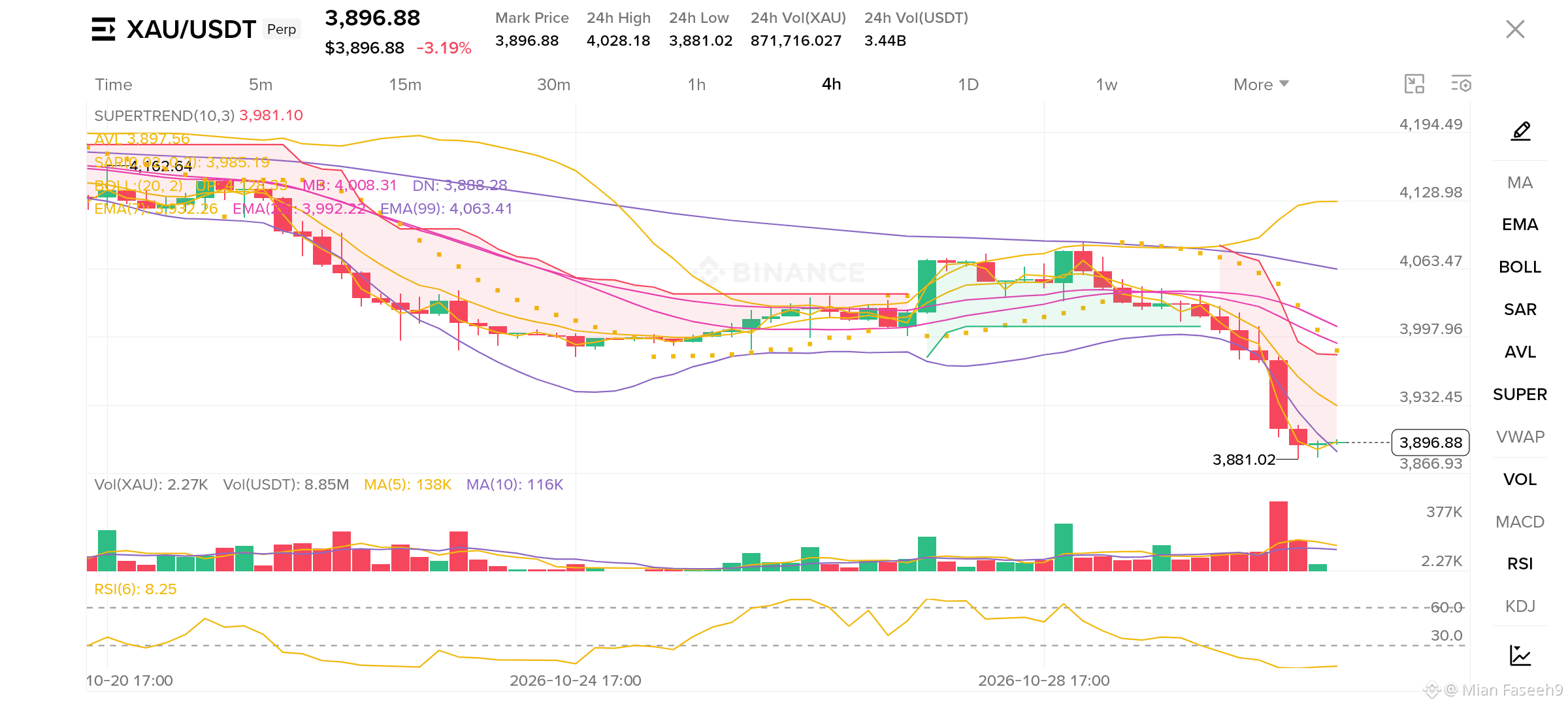
$XAU at $3,896.81 (-3.19%) after $4,162.64 top to $3,881.02 low today. Now trading below all EMAs - EMA(7) $3,977.26, EMA(25) $3,992.23, EMA(99) $4,063.41 & BOLL DN $3,898.29 broken, super bearish.
Resistance $3,897.56 AVL - $3,898.29 BOLL DN, then $4,008.31 BOLL MB strong. Break above $3,998 can target $4,063. Support $3,881.02 today low - $3,866.93 next, break below it $3,800 open.
Vol 2.27K XAU (8.85M USDT) far below MA(5) 139K and MA(10) 116K, panic selling done, volume drying. SAR $4,162.64 far above, Supertrend $3,981.10 flipped to resistance - trend changed to bearish.
RSI(6) 8.25 extreme oversold - historic selling climax, massive bounce setup if $3,881 holds.
I'm watching $3,897.56 AVL level.
Do you think $XAU holds $3,881 for bounce to $3,992 or drops more to $3,800?
Follow for real-time updates, no fake signals.
If this analysis helped you, a small Tip is appreciated 🙏
#XAU #Gold #XAUUSD
$XAU /USDT crashed to $3,881? 👀
$XAU at $3,896.81 (-3.19%) after $4,162.64 top to $3,881.02 low today. Now trading below all EMAs - EMA(7) $3,977.26, EMA(25) $3,992.23, EMA(99) $4,063.41 & BOLL DN $3,898.29 broken, super bearish.
Resistance $3,897.56 AVL - $3,898.29 BOLL DN, then $4,008.31 BOLL MB strong. Break above $3,998 can target $4,063. Support $3,881.02 today low - $3,866.93 next, break below it $3,800 open.
Vol 2.27K XAU (8.85M USDT) far below MA(5) 139K and MA(10) 116K, panic selling done, volume drying. SAR $4,162.64 far above, Supertrend $3,981.10 flipped to resistance - trend changed to bearish.
RSI(6) 8.25 extreme oversold - historic selling climax, massive bounce setup if $3,881 holds.
I'm watching $3,897.56 AVL level.
Do you think $XAU holds $3,881 for bounce to $3,992 or drops more to $3,800?
Follow for real-time updates, no fake signals.
If this analysis helped you, a small Tip is appreciated 🙏
#XAU #Gold #XAUUSD
298

Verified
Gold ($XAU USD) Faces Fresh Selling Pressure
Gold prices moved lower as strong US economic data and interest-rate uncertainty weighed on the market. Traders are now watching upcoming economic developments and the US dollar for clues about the next major move.
A weaker dollar and falling yields could support a recovery, while higher yields may keep gold under pressure.
Stay alert to key levels and manage risk carefully.
#Gold #XAUUSD #goldprice #MarketUpdate #EarningsSeason $BTC $KITE

BLACKBOYKA:
Macroeconomic indicators dictate precious metal volatility, sir.
1
2
697


Partly True
📉 OCTOBER LOSSES FOR GOLD AND SILVER !
🟡 Gold (per ounce): $3,900–$3,920
▪️ Daily loss: 2.5%–3%
▪️ October loss: Approximately 4%
⚪ Silver (per ounce): $49.2–$49.4
▪️ Daily loss: 5–5.6%
▪️ October loss: Approximately 18%
Silver lost approximately four times as much value as gold in October.
📊 Market commentary: The selling pressure in precious metals is felt much more sharply in silver. This scenario once again demonstrates that even when both assets move in the same direction, they have different risk profiles.
#Gold #Silver $XAUT
{spot}(XAUTUSDT)
$PAXG
{spot}(PAXGUSDT)
📉 OCTOBER LOSSES FOR GOLD AND SILVER !
🟡 Gold (per ounce): $3,900–$3,920
▪️ Daily loss: 2.5%–3%
▪️ October loss: Approximately 4%
⚪ Silver (per ounce): $49.2–$49.4
▪️ Daily loss: 5–5.6%
▪️ October loss: Approximately 18%
Silver lost approximately four times as much value as gold in October.
📊 Market commentary: The selling pressure in precious metals is felt much more sharply in silver. This scenario once again demonstrates that even when both assets move in the same direction, they have different risk profiles.
#Gold #Silver $XAUT
$PAXG
1
948

The Corrective Range That’s Keeping Gold Traders on Edge.
Gold is trading at $3,883 inside a corrective structure, with immediate resistance at $3,950 and a major psychological barrier at $4,050. Primary support sits at $3,750, while the deeper $3,620 zone offers a higher-risk accumulation area. Multi-timeframe charts remain bearish until a decisive close above $3,950 arrives with volume.
Smart-money positioning shows heavy short dominance, creating potential squeeze risk if resistance is reclaimed. Until that break occurs, the path of least resistance stays lower. Staking and trading incentives remain available for those looking to hold through the volatility.
$XAU #CoinVahini #Gold #XAU #TechnicalAnalysis
14

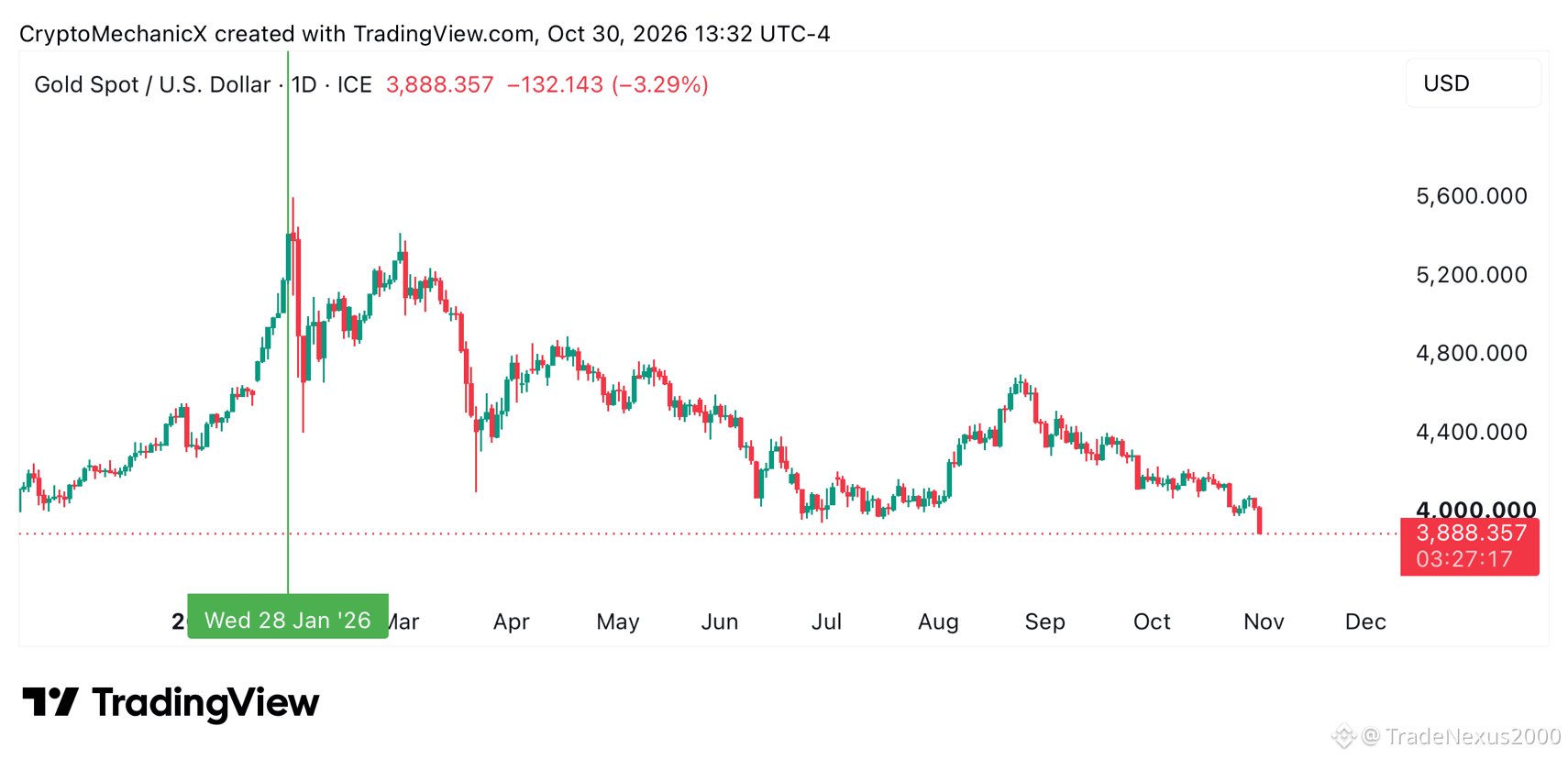
🚨 $GOLD CONFIRMS STRUCTURAL DISTRIBUTION AS SMART MONEY SWEEPS HIGHER LIQUIDITY 📉
The macroscopic exhaustion pattern on $GOLD unfolded with textbook precision right into the premium supply zone. 🔍 When buy-side liquidity is purged above historical highs without sustained volume, smart money shifts aggressively from absorption to active distribution.
💡 Market structure broke lower immediately following the sweep, confirming that institutional players offloaded directly into late breakout bids. 🌊 Price action is now respecting the inefficiency gap created during the downward shift, maintaining strong downside continuity.
🤔 Are you treating this rejection as a brief consolidation or the start of a broader macro reset? 👇
⚠️ Not financial advice. Always manage your risk. 🛡️
🏷️ #GOLD #SmartMoney #MarketStructure #Macro #Trading
🎯 🦈
43

📅 TRADERS, DON'T MISS TONIGHT'S CFTC REPORT!
The US CFTC's weekly Commitments of Traders report is scheduled for:
🗓️ Friday, October 30
🇺🇸 3:30 PM Eastern Time
🇵🇰 Saturday, October 31 — 12:30 AM Pakistan time
Why watch it?
$BTC Bitcoin: CME futures positioning can help show speculative sentiment.
🟡$XAUT Gold: Futures positioning can reveal whether large speculative traders are heavily long or short.
One more interesting development:
Latest completed ETF session (October 29):
- BTC ETFs: +$17.2M
- ETH ETFs: -$105.5M
These are historical daily flows, not today's final figures.
⚠️ COT data reflects earlier positions, not live trading. Neither ETF flows nor positioning guarantees market direction.
🎯 What would you rather follow tonight: Bitcoin institutional flows or Gold futures positioning?
{future}(XAUTUSDT)
{future}(BTCUSDT)
#BTC突破7万大关 #ETH #Gold
📅 TRADERS, DON'T MISS TONIGHT'S CFTC REPORT!
The US CFTC's weekly Commitments of Traders report is scheduled for:
🗓️ Friday, October 30
🇺🇸 3:30 PM Eastern Time
🇵🇰 Saturday, October 31 — 12:30 AM Pakistan time
Why watch it?
$BTC Bitcoin: CME futures positioning can help show speculative sentiment.
🟡$XAUT Gold: Futures positioning can reveal whether large speculative traders are heavily long or short.
One more interesting development:
Latest completed ETF session (October 29):
- BTC ETFs: +$17.2M
- ETH ETFs: -$105.5M
These are historical daily flows, not today's final figures.
⚠️ COT data reflects earlier positions, not live trading. Neither ETF flows nor positioning guarantees market direction.
🎯 What would you rather follow tonight: Bitcoin institutional flows or Gold futures positioning?
#BTC突破7万大关 #ETH #Gold
233

·
--
BIG NEWS 🚨
#GOLD IS MOST TRENDING PRODUCT IN THE WORLD RIGHT NOW
AFTER STOCK CRASH, BINANCE HACK,AND TREASUREY BONDS LOSING CONFIDENCE
$XAU
{future}(XAUUSDT)
$XAUT
{future}(XAUTUSDT)
BIG NEWS 🚨
#GOLD IS MOST TRENDING PRODUCT IN THE WORLD RIGHT NOW
AFTER STOCK CRASH, BINANCE HACK,AND TREASUREY BONDS LOSING CONFIDENCE
$XAU
$XAUT
#GOLD IS MOST TRENDING PRODUCT IN THE WORLD RIGHT NOW
AFTER STOCK CRASH, BINANCE HACK,AND TREASUREY BONDS LOSING CONFIDENCE
$XAU
$XAUT
2
2.4k

Verified
Article
Gold Price Prediction 2026: Can XAU/USD Hit New Highs or Is a Major Correction Coming?🟡 Gold has always been seen as a safe haven. But what happens when even gold starts falling sharply?
After reaching a record high of around $5,595 per ounce in January 2026, gold has experienced a significant correction. On October 30, prices briefly fell to approximately $3,910, their lowest level since October 2025.
That is a major change in market direction.
But I think the more interesting question is not simply whether gold will rise or fall next.
It is this:
Are the forces that supported gold's rally beginning to weaken, or is this correction creating the conditions for its next recovery?
Let's look at what is driving the market.
📉 1. What Happened to Gold in 2026?
Gold started the year with extraordinary momentum, reaching record territory before reversing sharply.
By late October, the metal had given back a substantial part of those gains.
Several factors have contributed to the decline:
Rising US Treasury yields.A stronger US dollar.Persistent inflation concerns.Expectations that interest rates may remain higher for longer.Investors selling profitable positions and reducing exposure during market volatility.
The important point is that gold is not falling because its long-term role has suddenly disappeared.
The market is reassessing what it costs to hold gold when interest-bearing assets become more attractive.
💵 2. The US Dollar and Interest Rates: Gold's Biggest Near-Term Challenge
Gold is priced internationally in US dollars.
When the dollar strengthens, gold can become more expensive for buyers using other currencies. That can reduce demand.
Interest rates matter too.
Gold does not pay interest or dividends. When investors can earn more from government bonds and other interest-bearing assets, the opportunity cost of holding gold increases.
This is one of the main reasons the recent interest-rate outlook has put pressure on bullion.
The Federal Reserve held rates steady at its October meeting, but persistent inflation has kept the possibility of further tightening in the conversation.
What would help gold?
A softer dollar, declining real yields and a clearer shift towards easier monetary policy could improve the environment for gold.
Until then, rallies may face resistance.
🏦 3. Central Banks: The Long-Term Support Story
There is another side to the gold market that deserves attention.
Central banks continue to view gold as a strategic reserve asset.
Why?
Because gold offers diversification, does not depend on another country's promise to repay a debt, and can help reduce reliance on a single reserve currency.
This demand is important because central-bank buying is generally driven by long-term reserve management rather than short-term trading signals.
However, there is a distinction worth remembering:
Central-bank demand can provide long-term support, but it does not guarantee that gold prices will rise every week or every month.
Strong structural demand and short-term selling pressure can exist at the same time.
🔥 4. Inflation and Safe-Haven Demand: A Complicated Relationship
Many investors buy gold when inflation rises or geopolitical uncertainty increases.
But the relationship is not always straightforward.
Higher inflation can support gold as a store-of-value asset.
However, if inflation causes markets to expect higher interest rates, that same inflation can put pressure on gold.
This is the contradiction investors are dealing with in October.
Geopolitical tensions and energy-market risks support the argument for holding safe-haven assets, but higher oil prices can also increase inflation expectations and strengthen the case for tighter monetary policy.
In other words:
The same event can be bullish for gold over the long term and bearish for it in the short term.
That is why simply saying "inflation is rising, so gold must rise" is not enough.
📊 5. XAU/USD Technical Analysis: Levels Worth Watching
The $4,000 area has become an important psychological reference point after gold's recent decline.
Here are the zones I would watch on the daily XAU/USD chart:
Potential support
$3,900–$3,910: Recent session-low area.$3,850: A lower psychological area to monitor if selling continues.
Potential resistance
$4,000–$4,020: First important recovery and retest area.$4,100: A level to watch if buyers regain control.$4,200: A broader recovery reference.
These are monitoring zones, not guaranteed turning points. The daily candle closes, trading volume and follow-through matter more than a brief move through any one level.
What I would watch:
If gold reclaims $4,000 and holds above it, buyers may begin rebuilding confidence.
If price repeatedly fails around that area, sellers could remain in control.
A decisive daily close below the recent low would increase downside risk.
⚖️ 6. Gold Outlook: Recovery or Further Downside?
I see two main scenarios worth considering.
🟢 Bullish scenario: Buyers return
Gold could recover if the US dollar weakens, Treasury yields ease and investors regain confidence that interest rates will eventually move lower.
Continued central-bank demand and renewed safe-haven buying could add support.
The first test would be whether buyers can reclaim and hold the $4,000 area.
🔴 Bearish scenario: Pressure continues
If US inflation remains stubborn, bond yields stay elevated and expectations of further rate tightening increase, gold could struggle to recover.
A sustained break below recent support would make further weakness a serious possibility.
The key is not to assume that a large correction automatically means a bottom is in.
👀 7. Three Things to Watch Next
Before making any conclusions about gold's next major move, I would focus on three things:
US inflation Will inflation cool, or will it keep pressure on the Federal Reserve?The US dollar and Treasury yields: Do they continue strengthening, or do we see a meaningful reversal?XAU/USD daily closing prices: Can gold reclaim $4,000, or will sellers keep rejecting recovery attempts?
These three signals may tell us more than any single dramatic headline.
🎯 The Takeaway
Gold's 2026 correction is a reminder that even the strongest long-term assets can experience painful short-term declines.
The long-term case for gold has not disappeared. Central-bank demand, reserve diversification and geopolitical uncertainty remain relevant.
But the near-term environment is difficult.
A stronger dollar, elevated yields and persistent inflation are creating real obstacles for buyers.
My view: I would not call this a confirmed buying opportunity or a confirmed long-term breakdown yet. The next meaningful signal is how gold behaves around $4,000 and whether macroeconomic pressure begins to ease.
The next move needs confirmation, not assumptions.
💬 Let's discuss:
Do you believe gold can recover towards its previous highs in 2026, or has the market entered a longer correction?Which matters more for gold right now: central-bank buying or US interest-rate expectations?Would you consider gold attractive near current levels, or would you wait for stronger confirmation?
I am particularly interested in your view on the $4,000 level.
That is the part worth watching.
This article is for educational and informational purposes only. It is not financial or investment advice. Gold and leveraged XAU/USD trading involve risk. Always do your own research and manage risk carefully.
#BinanceSquare #Gold #XAU #MarketAnalysis #GoldPricePrediction
Gold Price Prediction 2026: Can XAU/USD Hit New Highs or Is a Major Correction Coming?
🟡 Gold has always been seen as a safe haven. But what happens when even gold starts falling sharply?
After reaching a record high of around $5,595 per ounce in January 2026, gold has experienced a significant correction. On October 30, prices briefly fell to approximately $3,910, their lowest level since October 2025.
That is a major change in market direction.
But I think the more interesting question is not simply whether gold will rise or fall next.
It is this:
Are the forces that supported gold's rally beginning to weaken, or is this correction creating the conditions for its next recovery?
Let's look at what is driving the market.
📉 1. What Happened to Gold in 2026?
Gold started the year with extraordinary momentum, reaching record territory before reversing sharply.
By late October, the metal had given back a substantial part of those gains.
Several factors have contributed to the decline:
Rising US Treasury yields.A stronger US dollar.Persistent inflation concerns.Expectations that interest rates may remain higher for longer.Investors selling profitable positions and reducing exposure during market volatility.
The important point is that gold is not falling because its long-term role has suddenly disappeared.
The market is reassessing what it costs to hold gold when interest-bearing assets become more attractive.
💵 2. The US Dollar and Interest Rates: Gold's Biggest Near-Term Challenge
Gold is priced internationally in US dollars.
When the dollar strengthens, gold can become more expensive for buyers using other currencies. That can reduce demand.
Interest rates matter too.
Gold does not pay interest or dividends. When investors can earn more from government bonds and other interest-bearing assets, the opportunity cost of holding gold increases.
This is one of the main reasons the recent interest-rate outlook has put pressure on bullion.
The Federal Reserve held rates steady at its October meeting, but persistent inflation has kept the possibility of further tightening in the conversation.
What would help gold?
A softer dollar, declining real yields and a clearer shift towards easier monetary policy could improve the environment for gold.
Until then, rallies may face resistance.
🏦 3. Central Banks: The Long-Term Support Story
There is another side to the gold market that deserves attention.
Central banks continue to view gold as a strategic reserve asset.
Why?
Because gold offers diversification, does not depend on another country's promise to repay a debt, and can help reduce reliance on a single reserve currency.
This demand is important because central-bank buying is generally driven by long-term reserve management rather than short-term trading signals.
However, there is a distinction worth remembering:
Central-bank demand can provide long-term support, but it does not guarantee that gold prices will rise every week or every month.
Strong structural demand and short-term selling pressure can exist at the same time.
🔥 4. Inflation and Safe-Haven Demand: A Complicated Relationship
Many investors buy gold when inflation rises or geopolitical uncertainty increases.
But the relationship is not always straightforward.
Higher inflation can support gold as a store-of-value asset.
However, if inflation causes markets to expect higher interest rates, that same inflation can put pressure on gold.
This is the contradiction investors are dealing with in October.
Geopolitical tensions and energy-market risks support the argument for holding safe-haven assets, but higher oil prices can also increase inflation expectations and strengthen the case for tighter monetary policy.
In other words:
The same event can be bullish for gold over the long term and bearish for it in the short term.
That is why simply saying "inflation is rising, so gold must rise" is not enough.
📊 5. XAU/USD Technical Analysis: Levels Worth Watching
The $4,000 area has become an important psychological reference point after gold's recent decline.
Here are the zones I would watch on the daily XAU/USD chart:
Potential support
$3,900–$3,910: Recent session-low area.$3,850: A lower psychological area to monitor if selling continues.
Potential resistance
$4,000–$4,020: First important recovery and retest area.$4,100: A level to watch if buyers regain control.$4,200: A broader recovery reference.
These are monitoring zones, not guaranteed turning points. The daily candle closes, trading volume and follow-through matter more than a brief move through any one level.
What I would watch:
If gold reclaims $4,000 and holds above it, buyers may begin rebuilding confidence.
If price repeatedly fails around that area, sellers could remain in control.
A decisive daily close below the recent low would increase downside risk.
⚖️ 6. Gold Outlook: Recovery or Further Downside?
I see two main scenarios worth considering.
🟢 Bullish scenario: Buyers return
Gold could recover if the US dollar weakens, Treasury yields ease and investors regain confidence that interest rates will eventually move lower.
Continued central-bank demand and renewed safe-haven buying could add support.
The first test would be whether buyers can reclaim and hold the $4,000 area.
🔴 Bearish scenario: Pressure continues
If US inflation remains stubborn, bond yields stay elevated and expectations of further rate tightening increase, gold could struggle to recover.
A sustained break below recent support would make further weakness a serious possibility.
The key is not to assume that a large correction automatically means a bottom is in.
👀 7. Three Things to Watch Next
Before making any conclusions about gold's next major move, I would focus on three things:
US inflation Will inflation cool, or will it keep pressure on the Federal Reserve?The US dollar and Treasury yields: Do they continue strengthening, or do we see a meaningful reversal?XAU/USD daily closing prices: Can gold reclaim $4,000, or will sellers keep rejecting recovery attempts?
These three signals may tell us more than any single dramatic headline.
🎯 The Takeaway
Gold's 2026 correction is a reminder that even the strongest long-term assets can experience painful short-term declines.
The long-term case for gold has not disappeared. Central-bank demand, reserve diversification and geopolitical uncertainty remain relevant.
But the near-term environment is difficult.
A stronger dollar, elevated yields and persistent inflation are creating real obstacles for buyers.
My view: I would not call this a confirmed buying opportunity or a confirmed long-term breakdown yet. The next meaningful signal is how gold behaves around $4,000 and whether macroeconomic pressure begins to ease.
The next move needs confirmation, not assumptions.
💬 Let's discuss:
Do you believe gold can recover towards its previous highs in 2026, or has the market entered a longer correction?Which matters more for gold right now: central-bank buying or US interest-rate expectations?Would you consider gold attractive near current levels, or would you wait for stronger confirmation?
I am particularly interested in your view on the $4,000 level.
That is the part worth watching.
This article is for educational and informational purposes only. It is not financial or investment advice. Gold and leveraged XAU/USD trading involve risk. Always do your own research and manage risk carefully.
#BinanceSquare #Gold #XAU #MarketAnalysis #GoldPricePrediction
1
1
749

·
--
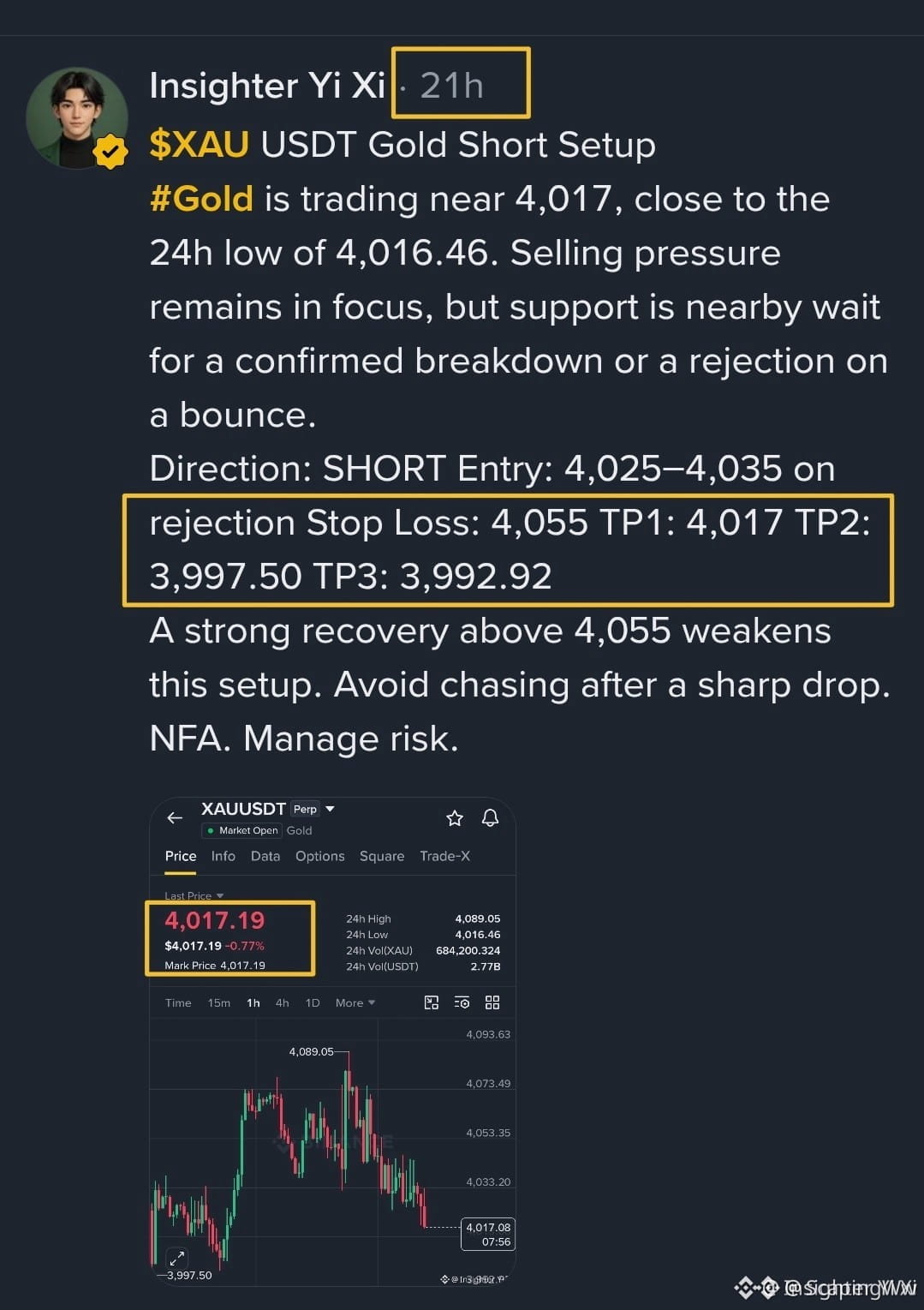
🚀 $XAU CONTINUES ITS MERCILESS EXPANSION AS MACRO LIQUIDITY FLOODS IN! 💥
Capital is rotating with relentless precision right now, and $XAU is proving once again why patience pays off when market momentum accelerates. 🌊 Institutional bids keep absorbing every dip before bears can even establish a foothold, confirming heavy accumulation across the board. 📈
When the macro trend asserts dominance like this, chasing pullbacks without structure gets expensive, but riding the defined wave is pure poetry. 💡 Are you locking in gains along this expansion or letting your runners ride into uncharted territory? 👇
⚠️ Not financial advice. Always manage your risk. 🛡️
🏷️ #XAU #Gold #Trading #Breakout
🔥 💎
25
Partly True
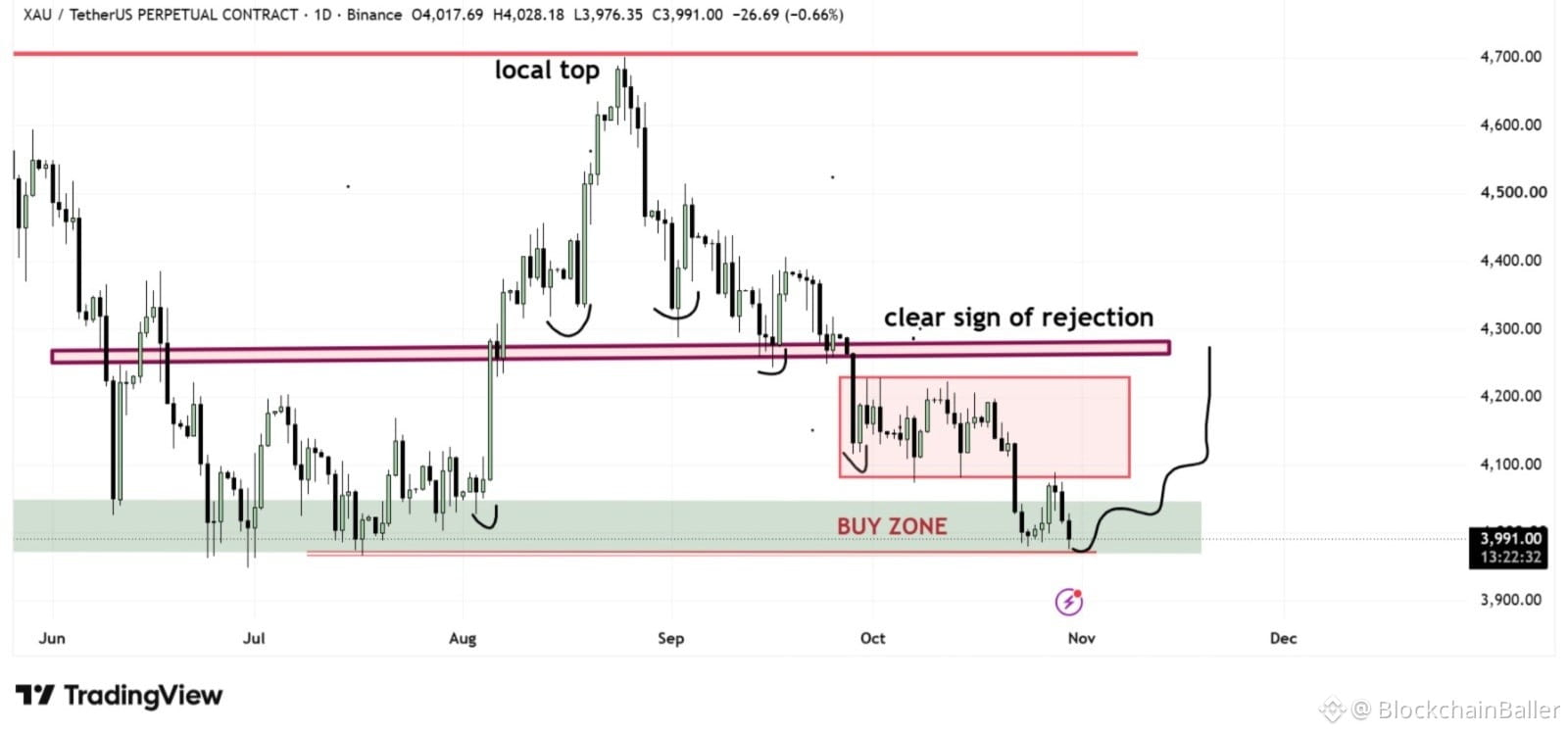
$XAU BACK AT $4,000 ... IS A BIG RECOVERY COMING?
#Gold has fallen from its $4,700 local top and is now testing an important buy zone around $3,950–$4,050
I’m watching this area closely because buyers defended it before.
If support holds, we could see a recovery towards $4,100, $4,200 and eventually $4,280.
But a clear break below $3,950 could bring more selling. For now, this support zone is the key.
4
1k

·
--
Bearish
Partly True
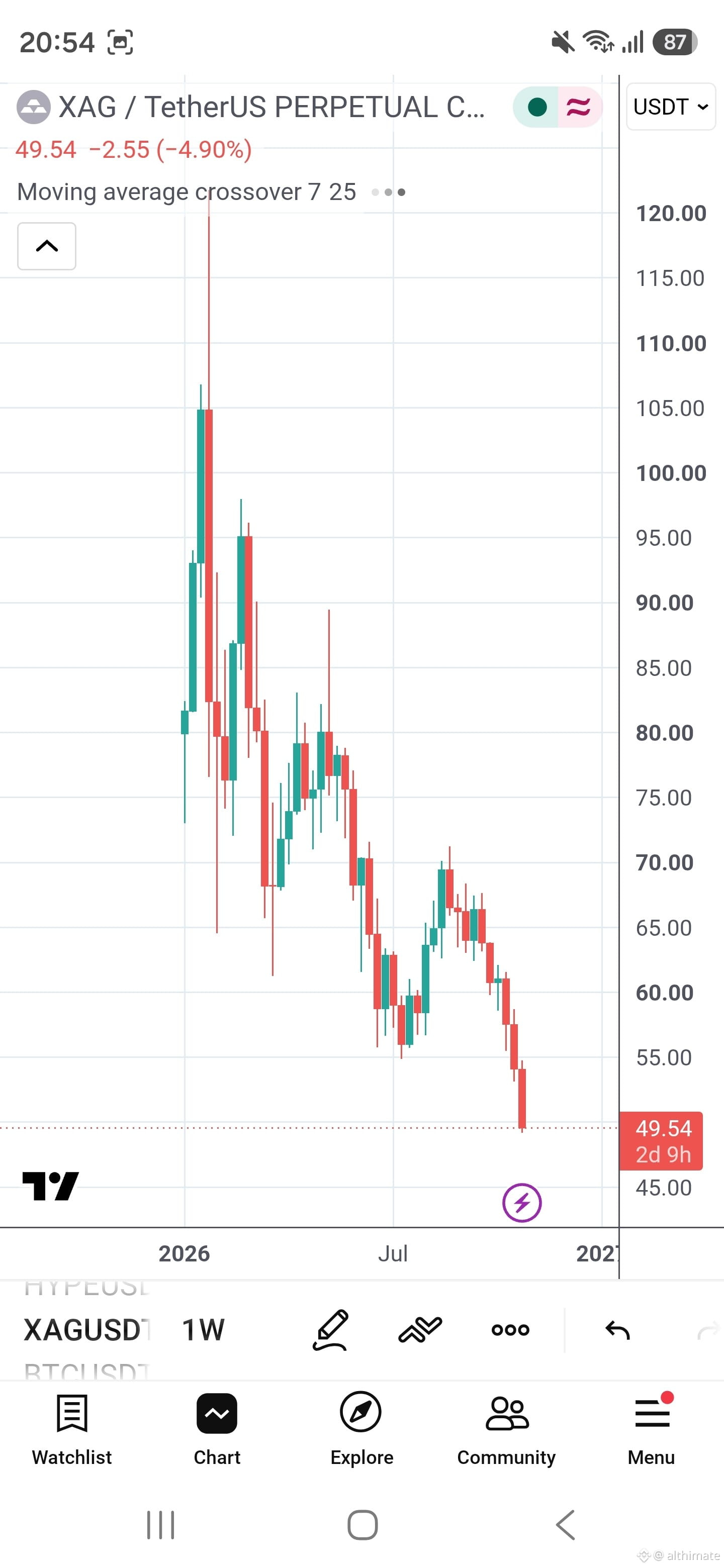
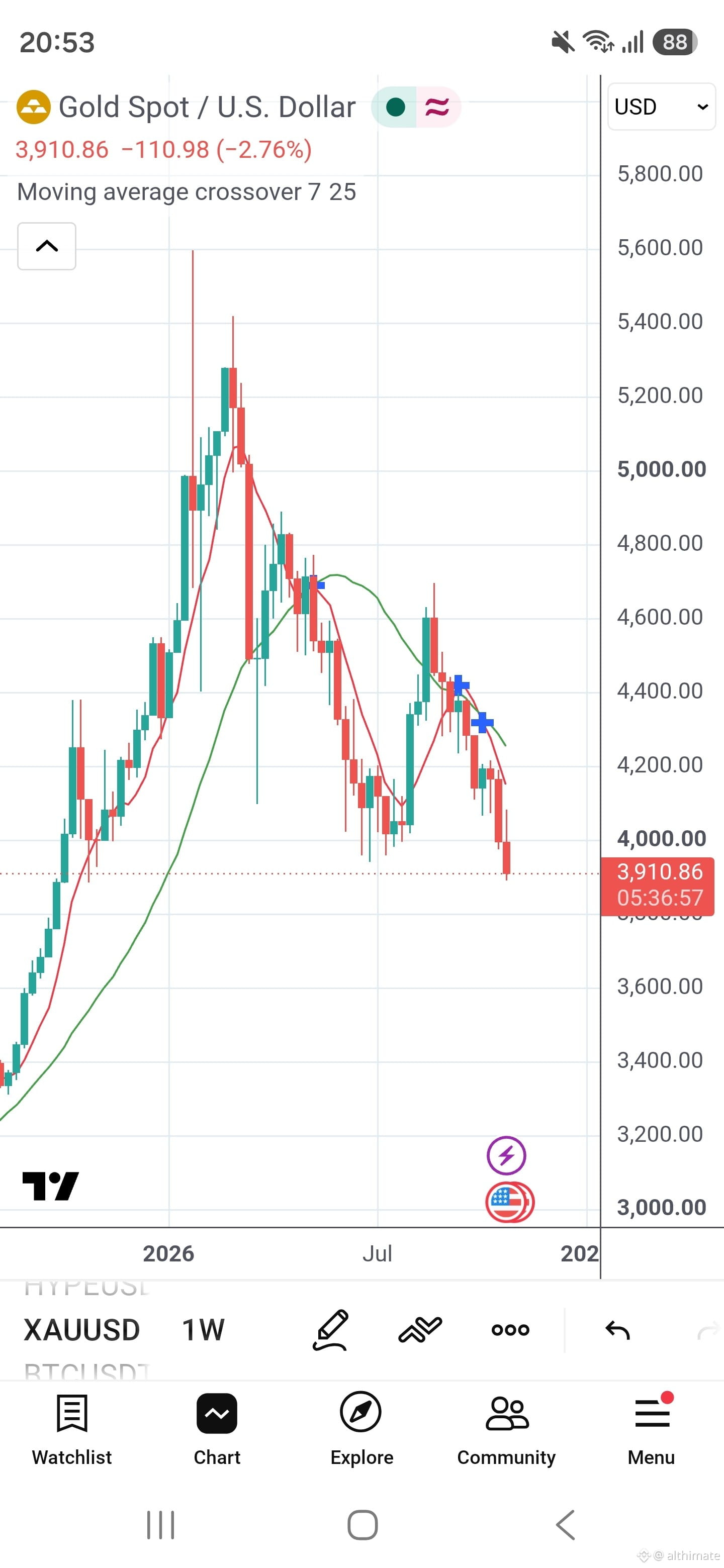
🚨 GOLD CRASHES TO A ONE-YEAR LOW!!!!
The precious metals market is under heavy pressure...
🔹️ Gold ($XAU ): -2.7% to $3,910
🔹️ Silver ($XAG ): -5.8% to $49.60
🔥 Higher oil prices and sticky US inflation are strengthening Fed rate hike expectations.
Higher interest rates are putting pressure on precious metals.
#GOLD #oil $BTC #sol
The precious metals market is under heavy pressure...
🔹️ Gold ($XAU ): -2.7% to $3,910
🔹️ Silver ($XAG ): -5.8% to $49.60
🔥 Higher oil prices and sticky US inflation are strengthening Fed rate hike expectations.
Higher interest rates are putting pressure on precious metals.
#GOLD #oil $BTC #sol
639
Log in to explore more content
Join global crypto users on Binance Square
⚡️ Get latest and useful information about crypto.
💬 Trusted by the world’s largest crypto exchange.
👍 Discover real insights from verified creators.
Email / Phone number
Trending Topics
1
#OpenAICutsFundraisingTargetBy$10B
3 views
21 Discussing
2
#ASICHasReceivedNoPredictionMarketApplications
830 views
64 Discussing
3
#RecallAnnouncesLiquidationPlansToBurn35.86%OfSupply
123 views
3 Discussing
4
#TetherReports$191.5BInQ3Reserves
58 views
4 Discussing
5
#UniswapA16zSeekDeFiExemptionFromIllinoisCryptoTax
49,803 views
1,028 Discussing
6
#HKDollarStablecoinHKDAPToLaunchOnSolana
35,829 views
665 Discussing
7
#$1.5BInLeveragedCryptoBetsLiquidated
69,579 views
283 Discussing
8
#TrezorSaysCryptoBilisSoldWalletMayContainMaliciousComponents
5,963 views
94 Discussing
9
#KOSPIFalls3.53%BackBelow6000
83,368 views
1,245 Discussing
10
#AmazonSharesFallAbout7%InPremarketTrading
43,460 views
707 Discussing