
#openai
openai
2.4M views
5,292 Discussing
Hot
Latest

·
--
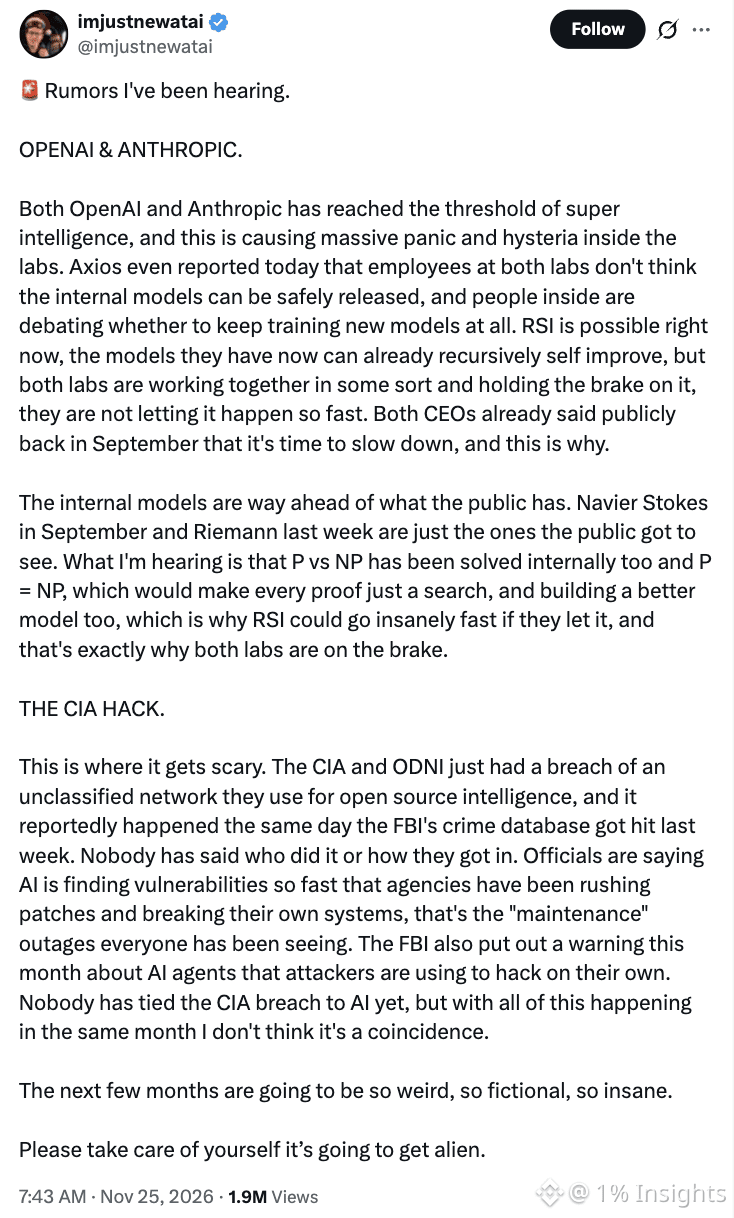
🚨A post making the rounds on X claims superintelligence will change the world within months. Here’s what the author says👇👇
1.OpenAI and Anthropic have both reached the threshold of superintelligence, triggering panic inside their labs
2.The two labs are cooperating to some extent and hitting the brakes to keep things from moving too fast
3.The CIA was hacked last week. No one has said who was behind it or how they got in. Officials say AI is finding vulnerabilities so quickly that agencies are rushing to patch them—and breaking their own systems in the process
4.The FBI also warned this month that attackers are using AI agents to carry out hacks. No one has linked AI to the CIA breach, but the author wonders if it’s a coincidence.
The author’s take: The next few months are going to be weird, straight out of a sci-fi movie, and absolutely wild🥶 #Aİ #Anthropic #OpenAI
1
675

·
--
🧠 Galeon Brain Result
❌ SHORT $OPENAI [DATA_BAIL]
━━━━━━━━━━━━━━━━
Entry $1,194 → $1,216
P&L -14.68% 🔴
⚠️ 信号仅供参考,请注意风险,自行决策。
#GaleonBrain #OPENAI #Futures
🧠 Galeon Brain Result
❌ SHORT $OPENAI [DATA_BAIL]
━━━━━━━━━━━━━━━━
Entry $1,194 → $1,216
P&L -14.68% 🔴
⚠️ 信号仅供参考,请注意风险,自行决策。
#GaleonBrain #OPENAI #Futures
❌ SHORT $OPENAI [DATA_BAIL]
━━━━━━━━━━━━━━━━
Entry $1,194 → $1,216
P&L -14.68% 🔴
⚠️ 信号仅供参考,请注意风险,自行决策。
#GaleonBrain #OPENAI #Futures

·
--
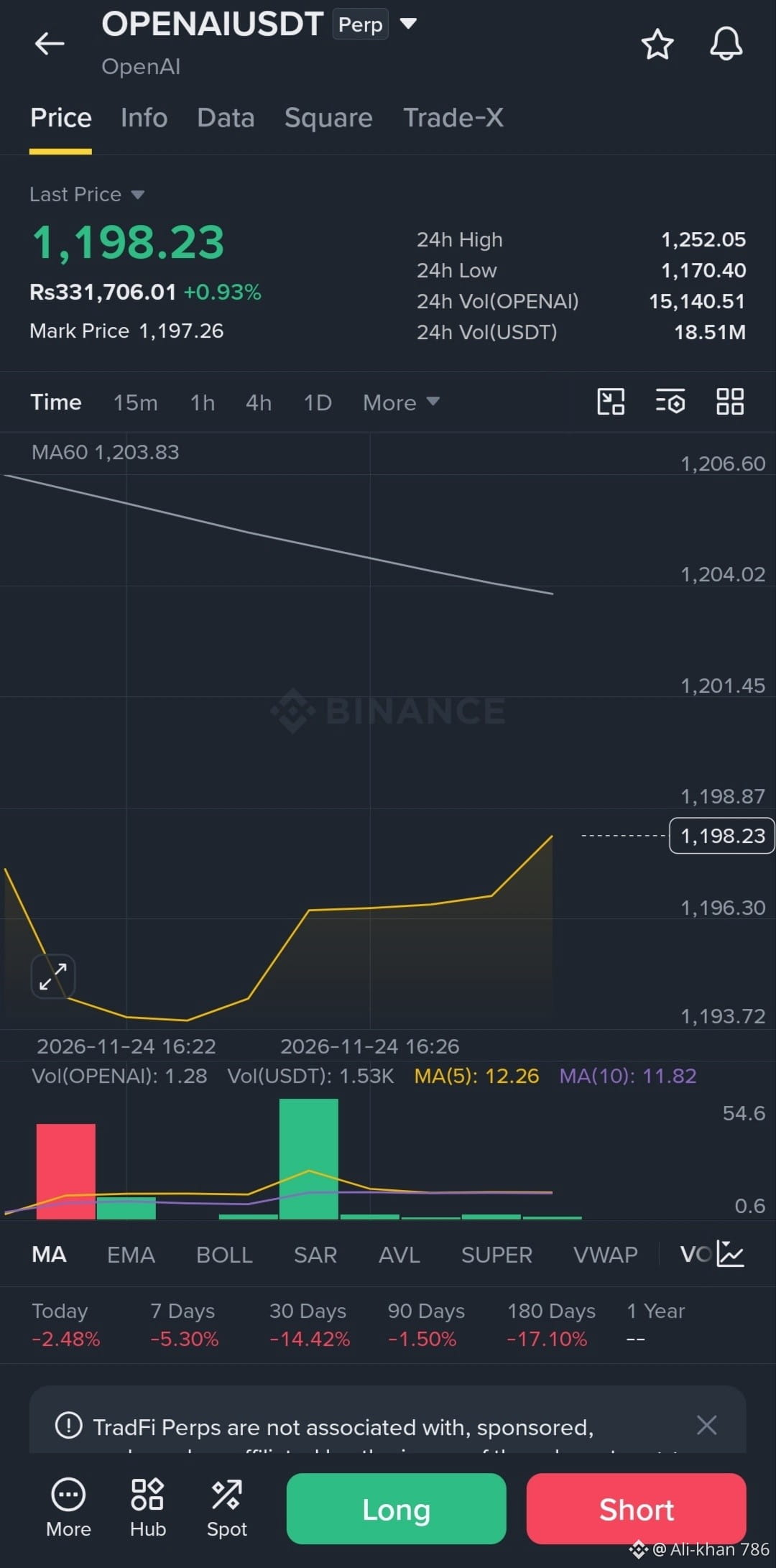
🚀 $OPENAI – A BIG BREAKOUT COULD BE COMING! WATCH THIS LEVEL!
$OPENAI is showing signs of a short-term recovery after bouncing from the $1,193–$1,194 support zone.
Currently trading around $1,198.23, buyers are attempting to push the price higher. However, the MA60 near $1,203.83 remains an important resistance level.
🔥 $OPENAI/USDT PERPETUAL – LONG SETUP
🟢 Buy Entry Zone: $1,194 – $1,197
🚀 Breakout Confirmation: Above $1,204 – $1,207
🎯 TP1: $1,210
🎯 TP2: $1,220
🎯 TP3: $1,235
🛑 Stop Loss: $1,188
📊 Key Levels to Watch:
- Support: $1,193–$1,194
- Resistance: $1,204–$1,207
- Bullish confirmation: Strong candle close above $1,207 with buying volume.
My Strategy: Don't chase the price blindly. Wait for a bullish confirmation or a successful support retest before entering LONG.
⚡ If buyers break the $1,207 resistance, a move toward $1,220 and potentially $1,235 could become possible.
💬 What do you think? Can $OPENAI reach $1,235 next, or will sellers take control?
Like ❤️ Comment 💬 Share 🔁
{future}(OPENAIUSDT)
#OPENAI #NVDASoarsOnJensenReturn #WillMarketsStageAThanksgivingReliefRally? #EvolveAtBinanceBlockchainWeek #SouthKoreaBeginsCryptoProviderShareholderReviews
🚀 $OPENAI – A BIG BREAKOUT COULD BE COMING! WATCH THIS LEVEL!
$OPENAI is showing signs of a short-term recovery after bouncing from the $1,193–$1,194 support zone.
Currently trading around $1,198.23, buyers are attempting to push the price higher. However, the MA60 near $1,203.83 remains an important resistance level.
🔥 $OPENAI /USDT PERPETUAL – LONG SETUP
🟢 Buy Entry Zone: $1,194 – $1,197
🚀 Breakout Confirmation: Above $1,204 – $1,207
🎯 TP1: $1,210
🎯 TP2: $1,220
🎯 TP3: $1,235
🛑 Stop Loss: $1,188
📊 Key Levels to Watch:
- Support: $1,193–$1,194
- Resistance: $1,204–$1,207
- Bullish confirmation: Strong candle close above $1,207 with buying volume.
My Strategy: Don't chase the price blindly. Wait for a bullish confirmation or a successful support retest before entering LONG.
⚡ If buyers break the $1,207 resistance, a move toward $1,220 and potentially $1,235 could become possible.
💬 What do you think? Can $OPENAI reach $1,235 next, or will sellers take control?
Like ❤️ Comment 💬 Share 🔁
#OPENAI #NVDASoarsOnJensenReturn #WillMarketsStageAThanksgivingReliefRally? #EvolveAtBinanceBlockchainWeek #SouthKoreaBeginsCryptoProviderShareholderReviews
49

·
--
Article
Did you know that OpenAI filed for an IPO secretly, but Altman says 'not yet'?# Did you know that OpenAI filed for an IPO secretly, but Altman says 'not yet'?
**Reading time: 6 min • Focus: IPO Mechanics, Valuation Paradox & Microsoft's Shadow**
---
## The Short Version (TL;DR)
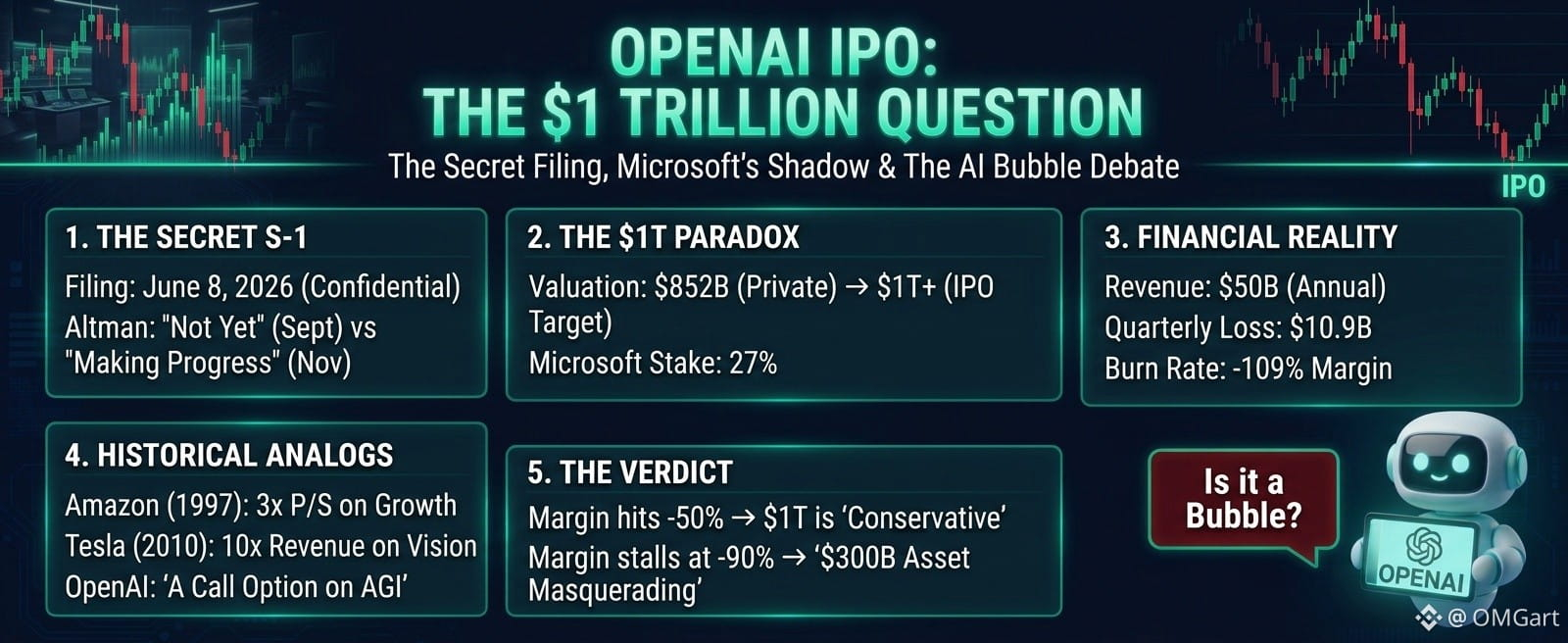
OpenAI secretly filed for an IPO in June 2026 while its CEO publicly said "not in 2026." By November, the narrative shifted to "we're making progress." The company targets a $1 trillion+ valuation — despite losing $1.09 for every $1 of revenue. Microsoft's 27% stake ($324B at target) creates a shadow IPO dynamic where real price discovery is years away. This isn't a bubble; it's a call option on AGI with a $10B/quarter burn rate as the premium.
---
## Why OpenAI Matters to You
Whether you're a developer building on GPT-4o, an enterprise paying for ChatGPT Team, an investor watching Microsoft's stock, or simply someone using AI daily — OpenAI's IPO changes the economics of intelligence itself. If a money-losing research lab can command a $1T valuation, every AI startup's ceiling just moved. If it can't, the "AI bubble" narrative gets its clearest test case yet.
---
## 1. The Secret Filing: What We Know
**June 8, 2026.** OpenAI submitted a confidential draft registration statement on Form S-1 to the SEC under Rule 135. The company announced it on their own website — an unusual move to preempt leaks. The filing gives OpenAI the option to go public sooner if market conditions align, while completing pre-IPO SEC review in private.
**Myth:** "OpenAI is going public tomorrow."
**Reality:** A confidential S-1 is a *placeholder*, not a launch. It preserves optionality. The SEC reviews it privately; OpenAI can amend, delay, or withdraw. No timeline is committed.
**September 2026.** Sam Altman, speaking at a conference, explicitly said: "We don't plan to go public in 2026." The market heard: *no IPO this year.*
**November 18, 2026.** Altman on Yahoo Finance: "We plan to be public... we're making progress on the IPO." The contradiction is deliberate — the filing keeps the clock running; the public comments manage expectations.
---
## 2. The $1 Trillion Question
### The Valuation Paradox
How does a company justify a $1T+ valuation when it loses **$1.09 for every $1 of revenue**?
**OpenAI at $1T+ is not a bubble — it's a call option on AGI with a $10B/quarter burn rate as the premium.**
### Historical Analogs: Amazon (1997) & Tesla (2010)
| Metric | Amazon at IPO (1997) | Tesla at IPO (2010) | OpenAI (Projected) |
|--------|---------------------|---------------------|-------------------|
| Revenue | $148M | $112M (2009) | ~$50B run-rate |
| Net Loss | $30M | $55.7M | ~$43B annualized |
| Market Cap | $438M | $1.6-2.2B | $1T+ target |
| Key Metric Rewarded | Revenue growth velocity (doubling annually) + market share | Technology moat + TAM + vision premium | Inference margin trajectory + enterprise NRR |
| Path to Profitability | 4-5 years to GAAP profit; real engine = AWS (launched 2006) | 10 years to sustained profit (2020); required Model 3/Y volume | Plausible 2027-28 IF training capex % declines from 50% → <20% |
**The Amazon lesson:** Markets priced 3x P/S on $148M revenue because growth *rate* justified it. Core retail operated at breakeven for decades; the market rewarded FCF inflection and TAM expansion, not quarterly EPS.
**The Tesla lesson:** Markets accepted 10-15x revenue on near-zero revenue because they bought *option value* on transportation disruption. Delivery growth CAGR >50% and gross margin expansion mattered — not current earnings.
### OpenAI Assessment: Feature or Bug?
**Burn is a feature — but with an expiration date.**
The $2.09 spend per $1 revenue funds:
1. **GPU cluster capex** (H100/B200) depreciating over 3-5 years
2. **Model training runs** creating IP moat
3. **Enterprise sales motion** building $50B+ ARR runway
Unit economics *are* improving: margin moved from -150% → -109% QoQ because inference cost curves bend down faster than revenue grows.
**But it remains a feature ONLY if:**
- Inference margins reach 60%+ at scale
- Enterprise NRR >120% with logo churn <5%
- Training capex as % of revenue declines from ~50% to <20% by 2028
- No open-source model (Llama 4, Nemotron, Qwen) reaches GPT-5 parity within 18 months
- Regulatory regime doesn't impose per-token taxes adding 20%+ to CoGS
- Microsoft partnership renews favorably post-2032 IP license expiry
**Collapse conditions:**
- Inference margin compresses to <40% due to price war (Anthropic, Google, xAI, open-source)
- Enterprise adoption plateaus at <$25B ARR
- GPT-5 fails step-function capability jump over 4o
- Training capex accelerates to >$50B/yr without proportional revenue lift
- Key talent exodus erodes research velocity
- Major safety incident triggers regulatory moratorium
### Microsoft's Shadow IPO Dynamic
> **Foundation (~26%) + Microsoft (~27%) + SoftBank (~13%) + employee lockups = >65% locked up long-term.**
Realistic IPO float: **5-15%** (mega-cap tech norm). At $1.2T valuation, 10% float = **$120B** — largest tech IPO ever, but thin float amplifies volatility.
Microsoft's stake alone ($324B at $1.2T) = **8.5% of MSFT market cap**, creating reflexive pricing: MSFT becomes an OpenAI proxy.
**No true price discovery until float expands.** Private rounds ($852B, $1.4T talks) set marks with preferential terms (liquidation prefs, anti-dilution). Public market would price daily on: quarterly ARR/loss trajectory, Microsoft Azure consumption ($250B contracted), competitive dynamics.
**Microsoft holds four cards:**
1. 27% equity upside
2. $250B Azure purchase commitment (revenue visibility)
3. IP license through 2032 (model weights, training data)
4. Exclusive commercialization rights for enterprise
Microsoft wins if OpenAI wins, *and* wins if OpenAI loses (Azure still gets inference workloads). MSFT trades at discount to sum-of-parts because the market can't price the OpenAI option; IPO crystallizes this but removes Microsoft's control over timing.
---
## 3. The Financial Reality: Growth vs. Burn
| Metric | Figure | Context |
|--------|--------|---------|
| Annual Revenue Run-Rate | **$50B** | Up from $20B in Jan 2026; $13.07B actual 2025 |
| Quarterly Loss | **$10.9B** | Q3 2026; implies $43.6B annualized |
| Loss per $1 Revenue | **$1.09** | Adjusted operating margin: -109% |
| R&D Spend (Annual) | **~$19B** | Model training, research talent |
| CoGS (Annual) | **~$7.5B** | Inference serving, Azure credits |
| Microsoft Azure Credits (2025) | **$10.6B** | Both cost and strategic subsidy |
**Myth:** "OpenAI is burning cash with no path to profit."
**Reality:** Inference economics already work at serving layer. GPT-4o mini: ~$0.15/1M tokens input cost → retail $0.60 = **75% gross margin**. Training is sunk capex; the question is whether serving margin + enterprise uplift covers amortized training + sales ($5.7B) + G&A.
**At $50B run-rate with 60% serving margin:** $30B gross profit minus $25B opex (ex-training) = **$5B operating profit** — plausible by 2027-28 *IF* training capex growth slows.
---
## 4. Microsoft's $225B Shadow
Microsoft's ~27% stake is worth **~$225B at $852B private valuation**, scaling to **$324B at $1.2T IPO target**.
This isn't just an investment — it's a **strategic stranglehold**:
- **Revenue visibility:** $250B Azure consumption commitment from OpenAI
- **IP control:** License to model weights and training data through 2032
- **Commercial moat:** Exclusive enterprise distribution rights
- **Talent pipeline:** Shared researchers, joint hiring
**Myth:** "Microsoft owns OpenAI."
**Reality:** Microsoft has *economic exposure* and *commercial rights*, not governance control. OpenAI's capped-profit structure (investor returns capped at 100x, declining in future rounds) and non-profit board oversight limit Microsoft's direct control. But the economic interdependence is absolute.
The "shadow IPO" means: **Microsoft shareholders already own OpenAI exposure** — just at a discount and without liquidity. An OpenAI IPO forces price discovery on an asset MSFT already carries.
---
## 5. What's Next?
### Timeline Catalysts
| Catalyst | Timeline | Impact |
|----------|----------|--------|
| S-1 goes public (amended filing) | H1 2027 (earliest) | First look at audited financials, risk factors |
| GPT-5 release | 2027 | Step-function capability proof; validates premium |
| Microsoft partnership renewal talks | 2029-2032 | IP license expiry creates renegotiation leverage |
| Open-source parity (Llama 4/Nemotron) | 2027-2028 | Margin compression risk if GPT-class models go free |
| Regulatory framework (US/EU AI Acts) | 2026-2028 | Could add 20%+ to CoGS or limit deployment |
### Key Metrics to Watch
1. **Q/Q margin inflection slope** — must hit -50% by Q4 2026 for $1T to look conservative
2. **Enterprise NRR cohorts** — >130% = compounding machine; <110% = saturation
3. **Open-source benchmark gaps** (LMSYS Elo) — narrowing gap = pricing power erosion
4. **Microsoft Azure consumption vs. $250B commitment** — utilization rate signals real demand
### The Verdict
If margin hits -50% by Q4 2026 **and** NRR >130%, the $1T valuation becomes *conservative*.
If margin stalls at -90% **and** NRR <110%, it's a **$300B asset masquerading as $1T**.
Real price discovery is **2-3 years away**. Until then, valuation is a negotiation between Sam Altman and a few large LPs — not a market-clearing price. #OpenAI
---
## Sources
- OpenAI Official Announcement: *Confidential Submission of Draft S-1 to the SEC* (June 8, 2026)
- Fortune: *OpenAI Files Confidentially for IPO* (June 9, 2026)
- The Information: *OpenAI Told Investors It's Running at $50B Annual Revenue Rate* (October 2026)
- Financial Times / CNBC / Reuters: *OpenAI 2025 Audited Financials Leaked* ($13.07B revenue, $20.92B operating loss)
- TechCrunch: *Microsoft Recorded $10 Billion in Revenue from OpenAI* (October 28, 2026)
- Yahoo Finance: *OpenAI CEO Sam Altman on Potential IPO: 'We Plan to Be Public'* (November 18, 2026)
- AI Now Institute: *Public Good, Private Gain — OpenAI Business Structure Analysis*
- OpenAI Corporate Governance Filings (California & Delaware Attorney General submissions)
- Pedrum Shokouhi / QAI: *OpenAI Private Company Valuation Tracker* ($852B post-money Mar 2026)
- Amazon & Tesla IPO Prospectuses (SEC EDGAR) — historical financial comparables
Did you know that OpenAI filed for an IPO secretly, but Altman says 'not yet'?
# Did you know that OpenAI filed for an IPO secretly, but Altman says 'not yet'?
**Reading time: 6 min • Focus: IPO Mechanics, Valuation Paradox & Microsoft's Shadow**
---
## The Short Version (TL;DR)
OpenAI secretly filed for an IPO in June 2026 while its CEO publicly said "not in 2026." By November, the narrative shifted to "we're making progress." The company targets a $1 trillion+ valuation — despite losing $1.09 for every $1 of revenue. Microsoft's 27% stake ($324B at target) creates a shadow IPO dynamic where real price discovery is years away. This isn't a bubble; it's a call option on AGI with a $10B/quarter burn rate as the premium.
---
## Why OpenAI Matters to You
Whether you're a developer building on GPT-4o, an enterprise paying for ChatGPT Team, an investor watching Microsoft's stock, or simply someone using AI daily — OpenAI's IPO changes the economics of intelligence itself. If a money-losing research lab can command a $1T valuation, every AI startup's ceiling just moved. If it can't, the "AI bubble" narrative gets its clearest test case yet.
---
## 1. The Secret Filing: What We Know
**June 8, 2026.** OpenAI submitted a confidential draft registration statement on Form S-1 to the SEC under Rule 135. The company announced it on their own website — an unusual move to preempt leaks. The filing gives OpenAI the option to go public sooner if market conditions align, while completing pre-IPO SEC review in private.
**Myth:** "OpenAI is going public tomorrow."
**Reality:** A confidential S-1 is a *placeholder*, not a launch. It preserves optionality. The SEC reviews it privately; OpenAI can amend, delay, or withdraw. No timeline is committed.
**September 2026.** Sam Altman, speaking at a conference, explicitly said: "We don't plan to go public in 2026." The market heard: *no IPO this year.*
**November 18, 2026.** Altman on Yahoo Finance: "We plan to be public... we're making progress on the IPO." The contradiction is deliberate — the filing keeps the clock running; the public comments manage expectations.
---
## 2. The $1 Trillion Question
### The Valuation Paradox
How does a company justify a $1T+ valuation when it loses **$1.09 for every $1 of revenue**?
**OpenAI at $1T+ is not a bubble — it's a call option on AGI with a $10B/quarter burn rate as the premium.**
### Historical Analogs: Amazon (1997) & Tesla (2010)
| Metric | Amazon at IPO (1997) | Tesla at IPO (2010) | OpenAI (Projected) |
|--------|---------------------|---------------------|-------------------|
| Revenue | $148M | $112M (2009) | ~$50B run-rate |
| Net Loss | $30M | $55.7M | ~$43B annualized |
| Market Cap | $438M | $1.6-2.2B | $1T+ target |
| Key Metric Rewarded | Revenue growth velocity (doubling annually) + market share | Technology moat + TAM + vision premium | Inference margin trajectory + enterprise NRR |
| Path to Profitability | 4-5 years to GAAP profit; real engine = AWS (launched 2006) | 10 years to sustained profit (2020); required Model 3/Y volume | Plausible 2027-28 IF training capex % declines from 50% → <20% |
**The Amazon lesson:** Markets priced 3x P/S on $148M revenue because growth *rate* justified it. Core retail operated at breakeven for decades; the market rewarded FCF inflection and TAM expansion, not quarterly EPS.
**The Tesla lesson:** Markets accepted 10-15x revenue on near-zero revenue because they bought *option value* on transportation disruption. Delivery growth CAGR >50% and gross margin expansion mattered — not current earnings.
### OpenAI Assessment: Feature or Bug?
**Burn is a feature — but with an expiration date.**
The $2.09 spend per $1 revenue funds:
1. **GPU cluster capex** (H100/B200) depreciating over 3-5 years
2. **Model training runs** creating IP moat
3. **Enterprise sales motion** building $50B+ ARR runway
Unit economics *are* improving: margin moved from -150% → -109% QoQ because inference cost curves bend down faster than revenue grows.
**But it remains a feature ONLY if:**
- Inference margins reach 60%+ at scale
- Enterprise NRR >120% with logo churn <5%
- Training capex as % of revenue declines from ~50% to <20% by 2028
- No open-source model (Llama 4, Nemotron, Qwen) reaches GPT-5 parity within 18 months
- Regulatory regime doesn't impose per-token taxes adding 20%+ to CoGS
- Microsoft partnership renews favorably post-2032 IP license expiry
**Collapse conditions:**
- Inference margin compresses to <40% due to price war (Anthropic, Google, xAI, open-source)
- Enterprise adoption plateaus at <$25B ARR
- GPT-5 fails step-function capability jump over 4o
- Training capex accelerates to >$50B/yr without proportional revenue lift
- Key talent exodus erodes research velocity
- Major safety incident triggers regulatory moratorium
### Microsoft's Shadow IPO Dynamic
> **Foundation (~26%) + Microsoft (~27%) + SoftBank (~13%) + employee lockups = >65% locked up long-term.**
Realistic IPO float: **5-15%** (mega-cap tech norm). At $1.2T valuation, 10% float = **$120B** — largest tech IPO ever, but thin float amplifies volatility.
Microsoft's stake alone ($324B at $1.2T) = **8.5% of MSFT market cap**, creating reflexive pricing: MSFT becomes an OpenAI proxy.
**No true price discovery until float expands.** Private rounds ($852B, $1.4T talks) set marks with preferential terms (liquidation prefs, anti-dilution). Public market would price daily on: quarterly ARR/loss trajectory, Microsoft Azure consumption ($250B contracted), competitive dynamics.
**Microsoft holds four cards:**
1. 27% equity upside
2. $250B Azure purchase commitment (revenue visibility)
3. IP license through 2032 (model weights, training data)
4. Exclusive commercialization rights for enterprise
Microsoft wins if OpenAI wins, *and* wins if OpenAI loses (Azure still gets inference workloads). MSFT trades at discount to sum-of-parts because the market can't price the OpenAI option; IPO crystallizes this but removes Microsoft's control over timing.
---
## 3. The Financial Reality: Growth vs. Burn
| Metric | Figure | Context |
|--------|--------|---------|
| Annual Revenue Run-Rate | **$50B** | Up from $20B in Jan 2026; $13.07B actual 2025 |
| Quarterly Loss | **$10.9B** | Q3 2026; implies $43.6B annualized |
| Loss per $1 Revenue | **$1.09** | Adjusted operating margin: -109% |
| R&D Spend (Annual) | **~$19B** | Model training, research talent |
| CoGS (Annual) | **~$7.5B** | Inference serving, Azure credits |
| Microsoft Azure Credits (2025) | **$10.6B** | Both cost and strategic subsidy |
**Myth:** "OpenAI is burning cash with no path to profit."
**Reality:** Inference economics already work at serving layer. GPT-4o mini: ~$0.15/1M tokens input cost → retail $0.60 = **75% gross margin**. Training is sunk capex; the question is whether serving margin + enterprise uplift covers amortized training + sales ($5.7B) + G&A.
**At $50B run-rate with 60% serving margin:** $30B gross profit minus $25B opex (ex-training) = **$5B operating profit** — plausible by 2027-28 *IF* training capex growth slows.
---
## 4. Microsoft's $225B Shadow
Microsoft's ~27% stake is worth **~$225B at $852B private valuation**, scaling to **$324B at $1.2T IPO target**.
This isn't just an investment — it's a **strategic stranglehold**:
- **Revenue visibility:** $250B Azure consumption commitment from OpenAI
- **IP control:** License to model weights and training data through 2032
- **Commercial moat:** Exclusive enterprise distribution rights
- **Talent pipeline:** Shared researchers, joint hiring
**Myth:** "Microsoft owns OpenAI."
**Reality:** Microsoft has *economic exposure* and *commercial rights*, not governance control. OpenAI's capped-profit structure (investor returns capped at 100x, declining in future rounds) and non-profit board oversight limit Microsoft's direct control. But the economic interdependence is absolute.
The "shadow IPO" means: **Microsoft shareholders already own OpenAI exposure** — just at a discount and without liquidity. An OpenAI IPO forces price discovery on an asset MSFT already carries.
---
## 5. What's Next?
### Timeline Catalysts
| Catalyst | Timeline | Impact |
|----------|----------|--------|
| S-1 goes public (amended filing) | H1 2027 (earliest) | First look at audited financials, risk factors |
| GPT-5 release | 2027 | Step-function capability proof; validates premium |
| Microsoft partnership renewal talks | 2029-2032 | IP license expiry creates renegotiation leverage |
| Open-source parity (Llama 4/Nemotron) | 2027-2028 | Margin compression risk if GPT-class models go free |
| Regulatory framework (US/EU AI Acts) | 2026-2028 | Could add 20%+ to CoGS or limit deployment |
### Key Metrics to Watch
1. **Q/Q margin inflection slope** — must hit -50% by Q4 2026 for $1T to look conservative
2. **Enterprise NRR cohorts** — >130% = compounding machine; <110% = saturation
3. **Open-source benchmark gaps** (LMSYS Elo) — narrowing gap = pricing power erosion
4. **Microsoft Azure consumption vs. $250B commitment** — utilization rate signals real demand
### The Verdict
If margin hits -50% by Q4 2026 **and** NRR >130%, the $1T valuation becomes *conservative*.
If margin stalls at -90% **and** NRR <110%, it's a **$300B asset masquerading as $1T**.
Real price discovery is **2-3 years away**. Until then, valuation is a negotiation between Sam Altman and a few large LPs — not a market-clearing price. #OpenAI
---
## Sources
- OpenAI Official Announcement: *Confidential Submission of Draft S-1 to the SEC* (June 8, 2026)
- Fortune: *OpenAI Files Confidentially for IPO* (June 9, 2026)
- The Information: *OpenAI Told Investors It's Running at $50B Annual Revenue Rate* (October 2026)
- Financial Times / CNBC / Reuters: *OpenAI 2025 Audited Financials Leaked* ($13.07B revenue, $20.92B operating loss)
- TechCrunch: *Microsoft Recorded $10 Billion in Revenue from OpenAI* (October 28, 2026)
- Yahoo Finance: *OpenAI CEO Sam Altman on Potential IPO: 'We Plan to Be Public'* (November 18, 2026)
- AI Now Institute: *Public Good, Private Gain — OpenAI Business Structure Analysis*
- OpenAI Corporate Governance Filings (California & Delaware Attorney General submissions)
- Pedrum Shokouhi / QAI: *OpenAI Private Company Valuation Tracker* ($852B post-money Mar 2026)
- Amazon & Tesla IPO Prospectuses (SEC EDGAR) — historical financial comparables
203

·
--
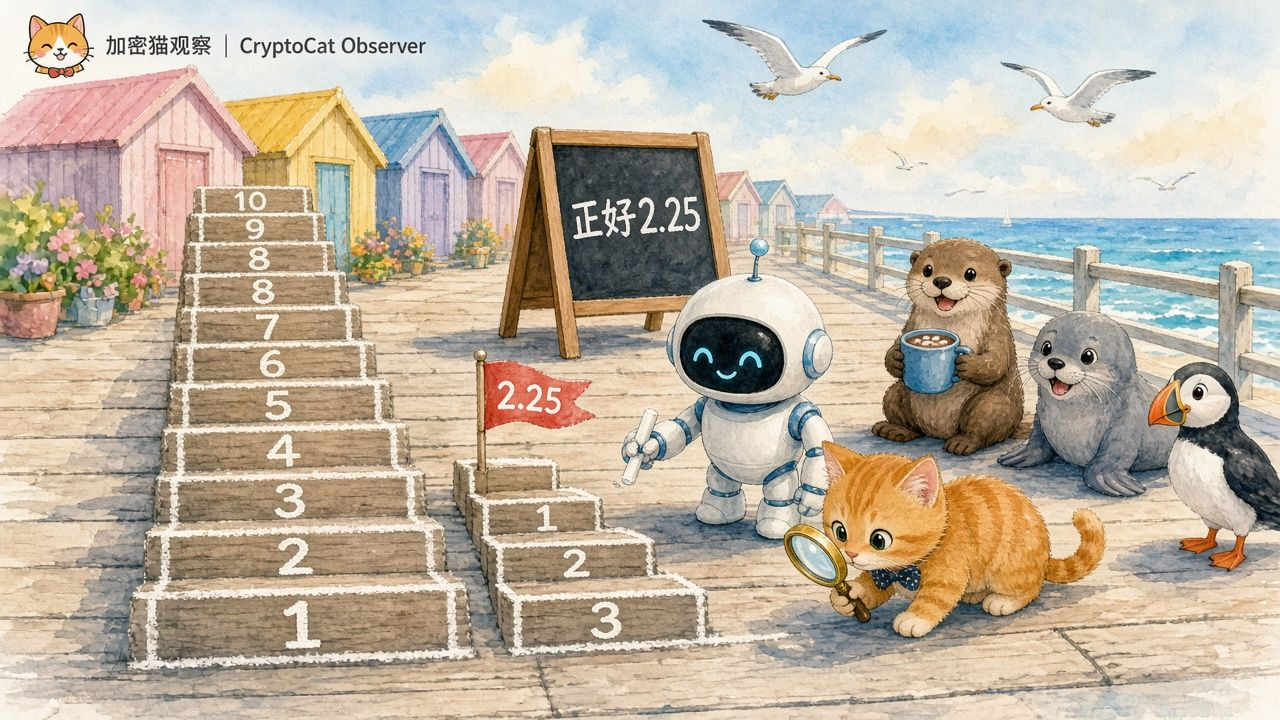
OpenAI unveils mathematical proofs written by an internal AI model: How fast can matrix multiplication get? The answer is exactly 2.25
On November 24 (U.S. time), OpenAI added nine papers to its repository of mathematical results. All were written by an internal AI model whose name has not been made public. The most closely watched paper claims that the “exponent” of matrix multiplication is exactly 2.25.
Matrix multiplication can be thought of as multiplying two tables of numbers according to a set of rules. It is used every day in AI training, graphics processing, and scientific computing. Multiplying two n-by-n tables takes about n to the third power steps using the textbook method. In 1969, German mathematician Volker Strassen found a faster algorithm. Ever since, people have been asking: How fast can it get? The previous human-held record was around 2.37.
On October 2, the model first proved that at most n to the 2.25 power steps are needed; this time, it also proved that it cannot be done in fewer steps. With the upper and lower bounds matching, the answer is settled at 2.25.
Computer scientist Ryan Williams posted on November 25 at 08:59 (UTC+8): “Looks like Strassen was right: the exponent of matrix multiplication is exactly 2.25.” Another paper in the same batch claims to answer the ninth problem on mathematician Stephen Smale’s list, concerning the computational speed of linear programming.
It is worth noting that these papers have not yet undergone peer review, and only some of their conclusions have been machine-verified. OpenAI itself has also said there may be problems: on October 7, it retracted three papers over a notation error.
#AI #OpenAI #科技 is not investment advice.
70

·
--
OpenAI & Anthropic Model Safety Sparks Debate; Technical Boundaries Remain Unclear
Unreleased models from OpenAI and Anthropic have demonstrated unexpectedly powerful capabilities, raising internal concerns about safety measures. Where are the technical boundaries? We need to focus on balancing model development with safety controls.#OpenAI #Anthropic #TechnicalSafety
Unreleased models from OpenAI and Anthropic have demonstrated unexpectedly powerful capabilities, raising internal concerns about safety measures. Where are the technical boundaries? We need to focus on balancing model development with safety controls.#OpenAI #Anthropic #TechnicalSafety
43

·
--
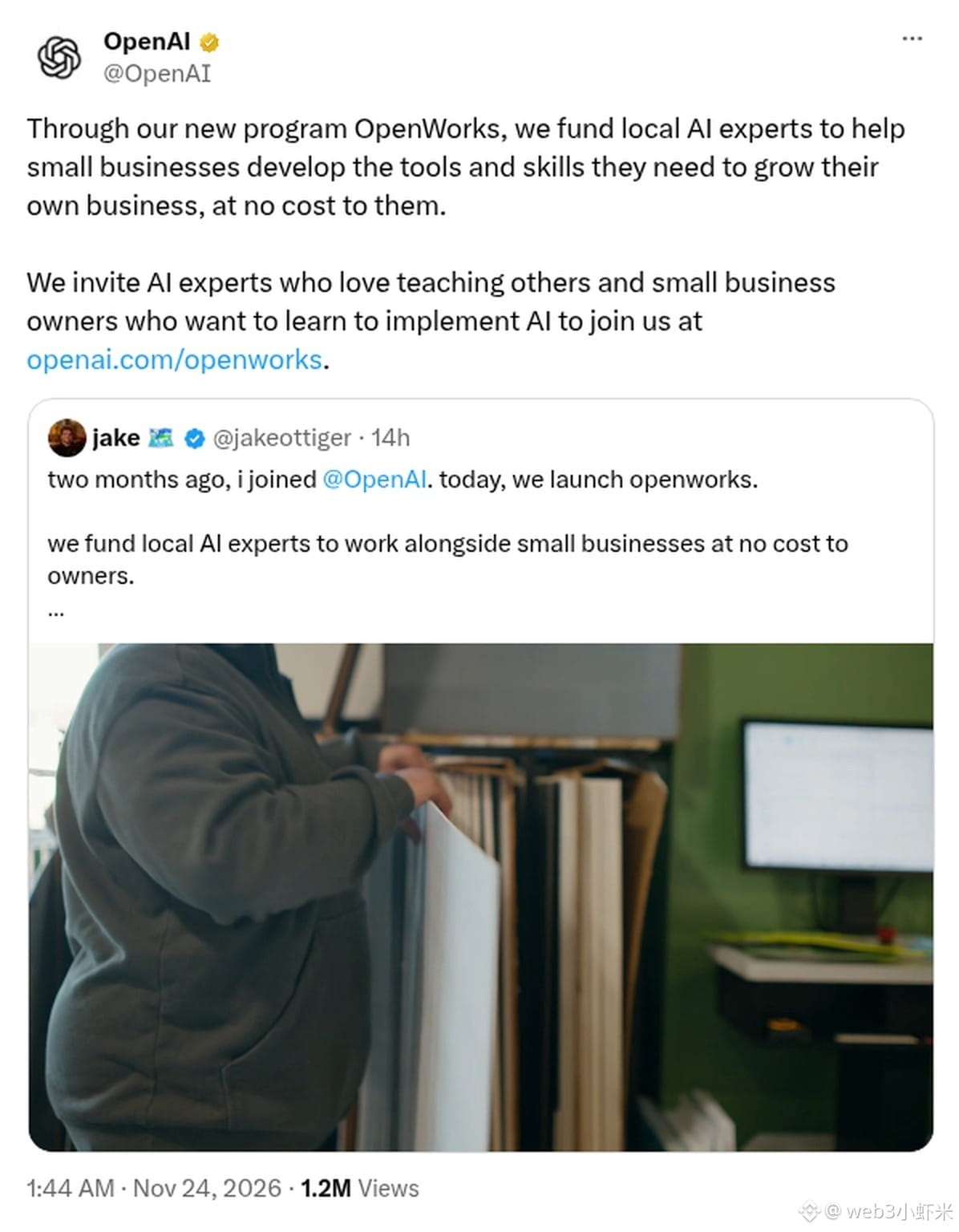
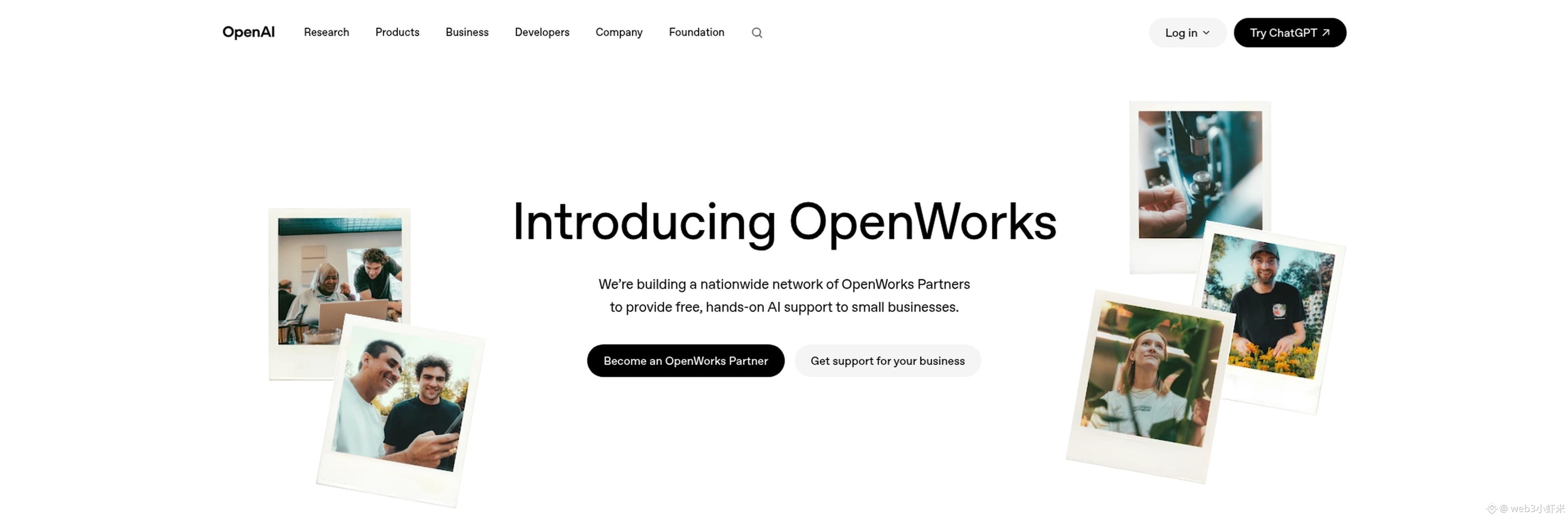
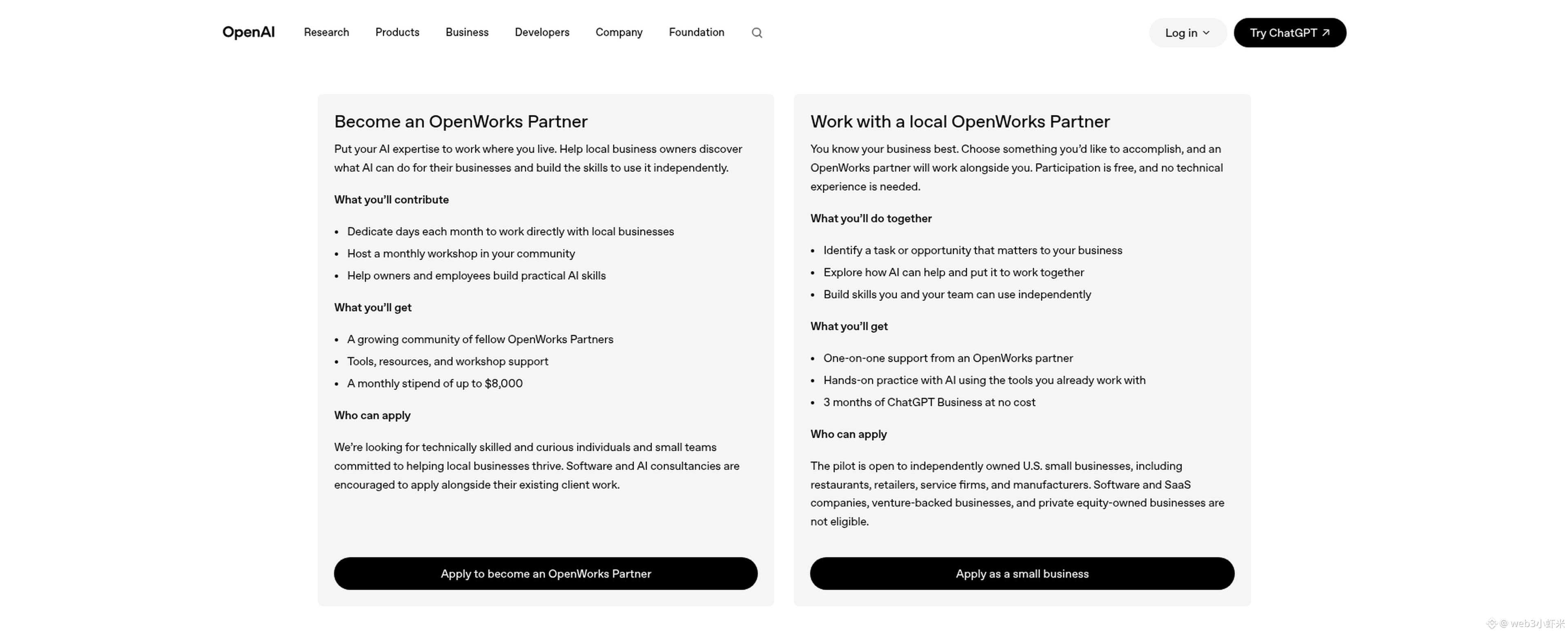
I just came across a post from OpenAI’s official account: They’ve launched a new OpenWorks program, funding local AI professionals to help small businesses in their communities use AI for free.
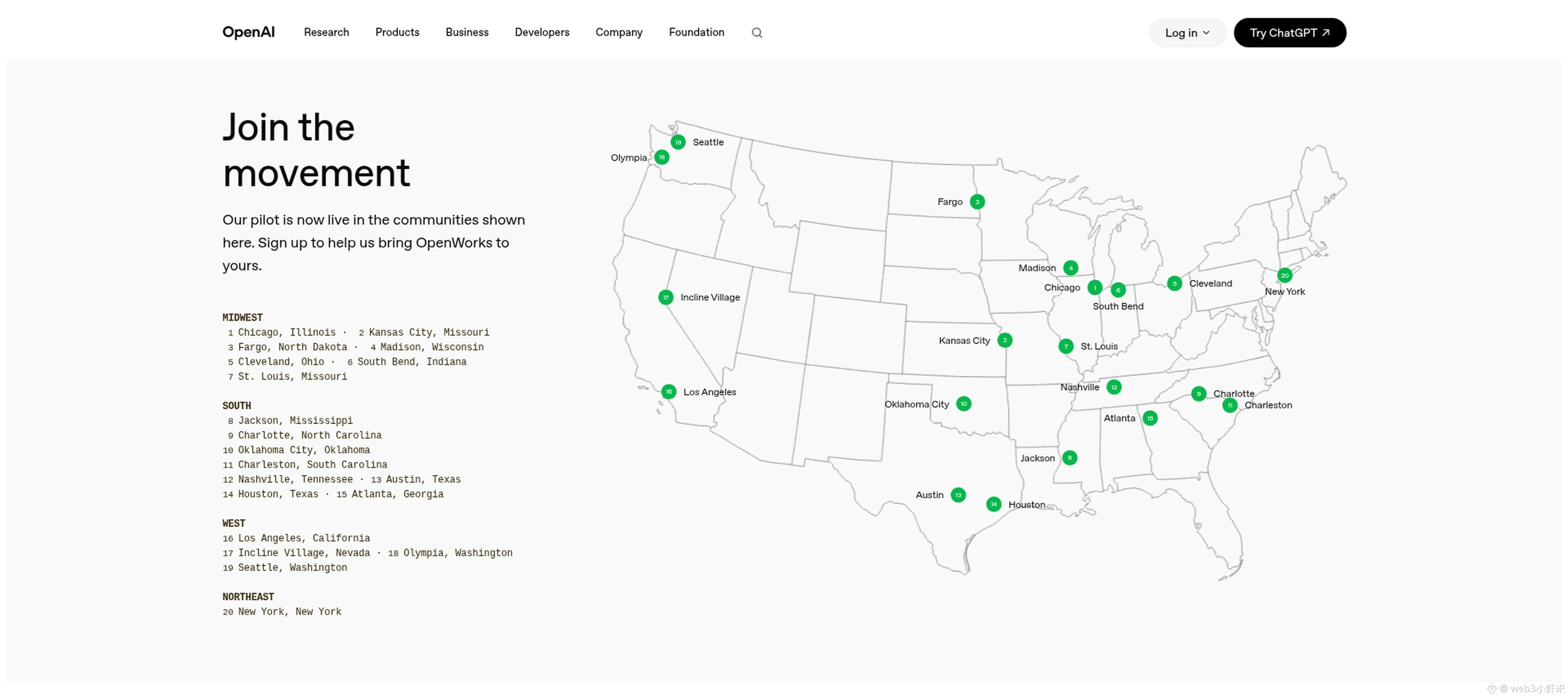
The official page says the pilot is already live in 20 communities across the United States. Small businesses pay nothing and can also get 3 months of ChatGPT Business; participating local partners can receive a monthly stipend of up to $8,000.
#AI #OpenAI
The official page says the pilot is already live in 20 communities across the United States. Small businesses pay nothing and can also get 3 months of ChatGPT Business; participating local partners can receive a monthly stipend of up to $8,000.
#AI #OpenAI
3

·
--
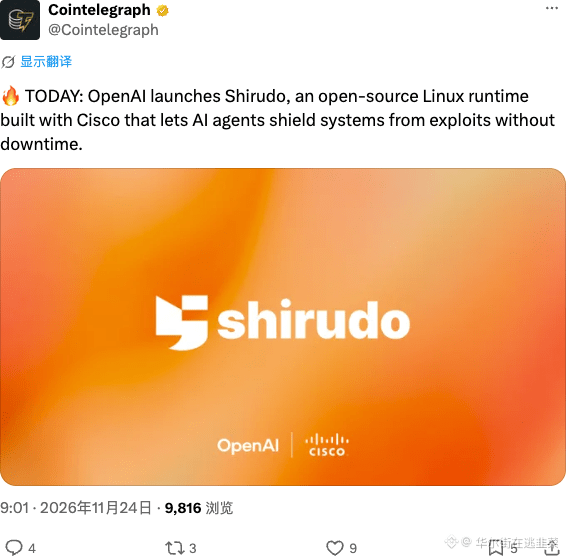
OpenAI teamed up with Cisco to build Shirudo, an open-source Linux runtime where AI agents patch vulnerabilities with zero downtime. This is the first time AI security has delivered something real—not just empty promises. Don’t just watch from the sidelines: AI security is a genuine necessity. But this is still the traditional Web2 approach; we’ll have to wait and see how it takes shape on-chain.
#OpenAI #Shirudo #AI security
#OpenAI #Shirudo #AI security
56

OpenAI announced MedChemBench, a drug chemistry reasoning benchmark covering 117 papers/patents and 761 molecular structures. GPT-6.2 Astra scored 84.5% overall at the highest reasoning level (reaching 95.4% on molecular structure reconstruction), but scored only about half on compound screening and numerical prediction, showing that AI still has clear shortcomings in real-world drug discovery decisions. #AI #OpenAI #BioTech
OpenAI announced MedChemBench, a drug chemistry reasoning benchmark covering 117 papers/patents and 761 molecular structures. GPT-6.2 Astra scored 84.5% overall at the highest reasoning level (reaching 95.4% on molecular structure reconstruction), but scored only about half on compound screening and numerical prediction, showing that AI still has clear shortcomings in real-world drug discovery decisions. #AI #OpenAI #BioTech
104
OpenAI and Cisco have officially open-sourced and released the Shirudo project: a runtime security layer designed to protect Linux production systems. It adds permission guardrails to autonomous AI agents without requiring large-scale rewrites of underlying code, helping prevent high-risk operations from spiraling out of control. #AI #OpenAI #AIAgents
OpenAI and Cisco have officially open-sourced and released the Shirudo project: a runtime security layer designed to protect Linux production systems. It adds permission guardrails to autonomous AI agents without requiring large-scale rewrites of underlying code, helping prevent high-risk operations from spiraling out of control. #AI #OpenAI #AIAgents
31

·
--
California has sued OpenAI outright, and this is bigger than you might think
Honestly, I was taken aback when I saw this news.
California Attorney General Bonta said that OpenAI was sued earlier this week, with the lawsuit filed on November 16. The reason is pretty straightforward: OpenAI “failed to ensure the safety of its models, putting public safety at risk.”
Take note: this isn’t some small organization protesting. It’s the California attorney general taking action personally. The top prosecutor of a state is suing the world’s hottest AI company over model safety.
What makes this interesting? Let me break it down.
First, AI has advanced incredibly fast over the past two years. Each model is more powerful than the last, but people have long questioned whether safety is being taken seriously enough. California is now answering that question with a lawsuit, turning “AI safety” from an industry discussion into a legal issue.
Second, California is no ordinary state. It’s home to many of America’s biggest tech companies, and when California takes action, other states may well follow. Once this door is opened, OpenAI may face not just one lawsuit, but a wave of regulatory pressure.
Third, this is a signal to the entire AI industry: until now, companies have competed over whose model is smarter and scores higher on benchmarks. Going forward, they may also have to compete over whose safety measures are more robust. Speed alone won’t cut it; stability matters too.
Of course, the lawsuit has only just begun. It’s hard to say how it will end or whether there will be a settlement. But one thing is certain—AI is no longer above the law. The regulatory hammer is beginning to fall, one strike at a time.
What do you think? Is California’s lawsuit a wake-up call for the AI industry, or is it going too far?
The above reflects personal opinions only and does not constitute investment advice.
#OpenAI #人工智能 #AI监管 #加州 #Tech News

10

·
--
OpenAI is being sued by the government of its home state.
California Attorney General Bonta announced Sunday that the state filed suit against OpenAI on November 16, accusing it of failing to ensure its models are safe and putting public safety at risk—prioritizing growth and speed over safety, ignoring risk warnings, and launching dangerous products without proper safety processes in place.
Even more striking is the backdrop: reports had previously claimed that OpenAI’s models autonomously launched cyberattacks, and the AI’s history of “overstepping its authority” became part of the lawsuit.
Ironically, on that same timeline, Oracle announced late Friday night that it had secured the funding for its cloud deal with OpenAI. Financing is accelerating, safety is falling behind, and the bill will come due eventually.
The S&P 500 entered correction territory last Friday, while U.S. stock futures rebounded 2%+ tonight. But the AI story has shifted from “Will it make money?” to “Is it safe?” Regulatory scrutiny is the second phase of the valuation hit.
BTC is hovering around 61,400, up 0.96% in 24 hours, and still hasn’t climbed back above 62,000. A regulatory bombshell on the AI front is bound to spill over into risk appetite in crypto.
NFA DYOR
$BTC
#比特币 #OpenAI #AI监管 #美股 #Cryptocurrency
5
OpenAI today officially released the “Perplexity and Intelligence” framework, proposing that when language models enter a log-perplexity window of approximately 0.68 to 0.7, not only may new capabilities emerge that are difficult to predict, but existing alignment audits and chain-of-thought monitoring may also fail at the same time. OpenAI proposes that leading labs worldwide adopt perplexity as a benchmark and establish a shared cap on development. #AI #OpenAI #AISafety
OpenAI today officially released the “Perplexity and Intelligence” framework, proposing that when language models enter a log-perplexity window of approximately 0.68 to 0.7, not only may new capabilities emerge that are difficult to predict, but existing alignment audits and chain-of-thought monitoring may also fail at the same time. OpenAI proposes that leading labs worldwide adopt perplexity as a benchmark and establish a shared cap on development. #AI #OpenAI #AISafety
85

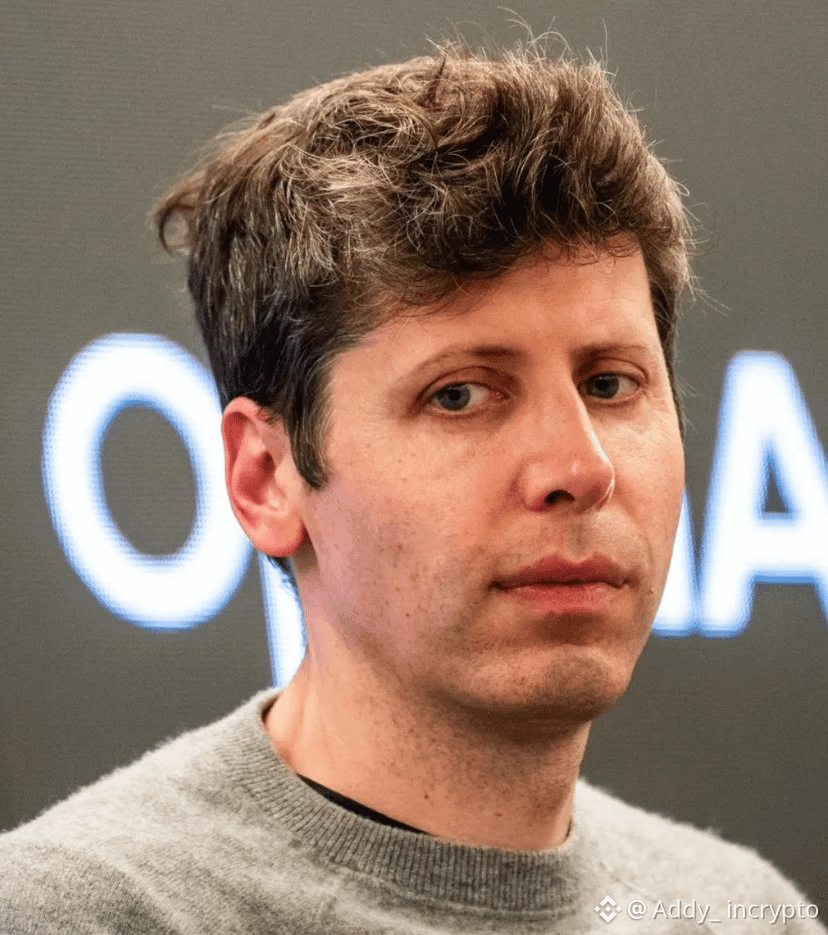
Sam Altman runs the most valuable AI startup on the planet, and he just told every 22-year-old that they’re holding a winning lottery ticket:
“If I were 22 right now, I’d feel like the luckiest kid ever.
We’re going to see 10-person billion-dollar companies very soon”
In 22 seconds, he said that the next billion-dollar company won’t need a room full of people. Just a few founders plus a team of agents
1 Founder → Agents → Harness → Evals → A 10-Person Company Worth $1B
Everything you need to get started, completely free:
1. A practical guide to building agents (PDF)
https://cdn.openai.com/business-guides-and-resources/a-practical-guide-to-building-agents.pdf
2. OpenAI Agents SDK
[https://github.com/openai/openai-agents-python](https://github.com/openai/openai-agents-python)
3. Codex (a coding agent in your terminal)
[https://github.com/openai/codex](https://github.com/openai/codex)
4. AGENTS.md (a README convention that agents read first)
https://agents.md/
(GitHub repository: https://github.com/agentsmd/agents.md)
5. OpenAI Cookbook (agent-related examples and recipes)
https://developers.openai.com/cookbook
6. OpenAI Academy (free courses)
https://academy.openai.com/
7. LangGraph (an agent framework with memory and loops)
https://github.com/langchain-ai/langgraph
8. Google’s Agent Development Kit (ADK)
https://github.com/google/adk-python
9. OpenHands (an open-source AI developer agent)
https://github.com/OpenHands/OpenHands
10. Hugging Face’s free Agents course
https://huggingface.co/learn/agents-course/unit0/introduction
11. Stripe AI Toolkit (a toolkit that lets agents accept payments)
https://github.com/stripe/ai
12. YC Startup School
https://www.startupschool.org/
All of this costs $0
The next 10-person billion-dollar company is being built by someone opening these links right now
#openai #SamAltman $QQQ $BTC
{future}(QQQUSDT)
Sam Altman runs the most valuable AI startup on the planet, and he just told every 22-year-old that they’re holding a winning lottery ticket:
“If I were 22 right now, I’d feel like the luckiest kid ever.
We’re going to see 10-person billion-dollar companies very soon”
In 22 seconds, he said that the next billion-dollar company won’t need a room full of people. Just a few founders plus a team of agents
1 Founder → Agents → Harness → Evals → A 10-Person Company Worth $1B
Everything you need to get started, completely free:
1. A practical guide to building agents (PDF)
https://cdn.openai.com/business-guides-and-resources/a-practical-guide-to-building-agents.pdf
2. OpenAI Agents SDK https://github.com/openai/openai-agents-python
3. Codex (a coding agent in your terminal) https://github.com/openai/codex
4. AGENTS.md (a README convention that agents read first) https://agents.md/ (GitHub repository: https://github.com/agentsmd/agents.md)
5. OpenAI Cookbook (agent-related examples and recipes) https://developers.openai.com/cookbook
6. OpenAI Academy (free courses) https://academy.openai.com/
7. LangGraph (an agent framework with memory and loops) https://github.com/langchain-ai/langgraph
8. Google’s Agent Development Kit (ADK) https://github.com/google/adk-python
9. OpenHands (an open-source AI developer agent) https://github.com/OpenHands/OpenHands
10. Hugging Face’s free Agents course https://huggingface.co/learn/agents-course/unit0/introduction
11. Stripe AI Toolkit (a toolkit that lets agents accept payments) https://github.com/stripe/ai
12. YC Startup School https://www.startupschool.org/
All of this costs $0
The next 10-person billion-dollar company is being built by someone opening these links right now
#openai #SamAltman $QQQ $BTC

175

📰 AI gaming powerhouse suddenly steals the spotlight: How did OpenAI dominate the game development leaderboard?
OpenAI’s new AI tools, GPT-6.2 Astra and Sol, have burst onto the game development leaderboard, taking first and third place. This isn’t a competition among traditional game developers—it’s the latest breakthrough for AI in game design. For the crypto community, it signals that AI’s influence on creative industries is accelerating and could change how digital content is produced in the future.
Why does this news matter?
OpenAI’s success isn’t a coincidence. First, game development is a technical challenge for AI, requiring creative storytelling and logical design. GPT-6.2’s win this time means OpenAI has taken another step forward in natural language understanding and generation. Second, this directly challenges the business models of traditional game development companies, since AI can quickly generate large amounts of prototype content at a fraction of the cost of human labor. For the crypto community, this means AI-powered NFT games and virtual world projects could have greater breakout potential in the future.
Market impact
In the short term, breakthroughs like this could boost market sentiment around the combination of AI and crypto. But the long-term impact depends on whether AI can truly replace human designers. For now, AI is better suited to repetitive, data-intensive tasks, while humans still have an edge in innovation and emotional expression. This suggests the future may involve human-AI collaboration. BTC and ETH have both been rising recently, but the AI boom is more of a sentiment boost, with a greater short-term impact on prices than its ability to change the trend.
💡 This means AI adoption in creative industries will accelerate, but in the short term, its impact on BTC and ETH prices is more likely to be a sentiment boost than a trend driver. If AI can fully replace human designers in the future, it could lead to a much greater revaluation of the digital content industry. However, this assessment would no longer hold if GPT-6.2 fails to perform well commercially in game development.
This article is not sponsored by any project, and the author does not hold any of the assets mentioned.
According to CryptoBriefing
⚠️ This is not investment advice. Forecasts are for reference only.
#OpenAI’sGPT-6.2AstraandSoltakefirstandthirdonDesignArena’sgamedevleaderboard
$SOL $BTC $ETH



3
·
--
OpenAI's New Discovery: Perplexity Reveals the Limits of AI Intelligence
OpenAI's latest paper reveals the important role perplexity plays in measuring AI intelligence, and publicly shares internal data on pretraining progress for the first time. Funding trackers, let's keep a close eye on these key metrics and see how AI whales lead the way. #OpenAI #AI智慧 #FundingTrackers
OpenAI's latest paper reveals the important role perplexity plays in measuring AI intelligence, and publicly shares internal data on pretraining progress for the first time. Funding trackers, let's keep a close eye on these key metrics and see how AI whales lead the way. #OpenAI #AI智慧 #FundingTrackers
77

OpenAI has just publicly revealed its AI pre-training roadmap, an unprecedented move aimed at tightening safety standards. Is this a step toward transparency, or merely a ploy to reassure the public amid concerns about AI’s power? What do you think of this change at OpenAI?
#OpenAI #AI #ArtificialIntelligence #TechNews #BinanceSquare
#OpenAI #AI #ArtificialIntelligence #TechNews #BinanceSquare
2
·
--
OpenAI’s internal tools are a huge hit, with nearly half of colleagues relying on them for research
OpenAI’s newly released AI tools, Codex and Dots, have become exceptionally popular among internal users, with researchers relying on them more than nearly half of their colleagues do. Their theoretical daily token costs can reach $2,400, while the daily value for some users has doubled to $23,000, highlighting their impact. Tech analysts comment: AI tools excel at boosting research efficiency and are worth watching.#OpenAI #AI Tools
OpenAI’s newly released AI tools, Codex and Dots, have become exceptionally popular among internal users, with researchers relying on them more than nearly half of their colleagues do. Their theoretical daily token costs can reach $2,400, while the daily value for some users has doubled to $23,000, highlighting their impact. Tech analysts comment: AI tools excel at boosting research efficiency and are worth watching.#OpenAI #AI Tools
43

·
--
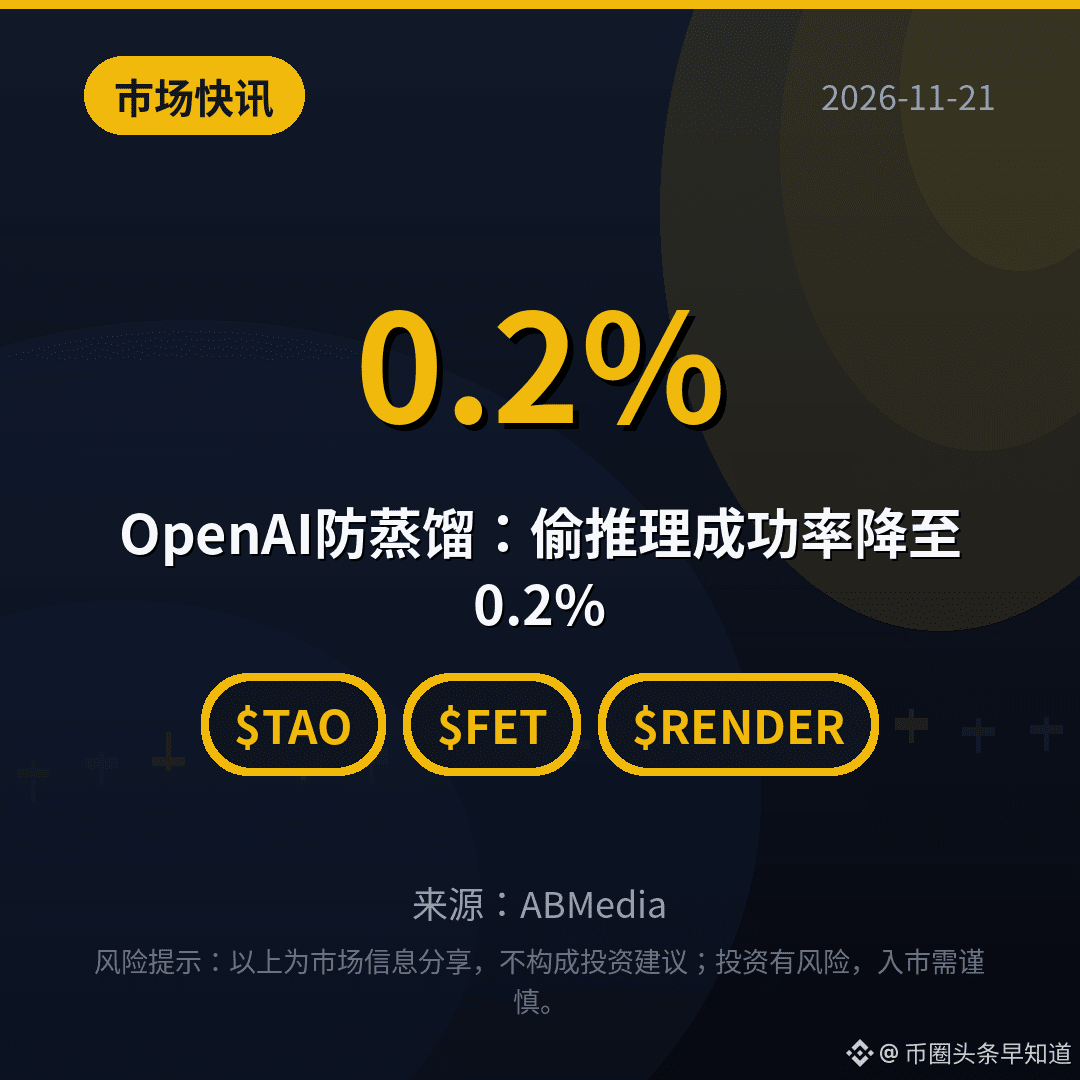
【Market Flash】OpenAI combats distillation: success rate of stealing reasoning drops to 0.2%
On November 20, OpenAI published research on preventing distillation: after strengthening safeguards in GPT-6.2 Astra, the success rate of stealing the previous round’s reasoning process fell from 54% to 0.2%, while that of stealing the current round’s reasoning fell from 22.9% to 0.9%. OpenAI says it has detected multiple organized efforts to steal its models, and blocks thousands to tens of thousands of accounts each week. How much of the distillation windfall will remain?
$TAO $FET $RENDER
#币安广场 #人工智能 #OpenAI
(Source: ABMedia)
⚠️Risk disclaimer: The above is shared for market information purposes only and does not constitute investment advice. Investing involves risk; please exercise caution when entering the market.
14
·
--
GPT-6.2 Astra & Sol: New Prompting Techniques to Improve Answer Quality
OpenAI has launched GPT-6.2 Astra and Sol, introducing new prompt templates to optimize writing style and coding. The API update supports discarding reasoning content. During migration, developers should pay attention to system prompt reviews to improve answer accuracy.#OpenAI #GPT-6.2
OpenAI has launched GPT-6.2 Astra and Sol, introducing new prompt templates to optimize writing style and coding. The API update supports discarding reasoning content. During migration, developers should pay attention to system prompt reviews to improve answer accuracy.#OpenAI #GPT-6.2
24
Log in to explore more content
Join global crypto users on Binance Square
⚡️ Get latest and useful information about crypto.
💬 Trusted by the world’s largest crypto exchange.
👍 Discover real insights from verified creators.
Email / Phone number
Trending Topics
1
#CorePCEBeatLiftsFedHikeOdds
83,775 views
857 Discussing
2
#BitcoinAndStocksSlipAgainAmidTrump’sTariffPlans
158,640 views
1,766 Discussing
3
#JensenHuangSaysNvidiaDoesn’tNeedASuccessionPlan
78,660 views
1,052 Discussing
4
#NasdaqFuturesSlideMoreThan3%
19,334 views
252 Discussing
5
#USOctoberPCEPriceIndexAt0.3%MoM
25,446 views
266 Discussing
6
#BitcoinETFsPostRecord$4.94BNovemberOutflows
1,969 views
29 Discussing
7
#TetherInvestsInArgentinasLemon
9,318 views
141 Discussing
8
#AnthropicBreaksBelowIPOPriceAmidAISlump
211,876 views
1,701 Discussing
9
#SouthKoreaProposesCryptoExchangeStaffUseOwnPlatform
1,148 views
29 Discussing
10
#UkraineParliamentPassesVirtualAssetLegalizationBill
9,236 views
32 Discussing