


Preface:
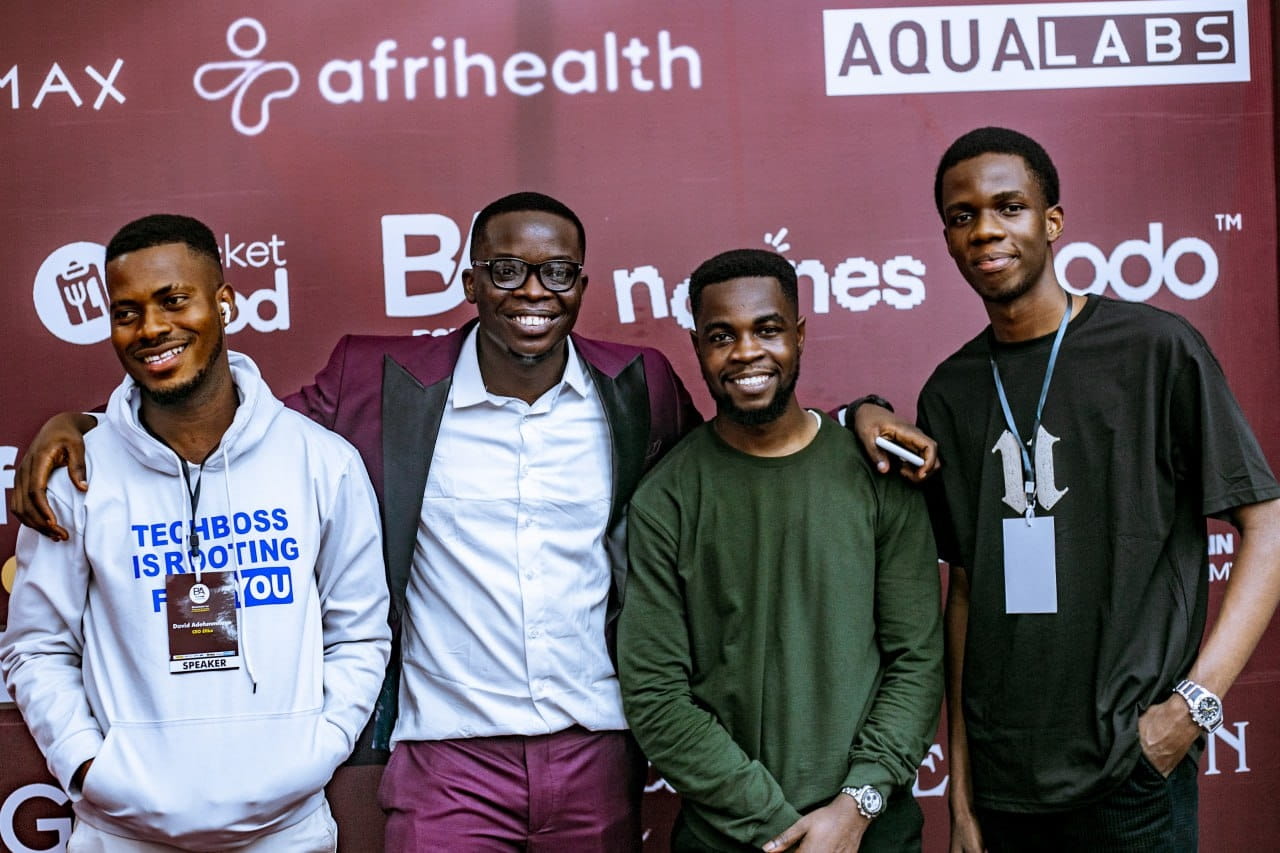
The AQUA LABS team in Africa conducts in-depth research to understand the current state of Web 3.0 on the African continent. Their goal is to identify and support blockchains and entrepreneurs in the Web3 incubation space in Africa. They have established deep strategic partnerships with outstanding African KOLs and communities, enabling high-quality projects from Asia and North America to enter the African continent.
1. Global Challenges: Embarking on a Breakthrough Journey
1. Global inflation
In August 2022, global inflation rose to 7.5% from an average of 2.1% before the COVID-19 pandemic. This trend in global inflation has had a profound impact on the economy, especially in the early stages of the pandemic, when reduced demand led to a decline in inflation. However, with the strong recovery of the economy, consumer prices have risen sharply again. The rapid rebound in economic activity driven by vaccines, unlocking and the widespread adoption of virtual work have exerted upward pressure on consumer price inflation. In addition, supply chain disruptions have also led to rising inflation in consumer prices, affecting the stability of the global economy.
2. Unemployment rate rises sharply
At the same time, unemployment has risen sharply, with widespread job losses in many countries. The damage caused by the pandemic will take years to repair, and unemployment levels are expected to remain above 2019 levels, with one in ten people unemployed, which is quite high. Although high-income countries have recovered faster in their labor markets, middle- and low-income countries have been more severely affected during the pandemic.
3. Global trade declines
In 2020, global trade experienced a historic decline, comparable to the global financial crisis of 2008-2009, and even more severe than the decline in 2015. During this period, global trade volume fell by a staggering $2.5 trillion, a drop of 9%. However, the good news is that in 2021, as global economic conditions gradually improved, global trade rebounded strongly, reaching an all-time high of about $28.5 trillion, an increase of about 13% from pre-pandemic levels. This shows that the global economy is gradually recovering from the trough, bringing a glimmer of hope.
This trend of global inflation and economic volatility has had a significant impact on AQUA LABS’ decision-making, motivating them to seek to support Web 3.0 projects in Africa and provide opportunities for projects from Asia and North America on the African continent. This effort not only helps to address the challenges facing the global economy, but also brings new opportunities and development prospects to Africa.
2. The solution: Go to Africa

1. Market background:
a. African Market Overview:
Africa, a populous and diverse continent, is considered one of the key markets in the world. As the second most populous continent in the world, with a population of approximately 1.5 billion, it is particularly known for its large youth population, with the vast majority under the age of 25. This demographic composition indicates a potential emerging consumer market with booming digital literacy and digital adoption rates.
b. Currency depreciation:
For example, let’s look at Nigeria and Kenya. The constant volatility of the Nigerian Naira has sparked a growing demand for cryptocurrencies as users believe they can better preserve the value of their savings with stablecoins like Tether. Many everyday traders actively trade cryptocurrencies to supplement their income.
c. Remittance restrictions:
Many people on the continent leave their homes to work in Europe and the United States, leaving their families behind in Africa. These individuals regularly send remittances to Africa. Before the pandemic, international remittances to Africa reached an average of $48 billion per year. However, traditional international remittance methods charge more than 5% in fees, and many countries have also set a series of restrictions. Therefore, Africans working overseas are in urgent need of faster and more affordable ways to transfer money across borders.
d. Trade:
Insufficient foreign exchange reserves and currency controls are prevalent in Africa. One of the reasons why many local businesses in Africa choose to use cryptocurrencies for cross-border payments is that traditional banking procedures are inefficient and require cumbersome paperwork. In addition, many African countries lack sufficient foreign exchange reserves and implement currency controls, which prevents many businesses from obtaining sufficient US dollars or other international currencies for purchases and imports.
The core features of blockchain technology, such as transparency and decentralization, give it the potential to solve a wide range of problems and challenges across the African continent. These challenges include high international remittance costs, increasing financial inclusion, and improving land registration. Blockchain technology offers new ways to solve these problems and is expected to have a positive impact on Africa's economic and social development.
2. Growth trend of African user groups:
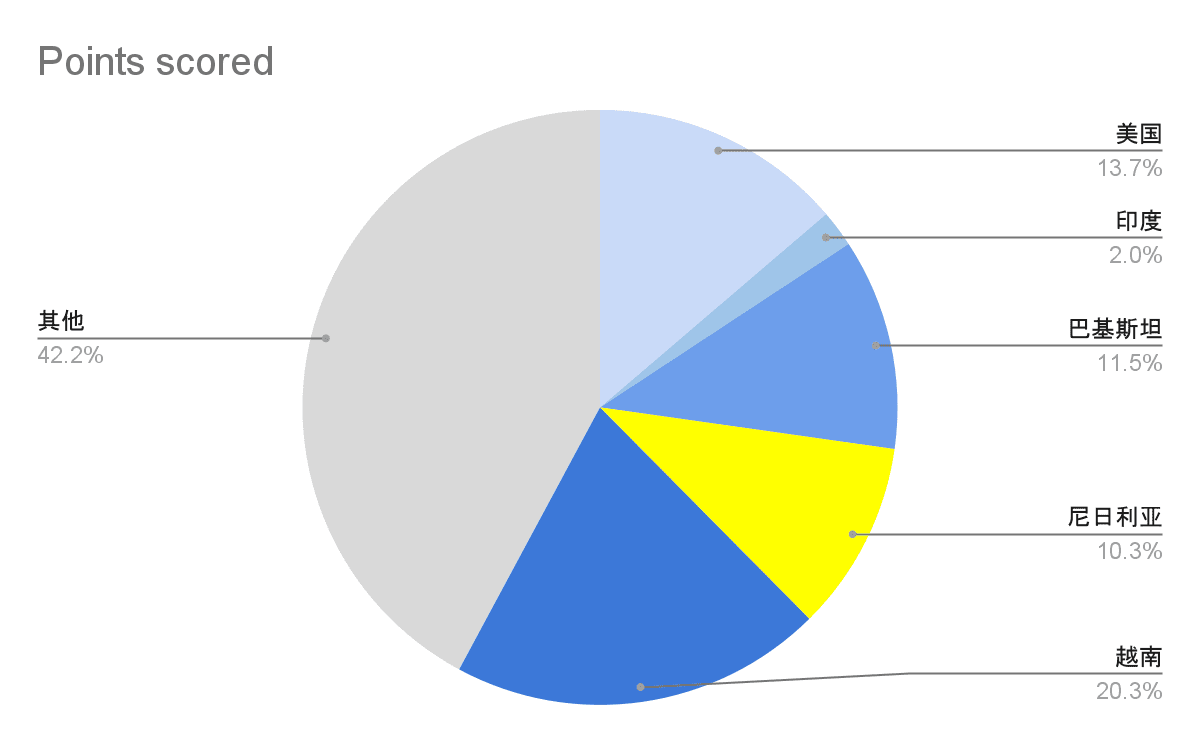
There are currently 320 million cryptocurrency holders worldwide. The top five countries in terms of cryptocurrency ownership are the United States (46.02 million people, 13.74% of the population), India (27.41 million people, 2.00% of the population), Pakistan (26.45 million people, 11.50% of the population), Nigeria (22.33 million people, 10.34% of the population), and Vietnam (20.21 million people, 20.27% of the population).
Blockchain and crypto assets are growing in popularity on the African continent. Africa’s cryptocurrency market has experienced a 1,200% growth from 2020 to 2023. This upward trend has put countries such as Kenya, Nigeria, South Africa, and Tanzania on the list of the top 20 cryptocurrency applications in the world.
3. Seeking a breakthrough: changing the narrative
The African blockchain market presents a large and relatively untapped opportunity, and AQUA LABS recognizes this potential and is strategically positioned to have a significant impact on Africa’s digital landscape. With a young and growing population that is increasingly able to access digital technology, Africa is ripe for transformative change.
1. Encourage blockchain adoption:
AQUALABS is at the forefront of driving blockchain adoption in Africa, proactively addressing key challenges and paving the way for more users to embrace blockchain technology for gaming, finance and other applications. This approach benefits not only the blockchain ecosystem, but also African communities seeking innovative solutions to age-old problems.
2. Community building is the core focus:
A major focus of AQUALABS on the African continent is community building. We understand that Africa has diverse and unique communities, each with its own unique pain points and needs. Our mission is to create a unified and inclusive community that meets the specific needs of Africans. By doing so, we aim to empower these communities by providing tailored solutions, supporting local initiatives, and promoting collaboration between different regions.
3. Support high-quality projects that are consistent with local needs:
AQUALABS is committed to paving the way for businesses and projects to thrive in African markets. This includes identifying key pain points within African communities and promoting the development of projects that directly address these challenges. By aligning with local needs, it ensures that its projects are not only relevant, but also sustainable and impactful. This approach promotes economic growth, job creation, and social development in the region.
4. Powerful alliance: powerful community matrix
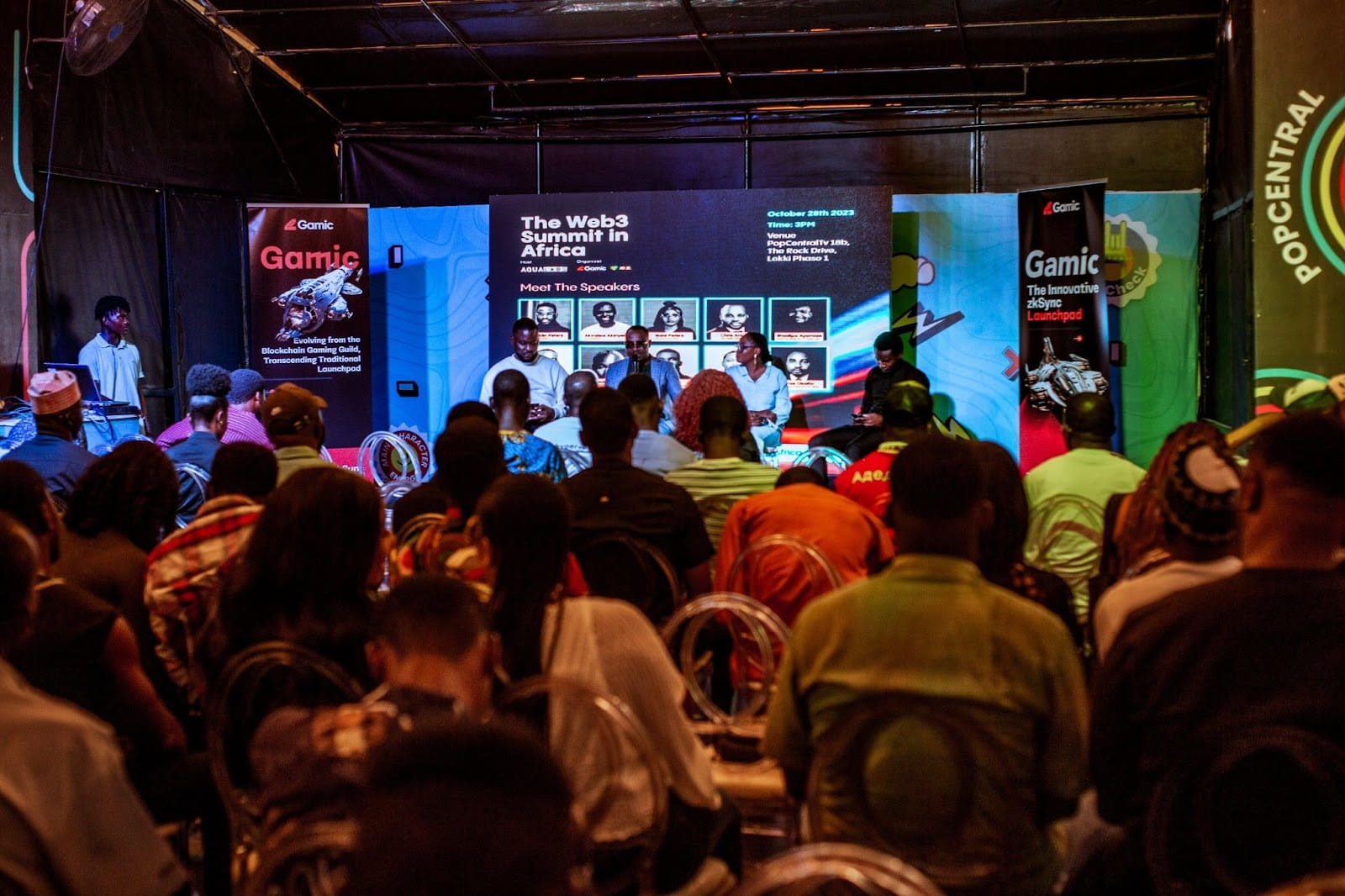
Recently, AQUALABS has been actively involved in promoting and strengthening the Web3 community in Nigeria, with each event attracting the active participation of many partners and sponsors, bringing together many well-known African KOLs, and quickly becoming a focal point for the African Web3 field. AQUALABS's determination to continuously increase blockchain adoption in this region and elsewhere is reflected in tangible contributions and actions, and the following is a more detailed introduction to recent efforts:
1. Web3 Summit in Lagos:
AQUALABS took a major step by hosting a Web3 Summit in the vibrant island of Lagos. The summit served as a platform to engage with other sponsors and stakeholders in the Web3 space. It aimed to explore opportunities for various projects, highlighting the value our initiatives bring to communities, individuals, and businesses.
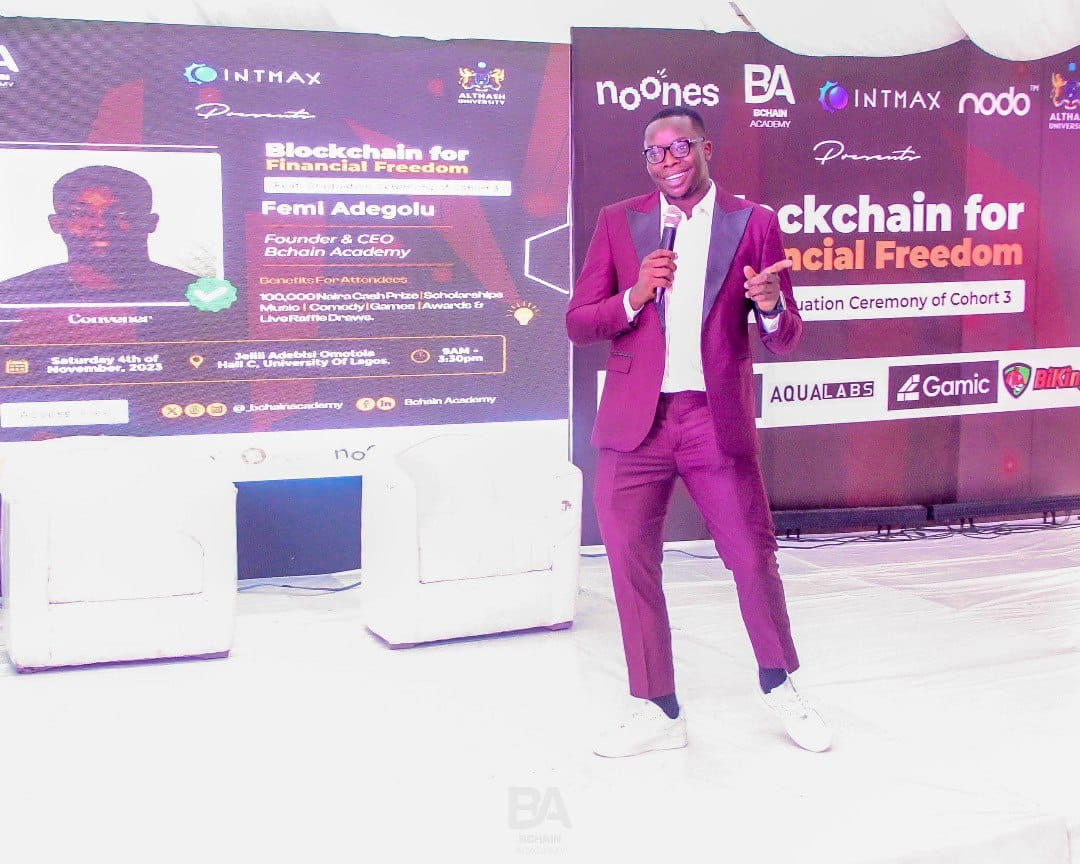
2. BChain Activities (Blockchain for Financial Freedom):
At the BChain event, focused on the blockchain for financial freedom, AQUALABS made a notable contribution to promote Web3 adoption and education:
Promoting student participation: AQUALABS provided transportation to and from the event venue for students from three different universities. This not only ensured wider participation, but also encouraged young people to actively engage with the concepts of Web3 and blockchain.
Airdrop Distribution: As part of our educational efforts, we distributed airdrops to individuals who provided accurate answers about cycling and its transformative impact on the financial landscape. This encouraged learning and rewarded those who actively engaged with the technology.
Volunteer Engagement and Education: AQUALABS actively recruits volunteers to participate in events, providing them with valuable insights and knowledge about Web3 technologies. These volunteers act as ambassadors for Web3, further spreading understanding and adoption of blockchain principles.
Our contribution to the Nigerian Web3 community goes beyond the scope of education and awareness. AQUALABS is committed to taking tangible steps to support and drive adoption of Web3 technologies, ultimately enriching the digital landscape of the African Web3 ecosystem. As we continue to host events, promote education, and engage with local communities, we hope to create a lasting and positive impact in the African Web3 ecosystem.
5. Summary
AQUALABS and its projects serve as catalysts for positive change in Africa, leveraging blockchain technology to create solutions that empower individuals, businesses and communities. By building strong and inclusive networks, solving pressing problems and fostering innovation, we are contributing to the ongoing transformation of African markets and helping shape a brighter future for the continent.