Binance Square

Mastering Crypto

image
Verified Creator
Twitter(X) @ MasteringCrypt
Open Trade
ETH Holder
ETH Holder
Frequent Trader
3.9 Years
212 Following
395.6K+ Followers
228.6K+ Liked
37.7K+ Shared
Posts
Portfolio
PINNED
·
--
The VANRY Inflection Point: When Usage Starts to MatterThere is a quiet phase every serious crypto project passes through, when the ticker feels smaller than what is actually being built. Price slows. Narratives thin out. Attention drifts elsewhere. And yet, beneath the surface, something more important starts to take shape. Usage. This is where @Vanar appears to be positioning itself today, in that uncomfortable but powerful gap between speculation and real demand. For a long time, $VANRY has been viewed through the same lens as every emerging Layer 1. Potential. Partnerships. Promises. But the more interesting signal now is not what Vanar says it will do, but how the network is being used. Creative platforms, gaming environments, branded digital experiences, and on-chain interactions that do not feel experimental anymore, but operational. That shift, from “testing” to “using,” is where ecosystems quietly harden into infrastructure. Vanar’s architecture has always been designed for this moment. High throughput. Low fees. An experience where blockchain logic stays in the background while users focus on content, interaction, and immersion. The goal was never to win a narrative cycle. It was to support environments where thousands or millions of small actions happen without friction. When usage starts to rise in those conditions, it carries more weight than short-term price movement. What stands out is that this activity is not driven by pure incentives. It is driven by applications that make sense on-chain. Games where microtransactions need to feel instant. Digital worlds where assets move fluidly. Brand experiences that cannot afford broken UX or unpredictable costs. This is the type of demand that does not disappear when emissions slow or attention shifts. Across crypto, we have seen this pattern repeat. Price moves first. Then it stalls. Then usage catches up quietly. Eventually, the market notices. The networks that survive are not the ones that screamed the loudest, but the ones that kept users when nobody was watching. Vanar feels like it is entering that phase now, where growth is less visible but more meaningful. The real inflection point for $VANRY will not be a headline or a sudden candle. It will be sustained on-chain behavior. Rising transaction consistency. Developers choosing Vanar because it works better for their users. Communities forming around applications, not tokens. When usage becomes habitual, valuation eventually follows. This is the uncomfortable middle of the cycle. Too early for celebration. Too late to dismiss as nothing. And historically, it is exactly where long-term networks begin to separate from passing narratives. #Vanar

The VANRY Inflection Point: When Usage Starts to Matter

There is a quiet phase every serious crypto project passes through, when the ticker feels smaller than what is actually being built. Price slows. Narratives thin out. Attention drifts elsewhere. And yet, beneath the surface, something more important starts to take shape. Usage.

This is where @Vanar appears to be positioning itself today, in that uncomfortable but powerful gap between speculation and real demand.
For a long time, $VANRY has been viewed through the same lens as every emerging Layer 1. Potential. Partnerships. Promises. But the more interesting signal now is not what Vanar says it will do, but how the network is being used. Creative platforms, gaming environments, branded digital experiences, and on-chain interactions that do not feel experimental anymore, but operational. That shift, from “testing” to “using,” is where ecosystems quietly harden into infrastructure.

Vanar’s architecture has always been designed for this moment. High throughput. Low fees. An experience where blockchain logic stays in the background while users focus on content, interaction, and immersion. The goal was never to win a narrative cycle. It was to support environments where thousands or millions of small actions happen without friction. When usage starts to rise in those conditions, it carries more weight than short-term price movement.
What stands out is that this activity is not driven by pure incentives. It is driven by applications that make sense on-chain. Games where microtransactions need to feel instant. Digital worlds where assets move fluidly. Brand experiences that cannot afford broken UX or unpredictable costs. This is the type of demand that does not disappear when emissions slow or attention shifts.
Across crypto, we have seen this pattern repeat. Price moves first. Then it stalls. Then usage catches up quietly. Eventually, the market notices. The networks that survive are not the ones that screamed the loudest, but the ones that kept users when nobody was watching. Vanar feels like it is entering that phase now, where growth is less visible but more meaningful.
The real inflection point for $VANRY will not be a headline or a sudden candle. It will be sustained on-chain behavior. Rising transaction consistency. Developers choosing Vanar because it works better for their users. Communities forming around applications, not tokens. When usage becomes habitual, valuation eventually follows.
This is the uncomfortable middle of the cycle. Too early for celebration. Too late to dismiss as nothing. And historically, it is exactly where long-term networks begin to separate from passing narratives.
#Vanar
PINNED
How Plasma ( XPL) is revolutionizing Stable Coin Payments ?There’s something quietly fascinating about how the crypto industry keeps finding new ways to make old ideas feel revolutionary again. Every few years, a new layer of innovation unfolds, echoing the ambitions of those who want to rebuild the world’s financial infrastructure from the ground up. Stablecoins, once dismissed as a temporary bridge between fiat and crypto, have now become a cornerstone of blockchain utility. In the midst of this transformation emerges Plasma — not the optimistic rollup design you might remember, but a Layer 1 blockchain purpose-built to redefine stablecoin settlement itself. When I first came across Plasma, my instinct was to map it into familiar categories. Another smart contract platform. Another EVM-compatible chain, perhaps. But Plasma doesn’t quite fit that mold. It sets out to address a specific and increasingly urgent problem in the digital economy — the fragmentation and inefficiency of stablecoin settlement across blockchains. Today, stablecoins exist in multiple wrapped formats, bridged, reissued, or synthetically represented across dozens of networks. Each hop introduces friction. Every bridge adds risk. Liquidity fractures, fees stack up, and finality becomes probabilistic rather than dependable. Plasma proposes a different path — one where stablecoin settlement happens directly at the Layer 1 level, with predictable finality, minimal latency, and deep liquidity, all without leaning on external bridges or third-party consensus layers. This narrow focus immediately invites technical scrutiny. How does a base layer optimize for stability without sacrificing decentralization or composability entirely. Plasma’s answer lies in deterministic consensus and low-overhead block validation. Rather than designing for complex, general-purpose smart contract execution, the protocol simplifies execution to prioritize high-frequency transfers and payment flows. Its consensus architecture is tuned for throughput and confirmation reliability, enabling rapid movement of stable-value assets — a non-negotiable requirement if blockchain payments are ever to rival traditional financial rails. There is also a philosophical shift embedded in this design. For years, blockchain architecture has leaned heavily toward generalization. Build the most flexible Layer 1 possible, and let developers figure out the rest. Plasma rejects that assumption. It is built on the conviction that specialization, not maximal programmability, is what unlocks real scalability at the infrastructure layer. In exchange for reduced expressive complexity, Plasma offers stronger settlement guarantees and predictable behavior — a trade-off that makes sense when the primary objective is monetary reliability rather than experimentation. The timing of this approach is anything but accidental. By 2025, the global stablecoin market quietly crossed a defining threshold, surpassing half a trillion dollars in aggregate market capitalization. Stablecoins have become the de facto unit of account in decentralized finance and an emerging settlement layer for Web3 commerce, remittances, and even institutional treasury management. Yet no major blockchain has been designed from the ground up to serve them. Plasma steps into that gap — not as a competitor to Ethereum or Solana, but as a complementary base layer optimized specifically for stable-value transfer. To talk about stablecoin settlement is ultimately to talk about trust. Fiat-backed stablecoins depend on off-chain custodians and attestations. Algorithmic models rely on market incentives and code. In both cases, the underlying blockchain defines how safely, efficiently, and predictably users can move value. Plasma’s Layer 1 is engineered to abstract much of that uncertainty by embedding settlement finality directly into the protocol. Transactions are designed to achieve near-immediate confirmation with strong guarantees against rollback — a property that matters deeply to payment processors and financial institutions. What stands out most in Plasma’s design philosophy is what it chooses not to chase. There are no sweeping claims about dominating gaming, AI, or meme-driven activity. Instead, the project centers itself on stability as a service. Its roadmap aligns with a world where fintech platforms, banks, and decentralized liquidity networks all rely on a single neutral settlement layer for clearing stablecoin balances at scale. If successful, this could simplify cross-chain liquidity flows, reduce settlement slippage, and bring blockchain-based payments closer to real-time banking infrastructure. Zooming out, Plasma fits neatly into a broader industry trend toward application-specific chains. Cosmos appchains, Avalanche subnets, and modular blockchain frameworks have all demonstrated that specialization does not necessarily fragment ecosystems — it can strengthen them. Plasma’s choice to operate as a sovereign Layer 1 gives it direct control over fees, block times, validator incentives, and monetary logic. That autonomy opens the door to regulatory-aligned stablecoin models, native oracle integration for collateral transparency, and even on-chain settlement banks with explicit liquidity parameters. Adoption, of course, remains the ultimate proving ground. A stablecoin-optimized Layer 1 only matters if issuers and large-scale financial actors choose to use it. Yet stablecoin issuers are increasingly under pressure to deliver speed, transparency, and interoperability. A purpose-built chain like Plasma could evolve into a neutral settlement hub where multi-chain stablecoin liquidity converges without traditional bridging risk. The idea of native issuance — where minting and burning occur directly on a stablecoin settlement chain with bank-level finality — hints at Plasma’s quietly ambitious scope. On a personal level, Plasma feels emblematic of a maturing industry. Early crypto innovation prized novelty above all else. New tokens, new mechanisms, new experiments. Today, reliability and utility are becoming the true measures of progress. Plasma does not attempt to reinvent blockchain from scratch. It refines one core function — settlement — with deliberate focus and restraint. That restraint may prove to be its greatest strength. If Plasma delivers on its design goals, it could reshape how stablecoins operate at the infrastructure level. Instead of being passengers on general-purpose blockchains, stablecoins could become first-class citizens of a chain built around their economic behavior. That shift would unlock settlement rails that mirror the predictability of traditional clearing systems while preserving the openness of decentralized networks. As cross-border payments, on-chain treasuries, and tokenized cash systems expand, deterministic settlement may become indispensable rather than optional. The broader story of blockchain is slowly evolving from experimentation to specialization. From sweeping ambition to precise execution. Plasma, as a Layer 1 designed explicitly for stablecoin settlement, offers a glimpse of that future. It suggests that the most meaningful innovation may not arrive with loud narratives or speculative frenzy, but through quiet engineering that aligns technology with real financial utility. In the long run, the silent chains that move digital dollars with certainty may matter far more than the ones that simply promise the next big thing. $XPL {spot}(XPLUSDT) #plasma @Plasma

How Plasma ( XPL) is revolutionizing Stable Coin Payments ?

There’s something quietly fascinating about how the crypto industry keeps finding new ways to make old ideas feel revolutionary again.
Every few years, a new layer of innovation unfolds, echoing the ambitions of those who want to rebuild the world’s financial infrastructure from the ground up.
Stablecoins, once dismissed as a temporary bridge between fiat and crypto, have now become a cornerstone of blockchain utility.
In the midst of this transformation emerges Plasma — not the optimistic rollup design you might remember, but a Layer 1 blockchain purpose-built to redefine stablecoin settlement itself.

When I first came across Plasma, my instinct was to map it into familiar categories.
Another smart contract platform.
Another EVM-compatible chain, perhaps.
But Plasma doesn’t quite fit that mold.
It sets out to address a specific and increasingly urgent problem in the digital economy — the fragmentation and inefficiency of stablecoin settlement across blockchains.
Today, stablecoins exist in multiple wrapped formats, bridged, reissued, or synthetically represented across dozens of networks.
Each hop introduces friction.
Every bridge adds risk.
Liquidity fractures, fees stack up, and finality becomes probabilistic rather than dependable.
Plasma proposes a different path — one where stablecoin settlement happens directly at the Layer 1 level, with predictable finality, minimal latency, and deep liquidity, all without leaning on external bridges or third-party consensus layers.
This narrow focus immediately invites technical scrutiny.
How does a base layer optimize for stability without sacrificing decentralization or composability entirely.
Plasma’s answer lies in deterministic consensus and low-overhead block validation.
Rather than designing for complex, general-purpose smart contract execution, the protocol simplifies execution to prioritize high-frequency transfers and payment flows.
Its consensus architecture is tuned for throughput and confirmation reliability, enabling rapid movement of stable-value assets — a non-negotiable requirement if blockchain payments are ever to rival traditional financial rails.
There is also a philosophical shift embedded in this design.
For years, blockchain architecture has leaned heavily toward generalization.
Build the most flexible Layer 1 possible, and let developers figure out the rest.
Plasma rejects that assumption.
It is built on the conviction that specialization, not maximal programmability, is what unlocks real scalability at the infrastructure layer.
In exchange for reduced expressive complexity, Plasma offers stronger settlement guarantees and predictable behavior — a trade-off that makes sense when the primary objective is monetary reliability rather than experimentation.
The timing of this approach is anything but accidental.
By 2025, the global stablecoin market quietly crossed a defining threshold, surpassing half a trillion dollars in aggregate market capitalization.
Stablecoins have become the de facto unit of account in decentralized finance and an emerging settlement layer for Web3 commerce, remittances, and even institutional treasury management.
Yet no major blockchain has been designed from the ground up to serve them.
Plasma steps into that gap — not as a competitor to Ethereum or Solana, but as a complementary base layer optimized specifically for stable-value transfer.
To talk about stablecoin settlement is ultimately to talk about trust.
Fiat-backed stablecoins depend on off-chain custodians and attestations.
Algorithmic models rely on market incentives and code.
In both cases, the underlying blockchain defines how safely, efficiently, and predictably users can move value.
Plasma’s Layer 1 is engineered to abstract much of that uncertainty by embedding settlement finality directly into the protocol.
Transactions are designed to achieve near-immediate confirmation with strong guarantees against rollback — a property that matters deeply to payment processors and financial institutions.
What stands out most in Plasma’s design philosophy is what it chooses not to chase.
There are no sweeping claims about dominating gaming, AI, or meme-driven activity.
Instead, the project centers itself on stability as a service.
Its roadmap aligns with a world where fintech platforms, banks, and decentralized liquidity networks all rely on a single neutral settlement layer for clearing stablecoin balances at scale.
If successful, this could simplify cross-chain liquidity flows, reduce settlement slippage, and bring blockchain-based payments closer to real-time banking infrastructure.
Zooming out, Plasma fits neatly into a broader industry trend toward application-specific chains.
Cosmos appchains, Avalanche subnets, and modular blockchain frameworks have all demonstrated that specialization does not necessarily fragment ecosystems — it can strengthen them.
Plasma’s choice to operate as a sovereign Layer 1 gives it direct control over fees, block times, validator incentives, and monetary logic.
That autonomy opens the door to regulatory-aligned stablecoin models, native oracle integration for collateral transparency, and even on-chain settlement banks with explicit liquidity parameters.
Adoption, of course, remains the ultimate proving ground.
A stablecoin-optimized Layer 1 only matters if issuers and large-scale financial actors choose to use it.
Yet stablecoin issuers are increasingly under pressure to deliver speed, transparency, and interoperability.
A purpose-built chain like Plasma could evolve into a neutral settlement hub where multi-chain stablecoin liquidity converges without traditional bridging risk.
The idea of native issuance — where minting and burning occur directly on a stablecoin settlement chain with bank-level finality — hints at Plasma’s quietly ambitious scope.
On a personal level, Plasma feels emblematic of a maturing industry.
Early crypto innovation prized novelty above all else.
New tokens, new mechanisms, new experiments.
Today, reliability and utility are becoming the true measures of progress.
Plasma does not attempt to reinvent blockchain from scratch.
It refines one core function — settlement — with deliberate focus and restraint.
That restraint may prove to be its greatest strength.
If Plasma delivers on its design goals, it could reshape how stablecoins operate at the infrastructure level.
Instead of being passengers on general-purpose blockchains, stablecoins could become first-class citizens of a chain built around their economic behavior.
That shift would unlock settlement rails that mirror the predictability of traditional clearing systems while preserving the openness of decentralized networks.
As cross-border payments, on-chain treasuries, and tokenized cash systems expand, deterministic settlement may become indispensable rather than optional.
The broader story of blockchain is slowly evolving from experimentation to specialization.
From sweeping ambition to precise execution.
Plasma, as a Layer 1 designed explicitly for stablecoin settlement, offers a glimpse of that future.
It suggests that the most meaningful innovation may not arrive with loud narratives or speculative frenzy, but through quiet engineering that aligns technology with real financial utility.
In the long run, the silent chains that move digital dollars with certainty may matter far more than the ones that simply promise the next big thing.
$XPL
#plasma @Plasma
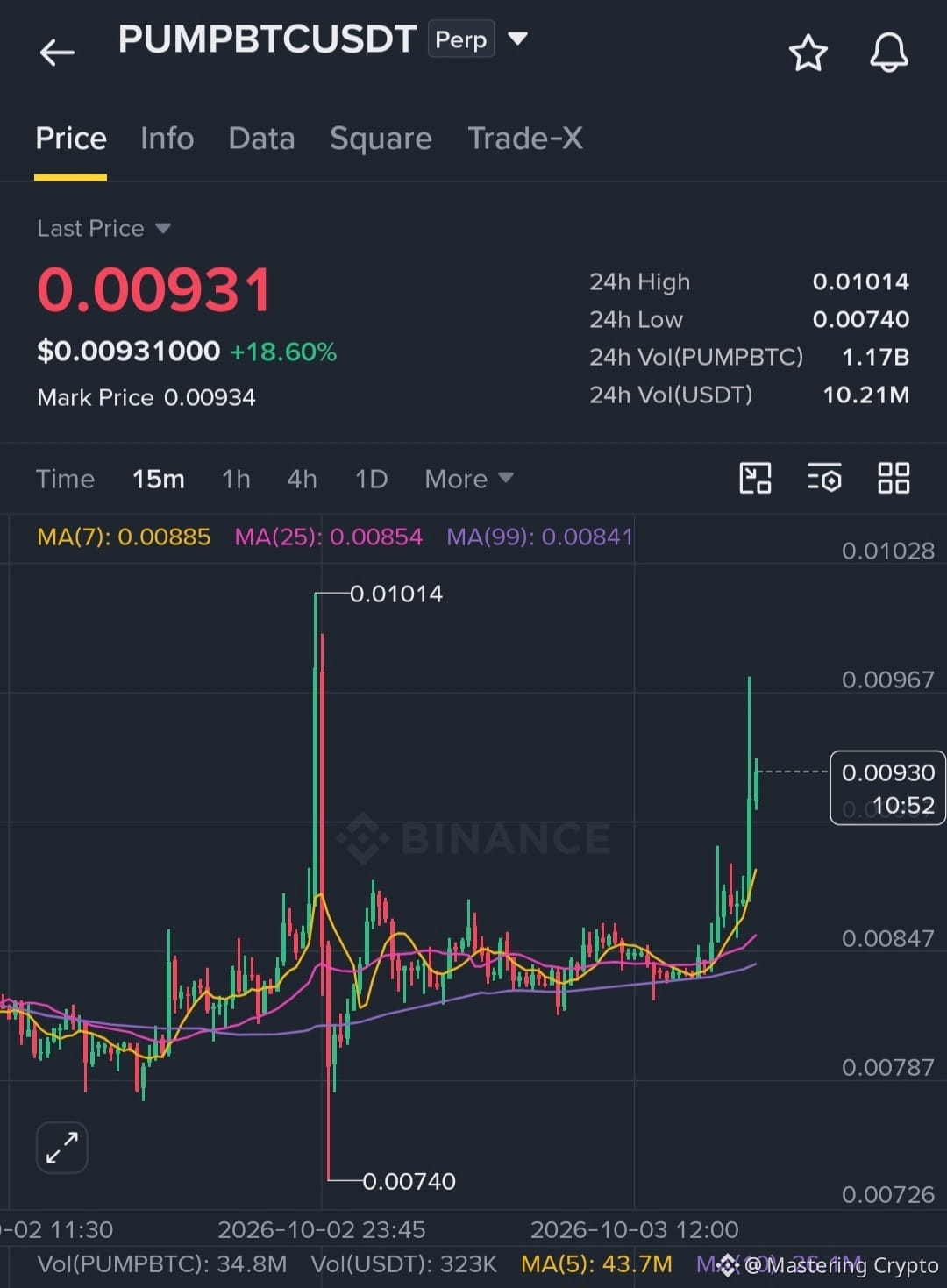
Momentum breakout just triggered on $4 Long $4 /USDT 👇 4/USDT Long Setup (15m) Entry Zone: 0.00925 – 0.00955 Stop-Loss: 0.00830 Take Profit: TP1: 0.00985 TP2: 0.01050 TP3: 0.01100 TP4: 0.01200 Trade $4 here 👇 {future}(4USDT) #USTechFundFlows
Momentum breakout just triggered on $4

Long $4 /USDT 👇

4/USDT Long Setup (15m)

Entry Zone: 0.00925 – 0.00955
Stop-Loss: 0.00830

Take Profit:

TP1: 0.00985
TP2: 0.01050
TP3: 0.01100
TP4: 0.01200

Trade $4 here 👇

#USTechFundFlows
Plasma vs Other Chains: Comparing Real-Time Usage and Adoption TrendsCrypto has reached a stage where technology alone is not enough. For years, blockchains competed on promises. Faster transactions. Lower fees. Higher throughput. Yet the real question shaping today’s market is simpler. Which chains are actually being used in real time and why. Adoption has shifted from theoretical performance to measurable activity. Transactions, liquidity flows, user behavior, and practical use cases now define success. @Plasma enters this conversation with a distinct approach. Instead of competing as a general purpose ecosystem, it focuses specifically on stablecoin payments. This specialization changes how its adoption should be evaluated compared to chains like Ethereum, Tron, or Solana. Plasma’s Core Thesis: Usage Built Around Stablecoins Plasma is designed as a stablecoin native Layer 1 network. Rather than supporting every possible blockchain use case, it prioritizes efficient dollar denominated transfers and payment infrastructure. The architecture includes features such as zero fee USDT transfers, customizable gas models, and high throughput settlement optimized for financial flows. This design philosophy reflects a broader industry realization. Stablecoins have become one of crypto’s most widely used applications, with annual transaction volumes reaching tens of trillions of dollars across the ecosystem. Instead of treating stablecoins as an application layer, Plasma treats them as the foundation. Real Time Usage: Early Growth Signals Adoption trends often become visible through early metrics. Plasma’s launch demonstrated rapid initial traction, reportedly attracting billions in deposits within weeks and quickly entering top rankings by total value locked among newer networks. Current analytics show significant stablecoin activity on the network, including over one billion dollars in stablecoin market capitalization and growing transaction volume within decentralized applications. However, real time performance metrics reveal nuance. Some reports suggest current transaction throughput remains modest compared to larger payment chains. This contrast highlights a key reality. Adoption momentum exists, but the network is still early in its growth cycle. Comparing Plasma to General Purpose Chains Ethereum remains the dominant ecosystem by total value locked and developer activity. Its strength lies in versatility rather than specialization. It hosts DeFi, NFTs, gaming, and infrastructure layers simultaneously. Tron and similar payment focused networks demonstrate another model. Their high transaction throughput and established stablecoin liquidity provide strong competition in cross border payments. Solana represents yet another approach, emphasizing high performance infrastructure capable of handling diverse applications including trading, gaming, and consumer apps. Against these models, Plasma’s strategy stands apart. It narrows focus to a specific segment of blockchain usage. Stablecoin driven financial activity. Adoption Trends: Specialization Versus Ecosystem Breadth The comparison between Plasma and other chains reflects a deeper industry shift. Early blockchains attempted to serve every possible purpose. Newer networks increasingly embrace specialization. Specialization can accelerate adoption when aligned with real demand. By optimizing around stablecoins, Plasma aims to reduce friction for the most common crypto transaction type. Yet specialization also introduces tradeoffs. General purpose chains benefit from network effects created by diverse applications. Users interacting with DeFi may also engage with NFTs or gaming, increasing overall ecosystem stickiness. Plasma must instead rely on depth within a narrower use case. Personal Perspective: Why Real Time Usage Matters More Than Marketing From a practical viewpoint, adoption today is measured less by roadmap promises and more by daily behavior. Which chains users open every day. Which networks process actual payments rather than speculative transactions. Plasma’s quiet strategy feels aligned with this shift. Instead of chasing broad narratives, it targets a specific workflow that already exists at massive scale. Stablecoin transfers. The success of this approach depends on whether simplicity translates into sustained usage rather than short term curiosity. Balanced Reality: Strengths and Limitations Plasma’s strengths include clear positioning, alignment with a growing stablecoin economy, and infrastructure designed for payment efficiency rather than experimentation. Challenges remain equally important. Competing networks already possess deep liquidity, established developer ecosystems, and large user bases. Plasma must differentiate through usability and cost advantages strong enough to overcome switching friction. Real time adoption trends will likely depend on integrations, partnerships, and whether builders view the network as essential infrastructure rather than just another alternative chain. Forward Looking Conclusion: A New Category or Another Competitor The comparison between Plasma and other chains ultimately reflects a broader question about the future of blockchain design. Will the industry converge around a few general purpose ecosystems, or will specialized networks dominate specific verticals. Plasma represents the latter vision. A chain built not to do everything but to do one thing extremely well. If stablecoins continue to grow as the backbone of crypto usage, networks optimized around them could gain strategic importance. The next phase of adoption may not be defined by which chain is fastest on paper, but by which chain integrates seamlessly into real financial behavior. Plasma’s real test lies ahead. Not in theoretical performance metrics, but in whether everyday users begin to treat it as the default rail for moving digital dollars. $XPL #Plasma

Plasma vs Other Chains: Comparing Real-Time Usage and Adoption Trends

Crypto has reached a stage where technology alone is not enough. For years, blockchains competed on promises. Faster transactions. Lower fees. Higher throughput. Yet the real question shaping today’s market is simpler. Which chains are actually being used in real time and why.
Adoption has shifted from theoretical performance to measurable activity. Transactions, liquidity flows, user behavior, and practical use cases now define success. @Plasma enters this conversation with a distinct approach. Instead of competing as a general purpose ecosystem, it focuses specifically on stablecoin payments. This specialization changes how its adoption should be evaluated compared to chains like Ethereum, Tron, or Solana.
Plasma’s Core Thesis: Usage Built Around Stablecoins
Plasma is designed as a stablecoin native Layer 1 network. Rather than supporting every possible blockchain use case, it prioritizes efficient dollar denominated transfers and payment infrastructure. The architecture includes features such as zero fee USDT transfers, customizable gas models, and high throughput settlement optimized for financial flows.
This design philosophy reflects a broader industry realization. Stablecoins have become one of crypto’s most widely used applications, with annual transaction volumes reaching tens of trillions of dollars across the ecosystem.
Instead of treating stablecoins as an application layer, Plasma treats them as the foundation.
Real Time Usage: Early Growth Signals
Adoption trends often become visible through early metrics. Plasma’s launch demonstrated rapid initial traction, reportedly attracting billions in deposits within weeks and quickly entering top rankings by total value locked among newer networks.
Current analytics show significant stablecoin activity on the network, including over one billion dollars in stablecoin market capitalization and growing transaction volume within decentralized applications.
However, real time performance metrics reveal nuance. Some reports suggest current transaction throughput remains modest compared to larger payment chains.
This contrast highlights a key reality. Adoption momentum exists, but the network is still early in its growth cycle.
Comparing Plasma to General Purpose Chains
Ethereum remains the dominant ecosystem by total value locked and developer activity. Its strength lies in versatility rather than specialization. It hosts DeFi, NFTs, gaming, and infrastructure layers simultaneously.
Tron and similar payment focused networks demonstrate another model. Their high transaction throughput and established stablecoin liquidity provide strong competition in cross border payments.
Solana represents yet another approach, emphasizing high performance infrastructure capable of handling diverse applications including trading, gaming, and consumer apps.
Against these models, Plasma’s strategy stands apart. It narrows focus to a specific segment of blockchain usage. Stablecoin driven financial activity.
Adoption Trends: Specialization Versus Ecosystem Breadth
The comparison between Plasma and other chains reflects a deeper industry shift. Early blockchains attempted to serve every possible purpose. Newer networks increasingly embrace specialization.
Specialization can accelerate adoption when aligned with real demand. By optimizing around stablecoins, Plasma aims to reduce friction for the most common crypto transaction type.
Yet specialization also introduces tradeoffs. General purpose chains benefit from network effects created by diverse applications. Users interacting with DeFi may also engage with NFTs or gaming, increasing overall ecosystem stickiness. Plasma must instead rely on depth within a narrower use case.
Personal Perspective: Why Real Time Usage Matters More Than Marketing
From a practical viewpoint, adoption today is measured less by roadmap promises and more by daily behavior. Which chains users open every day. Which networks process actual payments rather than speculative transactions.
Plasma’s quiet strategy feels aligned with this shift. Instead of chasing broad narratives, it targets a specific workflow that already exists at massive scale. Stablecoin transfers.
The success of this approach depends on whether simplicity translates into sustained usage rather than short term curiosity.
Balanced Reality: Strengths and Limitations
Plasma’s strengths include clear positioning, alignment with a growing stablecoin economy, and infrastructure designed for payment efficiency rather than experimentation.
Challenges remain equally important. Competing networks already possess deep liquidity, established developer ecosystems, and large user bases. Plasma must differentiate through usability and cost advantages strong enough to overcome switching friction.
Real time adoption trends will likely depend on integrations, partnerships, and whether builders view the network as essential infrastructure rather than just another alternative chain.
Forward Looking Conclusion: A New Category or Another Competitor
The comparison between Plasma and other chains ultimately reflects a broader question about the future of blockchain design. Will the industry converge around a few general purpose ecosystems, or will specialized networks dominate specific verticals.
Plasma represents the latter vision. A chain built not to do everything but to do one thing extremely well.
If stablecoins continue to grow as the backbone of crypto usage, networks optimized around them could gain strategic importance. The next phase of adoption may not be defined by which chain is fastest on paper, but by which chain integrates seamlessly into real financial behavior.
Plasma’s real test lies ahead. Not in theoretical performance metrics, but in whether everyday users begin to treat it as the default rail for moving digital dollars.
$XPL
#Plasma
$POWER is holding structure after breakout Go Long on $POWER /USDT 👈 POWER/USDT Long Setup (15m) Entry Zone: 0.2660 – 0.2720 Stop-Loss: 0.2570 Take Profit: TP1: 0.2850 TP2: 0.2900 TP3: 0.2950 TP4: 0.3000 Why: Price holding above MA25 & MA99 with higher lows forming and momentum stabilizing after impulse move. This is where smart money adds during consolidation, not after breakout spikes. Trade $POWER here 👇 {future}(POWERUSDT)
$POWER is holding structure after breakout

Go Long on $POWER /USDT 👈

POWER/USDT Long Setup (15m)

Entry Zone: 0.2660 – 0.2720
Stop-Loss: 0.2570

Take Profit:

TP1: 0.2850
TP2: 0.2900
TP3: 0.2950
TP4: 0.3000

Why:

Price holding above MA25 & MA99 with higher lows forming and momentum stabilizing after impulse move. This is where smart money adds during consolidation, not after breakout spikes.

Trade $POWER here 👇
$PIPPIN showing strong continuation Go Long on $PIPPIN /USDT 👇 PIPPIN/USDT Long Setup (15m) Entry Zone: 0.3180 – 0.3330 Stop-Loss: 0.3040 Take Profit: TP1: 0.3380 TP2: 0.3450 TP3: 0.3500 TP4: 0.3600 Why: Strong bullish structure with price holding above MA25 & MA99, steady higher highs and higher lows with strong volume support. This is where smart money follows momentum instead of fading strength. Trade $PIPPIN here 👇 {future}(PIPPINUSDT)
$PIPPIN showing strong continuation

Go Long on $PIPPIN /USDT 👇

PIPPIN/USDT Long Setup (15m)

Entry Zone: 0.3180 – 0.3330
Stop-Loss: 0.3040

Take Profit:

TP1: 0.3380
TP2: 0.3450
TP3: 0.3500
TP4: 0.3600

Why:

Strong bullish structure with price holding above MA25 & MA99, steady higher highs and higher lows with strong volume support. This is where smart money follows momentum instead of fading strength.

Trade $PIPPIN here 👇
Is Silver ($XAG ) Still a Good Investment For You 🫂 I have been watching silver ($XAG )closely, and the numbers look hard to ignore. The biggest factor is the growing disconnect between paper silver and physical silver. The market structure feels stretched, and I am watching fund flows for a potential capitulation that could shift momentum. Many people assume China wants silver prices to surge, but I see it differently. China relies heavily on silver for solar, EVs, and technology manufacturing. Higher prices increase costs, so keeping silver relatively cheap supports their industrial margins. There are also signs of large players positioning around the gold versus silver relationship. Some appear to be betting on gold outperforming while silver remains suppressed, contributing to stagnant price action despite demand. On the US side, silver being treated as a strategic resource could eventually require higher prices to support domestic production. That creates opposing pressures between global players. Supply is another key factor. Physical inventories appear tighter, and strong delivery demand could force paper positions to unwind. Historically, gold and silver do not stay disconnected forever, so a gold revaluation could pull silver higher. For me, metals look like a long term store of value. I focus on data, stay patient, and adjust when market structure actually changes. Start Investing Now 👇 {future}(XAGUSDT) #GoldSilverRally
Is Silver ($XAG ) Still a Good Investment For You 🫂

I have been watching silver ($XAG )closely, and the numbers look hard to ignore. The biggest factor is the growing disconnect between paper silver and physical silver. The market structure feels stretched, and I am watching fund flows for a potential capitulation that could shift momentum.

Many people assume China wants silver prices to surge, but I see it differently. China relies heavily on silver for solar, EVs, and technology manufacturing. Higher prices increase costs, so keeping silver relatively cheap supports their industrial margins.

There are also signs of large players positioning around the gold versus silver relationship. Some appear to be betting on gold outperforming while silver remains suppressed, contributing to stagnant price action despite demand.

On the US side, silver being treated as a strategic resource could eventually require higher prices to support domestic production. That creates opposing pressures between global players.

Supply is another key factor. Physical inventories appear tighter, and strong delivery demand could force paper positions to unwind. Historically, gold and silver do not stay disconnected forever, so a gold revaluation could pull silver higher.

For me, metals look like a long term store of value. I focus on data, stay patient, and adjust when market structure actually changes.

Start Investing Now 👇

#GoldSilverRally
Listen friends $ZKP just got rejected after a strong spike up Short $ZKP /USDT now 👈 ZKP/USDT short setup (4h) Entry Zone: 0.1040 – 0.1080 Stop-Loss: 0.1155 Take Profit: TP1: 0.1020 TP2: 0.0985 TP3: 0.0945 TP4: 0.0850 Trade $ZKP here 👇 {future}(ZKPUSDT) #ZKP #WhaleDeRiskETH
Listen friends $ZKP just got rejected after a strong spike up

Short $ZKP /USDT now 👈

ZKP/USDT short setup (4h)

Entry Zone: 0.1040 – 0.1080
Stop-Loss: 0.1155

Take Profit:
TP1: 0.1020
TP2: 0.0985
TP3: 0.0945
TP4: 0.0850

Trade $ZKP here 👇

#ZKP #WhaleDeRiskETH
According to TedPillows on X 👇 $BTC has a huge liquidity cluster between $72,000-$80,000 level. On the downside, there's one liquidity cluster at $67,000 level. In the short term, it looks like bears could be in trouble. Trade $BTC here {spot}(BTCUSDT) 🚨Disclaimer: Original Post X @ TedPillows
According to TedPillows on X 👇

$BTC has a huge liquidity cluster between $72,000-$80,000 level.

On the downside, there's one liquidity cluster at $67,000 level.

In the short term, it looks like bears could be in trouble.

Trade $BTC here

🚨Disclaimer: Original Post X @ TedPillows
$ZKP pushing higher with strong momentum 📈 Long $ZKP /USDT 👇 Entry Zone: 0.0935 – 0.0965 Stop-Loss: 0.0890 Take Profit: TP1: 0.1030 TP2: 0.1080 TP3: 0.1150 TP4: 0.1240 Trade $ZKP here 👇 {future}(ZKPUSDT) #ZKP
$ZKP pushing higher with strong momentum 📈

Long $ZKP /USDT 👇

Entry Zone: 0.0935 – 0.0965
Stop-Loss: 0.0890

Take Profit:

TP1: 0.1030
TP2: 0.1080
TP3: 0.1150
TP4: 0.1240

Trade $ZKP here 👇

#ZKP
$VANRY Beyond Speculation: The Token’s Role in a Real Usage Economy Every crypto project eventually reaches the same turning point. The market stops asking how high the price can go and starts asking what the token actually does. For $VANRY , that shift is beginning to matter more than ever. @Vanar isn’t positioning itself as just another high-speed Layer 1 competing on transaction numbers. Instead, it’s aiming to build an ecosystem where usage drives demand. That means the token’s value is tied less to hype cycles and more to how often the network is actually used. At its core, VANRY functions as the economic engine of the network. It powers transaction fees, staking participation, governance decisions, and access to services within the ecosystem. As applications grow, especially in areas like gaming, AI-driven tools, and real-world digital assets, demand for the token is designed to grow alongside activity rather than speculation alone. (coinmarketcap.com) One key idea behind a real usage economy is alignment. When developers build applications, users interact with them, and validators secure the network, VANRY becomes the shared resource connecting all participants. This creates a feedback loop where adoption increases utility, and utility reinforces demand. Another important aspect is usability. Many blockchains struggle because interacting with the token feels complicated or disconnected from everyday experiences. Vanar’s strategy focuses on embedding the token into services so that users may not even think about holding crypto. They simply use applications, and the token operates in the background. Of course, the transition from speculation to real adoption is never guaranteed. Many projects promise utility but struggle to attract sustained activity. The real test for VANRY will be whether developers build applications that people return to repeatedly. If that happens, the narrative changes. VANRY stops being just a trading asset and becomes infrastructure supporting an active digital economy. #Vanar
$VANRY Beyond Speculation: The Token’s Role in a Real Usage Economy

Every crypto project eventually reaches the same turning point. The market stops asking how high the price can go and starts asking what the token actually does. For $VANRY , that shift is beginning to matter more than ever.

@Vanarchain isn’t positioning itself as just another high-speed Layer 1 competing on transaction numbers. Instead, it’s aiming to build an ecosystem where usage drives demand. That means the token’s value is tied less to hype cycles and more to how often the network is actually used.

At its core, VANRY functions as the economic engine of the network. It powers transaction fees, staking participation, governance decisions, and access to services within the ecosystem. As applications grow, especially in areas like gaming, AI-driven tools, and real-world digital assets, demand for the token is designed to grow alongside activity rather than speculation alone. (coinmarketcap.com)

One key idea behind a real usage economy is alignment. When developers build applications, users interact with them, and validators secure the network, VANRY becomes the shared resource connecting all participants. This creates a feedback loop where adoption increases utility, and utility reinforces demand.

Another important aspect is usability. Many blockchains struggle because interacting with the token feels complicated or disconnected from everyday experiences. Vanar’s strategy focuses on embedding the token into services so that users may not even think about holding crypto. They simply use applications, and the token operates in the background.

Of course, the transition from speculation to real adoption is never guaranteed. Many projects promise utility but struggle to attract sustained activity. The real test for VANRY will be whether developers build applications that people return to repeatedly.

If that happens, the narrative changes. VANRY stops being just a trading asset and becomes infrastructure supporting an active digital economy.

#Vanar
$COIN and $PLTR just entered the crypto #TradFi arena 🌀 TradFi meets crypto as COINUSDT and PLTRUSDT perpetual contracts go live. Real time price tracking from Nasdaq 📈📉 Trade anytime without market hour limits. 24x7 access powered by USDT. Stocks are no longer limited by the clock. They move when you move 🫡 Trade them here 👇 {future}(COINUSDT) {future}(PLTRUSDT) #BinanceBitcoinSAFUFund
$COIN and $PLTR just entered the crypto #TradFi arena 🌀

TradFi meets crypto as COINUSDT and PLTRUSDT perpetual contracts go live.

Real time price tracking from Nasdaq 📈📉
Trade anytime without market hour limits.
24x7 access powered by USDT.

Stocks are no longer limited by the clock. They move when you move 🫡

Trade them here 👇

#BinanceBitcoinSAFUFund
#TradFi is the brand new game on Binance 🌀 New Stocks like $MSTR , $AMZN and $CRCL have arrived on Binance 🫂 All are perpetual contracts tracking the real time price of these stocks on Nasdaq 📈📉 Best thing is that you can trade them 24x7 🫡 and that with ease of USDT 😱 Trade them here 👇 {future}(MSTRUSDT) {future}(AMZNUSDT) {future}(CRCLUSDT) #BinanceBitcoinSAFUFund
#TradFi is the brand new game on Binance 🌀

New Stocks like $MSTR , $AMZN and $CRCL have arrived on Binance 🫂

All are perpetual contracts tracking the real time price of these stocks on Nasdaq 📈📉

Best thing is that you can trade them 24x7 🫡 and that with ease of USDT 😱

Trade them here 👇
#BinanceBitcoinSAFUFund
$MSTR is live on Binance 😍 $MSTR is perpetual contract that tracks the real time price of MicroStrategy share (MSTR) on Nasdaq 📈 Trade $MSTR here 👇 {future}(MSTRUSDT) #MSTR
$MSTR is live on Binance 😍

$MSTR is perpetual contract that tracks the real time price of MicroStrategy share (MSTR) on Nasdaq 📈

Trade $MSTR here 👇

#MSTR
$WLFI showing rejection after weak relief bounce 📉 Short $WLFI/USDT now 👈 WLFI/USDT short setup (4h) Entry Zone: 0.1060 – 0.1080 Stop-Loss: 0.1125 Take Profit: TP1: 0.1035 TP2: 0.1010 TP3: 0.0985 TP4: 0.0955 Trade $WLFI here 👇 {future}(WLFIUSDT) #WLFI #BTCMiningDifficultyDrop
$WLFI showing rejection after weak relief bounce 📉

Short $WLFI /USDT now 👈

WLFI/USDT short setup (4h)

Entry Zone: 0.1060 – 0.1080
Stop-Loss: 0.1125

Take Profit:
TP1: 0.1035
TP2: 0.1010
TP3: 0.0985
TP4: 0.0955

Trade $WLFI here 👇

#WLFI #BTCMiningDifficultyDrop
$PIPPIN consolidation looks like preparation, not weakness Long $PIPPIN Entry Zone: 0.255 – 0.265 Stop-Loss: 0.2355 Take Profit: TP1: 0.2690 TP2: 0.2750 TP3: 0.2800 TP4: 0.2850 Trade $PIPPIN here {future}(PIPPINUSDT) #Pippin
$PIPPIN consolidation looks like preparation, not weakness

Long $PIPPIN

Entry Zone: 0.255 – 0.265
Stop-Loss: 0.2355

Take Profit:

TP1: 0.2690
TP2: 0.2750
TP3: 0.2800
TP4: 0.2850

Trade $PIPPIN here

#Pippin
$SIREN showing strong impulsive move Go Long $SIREN /USDT 👈 Entry Zone: 0.10300 – 0.10600 Stop-Loss: 0.09780 Take Profit: TP1: 0.10930 TP2: 0.11500 TP3: 0.12000 TP4: 0.13500 Trade $SIREN here 👇 {future}(SIRENUSDT) #SIREN #WhaleDeRiskETH
$SIREN showing strong impulsive move

Go Long $SIREN /USDT 👈

Entry Zone: 0.10300 – 0.10600
Stop-Loss: 0.09780

Take Profit:

TP1: 0.10930
TP2: 0.11500
TP3: 0.12000
TP4: 0.13500

Trade $SIREN here 👇

#SIREN #WhaleDeRiskETH
Login to explore more contents
Explore the latest crypto news
⚡️ Be a part of the latests discussions in crypto
💬 Interact with your favorite creators
👍 Enjoy content that interests you
Email / Phone number
Sitemap
Cookie Preferences
Platform T&Cs