

Crypto Maxx
3.7k Posts
Crypto Maxx
 Square Verified+
Report
Block User
Official: 🔗 Cryptomaxx.net | A leading Arabic crypto team focusing on content creation, market structure education, on-chain data and institutional behaviour.
Open Trade
Frequent Trader
4.8 Years
193 Following
76.1K+ Followers
74.7K+ Liked
Posts
Portfolio
All
Quotes
Videos
Live
PINNED
·
--
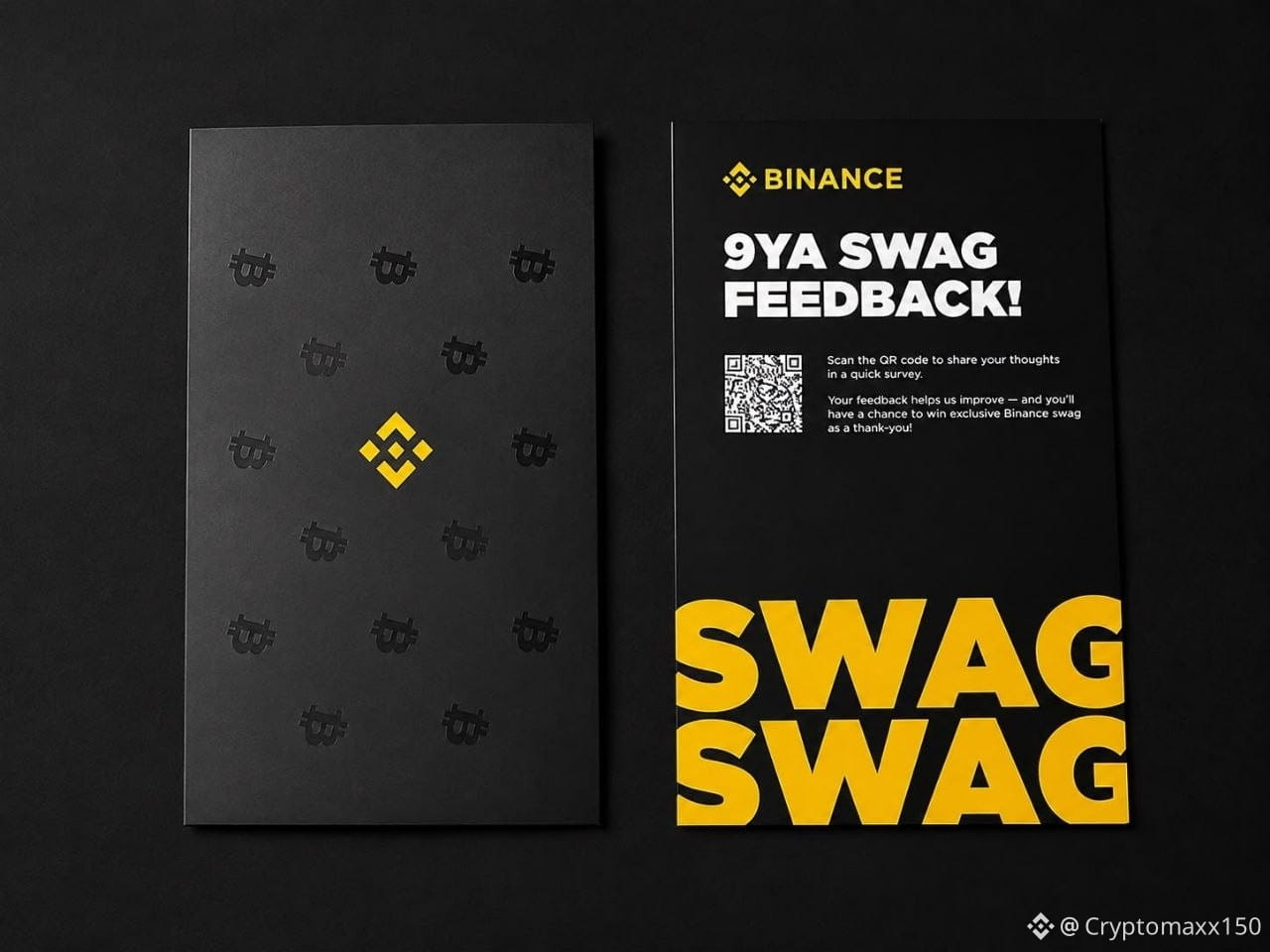
I received a light and lovely box from binance on the occasion of the ninth anniversary, 9Y
Thank you for your kind gesture ❤️❤️❤️
#BinanceTurns9
I received a light and lovely box from binance on the occasion of the ninth anniversary, 9Y
Thank you for your kind gesture ❤️❤️❤️
#BinanceTurns9
Thank you for your kind gesture ❤️❤️❤️
#BinanceTurns9


10
1
36
7.8k
PINNED
·
--
Why do most traders fail in financial markets?
In this video, Dr. Marsh from the Crypto Maxx team provides a clear explanation of the real reasons that lead to traders' losses.
📌 The explanation focuses on fundamental mistakes made by many, most notably:
▪️ Entering the market without a clear trading plan
▪️ Being influenced by emotions (fear and greed) instead of discipline
▪️ Overusing leverage
▪️ Overtrading and chasing quick profits
▪️ Neglecting capital management and failing to adhere to stop-losses
▪️ Switching between strategies without testing or patience
💡 Dr. Marsh clarifies that successful trading is based not on speculation, but on risk management, discipline, and consistency.
Why do most traders fail in financial markets?
In this video, Dr. Marsh from the Crypto Maxx team provides a clear explanation of the real reasons that lead to traders' losses.
📌 The explanation focuses on fundamental mistakes made by many, most notably:
▪️ Entering the market without a clear trading plan
▪️ Being influenced by emotions (fear and greed) instead of discipline
▪️ Overusing leverage
▪️ Overtrading and chasing quick profits
▪️ Neglecting capital management and failing to adhere to stop-losses
▪️ Switching between strategies without testing or patience
💡 Dr. Marsh clarifies that successful trading is based not on speculation, but on risk management, discipline, and consistency.
In this video, Dr. Marsh from the Crypto Maxx team provides a clear explanation of the real reasons that lead to traders' losses.
📌 The explanation focuses on fundamental mistakes made by many, most notably:
▪️ Entering the market without a clear trading plan
▪️ Being influenced by emotions (fear and greed) instead of discipline
▪️ Overusing leverage
▪️ Overtrading and chasing quick profits
▪️ Neglecting capital management and failing to adhere to stop-losses
▪️ Switching between strategies without testing or patience
💡 Dr. Marsh clarifies that successful trading is based not on speculation, but on risk management, discipline, and consistency.
27
12
125
9.2k
·
--
Bullish
Verified
The Winklevoss group has filed for a spot Zcash ETF under the ticker WINK. The proposed fund on Nasdaq will hold U.S. dollars
Winklevoss Capital will use Gemini as its direct asset custodian for a fee of 0.25%.
The company has also expressed interest in purchasing up to $100 million worth of shares.
This makes Winklevoss the third issuer seeking to enter the U.S. Zcash ETF market, after Grayscale and Bitwise.
Grayscale’s ZEC ETF currently has nearly $890 million in assets, following its launch in August.
Competition in the Zcash ETF market is quickly heating up.
The Winklevoss group has filed for a spot Zcash ETF under the ticker WINK. The proposed fund on Nasdaq will hold U.S. dollars
Winklevoss Capital will use Gemini as its direct asset custodian for a fee of 0.25%.
The company has also expressed interest in purchasing up to $100 million worth of shares.
This makes Winklevoss the third issuer seeking to enter the U.S. Zcash ETF market, after Grayscale and Bitwise.
Grayscale’s ZEC ETF currently has nearly $890 million in assets, following its launch in August.
Competition in the Zcash ETF market is quickly heating up.
Winklevoss Capital will use Gemini as its direct asset custodian for a fee of 0.25%.
The company has also expressed interest in purchasing up to $100 million worth of shares.
This makes Winklevoss the third issuer seeking to enter the U.S. Zcash ETF market, after Grayscale and Bitwise.
Grayscale’s ZEC ETF currently has nearly $890 million in assets, following its launch in August.
Competition in the Zcash ETF market is quickly heating up.

2
6
3.3k
·
--
Verified
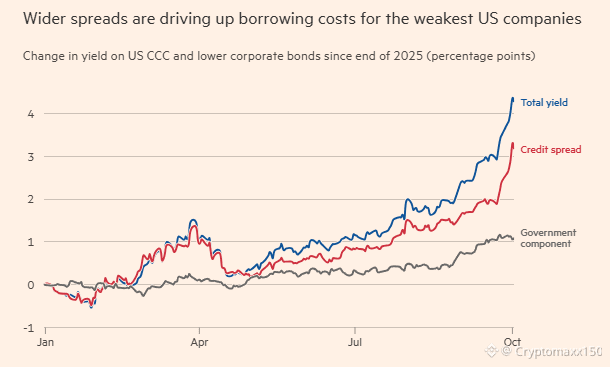
Borrowing costs for the riskiest U.S. companies have reached 17%, their highest level since the COVID-19 pandemic.
The Financial Times reports that a wave of sell-offs in U.S. bonds is driving up borrowing costs across corporate America.
Here’s what’s happening: The yield on 10-year U.S. Treasury bonds reached its highest level since 2002 last week.
Bank of America cut its forecast for investment-grade bond sales this month to $110 billion, from around $160 billion. Paramount’s $52 billion in bonds, which were part of its acquisition of Warner Bros., sold out immediately after they were issued.
A record $1.45 trillion in U.S. investment-grade debt is due for repayment between 2026 and 2030, according to Moody’s.
The last time borrowing costs were this high, the Federal Reserve cut interest rates to nearly zero. This time, traders expect another three to four rate hikes by early 2028.
Borrowing costs for the riskiest U.S. companies have reached 17%, their highest level since the COVID-19 pandemic.
The Financial Times reports that a wave of sell-offs in U.S. bonds is driving up borrowing costs across corporate America.
Here’s what’s happening: The yield on 10-year U.S. Treasury bonds reached its highest level since 2002 last week.
Bank of America cut its forecast for investment-grade bond sales this month to $110 billion, from around $160 billion. Paramount’s $52 billion in bonds, which were part of its acquisition of Warner Bros., sold out immediately after they were issued.
A record $1.45 trillion in U.S. investment-grade debt is due for repayment between 2026 and 2030, according to Moody’s.
The last time borrowing costs were this high, the Federal Reserve cut interest rates to nearly zero. This time, traders expect another three to four rate hikes by early 2028.
The Financial Times reports that a wave of sell-offs in U.S. bonds is driving up borrowing costs across corporate America.
Here’s what’s happening: The yield on 10-year U.S. Treasury bonds reached its highest level since 2002 last week.
Bank of America cut its forecast for investment-grade bond sales this month to $110 billion, from around $160 billion. Paramount’s $52 billion in bonds, which were part of its acquisition of Warner Bros., sold out immediately after they were issued.
A record $1.45 trillion in U.S. investment-grade debt is due for repayment between 2026 and 2030, according to Moody’s.
The last time borrowing costs were this high, the Federal Reserve cut interest rates to nearly zero. This time, traders expect another three to four rate hikes by early 2028.
TLTETF-0,07%
IEFETF-0,01%
AGGETF-0,15%
2
7
6.8k
·
--
Bullish
Partly True
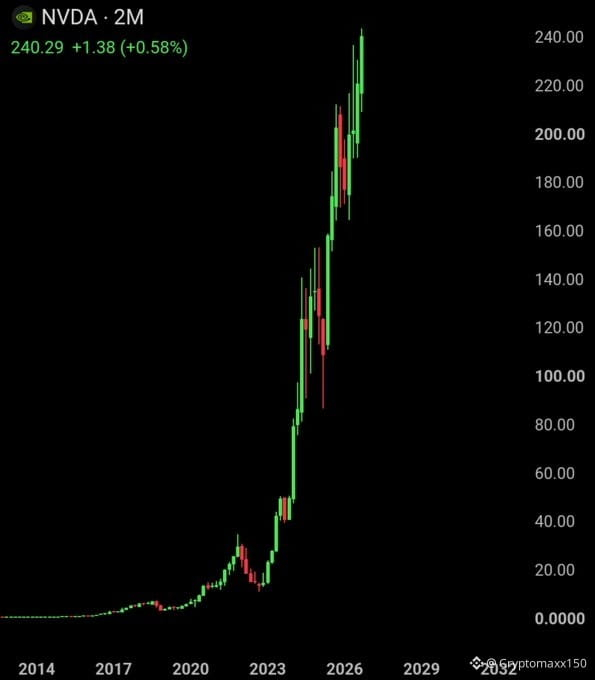
Nvidia shares reached an all-time high of $243 for the first time in history. If you had invested $10,000 in
Nvidia
at the height of the market crisis in 2002, you would have about $43 million today.
Nvidia shares reached an all-time high of $243 for the first time in history. If you had invested $10,000 in
Nvidia
at the height of the market crisis in 2002, you would have about $43 million today.
Nvidia
at the height of the market crisis in 2002, you would have about $43 million today.
3
814
·
--
Bullish
The Financial Times reported that Elon Musk’s SpaceX is in talks to raise $40 billion in debt to buy Nvidia chips.
The financing could include $10 billion in bank loans and $30 billion in investment-grade debt, led by Apollo.
The Financial Times reported that Elon Musk’s SpaceX is in talks to raise $40 billion in debt to buy Nvidia chips.
The financing could include $10 billion in bank loans and $30 billion in investment-grade debt, led by Apollo.
The financing could include $10 billion in bank loans and $30 billion in investment-grade debt, led by Apollo.
3
842
·
--
Verified
🇮🇳The Reserve Bank of India raised interest rates by 25 basis points to 5.50%, its first rate hike since February 2023.
🇮🇳The Reserve Bank of India raised interest rates by 25 basis points to 5.50%, its first rate hike since February 2023.

3
934
·
--
Bearish
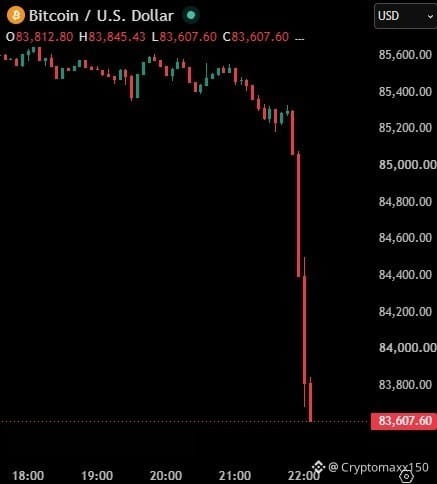
Bitcoin price drops by more than $2,000 in 20 minutes, as $400 million worth of leveraged long positions are liquidated in less than an hour.
$BTC #bitcoin
Bitcoin price drops by more than $2,000 in 20 minutes, as $400 million worth of leveraged long positions are liquidated in less than an hour.
$BTC #bitcoin
$BTC #bitcoin
2
853
·
--
Partly True
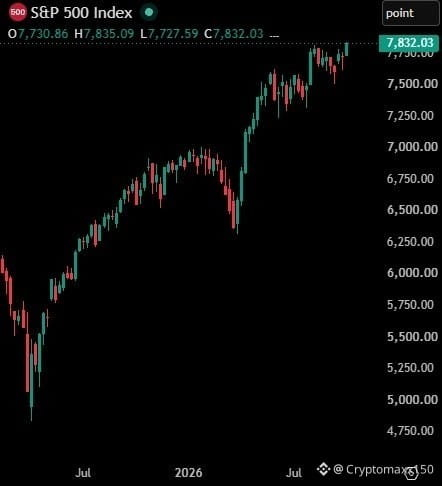
The S&P 500 has reached a record $71.3 trillion, up 24% from its low on March 30.
The U.S. stock market is now worth more than $82 trillion—over **7.5 times the value of China’s market and 28 times that of Germany’s. Asset owners are reaping the gains.
The S&P 500 has reached a record $71.3 trillion, up 24% from its low on March 30.
The U.S. stock market is now worth more than $82 trillion—over **7.5 times the value of China’s market and 28 times that of Germany’s. Asset owners are reaping the gains.
The U.S. stock market is now worth more than $82 trillion—over **7.5 times the value of China’s market and 28 times that of Germany’s. Asset owners are reaping the gains.
3
555
·
--
Bullish
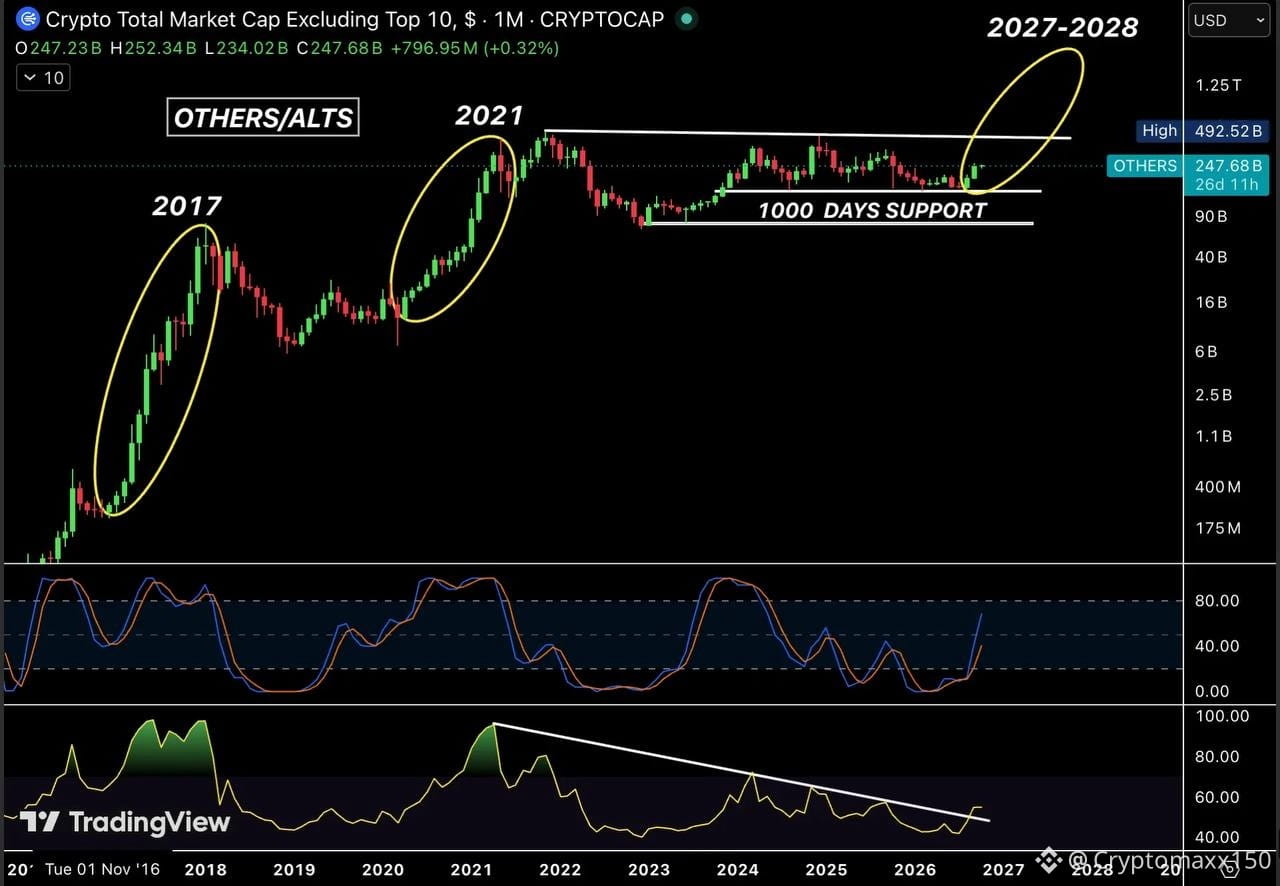
Altcoins represent the biggest opportunity available right now.
Since 2021, most retail investors have lost money by holding altcoins, as these coins have done nothing but move sideways.
But that doesn't change the fact that altcoins are currently undervalued.
The U.S. stock market is worth $77 trillion.
Gold is worth $30 trillion.
Bitcoin is worth $1.72 trillion.
Other altcoins are worth just $235 billion.
A small shift in liquidity toward altcoins could be enough to send them soaring, just as it did in 2017 and 2021.
Altcoins represent the biggest opportunity available right now.
Since 2021, most retail investors have lost money by holding altcoins, as these coins have done nothing but move sideways.
But that doesn't change the fact that altcoins are currently undervalued.
The U.S. stock market is worth $77 trillion.
Gold is worth $30 trillion.
Bitcoin is worth $1.72 trillion.
Other altcoins are worth just $235 billion.
A small shift in liquidity toward altcoins could be enough to send them soaring, just as it did in 2017 and 2021.
Since 2021, most retail investors have lost money by holding altcoins, as these coins have done nothing but move sideways.
But that doesn't change the fact that altcoins are currently undervalued.
The U.S. stock market is worth $77 trillion.
Gold is worth $30 trillion.
Bitcoin is worth $1.72 trillion.
Other altcoins are worth just $235 billion.
A small shift in liquidity toward altcoins could be enough to send them soaring, just as it did in 2017 and 2021.
3
471
·
--
Bullish
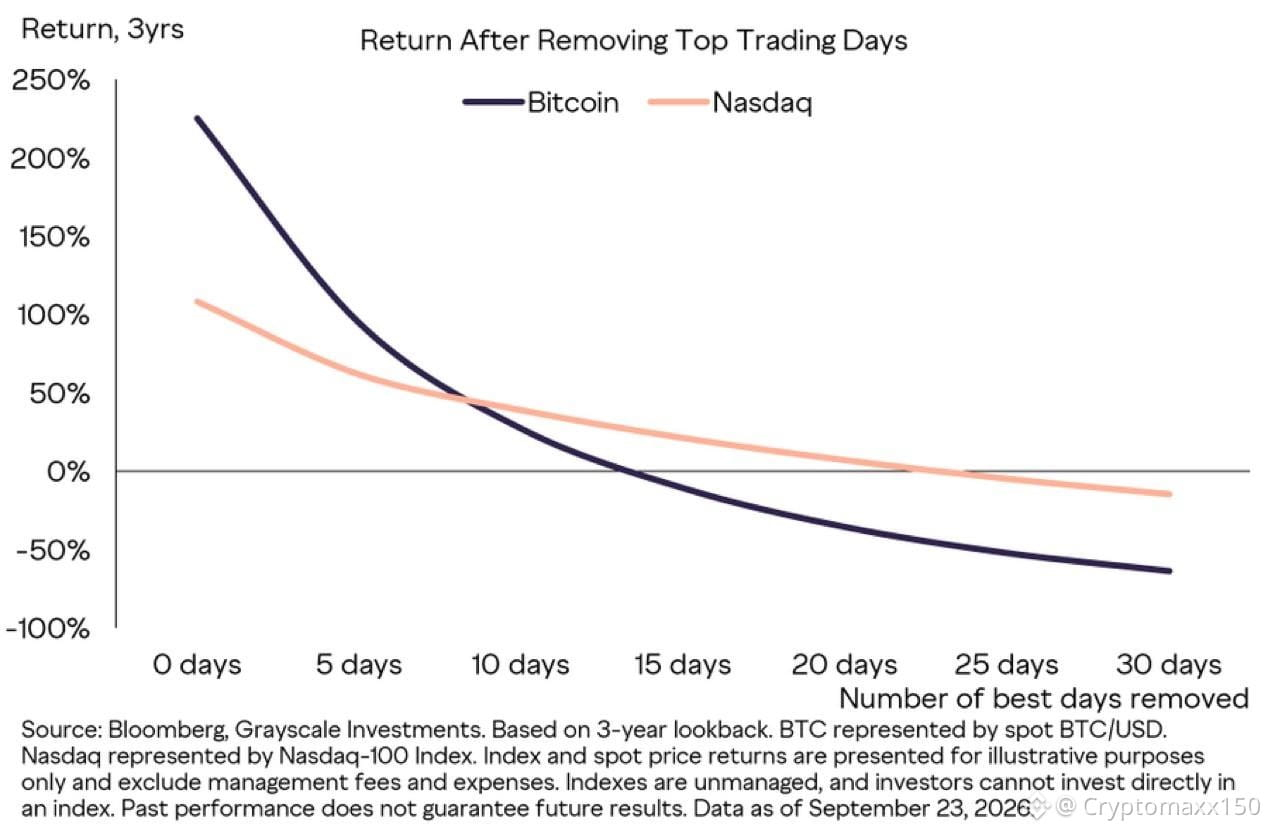
Bitcoin returned 225% over three years, compared with 109% for the Nasdaq. However, excluding Bitcoin’s five best trading days reduces its return to 95%.
$BTC
Bitcoin returned 225% over three years, compared with 109% for the Nasdaq. However, excluding Bitcoin’s five best trading days reduces its return to 95%.
$BTC
$BTC
3
800
·
--
Bullish
The U.S. Commodity Futures Trading Commission (CFTC) proposes new rules for cryptocurrencies, allowing trading firms to choose between submitting to federal oversight and offering margin trading services to retail customers.
The U.S. Commodity Futures Trading Commission (CFTC) proposes new rules for cryptocurrencies, allowing trading firms to choose between submitting to federal oversight and offering margin trading services to retail customers.
3
720
·
--
Bullish
Verified
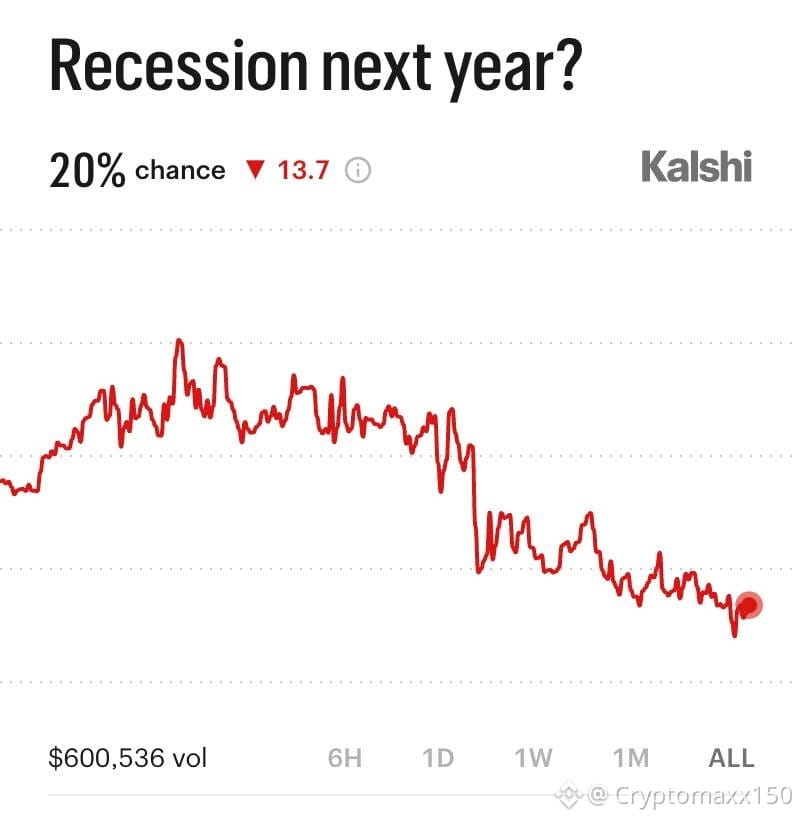
Traders on the Kalshi platform see a 20% chance of an economic recession next year.
Traders on the Kalshi platform see a 20% chance of an economic recession next year.
588
·
--
Bullish
Verified
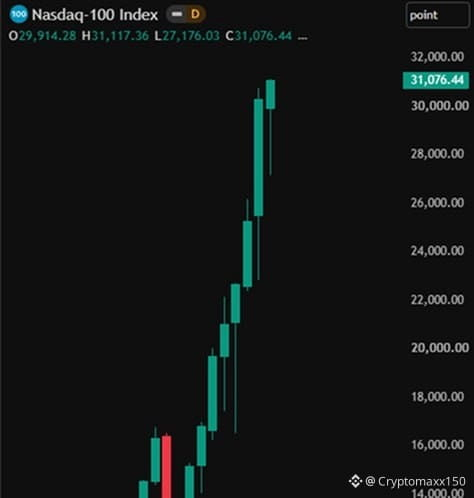
The Nasdaq 100 is now up more than 150% since Michael Burry warned investors to sell stocks in January 2023.
It closed today at a record high of 31,076, marking its second consecutive record close.
The Nasdaq 100 is now up more than 150% since Michael Burry warned investors to sell stocks in January 2023.
It closed today at a record high of 31,076, marking its second consecutive record close.
It closed today at a record high of 31,076, marking its second consecutive record close.
5
1.2k
·
--
Bullish
Partly True
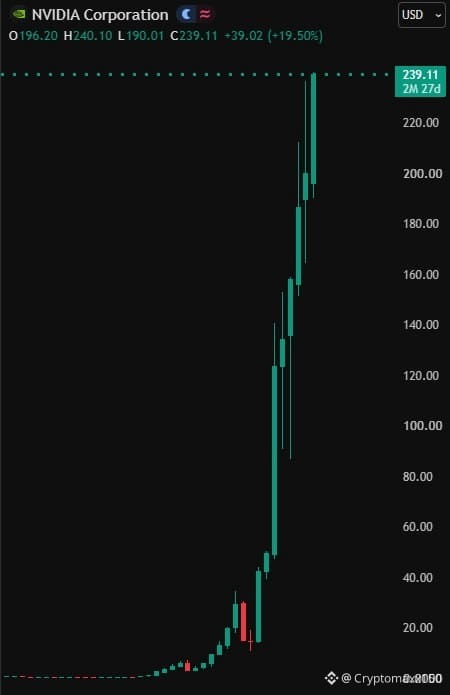
NVIDIA $NVDA officially closed at its all-time high, and is approaching the $6 trillion level.
The company's shares rose 2.2% today, closing at $239.11, after reaching a record high of $240.10.
NVIDIA $NVDA officially closed at its all-time high, and is approaching the $6 trillion level.
The company's shares rose 2.2% today, closing at $239.11, after reaching a record high of $240.10.
The company's shares rose 2.2% today, closing at $239.11, after reaching a record high of $240.10.
2
7
6.5k
·
--
Bullish
Partly True
The U.S. bond market is sounding an alarm that cannot be ignored.
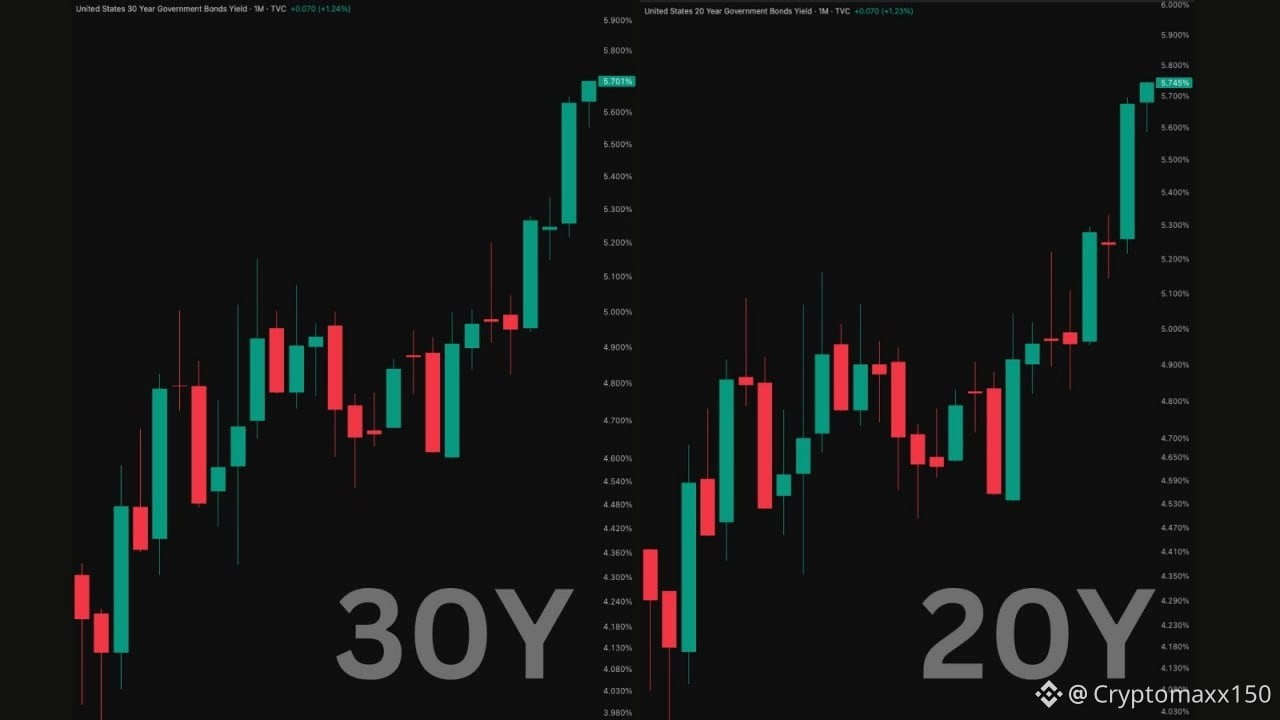
The 20-year Treasury yield has reached 5.735%, while the 30-year Treasury yield has climbed to nearly 5.7%. Both are at their highest levels in about 24 years.
The 10-year Treasury yield has also reached 5.34%, its highest level in 24 years.
Long-term bond yields have risen by more than 100 basis points since early March, driven by rising inflation, mounting debt, and geopolitical risks, pushing borrowing costs higher.
The S&P 500 remains near record highs, supported by AI-driven trading, but pressure is beginning to spread.
Mortgage rates are rising, real estate activity is weakening, and credit spreads have begun to widen.
Stock prices are stable for now.
The U.S. bond market is sounding an alarm that cannot be ignored.
The 20-year Treasury yield has reached 5.735%, while the 30-year Treasury yield has climbed to nearly 5.7%. Both are at their highest levels in about 24 years.
The 10-year Treasury yield has also reached 5.34%, its highest level in 24 years.
Long-term bond yields have risen by more than 100 basis points since early March, driven by rising inflation, mounting debt, and geopolitical risks, pushing borrowing costs higher.
The S&P 500 remains near record highs, supported by AI-driven trading, but pressure is beginning to spread.
Mortgage rates are rising, real estate activity is weakening, and credit spreads have begun to widen.
Stock prices are stable for now.
The 20-year Treasury yield has reached 5.735%, while the 30-year Treasury yield has climbed to nearly 5.7%. Both are at their highest levels in about 24 years.
The 10-year Treasury yield has also reached 5.34%, its highest level in 24 years.
Long-term bond yields have risen by more than 100 basis points since early March, driven by rising inflation, mounting debt, and geopolitical risks, pushing borrowing costs higher.
The S&P 500 remains near record highs, supported by AI-driven trading, but pressure is beginning to spread.
Mortgage rates are rising, real estate activity is weakening, and credit spreads have begun to widen.
Stock prices are stable for now.
TLTETF-0,07%
IEFETF-0,01%
2
1
7
3.6k
·
--
Verified
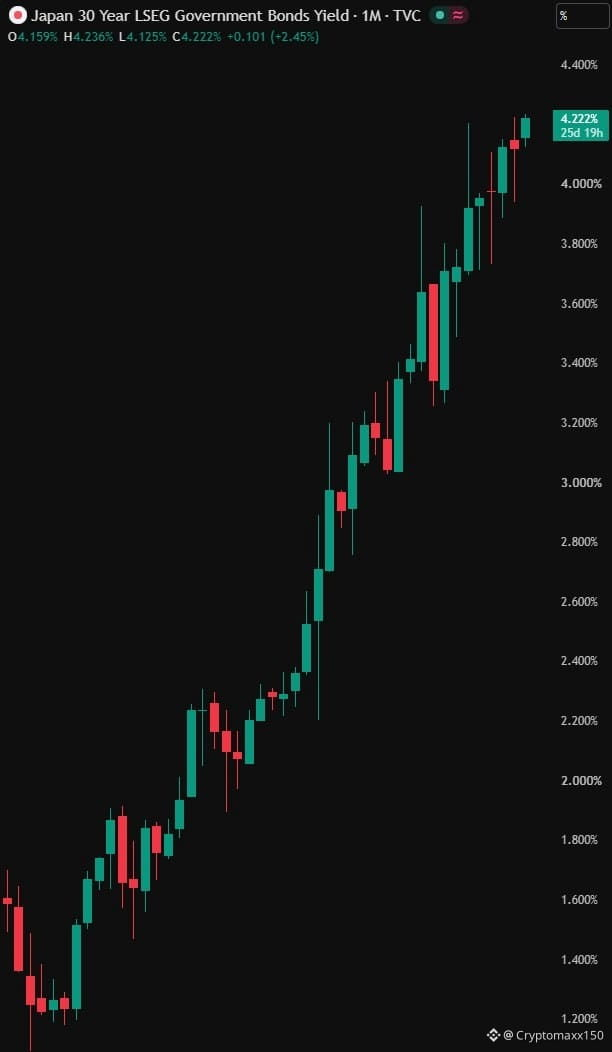
Record Japanese 30-year bond yields reached a new high of 4.235%, as the Bank of Japan said that sales of bonds related to artificial intelligence are contributing to higher long-term interest rates.
This is the highest level since Japan began selling 30-year bonds in 1999, and it first surpassed 4% in May.
The record came as traders were waiting for a speech by Prime Minister Sanaye Takayichi to parliament, according to Reuters.
Record Japanese 30-year bond yields reached a new high of 4.235%, as the Bank of Japan said that sales of bonds related to artificial intelligence are contributing to higher long-term interest rates.
This is the highest level since Japan began selling 30-year bonds in 1999, and it first surpassed 4% in May.
The record came as traders were waiting for a speech by Prime Minister Sanaye Takayichi to parliament, according to Reuters.
This is the highest level since Japan began selling 30-year bonds in 1999, and it first surpassed 4% in May.
The record came as traders were waiting for a speech by Prime Minister Sanaye Takayichi to parliament, according to Reuters.
TLTETF-0,07%
3
1.2k
·
--
Partly True
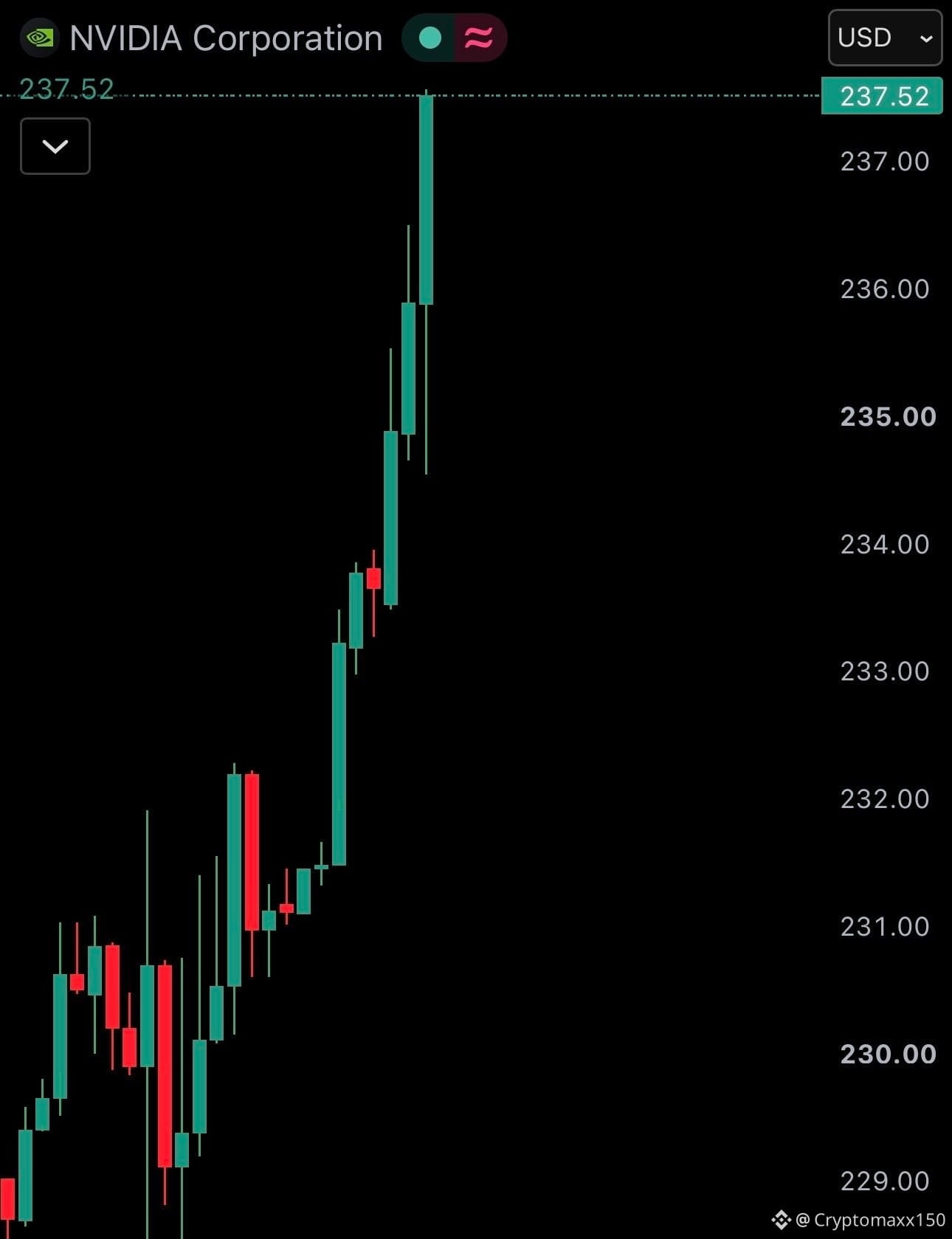
Nvidia company $NVDA achieves a new record level, surpassing a market value of $5.72 trillion.
Nvidia company $NVDA achieves a new record level, surpassing a market value of $5.72 trillion.
6
2.2k
·
--
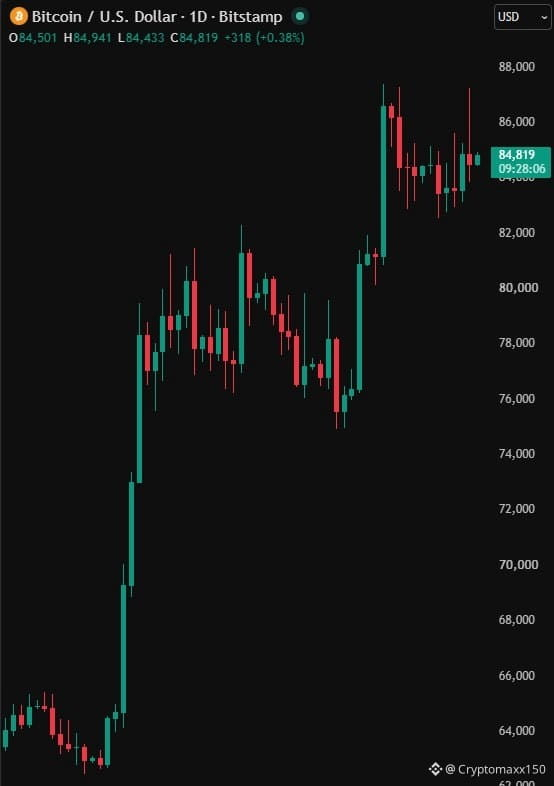
The price of Bitcoin fell from $87,000 to below $84,000 within hours, resulting in losses of nearly $600 million in trades.
Since then, the price of Bitcoin has stabilized around $84,800.
The price of Bitcoin fell from $87,000 to below $84,000 within hours, resulting in losses of nearly $600 million in trades.
Since then, the price of Bitcoin has stabilized around $84,800.
Since then, the price of Bitcoin has stabilized around $84,800.
2
4
1.9k
Log in to explore more content
Join global crypto users on Binance Square
⚡️ Get latest and useful information about crypto.
💬 Trusted by the world’s largest crypto exchange.
👍 Discover real insights from verified creators.
Email / Phone number
Trending Topics
FedMinutesFocusOnOctoberPause
149,545 views
1,257 Discussing
🚨 HIGH ALERT ‼️ PLEASE DON’T TRADE BLINDLY FOR THE NEXT HOUR 🚨
Guys, we have FOMC Minutes coming in less than 1 hour.
And after the kind of volatility we already saw today, I really don’t want anyone opening random high-leverage positions just before this release.
The biggest reaction I’m watching will be in Gold (XAU), Silver (XAG), BTC and ETH. Then coins like SOL and other highly leveraged mid/low-cap alts can exaggerate whatever move BTC makes.
Gold and Silver are especially sensitive tonight because the market is already reacting to the US dollar + Treasury yields, and both metals have been under heavy pressure ahead of the Fed minutes.
Briefly speaking
📉Hawkish Fed Minutes → Dollar/yields can push higher → pressure on BTC, crypto, Gold & silver
📈Dovish Fed Minutes → Dollar/yields can cool → BTC, Gold, Silver and risk assets can bounce hard.
And please remember the first candle can be a trap. We can get a pump, immediate dump, liquidations on both sides, and then the real direction.
So for now, protect your positions, reduce unnecessary leverage and don’t FOMO into the first move.
Tonight I’m watching $XAU , $XAG and $BTC first. These will tell us very quickly how the market is reading the Fed.
I will Update you guys on time
Follow @Panda Traders and Turn on Your notifications right now
#FedMinutesFocusOnOctoberPause
Panda Traders
·18 Likes
·3.7k views
BinanceLaunchesBinanceIntelligence
1.1M views
6,465 Discussing
EvernorthDelaysNasdaqDebutToOct12
11,798 views
283 Discussing