

🧠 TRADING ADDICTION | 06/45
DOPAMINE, FOMO, AND OVERTRADING: WHY DOES IT GET HARDER TO STOP THE MORE WE TRADE?
🎰 Here’s a rather unsettling truth: Sometimes we open a chart not to look for an opportunity to make money, but to get a little rush.
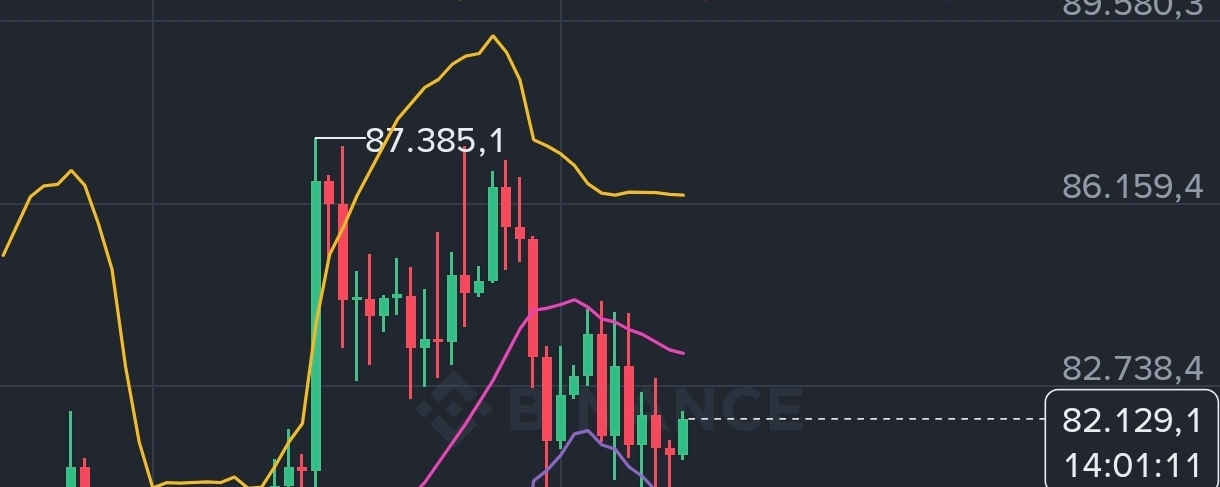
Have you ever told yourself, “I’m taking the day off from trading,” only to open Binance a few minutes later to check the price?
At first, you only meant to take a quick look. Then you see the price moving, start analyzing, looking for an entry point...
And then, one more new trade.
Why is it so hard to stop, even when you know you're trading too much?
The answer may lie in how we respond to rewards, uncertainty, and the feeling of missing out.
━━━━━━━━━━━━
🧠 1. DOPAMINE: WHAT MAKES US WANT TO PLACE ONE MORE TRADE
Many people call dopamine the "feel-good hormone," but in reality, it's more complicated than that.
Dopamine plays a role in motivation, reward prediction, and learning from outcomes.
Interestingly, uncertain rewards can also be a powerful source of motivation.
Trading has all of these elements:
📈 Entering a trade and waiting for the price to move. 💰 Imagining the profits you could make. 😰 Feeling on edge as the price approaches your TP or SL. 🔥 The thrill of an unexpected big win.
Sometimes, the anticipation of an outcome can be even more exciting than the outcome itself.
And when the brain starts associating placing trades with excitement, we may want to trade even when there isn't a good enough opportunity.
This is when trading risks becoming a way to seek excitement, rather than a planned decision-making activity.
━━━━━━━━━━━━
🚀 2. FOMO: WHEN SITTING ON THE SIDELINES BECOMES PAINFUL
Imagine you've just decided to take a break from trading.
Suddenly, $BTC surges.
A sea of altcoins turns bright green. On social media, everyone starts showing off their profits.
How do you feel?
Maybe regretful. Maybe frustrated. You might even feel like you're being left behind.
And a thought pops into your head:
"If I don't get in now, I'll miss the chance to make money!"
The danger is that, at this point, you're no longer evaluating the opportunity entirely by your original criteria.
You're trying to escape the uncomfortable feeling of sitting on the sidelines.
FOMO makes it hard NOT to trade, even though sometimes that’s the sensible choice.
━━━━━━━━━━━━
🔄 3. OVERTRADING: A CYCLE WITH NO STOPPING POINT
There are three situations that can easily pull traders into a cycle of overtrading:
✅ Winning streak: Confidence soars, and you want to make even more.
❌ Losing streak: It's hard to accept losing money, so you want to win it back.
😵💫 No open trades: You're bored and restless, and want some excitement.
See what they all have in common?
Whether we're winning, losing, or sitting on the sidelines, we can always find a reason to keep trading.
And if we don't recognize that, the number of trades can keep increasing while the quality of our decisions declines.
I used to set a goal of doubling my account every month. Looking back, I can see how expectations like that can make you feel like you always have to make money, take action, and seize every opportunity.
But is the market obligated to create a suitable opportunity every day?
━━━━━━━━━━━━
🛑 4. SO HOW DO WE BREAK OUT OF THIS CYCLE?
After returning to trading for 4–5 months, I'm focusing more on managing myself instead of trying to find as many opportunities as possible.
Here are a few principles I think are well worth practicing:
🎯 Only enter a trade when all the criteria are met.
Clearly define the signal, entry point, stop-loss, and risk level before trading.
If you can't explain why you should enter a trade, it's best to pass.
⏳ Limit your screen time and trading frequency.
You don't need to stare at charts all day. You can set limits on the number of trades, the time you spend watching the market, or the specific sessions you trade.
🚶 Take a break after intense emotions.
Whether you've just had a big win or a painful loss, it's not the ideal time to rush into your next trade.
📝 Record your reasons for entering a trade, too.
Don't just record how much you gained or lost. Also note your emotional state and whether you followed your plan.
Most importantly, if you keep breaking your limits, lose the ability to stop, or let trading seriously affect your finances and life, stepping away from trading and seeking support may be more important than any strategy.
━━━━━━━━━━━━
🌱 5. OVERCOMING TRADING ADDICTION DOESN'T MEAN LEARNING TO HATE THE MARKET
I still enjoy trading.
I still feel happy when I make a profit.
I still want to improve my skills and become a better trader.
But there's one thing I want to change:
I don't want my emotions deciding when I have to trade.
I've paid the market a lot in tuition. Over the course of my trading journey, my account is still down more than $4,000.
So what I need right now isn't to make it all back as quickly as possible.
It's to build a way of trading that stops me from repeating the same old mistakes.
💡 Perhaps a trader's greatest freedom isn't being able to enter a trade at any time.
It's being able to face a wildly volatile market, see countless opportunities, and still calmly close the app when they aren't right for you.
💬 What makes it hardest for you to stop trading?
1️⃣ The excitement of entering a trade. 2️⃣ Fear of missing a chance to make money. 3️⃣ Wanting to win back what you've lost. 4️⃣ Simply not being able to stand sitting on the sidelines.
#TradingAddiction #TradingPsychology #Overtrading #Crypto