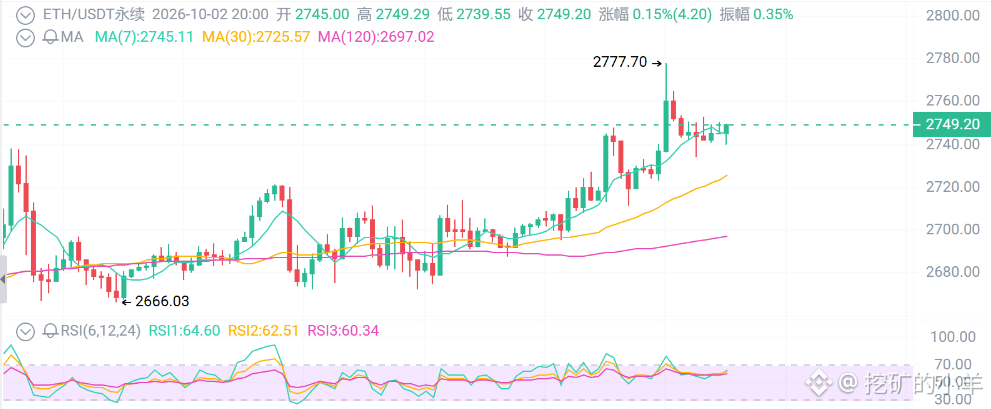
$2,750 ETH—are you going to chase it?
Let’s look at the surface first: ETH rose 11% in September and 67% in Q3. Sounds pretty strong, right? But don’t forget—compared with a year ago, ETH is still down 38%, and it’s still more than 40% away from the all-time high of 4,946. This isn’t a breakout “major uptrend.” It’s a high-range consolidation after a big-level rebound. Both bulls and bears are waiting for a signal—and tonight, the signal is here.
First: The ETF is still buying, but the money is moving slower.
In September, U.S. spot Ethereum ETFs saw net inflows of $831 million, bringing the cumulative total to $13.9 billion. Not bad, right?
But in August the inflow was $1.85 billion—monthly inflows fell by more than half. The money didn’t leave, but the slope has gone flat.
BTC is similar: after the recent spike, daily inflows dropped from nearly $1 billion to around the $100 million level. Big players are retreating, while retail investors are catching the bags.
Second: Staking has locked 43.7 million coins, but you need to understand what that means.
43.7 million ETH staked—about 35.8% of the total. The entry queue is 1.58 million ETH, which is twice the size of the exit queue. Treasury holdings like BitMine are over 6 million.
Locking doesn’t equal pumping.
Staking locks up supply, not demand. It’s the foundation, not a rocket. Without new incremental capital, just locking coins can only keep the price range-bound.
Third: The upgrade schedule looks great, but it can’t be cashed in today.
Fusaka went live last December, and PeerDAS lowered L2 fees. The next Glamsterdam Sepolia testnet is set for October 6; the mainnet date hasn’t been determined.
Upgrades are a good thing, but they’re for the future. What the market is trading today is NFP, BTC, and the ETF inflow “slope.”
Are you using an upgrade with an “undetermined mainnet date” to bet on a breakout today? Is that investing—or just making a wish?
Trading strategy
Aggressive:
Try long with a light position around 2,750. Stop-loss at 2,688. First target 2,790, second target 2,850. At 2,790, cut half; if it can’t break through, exit.
Conservative:
Wait until 2,650–2,680 to consider opening longs, stop-loss at 2,618. A better entry is 2,550–2,600. If it doesn’t come, keep a small position—better to miss than get trapped.
Breakout style:
Only consider chasing after a breakout with volume that holds above 2,800, and a retest that doesn’t break 2,750. Targets: 2,900 and 3,000. If it’s a false breakout, abandon immediately—don’t fall in love with a pump-and-dump outfit.
Bears:
If it rallies up but can’t gain momentum (2,780–2,800), open a light short for a pullback. Stop-loss at 2,835. Targets: 2,700 and 2,650. Don’t grind a short around 2,630—that’s the bottom of the box, not the top.
Let’s look at the surface first: ETH rose 11% in September and 67% in Q3. Sounds pretty strong, right? But don’t forget—compared with a year ago, ETH is still down 38%, and it’s still more than 40% away from the all-time high of 4,946. This isn’t a breakout “major uptrend.” It’s a high-range consolidation after a big-level rebound. Both bulls and bears are waiting for a signal—and tonight, the signal is here.
First: The ETF is still buying, but the money is moving slower.
In September, U.S. spot Ethereum ETFs saw net inflows of $831 million, bringing the cumulative total to $13.9 billion. Not bad, right?
But in August the inflow was $1.85 billion—monthly inflows fell by more than half. The money didn’t leave, but the slope has gone flat.
BTC is similar: after the recent spike, daily inflows dropped from nearly $1 billion to around the $100 million level. Big players are retreating, while retail investors are catching the bags.
Second: Staking has locked 43.7 million coins, but you need to understand what that means.
43.7 million ETH staked—about 35.8% of the total. The entry queue is 1.58 million ETH, which is twice the size of the exit queue. Treasury holdings like BitMine are over 6 million.
Locking doesn’t equal pumping.
Staking locks up supply, not demand. It’s the foundation, not a rocket. Without new incremental capital, just locking coins can only keep the price range-bound.
Third: The upgrade schedule looks great, but it can’t be cashed in today.
Fusaka went live last December, and PeerDAS lowered L2 fees. The next Glamsterdam Sepolia testnet is set for October 6; the mainnet date hasn’t been determined.
Upgrades are a good thing, but they’re for the future. What the market is trading today is NFP, BTC, and the ETF inflow “slope.”
Are you using an upgrade with an “undetermined mainnet date” to bet on a breakout today? Is that investing—or just making a wish?
Trading strategy
Aggressive:
Try long with a light position around 2,750. Stop-loss at 2,688. First target 2,790, second target 2,850. At 2,790, cut half; if it can’t break through, exit.
Conservative:
Wait until 2,650–2,680 to consider opening longs, stop-loss at 2,618. A better entry is 2,550–2,600. If it doesn’t come, keep a small position—better to miss than get trapped.
Breakout style:
Only consider chasing after a breakout with volume that holds above 2,800, and a retest that doesn’t break 2,750. Targets: 2,900 and 3,000. If it’s a false breakout, abandon immediately—don’t fall in love with a pump-and-dump outfit.
Bears:
If it rallies up but can’t gain momentum (2,780–2,800), open a light short for a pullback. Stop-loss at 2,835. Targets: 2,700 and 2,650. Don’t grind a short around 2,630—that’s the bottom of the box, not the top.