


Stablecoins’ rapid global expansion is reshaping financial access and payments, offering new efficiencies while raising urgent concerns over monetary control and regulatory gaps that policymakers worldwide are now scrambling to confront.
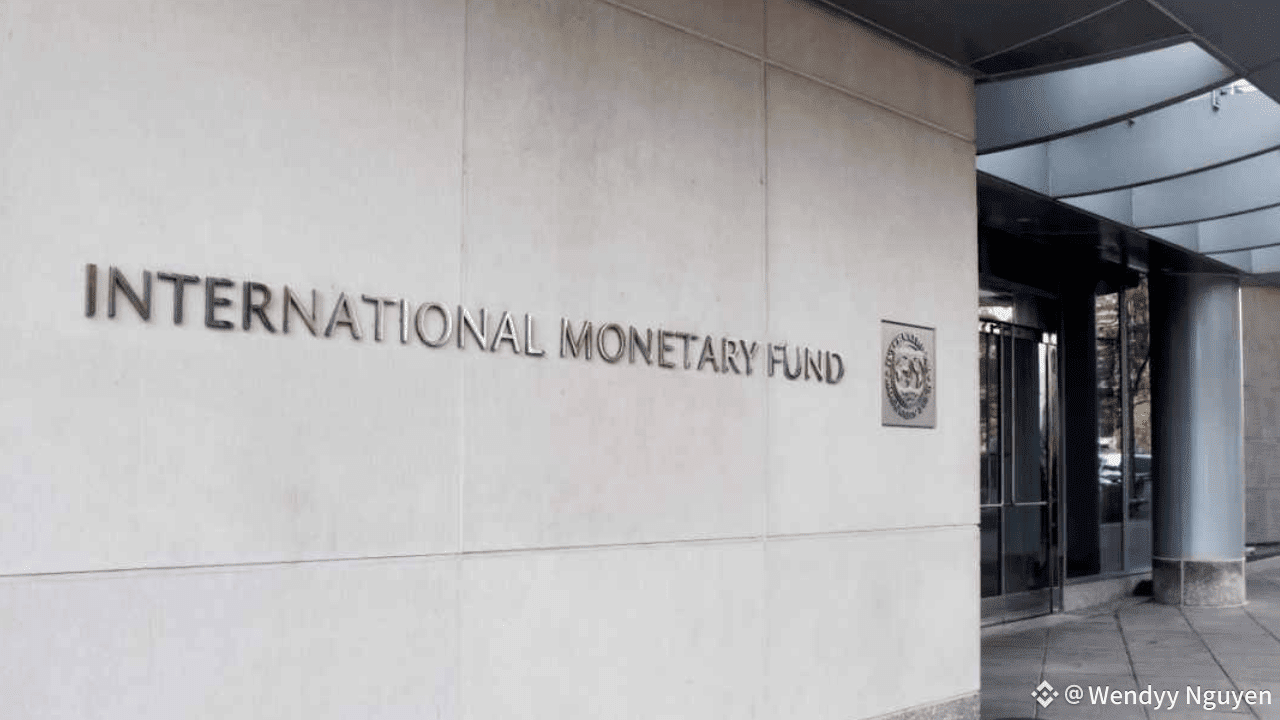
IMF Warns of Expanding Stablecoin Influence
The International Monetary Fund (IMF) detailed on Dec. 4 that stablecoins can widen financial access and support innovation but may also create risks for monetary autonomy. The organization outlined these issues in its latest blog post assessing stablecoins’ expanding role in payments and markets.
The IMF stated on social media platform X:
Stablecoins can expand financial access and drive innovation, but also cause currency substitution and market volatility. Global cooperation on regulation is essential.
The Fund is working with the Financial Stability Board (FSB), the Bank for International Settlements (BIS), and others “to close gaps and improve oversight,” the IMF added.
The official blog post on the IMF website is written by Tobias Adrian, Marcello Miccoli, and Nobuyasu Sugimoto, prominent economists and financial experts who hold senior roles within the International Monetary Fund’s Monetary and Capital Markets Department, focusing on global financial stability, digital currencies, and regulation.
“Stablecoins have great potential to make international payments faster and cheaper for people and companies,” they detailed. “But this promise comes with risks of currency substitution and countries losing control over capital flows, among others. Turning stablecoins into a force for good in the global financial system will require concerted actions by policymakers, at both the domestic and international levels.”
The authors also noted that “stablecoins’ cross border flows are growing fast.” Their analysis underscores how expanding use in remittances and digital commerce reflects deeper ties with financial markets, while simultaneously exposing economies to confidence shocks, reserve-asset declines, and potential runs.
Regulatory fragmentation remains a central challenge, as the authors stated: “Stablecoins could be used to circumvent capital flow management measures, which rely on established financial intermediaries.” They explained that uneven oversight enables issuers to take advantage of weaker jurisdictions and complicates monitoring of cross-border movement. Some authorities are considering access to central bank liquidity for certain issuers, while others are reinforcing legal clarity, financial integrity rules, and global data standards.
The IMF economists concluded:
Improving the existing global financial infrastructure might be easier than replacing it. Achieving the best possible balance will require close cooperation among policymakers, regulators, and the private sector.
Although the IMF economists emphasized systemic risks, crypto advocates counter that well-regulated stablecoins can broaden financial inclusion, reduce settlement frictions, and enhance transparency across global payments.