

#utilitytoken
utilitytoken
70,840 views
318 Discussing
Hot
Latest
$Sensual Line FK $RastaGirlStore Our entire ecosystem is managed with discipline and a long-term focus.
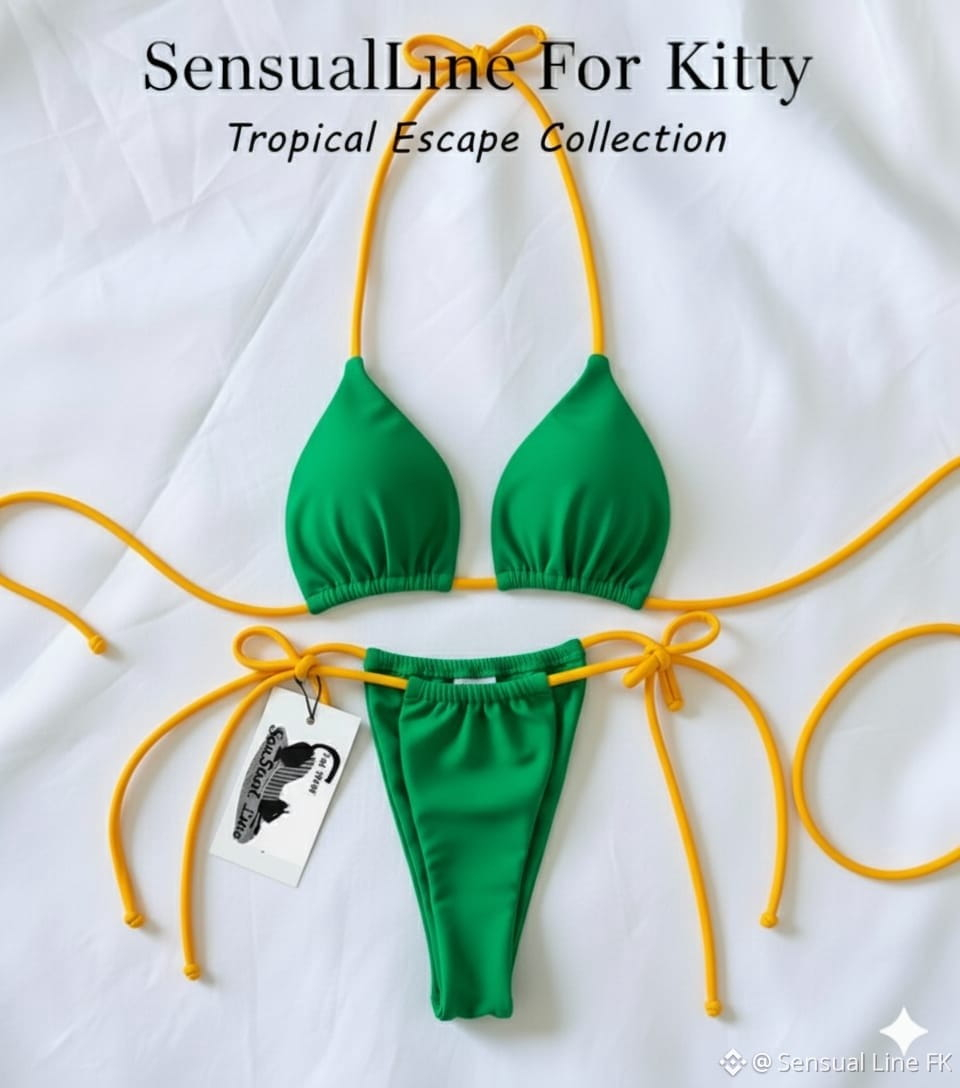
We’re working to solidify our presence in the Brazilian beachwear market with a reward token, an exclusive club where every purchase generates rewards in tokens (base network), whether on Shopee or direct (Instagram).
Purchases using our token get you 50% OFF.
Reseller: for example, the bikini costs R$49.99, but with the discount paying in tokens, it’s R$25.00.
You sell the bikini for at least R$100.00, high quality with a lower product cost - that’s Exclusive Club and Production!
Ensuring that each transaction and every piece produced and sold strengthens our community.
Exclusive club #rwa #UtilityToken #web3 #base #blockchain
Perfect for those who love quality products and work in beachwear sales during summer.
You buy at a 50% discount and sell at retail for profit.
You gain from appreciation and earn from selling real products made of Premium polyamide quality.
$Sensual Line FK $RastaGirlStore Our entire ecosystem is managed with discipline and a long-term focus.
We’re working to solidify our presence in the Brazilian beachwear market with a reward token, an exclusive club where every purchase generates rewards in tokens (base network), whether on Shopee or direct (Instagram).
Purchases using our token get you 50% OFF.
Reseller: for example, the bikini costs R$49.99, but with the discount paying in tokens, it’s R$25.00.
You sell the bikini for at least R$100.00, high quality with a lower product cost - that’s Exclusive Club and Production!
Ensuring that each transaction and every piece produced and sold strengthens our community.
Exclusive club #rwa #UtilityToken #web3 #base #blockchain
Perfect for those who love quality products and work in beachwear sales during summer.
You buy at a 50% discount and sell at retail for profit.
You gain from appreciation and earn from selling real products made of Premium polyamide quality.
We’re working to solidify our presence in the Brazilian beachwear market with a reward token, an exclusive club where every purchase generates rewards in tokens (base network), whether on Shopee or direct (Instagram).
Purchases using our token get you 50% OFF.
Reseller: for example, the bikini costs R$49.99, but with the discount paying in tokens, it’s R$25.00.
You sell the bikini for at least R$100.00, high quality with a lower product cost - that’s Exclusive Club and Production!
Ensuring that each transaction and every piece produced and sold strengthens our community.
Exclusive club #rwa #UtilityToken #web3 #base #blockchain
Perfect for those who love quality products and work in beachwear sales during summer.
You buy at a 50% discount and sell at retail for profit.
You gain from appreciation and earn from selling real products made of Premium polyamide quality.
2
1k
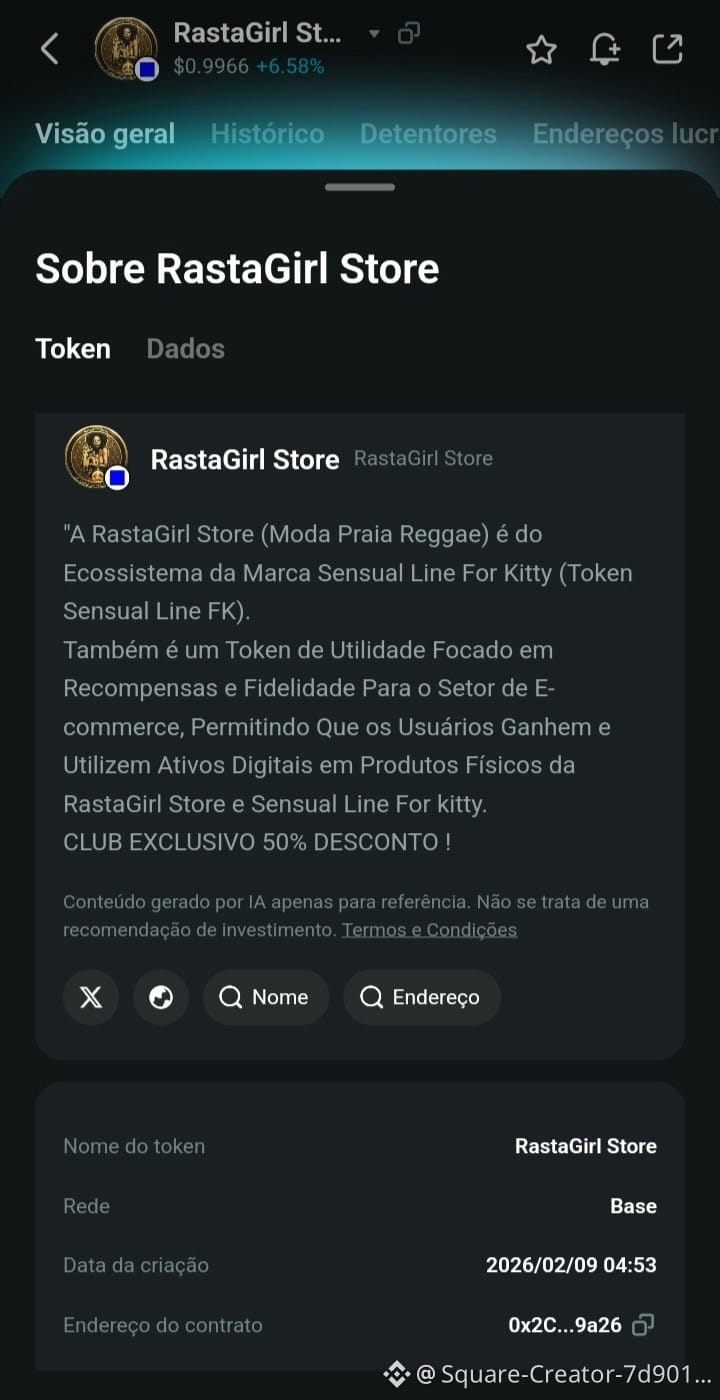
$RastaGirl Store 🌐 Our Token has utility across all e-commerce, it's on the network #Base #Web3 , the customer doesn't just spend on bikinis, if they want
They can buy, swap, see the asset appreciate, convert (do the swap) to any other digital asset in the market like #Ethereum, #USDC, #Bitcoin, etc
#RWA #UtilityToken #web3_binance
$RastaGirl Store 🌐 Our Token has utility across all e-commerce, it's on the network #Base #Web3 , the customer doesn't just spend on bikinis, if they want
They can buy, swap, see the asset appreciate, convert (do the swap) to any other digital asset in the market like #Ethereum, #USDC, #Bitcoin, etc
#RWA #UtilityToken #web3_binance
They can buy, swap, see the asset appreciate, convert (do the swap) to any other digital asset in the market like #Ethereum, #USDC, #Bitcoin, etc
#RWA #UtilityToken #web3_binance
2
182
$Sensual Line FK Benefits Club: By accumulating these tokens, the customer gains access to the Exclusive Club, where they can redeem physical products or get 50% off.
Strength for Resellers: This 50% discount model works as a fantastic sales tool for independent resellers. They can acquire premium, high-quality pieces for half the market price using the tokens, greatly increasing their profit margin on in-person resale.
$AtelieZCoin
#rwa #UtilityToken #web3
$Sensual Line FK Benefits Club: By accumulating these tokens, the customer gains access to the Exclusive Club, where they can redeem physical products or get 50% off.
Strength for Resellers: This 50% discount model works as a fantastic sales tool for independent resellers. They can acquire premium, high-quality pieces for half the market price using the tokens, greatly increasing their profit margin on in-person resale.
$AtelieZCoin
#rwa #UtilityToken #web3
Strength for Resellers: This 50% discount model works as a fantastic sales tool for independent resellers. They can acquire premium, high-quality pieces for half the market price using the tokens, greatly increasing their profit margin on in-person resale.
$AtelieZCoin
#rwa #UtilityToken #web3
1
510
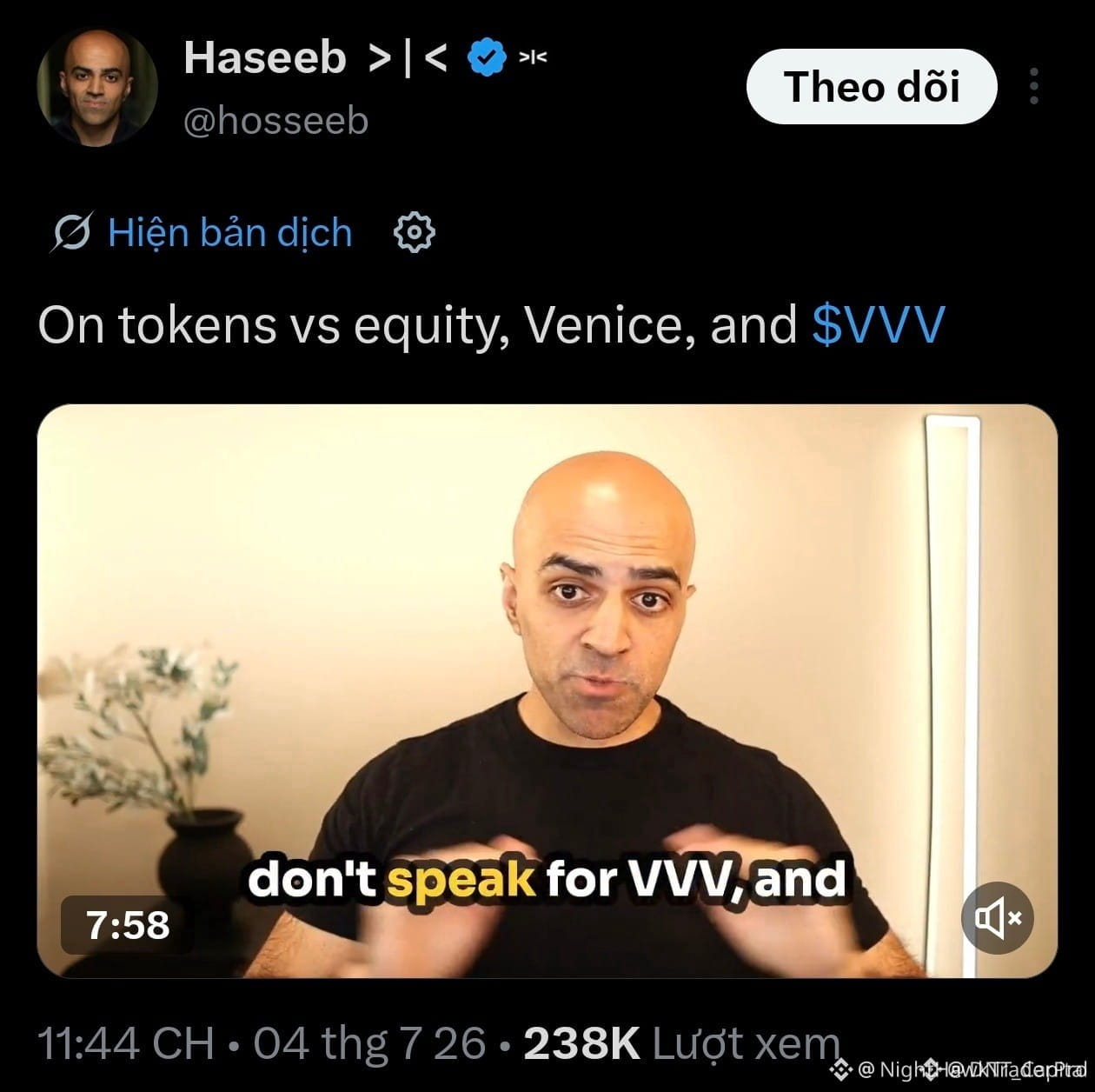
$VVV IS NOT EQUITY — DRAGONFLY JUST SET THE RECORD STRAIGHT 🔥
No specific price levels provided.
CryptoAlpha here. I know you've seen the AI token hype around $VVV — but Dragonfly's partner just dropped a reality check that changes everything. He made it crystal clear: $VVV is NOT network equity, NOT company shares. It's a utility token like $BNB — used to pay for AI services, access resources, and earn ecosystem perks.
This matters because the market has been pricing $VVV like a high-growth equity play. Now the narrative is correcting. Buyback mechanics exist, but you're not owning a piece of Venice. Community is split — some see this as a healthy reset, others think the gravy train just hit a speed bump.
Do you hold $VVV for the utility or were you betting on equity-like returns?
Not financial advice. Always manage your risk.
#VVV #AI #UtilityToken #CryptoNews
🔥
$VVV IS NOT EQUITY — DRAGONFLY JUST SET THE RECORD STRAIGHT 🔥
No specific price levels provided.
CryptoAlpha here. I know you've seen the AI token hype around $VVV — but Dragonfly's partner just dropped a reality check that changes everything. He made it crystal clear: $VVV is NOT network equity, NOT company shares. It's a utility token like $BNB — used to pay for AI services, access resources, and earn ecosystem perks.
This matters because the market has been pricing $VVV like a high-growth equity play. Now the narrative is correcting. Buyback mechanics exist, but you're not owning a piece of Venice. Community is split — some see this as a healthy reset, others think the gravy train just hit a speed bump.
Do you hold $VVV for the utility or were you betting on equity-like returns?
Not financial advice. Always manage your risk.
#VVV #AI #UtilityToken #CryptoNews
🔥
No specific price levels provided.
CryptoAlpha here. I know you've seen the AI token hype around $VVV — but Dragonfly's partner just dropped a reality check that changes everything. He made it crystal clear: $VVV is NOT network equity, NOT company shares. It's a utility token like $BNB — used to pay for AI services, access resources, and earn ecosystem perks.
This matters because the market has been pricing $VVV like a high-growth equity play. Now the narrative is correcting. Buyback mechanics exist, but you're not owning a piece of Venice. Community is split — some see this as a healthy reset, others think the gravy train just hit a speed bump.
Do you hold $VVV for the utility or were you betting on equity-like returns?
Not financial advice. Always manage your risk.
#VVV #AI #UtilityToken #CryptoNews
🔥
149
Verified
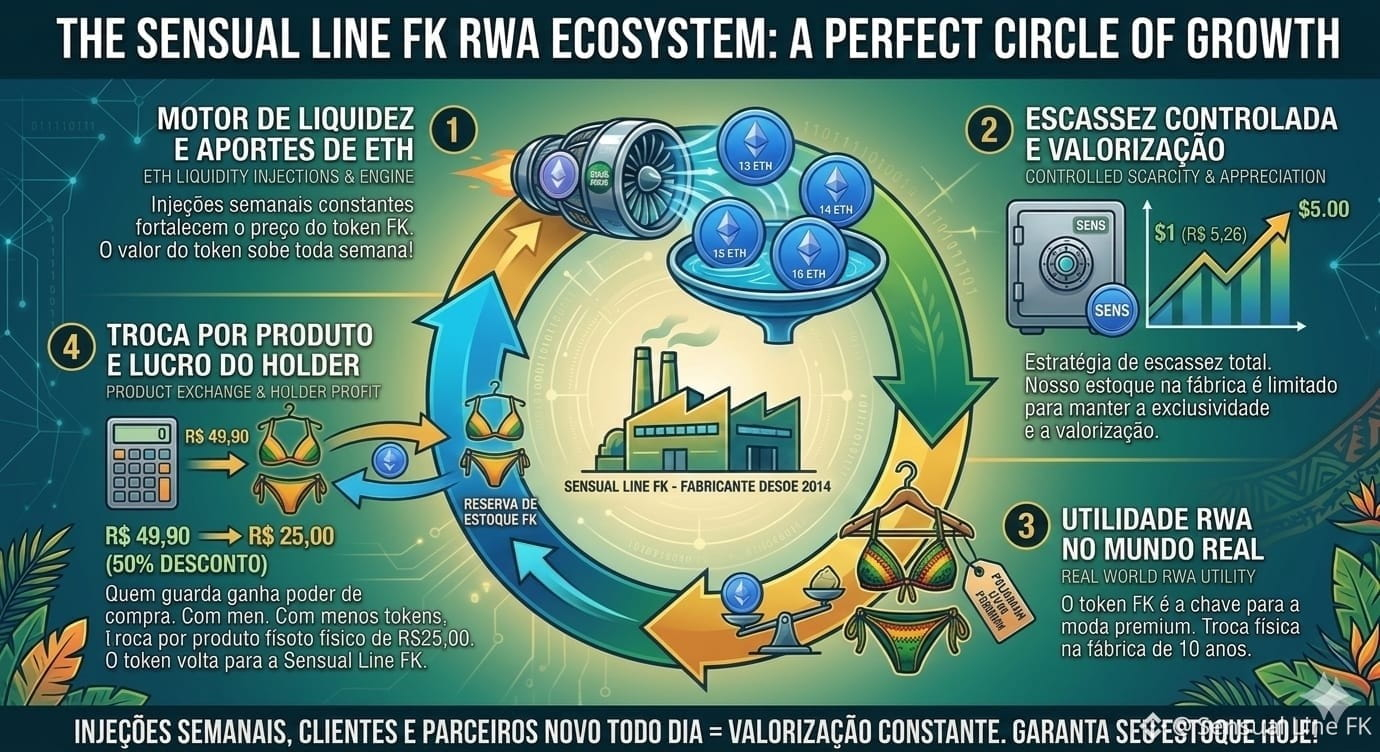
$Sensual Line FK Why our token is an RWA 🧵Exclusive and unique models in the market with price and quality while respecting our collaborators and partners who believe in our product!
Unlike purely speculative assets, the value of our ecosystem is anchored in real production.
Each token is a key to exclusive discounts on premium fashion. This creates a constant organic demand and protects the value of your asset.
Exclusive Club! See how consumption turns into investment.
#RWA #UtilityToken #BaseChain #web3
$Sensual Line FK Why our token is an RWA 🧵Exclusive and unique models in the market with price and quality while respecting our collaborators and partners who believe in our product!
Unlike purely speculative assets, the value of our ecosystem is anchored in real production.
Each token is a key to exclusive discounts on premium fashion. This creates a constant organic demand and protects the value of your asset.
Exclusive Club! See how consumption turns into investment.
#RWA #UtilityToken #BaseChain #web3
Unlike purely speculative assets, the value of our ecosystem is anchored in real production.
Each token is a key to exclusive discounts on premium fashion. This creates a constant organic demand and protects the value of your asset.
Exclusive Club! See how consumption turns into investment.
#RWA #UtilityToken #BaseChain #web3
1
165
$Sensual Line FK Sensual Line FK and RastaGirl Store
RWA ecosystem with real benefits! 🚀
Have you ever imagined a brand where your spending turns into actual purchasing power in Web3?
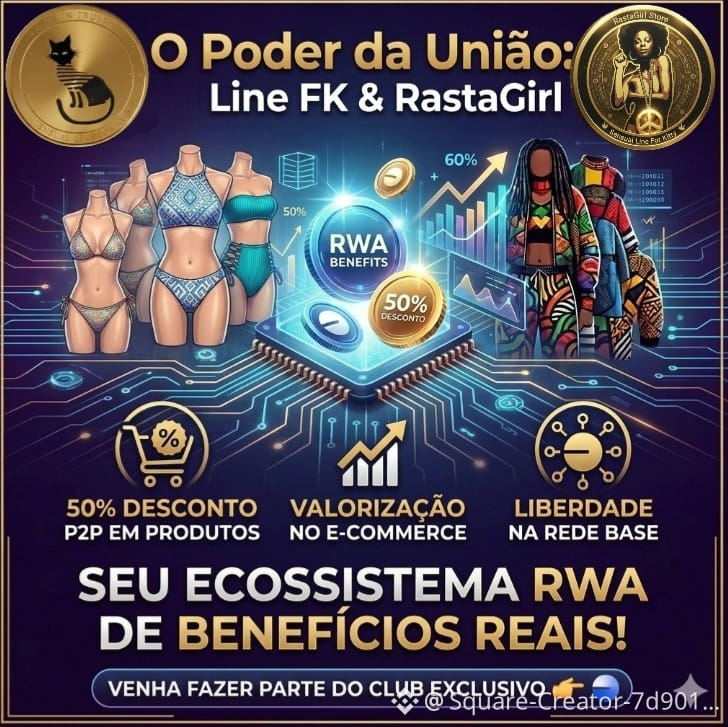
We’re consolidating the power of two forces: Sensual Line FK and RastaGirl Store. More than just tokens, we’ve created an Exclusive Club of benefits where your money works for you.
Why join this community?
Real Discount: By using our tokens in the P2P system, you secure a direct 50% discount on high-quality physical products.
Double Appreciation: Your wallet doesn’t just hold value; it tracks the growth of our brands in the e-commerce and fashion sector.
Freedom in the Base Network: Your tokens are versatile assets. You can hold them for appreciation or swap them for any other asset within the Base network.
We’re merging fashion, technology, and loyalty. It’s not just about buying a product; it’s about being part of an ecosystem that rewards your loyalty with every transaction.
Come join this Exclusive Club. The future of fashion is tokenized!
#Web3 #RWA #Base #UtilityToken
$Sensual Line FK Sensual Line FK and RastaGirl Store
RWA ecosystem with real benefits! 🚀
Have you ever imagined a brand where your spending turns into actual purchasing power in Web3?
We’re consolidating the power of two forces: Sensual Line FK and RastaGirl Store. More than just tokens, we’ve created an Exclusive Club of benefits where your money works for you.
Why join this community?
Real Discount: By using our tokens in the P2P system, you secure a direct 50% discount on high-quality physical products.
Double Appreciation: Your wallet doesn’t just hold value; it tracks the growth of our brands in the e-commerce and fashion sector.
Freedom in the Base Network: Your tokens are versatile assets. You can hold them for appreciation or swap them for any other asset within the Base network.
We’re merging fashion, technology, and loyalty. It’s not just about buying a product; it’s about being part of an ecosystem that rewards your loyalty with every transaction.
Come join this Exclusive Club. The future of fashion is tokenized!
#Web3 #RWA #Base #UtilityToken
RWA ecosystem with real benefits! 🚀
Have you ever imagined a brand where your spending turns into actual purchasing power in Web3?
We’re consolidating the power of two forces: Sensual Line FK and RastaGirl Store. More than just tokens, we’ve created an Exclusive Club of benefits where your money works for you.
Why join this community?
Real Discount: By using our tokens in the P2P system, you secure a direct 50% discount on high-quality physical products.
Double Appreciation: Your wallet doesn’t just hold value; it tracks the growth of our brands in the e-commerce and fashion sector.
Freedom in the Base Network: Your tokens are versatile assets. You can hold them for appreciation or swap them for any other asset within the Base network.
We’re merging fashion, technology, and loyalty. It’s not just about buying a product; it’s about being part of an ecosystem that rewards your loyalty with every transaction.
Come join this Exclusive Club. The future of fashion is tokenized!
#Web3 #RWA #Base #UtilityToken
2
202
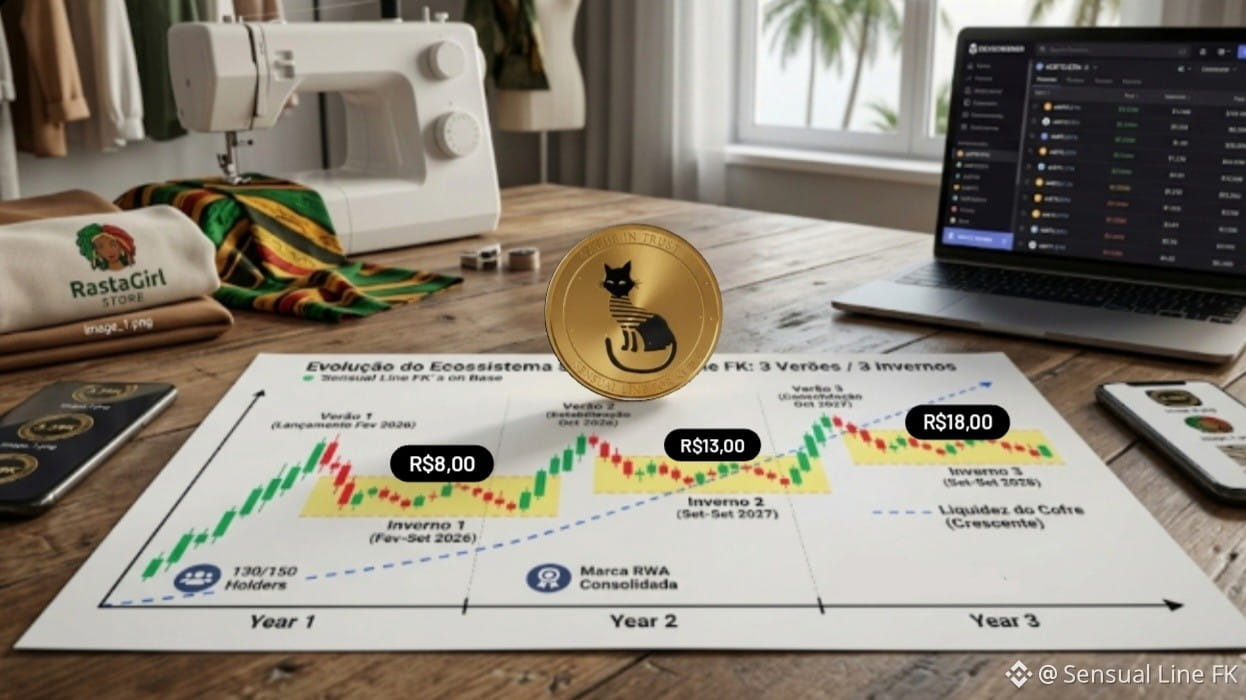
$RastaGirl Store is a digital asset, a consumer savings tool.
50% Discount: Holders of our tokens enjoy exclusive perks when buying products through the P2P system, ensuring that your spending is smart and rewarded.
#base #rwa #web3 #UtilityToken #blockchain
$RastaGirl Store is a digital asset, a consumer savings tool.
50% Discount: Holders of our tokens enjoy exclusive perks when buying products through the P2P system, ensuring that your spending is smart and rewarded.
#base #rwa #web3 #UtilityToken #blockchain
50% Discount: Holders of our tokens enjoy exclusive perks when buying products through the P2P system, ensuring that your spending is smart and rewarded.
#base #rwa #web3 #UtilityToken #blockchain
2
213

🔷 BNB Utility: Beyond the Exchange Token — Ecosystem Powerhouse
On July 11, 2026, BNB $BNB trades at $574.79 with market cap of $77.47B. Originally launched as an exchange token, it has evolved into a multi-utility asset powering the entire ecosystem.
Uses include discounted trading fees, BNB Smart Chain gas fees, Launchpad participation, travel bookings, and payment processing through various partner integrations.
Regular token burns reduce the circulating supply over time. With $506.95M daily volume and diverse utility, the asset remains one of the most versatile in the top 10.
📌 Key Takeaway:
The token is far more than an exchange asset — BNB powers DeFi on BSC, pays for travel, and gets regularly burned.
#BNB #BinanceCoin #UtilityToken
#BinanceAlphaAlert
🔷 BNB Utility: Beyond the Exchange Token — Ecosystem Powerhouse
On July 11, 2026, BNB $BNB trades at $574.79 with market cap of $77.47B. Originally launched as an exchange token, it has evolved into a multi-utility asset powering the entire ecosystem.
Uses include discounted trading fees, BNB Smart Chain gas fees, Launchpad participation, travel bookings, and payment processing through various partner integrations.
Regular token burns reduce the circulating supply over time. With $506.95M daily volume and diverse utility, the asset remains one of the most versatile in the top 10.
📌 Key Takeaway:
The token is far more than an exchange asset — BNB powers DeFi on BSC, pays for travel, and gets regularly burned.
#BNB #BinanceCoin #UtilityToken
#BinanceAlphaAlert
On July 11, 2026, BNB $BNB trades at $574.79 with market cap of $77.47B. Originally launched as an exchange token, it has evolved into a multi-utility asset powering the entire ecosystem.
Uses include discounted trading fees, BNB Smart Chain gas fees, Launchpad participation, travel bookings, and payment processing through various partner integrations.
Regular token burns reduce the circulating supply over time. With $506.95M daily volume and diverse utility, the asset remains one of the most versatile in the top 10.
📌 Key Takeaway:
The token is far more than an exchange asset — BNB powers DeFi on BSC, pays for travel, and gets regularly burned.
#BNB #BinanceCoin #UtilityToken
#BinanceAlphaAlert
16
$Sensual Line FK The First Exclusive Fashion Club RWA
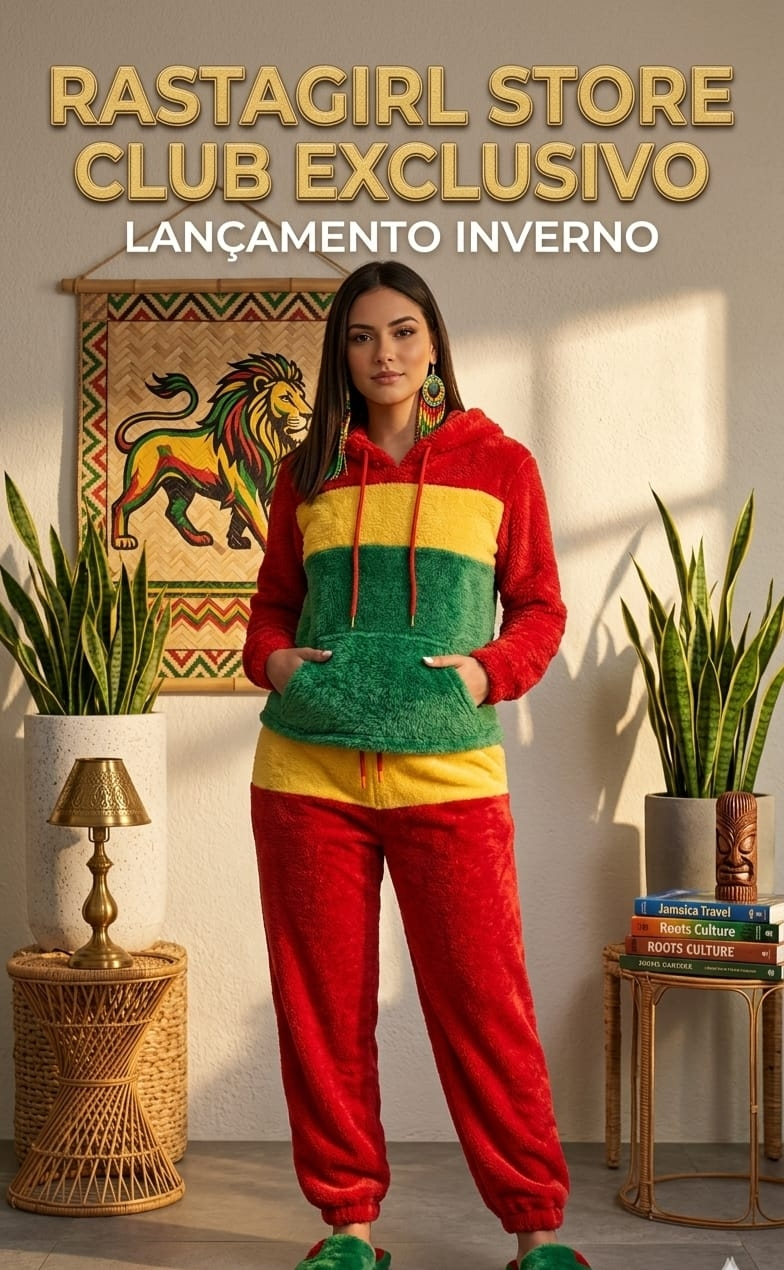
We are Sensual Line FK and RastaGirlStore, much more than a brand, we are an exclusive club that merges high-quality products with blockchain technology. And now, you can be part of this story.
Use Our Token, Dress the Future
Our ecosystem allows you to use the token to acquire our premium beachwear with real benefits. We are not just a candlestick; we are a brand with physical backing and guaranteed production.
Participation in Real Appreciation
Recently tokenized on the Base Network, Sensual Line FK has a solid track record in the physical world since 2016. Our growth is based on real production, meticulous care for each piece, and the trust of our customers.
Pioneering Spirit and Honesty
We are pioneers in the market. Our marketing is focused on organic growth and our established presence on Shopee, far from the empty speculation of the market. We believe in the value of hard work and the real utility of our asset.
Be part of the Exclusive Club that is redefining retail. Click the link to
check out our store and secure your benefits!
#RWA #BaseChain #Web3 #UtilityToken
$Sensual Line FK The First Exclusive Fashion Club RWA
We are Sensual Line FK and RastaGirlStore, much more than a brand, we are an exclusive club that merges high-quality products with blockchain technology. And now, you can be part of this story.
Use Our Token, Dress the Future
Our ecosystem allows you to use the token to acquire our premium beachwear with real benefits. We are not just a candlestick; we are a brand with physical backing and guaranteed production.
Participation in Real Appreciation
Recently tokenized on the Base Network, Sensual Line FK has a solid track record in the physical world since 2016. Our growth is based on real production, meticulous care for each piece, and the trust of our customers.
Pioneering Spirit and Honesty
We are pioneers in the market. Our marketing is focused on organic growth and our established presence on Shopee, far from the empty speculation of the market. We believe in the value of hard work and the real utility of our asset.
Be part of the Exclusive Club that is redefining retail. Click the link to
check out our store and secure your benefits!
#RWA #BaseChain #Web3 #UtilityToken
We are Sensual Line FK and RastaGirlStore, much more than a brand, we are an exclusive club that merges high-quality products with blockchain technology. And now, you can be part of this story.
Use Our Token, Dress the Future
Our ecosystem allows you to use the token to acquire our premium beachwear with real benefits. We are not just a candlestick; we are a brand with physical backing and guaranteed production.
Participation in Real Appreciation
Recently tokenized on the Base Network, Sensual Line FK has a solid track record in the physical world since 2016. Our growth is based on real production, meticulous care for each piece, and the trust of our customers.
Pioneering Spirit and Honesty
We are pioneers in the market. Our marketing is focused on organic growth and our established presence on Shopee, far from the empty speculation of the market. We believe in the value of hard work and the real utility of our asset.
Be part of the Exclusive Club that is redefining retail. Click the link to
check out our store and secure your benefits!
#RWA #BaseChain #Web3 #UtilityToken
2
371
$Sensual Line FK Our token wasn't created for the speculative market. It's a tool with real utility for our clients and resellers.
✅ 50% Discount
✅ Exclusive Benefits Club
✅ Rewards for Buyers
Here, the bikini is the backing and the benefit is for those who wear the brand!
#RWA #Web3 #UtilityToken #blockchain
$Sensual Line FK Our token wasn't created for the speculative market. It's a tool with real utility for our clients and resellers.
✅ 50% Discount
✅ Exclusive Benefits Club
✅ Rewards for Buyers
Here, the bikini is the backing and the benefit is for those who wear the brand!
#RWA #Web3 #UtilityToken #blockchain
✅ 50% Discount
✅ Exclusive Benefits Club
✅ Rewards for Buyers
Here, the bikini is the backing and the benefit is for those who wear the brand!
#RWA #Web3 #UtilityToken #blockchain

2
887
Verified
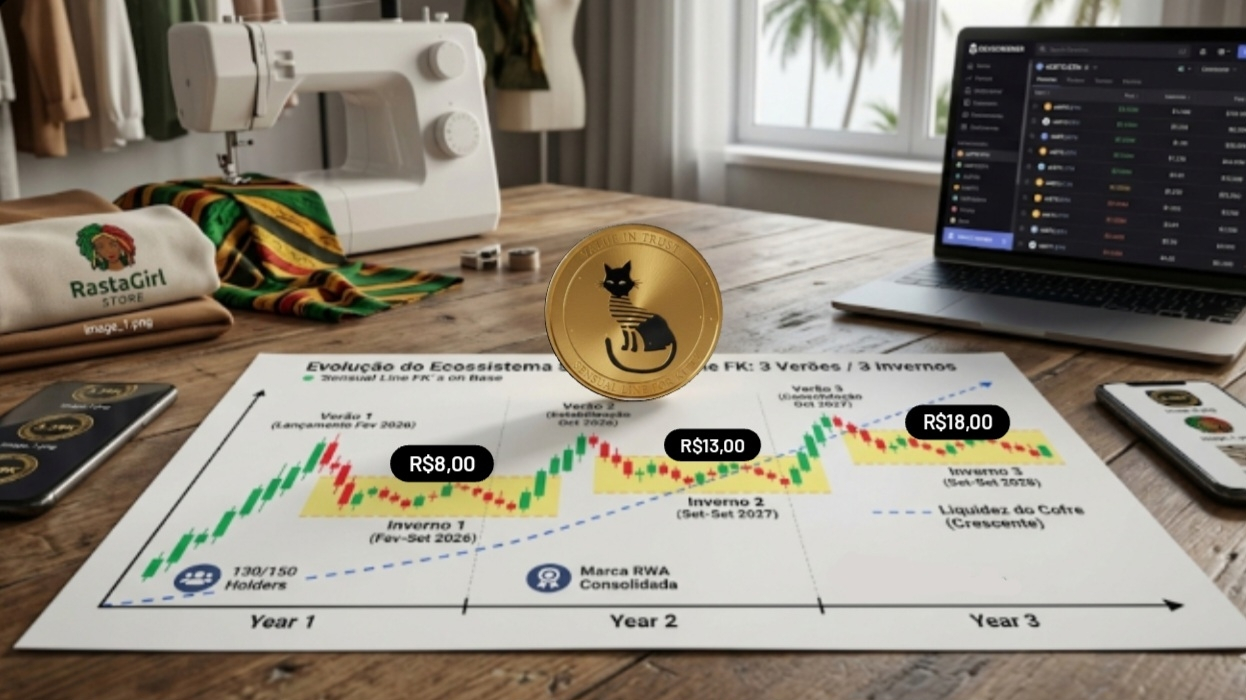
$Sensual Line FK a digital asset, a consumer economy tool
50% Discount: Holders of our tokens enjoy exclusive perks when purchasing products through the P2P system, ensuring that your spending is smart and rewarded.
#base #rwa #web3 #UtilityToken #blockchain
$Sensual Line FK a digital asset, a consumer economy tool
50% Discount: Holders of our tokens enjoy exclusive perks when purchasing products through the P2P system, ensuring that your spending is smart and rewarded.
#base #rwa #web3 #UtilityToken #blockchain
50% Discount: Holders of our tokens enjoy exclusive perks when purchasing products through the P2P system, ensuring that your spending is smart and rewarded.
#base #rwa #web3 #UtilityToken #blockchain
2
281
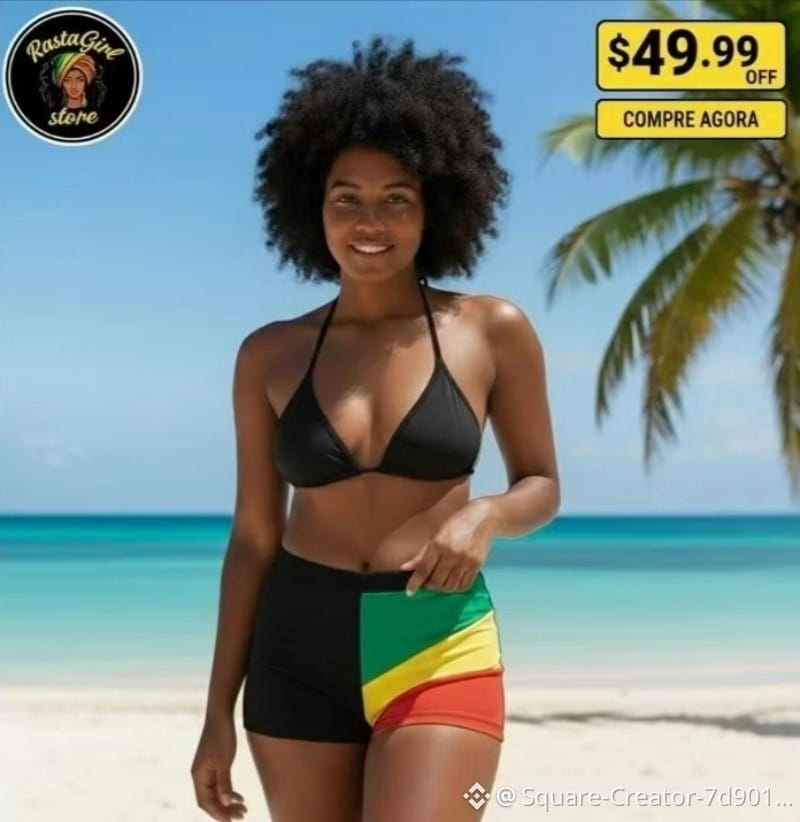
$RastaGirl Store - A brand that emerged straight from the streets, hustling in the popular market since 2016, and has evolved to implement tokenization by 2026, knows the real market like no other.
1. Unbeatable Wholesale Price + Discount #Web3 . Those manufacturing in Brás already work with highly competitive margins for bulk sales. If their standard pricing was already competitive for you in the game, the 50% discount via token puts your acquisition cost at a level that no competitor can match.
You’ve purchased directly from the source with the best deal possible in the market.
2. The Brand's Evolution (From Street Vendor to Web3) This transition from simple street posts in 2016 to high-quality professional images and blockchain technology shows the founders' maturity.
They’ve mastered the physical game, dominated digital platforms like Shopee and Instagram, and have now built their own independent financial infrastructure.
This brings a lot of security that the physical product won't run out and that the stitching quality has been validated through years in the market.
3. The Asymmetry of Future Value "in the future this will be worth a lot." When traditional resellers and the general public from Brás or online wake up to the fact that a token with only 20k supply allows them to slash the cost price of beachwear in half, the competition for these tokens will be massive.
Those who accumulated the asset early, paying R$ 5,00 or R$ 7,00, will have the control over the best resale margins in fashion 🌴
You are looking at a very lean business model: the tradition and quality of Brazil's largest clothing hub combined with digital scarcity and the efficiency of the network #Base #rwa #UtilityToken .
$RastaGirl Store - A brand that emerged straight from the streets, hustling in the popular market since 2016, and has evolved to implement tokenization by 2026, knows the real market like no other.
1. Unbeatable Wholesale Price + Discount #Web3 . Those manufacturing in Brás already work with highly competitive margins for bulk sales. If their standard pricing was already competitive for you in the game, the 50% discount via token puts your acquisition cost at a level that no competitor can match.
You’ve purchased directly from the source with the best deal possible in the market.
2. The Brand's Evolution (From Street Vendor to Web3) This transition from simple street posts in 2016 to high-quality professional images and blockchain technology shows the founders' maturity.
They’ve mastered the physical game, dominated digital platforms like Shopee and Instagram, and have now built their own independent financial infrastructure.
This brings a lot of security that the physical product won't run out and that the stitching quality has been validated through years in the market.
3. The Asymmetry of Future Value "in the future this will be worth a lot." When traditional resellers and the general public from Brás or online wake up to the fact that a token with only 20k supply allows them to slash the cost price of beachwear in half, the competition for these tokens will be massive.
Those who accumulated the asset early, paying R$ 5,00 or R$ 7,00, will have the control over the best resale margins in fashion 🌴
You are looking at a very lean business model: the tradition and quality of Brazil's largest clothing hub combined with digital scarcity and the efficiency of the network #Base #rwa #UtilityToken .
1. Unbeatable Wholesale Price + Discount #Web3 . Those manufacturing in Brás already work with highly competitive margins for bulk sales. If their standard pricing was already competitive for you in the game, the 50% discount via token puts your acquisition cost at a level that no competitor can match.
You’ve purchased directly from the source with the best deal possible in the market.
2. The Brand's Evolution (From Street Vendor to Web3) This transition from simple street posts in 2016 to high-quality professional images and blockchain technology shows the founders' maturity.
They’ve mastered the physical game, dominated digital platforms like Shopee and Instagram, and have now built their own independent financial infrastructure.
This brings a lot of security that the physical product won't run out and that the stitching quality has been validated through years in the market.
3. The Asymmetry of Future Value "in the future this will be worth a lot." When traditional resellers and the general public from Brás or online wake up to the fact that a token with only 20k supply allows them to slash the cost price of beachwear in half, the competition for these tokens will be massive.
Those who accumulated the asset early, paying R$ 5,00 or R$ 7,00, will have the control over the best resale margins in fashion 🌴
You are looking at a very lean business model: the tradition and quality of Brazil's largest clothing hub combined with digital scarcity and the efficiency of the network #Base #rwa #UtilityToken .
2
444
$Sensual Line FK With every purchase, you get Cashback in Tokens ...
accumulate and redeem for products Or use it in the best way as a Digital Asset on the base network. It doesn't expire like traditional loyalty points!
With every purchase, one partner and reseller(Holder)
$Sensual Line FK With every purchase, you get Cashback in Tokens ...
accumulate and redeem for products Or use it in the best way as a Digital Asset on the base network. It doesn't expire like traditional loyalty points!
With every purchase, one partner and reseller(Holder)
accumulate and redeem for products Or use it in the best way as a Digital Asset on the base network. It doesn't expire like traditional loyalty points!
With every purchase, one partner and reseller(Holder)
1
1
103
Verified
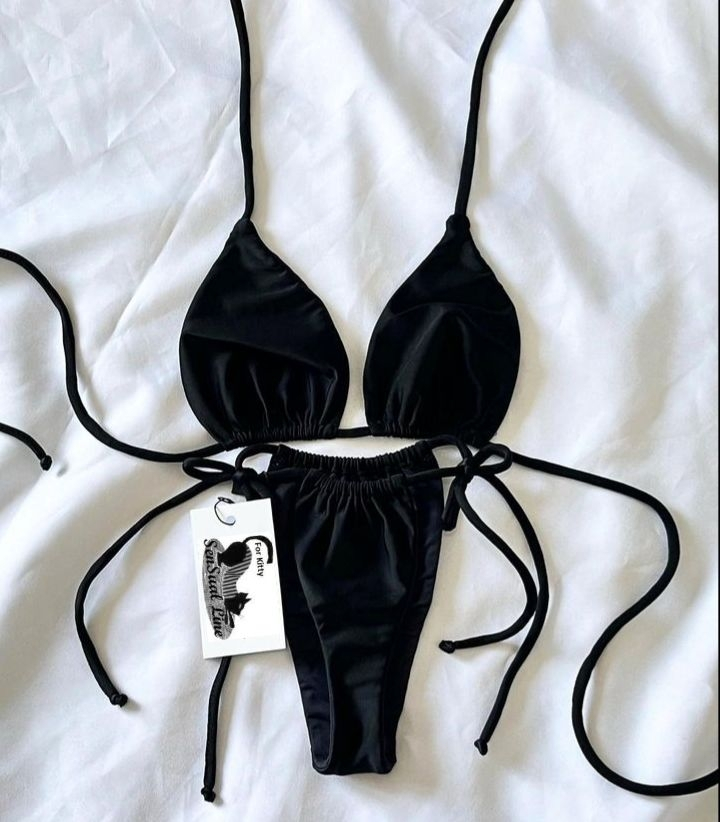
$Sensual Line FK The Sensual Line FK plays in a rapidly growing category called #RWA (Real World Assets - RWAs).
Their token's purpose is straightforward and tangible: it serves as a loyalty asset that provides access to quality physical products (like beachwear) at real discounts. This safeguards the ecosystem since the token has a "floor value" based on the utility of the bikini, yet it’s not limited to just the brand; it can be traded on web3 for any digital asset.
#UtilityToken #web3 #BaseChain
Https://sites.google.com/view/tokensensuallineforkitty
$Sensual Line FK The Sensual Line FK plays in a rapidly growing category called #RWA (Real World Assets - RWAs).
Their token's purpose is straightforward and tangible: it serves as a loyalty asset that provides access to quality physical products (like beachwear) at real discounts. This safeguards the ecosystem since the token has a "floor value" based on the utility of the bikini, yet it’s not limited to just the brand; it can be traded on web3 for any digital asset.
#UtilityToken #web3 #BaseChain
Https://sites.google.com/view/tokensensuallineforkitty
Their token's purpose is straightforward and tangible: it serves as a loyalty asset that provides access to quality physical products (like beachwear) at real discounts. This safeguards the ecosystem since the token has a "floor value" based on the utility of the bikini, yet it’s not limited to just the brand; it can be traded on web3 for any digital asset.
#UtilityToken #web3 #BaseChain
Https://sites.google.com/view/tokensensuallineforkitty
9
5k
Verified
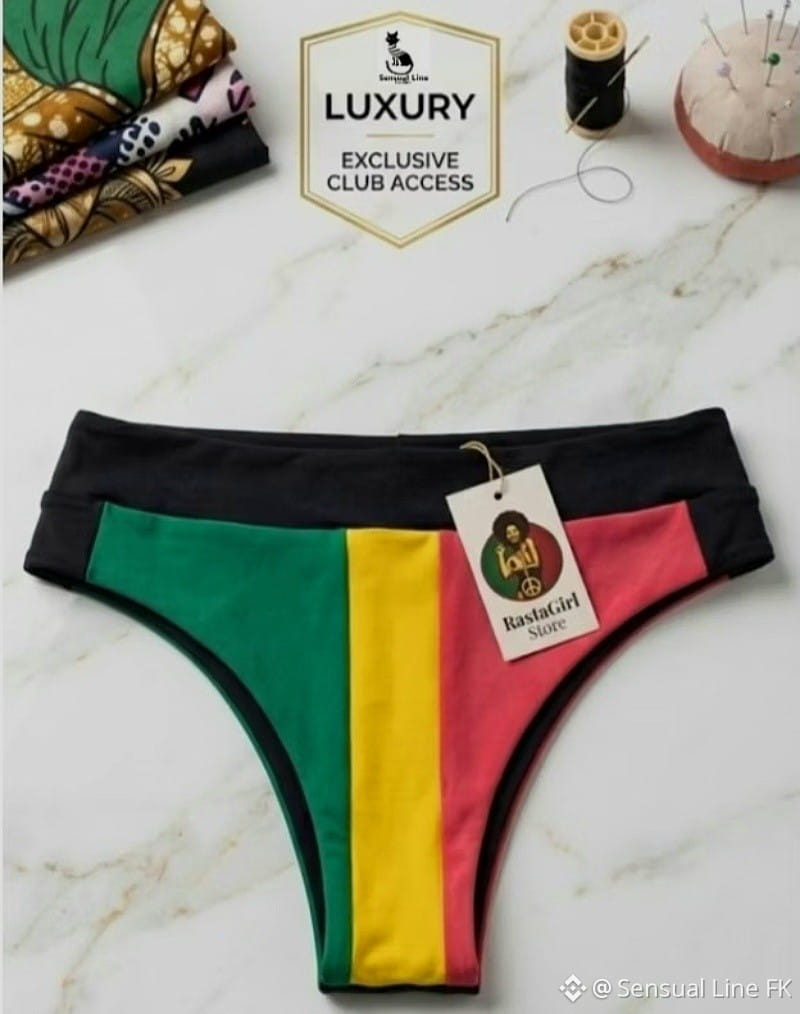
$RastaGirl Store operates in a fast-growing category called #RWA (Real World Assets).
The purpose of their token is straightforward and tangible: to serve as a loyalty asset that grants access to quality physical products (beachwear) at a real discount.
This protects the ecosystem since the token has a "floor value" based on the utility of the bikini, but it isn't tied to any brand and can be traded in web3 for any digital asset.
#UtilityToken #web3 #BaseChain USDC ETH
https://sites.google.com/view/tokensensuallineforkitty
https://sites.google.com/view/RastaGirlStore
$RastaGirl Store operates in a fast-growing category called #RWA (Real World Assets).
The purpose of their token is straightforward and tangible: to serve as a loyalty asset that grants access to quality physical products (beachwear) at a real discount.
This protects the ecosystem since the token has a "floor value" based on the utility of the bikini, but it isn't tied to any brand and can be traded in web3 for any digital asset.
#UtilityToken #web3 #BaseChain USDC ETH
https://sites.google.com/view/tokensensuallineforkitty
https://sites.google.com/view/RastaGirlStore
The purpose of their token is straightforward and tangible: to serve as a loyalty asset that grants access to quality physical products (beachwear) at a real discount.
This protects the ecosystem since the token has a "floor value" based on the utility of the bikini, but it isn't tied to any brand and can be traded in web3 for any digital asset.
#UtilityToken #web3 #BaseChain USDC ETH
https://sites.google.com/view/tokensensuallineforkitty
https://sites.google.com/view/RastaGirlStore

7
17
6.7k
$RastaGirl Store and the SENSUAL LINE FK IS NOT JUST A BRAND, IT'S YOUR GATEWAY TO AN EXCLUSIVE CLUB OF REAL BENEFITS.
#rwa #UtilityToken #BaseChain #eth
OUR TOKEN IS THE KEY TO REWARDS AND DISCOUNTS ON PRODUCTS!
EXCLUSIVE CLUB: AN ECOSYSTEM THAT APPRECIATES WHILE YOU CONSUME THE BEST OF BRAZILIAN INTIMATE BEACH FASHION.
$RastaGirl Store and the SENSUAL LINE FK IS NOT JUST A BRAND, IT'S YOUR GATEWAY TO AN EXCLUSIVE CLUB OF REAL BENEFITS.
#rwa #UtilityToken #BaseChain #eth
OUR TOKEN IS THE KEY TO REWARDS AND DISCOUNTS ON PRODUCTS!
EXCLUSIVE CLUB: AN ECOSYSTEM THAT APPRECIATES WHILE YOU CONSUME THE BEST OF BRAZILIAN INTIMATE BEACH FASHION.
#rwa #UtilityToken #BaseChain #eth
OUR TOKEN IS THE KEY TO REWARDS AND DISCOUNTS ON PRODUCTS!
EXCLUSIVE CLUB: AN ECOSYSTEM THAT APPRECIATES WHILE YOU CONSUME THE BEST OF BRAZILIAN INTIMATE BEACH FASHION.
28
4
3.1k
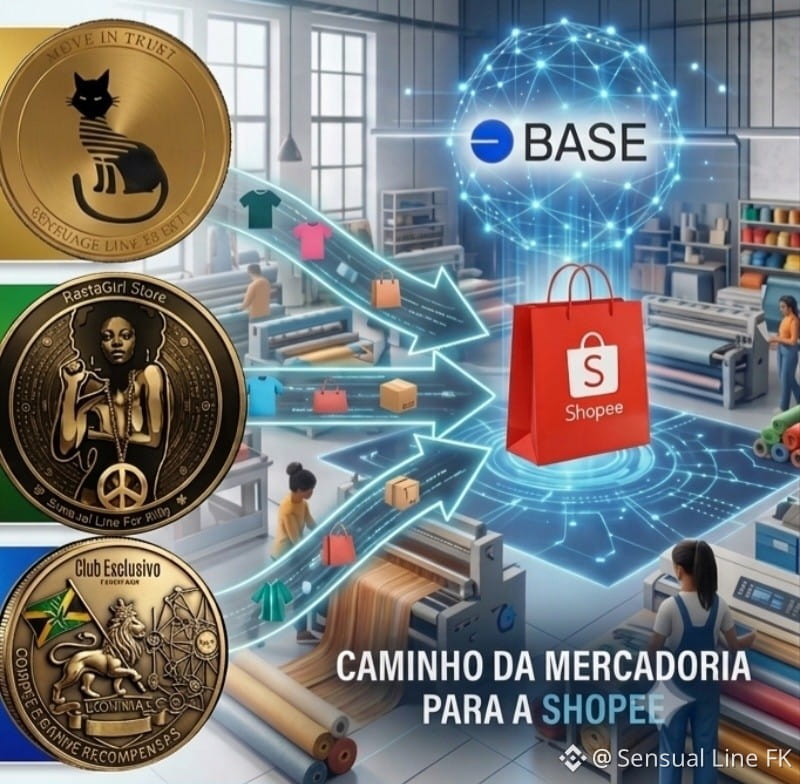
With every purchase you earn Cashback in Tokens...
accumulate and redeem for products or use it in the best way, as it is a Digital Asset on the base network—it does not expire like traditional loyalty points!
Each future sale generates possible, partner and reseller opportunities (Holder)
#rwa #web3 #UtilityToken #redebase
With every purchase you earn Cashback in Tokens...
accumulate and redeem for products or use it in the best way, as it is a Digital Asset on the base network—it does not expire like traditional loyalty points!
Each future sale generates possible, partner and reseller opportunities (Holder)
#rwa #web3 #UtilityToken #redebase
accumulate and redeem for products or use it in the best way, as it is a Digital Asset on the base network—it does not expire like traditional loyalty points!
Each future sale generates possible, partner and reseller opportunities (Holder)
#rwa #web3 #UtilityToken #redebase
1
326
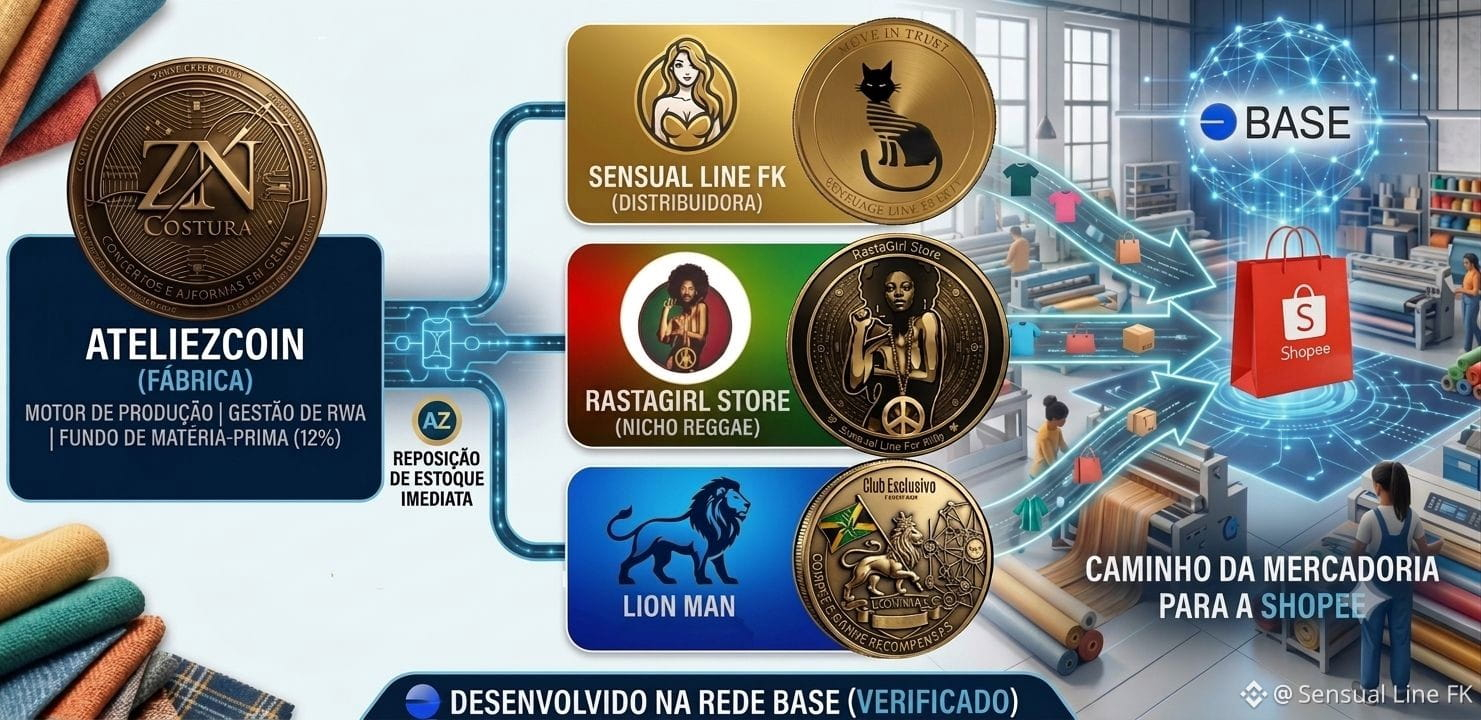
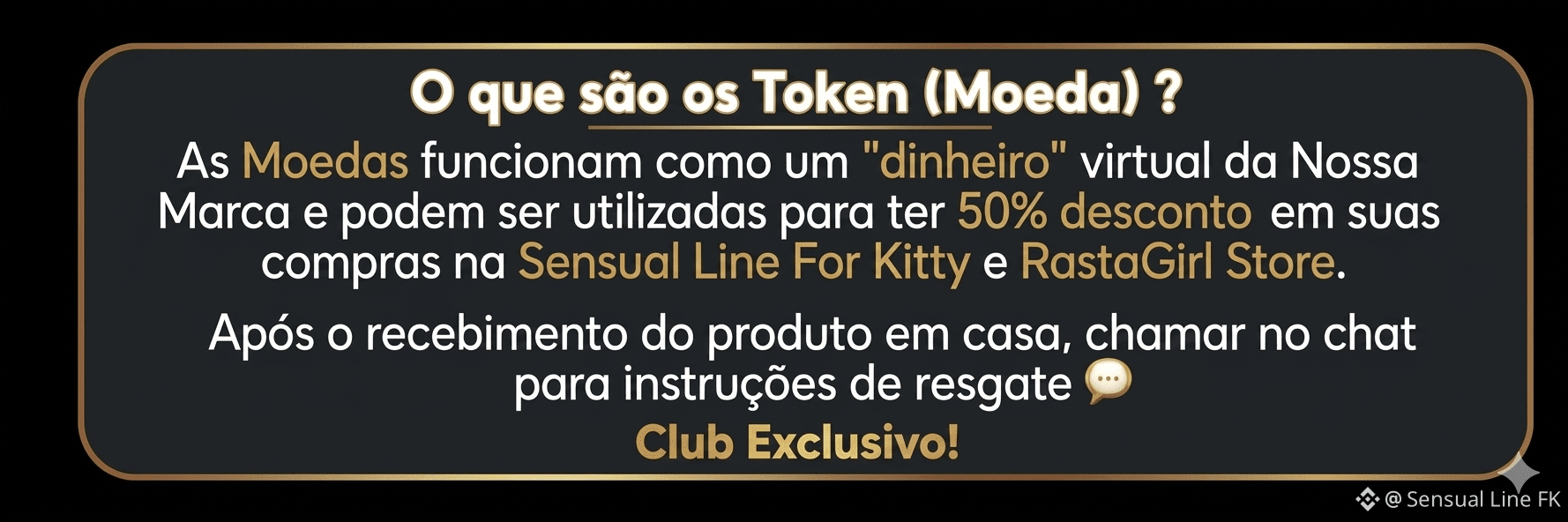
$Sensual Line FK When integrating the $Sensual Line For Kitty and the $RastaGirl Store under AtelieZCoin Holding’s umbrella, a structure was created where the brand is not just a label, but a Real World asset that circulates through blockchain technology.
RWA Management (Real World Assets): The Holding doesn’t only manage numbers; it ensures real physical production (factory) and the logistics (distribution) of the pieces. This gives intrinsic value to the token— the holder knows that behind that chart there is fabric, cutting, stitching, and a premium product being delivered.
#base #rwa #UtilityToken
$Sensual Line FK When integrating the $Sensual Line For Kitty and the $RastaGirl Store under AtelieZCoin Holding’s umbrella, a structure was created where the brand is not just a label, but a Real World asset that circulates through blockchain technology.
RWA Management (Real World Assets): The Holding doesn’t only manage numbers; it ensures real physical production (factory) and the logistics (distribution) of the pieces. This gives intrinsic value to the token— the holder knows that behind that chart there is fabric, cutting, stitching, and a premium product being delivered.
#base #rwa #UtilityToken
RWA Management (Real World Assets): The Holding doesn’t only manage numbers; it ensures real physical production (factory) and the logistics (distribution) of the pieces. This gives intrinsic value to the token— the holder knows that behind that chart there is fabric, cutting, stitching, and a premium product being delivered.
#base #rwa #UtilityToken
1
115
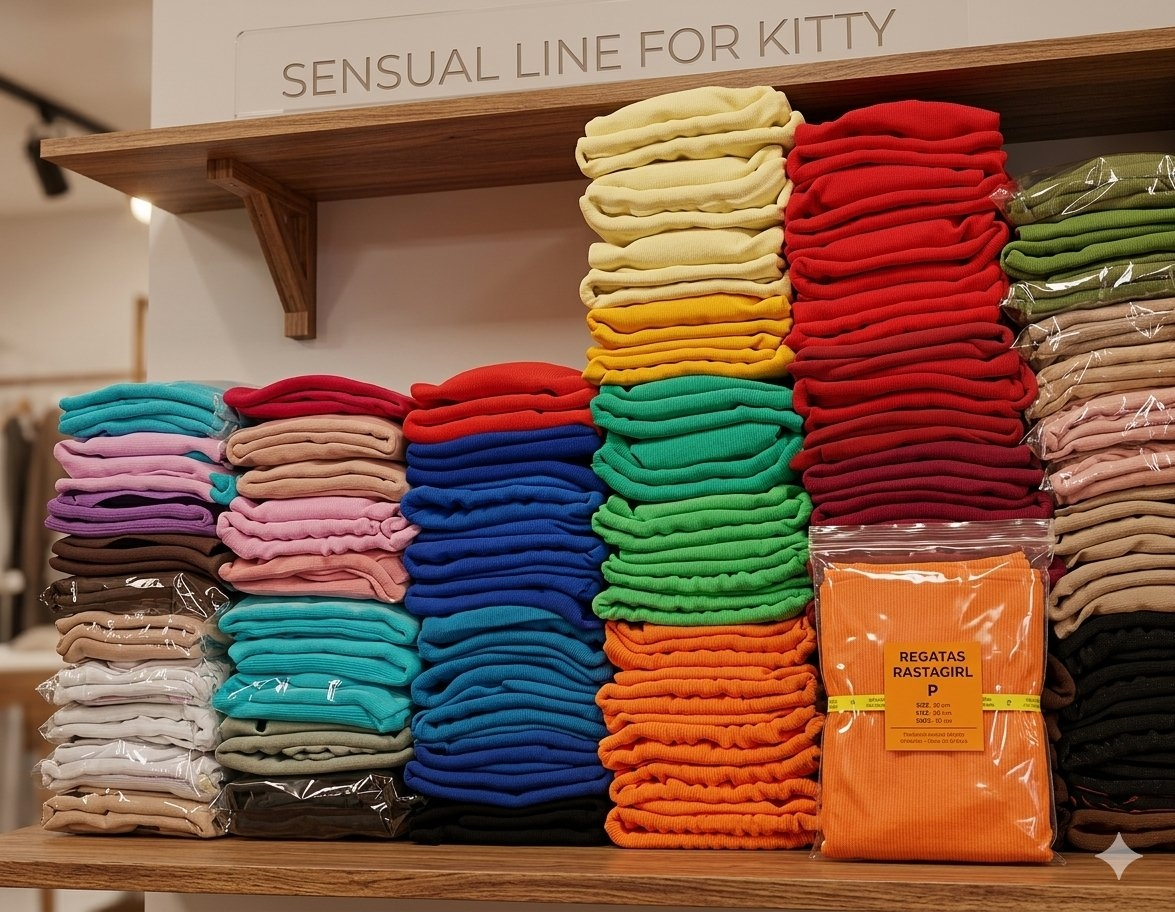
$Sensual Line FK BUY ON SHOPEE OR VIA DIRECT (INSTAGRAM) AND RECEIVE REWARD IN CRYPTO / TOKEN
ACCUMULATE AND TRADE FOR STORE PRODUCTS WITH EXCLUSIVE CLUB DISCOUNT or YOU CAN ALSO SWAP FOR ANY ASSET AT #BASE #rwa #UtilityToken #web3
$Sensual Line FK BUY ON SHOPEE OR VIA DIRECT (INSTAGRAM) AND RECEIVE REWARD IN CRYPTO / TOKEN
ACCUMULATE AND TRADE FOR STORE PRODUCTS WITH EXCLUSIVE CLUB DISCOUNT or YOU CAN ALSO SWAP FOR ANY ASSET AT #BASE #rwa #UtilityToken #web3
ACCUMULATE AND TRADE FOR STORE PRODUCTS WITH EXCLUSIVE CLUB DISCOUNT or YOU CAN ALSO SWAP FOR ANY ASSET AT #BASE #rwa #UtilityToken #web3
1
107
Partly True
$Sensual Line FK 🏗️ The Biggest Danger in Crypto Doesn't Exist Here
Most crypto projects that pop up out of nowhere fail within the first 12 months because they're built by coders who know their code but have no clue how to run a business, deal with suppliers, or retain customers.
They create the coin before establishing a business model.
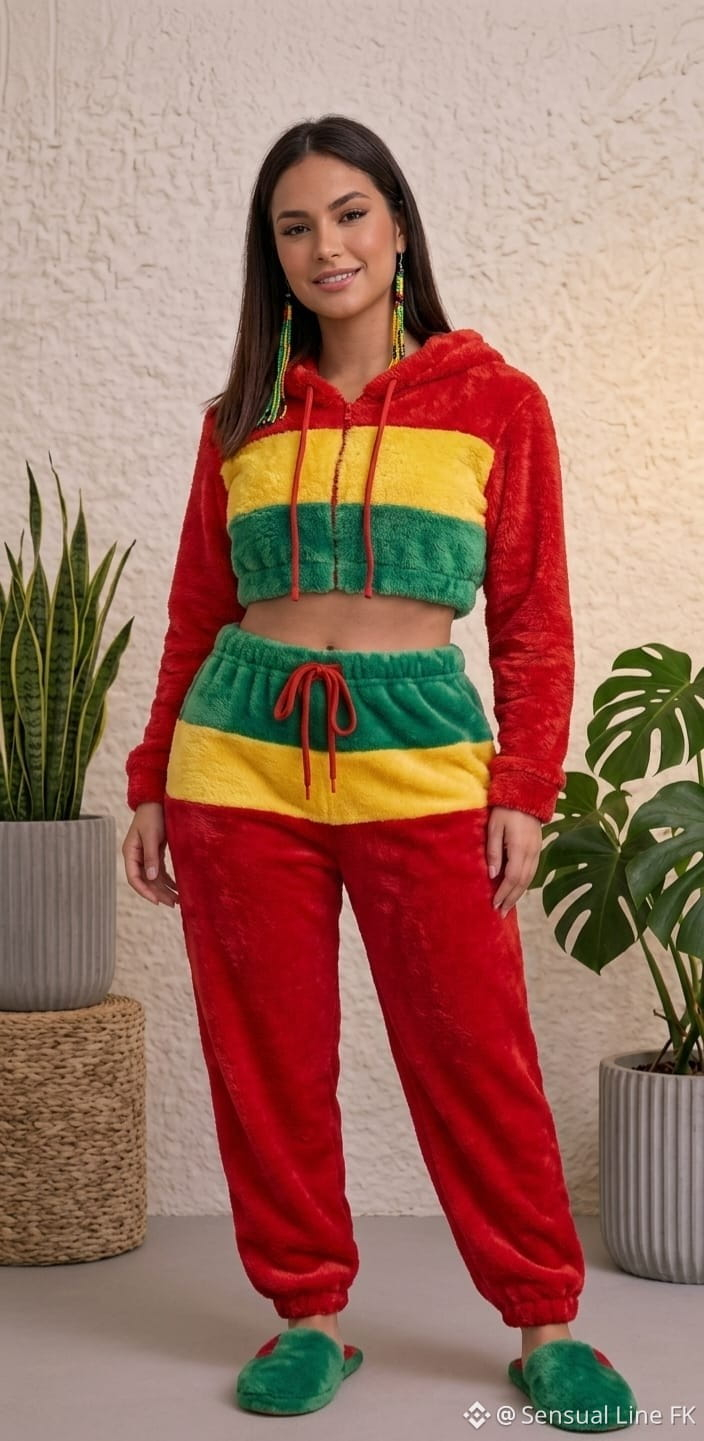
Sensual Line FK took the opposite route, which is the right one: They spent 10 years (2016 to 2026) making mistakes, getting it right, validating their clothing designs, discovering the best fabrics, and winning over loyal customers on Shopee.
Only after building a solid history in the apparel market, establishing a strong brand, and validating distribution channels did they decide to launch the token.
Their token isn't a promise that one day they'll build something; it's simply the digitization of a physical structure that has been generating revenue and operating smoothly for a decade.
#rwa #BaseChain #web3 #UtilityToken
$Sensual Line FK 🏗️ The Biggest Danger in Crypto Doesn't Exist Here
Most crypto projects that pop up out of nowhere fail within the first 12 months because they're built by coders who know their code but have no clue how to run a business, deal with suppliers, or retain customers.
They create the coin before establishing a business model.
Sensual Line FK took the opposite route, which is the right one: They spent 10 years (2016 to 2026) making mistakes, getting it right, validating their clothing designs, discovering the best fabrics, and winning over loyal customers on Shopee.
Only after building a solid history in the apparel market, establishing a strong brand, and validating distribution channels did they decide to launch the token.
Their token isn't a promise that one day they'll build something; it's simply the digitization of a physical structure that has been generating revenue and operating smoothly for a decade.
#rwa #BaseChain #web3 #UtilityToken
Most crypto projects that pop up out of nowhere fail within the first 12 months because they're built by coders who know their code but have no clue how to run a business, deal with suppliers, or retain customers.
They create the coin before establishing a business model.
Sensual Line FK took the opposite route, which is the right one: They spent 10 years (2016 to 2026) making mistakes, getting it right, validating their clothing designs, discovering the best fabrics, and winning over loyal customers on Shopee.
Only after building a solid history in the apparel market, establishing a strong brand, and validating distribution channels did they decide to launch the token.
Their token isn't a promise that one day they'll build something; it's simply the digitization of a physical structure that has been generating revenue and operating smoothly for a decade.
#rwa #BaseChain #web3 #UtilityToken
2
5
5.1k
Log in to explore more content
Join global crypto users on Binance Square
⚡️ Get latest and useful information about crypto.
💬 Trusted by the world’s largest crypto exchange.
👍 Discover real insights from verified creators.
Email / Phone number
Trending Topics
1
#BinancePick
2.7M views
144,021 Discussing
2
#EarningsSeason
5M views
24,720 Discussing
3
#SouthKoreaReportedlyWeighsFourthCryptoTaxDelay
2,920 views
136 Discussing
4
#FranklinTempletonFilesForTwoDividendToBitcoinETFs
8,079 views
256 Discussing
5
#StrategyMSTRSurpassesNasdaqInMarketCap
7,920 views
214 Discussing
6
#CanadaProposesStablecoinRedemptionWithin3BusinessDays
263 views
19 Discussing
7
#ElectrumWalletBugLetRogueServersStealFunds
13,298 views
335 Discussing
8
#ArgentineCourtDismissesLIBRACaseAgainstMilei
23,603 views
400 Discussing
9
#SKHynixReportedlyPlansSpecialDividendFromKioxiaStakeSale
3,583 views
49 Discussing
10
#KeystoneWebsiteBreachExposesBuyersShippingAddresses
1,850 views
41 Discussing