

#genius
genius
8.1M views
69,358 Discussing
Hot
Latest


·
--
Bullish
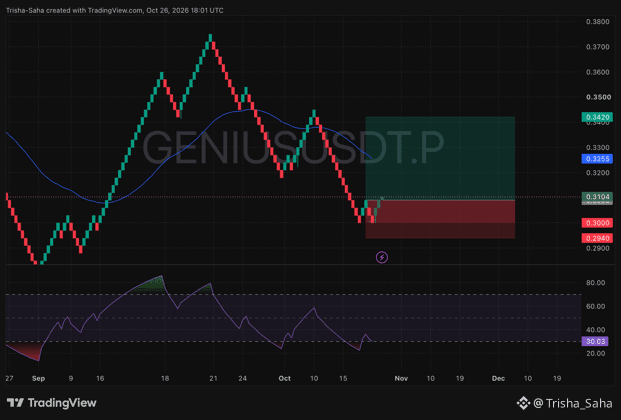
🧠 $GENIUS Double Bottom Confirmed — Smart Money Is Loading This Breakout! 💸
📍 Trade Setup:
• Entry Zone: $0.3060 – $0.3104
• Stop Loss: $0.2940
• Target: $0.3420
• Sellers tried twice to crack the $0.3000 floor and failed completely, printing a textbook double bottom with strong green candles pushing back up.
• Our bottom indicator bounced out of the red danger zone and is holding right at 30.03 with a higher low, proving selling pressure is dead.
• Once we slice through the blue trend line at $0.3255, it is an open highway straight to our $0.3420 take-profit target.
🛡️ Move your Stop Loss straight to Break-Even the moment this trade hits +3% to +4% profit to lock in a 100% risk-free ride.
I'm already locked in at $0.3104 and riding this reversal from the floor. Are you catching this $GENIUS move with me? Drop a comment below! 👇
#GENIUS #GENIUSUSDT #CryptoTrading #BinanceSquare
{future}(GENIUSUSDT)
🧠 $GENIUS Double Bottom Confirmed — Smart Money Is Loading This Breakout! 💸
📍 Trade Setup:
• Entry Zone: $0.3060 – $0.3104
• Stop Loss: $0.2940
• Target: $0.3420
• Sellers tried twice to crack the $0.3000 floor and failed completely, printing a textbook double bottom with strong green candles pushing back up.
• Our bottom indicator bounced out of the red danger zone and is holding right at 30.03 with a higher low, proving selling pressure is dead.
• Once we slice through the blue trend line at $0.3255, it is an open highway straight to our $0.3420 take-profit target.
🛡️ Move your Stop Loss straight to Break-Even the moment this trade hits +3% to +4% profit to lock in a 100% risk-free ride.
I'm already locked in at $0.3104 and riding this reversal from the floor. Are you catching this $GENIUS move with me? Drop a comment below! 👇
#GENIUS #GENIUSUSDT #CryptoTrading #BinanceSquare
📍 Trade Setup:
• Entry Zone: $0.3060 – $0.3104
• Stop Loss: $0.2940
• Target: $0.3420
• Sellers tried twice to crack the $0.3000 floor and failed completely, printing a textbook double bottom with strong green candles pushing back up.
• Our bottom indicator bounced out of the red danger zone and is holding right at 30.03 with a higher low, proving selling pressure is dead.
• Once we slice through the blue trend line at $0.3255, it is an open highway straight to our $0.3420 take-profit target.
🛡️ Move your Stop Loss straight to Break-Even the moment this trade hits +3% to +4% profit to lock in a 100% risk-free ride.
I'm already locked in at $0.3104 and riding this reversal from the floor. Are you catching this $GENIUS move with me? Drop a comment below! 👇
#GENIUS #GENIUSUSDT #CryptoTrading #BinanceSquare
2
114

🇩🇪🧠 ALBERT EINSTEIN: THE MIND THAT CHANGED OUR UNDERSTANDING OF THE UNIVERSE
He didn't conquer nations or build empires. He changed the way humanity understands the universe.
Born in Germany in 1879, Albert Einstein became one of the most influential physicists in history. His theory of relativity transformed modern physics, while his famous equation, E = mc², became one of the most recognized equations in the world.
🏆 In 1921, he received the Nobel Prize in Physics for his explanation of the photoelectric effect, a discovery that helped lay the foundations of quantum physics.
But Einstein's legacy goes beyond equations. He showed the world that questioning what everyone accepts can open the door to extraordinary discoveries.
💡 His greatest lesson? Never stop questioning. Sometimes, one revolutionary idea can change humanity's understanding of everything.
#alberteinstein #Germany #Science #Genius #INNOVATION
🇩🇪🧠 ALBERT EINSTEIN: THE MIND THAT CHANGED OUR UNDERSTANDING OF THE UNIVERSE
He didn't conquer nations or build empires. He changed the way humanity understands the universe.
Born in Germany in 1879, Albert Einstein became one of the most influential physicists in history. His theory of relativity transformed modern physics, while his famous equation, E = mc², became one of the most recognized equations in the world.
🏆 In 1921, he received the Nobel Prize in Physics for his explanation of the photoelectric effect, a discovery that helped lay the foundations of quantum physics.
But Einstein's legacy goes beyond equations. He showed the world that questioning what everyone accepts can open the door to extraordinary discoveries.
💡 His greatest lesson? Never stop questioning. Sometimes, one revolutionary idea can change humanity's understanding of everything.
#alberteinstein #Germany #Science #Genius #INNOVATION
He didn't conquer nations or build empires. He changed the way humanity understands the universe.
Born in Germany in 1879, Albert Einstein became one of the most influential physicists in history. His theory of relativity transformed modern physics, while his famous equation, E = mc², became one of the most recognized equations in the world.
🏆 In 1921, he received the Nobel Prize in Physics for his explanation of the photoelectric effect, a discovery that helped lay the foundations of quantum physics.
But Einstein's legacy goes beyond equations. He showed the world that questioning what everyone accepts can open the door to extraordinary discoveries.
💡 His greatest lesson? Never stop questioning. Sometimes, one revolutionary idea can change humanity's understanding of everything.
#alberteinstein #Germany #Science #Genius #INNOVATION


Jeme Ali:
Germany🇩🇪
289
2
7
384

·
--
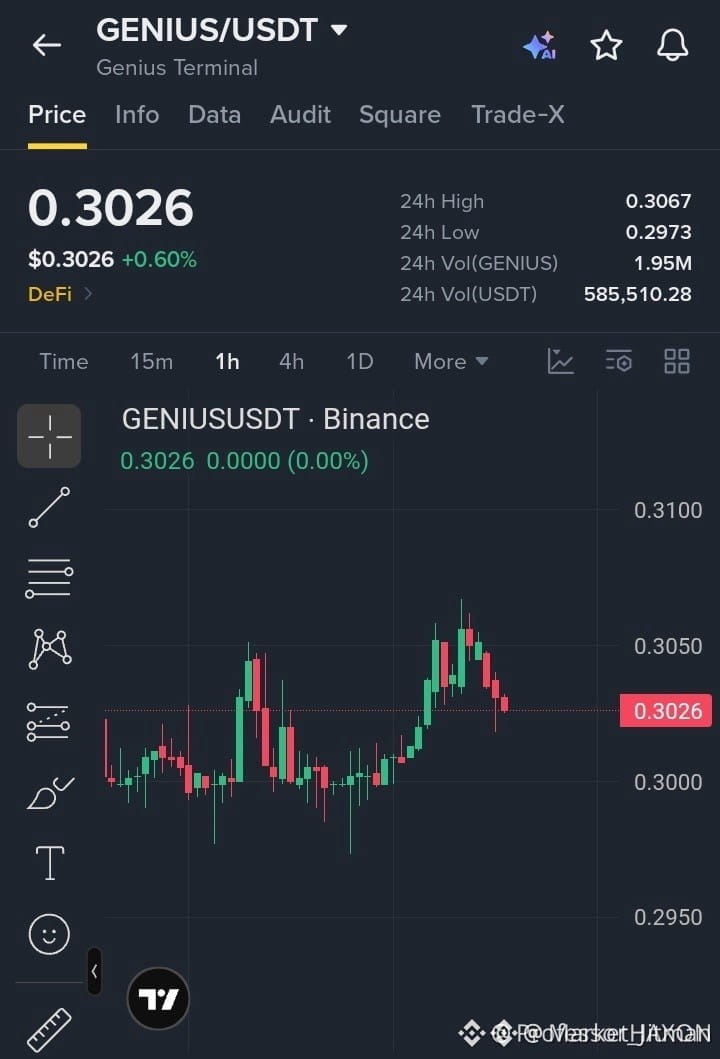
🚨 $GENIUS BEARS SWEEP THE BOARD AFTER REJECTION! 🔴
Entry: 0.3025‑0.3035 ⚡
Target: 0.3010 🎯
Target: 0.2995 🎯
Target: 0.2975 🎯
Stop Loss: 0.3060 ⚠️
The price just hit the 0.3050‑0.3060 ceiling and got smacked down, a classic bearish rejection that’s feeding the short engine. 📊 Volume spikes on the 15‑min chart show sellers eating the liquidity at every tick. 🌊 With the order block at 0.3025‑0.3035 still intact, the market is primed to slide under 0.3020, opening a path to the next support cluster. ⚡ The next resistance at 0.3060 is now the stop zone, so any bounce above it wipes the setup. 💬 Are you ready to ride the downside or waiting for the next liquidity sweep? 👇
⚠️ Not financial advice. Always manage your risk. 🛡️
🏷️ #GENIUS #ShortSetup #Bearish #Crypto
🔥 🦈
🚨 $GENIUS BEARS SWEEP THE BOARD AFTER REJECTION! 🔴
Entry: 0.3025‑0.3035 ⚡
Target: 0.3010 🎯
Target: 0.2995 🎯
Target: 0.2975 🎯
Stop Loss: 0.3060 ⚠️
The price just hit the 0.3050‑0.3060 ceiling and got smacked down, a classic bearish rejection that’s feeding the short engine. 📊 Volume spikes on the 15‑min chart show sellers eating the liquidity at every tick. 🌊 With the order block at 0.3025‑0.3035 still intact, the market is primed to slide under 0.3020, opening a path to the next support cluster. ⚡ The next resistance at 0.3060 is now the stop zone, so any bounce above it wipes the setup. 💬 Are you ready to ride the downside or waiting for the next liquidity sweep? 👇
⚠️ Not financial advice. Always manage your risk. 🛡️
🏷️ #GENIUS #ShortSetup #Bearish #Crypto
🔥 🦈
Entry: 0.3025‑0.3035 ⚡
Target: 0.3010 🎯
Target: 0.2995 🎯
Target: 0.2975 🎯
Stop Loss: 0.3060 ⚠️
The price just hit the 0.3050‑0.3060 ceiling and got smacked down, a classic bearish rejection that’s feeding the short engine. 📊 Volume spikes on the 15‑min chart show sellers eating the liquidity at every tick. 🌊 With the order block at 0.3025‑0.3035 still intact, the market is primed to slide under 0.3020, opening a path to the next support cluster. ⚡ The next resistance at 0.3060 is now the stop zone, so any bounce above it wipes the setup. 💬 Are you ready to ride the downside or waiting for the next liquidity sweep? 👇
⚠️ Not financial advice. Always manage your risk. 🛡️
🏷️ #GENIUS #ShortSetup #Bearish #Crypto
🔥 🦈
4

·
--
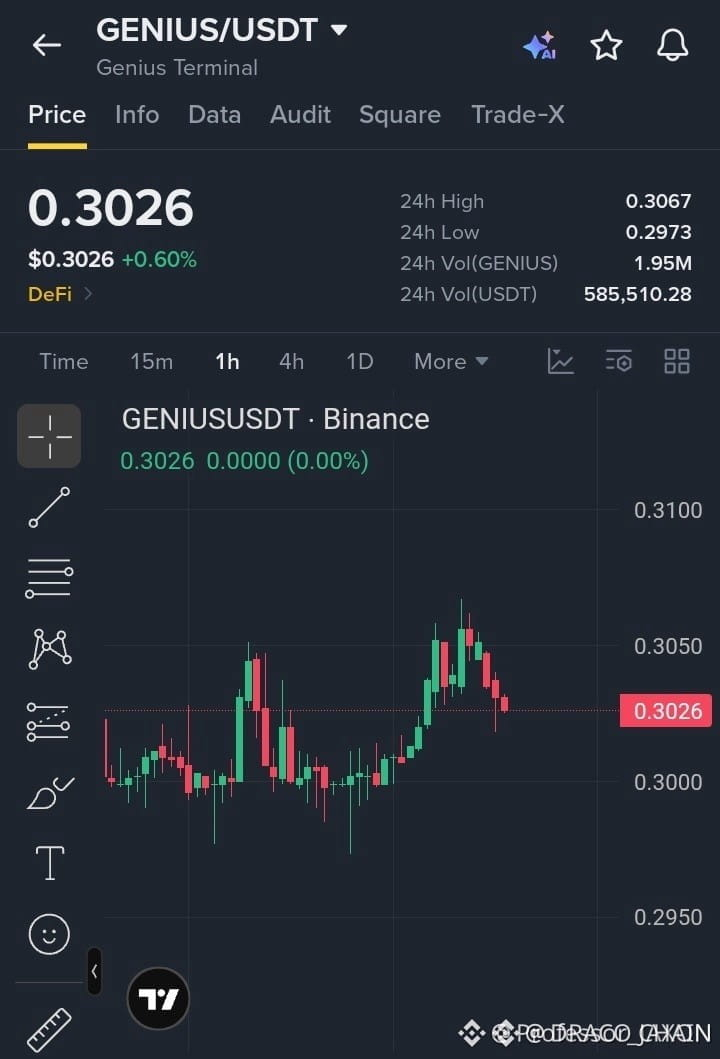
🚨 $GENIUS BEARISH REJECTION SIGNAL 🔴💥
Entry: 0.3025-0.3035 ⚡
Target: 0.3010 🎯
Target: 0.2995 🎯
Target: 0.2975 🎯
Stop Loss: 0.3060 ⚠️
📊 The price hit a tight rejection zone around 0.3050‑0.3060, where smart‑money sell orders absorbed the last buying pressure. 🦈 A clean break below 0.3020 would expose the next liquidity pool, driving the market toward the 0.2975 cluster. 📌 Conversely, any recovery above the resistance invalidates the short bias, so monitor the 0.3035 ceiling closely.
💬 How are you positioning your shorts around this liquidity sweep? 👇
⚠️ Not financial advice. Always manage your risk. 🛡️
🏷️ #GENIUS #ShortSetup #Bearish #Crypto
🔥 🦈
🚨 $GENIUS BEARISH REJECTION SIGNAL 🔴💥
Entry: 0.3025-0.3035 ⚡
Target: 0.3010 🎯
Target: 0.2995 🎯
Target: 0.2975 🎯
Stop Loss: 0.3060 ⚠️
📊 The price hit a tight rejection zone around 0.3050‑0.3060, where smart‑money sell orders absorbed the last buying pressure. 🦈 A clean break below 0.3020 would expose the next liquidity pool, driving the market toward the 0.2975 cluster. 📌 Conversely, any recovery above the resistance invalidates the short bias, so monitor the 0.3035 ceiling closely.
💬 How are you positioning your shorts around this liquidity sweep? 👇
⚠️ Not financial advice. Always manage your risk. 🛡️
🏷️ #GENIUS #ShortSetup #Bearish #Crypto
🔥 🦈
Entry: 0.3025-0.3035 ⚡
Target: 0.3010 🎯
Target: 0.2995 🎯
Target: 0.2975 🎯
Stop Loss: 0.3060 ⚠️
📊 The price hit a tight rejection zone around 0.3050‑0.3060, where smart‑money sell orders absorbed the last buying pressure. 🦈 A clean break below 0.3020 would expose the next liquidity pool, driving the market toward the 0.2975 cluster. 📌 Conversely, any recovery above the resistance invalidates the short bias, so monitor the 0.3035 ceiling closely.
💬 How are you positioning your shorts around this liquidity sweep? 👇
⚠️ Not financial advice. Always manage your risk. 🛡️
🏷️ #GENIUS #ShortSetup #Bearish #Crypto
🔥 🦈
5

·
--
The U.S. Office of the Comptroller of the Currency (OCC) has finalized its rules for payment stablecoins under the GENIUS Act, with an effective date of January 18, 2027. The final rules cover reserve assets, redemption timelines, custody, and issuer oversight, while anti-money laundering and sanctions provisions will be addressed separately. Existing issuers that submit substantially complete applications before the effective date may apply for a transitional exemption of up to 12 months. The compliance path for U.S. dollar stablecoins is now clearer, and the related issuance and custody frameworks for $USDT $USDC will be calibrated accordingly.
#稳定币 #GENIUS #Regulation
The U.S. Office of the Comptroller of the Currency (OCC) has finalized its rules for payment stablecoins under the GENIUS Act, with an effective date of January 18, 2027. The final rules cover reserve assets, redemption timelines, custody, and issuer oversight, while anti-money laundering and sanctions provisions will be addressed separately. Existing issuers that submit substantially complete applications before the effective date may apply for a transitional exemption of up to 12 months. The compliance path for U.S. dollar stablecoins is now clearer, and the related issuance and custody frameworks for $USDT $USDC will be calibrated accordingly.
#稳定币 #GENIUS #Regulation
#稳定币 #GENIUS #Regulation
11

·
--
U.S. regulators are urging community banks to get into the payment stablecoin business.
According to reports from CoinDesk, good.box, and others, the Office of the Comptroller of the Currency (OCC) is encouraging community banks to apply to become payment stablecoin issuers under the GENIUS Act, either through subsidiaries or as eligible issuers. The related final rules are expected to take effect around January 18, 2027. Existing issuers that submit substantially complete applications before then may apply for a transition exemption of up to about 12 months.
How to read this: It shifts the question of “who can legally issue dollar stablecoins” toward licensed banks, rather than leaving it solely to big tech companies and crypto-native firms. For community banks, this is a test of product and compliance capabilities; for existing issuers, it’s about the application window and the timing of exemptions. Before the rules take effect, it remains to be seen when the OCC will formally begin accepting applications and how it will handle approvals. Don’t mistake an invitation to apply for an issued license.
#OCC #稳定币 #GENIUS #Regulation
U.S. regulators are urging community banks to get into the payment stablecoin business.
According to reports from CoinDesk, good.box, and others, the Office of the Comptroller of the Currency (OCC) is encouraging community banks to apply to become payment stablecoin issuers under the GENIUS Act, either through subsidiaries or as eligible issuers. The related final rules are expected to take effect around January 18, 2027. Existing issuers that submit substantially complete applications before then may apply for a transition exemption of up to about 12 months.
How to read this: It shifts the question of “who can legally issue dollar stablecoins” toward licensed banks, rather than leaving it solely to big tech companies and crypto-native firms. For community banks, this is a test of product and compliance capabilities; for existing issuers, it’s about the application window and the timing of exemptions. Before the rules take effect, it remains to be seen when the OCC will formally begin accepting applications and how it will handle approvals. Don’t mistake an invitation to apply for an issued license.
#OCC #稳定币 #GENIUS #Regulation
According to reports from CoinDesk, good.box, and others, the Office of the Comptroller of the Currency (OCC) is encouraging community banks to apply to become payment stablecoin issuers under the GENIUS Act, either through subsidiaries or as eligible issuers. The related final rules are expected to take effect around January 18, 2027. Existing issuers that submit substantially complete applications before then may apply for a transition exemption of up to about 12 months.
How to read this: It shifts the question of “who can legally issue dollar stablecoins” toward licensed banks, rather than leaving it solely to big tech companies and crypto-native firms. For community banks, this is a test of product and compliance capabilities; for existing issuers, it’s about the application window and the timing of exemptions. Before the rules take effect, it remains to be seen when the OCC will formally begin accepting applications and how it will handle approvals. Don’t mistake an invitation to apply for an issued license.
#OCC #稳定币 #GENIUS #Regulation
33

·
--
OCC Calls on Community Banks to Issue Dollar Stablecoins
CoinDesk 10/26: On Monday, the U.S. Office of the Comptroller of the Currency (OCC) urged community banks to enter the stablecoin market. They can apply to become licensed issuers under the GENIUS Act, either directly or through subsidiaries. The OCC said this is consistent with its deregulatory push for a “return to community banking.”
Context from the same day: An OCC notice on 10/21 requires stablecoin issuers to comply with the final rules starting January 18, 2027. Existing issuers that submit a substantially complete application by then may apply for a temporary exemption to continue operating (the application process has not yet officially opened).
Banking groups have previously warned that interest-bearing stablecoins could drain deposits. The ICBA has sued the OCC over its approval of crypto trust bank charters, and Senator Warren has also requested explanations regarding those charters.
【Viewpoint】
On one hand, the OCC is tightening entry requirements; on the other, it is bringing smaller banks into the race. Regulators clearly do not want the dollar stablecoin payment layer to be controlled solely by big banks and crypto-native firms. For the market, this could mean that the supply of compliant stablecoins expands from a “few giants” to a “banking network,” though the pace will depend on when applications actually open.
【Opportunities/Risks】
Watch three things: ① When the OCC begins accepting applications; ② The details of temporary exemptions before 2027.1.18; ③ Whether bank lobbying or lawsuits delay the licensing process. If community banks enter the market in earnest, that would likely support on-chain dollar liquidity and the payment narrative. If lawsuits cause delays, implementation could be significantly slower than the market expects.
Would you rather see community banks enter the market and issue stablecoins, or continue using established stablecoin issuers?
#稳定币 #GENIUS #OCC #Crypto Regulation
$BTC $ETH
For reference only; not investment advice
OCC Calls on Community Banks to Issue Dollar Stablecoins
CoinDesk 10/26: On Monday, the U.S. Office of the Comptroller of the Currency (OCC) urged community banks to enter the stablecoin market. They can apply to become licensed issuers under the GENIUS Act, either directly or through subsidiaries. The OCC said this is consistent with its deregulatory push for a “return to community banking.”
Context from the same day: An OCC notice on 10/21 requires stablecoin issuers to comply with the final rules starting January 18, 2027. Existing issuers that submit a substantially complete application by then may apply for a temporary exemption to continue operating (the application process has not yet officially opened).
Banking groups have previously warned that interest-bearing stablecoins could drain deposits. The ICBA has sued the OCC over its approval of crypto trust bank charters, and Senator Warren has also requested explanations regarding those charters.
【Viewpoint】
On one hand, the OCC is tightening entry requirements; on the other, it is bringing smaller banks into the race. Regulators clearly do not want the dollar stablecoin payment layer to be controlled solely by big banks and crypto-native firms. For the market, this could mean that the supply of compliant stablecoins expands from a “few giants” to a “banking network,” though the pace will depend on when applications actually open.
【Opportunities/Risks】
Watch three things: ① When the OCC begins accepting applications; ② The details of temporary exemptions before 2027.1.18; ③ Whether bank lobbying or lawsuits delay the licensing process. If community banks enter the market in earnest, that would likely support on-chain dollar liquidity and the payment narrative. If lawsuits cause delays, implementation could be significantly slower than the market expects.
Would you rather see community banks enter the market and issue stablecoins, or continue using established stablecoin issuers?
#稳定币 #GENIUS #OCC #Crypto Regulation
$BTC $ETH
For reference only; not investment advice
CoinDesk 10/26: On Monday, the U.S. Office of the Comptroller of the Currency (OCC) urged community banks to enter the stablecoin market. They can apply to become licensed issuers under the GENIUS Act, either directly or through subsidiaries. The OCC said this is consistent with its deregulatory push for a “return to community banking.”
Context from the same day: An OCC notice on 10/21 requires stablecoin issuers to comply with the final rules starting January 18, 2027. Existing issuers that submit a substantially complete application by then may apply for a temporary exemption to continue operating (the application process has not yet officially opened).
Banking groups have previously warned that interest-bearing stablecoins could drain deposits. The ICBA has sued the OCC over its approval of crypto trust bank charters, and Senator Warren has also requested explanations regarding those charters.
【Viewpoint】
On one hand, the OCC is tightening entry requirements; on the other, it is bringing smaller banks into the race. Regulators clearly do not want the dollar stablecoin payment layer to be controlled solely by big banks and crypto-native firms. For the market, this could mean that the supply of compliant stablecoins expands from a “few giants” to a “banking network,” though the pace will depend on when applications actually open.
【Opportunities/Risks】
Watch three things: ① When the OCC begins accepting applications; ② The details of temporary exemptions before 2027.1.18; ③ Whether bank lobbying or lawsuits delay the licensing process. If community banks enter the market in earnest, that would likely support on-chain dollar liquidity and the payment narrative. If lawsuits cause delays, implementation could be significantly slower than the market expects.
Would you rather see community banks enter the market and issue stablecoins, or continue using established stablecoin issuers?
#稳定币 #GENIUS #OCC #Crypto Regulation
$BTC $ETH
For reference only; not investment advice


·
--
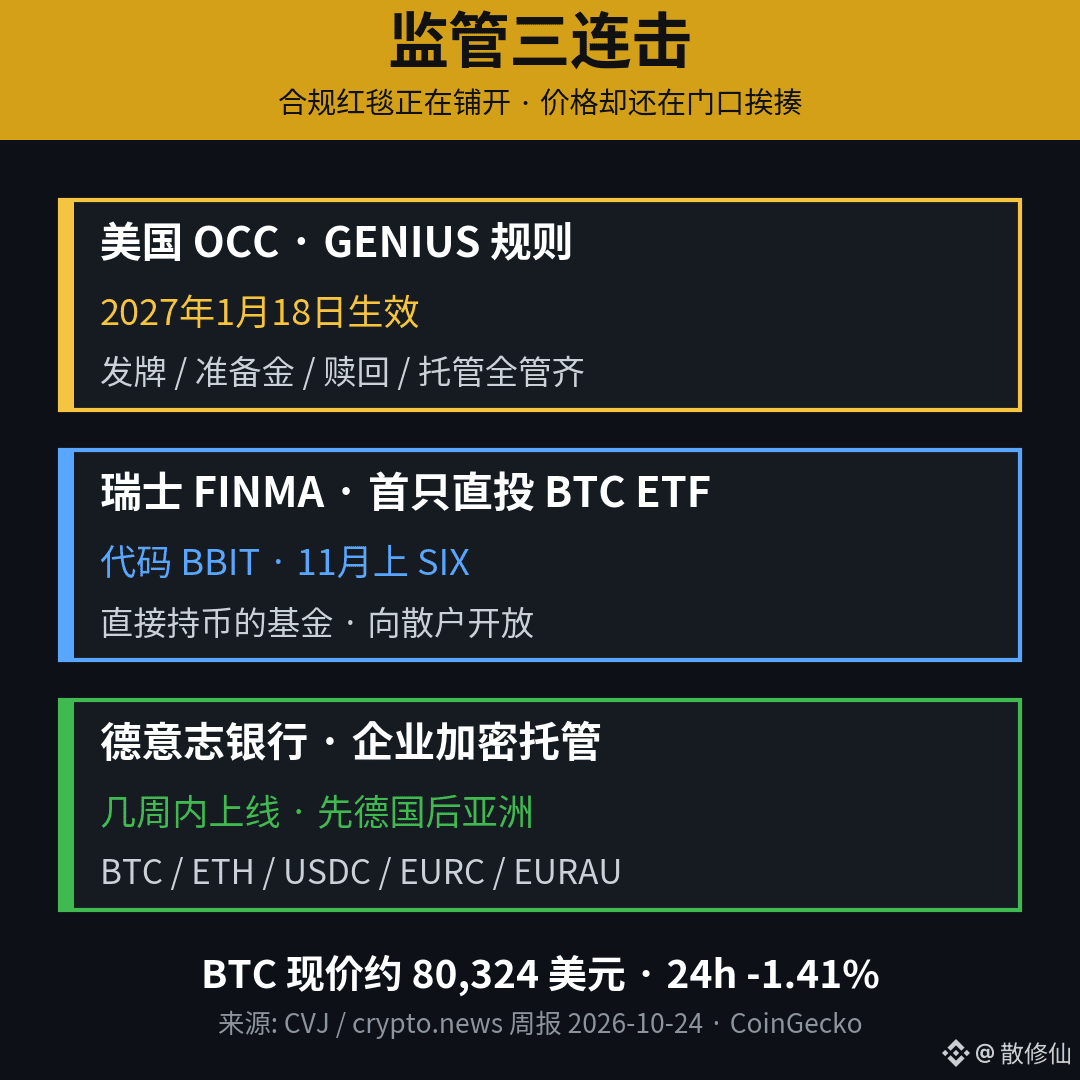
Regulators played three cards this week, and every one of them was aimed at “compliance”—while the crypto market is still getting beaten up at the $80,000 mark.
The U.S. Office of the Comptroller of the Currency (OCC) has finalized stablecoin rules under the GENIUS Act, effective January 18, 2027.
The rules cover licensing, reserves, redemptions, risk management, and custody. Platform rewards will be reviewed case by case, rather than subject to a blanket ban.
Switzerland’s FINMA approved Europe’s first ETF to hold Bitcoin directly. Ticker: BBIT. It will begin trading on SIX in November and will also be open to retail investors.
Previous Swiss Bitcoin products were merely claims against their issuers. This time, it’s a fund holding actual Bitcoin, made possible by an exemption from the old diversification rules.
Deutsche Bank also says it will launch crypto custody services for corporate clients within weeks—starting in Germany, then expanding to Asia in 2027.
The supported assets are BTC, ETH, USDC, EURC, and EURAU. The service is for businesses only, not retail investors.
To me, the message behind these three developments is pretty clear: regulators aren’t trying to kill crypto; they’re rolling out the red carpet for big money to enter.
The carpet is ready, but prices aren’t impressed: BTC is currently around $80,324, down 1.41% over the past 24 hours.
Sources: Crypto Valley Journal / crypto.news weekly roundup (2026-10-24), CoinGecko live price.
Which side are you on: is this the eve of institutional entry, or are the shackles of compliance tightening further?
$BTC $ETH
#GENIUS #比特币ETF #Cryptocurrency
Regulators played three cards this week, and every one of them was aimed at “compliance”—while the crypto market is still getting beaten up at the $80,000 mark.
The U.S. Office of the Comptroller of the Currency (OCC) has finalized stablecoin rules under the GENIUS Act, effective January 18, 2027.
The rules cover licensing, reserves, redemptions, risk management, and custody. Platform rewards will be reviewed case by case, rather than subject to a blanket ban.
Switzerland’s FINMA approved Europe’s first ETF to hold Bitcoin directly. Ticker: BBIT. It will begin trading on SIX in November and will also be open to retail investors.
Previous Swiss Bitcoin products were merely claims against their issuers. This time, it’s a fund holding actual Bitcoin, made possible by an exemption from the old diversification rules.
Deutsche Bank also says it will launch crypto custody services for corporate clients within weeks—starting in Germany, then expanding to Asia in 2027.
The supported assets are BTC, ETH, USDC, EURC, and EURAU. The service is for businesses only, not retail investors.
To me, the message behind these three developments is pretty clear: regulators aren’t trying to kill crypto; they’re rolling out the red carpet for big money to enter.
The carpet is ready, but prices aren’t impressed: BTC is currently around $80,324, down 1.41% over the past 24 hours.
Sources: Crypto Valley Journal / crypto.news weekly roundup (2026-10-24), CoinGecko live price.
Which side are you on: is this the eve of institutional entry, or are the shackles of compliance tightening further?
$BTC $ETH
#GENIUS #比特币ETF #Cryptocurrency
The U.S. Office of the Comptroller of the Currency (OCC) has finalized stablecoin rules under the GENIUS Act, effective January 18, 2027.
The rules cover licensing, reserves, redemptions, risk management, and custody. Platform rewards will be reviewed case by case, rather than subject to a blanket ban.
Switzerland’s FINMA approved Europe’s first ETF to hold Bitcoin directly. Ticker: BBIT. It will begin trading on SIX in November and will also be open to retail investors.
Previous Swiss Bitcoin products were merely claims against their issuers. This time, it’s a fund holding actual Bitcoin, made possible by an exemption from the old diversification rules.
Deutsche Bank also says it will launch crypto custody services for corporate clients within weeks—starting in Germany, then expanding to Asia in 2027.
The supported assets are BTC, ETH, USDC, EURC, and EURAU. The service is for businesses only, not retail investors.
To me, the message behind these three developments is pretty clear: regulators aren’t trying to kill crypto; they’re rolling out the red carpet for big money to enter.
The carpet is ready, but prices aren’t impressed: BTC is currently around $80,324, down 1.41% over the past 24 hours.
Sources: Crypto Valley Journal / crypto.news weekly roundup (2026-10-24), CoinGecko live price.
Which side are you on: is this the eve of institutional entry, or are the shackles of compliance tightening further?
$BTC $ETH
#GENIUS #比特币ETF #Cryptocurrency
12

·
--
Bullish
📊 $GENIUS
{future}(GENIUSUSDT)
Market Analysis | Watch for a Breakout from the Range
GENIUS is currently trading at 0.2998 USDT, down slightly by 0.033% over the past 24H, and is currently fluctuating within the 0.2977–0.3051 range. A breakout above 0.3051 with increased volume could create an opportunity for the rebound to continue; if the price falls below 0.2977, watch for a further pullback. Avoid blindly chasing highs, and manage your stop-loss and position size carefully.
Breakout Long
Entry conditions: Break above 0.3051 on increased volume, then hold on a retest
Reference entry: 0.3050–0.3060
Take-profit targets: 0.3100 / 0.3150
Stop-loss reference: 0.3015
#GENIUS #GeniusTerminal #加密貨幣 #行情分析 #交易策略
📊 $GENIUS
Market Analysis | Watch for a Breakout from the Range
GENIUS is currently trading at 0.2998 USDT, down slightly by 0.033% over the past 24H, and is currently fluctuating within the 0.2977–0.3051 range. A breakout above 0.3051 with increased volume could create an opportunity for the rebound to continue; if the price falls below 0.2977, watch for a further pullback. Avoid blindly chasing highs, and manage your stop-loss and position size carefully.
Breakout Long
Entry conditions: Break above 0.3051 on increased volume, then hold on a retest
Reference entry: 0.3050–0.3060
Take-profit targets: 0.3100 / 0.3150
Stop-loss reference: 0.3015
#GENIUS #GeniusTerminal #加密貨幣 #行情分析 #交易策略
Market Analysis | Watch for a Breakout from the Range
GENIUS is currently trading at 0.2998 USDT, down slightly by 0.033% over the past 24H, and is currently fluctuating within the 0.2977–0.3051 range. A breakout above 0.3051 with increased volume could create an opportunity for the rebound to continue; if the price falls below 0.2977, watch for a further pullback. Avoid blindly chasing highs, and manage your stop-loss and position size carefully.
Breakout Long
Entry conditions: Break above 0.3051 on increased volume, then hold on a retest
Reference entry: 0.3050–0.3060
Take-profit targets: 0.3100 / 0.3150
Stop-loss reference: 0.3015
#GENIUS #GeniusTerminal #加密貨幣 #行情分析 #交易策略
119

·
--

Article
OCC scraps automatic 7-day extension, but imposes a hard 2-business-day redemption limitThe draft allowed redemption deadlines during peak periods to be automatically extended to 7 calendar days, but the OCC’s final rule simply scrapped that provision and instead set a hard limit of 2 business days.
The final rules for the GENIUS Act, issued on October 21, 2026, take effect on January 18, 2027. Under the old draft, if redemption requests in any 24-hour period exceeded about 10% of that brand’s circulating supply, the deadline could be automatically extended to 7 calendar days. The final rule changes this: exceeding 10% must be reported to the OCC within 24 hours, and any extension requires a separate application and case-by-case regulatory approval. Ordinary redemptions remain subject to the 2-business-day deadline (excluding weekends and federal holidays). Reserve requirements remain at about 1:1, with at least about 5% immediately available, and a capital floor of about $5 million. Issuers also cannot use onboarding procedures as an excuse to delay redemptions.
OCC scraps automatic 7-day extension, but imposes a hard 2-business-day redemption limit
The draft allowed redemption deadlines during peak periods to be automatically extended to 7 calendar days, but the OCC’s final rule simply scrapped that provision and instead set a hard limit of 2 business days.
The final rules for the GENIUS Act, issued on October 21, 2026, take effect on January 18, 2027. Under the old draft, if redemption requests in any 24-hour period exceeded about 10% of that brand’s circulating supply, the deadline could be automatically extended to 7 calendar days. The final rule changes this: exceeding 10% must be reported to the OCC within 24 hours, and any extension requires a separate application and case-by-case regulatory approval. Ordinary redemptions remain subject to the 2-business-day deadline (excluding weekends and federal holidays). Reserve requirements remain at about 1:1, with at least about 5% immediately available, and a capital floor of about $5 million. Issuers also cannot use onboarding procedures as an excuse to delay redemptions.
The final rules for the GENIUS Act, issued on October 21, 2026, take effect on January 18, 2027. Under the old draft, if redemption requests in any 24-hour period exceeded about 10% of that brand’s circulating supply, the deadline could be automatically extended to 7 calendar days. The final rule changes this: exceeding 10% must be reported to the OCC within 24 hours, and any extension requires a separate application and case-by-case regulatory approval. Ordinary redemptions remain subject to the 2-business-day deadline (excluding weekends and federal holidays). Reserve requirements remain at about 1:1, with at least about 5% immediately available, and a capital floor of about $5 million. Issuers also cannot use onboarding procedures as an excuse to delay redemptions.
2
16

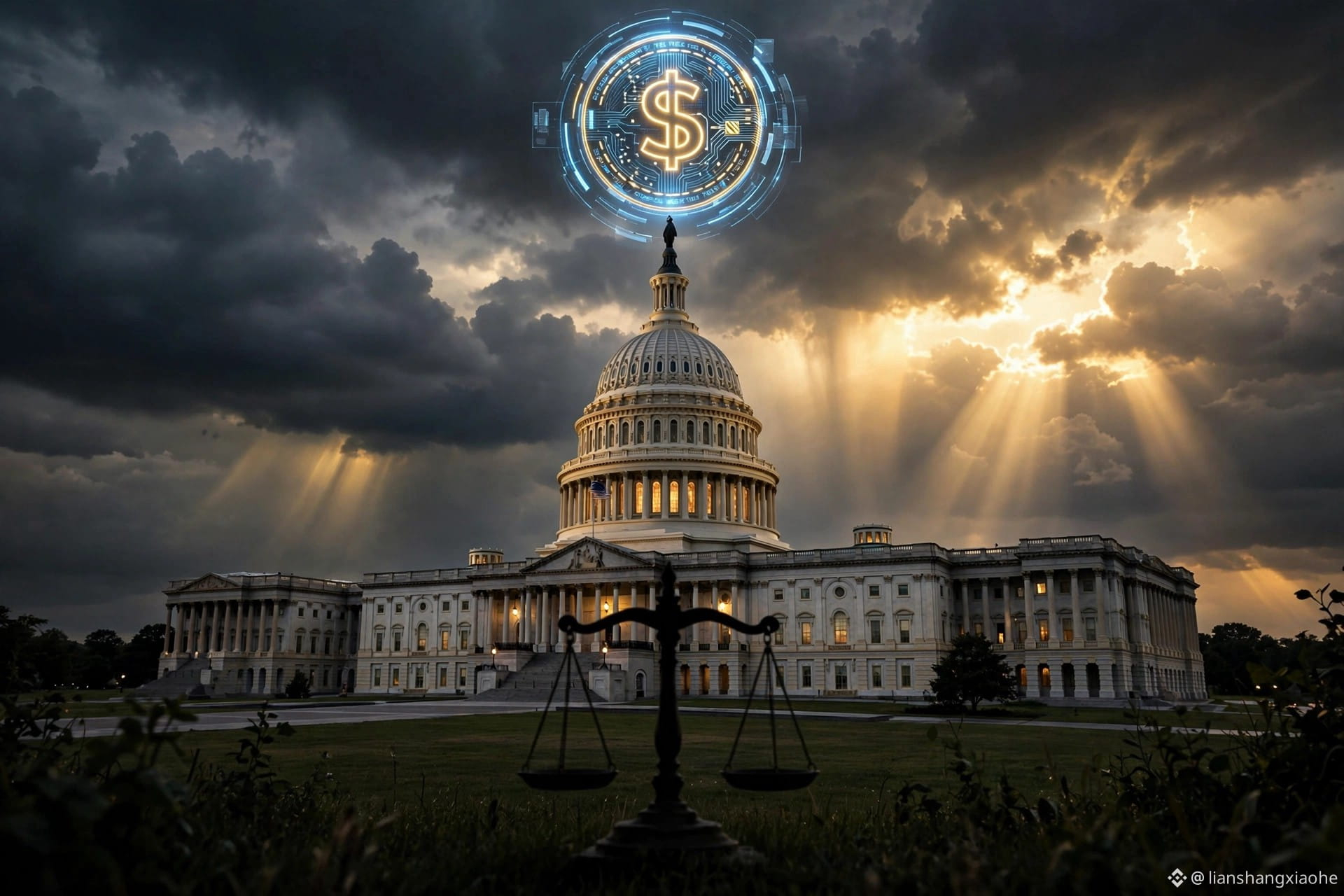
The official rulebook for U.S. stablecoins is here. On October 21, the OCC finalized the rules implementing the GENIUS Act, which will take effect on January 18, 2027:
Issuers must maintain 100% reserves, users must receive redemptions within two business days, and the minimum paid-in capital is $5 million. Paying interest directly to holders remains prohibited, but the OCC did not impose a blanket ban on third-party rewards like PayPal’s 4% on PYUSD, Coinbase’s 3.75% on USDC, and Kraken’s 4.5% on USDG. Instead, it left room for case-by-case review.
Anti-money laundering and sanctions provisions will be handled in a separate round of rulemaking. The countdown starts now: in three months, issuing stablecoins in the U.S. without a license will be a criminal offense. $USDT $USDC #稳定币 #GENIUS
The official rulebook for U.S. stablecoins is here. On October 21, the OCC finalized the rules implementing the GENIUS Act, which will take effect on January 18, 2027:
Issuers must maintain 100% reserves, users must receive redemptions within two business days, and the minimum paid-in capital is $5 million. Paying interest directly to holders remains prohibited, but the OCC did not impose a blanket ban on third-party rewards like PayPal’s 4% on PYUSD, Coinbase’s 3.75% on USDC, and Kraken’s 4.5% on USDG. Instead, it left room for case-by-case review.
Anti-money laundering and sanctions provisions will be handled in a separate round of rulemaking. The countdown starts now: in three months, issuing stablecoins in the U.S. without a license will be a criminal offense. $USDT $USDC #稳定币 #GENIUS
Issuers must maintain 100% reserves, users must receive redemptions within two business days, and the minimum paid-in capital is $5 million. Paying interest directly to holders remains prohibited, but the OCC did not impose a blanket ban on third-party rewards like PayPal’s 4% on PYUSD, Coinbase’s 3.75% on USDC, and Kraken’s 4.5% on USDG. Instead, it left room for case-by-case review.
Anti-money laundering and sanctions provisions will be handled in a separate round of rulemaking. The countdown starts now: in three months, issuing stablecoins in the U.S. without a license will be a criminal offense. $USDT $USDC #稳定币 #GENIUS
164

·
--
The OCC’s final GENIUS rule is out, and it takes effect on January 18 next year. Issuers can no longer pay interest directly to holders, and third-party rewards will be reviewed case by case. I’m honestly not sure whether I’ll still be able to earn 4% on my PYUSD and 3.75% on my USDC.
Put simply, banks and platforms are competing for my deposits. The numbers they offer may look similar, but they’re fundamentally different things: bank deposits are backed by insurance, while platform rewards are commercial incentives. Their sources, how long they can last, and their risks are all different—rewards shouldn’t be treated like deposits.
I’ve gotten into the habit of checking a coin’s fundamentals before claiming rewards. The PayAll stablecoin page has a safety score and a five-dimension radar chart, so you can see at a glance how well a coin holds its peg and how often it has depegged. APYs are also clearly labeled as variable. At least that helps me understand that the returns I’m earning come with risk.
Where my money earns interest isn’t what matters. I need to understand the risks first, then decide.
$USDC $PYUSD #GENIUS
The OCC’s final GENIUS rule is out, and it takes effect on January 18 next year. Issuers can no longer pay interest directly to holders, and third-party rewards will be reviewed case by case. I’m honestly not sure whether I’ll still be able to earn 4% on my PYUSD and 3.75% on my USDC.
Put simply, banks and platforms are competing for my deposits. The numbers they offer may look similar, but they’re fundamentally different things: bank deposits are backed by insurance, while platform rewards are commercial incentives. Their sources, how long they can last, and their risks are all different—rewards shouldn’t be treated like deposits.
I’ve gotten into the habit of checking a coin’s fundamentals before claiming rewards. The PayAll stablecoin page has a safety score and a five-dimension radar chart, so you can see at a glance how well a coin holds its peg and how often it has depegged. APYs are also clearly labeled as variable. At least that helps me understand that the returns I’m earning come with risk.
Where my money earns interest isn’t what matters. I need to understand the risks first, then decide.
$USDC $PYUSD #GENIUS
Put simply, banks and platforms are competing for my deposits. The numbers they offer may look similar, but they’re fundamentally different things: bank deposits are backed by insurance, while platform rewards are commercial incentives. Their sources, how long they can last, and their risks are all different—rewards shouldn’t be treated like deposits.
I’ve gotten into the habit of checking a coin’s fundamentals before claiming rewards. The PayAll stablecoin page has a safety score and a five-dimension radar chart, so you can see at a glance how well a coin holds its peg and how often it has depegged. APYs are also clearly labeled as variable. At least that helps me understand that the returns I’m earning come with risk.
Where my money earns interest isn’t what matters. I need to understand the risks first, then decide.
$USDC $PYUSD #GENIUS
201
On Thursday, Senator Richard Blumenthal sent Tether CEO Paolo Ardoino an open letter about a bombshell: The Wall Street Journal uncovered a $6.3 million contract between Tether and Nxum, a marketing firm co-founded by former White House crypto adviser Bo Hines. The timeline is chilling on closer inspection—just weeks after Hines took charge of crypto policy at the White House, Tether and Nxum struck their deal. Hines never divested his one-third stake in Nxum; while championing the GENIUS Act at the White House, he also used an encrypted messaging app to coordinate Nxum’s lobbying efforts to pressure members of Congress. Blumenthal quoted Ardoino directly in the letter: he had asked Nxum to “obliterate” opponents of the bill. The Senate Permanent Subcommittee on Investigations is now demanding that Tether turn over all records of contracts, payments, communications, and lobbying. Tether says an internal investigation by outside counsel found no problems. The world’s largest stablecoin issuer is playing one of Washington’s most expensive games. #GENIUS #stablecoin
On Thursday, Senator Richard Blumenthal sent Tether CEO Paolo Ardoino an open letter about a bombshell: The Wall Street Journal uncovered a $6.3 million contract between Tether and Nxum, a marketing firm co-founded by former White House crypto adviser Bo Hines. The timeline is chilling on closer inspection—just weeks after Hines took charge of crypto policy at the White House, Tether and Nxum struck their deal. Hines never divested his one-third stake in Nxum; while championing the GENIUS Act at the White House, he also used an encrypted messaging app to coordinate Nxum’s lobbying efforts to pressure members of Congress. Blumenthal quoted Ardoino directly in the letter: he had asked Nxum to “obliterate” opponents of the bill. The Senate Permanent Subcommittee on Investigations is now demanding that Tether turn over all records of contracts, payments, communications, and lobbying. Tether says an internal investigation by outside counsel found no problems. The world’s largest stablecoin issuer is playing one of Washington’s most expensive games. #GENIUS #stablecoin

177

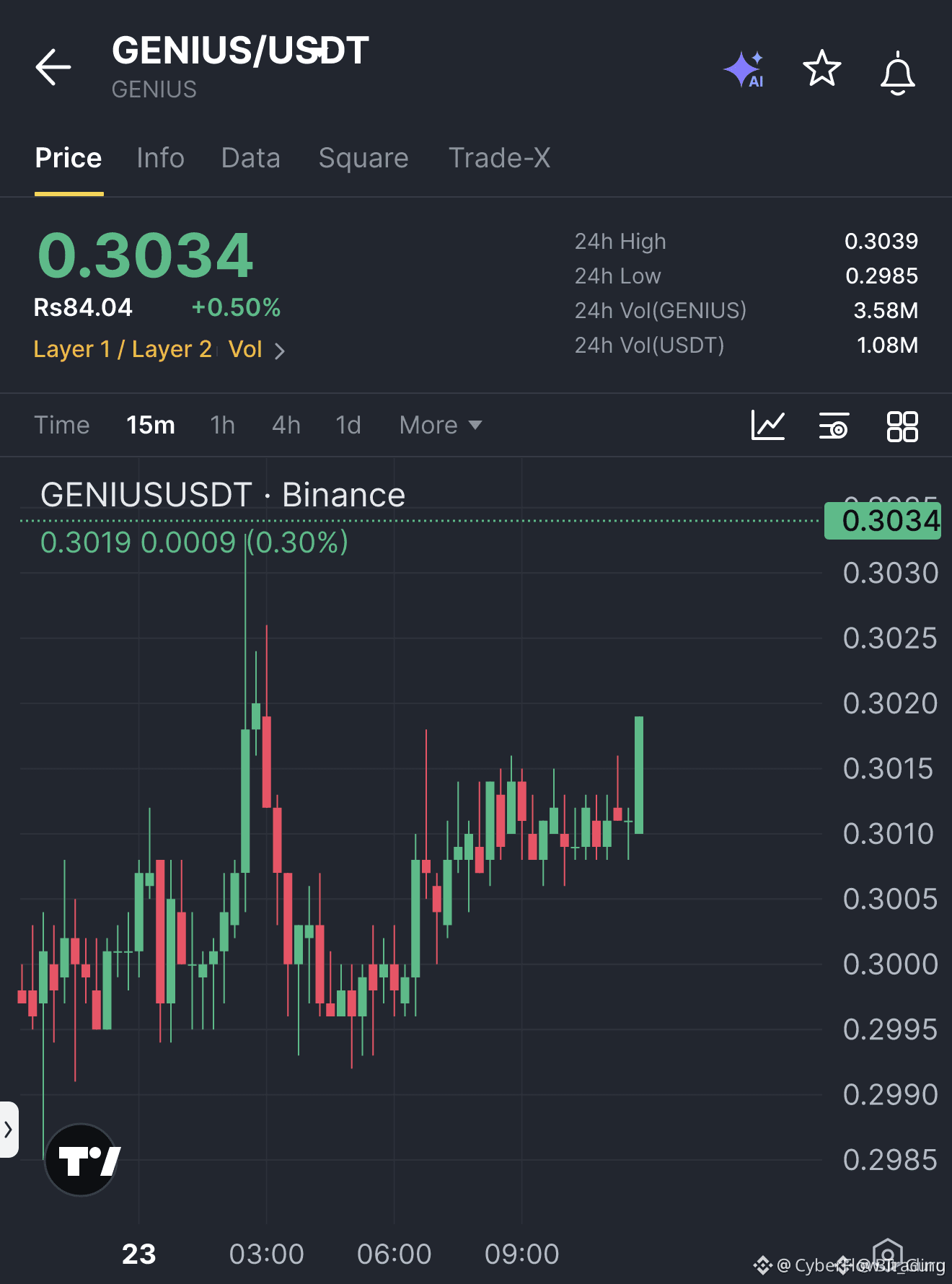
🚀 $GENIUS SURGES PAST 0.3024 ON 3X VOLUME BREAKOUT! 🟢
Entry: 0.303 ⚡
Target: 0.3063/0.3085/0.3118 🚀
Stop Loss: 0.3008 ⚠️
📊 The 5‑minute breakout candle slammed 2.94× the average volume of the prior 20 candles, while the 15‑minute candle closed cleanly above its 20‑period MA – a clear bullish pulse. ⚡ Smart money is staking the 0.3024 zone as a fresh demand wall, and a retest holding above it could lock in the next wave toward the 0.3118 ceiling. 🌊 If sellers bite below 0.3024, the setup fizzles, so watch the order flow closely.
💬 How will you position if the retest respects the 0.3024 level? 👇
⚠️ Not financial advice. Always manage your risk. 🛡️
🏷️ #GENIUS #LongSetup #Breakout #Crypto
🔥 💎
🚀 $GENIUS SURGES PAST 0.3024 ON 3X VOLUME BREAKOUT! 🟢
Entry: 0.303 ⚡
Target: 0.3063/0.3085/0.3118 🚀
Stop Loss: 0.3008 ⚠️
📊 The 5‑minute breakout candle slammed 2.94× the average volume of the prior 20 candles, while the 15‑minute candle closed cleanly above its 20‑period MA – a clear bullish pulse. ⚡ Smart money is staking the 0.3024 zone as a fresh demand wall, and a retest holding above it could lock in the next wave toward the 0.3118 ceiling. 🌊 If sellers bite below 0.3024, the setup fizzles, so watch the order flow closely.
💬 How will you position if the retest respects the 0.3024 level? 👇
⚠️ Not financial advice. Always manage your risk. 🛡️
🏷️ #GENIUS #LongSetup #Breakout #Crypto
🔥 💎
Entry: 0.303 ⚡
Target: 0.3063/0.3085/0.3118 🚀
Stop Loss: 0.3008 ⚠️
📊 The 5‑minute breakout candle slammed 2.94× the average volume of the prior 20 candles, while the 15‑minute candle closed cleanly above its 20‑period MA – a clear bullish pulse. ⚡ Smart money is staking the 0.3024 zone as a fresh demand wall, and a retest holding above it could lock in the next wave toward the 0.3118 ceiling. 🌊 If sellers bite below 0.3024, the setup fizzles, so watch the order flow closely.
💬 How will you position if the retest respects the 0.3024 level? 👇
⚠️ Not financial advice. Always manage your risk. 🛡️
🏷️ #GENIUS #LongSetup #Breakout #Crypto
🔥 💎
12
💥 $GENIUS BREAKS OUT OF LONG ACCUMULATION AS BULLS CHARGE THE $0.31 RESISTANCE! 🚀
Entry: 0.305 - 0.310 ⚡
Target: 0.315 / 0.322 / 0.330 🚀
Stop Loss: 0.296 ⚠️
📌 After a prolonged accumulation phase, $GENIUS has aggressively reclaimed the key $0.30 level with surging buyer volume. Momentum is building fast as price tests the crucial $0.31 supply ceiling, with a clean hold signaling the start of an extended rally. 📊
💡 Order flow reveals heavy demand stacking right below current prices, suggesting smart money is actively supporting dips. 🌊 If buying pressure holds through this pivot, the risk-to-reward for a breakout expansion looks prime. 💬 Are you front-running this move right now or waiting for the clean reclaim of $0.31? 👇
⚠️ Not financial advice. Always manage your risk. 🛡️
🏷️ #GENIUS #Breakout #Crypto #Altcoins
🔥 💎
💥 $GENIUS BREAKS OUT OF LONG ACCUMULATION AS BULLS CHARGE THE $0.31 RESISTANCE! 🚀
Entry: 0.305 - 0.310 ⚡
Target: 0.315 / 0.322 / 0.330 🚀
Stop Loss: 0.296 ⚠️
📌 After a prolonged accumulation phase, $GENIUS has aggressively reclaimed the key $0.30 level with surging buyer volume. Momentum is building fast as price tests the crucial $0.31 supply ceiling, with a clean hold signaling the start of an extended rally. 📊
💡 Order flow reveals heavy demand stacking right below current prices, suggesting smart money is actively supporting dips. 🌊 If buying pressure holds through this pivot, the risk-to-reward for a breakout expansion looks prime. 💬 Are you front-running this move right now or waiting for the clean reclaim of $0.31? 👇
⚠️ Not financial advice. Always manage your risk. 🛡️
🏷️ #GENIUS #Breakout #Crypto #Altcoins
🔥 💎
Entry: 0.305 - 0.310 ⚡
Target: 0.315 / 0.322 / 0.330 🚀
Stop Loss: 0.296 ⚠️
📌 After a prolonged accumulation phase, $GENIUS has aggressively reclaimed the key $0.30 level with surging buyer volume. Momentum is building fast as price tests the crucial $0.31 supply ceiling, with a clean hold signaling the start of an extended rally. 📊
💡 Order flow reveals heavy demand stacking right below current prices, suggesting smart money is actively supporting dips. 🌊 If buying pressure holds through this pivot, the risk-to-reward for a breakout expansion looks prime. 💬 Are you front-running this move right now or waiting for the clean reclaim of $0.31? 👇
⚠️ Not financial advice. Always manage your risk. 🛡️
🏷️ #GENIUS #Breakout #Crypto #Altcoins
🔥 💎
9

·
--
Bearish
The headline sounds like a win for rewards, but I'd read it more slowly. On October 21, the OCC finalized its first GENIUS Act rule, and it dropped the proposed presumption that certain affiliate or third-party stablecoin rewards were automatically illegal.
Here's the catch. The OCC also said it won't presume that rewards programs predating the law comply, and it didn't offer safe harbors. So the statute's line still stands: issuers can't pay yield solely for holding, using or retaining a stablecoin. Exchanges and partners just get judged case by case, not by a blanket rule.
What stands out to me is how much now depends on who is really funding a reward and how it's structured. Banks see a loophole, while the crypto side calls it a closer reading of the Act. I'm not sure which view holds up. The rule and the Act both take effect January 18, 2027, so I'll be watching the first real decisions, and whether Congress steps in first.
$GENIUS
{future}(GENIUSUSDT)
#genius
The headline sounds like a win for rewards, but I'd read it more slowly. On October 21, the OCC finalized its first GENIUS Act rule, and it dropped the proposed presumption that certain affiliate or third-party stablecoin rewards were automatically illegal.
Here's the catch. The OCC also said it won't presume that rewards programs predating the law comply, and it didn't offer safe harbors. So the statute's line still stands: issuers can't pay yield solely for holding, using or retaining a stablecoin. Exchanges and partners just get judged case by case, not by a blanket rule.
What stands out to me is how much now depends on who is really funding a reward and how it's structured. Banks see a loophole, while the crypto side calls it a closer reading of the Act. I'm not sure which view holds up. The rule and the Act both take effect January 18, 2027, so I'll be watching the first real decisions, and whether Congress steps in first.
$GENIUS
#genius
Here's the catch. The OCC also said it won't presume that rewards programs predating the law comply, and it didn't offer safe harbors. So the statute's line still stands: issuers can't pay yield solely for holding, using or retaining a stablecoin. Exchanges and partners just get judged case by case, not by a blanket rule.
What stands out to me is how much now depends on who is really funding a reward and how it's structured. Banks see a loophole, while the crypto side calls it a closer reading of the Act. I'm not sure which view holds up. The rule and the Act both take effect January 18, 2027, so I'll be watching the first real decisions, and whether Congress steps in first.
$GENIUS
#genius

249
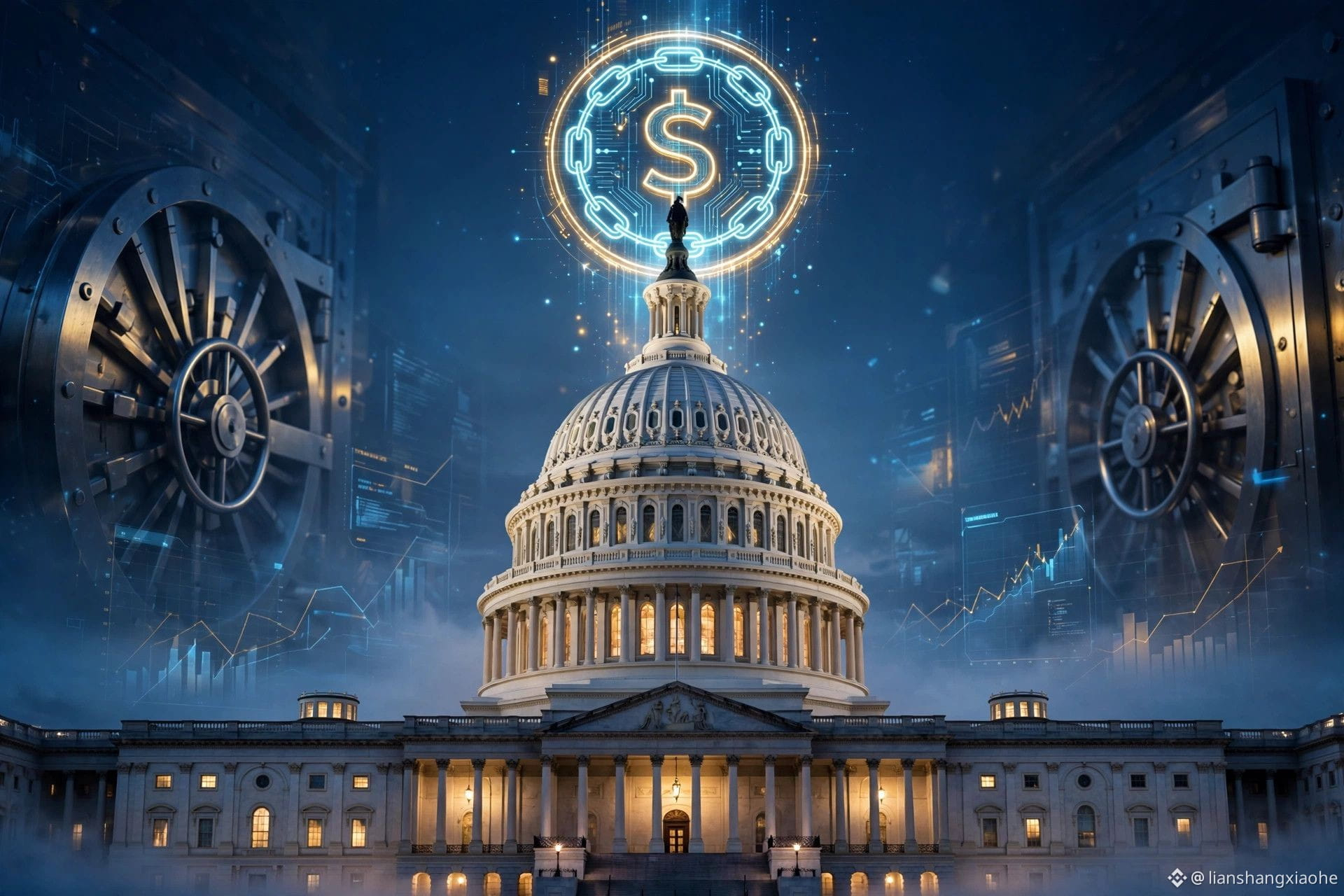
The OCC finalized the GENIUS stablecoin rules last night: issuers can’t pay interest to holders, but third-party platforms’ rewards programs aren’t subject to a blanket ban—they’ll be reviewed case by case. What does that mean? The stablecoin yield wars on exchanges aren’t going away, while banks’ demand deposits are about to take a hit. Circle jumped 4.5% after hours to 9.7, and Coinbase, Strategy, and Galaxy all rose in sympathy. This isn’t regulation finally settling the issue—it’s opening a back door for earning yield on stablecoin holdings. Now let’s see who rushes through first. The rules take effect on January 18, 2027; the AML provisions are a separate matter to be handled by the Treasury Department. #GENIUS #stablecoin
The OCC finalized the GENIUS stablecoin rules last night: issuers can’t pay interest to holders, but third-party platforms’ rewards programs aren’t subject to a blanket ban—they’ll be reviewed case by case. What does that mean? The stablecoin yield wars on exchanges aren’t going away, while banks’ demand deposits are about to take a hit. Circle jumped 4.5% after hours to 9.7, and Coinbase, Strategy, and Galaxy all rose in sympathy. This isn’t regulation finally settling the issue—it’s opening a back door for earning yield on stablecoin holdings. Now let’s see who rushes through first. The rules take effect on January 18, 2027; the AML provisions are a separate matter to be handled by the Treasury Department. #GENIUS #stablecoin
1
250

·
--
The Cardano-based Genius Yield protocol is officially shutting down its operations.
What does this closure mean for the long-term utility of the $GENIUS token?
This decision effectively ends the protocol, removing the core purpose and utility that previously supported the token.
Since the protocol will no longer function, the value proposition tied to the project vanishes, leaving the asset without its original intended use.
Yemcaster's AI scored this -8.
It is possible that the decline of this platform was already anticipated by the market, as recent performance trends showed dwindling ecosystem activity.
#GENIUS #Cardano #CryptoNews
News score, not financial advice.
The Cardano-based Genius Yield protocol is officially shutting down its operations.
What does this closure mean for the long-term utility of the $GENIUS token?
This decision effectively ends the protocol, removing the core purpose and utility that previously supported the token.
Since the protocol will no longer function, the value proposition tied to the project vanishes, leaving the asset without its original intended use.
Yemcaster's AI scored this -8.
It is possible that the decline of this platform was already anticipated by the market, as recent performance trends showed dwindling ecosystem activity.
#GENIUS #Cardano #CryptoNews
News score, not financial advice.
What does this closure mean for the long-term utility of the $GENIUS token?
This decision effectively ends the protocol, removing the core purpose and utility that previously supported the token.
Since the protocol will no longer function, the value proposition tied to the project vanishes, leaving the asset without its original intended use.
Yemcaster's AI scored this -8.
It is possible that the decline of this platform was already anticipated by the market, as recent performance trends showed dwindling ecosystem activity.
#GENIUS #Cardano #CryptoNews
News score, not financial advice.

282

#GENIUS #TokenUnlock : Key Insights for Crypto Traders and Investors👇
Token unlock events often introduce notable price volatility to the cryptocurrency market, and GENIUS is currently preparing for a substantial supply release. With a current market capitalization of $102.39 million, the project is scheduled to unlock 70 million GENIUS tokens on October 25, 2026.
{spot}(GENIUSUSDT)
This incoming token release is valued at approximately $21.63 million, accounting for a significant 7.00% of the project's current market capitalization. With this event, the total unlocked supply will reach 40.35%. For traders monitoring altcoin movements and supply dynamics, keeping track of large-scale unlocks is essential for managing risk and identifying potential market entry or exit points.
$GENIUS #CoinVahini #CryptoTrading #MarketWatch
#GENIUS #TokenUnlock : Key Insights for Crypto Traders and Investors👇
Token unlock events often introduce notable price volatility to the cryptocurrency market, and GENIUS is currently preparing for a substantial supply release. With a current market capitalization of $102.39 million, the project is scheduled to unlock 70 million GENIUS tokens on October 25, 2026.
This incoming token release is valued at approximately $21.63 million, accounting for a significant 7.00% of the project's current market capitalization. With this event, the total unlocked supply will reach 40.35%. For traders monitoring altcoin movements and supply dynamics, keeping track of large-scale unlocks is essential for managing risk and identifying potential market entry or exit points.
$GENIUS #CoinVahini #CryptoTrading #MarketWatch
Token unlock events often introduce notable price volatility to the cryptocurrency market, and GENIUS is currently preparing for a substantial supply release. With a current market capitalization of $102.39 million, the project is scheduled to unlock 70 million GENIUS tokens on October 25, 2026.
This incoming token release is valued at approximately $21.63 million, accounting for a significant 7.00% of the project's current market capitalization. With this event, the total unlocked supply will reach 40.35%. For traders monitoring altcoin movements and supply dynamics, keeping track of large-scale unlocks is essential for managing risk and identifying potential market entry or exit points.
$GENIUS #CoinVahini #CryptoTrading #MarketWatch
1
154

·
--
The U.S. Office of the Comptroller of the Currency has just become the first to finalize its regulatory framework for stablecoins. The new rules, based on the GENIUS Act, will officially take effect on January 18, 2027. It’s the first regulator in the country to complete its stablecoin rulemaking, giving the arrival of traditional financial institutions a clear timeline at last. The biggest takeaway is that the rules lay out a clear path for traditional banks and non-bank institutions to issue payment stablecoins, while setting standards for 100% reserve backing, mandatory redemption, and asset custody. The strict presumed-violation provisions in the earlier regulatory proposal have been removed, with reviews instead conducted on a case-by-case basis. Over the past six months or so, traditional U.S. banks have fought hard against interest on stablecoins, fearing that crypto platforms would drain their demand deposits completely. These rules don’t impose a blanket ban on platforms offering rewards. If banks don’t start issuing their own compliant tokens, they may have no choice but to watch liquidity continue to move elsewhere.
$GENIUS #GENIUS
The U.S. Office of the Comptroller of the Currency has just become the first to finalize its regulatory framework for stablecoins. The new rules, based on the GENIUS Act, will officially take effect on January 18, 2027. It’s the first regulator in the country to complete its stablecoin rulemaking, giving the arrival of traditional financial institutions a clear timeline at last. The biggest takeaway is that the rules lay out a clear path for traditional banks and non-bank institutions to issue payment stablecoins, while setting standards for 100% reserve backing, mandatory redemption, and asset custody. The strict presumed-violation provisions in the earlier regulatory proposal have been removed, with reviews instead conducted on a case-by-case basis. Over the past six months or so, traditional U.S. banks have fought hard against interest on stablecoins, fearing that crypto platforms would drain their demand deposits completely. These rules don’t impose a blanket ban on platforms offering rewards. If banks don’t start issuing their own compliant tokens, they may have no choice but to watch liquidity continue to move elsewhere.
$GENIUS #GENIUS
$GENIUS #GENIUS
7
Log in to explore more content
Join global crypto users on Binance Square
⚡️ Get latest and useful information about crypto.
💬 Trusted by the world’s largest crypto exchange.
👍 Discover real insights from verified creators.
Email / Phone number
Trending Topics
1
#BinancePick
3.2M views
155,837 Discussing
2
#EarningsSeason
5.4M views
26,159 Discussing
3
#AnthropicTTMRevenueGrewAbout1200%
39,643 views
481 Discussing
4
#AnthropicS1ExpectedToday
32,541 views
376 Discussing
5
#SouthKoreaReportedlyWeighsFourthCryptoTaxDelay
35,058 views
508 Discussing
6
#FranklinTempletonFilesForTwoDividendToBitcoinETFs
46,346 views
578 Discussing
7
#StrategyMSTRSurpassesNasdaqInMarketCap
35,739 views
404 Discussing
8
#CanadaProposesStablecoinRedemptionWithin3BusinessDays
1,464 views
37 Discussing
9
#ElectrumWalletBugLetRogueServersStealFunds
34,455 views
485 Discussing
10
#ArgentineCourtDismissesLIBRACaseAgainstMilei
51,249 views
610 Discussing