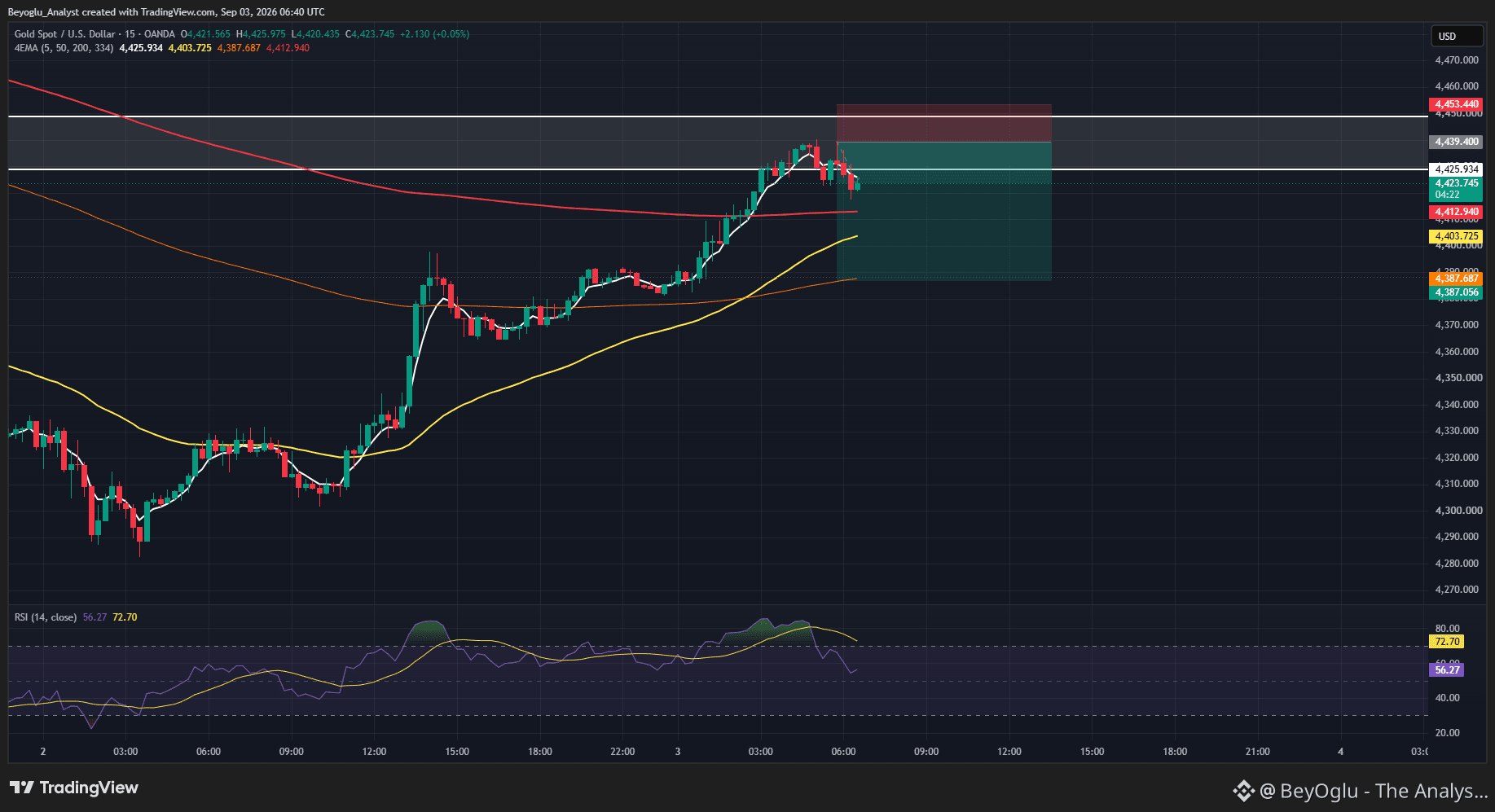
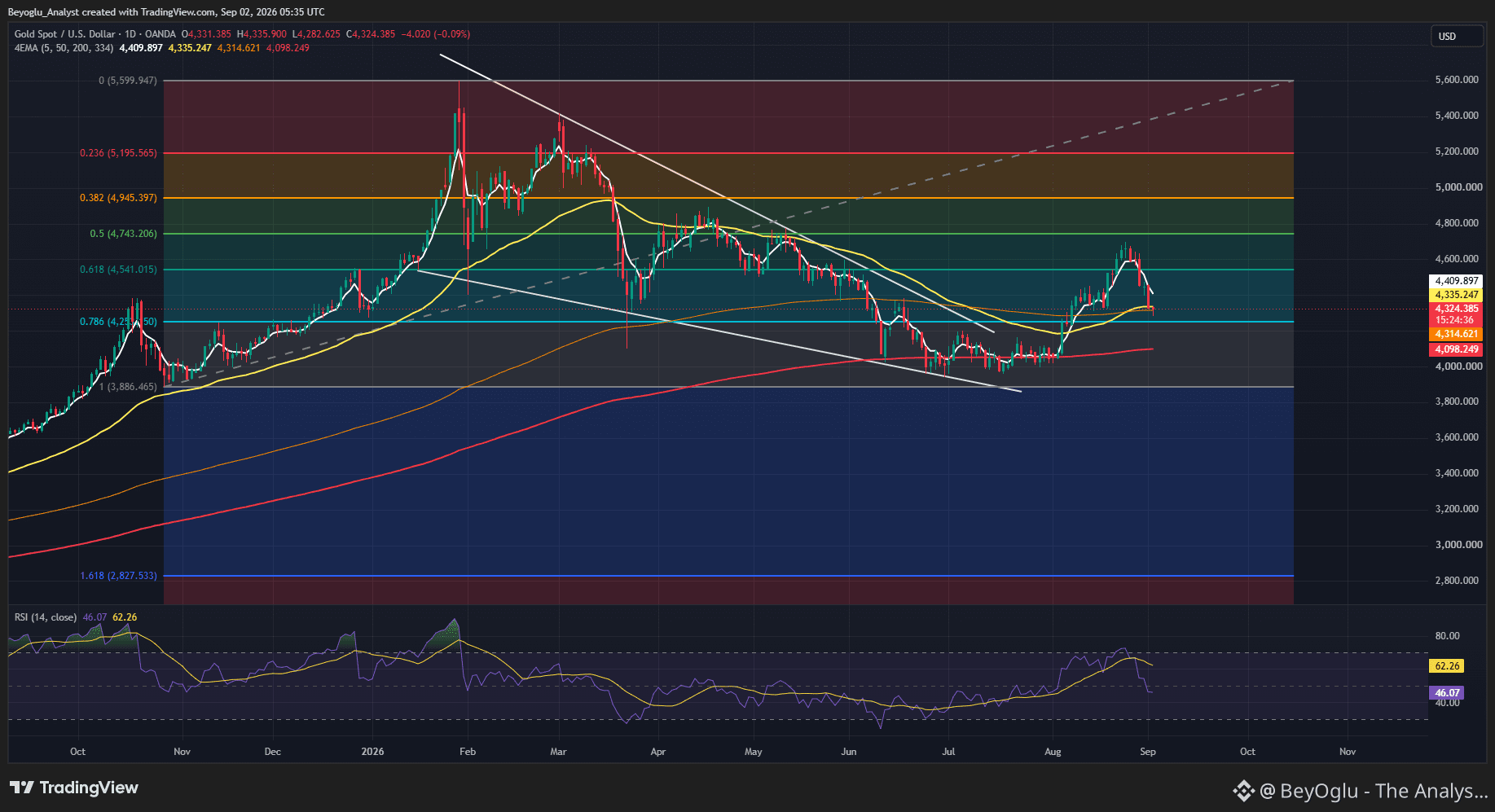
Silver $XAG Jumps Above $85 an Ounce as Traders Weigh Market Balance.
Silver jumped, extending a run of elevated volatility, as an industry body pointed to stronger investment buying and weaker industrial demand in the year ahead.
The metal rose as much as 6.6% on Wednesday, about a third higher than last week’s low. The silver market will be in deficit for a sixth consecutive year, according to a report published by the Silver Institute, as surging investment outweighs wilting demand for jewelry and efforts to curb use in the solar sector.
Breaking: Nonfarm Payrolls increase by 130,000 in January vs. 70,000 forecast
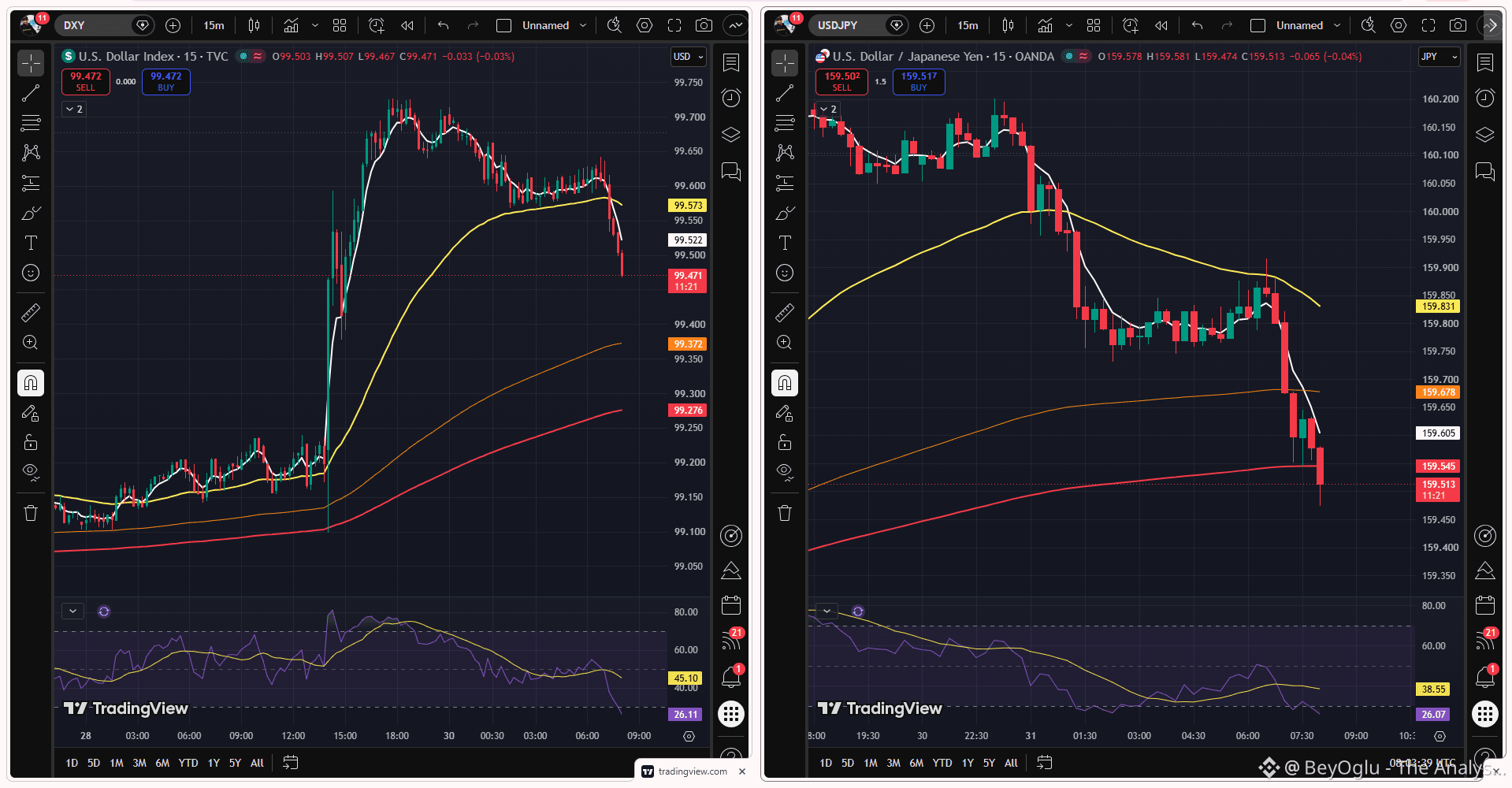
Nonfarm Payrolls (NFP) in the United States (US) rose by 130,000 in January, the US Bureau of Labor Statistics (BLS) reported on Wednesday. This reading followed the 48,000 (revised from 50,000) increase recorded in December and came in above the market expectation of 70,000. Other details of the report showed that the Unemployment Rate edged lower to 4.3% from 4.4%, while the Labor Force Participation Rate ticked up to 62.5% from 62.4%. Finally, annual wage inflation, as measured by the change in the Average Hourly Earnings, held steady at 3.7%, compared to the market expectation of 3.6%. "The change in total nonfarm payroll employment for November was revised down by 15,000, from +56,000 to +41,000, and the change for December was revised down by 2,000, from +50,000 to +48,000. With these revisions, employment in November and December combined is 17,000 lower than previously reported," the BLS noted in its press release. Furthermore the BLS announced the changes in 2025 employment figures after finalizing annual benchmark revisions: "The seasonally adjusted total nonfarm employment level for March 2025 was revised downward by 898,000. On a not seasonally adjusted basis, the total nonfarm employment level for March 2025 was revised downward by 862,000, or -0.5 percent. Not seasonally adjusted, the absolute average benchmark revision over the prior 10 years is 0.2 percent. The change in total nonfarm employment for 2025 was revised from +584,000 to +181,000." Market reaction to Nonfarm Payrolls data The US Dollar (USD) gathered strength against its major rivals with the immediate reaction. At the time of press, the USD Index was up 0.35% on the day at 97.23.
Nonfarm Payrolls are expected to rise by 70K in January.The Unemployment Rate is seen holding steady at 4.4%.The employment report could influence the Fed policy outlook and the US Dollar valuation. The United States (US) Bureau of Labor Statistics (BLS) will release the delayed Nonfarm Payrolls (NFP) data for January on Wednesday at 13:30 GMT. #Nonfarm
Complete guide how you can Earn Money From Binance Square. What is Binance WritetoEarn Program and how to track your commission. Step by Step Complete Explanation of Binance CreatorPad Program and how to check leaderboard
This is the most important post getting ignore here. Many people can get benefits from it.
BeyOglu - The Analyst
·
--
Don't Have Money to Invest in Crypto And Want To Earn Money? Just Come on Binance Square & Start Ear
Many Times during the live streaming or AMAs many people ask me about how they can earn in Crypto Space when they are low capital or don't have money to invest. Now I'm going to tell you the several opportunities by which you can easily make 500$-1000$ per month. Binance Write2Earn program. Binance has opened write2earn program for everyone. Now it has no restrictions or limits. Mean you don't required to have a following to earn free money Binance Square. you just need sign up on Binance and start writing about crypto. As people will see your post and will make trades you'll get the commission from there trading fee. People are making 1000s of dollar weekly in this program.Binance Creator Pad: In this Program you have to write crypto content on specific crypto projects and complete task if you have 15$ you can make easy money in this. The process of writing content often keep continues for a month. And the rewards are distributed with in the 20 days after the campaigns end. If you're a professional writer you can earn thousand of dollars in this. Win 1 BNB Daily on Square: Binance Square is giving away 300 BNB for Square creators. Daily 10 top Creators who gets the higher organic reach and views are receiving the reward of 1 BNB Each. Just publish top quality content and have a chance of wining BNB. Binance Square Tipping Feature: Binance Square Creators are getting huge and heavy tips from there community and followers. What you have to do to earn a tip. Either to write a highly quality content or share a profitable trade. As people will get benefit from your post they also share some tips with you. Binance Button Game: The Binance Button Game (or Bitcoin Button Game) is a viral, free-to-play, community-driven game on Binance where users compete to win 1 BTC by clicking a virtual button at the perfect time. The goal is to let a 60-second countdown timer reach 00:00 without anyone else clicking it, as every click resets the timer. Binance 1$ Game: Binance offers a simple mini-game open to everyone: users can enter a draw and have a chance to win exciting rewards like 1 BNB, trading vouchers, or other cryptocurrencies. It's a straightforward way to try your luck with a small entry cost and possibly walk away with something much bigger. These are the only fewer task here i mentioned. Once you'll start exploring Binance you'll find opportunities one after another. If you want me to share more information like this so please don't forget to like comment and follow.
This is the first time in 2026 I've found a bearish divergence in GOLD ($XAU ) Chart. Gold (XAU) is forming Bearish Flag Chart pattern on 4 hour time. There are 2 valid scenarios i found in GOLD (XAU) chart. The one formation is ascending triangle chart pattern formation that is a bearish indication if the XAU fails to break above the resistance price of $5,100 then i can go down to $4,900 again, again make retest of the support trend line of $4,900. If the retest resulted in fail and breakdown occurs then the price of Gold could drop to $4,700. However a rebound and breakout of $5,100 happen then Gold could extend the pump towards $5,400.
The Second Bearish Divergence in Gold Chart is Bearish Flag Formation. Bearish Flag is a technical chart pattern that signals the continuation of an existing downward trend. Think of it as a "breather" the market takes before it continues to drop further. According to this Gold could Extend the to $5,400 and then the heavy correction may start. Here is exactly what happens when this pattern forms: 1. The Formation Phase The pattern consists of two main parts: The Flagpole: A sharp, nearly vertical decline in price on high volume. This shows that sellers are in total control.The Flag: After the sharp drop, the price starts to consolidate in a narrow, upward-sloping channel. This looks like a small recovery, but it is usually weak and happens on lower trading volume. 2. The Psychology What’s happening behind the scenes is that some short-sellers are taking profits, and a few "bottom fishers" are trying to buy the dip. However, there isn't enough buying power to reverse the trend. It’s a period of consolidation rather than a true reversal. 3. The Breakout (The "Drop") The pattern is completed when the price breaks below the lower support line of the flag. The Result: Traders usually expect the price to fall by a distance roughly equal to the length of the initial "Flagpole."Volume: Ideally, you want to see an increase in selling volume during the breakout to confirm the move is real. #USTechFundFlows | #WhaleDeRiskETH | #GoldSilverRally | #BinanceBitcoinSAFUFund
Bitcoin hovers near $70,000 as analyst calls sell-off 'a mere crisis of confidence'
Bitcoin ($BTC ) hovered near $70,000 on Monday after last week's sharp sell-off and subsequent rebound.
The cryptocurrency is down roughly 44% from its all-time high north of $126,000 set last October, when forced liquidations and whale sales triggered a crypto winter.
Selling intensified last week when the token saw its worst daily drop since November 2022.
"The current Bitcoin price action is a mere crisis of confidence. Nothing broke, no skeletons will show up," Bernstein analyst Gautam Chhugani said in a note on Monday morning.
"In an AI world, Bitcoin and crypto are not interesting enough," Chhugani said, adding that the "Bitcoin bear case is the weakest in its history."
He also pointed out that spot ETFs have seen only a 7% outflow compared with a 50% correction in bitcoin prices during last week's sell-off.
With respect to fears that quantum computing could threaten bitcoin's encryption, the analyst said the risk is not imminent and the blockchain is well-positioned to adapt with support from major players like Strategy (MSTR), BlackRock (BLK), and Fidelity.
Chhugani expects bitcoin to reach all-time highs again, with a target of $150,000 by the end of the year.
Gold pares intraday losses amid dovish Fed bets, softer USD; down a little below $5,050.
Gold struggles to build on its gains registered over the past two days amid mixed fundamental cues.The risk-on mood undermines the safe-haven precious metal, though dovish Fed bets lend support.Concerns about the Fed’s independence further undermine the USD and favor the $XAU bulls. Gold (XAU) recovers a major part of its early lost ground to levels below the $5,000 psychological mark and trades with modest intraday losses heading into the European session on Tuesday. The outcome of Japan's snap election on Sunday removes political uncertainty, which, along with signs of easing tensions in the Middle East, remains supportive of the upbeat market mood. This turns out to be a key factor exerting downward pressure on the safe-haven precious metal. Meanwhile, investors expect the US Federal Reserve (Fed) to deliver at least two 25-basis-point rate cuts in 2026. This, along with concerns about the US central bank's independence, keeps the US Dollar (USD) depressed near its lowest level in more than one week and acts as a tailwind for the non-yielding Gold. Traders also seem reluctant to place aggressive directional bets ahead of Wednesday's release of the US Nonfarm Payrolls (NFP) report and the US consumer inflation figures on Friday. Daily Digest Market Movers: Gold bears seem hesitant as Fed-driven USD weakness offsets positive risk tone Indirect talks between the US and Iran on the future of the latter's nuclear program ended on Friday with a broad agreement to maintain a diplomatic path. This eases concerns about a military confrontation in the Middle East, boosting investors' confidence. This remains supportive of the upbeat market mood and drives flows away from the safe-haven Gold during the Asian session on Tuesday.Talks between the US and Iran on the future of the latter's nuclear program ended on Friday with a broad agreement to maintain a diplomatic path. Iran's Foreign Minister, Abbas Araghchi, described the eight hours of meetings as a good start conducted in a good atmosphere. US President Donald Trump described the talks as very good and said that another meeting would be held early this week.Meanwhile, concerns about the US Federal Reserve's independence resurfaced after Trump said on Saturday that he might sue his newly selected Fed chair nominee, Kevin Warsh, if he didn’t lower interest rates. Moreover, US Treasury Secretary Scott Bessent last Thursday refused to rule out the possibility of a criminal investigation of Kevin Warsh if he ends up refusing to cut interest rates.This comes amid the growing acceptance that the US central bank will lower borrowing costs two more times this year, with the first rate cut expected in June, and drags the US Dollar to over a one-week low. This, in turn, acts as a tailwind for the non-yielding yellow metal and limits losses. Traders now look to this week's important US macro releases for more cues about the Fed's rate-cut path.A rather busy week kicks off with the release of the US monthly Retail Sales data, due later during the North American session this Tuesday. The focus, however, remains on the closely-watched US jobs report – popularly known as the Nonfarm Payrolls report – on Wednesday and the US consumer inflation figures on Friday. These data releases will drive the USD and provide a fresh impetus to the XAU/USD pair.The People's Bank of China reported on Saturday that the central bank continued its gold purchases for the 15th straight month in January, highlighting steady demand amid fiscal concerns in major economies. Moreover, reports suggest that Chinese regulators have advised financial institutions to curb holdings of US Treasuries due to concern over concentration risk and market volatility. Gold rejection near last week's swing high warrants caution for bulls
The overnight failure near last week's swing low warrants some caution before placing fresh bullish bets around the precious metal. The Moving Average Convergence Divergence (MACD) histogram stays positive but contracts, suggesting fading momentum as the MACD line holds above the signal line and above zero. The RSI at 55 (neutral) reflects balanced conditions with a mild upside tilt. Meanwhile, the rising trend line from $4,397.52 underpins the bullish bias, offering support near $4,819.19. Should the Gold price defend the ascending support, bulls could extend the recovery, while a close beneath it would challenge the uptrend and open room for a deeper pullback toward $4,397.52. A re-widening positive MACD histogram would strengthen buying pressure, whereas a drift back toward the zero line would flag waning demand; RSI holding above 50 would keep buyers in control, but a slide toward 45 would tilt bias back to range.
Bitcoin Cash trades below $522 on Tuesday after multiple rejections at key resistance.Derivatives and on-chain data suggest a bearish outlook, with rising short bets and sell-side dominance.The technical outlook suggests a potential dead-cat bounce, with a downside target of $478. Bitcoin Cash ($BCH ) trades in the red below $522 at the time of writing on Tuesday, after multiple rejections at key resistance. BCH’s derivatives and on-chain indicators point to growing bearish sentiment and raise the risk of a dead-cat bounce toward lower support levels. Derivatives and on-chain metrics signal a bearish bias Bitcoin Cash’s derivatives data shows a bearish outlook. CoinGlass long-to-short ratio for HYPE reads 0.90 on Tuesday. This ratio, being below one, indicates bearish sentiment in the market, as more traders are betting on the asset’s price to fall.
CryptoQuant’s summary data supports the negative outlook, as BCH’s spot and futures markets show sell dominance, signaling a correction ahead.
Bitcoin Cash Price Forecast: Dead-cat bounce scenario in play Bitcoin Cash price has been rejected multiple times at the 61.8% Fibonacci retracement level (from the January 27 high of $603.90 to the February 6 low of $423.00) at $534.80. This level roughly coincides with the previously broken ascending trendline and the 200-day Exponential Moving Average (EMA) at $544.70, making this a key reversal zone. Moreover, the current price action suggests a potential dead-cat bounce — a brief price increase within a broader downtrend — with BCH trading at $525.40 on Tuesday. If $BCH continues its correction, it could extend the decline toward the daily support at $478.70. The Relative Strength Index (RSI) reads 44, below its neutral level of 50 and points downward, suggesting bearish momentum is gaining traction. However, the Moving Average Convergence Divergence (MACD) lines are converging, increasing the likelihood of a bullish crossover. If the MACD fails to confirm a bullish crossover, it suggests bearish momentum remains intact, increasing the risk of a further correction.
However, if BCH rallies and closes above the 200-day EMA at $544.70 on a daily basis, it could extend the advance toward the immediate resistance at $564.00, its 100-day EMA.
Gold surges past $5,000 per ounce as bargain hunters jump back in amid wild market swings.
Precious metals have been on a real rollercoaster lately, and Monday marked a turning point. Gold didn't just nudge higher—it powered through the $5,000 barrier, posting gains of up to 2.3% in a single session. This comes after a savage sell-off at the tail end of last month that wiped out huge chunks of value from record highs touched on January 29. To put it in perspective, the metal has now reclaimed roughly half of those brutal losses, buoyed by a noticeable dip in the U.S. dollar index. Traders are watching closely: can gold plant its flag firmly above $5,000? That's the million-dollar question. Holding that line isn't just about short-term bragging rights; it could signal a shift from a knee-jerk rebound to a more convincing, sustainable rally that draws in longer-term players. China's Relentless Gold Hunger Powers the Comeback A big part of this story unfolded over the weekend with fresh data from China. The People's Bank of China (PBOC) has now been on a gold-buying spree for a staggering 15 consecutive months, a clear vote of confidence in bullion as a cornerstone of national reserves. This official demand has been a bedrock for the extended bull market that preceded the recent chaos, and it shows no signs of letting up. According to the Securities Times, a state-backed outlet, the PBOC plans to keep these purchases going—but smartly, with smaller-scale buys designed to diversify its portfolio without spiking prices or alerting speculators. It's a classic central bank move: steady accumulation to build strength quietly amid global uncertainties. Think about the backdrop here. China isn't just hoarding gold for kicks; it's part of a broader strategy to hedge against everything from inflation to geopolitical flashpoints. With reserves heavily tilted toward U.S. dollars and Treasuries in the past, this pivot underscores how even massive economies are rethinking their asset mixes in a post-pandemic, high-debt world.
Unpacking the Wild Ride: What Caused the Meltdown? To understand today's bounce, you have to rewind to the frenzy that got us here. Precious metals like gold and silver were on an epic tear—record-breaking highs fueled by a perfect storm. Geopolitical tensions were ratcheting up everywhere, from ongoing conflicts to trade spats. Then there was the so-called "debasement trade," where investors bet on currencies losing value thanks to endless money printing and ballooning deficits. Layer on top concerns about the Federal Reserve's independence—whispers of political pressure on interest rates added real fuel to the fire. Speculators? They went nuts, piling into leveraged positions that amplified every tick up. But markets being markets, what goes up fast comes down hard. Late last month, it all unraveled in a historic rout. U.S. Treasury Secretary Scott Bessent didn't mince words, blaming "unruly" trading activity out of China for the extreme volatility that spilled into last week's sessions. Picture this: massive orders flooding in from opaque offshore desks, overwhelming exchanges and triggering panic selling. It's the kind of chaos that separates the pros from the amateurs. Wall Street's Big Bets: Banks See Bullion Bouncing Back Despite the heart-stopping swings, the smart money isn't flinching. Major institutions are doubling down on gold's long-term story. Deutsche Bank AG, Goldman Sachs Group Inc., and Pictet Asset Management have all reiterated buy calls, pointing to enduring drivers like diversification away from U.S.-centric assets. Why? Policy uncertainties—think election cycles, fiscal cliffs, and regulatory whiplash—keep investors nervous. Elevated central bank buying worldwide acts like a safety net, mopping up supply and supporting prices. These aren't fly-by-night predictions; they're backed by deep dives into supply chains, ETF flows, and macroeconomic models. For context, gold ETFs have seen steady inflows even amid the dip, a telltale sign that retail and institutional holders view this as a buying opportunity, not the end of the bull. China's Strategic Retreat from U.S. Treasuries Adding jet fuel to the gold narrative: fresh reports that Chinese regulators are cracking the whip on banks' U.S. Treasury holdings. Sources close to the matter say officials are pushing financial institutions to dial back exposure, citing "concentration risks" and wild market swings. The guidance is clear—cap new purchases of Uncle Sam's debt and trim bloated positions where they exist. It's a subtle but seismic shift, accelerating de-dollarization trends that have been simmering for years. No wonder gold looks so appealing as a neutral, time-tested store of value. Silver Steals the Show with Even Wilder Swings If gold's path has been bumpy, silver's been a full-on demolition derby. The white metal, often the more volatile sibling, has shed more than a third from its sky-high peak. But on Monday? It roared back with a 6% spike, blasting past $82 per ounce. Speculative momentum is the culprit here—silver draws day traders like moths to a flame, thanks to its dual role in industry (think solar panels, electronics) and as a precious metal play. That combo makes it hypersensitive to both economic data and safe-haven flows. Looking ahead, watch for silver to mirror gold's stabilization efforts, but expect bigger gyrations. Miners' output constraints and industrial demand could provide extra upside if global growth holds. In a nutshell, this gold push above $5K isn't happening in a vacuum. It's the intersection of smart central bank moves, institutional conviction, and raw market psychology. For investors in Karachi or anywhere else riding crypto and finance waves, this choppy action screams opportunity—but only if you play it smart with stops and diversification. The bull might be wounded, but it's far from down.
The Silver Renaissance: Why $50–$60 is the New Structural Floor for XAG
For decades, Silver ($XAG ) has been the "restless" sibling of Gold—volatile, unpredictable, and often undervalued. Historically, Silver has touched the psychological $50 mark twice: first during the Hunt Brothers' squeeze in 1980 and again during the Eurozone debt crisis in 2011. On both occasions, the price collapsed shortly after. However, as we look at the economic landscape of 2025-2026, the narrative has fundamentally shifted. We are no longer looking at a speculative bubble; we are witnessing a structural revaluation. Here is an in-depth analysis of why Silver is poised to stabilize within the $50–$60 range and stay there. 1. From Monetary Asset to Industrial Necessity Historically, Silver moved based on "Fear"—people bought it when they didn't trust the US Dollar. Today, Silver moves based on "Function." Unlike Gold, which is mostly stored in vaults, Silver is being "consumed" at an unprecedented rate. We are in the midst of a global Green Energy Transition. Silver is the best electrical and thermal conductor on the periodic table. Solar Energy (Photovoltaics): Every solar panel requires silver paste. As global mandates for renewable energy accelerate, the demand from this sector alone has reached nearly 200 million ounces annually.The EV Revolution: An Electric Vehicle (EV) uses almost double the amount of silver compared to an Internal Combustion Engine (ICE) car for its battery management systems and sensors. When demand is driven by industrial survival rather than just investor sentiment, the price floor rises. Companies like Tesla and Samsung cannot stop buying silver just because the price hits $50; they need it to keep their factories running. 2. The Five-Year Structural Deficit The most compelling argument for a $50+ price stability is the supply-demand imbalance. According to the Silver Institute, the global silver market has faced a physical deficit for five consecutive years. Mining Stagnation: Silver is primarily a "by-product" of lead, zinc, and copper mining. Therefore, miners cannot simply "turn on a tap" to produce more silver just because the price is high.Depleting Vaults: To cover the deficit, the world has been drawing from London (LBMA) and New York (COMEX) vaults. These stockpiles are at multi-decade lows. In history, crashes occurred because there was plenty of silver available. In 2026, the "Free Float" of silver is shrinking. A commodity in a permanent deficit does not return to its old "cheap" prices. 3. Inflation-Adjusted Reality: $50 is Actually Cheap To understand why $50–$60 is a sustainable "stable" zone, we must look at the Inflation-Adjusted Highs. If you take the $49.45 peak of 1980 and adjust it for the cumulative inflation of the last 45 years, Silver would need to trade at over $160 per ounce today to match that value.By this metric, a $50–$60 price range is not an "all-time high"—it is actually a deep discount. As central banks continue to grapple with fiat currency debasement, "Smart Money" (Institutional Investors) is realizing that Silver is the most undervalued asset on the planet. Once the market accepts $50 as the "Fair Value," the psychological resistance turns into a technical support floor. 4. Lessons from History: Speculation vs. Strategy In 1980, the price was driven by two brothers (The Hunts) trying to corner the market. In 2011, it was driven by retail panic. In both cases, the "Heart" (Emotion) was leading the market. As you noted in your previous article, "Markets are not emotional." Today’s move toward $60 is led by Clever Strategies: Central Bank Diversification: Moving away from paper assets into physical ones.Institutional Hedging: Using Silver as a hedge against the AI-driven tech bubble. Conclusion: The Death of the "Cheap Silver" Era The era of $15–$25 Silver is dead. The combination of insatiable industrial demand, a chronic supply shortage, and inflationary pressure has created a "Perfect Storm." While volatility will always exist, the fundamental "Floor" has moved. For the first time in history, $50–$60 is not the ceiling; it is the new foundation of the Silver market.
If Somebody will ask me What is the Best opportunity in the Market. My Answer will be USD1 and WLFI.
There are several Campaigns are going on Binance Crypto Currency Exchange and all of them are highly paid. You don't even required to make Efforts or hard you just have to completed task. And you Grab a huge bag $WLFI and $USD1 coin reward. Some of the Campaigns are Listed below. Earn a Share of $40m just by Hold USD1 in Binance Spot, Funding, Margin and Futures to Share $40 Million Rewards in WLFI. This campaign is active in Binance and Reward criteria is clearly mention you just have to buy USD1 Stable coin world liberty finance to grab this huge share, I'm holding bag of USD1. 1st lout has already distributed don't miss this chance. Click here to buy $USD1
If you're a professional Trader you can earn extra gains on your trade. Binance has launched a USD1 point program. In this you can earn Free WLFI just by trading in USD1 pairs. following are the pairs that can be trade during the activity period. Eligible pairs: ADA/USD1, ASTER/USD1, AVAX/USD1, BCH/USD1, BNB/USD1, BTC/USD1, DOGE/USD1, ETH/USD1, LINK/USD1, LTC/USD1, PEPE/USD1, SOL/USD1, SUI/USD1, UNI/USD1, WLFI/USD1, XRP/USD1, ZEC/USD1
If your holding a bag of stable coin Turn them USD1 and enjoy the highest APR up to 8% only on Binance Exchange.A fan WLFI has announced huge incentives. This is the exciting opportunity for you if you don't have funds to trade you can still participate in this. just by going live on Binance Square. These Were the Fewer Ways of Earning WLFI with USD1 coin While The charts are already alarming the bullish for WLFI. WLFI is making a second retest of descending trend line today, that is like to turned into a breakout. WLFI is trading above 0.11$ still consolidating near the Entry point for buy or long positioning. If WLFI breakout this resistance then it could Extend the pump to 0.15$. The Relative Strength Index RSI is at 31 rebounding from the territory of oversold, aiming upward indicating that the bearish momentum is fading away. While Moving Average Convergence Divergence MACD forming light reddish histogram indicating that selling pressure is getting weaker and the blue line is now aiming upward indicating that the bullish momentum ahead.
Crypto firm accidentally sends $40 bn in bitcoin to users
A South Korean cryptocurrency exchange apologised on Saturday after mistakenly transferring more than $40 billion worth of bitcoin to users, which briefly prompted a selloff on the platform. Bithumb said it accidentally sent 620,000 bitcoins, currently worth more than $40 billion, and blocked trading and withdrawals for the 695 affected users within 35 minutes after the error occurred on Friday. According to local reports, Bithumb was meant to send about 2,000 won ($1.37) to each customer as part of a promotion, but mistakenly transferred roughly 2,000 bitcoins per user. "We sincerely apologise for the inconvenience caused to our customers due to the confusion that occurred during the distribution process of this (promotional) event," Bithumb said in a statement. The platform said it had recovered 99.7 percent of the mistakenly sent bitcoins, and that it would use its own assets to fully cover the amount that was lost in the incident. It admitted the error briefly caused "sharp volatility" in bitcoin prices on the platform as some recipients sold the tokens, adding that it brought the situation under control within five minutes. Its charts showed the token's prices briefly went down 17 percent to 81.1 million won on the platform late Friday. In a separate statement released later on Saturday, Bithumb said some trades were executed at unfavourable prices for users due to a price drop during the incident Friday, including "panic selling". The platform said it would compensate affected customers, covering the full price difference as well as a 10-percent bonus. It estimated losses at about 1 billion won. The platform earlier stressed that the incident was "unrelated to external hacking or security breaches". Bitcoin, the world's biggest cryptocurrency, sank this week, wiping out gains sparked by US President Donald Trump's presidential election victory in November 2024. Bithumb’s Accidental 2,000 BTC Airdrop Sparks 10% Bitcoin Crash on Exchange Reportedly, a staff member accidentally sent 2,000 Bitcoin (BTC) to hundreds of users instead of the intended 2,000 Korean Won (KRW) reward. The error triggered an immediate wave of sell-offs, sending Bitcoin’s price on the exchange more than 10% below global market rates.
Dumpster DAO core member Definalist first reported the incident, citing a routine airdrop meant as a small incentive for platform users. Amidst the chaos, some users reportedly benefited significantly from the mistake, selling their unexpected Bitcoin windfall at market prices.
The accidental BTC distribution has raised questions about internal controls and risk management at crypto exchanges, particularly those handling high-value digital assets. “Crazy to think that exchanges can still do paper trading like this, even in 2026 lmao,” remarked Definalist. Notably, however, the Bitcoin price crash was largely confined to Bithumb due to the exchange’s isolated order book. Users sold massive amounts of BTC directly on Bithumb, overwhelming its liquidity and causing a 10% local drop. Other exchanges remained unaffected because the selling pressure didn’t enter their markets, and global arbitrage mechanisms hadn’t yet adjusted the discrepancy, keeping the impact largely contained.
Notwithstanding, the incident highlights the operational risks that can persist even in major exchanges, despite years of industry maturation. It also shows how a simple input error can cascade into substantial market disruption. Bithumb did not immediately respond to BeInCrypto’s request for comment and has not yet released an official public statement on corrective measures. Still, the event could influence market confidence in the short term, particularly on exchanges where operational errors have immediate price consequences.
Bitcoin (BTC) , Gold (XAU) and Silver (XAG) Technical Analysis and Price Forecast
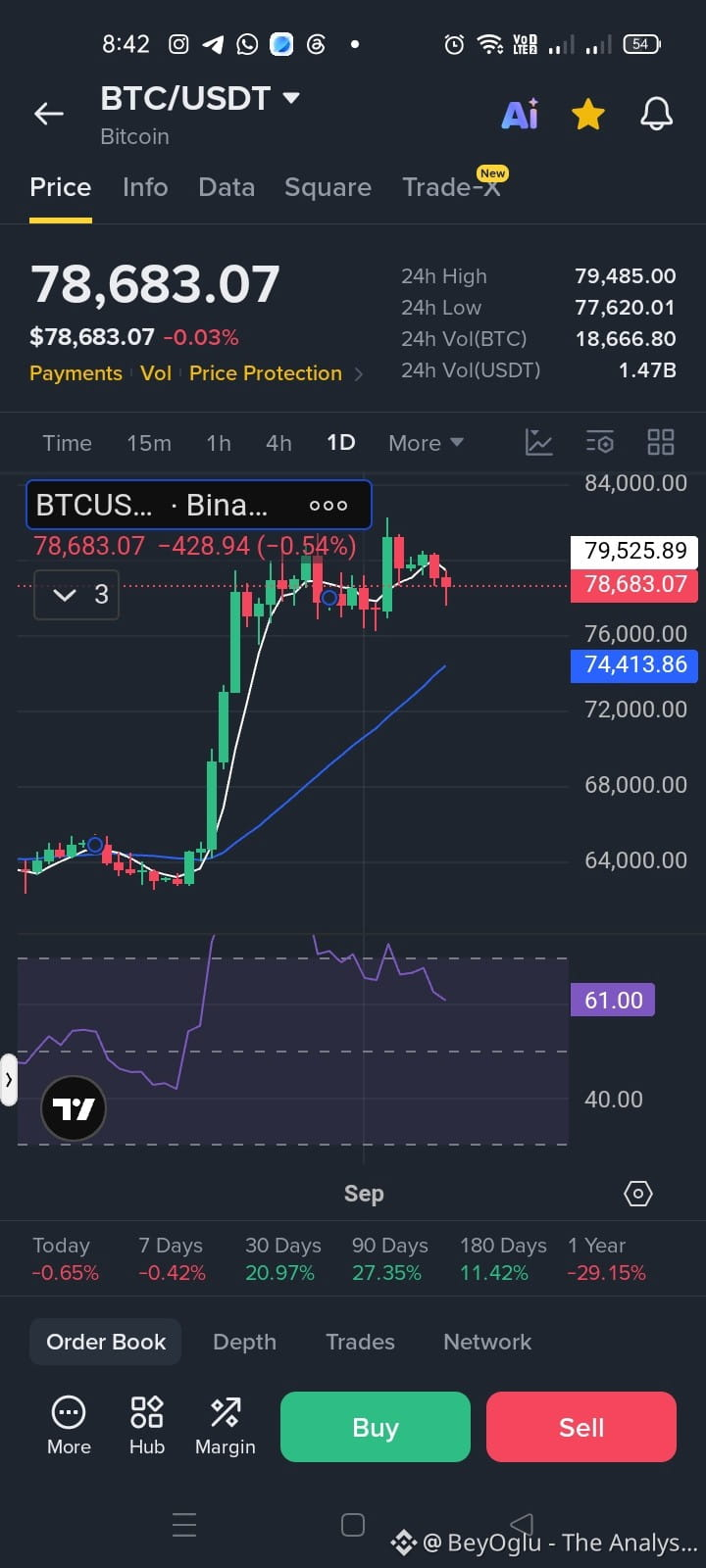
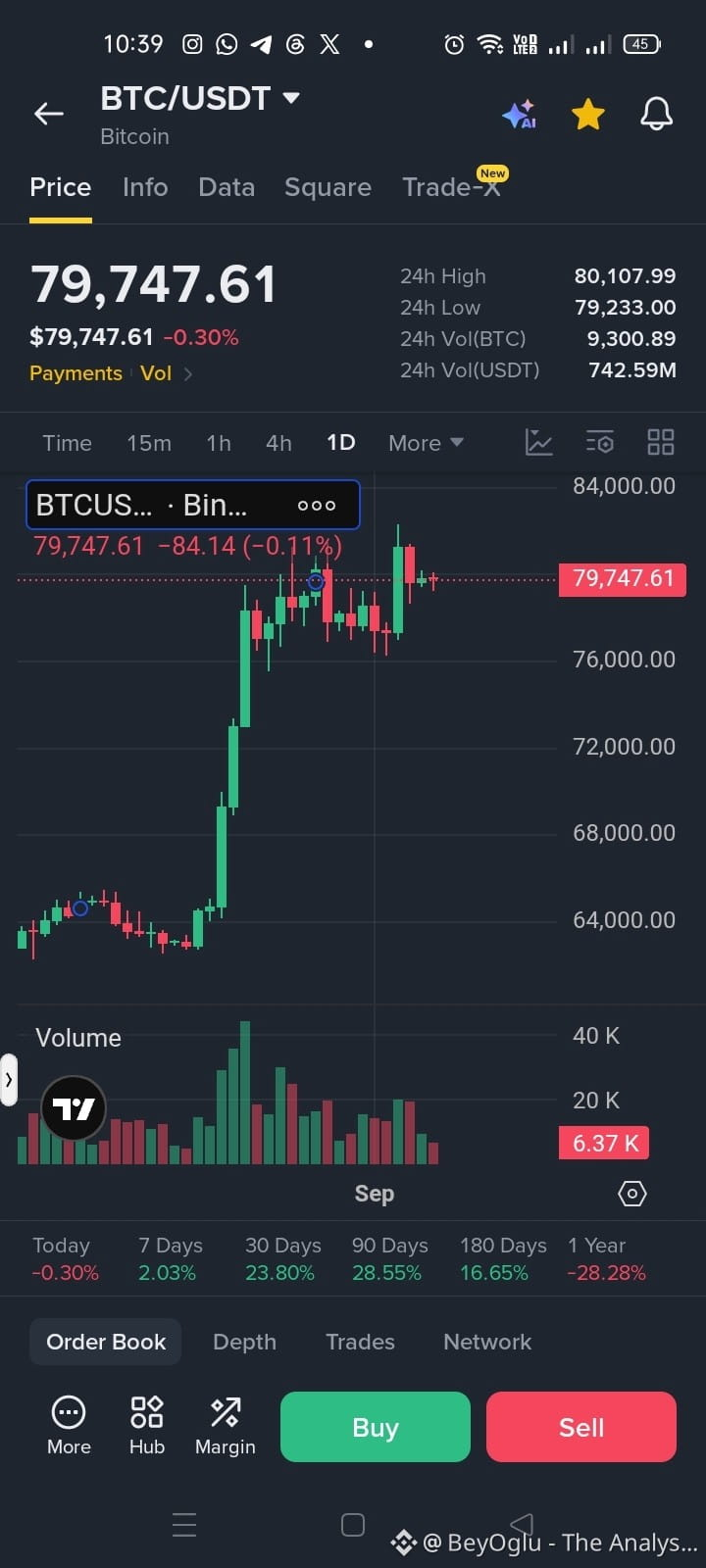
Bitcoin ($BTC ) fall more than 10% in last retested the low of $60,000 on Friday, and rebounded, retested the daily key psychological resistance point level of $72,271 on Sunday. At the time of Writing this on Monday morning Bitcoin is trading near $71,000. If Bitcoin keeps the recovery continue then if could extend the pump towards $74,800. However a decline from $72,271 again could result in the fall price again to $67,300. The Relative Strength Index RSI is at 34 lower then the level of neutral rebounded from the level of oversold last week, suggesting bearish momentum is getting slower. However, traders should remain cautious, as the Moving Average Convergence Divergence (MACD) indicator showed a bearish crossover, indicating a continuation of the downward trend.
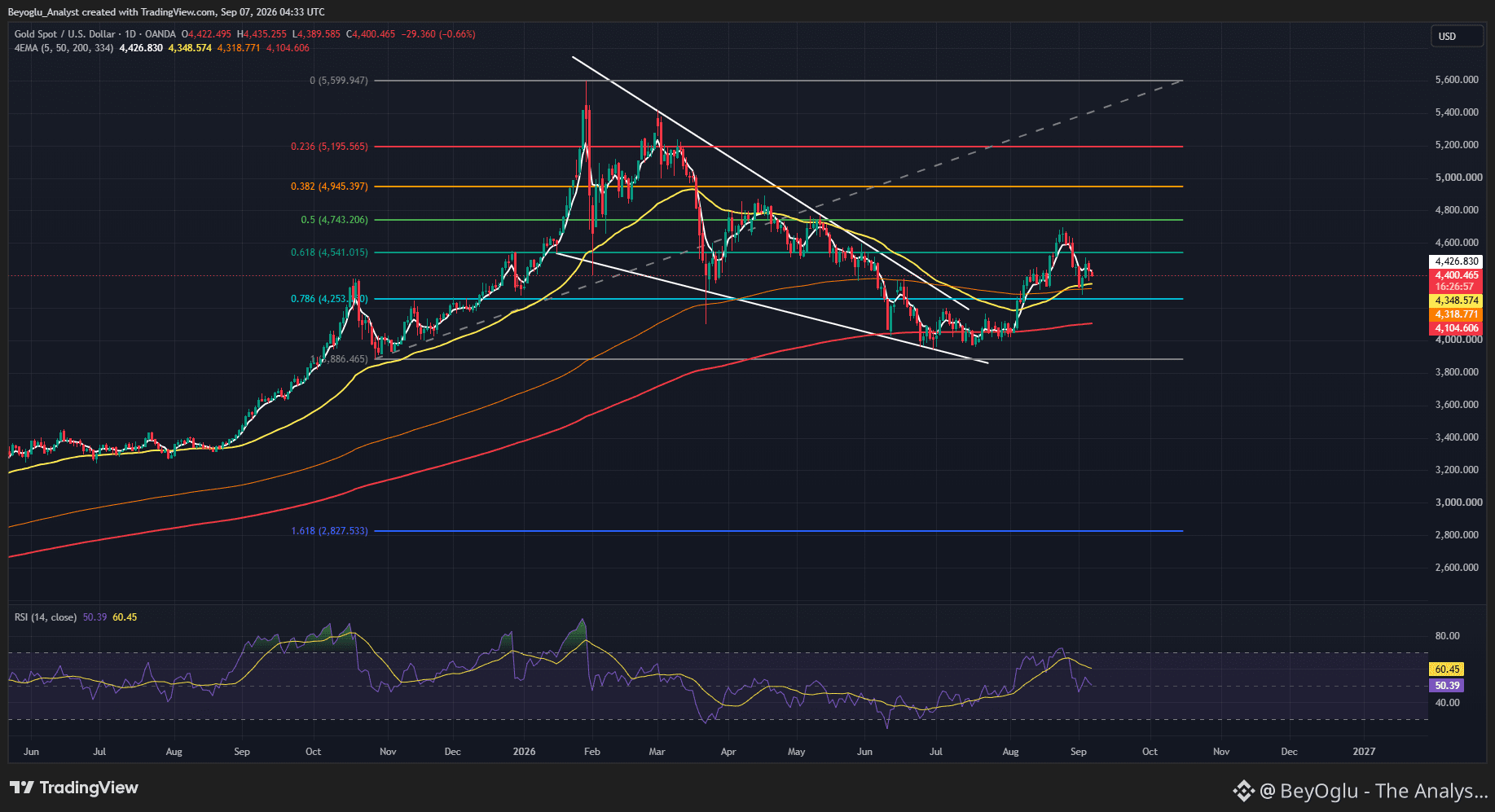
Gold $XAU Technical Analysis and Price Forecast: Gold is regaining its position at the start of the new week. Moving towards the Resistance the price level of $5,080-$5,100. Gold could face strong selling pressure from this resistance price level as it has already got rejected twice from this resistance trend line. If it will get reject from this resistance point then the price could decline again towards $4,900. However a breakout from this point can lead the price of XAU towards $5,310$. The Relative Strength Index RSI is at at 56 higher then the level of neutral aiming straight indicating that the price could side ways on short term. While Moving Average Convergence Divergence MACD is near to make a bearish cross alarming the bulls.
Silver $XAG Technical Analysis and Price Forecast: Silver is making a rebound after making a sharp decline to $64 on Thursday , Now XAG is regaining to its position as the head start of the week. At the time of writing this on Monday XAG is trading near $81. If XAG keeps continue to recover then the price could extend the pump towards $90-$92. However it is an strong selling area Silver can face strong rejection from this key psychological resistance price level. The Relative Strength Index RSI is at at 47 lower then the level of neutral. To keep continue the bullish momentum XAG should maintain the RSI above 50. However, traders should remain cautious, as the Moving Average Convergence Divergence (MACD) indicator showed a bearish crossover, indicating a continuation of the downward trend.
Financial Markets Like Crypto, Stocks and Forex are not Emotional People.
"Financial markets like Crypto, Stocks, and Forex are not emotional entities; they operate on cold logic and data. While everyone enters these markets with the hope of higher earnings, often it results in significant losses, leading many to label them as 'scams'. Making decisions based purely on emotion in financial markets is a guaranteed path to consistent losses. Instead, successful participation demands a blend of calculated thought, strategic selfishness, informed greed, and sharp execution. In these markets, physical hard work is secondary; what truly matters are clever strategies and astute decision-making. This is precisely why any professional Stock, Forex, or Crypto trader will consistently advise you: 'Only invest what you can afford to lose.' If you enter these markets with high hopes and unrealistic expectations, understand that 'hopes are often shattered here.' We have numerous incidents where individuals, unable to bear financial losses, have tragically ended their lives because their emotional resilience wasn't strong enough. It's a grim reminder that often, people take out loans or mortgage their futures to invest, escalating the stakes far beyond what's prudent." Real-Life Incidents of Emotional Decisions and Market Crashes: The Dot-Com Bubble Burst (Early 2000s): The late 1990s saw an unprecedented boom in internet-based companies. Investors, fueled by FOMO (Fear of Missing Out) and irrational exuberance, poured billions into tech stocks, often for companies with no clear path to profitability. People left their secure jobs to day-trade, mortgaged homes to invest in 'sure-thing' internet startups. When the bubble finally burst in 2000, trillions of dollars in market value evaporated. One prominent case was Joseph Nacchio, CEO of Qwest Communications, who was later convicted of insider trading. Many ordinary investors, who had bought into the hype, lost their entire life savings, seeing their portfolios plummet by 80-90% or more. The emotional toll was immense, as years of savings vanished overnight, leaving countless individuals financially ruined and deeply depressed.The 2008 Housing Market Crash (The Great Recession): This crisis was largely driven by reckless lending and borrowing. Banks gave out subprime mortgages to people who couldn't afford them, while homeowners, driven by the desire for quick profits, took out loans against their homes. The belief was that housing prices would always go up. When the housing bubble burst, millions lost their homes to foreclosure, and the global financial system teetered on the brink. Richard Fuld Jr., CEO of Lehman Brothers (which famously collapsed), became a symbol of corporate greed. But beneath the corporate failures were millions of families who lost their biggest asset due to a mix of their own speculative desires and predatory lending. The emotional devastation led to widespread bankruptcies, family breakdowns, and a deep distrust in financial institutions.The Terra/Luna Crypto Collapse (May 2022): This is a stark reminder from the crypto world. Terra (LUNA) was a cryptocurrency designed to maintain a stable value through an algorithmic stablecoin, TerraUSD (UST). Many investors were drawn in by the promise of high, seemingly "risk-free" yields (up to 20%) on their UST holdings. People, seeing the consistent returns, invested huge sums, with some even taking out loans against their homes to maximize their stake in LUNA and UST, convinced it was a 'safe haven' in crypto. However, in May 2022, UST lost its peg to the dollar, triggering a death spiral. LUNA's price, which was over $80, crashed to mere cents in days, wiping out nearly $45 billion in market value. The founder, Do Kwon, became infamous. Countless individuals lost their entire life savings. There were heartbreaking reports of people suffering severe mental health crises, and even suicides, after witnessing their financial futures crumble overnight. This incident brutally exposed the dangers of investing based on "too good to be true" promises and emotional attachment to assets.