
Amir Rajpoot 贸易
7.4k Posts

Amir Rajpoot 贸易
 Square Verified+
🔶Trade 🔶 Analyze 🔶 Grow - Free Crypto Signals & Updates 💛 Bullish $BTC 💛 Bullish $BNB - Risk Management 💌 X @AmirRajpootBnB
Open Trade

USD1 Holder
High-Frequency Trader
5.4 Years
3 Following
80.3K+ Followers
57.7K+ Liked
Posts
Portfolio
All
Quotes
Videos
Live
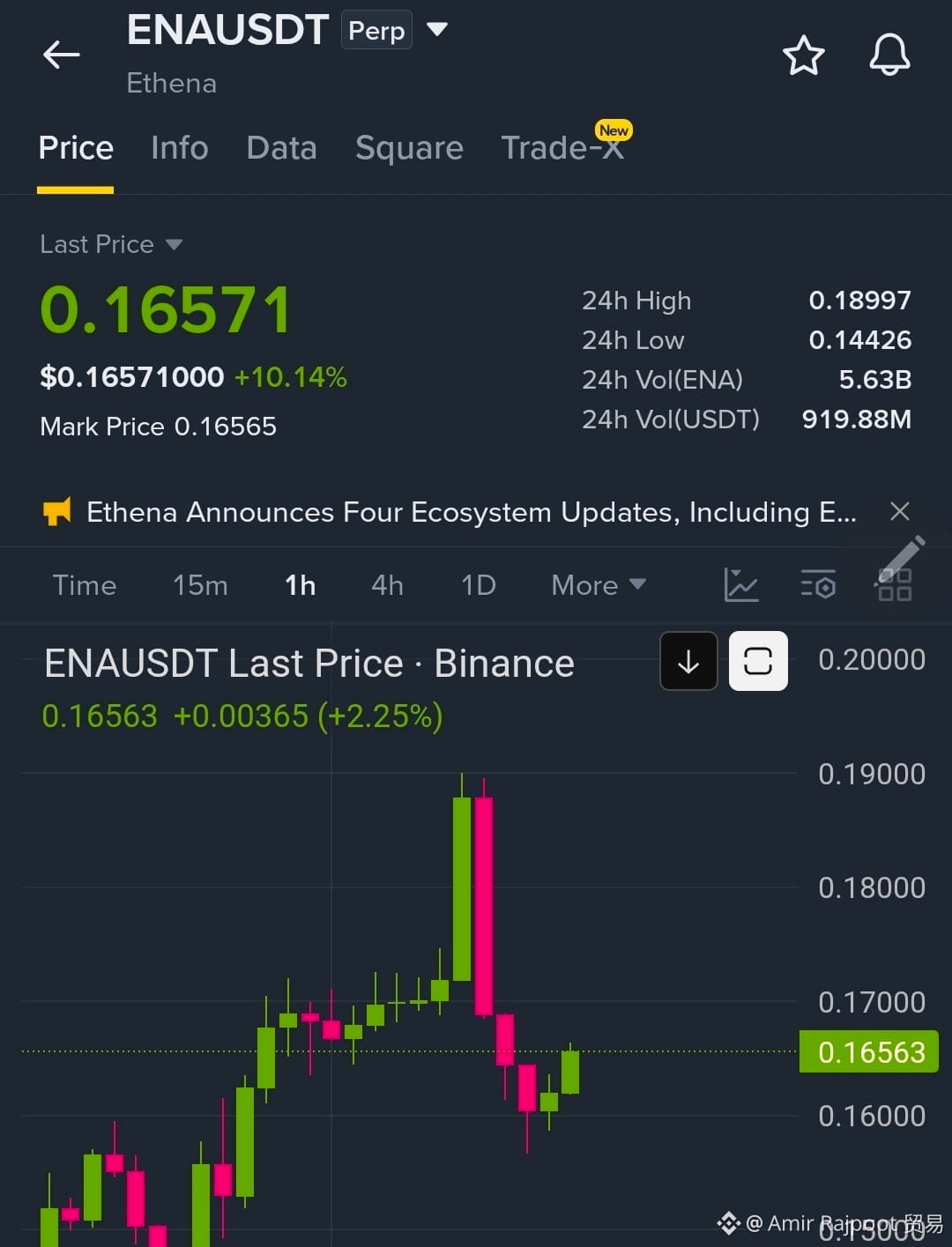
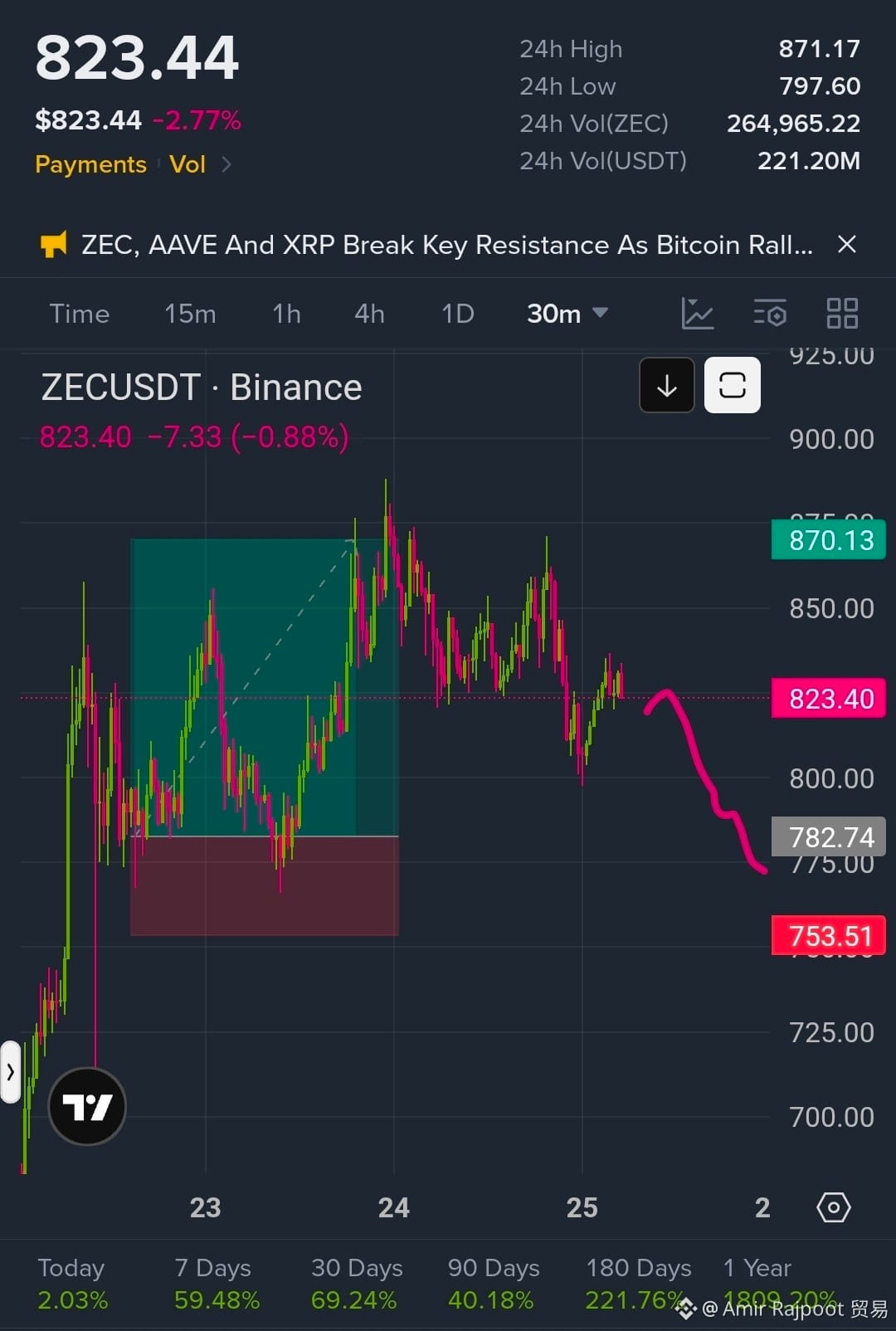
$ZEC is looking for a big short squeeze here
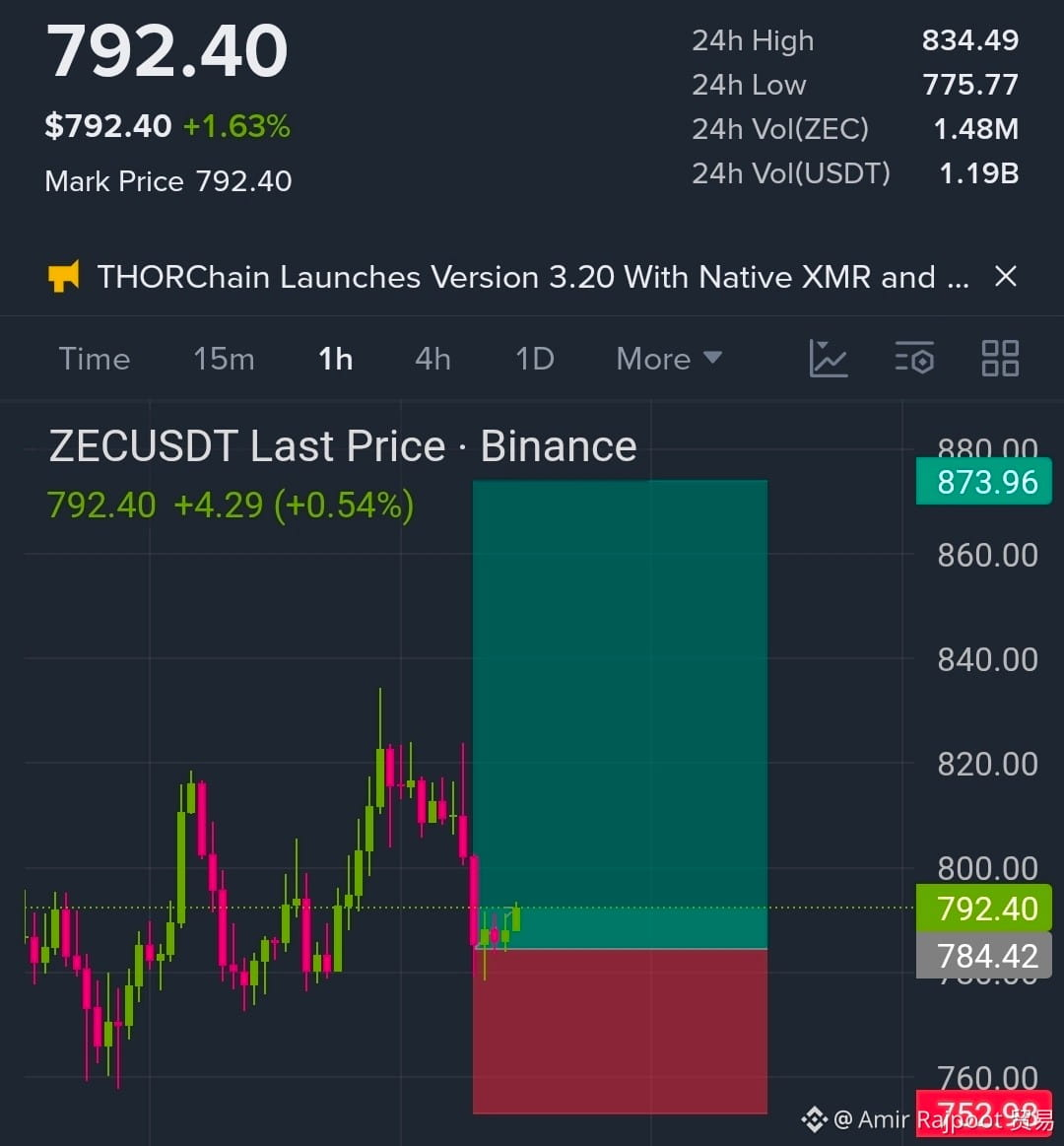
Long $ZEC
Entry $790
SL $765
TP1 $820
TP2 $835
#MuhammadAmirRajpoot
Long $ZEC
Entry $790
SL $765
TP1 $820
TP2 $835
#MuhammadAmirRajpoot
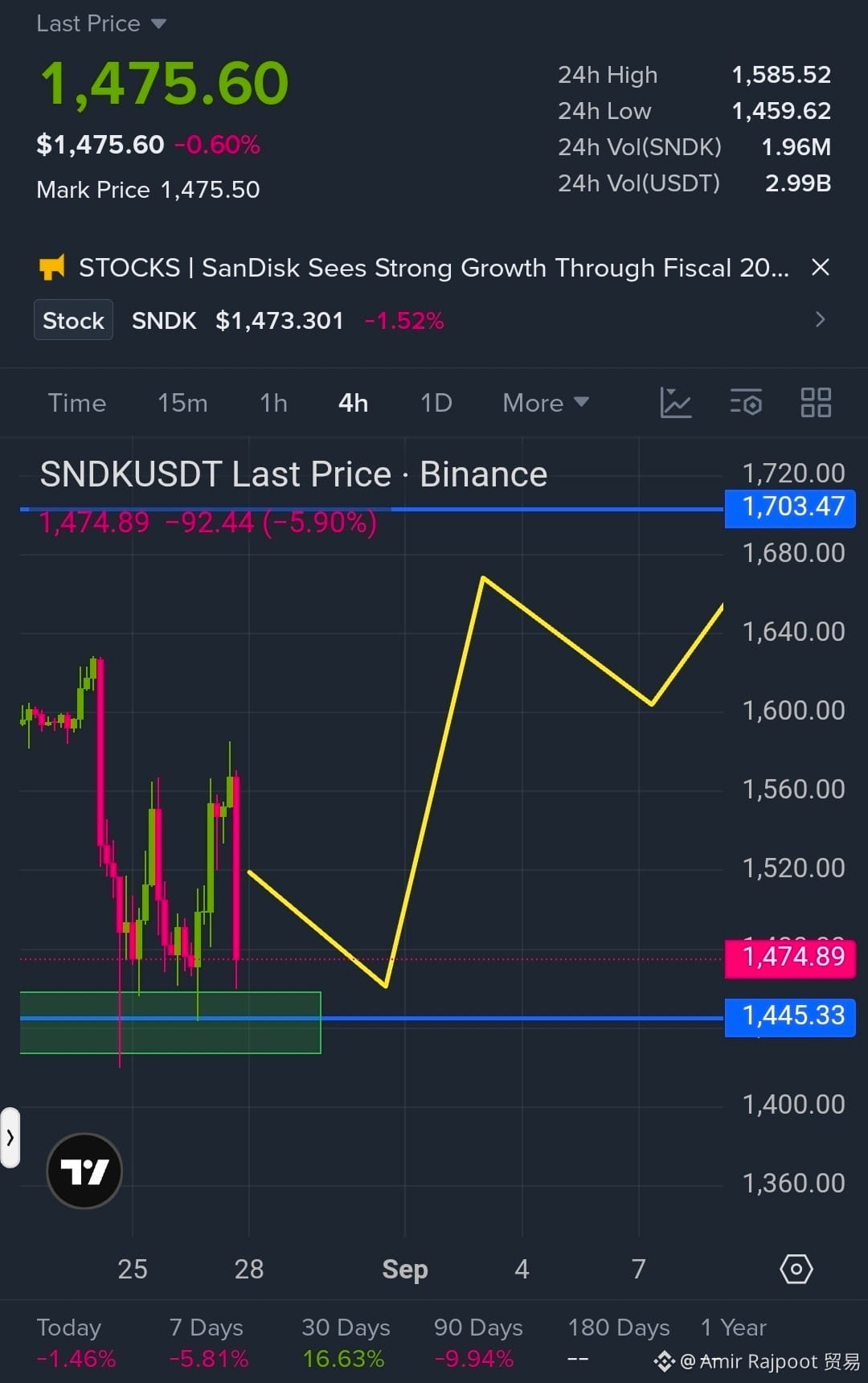
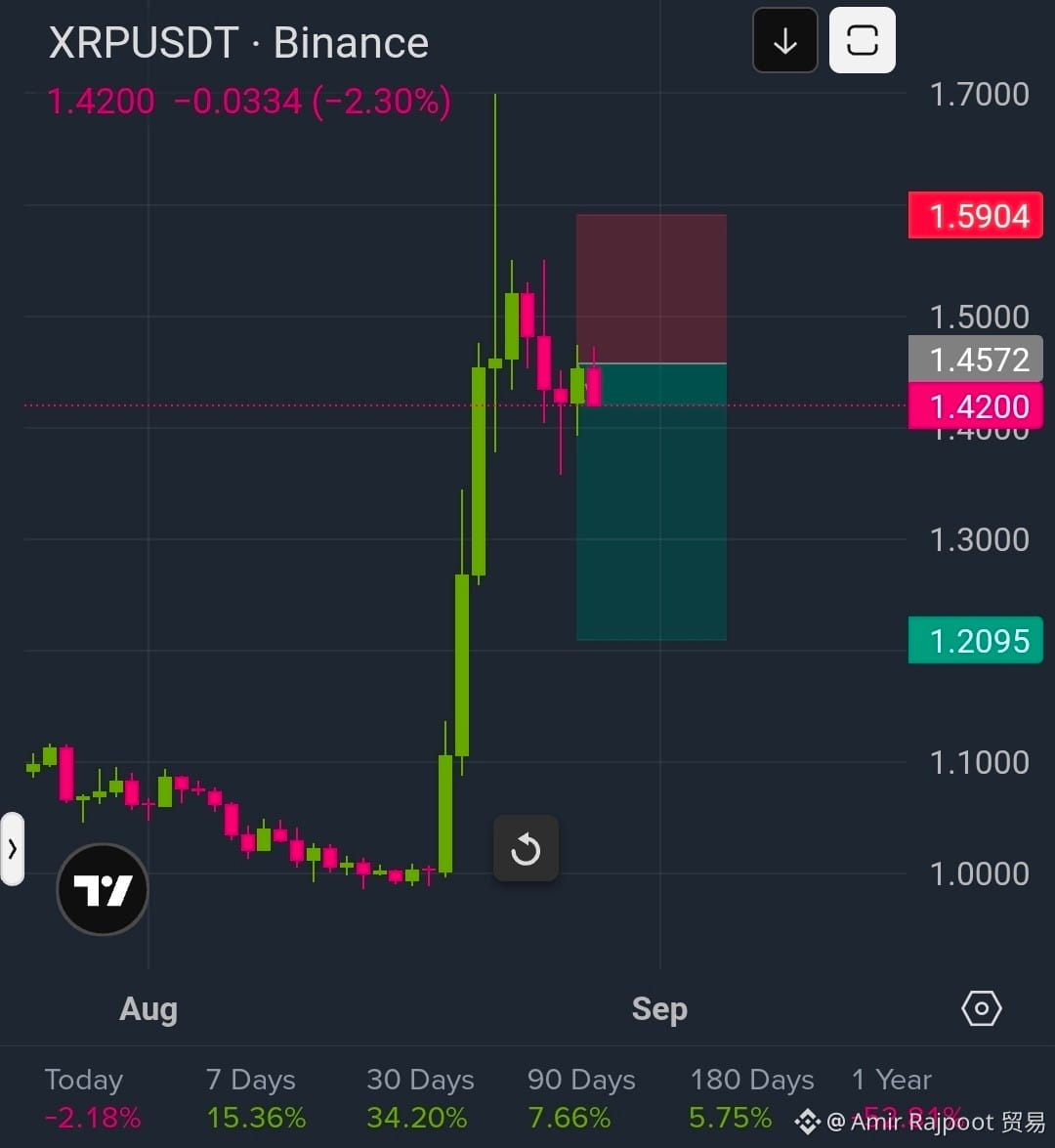
PayPal $PYPL drops more than 12% after reports that Stripe and Advent have walked away from a potential acquisition deal.
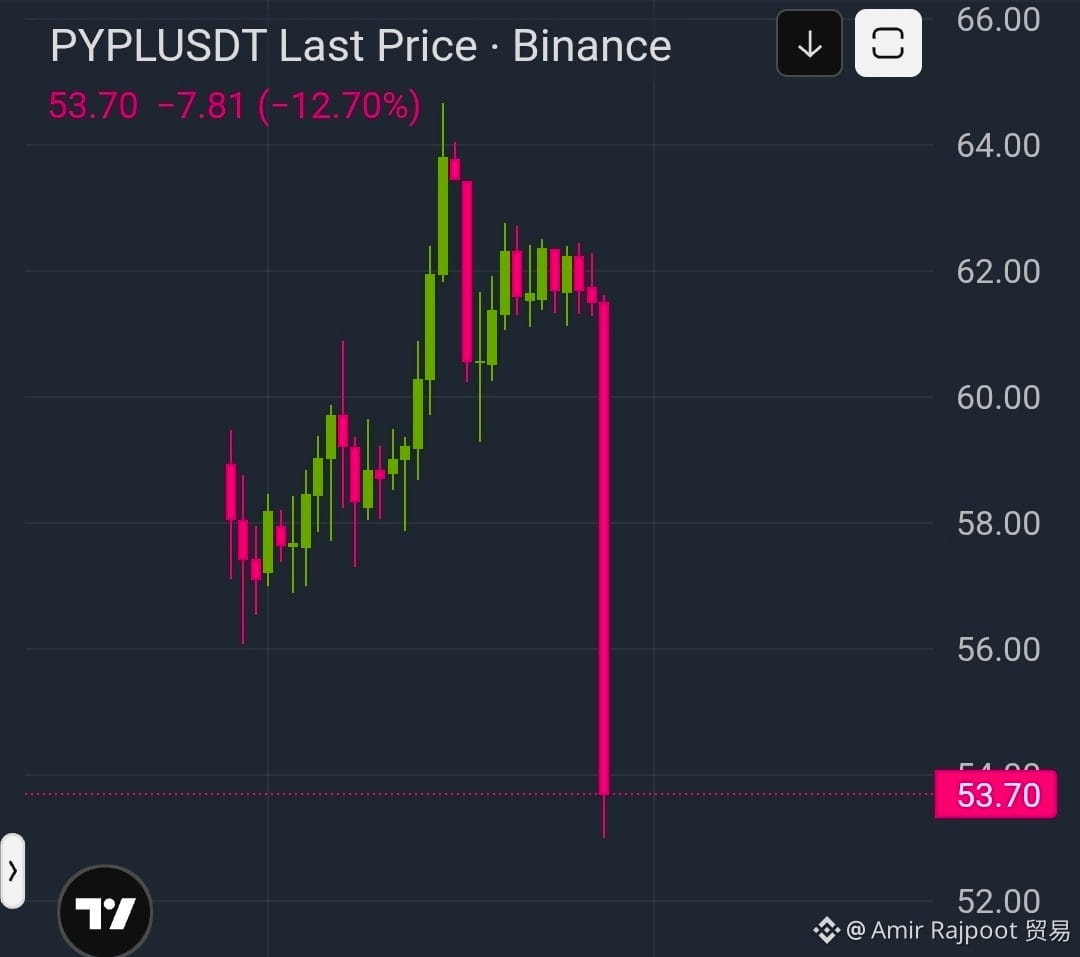
Be fearful when others are greedy, and greedy when others are fearful.
Short $HYPE
Entry $88
SL $92
TP1 $81
TP2 $77
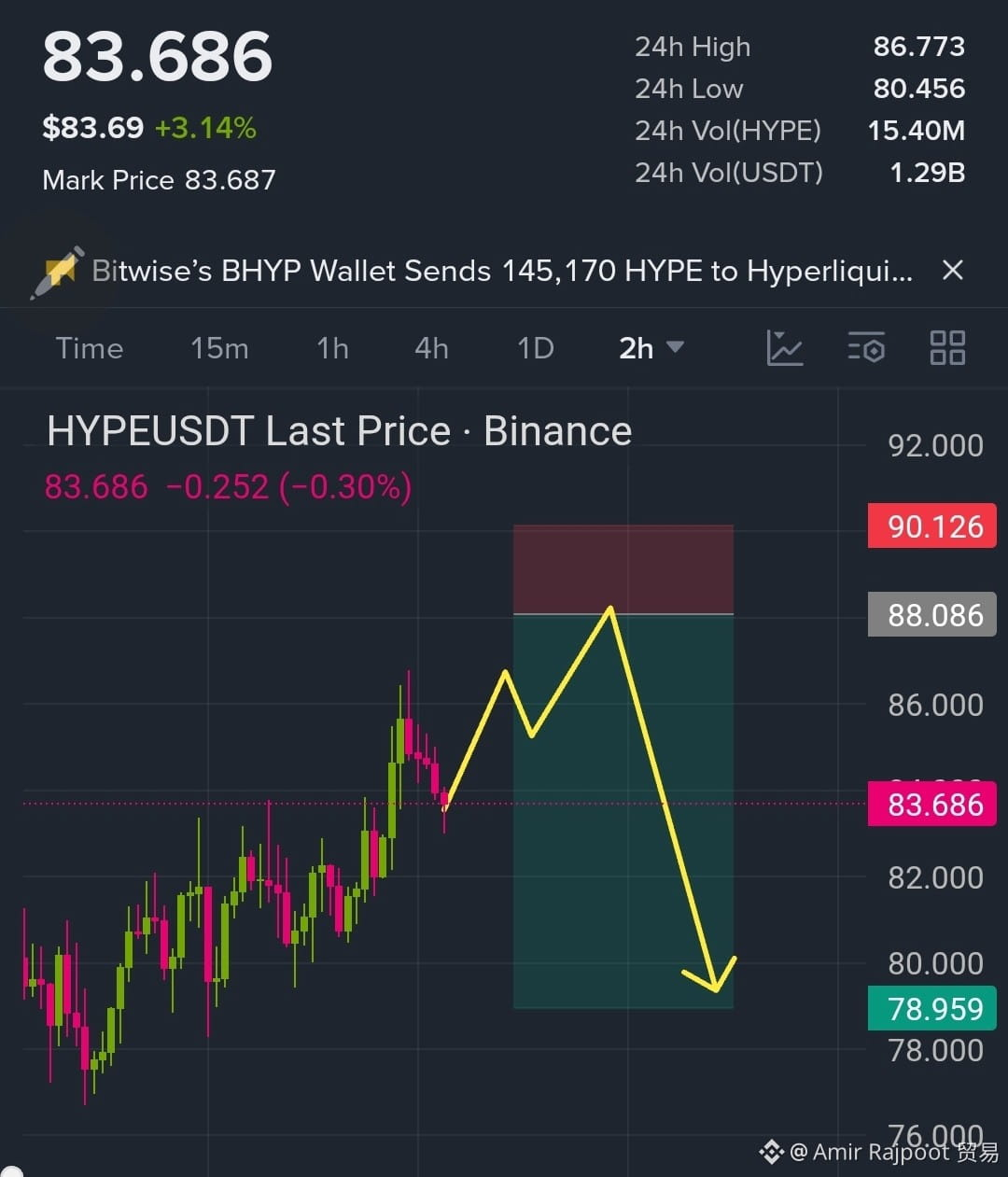
Short $HYPE
Entry $88
SL $92
TP1 $81
TP2 $77
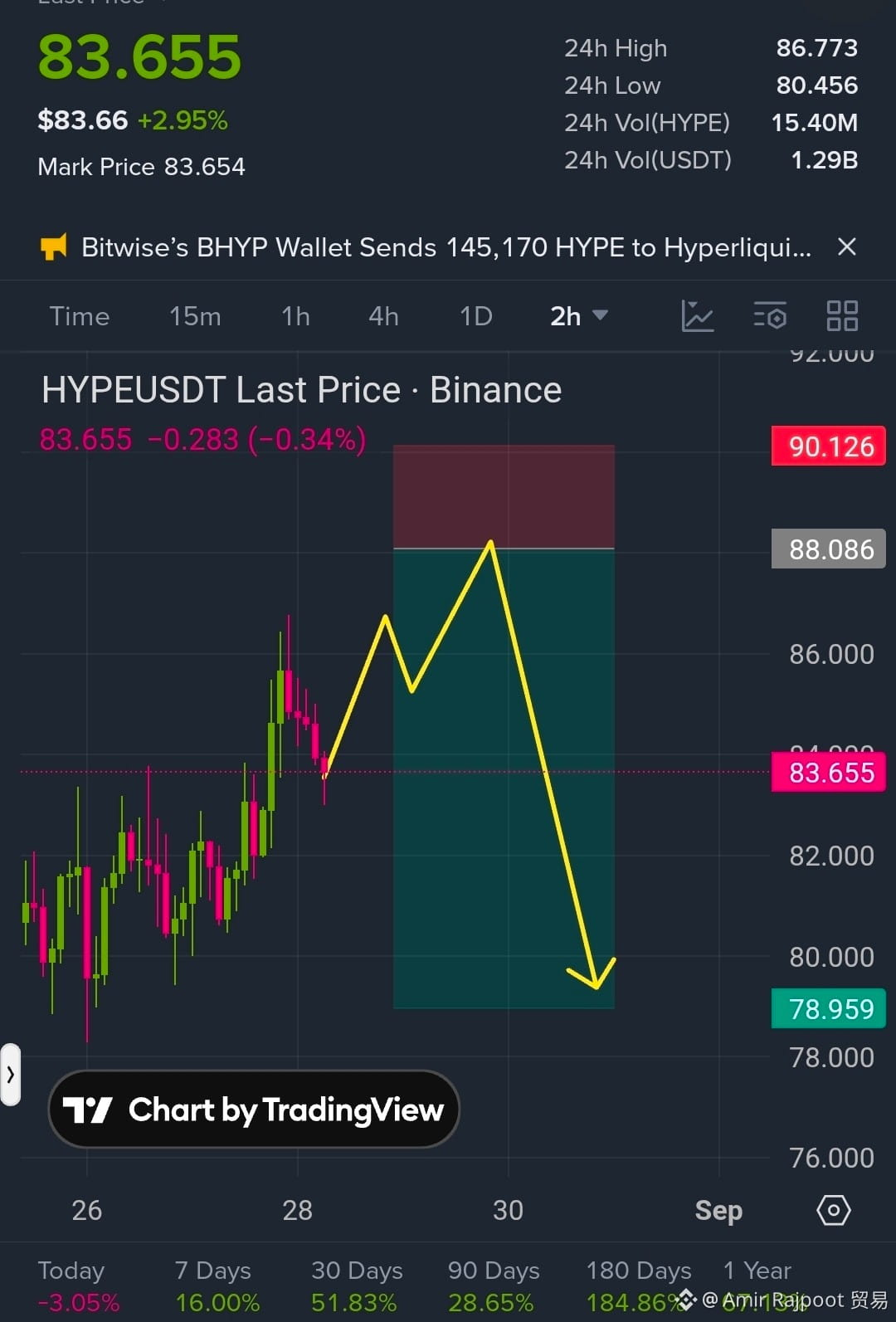
$HYPE is at record highs around $85, with the previous breakout zone near $77 now acting as key support. Momentum is extremely strong, so I would not short $85 blindly
Verified
I went through @Dusk documentation white paper today and I ended up focusing on a question I hadn’t really considered: who performs the heavy cryptographic work when privacy is part of the transaction?
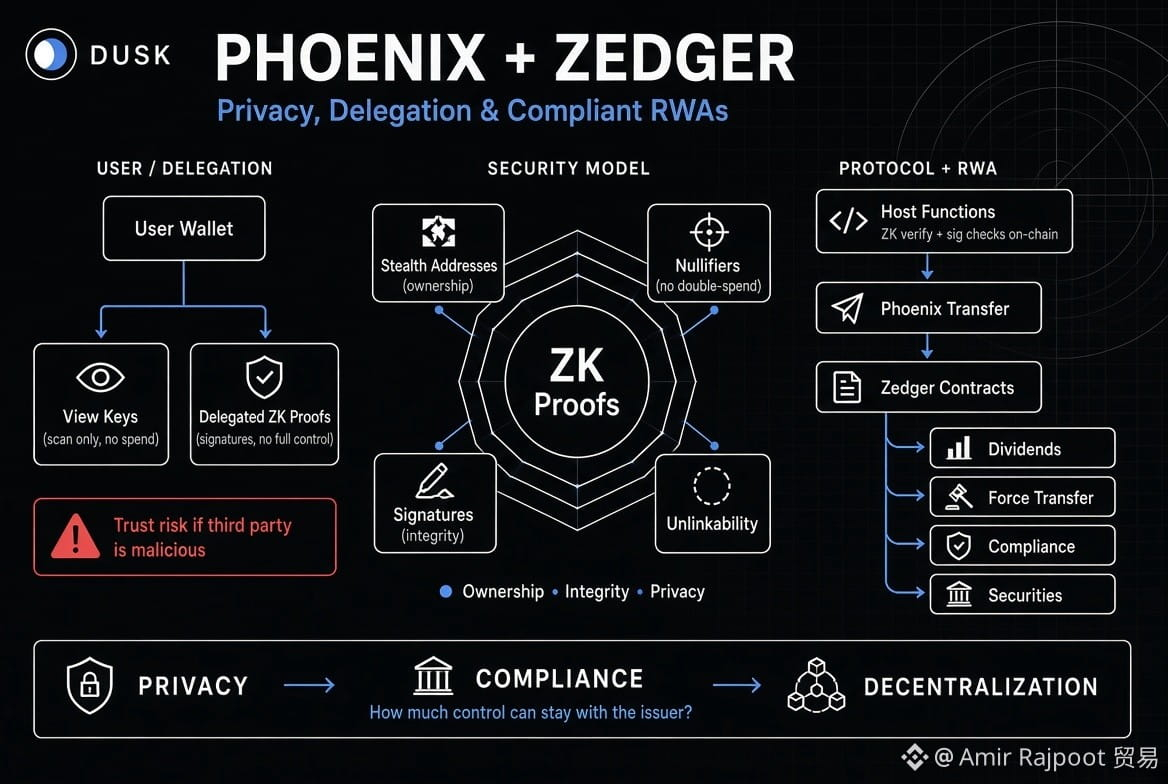
Phoenix allows users to delegate some intensive tasks. View keys can let a trusted party scan for transactions without giving them the ability to spend the funds, while signatures can allow ZK proof generation to be delegated without handing over full control.
That sounds useful, but it also made me wonder where the trust assumptions actually move. If computation is delegated, what happens when the third party is unreliable or malicious?
The security model itself is interesting. Phoenix combines stealth addresses, signatures, and nullifiers inside ZK proofs to address ownership, double spending, unlinkability and transaction integrity.
Then I noticed Dusk exposes optimized host functions for cryptographic operations, including ZK proof verification and signature checks. My interpretation is that this can avoid every contract implementing expensive cryptography from scratch, but I’d want to understand the exact execution and resource limits.
The RWA angle adds another layer. Zedger contracts are designed around securities, compliance, privacy and functions such as dividends or force transfers.
That raises the bigger question for me: how much decentralization can a privacy-focused financial system preserve while still supporting compliance and issuer controls?
$DUSK #dusk
#dusk $DUSK @Dusk
Phoenix allows users to delegate some intensive tasks. View keys can let a trusted party scan for transactions without giving them the ability to spend the funds, while signatures can allow ZK proof generation to be delegated without handing over full control.
That sounds useful, but it also made me wonder where the trust assumptions actually move. If computation is delegated, what happens when the third party is unreliable or malicious?
The security model itself is interesting. Phoenix combines stealth addresses, signatures, and nullifiers inside ZK proofs to address ownership, double spending, unlinkability and transaction integrity.
Then I noticed Dusk exposes optimized host functions for cryptographic operations, including ZK proof verification and signature checks. My interpretation is that this can avoid every contract implementing expensive cryptography from scratch, but I’d want to understand the exact execution and resource limits.
The RWA angle adds another layer. Zedger contracts are designed around securities, compliance, privacy and functions such as dividends or force transfers.
That raises the bigger question for me: how much decentralization can a privacy-focused financial system preserve while still supporting compliance and issuer controls?
$DUSK #dusk
#dusk $DUSK @Dusk
30D trade $DUSK 242.7K USDT
I went back through Dusk’s documentation last night and focused on something I had overlooked before: who actually gets to participate in consensus, and how transactions prove they are valid.
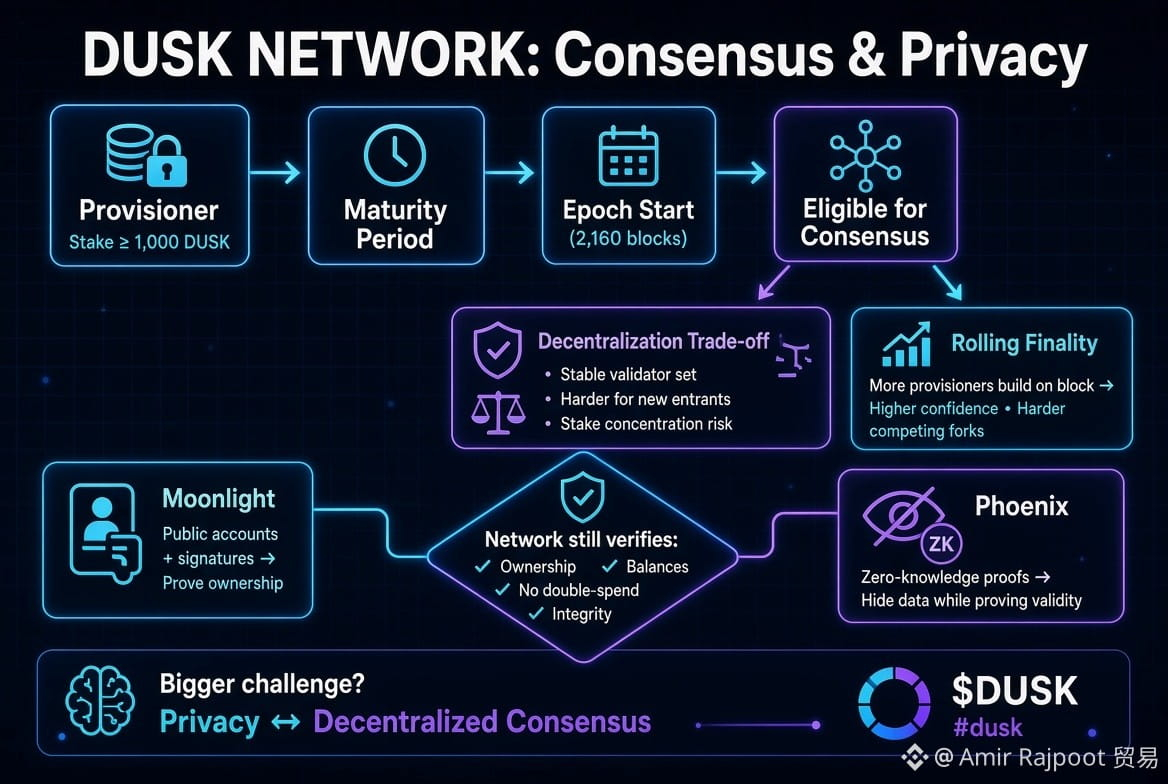
A provisioner is basically someone who locks DUSK as stake. The documentation currently describes a minimum of 1,000 DUSK, but staking does not make an account immediately eligible for consensus.
New stakes have to pass a maturity period and only become eligible at the beginning of an epoch. With epochs currently set at 2,160 blocks, this creates a deliberate delay before newly added stake can influence the consensus process.
That made me think about the decentralization trade-off.
Could this maturity period help reduce sudden changes in the active validator set, while also making it harder for new participants to immediately gain influence? And if stake becomes concentrated among larger holders, how does that affect the practical distribution of consensus power?
Then I looked at transaction validation.
Moonlight uses public account states and signatures to prove ownership, while Phoenix can use zero-knowledge proofs to hide transaction information while still proving that the required conditions are satisfied.
This is where my understanding shifted. Privacy here is not simply “hiding transactions.” The network still needs to verify ownership, balances, prevent double spending, and protect transaction integrity. The interesting question is how much information can be hidden without weakening those guarantees.
Rolling finality adds another layer. As more provisioners build on a block, confidence in that block increases, making a competing fork harder to progress.
But I’m still curious: how does this behave under heavy stake concentration or prolonged network disruption? And what does the community think is the bigger challenge for Dusk: preserving privacy, or preserving decentralized consensus as participation grows?
@Dusk $DUSK #dusk
#dusk $DUSK @Dusk
A provisioner is basically someone who locks DUSK as stake. The documentation currently describes a minimum of 1,000 DUSK, but staking does not make an account immediately eligible for consensus.
New stakes have to pass a maturity period and only become eligible at the beginning of an epoch. With epochs currently set at 2,160 blocks, this creates a deliberate delay before newly added stake can influence the consensus process.
That made me think about the decentralization trade-off.
Could this maturity period help reduce sudden changes in the active validator set, while also making it harder for new participants to immediately gain influence? And if stake becomes concentrated among larger holders, how does that affect the practical distribution of consensus power?
Then I looked at transaction validation.
Moonlight uses public account states and signatures to prove ownership, while Phoenix can use zero-knowledge proofs to hide transaction information while still proving that the required conditions are satisfied.
This is where my understanding shifted. Privacy here is not simply “hiding transactions.” The network still needs to verify ownership, balances, prevent double spending, and protect transaction integrity. The interesting question is how much information can be hidden without weakening those guarantees.
Rolling finality adds another layer. As more provisioners build on a block, confidence in that block increases, making a competing fork harder to progress.
But I’m still curious: how does this behave under heavy stake concentration or prolonged network disruption? And what does the community think is the bigger challenge for Dusk: preserving privacy, or preserving decentralized consensus as participation grows?
@Dusk $DUSK #dusk
#dusk $DUSK @Dusk
I went back through the Dusk technical documentation last night, and I found the consensus design more interesting than I expected.
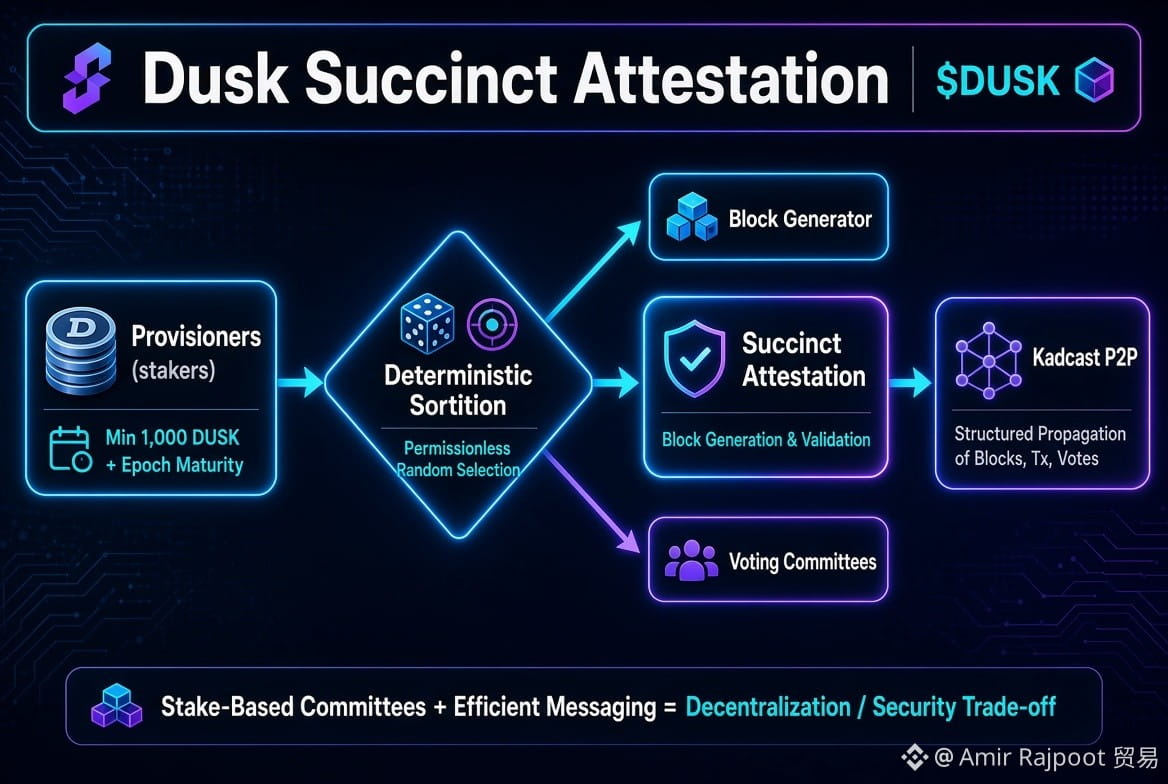
Dusk uses Succinct Attestation, a permissionless proof-of-stake system where stakers, called provisioners, help generate and validate blocks.
What caught my attention was deterministic sortition. Instead of having everyone compete to produce or vote on every block, the protocol randomly selects a block generator and voting committees from eligible provisioners.
That made me wonder about the balance between efficiency and decentralization. How unpredictable is the selection from an attacker’s perspective, and how difficult would it be to influence committee membership through stake concentration?
The staking rules also matter. The documentation says the minimum stake is currently 1,000 DUSK, while eligibility only begins after a maturity period tied to epochs. My interpretation is that this gives the system some protection against instantly entering consensus participation, but I’d like to understand the security assumptions more deeply.
Then there is Kadcast, the underlying P2P layer used to propagate blocks, transactions and votes. Its Kademlia-based structure is designed to reduce redundant communication while maintaining propagation.
So I’m left with one bigger question:
Does combining stake-based committee selection with structured message propagation create a good decentralization/security trade-off, or are there edge cases I’m overlooking?
@Dusk $DUSK #dusk
#dusk $DUSK @Dusk
Dusk uses Succinct Attestation, a permissionless proof-of-stake system where stakers, called provisioners, help generate and validate blocks.
What caught my attention was deterministic sortition. Instead of having everyone compete to produce or vote on every block, the protocol randomly selects a block generator and voting committees from eligible provisioners.
That made me wonder about the balance between efficiency and decentralization. How unpredictable is the selection from an attacker’s perspective, and how difficult would it be to influence committee membership through stake concentration?
The staking rules also matter. The documentation says the minimum stake is currently 1,000 DUSK, while eligibility only begins after a maturity period tied to epochs. My interpretation is that this gives the system some protection against instantly entering consensus participation, but I’d like to understand the security assumptions more deeply.
Then there is Kadcast, the underlying P2P layer used to propagate blocks, transactions and votes. Its Kademlia-based structure is designed to reduce redundant communication while maintaining propagation.
So I’m left with one bigger question:
Does combining stake-based committee selection with structured message propagation create a good decentralization/security trade-off, or are there edge cases I’m overlooking?
@Dusk $DUSK #dusk
#dusk $DUSK @Dusk
Log in to explore more content