

Written by: Hunter Solaire
Compiled by: TechFlow
New standards often fly under the radar in their initial stages, and people only start to pay attention to them once phenomenal use cases emerge.
After ERC-721, ERC-721C, which focuses on royalty design, appeared and is worth understanding in advance.
The NFT royalty system may usher in a sea change, now we can set 100% royalties for holders and prevent Blur and Opensea from setting royalties to 0%. In this article, analyst Hunter Solaire explains the new NFT standard ERC721-C and how it does all this.
Shenchao Note: ERC721-C is a new standard for executable on-chain programmable royalties, allowing creators to determine the degree of permission for their own collection of NFTs during the transfer process, opening the door to new forms of royalties that reward creators, communities, partners and affiliates.
We’ve known for a long time that royalties are in a bad state:
Traders don’t want to pay them;
The market doesn’t care about them;
Many founders/artists stop creating without them.
Here’s one thing you might not want to accept: We want royalties.
I don’t want to pay 12% on every NFT transaction (3-5% is fine), but we need creators to be motivated to create, otherwise why would they create NFTs? So let’s talk about solutions that better align creator and holder incentives.
The recently released ERC721-C is an upgrade designed to benefit creators (and holders).
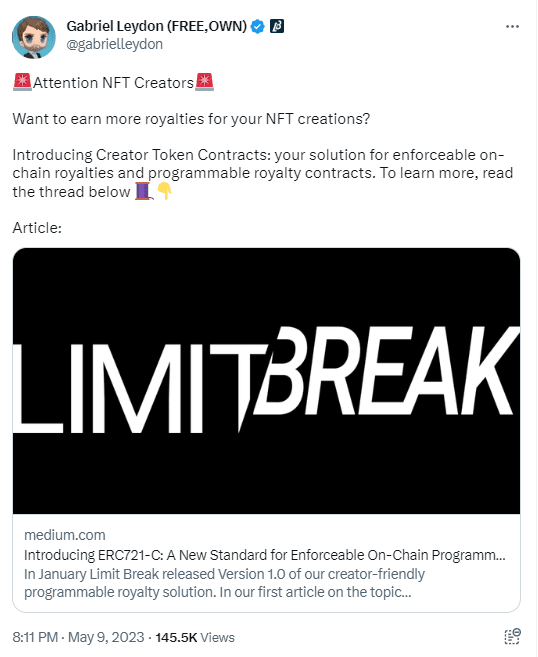
It offers 3 major upgrades on the NFTs we know and love:
Royalties are on-chain (OS and Blur cannot set them to 0);
Creators can better influence where their tokens are traded;
Royalties become programmable.
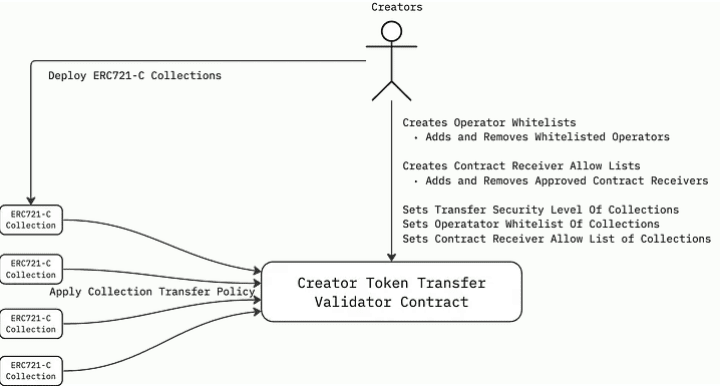
Programming Royalties? What does that mean?
In simple terms, this means you can set new rules for when, where, and how royalties are transferred.
Example:
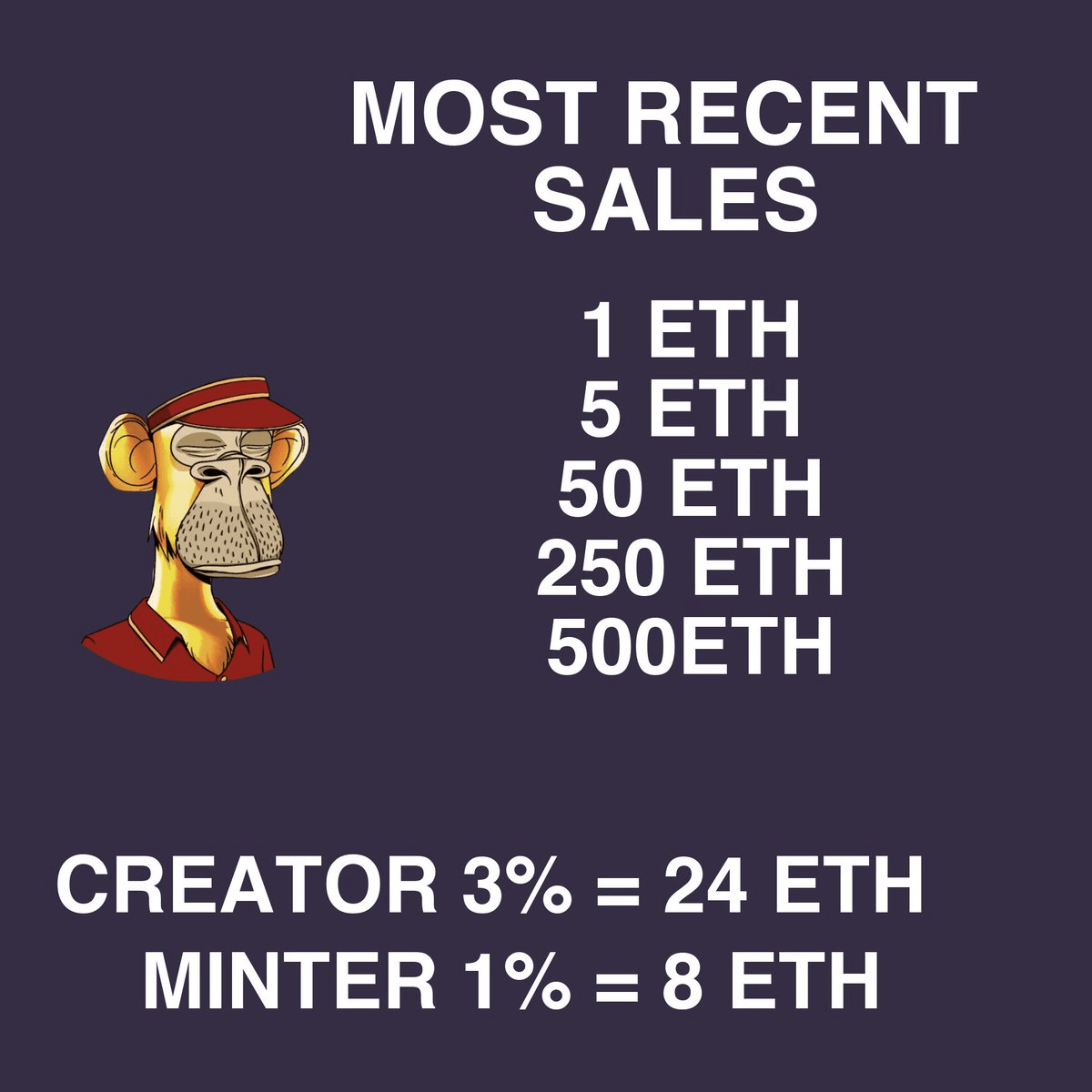
In today's market environment, Mint is actually a risk. Want to reward those loyal believers of Mint? With ERC-721C, you can now flexibly set their royalties:
If the NFT is trading below the Mint Price, set the royalty to 0%;
The royalty ratio can be customized to share the value: from 1% to 100%;
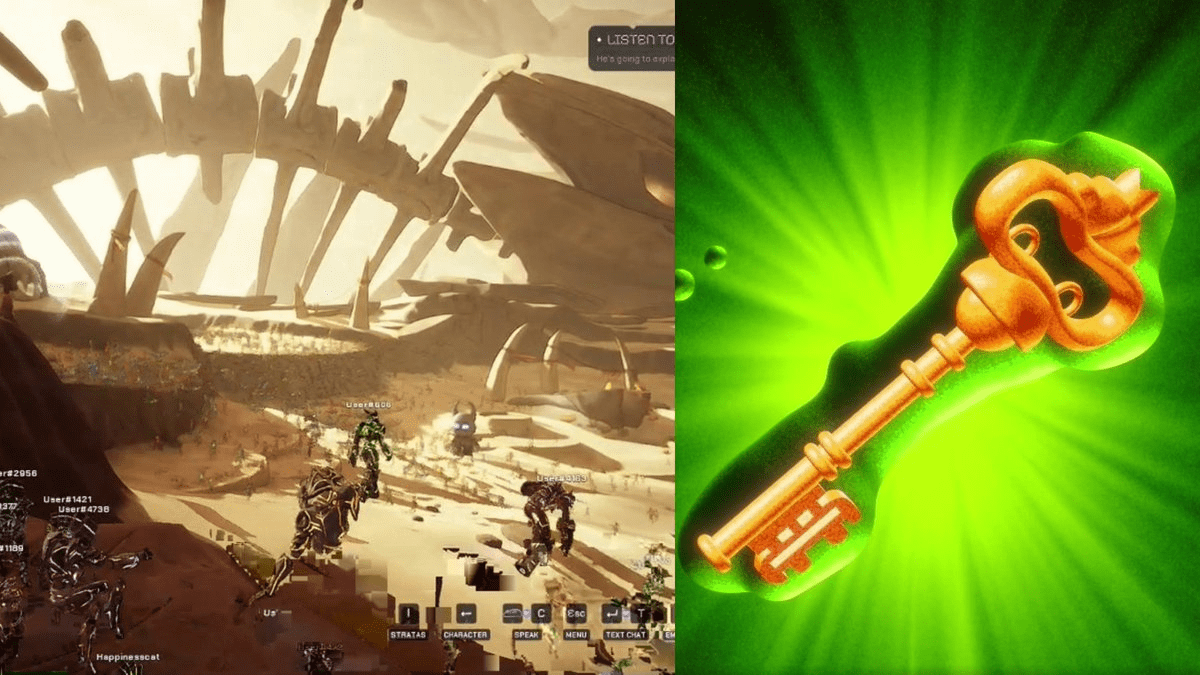
Remember that Dookey Dash Key that sold for $1.6 million? Yuga could easily hold a similar event again with a focus on collaboration:
Host a team treasure hunt;
Reward the first-place team with 1/1 NFT;
Let everyone split the sales price + royalties in perpetuity.
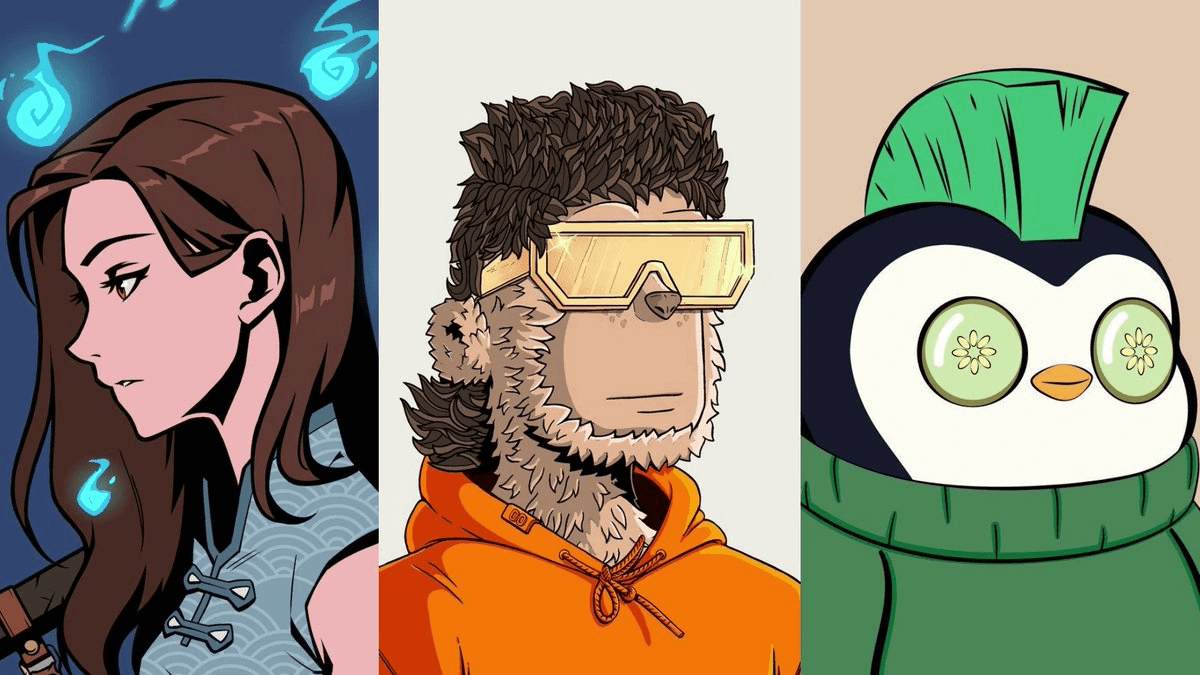
Not all holders are created equal: some buy to speculate, some quietly hold, and some buy, make it their identity, and fight for your brand every day.
Now you can reward your most valuable community members or DAO by setting royalty percentages on NFTs of specific characteristics.
There are 3 clear reasons why ERC721-C was adopted:
• Holders are less angry about royalties (because holders benefit);
• Creators are incentivized to make better NFTs;
• You can still support the project without owning NFTs.
At the same time, this is not a perfect solution:
• The logic of the contract can become very complex if too many features are added;
• The project must consult a lawyer because this model is new and may involve some copyright and legal issues;
• The market needs to be updated to accommodate all the new features that may arise.
Don’t forget, true adoption happens after we see “proof”. The proof here would be a successful NFT that implements this feature, maybe we won’t see creators use this feature until Limitbreak and DigiDaigaku implement it into their collectibles, but this is much better than what we have now.
For the specific technical design of ERC721-C, please refer to @gabrielleydon’s blog: (blog link)
