


Friends working on Web3 projects are almost always stuck on the same question: how should technical development actually be done? Many project teams have a great idea, only to keep running into problems with quotes, timelines, security, and other issues. Today, I’ll use plain language to explain the 10 most important questions in DApp development all at once — all of them are what project teams care about most, and what must be clarified before signing a contract.
1. How much does it actually cost to develop a DApp? What does the quote include?
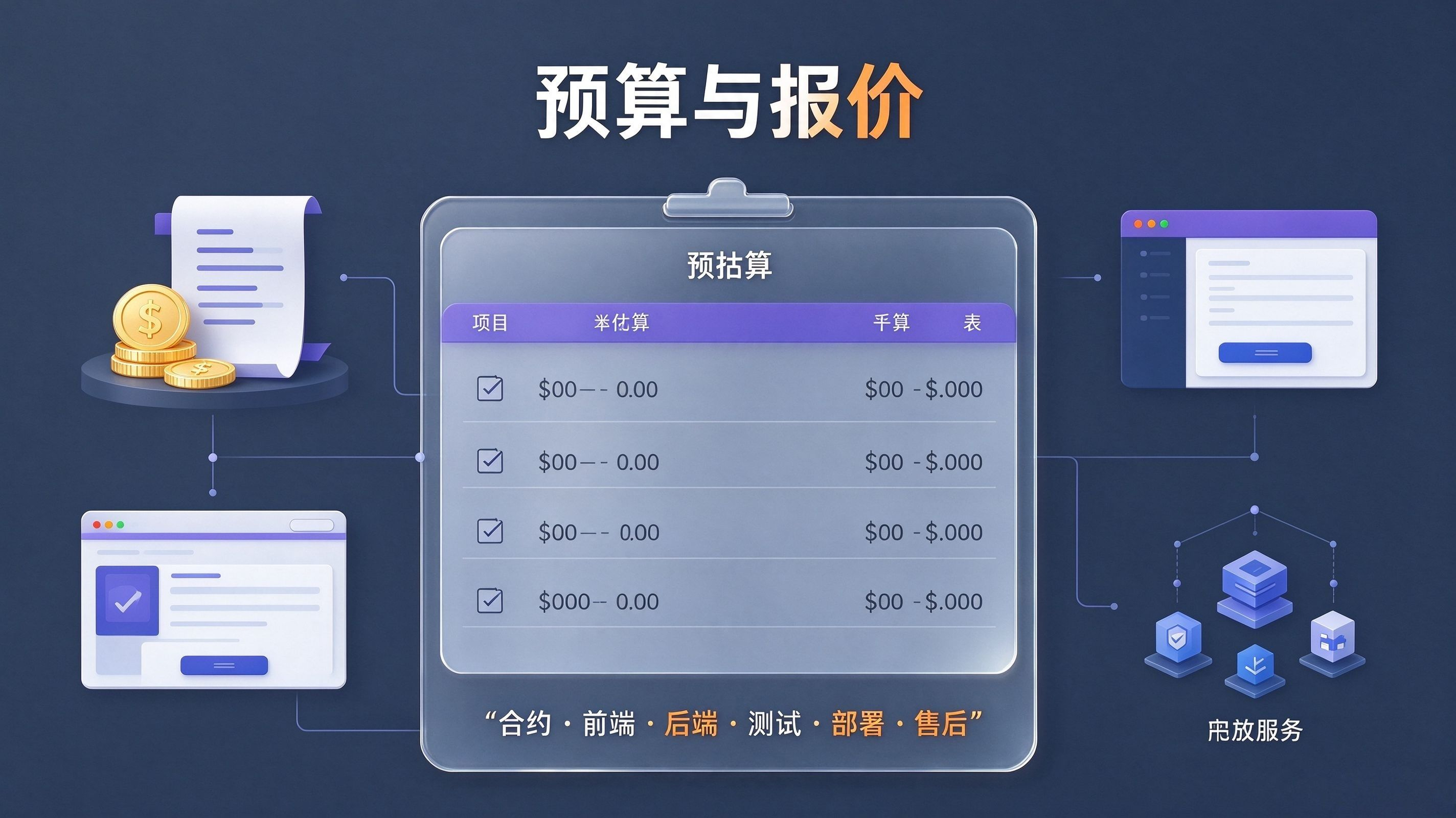
This is the question people ask the most, but there really isn’t a fixed price. The key depends on whether you’re customizing a template or building from scratch — template customization offers better value and faster delivery; building from scratch should be quoted based on features, multi-chain requirements, and interaction complexity. A quote usually includes smart contract development, front end, back end, testing, and deployment. But note that third-party security audits are usually charged separately, because those are handled by external firms like CertiK; after-sales support also comes in two types: short-term bug fixes after launch are free, while long-term maintenance, node hosting, and iterative upgrades are billed separately. A proper quote sheet will break everything down clearly, showing what’s included and what isn’t, with no hidden charges.
2. Which public blockchain do you recommend deploying on? Are there major differences between chains?
Choosing a chain means choosing an ecosystem. Public blockchains vary considerably in gas fees, TPS, and user base, which directly affects your costs and reach. A knowledgeable team will recommend a chain based on your sector: DeFi, blockchain gaming, NFTs, and social apps each suit different chains. They won’t push a particular chain from the outset. Starting with a single chain is the most cost-effective way to test the waters; consider going multichain when you want to expand your user base.
3. How do you ensure smart contract security? Who’s responsible if a vulnerability is found?
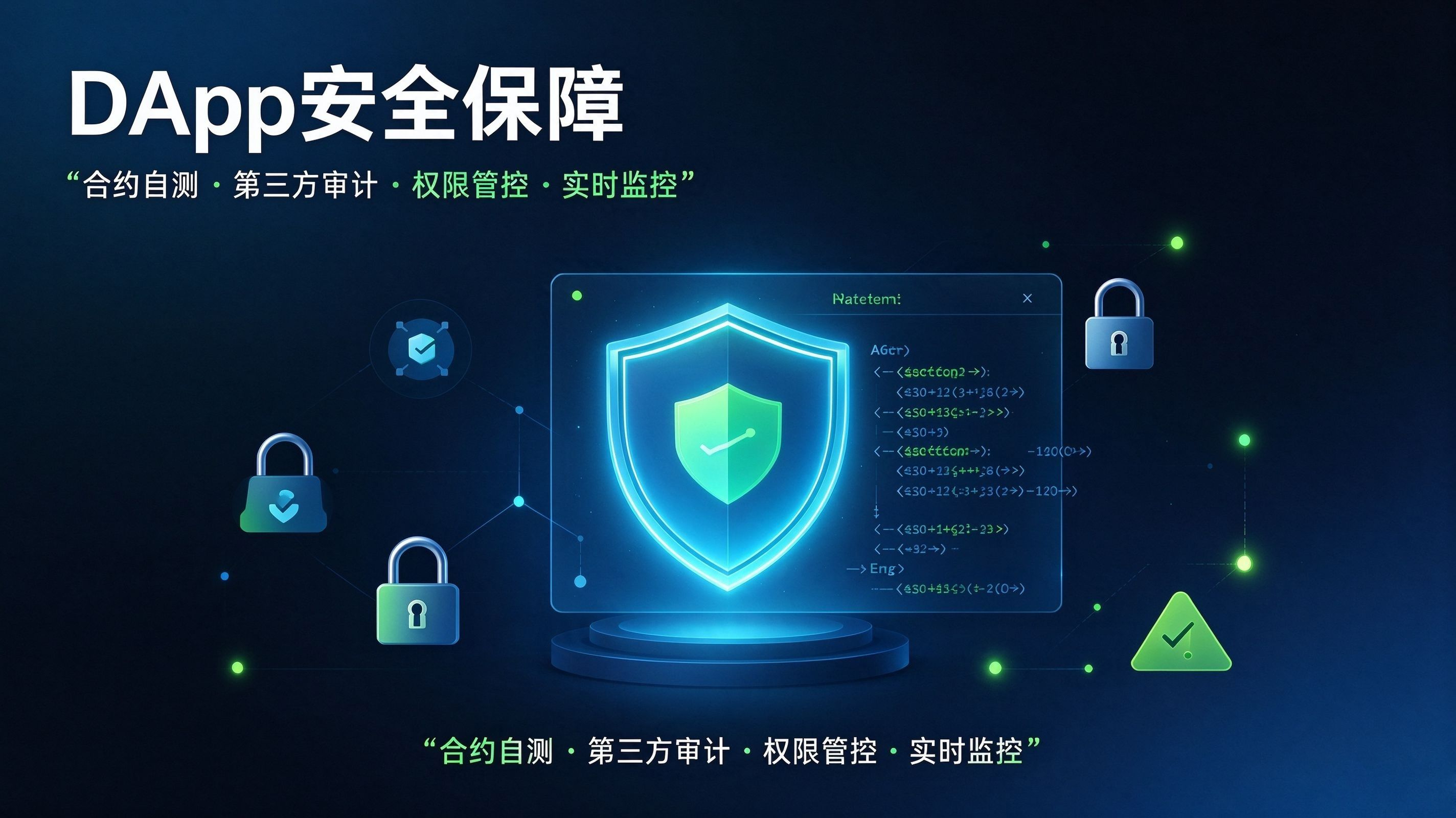
Security is critical to a DApp. A professional team will conduct multiple rounds of internal testing to catch common vulnerabilities such as reentrancy and integer overflow, then arrange an audit by a reputable third party such as CertiK and provide a report before launch. They should also separate permissions so that no single account controls everything, and set up real-time monitoring after launch with automatic alerts for suspicious transactions. As for responsibility, a proper contract will clearly specify what falls under the contract layer and what is covered by the audit. Remember: no contract is completely risk-free, but the more rigorous the process, the lower the risk of vulnerabilities.
4. How long does development take? How long for testnet and mainnet deployment? Can it be expedited?
A template-based customization can be deployed to testnet in 3–7 days. After acceptance and revisions, mainnet deployment takes another 2–3 days, so it can launch in about a week. A fully custom build from scratch typically takes 10–20 days to reach testnet. Allow another 3–7 days for mainnet deployment after testing and auditing, putting the full process at 20–30 days. Expedited work is possible by prioritizing technical resources, but contract audits and vulnerability testing must not be skipped. Security can’t be rushed.
5. Do you support multichain compatibility? Can you integrate wallets, DEXs, oracles, and cross-chain functionality?
We can support all major public blockchains, whether you need a single chain or multiple chains. We can integrate external wallets such as MetaMask and TokenPocket, as well as DEXs, oracles, and cross-chain transfers. However, the more components and complex the integrations, the higher the cost and the longer the timeline. Some protocols also have interface limitations. A reliable team will assess feasibility first, explain potential risks upfront, and complete end-to-end integration testing on testnet before delivery.
6. Can the contract be upgraded after deployment? What if we need to change the business logic?
The contract can be designed to be upgradeable, with governance permissions built in so the business logic can be updated smoothly when needed. But it’s important to be clear: upgrades carry risks. Permissions and governance must be designed carefully, and no backdoors should be left in just for convenience.
7. How do you improve the user experience?
This directly affects user acquisition. Features such as gas fee sponsorship, AA accounts, and embedded wallets let users use your DApp without installing plugins or understanding private keys. Lower the barriers to entry, and conversion rates can rise. Many projects overlook this, even though it’s one of the factors that most affects retention.
8. Do you provide maintenance and after-sales support after launch?
Development isn’t the finish line—launch is just the beginning. An experienced team will provide node maintenance, RPC services, real-time monitoring, and incident response, so someone can step in when problems arise. You can also sign a separate support agreement. Be sure to clarify this upfront to avoid the awkward situation of having “no one to turn to” after your project goes live.
9. Can you help design the tokenomics as well?
Tokenomics determines whether a project can survive. A professional team does more than write code: they can help design token allocation, vesting schedules, staking rewards, and simulations of inflation and sell pressure. They’ll test the economic model before launch rather than simply issuing a token and calling it done.
10. Do you have experience with similar projects? Can you provide mainnet contract addresses that we can verify?
This is a concrete measure of a team’s capabilities. A team with real project experience can provide verifiable mainnet contract addresses and examples from the same sector, rather than just sending a screenshot. Before signing, make sure you thoroughly verify this.
One final piece of practical advice: when choosing a technical team, don’t focus only on a low quote or fast mockups. Ask thoroughly about timelines, security, after-sales support, and past projects. Get clear answers to these 10 questions, and your DApp project will already be halfway to success.