
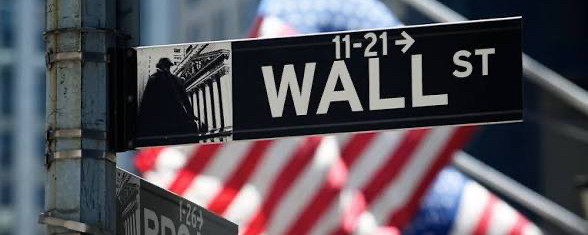
Nearly 40 large financial companies tested trading tokenized securities in a real production environment.
And this is far more interesting than another “Wall Street has fallen in love with blockchain.”
On July 15, DTCC conducted a series of real transactions with tokenized assets that are held in custody by The Depository Trust Company. The test involved JPMorgan, Goldman Sachs, Invesco, Citadel Securities, BlackRock, Vanguard, Nasdaq, and other major market players.
Moreover, they weren't testing a pretty stage demo.
Participants carried out stock and U.S. government bond operations, used tokenized assets as collateral, conducted securities lending, Treasury/repo transactions, and delivery-versus-payment settlements. In other words, they weren't checking whether the blockchain “works,” but whether it can perform part of the work of the existing financial infrastructure.
DTCC plans to launch its Tokenization Service in October 2026. The service will allow tokenizing assets that are already held in the traditional DTC system, while preserving owners’ rights, investor protections, and other legal entitlements.
And right here, in my opinion, the real story begins.
Tokenizing traditional assets doesn't necessarily mean that banks will rush to trade stocks tomorrow on some DeFi protocol. Quite the opposite. The most interesting scenario might be far more mundane: blockchain gradually becomes a new layer of the already existing financial system.
Not a Wall Street replacement.
Upgrading it from the inside.
I like this story precisely because of its everyday nature. When JPMorgan, Goldman Sachs, and DTCC use blockchain not to shout “revolution!” but to move collateral faster or complete a settlement, the technology finally stops being a presentation about the future.
It becomes plumbing for the financial market. And the most important changes in plumbing are usually noticed only when it stops working.
If you want to dig into these kinds of changes without crypto magic and corporate shamanism—subscribe to @MoonMan567