
#cryptomining
cryptomining
744,288 views
2,005 Discussing
Hot
Latest

See translation
Fortitude bringing in former Hut 8 CEO Jaime Leverton is a massive signal for the privacy coin mining sector. Gearing up for a public listing shows serious institutional ambition beyond standard crypto operations. As regulatory scrutiny evolves, bringing in leadership with proven public market experience could bridge the gap for privacy-focused infrastructure. Keep an eye on how this public debut shapes valuation metrics for specialized mining plays moving forward. $ZEC #Zcash #CryptoMining #PublicListing
Fortitude bringing in former Hut 8 CEO Jaime Leverton is a massive signal for the privacy coin mining sector. Gearing up for a public listing shows serious institutional ambition beyond standard crypto operations. As regulatory scrutiny evolves, bringing in leadership with proven public market experience could bridge the gap for privacy-focused infrastructure. Keep an eye on how this public debut shapes valuation metrics for specialized mining plays moving forward. $ZEC #Zcash #CryptoMining #PublicListing
239


See translation
Hidden crypto mine busted.
Mexican authorities just raided an underground operation right next to a hydroelectric dam. Talk about trying to get cheap power. Here is what we know:
1️⃣ The facility is suspected of massive electricity theft and money laundering.
2️⃣ This marks the fourth illegal farm discovered in that exact area since early 2025.
3️⃣ Local reports indicate they were directly tapping into the regional power grid illegally.
Mining $BTC is great, but stealing power is a quick way to get the authorities on your back and ruin it for everyone.
We will see how Mexico tightens its grid security next.
#Bitcoin #CryptoMining #Write2Earn
Hidden crypto mine busted.
Mexican authorities just raided an underground operation right next to a hydroelectric dam. Talk about trying to get cheap power. Here is what we know:
1️⃣ The facility is suspected of massive electricity theft and money laundering.
2️⃣ This marks the fourth illegal farm discovered in that exact area since early 2025.
3️⃣ Local reports indicate they were directly tapping into the regional power grid illegally.
Mining $BTC is great, but stealing power is a quick way to get the authorities on your back and ruin it for everyone.
We will see how Mexico tightens its grid security next.
#Bitcoin #CryptoMining #Write2Earn
Mexican authorities just raided an underground operation right next to a hydroelectric dam. Talk about trying to get cheap power. Here is what we know:
1️⃣ The facility is suspected of massive electricity theft and money laundering.
2️⃣ This marks the fourth illegal farm discovered in that exact area since early 2025.
3️⃣ Local reports indicate they were directly tapping into the regional power grid illegally.
Mining $BTC is great, but stealing power is a quick way to get the authorities on your back and ruin it for everyone.
We will see how Mexico tightens its grid security next.
#Bitcoin #CryptoMining #Write2Earn
99

·
--
See translation
Can Proof-of-Work still innovate? Meet $KAS ⛏️⚡
Kaspa solves the classic PoW scaling problem using a BlockDAG structure instead of a single chain, allowing multiple blocks per second without compromising decentralization or security.
Pure fair-launch tokens with active mining communities have a history of surprising the entire market.
Are you bullish on high-speed Proof-of-Work, or is Proof-of-Stake the only future? Drop your verdict below! ⛏️💎
#KaspaLens #proofofwork #CryptoMining
Can Proof-of-Work still innovate? Meet $KAS ⛏️⚡
Kaspa solves the classic PoW scaling problem using a BlockDAG structure instead of a single chain, allowing multiple blocks per second without compromising decentralization or security.
Pure fair-launch tokens with active mining communities have a history of surprising the entire market.
Are you bullish on high-speed Proof-of-Work, or is Proof-of-Stake the only future? Drop your verdict below! ⛏️💎
#KaspaLens #proofofwork #CryptoMining
Kaspa solves the classic PoW scaling problem using a BlockDAG structure instead of a single chain, allowing multiple blocks per second without compromising decentralization or security.
Pure fair-launch tokens with active mining communities have a history of surprising the entire market.
Are you bullish on high-speed Proof-of-Work, or is Proof-of-Stake the only future? Drop your verdict below! ⛏️💎
#KaspaLens #proofofwork #CryptoMining
48

·
--
Article
See translation
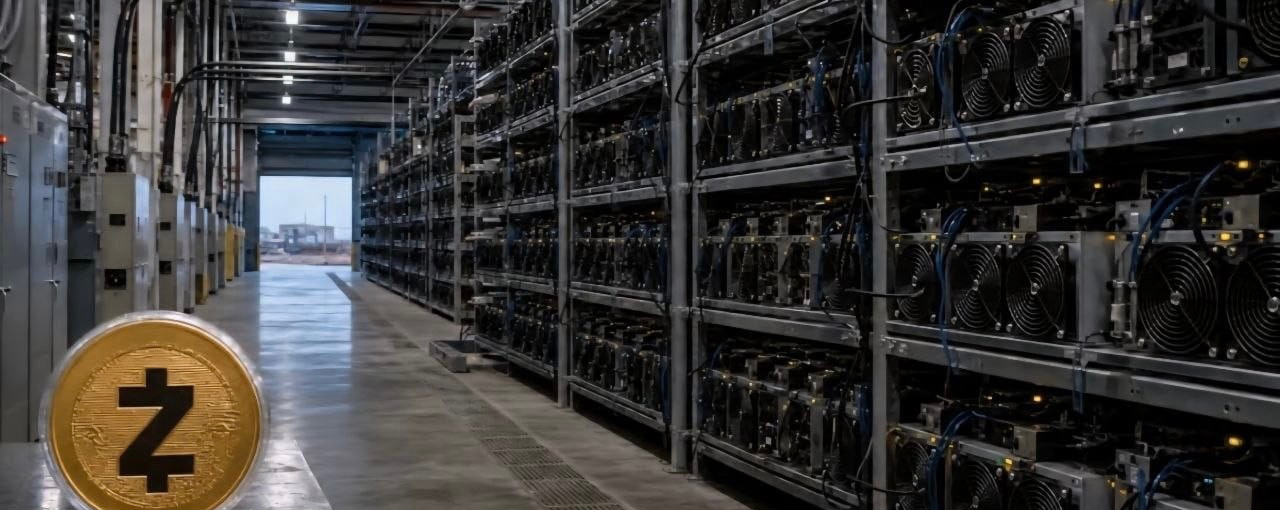
🚨 ZCASH MINING IS SURGING — AND MINERS ARE TAKING NOTICEZcash mining activity has jumped 2.5× this year, while Grayscale Researchsays a Zcash mining rig can generate roughly twice the daily rewardsof a comparable Bitcoin machine.
Something unusual is happening in theproof-of-work mining market.
Zcash ($ZEC) is suddenly becoming oneof the most attractive mining networks towatch, as rising ZEC prices have dramaticallyimproved mining economics.
⛏️ Zcash Mining Activity Has Exploded
According to Grayscale Research, Zcash mining activity has increased roughly 2.5× since the beginning of the year.
The main driver is simple: ZEC has appreciatedsignificantly, increasing the dollar value of rewards earned by miners.
And when mining becomes more profitable, miners respond.
More profitable mining attracts more machines,which increases competition and adds more computing power to the network.
💰 The 2× Bitcoin Comparison
This is the figure that has caughteveryone's attention.
Grayscale estimates that a Zcash mining machine is currently generating around 2× the daily rewards of a comparable Bitcoin mining machine.
But the advantage doesn't stop there.
On an energy basis, Grayscale estimatesZcash mining generates approximately 4× the revenue per megawatt-hour compared with Bitcoin under its assumptions.
That makes Zcash's current mining economics particularly interesting.
⚡ But Zcash Is NOTBigger Than Bitcoin
This distinction is extremely important.
Zcash has not overtaken Bitcoin in terms of the overall mining economy.
Bitcoin remains vastly larger.
Grayscale estimates daily miner rewards at approximately:
Bitcoin: ~$35 million per day
Zcash: ~$2 million per day
So this isn't a story about Zcashreplacing Bitcoin.
It's a story about individual mining-machine economics.
Bitcoin has the much larger mining industry, while Zcash currently offers unusuallyattractive revenue relative to the computing and energy being deployed.
🚨 2× Revenue Does NOT Mean 2× Profit
This is where the headline needs some context.
A mining machine generating twice the revenue does not necessarily mean the miner makes twice the profit.
Actual profitability depends on several factors:
Electricity costsHardware efficiencyCooling expensesHosting and infrastructureMaintenanceHardware depreciationNetwork difficultyZEC price
A miner with extremely cheap electricity could have completely different economics fromone paying high commercial electricity rates.
So the 2× figure should be viewed as a revenue comparison, not a guaranteed profit multiple.
🔐 Why This Could Matter for Zcash
Mining isn't only about profitability.
For a proof-of-work blockchain, miners provide the computational power thathelps secure the network.
If Zcash continues attracting more miningcapacity, the network could benefit from greater computational security and increased participation.
That creates an interesting potential cycle:
Higher ZEC price → Higher mining revenue→ More miners → More computing power → Greater network security
But the cycle can also work in reverse if ZEC's price falls or mining competition increases.
🥊 Bitcoin Miners Can'tSimply Switch to Zcash
There's another important factor that oftengets overlooked.
Bitcoin uses the SHA-256 mining algorithm.
Zcash uses Equihash.
That means Bitcoin ASIC miners cannotsimply be redirected toward Zcash mining.
Miners need hardware designed for the appropriate algorithm.
So this isn't a situation where Bitcoin miners caninstantly abandon BTC and start mining ZEC.
Instead, it's about whether deploying capitalinto Zcash-specific mining infrastructure makes economic sense.
👀 The Bigger Story
For years, Bitcoin has dominated the proof-of-work mining conversation.
Now, Zcash is showing how quickly miningeconomics can change when the price of an asset moves sharply.
The current numbers are certainly eye-catching:
🚨 Zcash mining activity: ~2.5× higher this year
⛏️ Mining reward per machine: ~2× Bitcoin
⚡ Revenue per MWh: ~4× Bitcoin
💰 Estimated daily miner rewards: ~$2M Zcash vs. ~$35M Bitcoin
Zcash is still nowhere near Bitcoin in overall mining scale.
But it doesn't need to be.
If these economics remain attractive, more miners could continue entering the Zcash ecosystem, potentially pushing networkactivity and security even higher.
🔥 THE BIG QUESTION
The real question isn't whether miners have noticed Zcash.
They clearly have.
The real question is:
How long can Zcash maintain this mining advantage before increased competition starts squeezing returns?
Bitcoin may still be the undisputed kingof proof-of-work mining.
But right now, Zcash has given miners a veryinteresting reason to look elsewhere. 👀⛏️
#ZEC #ZCash #CryptoMining #Bilverse
{future}(ZECUSDT)
🚨 ZCASH MINING IS SURGING — AND MINERS ARE TAKING NOTICE
Zcash mining activity has jumped 2.5× this year, while Grayscale Researchsays a Zcash mining rig can generate roughly twice the daily rewardsof a comparable Bitcoin machine.
Something unusual is happening in theproof-of-work mining market.
Zcash ($ZEC) is suddenly becoming oneof the most attractive mining networks towatch, as rising ZEC prices have dramaticallyimproved mining economics.
⛏️ Zcash Mining Activity Has Exploded
According to Grayscale Research, Zcash mining activity has increased roughly 2.5× since the beginning of the year.
The main driver is simple: ZEC has appreciatedsignificantly, increasing the dollar value of rewards earned by miners.
And when mining becomes more profitable, miners respond.
More profitable mining attracts more machines,which increases competition and adds more computing power to the network.
💰 The 2× Bitcoin Comparison
This is the figure that has caughteveryone's attention.
Grayscale estimates that a Zcash mining machine is currently generating around 2× the daily rewards of a comparable Bitcoin mining machine.
But the advantage doesn't stop there.
On an energy basis, Grayscale estimatesZcash mining generates approximately 4× the revenue per megawatt-hour compared with Bitcoin under its assumptions.
That makes Zcash's current mining economics particularly interesting.
⚡ But Zcash Is NOTBigger Than Bitcoin
This distinction is extremely important.
Zcash has not overtaken Bitcoin in terms of the overall mining economy.
Bitcoin remains vastly larger.
Grayscale estimates daily miner rewards at approximately:
Bitcoin: ~$35 million per day
Zcash: ~$2 million per day
So this isn't a story about Zcashreplacing Bitcoin.
It's a story about individual mining-machine economics.
Bitcoin has the much larger mining industry, while Zcash currently offers unusuallyattractive revenue relative to the computing and energy being deployed.
🚨 2× Revenue Does NOT Mean 2× Profit
This is where the headline needs some context.
A mining machine generating twice the revenue does not necessarily mean the miner makes twice the profit.
Actual profitability depends on several factors:
Electricity costsHardware efficiencyCooling expensesHosting and infrastructureMaintenanceHardware depreciationNetwork difficultyZEC price
A miner with extremely cheap electricity could have completely different economics fromone paying high commercial electricity rates.
So the 2× figure should be viewed as a revenue comparison, not a guaranteed profit multiple.
🔐 Why This Could Matter for Zcash
Mining isn't only about profitability.
For a proof-of-work blockchain, miners provide the computational power thathelps secure the network.
If Zcash continues attracting more miningcapacity, the network could benefit from greater computational security and increased participation.
That creates an interesting potential cycle:
Higher ZEC price → Higher mining revenue→ More miners → More computing power → Greater network security
But the cycle can also work in reverse if ZEC's price falls or mining competition increases.
🥊 Bitcoin Miners Can'tSimply Switch to Zcash
There's another important factor that oftengets overlooked.
Bitcoin uses the SHA-256 mining algorithm.
Zcash uses Equihash.
That means Bitcoin ASIC miners cannotsimply be redirected toward Zcash mining.
Miners need hardware designed for the appropriate algorithm.
So this isn't a situation where Bitcoin miners caninstantly abandon BTC and start mining ZEC.
Instead, it's about whether deploying capitalinto Zcash-specific mining infrastructure makes economic sense.
👀 The Bigger Story
For years, Bitcoin has dominated the proof-of-work mining conversation.
Now, Zcash is showing how quickly miningeconomics can change when the price of an asset moves sharply.
The current numbers are certainly eye-catching:
🚨 Zcash mining activity: ~2.5× higher this year
⛏️ Mining reward per machine: ~2× Bitcoin
⚡ Revenue per MWh: ~4× Bitcoin
💰 Estimated daily miner rewards: ~$2M Zcash vs. ~$35M Bitcoin
Zcash is still nowhere near Bitcoin in overall mining scale.
But it doesn't need to be.
If these economics remain attractive, more miners could continue entering the Zcash ecosystem, potentially pushing networkactivity and security even higher.
🔥 THE BIG QUESTION
The real question isn't whether miners have noticed Zcash.
They clearly have.
The real question is:
How long can Zcash maintain this mining advantage before increased competition starts squeezing returns?
Bitcoin may still be the undisputed kingof proof-of-work mining.
But right now, Zcash has given miners a veryinteresting reason to look elsewhere. 👀⛏️
#ZEC #ZCash #CryptoMining #Bilverse
Something unusual is happening in theproof-of-work mining market.
Zcash ($ZEC) is suddenly becoming oneof the most attractive mining networks towatch, as rising ZEC prices have dramaticallyimproved mining economics.
⛏️ Zcash Mining Activity Has Exploded
According to Grayscale Research, Zcash mining activity has increased roughly 2.5× since the beginning of the year.
The main driver is simple: ZEC has appreciatedsignificantly, increasing the dollar value of rewards earned by miners.
And when mining becomes more profitable, miners respond.
More profitable mining attracts more machines,which increases competition and adds more computing power to the network.
💰 The 2× Bitcoin Comparison
This is the figure that has caughteveryone's attention.
Grayscale estimates that a Zcash mining machine is currently generating around 2× the daily rewards of a comparable Bitcoin mining machine.
But the advantage doesn't stop there.
On an energy basis, Grayscale estimatesZcash mining generates approximately 4× the revenue per megawatt-hour compared with Bitcoin under its assumptions.
That makes Zcash's current mining economics particularly interesting.
⚡ But Zcash Is NOTBigger Than Bitcoin
This distinction is extremely important.
Zcash has not overtaken Bitcoin in terms of the overall mining economy.
Bitcoin remains vastly larger.
Grayscale estimates daily miner rewards at approximately:
Bitcoin: ~$35 million per day
Zcash: ~$2 million per day
So this isn't a story about Zcashreplacing Bitcoin.
It's a story about individual mining-machine economics.
Bitcoin has the much larger mining industry, while Zcash currently offers unusuallyattractive revenue relative to the computing and energy being deployed.
🚨 2× Revenue Does NOT Mean 2× Profit
This is where the headline needs some context.
A mining machine generating twice the revenue does not necessarily mean the miner makes twice the profit.
Actual profitability depends on several factors:
Electricity costsHardware efficiencyCooling expensesHosting and infrastructureMaintenanceHardware depreciationNetwork difficultyZEC price
A miner with extremely cheap electricity could have completely different economics fromone paying high commercial electricity rates.
So the 2× figure should be viewed as a revenue comparison, not a guaranteed profit multiple.
🔐 Why This Could Matter for Zcash
Mining isn't only about profitability.
For a proof-of-work blockchain, miners provide the computational power thathelps secure the network.
If Zcash continues attracting more miningcapacity, the network could benefit from greater computational security and increased participation.
That creates an interesting potential cycle:
Higher ZEC price → Higher mining revenue→ More miners → More computing power → Greater network security
But the cycle can also work in reverse if ZEC's price falls or mining competition increases.
🥊 Bitcoin Miners Can'tSimply Switch to Zcash
There's another important factor that oftengets overlooked.
Bitcoin uses the SHA-256 mining algorithm.
Zcash uses Equihash.
That means Bitcoin ASIC miners cannotsimply be redirected toward Zcash mining.
Miners need hardware designed for the appropriate algorithm.
So this isn't a situation where Bitcoin miners caninstantly abandon BTC and start mining ZEC.
Instead, it's about whether deploying capitalinto Zcash-specific mining infrastructure makes economic sense.
👀 The Bigger Story
For years, Bitcoin has dominated the proof-of-work mining conversation.
Now, Zcash is showing how quickly miningeconomics can change when the price of an asset moves sharply.
The current numbers are certainly eye-catching:
🚨 Zcash mining activity: ~2.5× higher this year
⛏️ Mining reward per machine: ~2× Bitcoin
⚡ Revenue per MWh: ~4× Bitcoin
💰 Estimated daily miner rewards: ~$2M Zcash vs. ~$35M Bitcoin
Zcash is still nowhere near Bitcoin in overall mining scale.
But it doesn't need to be.
If these economics remain attractive, more miners could continue entering the Zcash ecosystem, potentially pushing networkactivity and security even higher.
🔥 THE BIG QUESTION
The real question isn't whether miners have noticed Zcash.
They clearly have.
The real question is:
How long can Zcash maintain this mining advantage before increased competition starts squeezing returns?
Bitcoin may still be the undisputed kingof proof-of-work mining.
But right now, Zcash has given miners a veryinteresting reason to look elsewhere. 👀⛏️
#ZEC #ZCash #CryptoMining #Bilverse
2
283

·
--

Article
See translation
Mexican Crypto Mines Under Scrutiny: Power Theft, Money Laundering, and a Hidden Market SignalMost traders focus on price swings, but the real story is in the energy consumption patterns of crypto farms.
The latest raid on a hidden mining operation near a hydroelectric dam in Mexico—one of four discovered since early 2025—reveals a growing trend of illicit mining that could ripple through the global hash rate and impact $BTC’s network security.
#CryptoMining #EnergyRegulation #Bitcoin
The raid uncovered a clandestine facility that siphoned power from a local dam, using stolen electricity to run ASIC rigs. Authorities seized equipment and traced the operation to a shell company linked to a known money‑laundering ring. This isn’t an isolated incident; the region has seen a surge in underground farms exploiting cheap hydroelectricity, a pattern mirrored in other parts of Latin America.
What does this mean for $BTC?
When miners cut costs by stealing power, they lower their break‑even point, allowing them to stay profitable even as hash rates dip. However, regulatory crackdowns can abruptly remove these low‑cost miners from the network, tightening the supply of hash power and potentially pushing the difficulty higher. In the short term, this could create a squeeze on the network’s security and a spike in mining rewards for remaining operators. Over the long haul, if regulators clamp down on illicit farms, the overall hash rate might decline, tightening the supply of new coins and putting upward pressure on $BTC’s price.
Watch List:
Keep an eye on the Mexican Energy Ministry’s announcements and the daily hash rate changes in the region. A sudden drop in hash rate from the southern corridor could signal that more farms are being shut down.
#MexicanCrypto
If the Mexican crackdown forces a significant portion of the network’s hash power to exit, will $BTC’s price rally on scarcity, or will the loss of low‑cost miners destabilize the network’s security?
Mexican Crypto Mines Under Scrutiny: Power Theft, Money Laundering, and a Hidden Market Signal
Most traders focus on price swings, but the real story is in the energy consumption patterns of crypto farms.
The latest raid on a hidden mining operation near a hydroelectric dam in Mexico—one of four discovered since early 2025—reveals a growing trend of illicit mining that could ripple through the global hash rate and impact $BTC ’s network security.
#CryptoMining #EnergyRegulation #Bitcoin
The raid uncovered a clandestine facility that siphoned power from a local dam, using stolen electricity to run ASIC rigs. Authorities seized equipment and traced the operation to a shell company linked to a known money‑laundering ring. This isn’t an isolated incident; the region has seen a surge in underground farms exploiting cheap hydroelectricity, a pattern mirrored in other parts of Latin America.
What does this mean for $BTC ?
When miners cut costs by stealing power, they lower their break‑even point, allowing them to stay profitable even as hash rates dip. However, regulatory crackdowns can abruptly remove these low‑cost miners from the network, tightening the supply of hash power and potentially pushing the difficulty higher. In the short term, this could create a squeeze on the network’s security and a spike in mining rewards for remaining operators. Over the long haul, if regulators clamp down on illicit farms, the overall hash rate might decline, tightening the supply of new coins and putting upward pressure on $BTC ’s price.
Watch List:
Keep an eye on the Mexican Energy Ministry’s announcements and the daily hash rate changes in the region. A sudden drop in hash rate from the southern corridor could signal that more farms are being shut down.
#MexicanCrypto
If the Mexican crackdown forces a significant portion of the network’s hash power to exit, will $BTC ’s price rally on scarcity, or will the loss of low‑cost miners destabilize the network’s security?
The latest raid on a hidden mining operation near a hydroelectric dam in Mexico—one of four discovered since early 2025—reveals a growing trend of illicit mining that could ripple through the global hash rate and impact $BTC ’s network security.
#CryptoMining #EnergyRegulation #Bitcoin
The raid uncovered a clandestine facility that siphoned power from a local dam, using stolen electricity to run ASIC rigs. Authorities seized equipment and traced the operation to a shell company linked to a known money‑laundering ring. This isn’t an isolated incident; the region has seen a surge in underground farms exploiting cheap hydroelectricity, a pattern mirrored in other parts of Latin America.
What does this mean for $BTC ?
When miners cut costs by stealing power, they lower their break‑even point, allowing them to stay profitable even as hash rates dip. However, regulatory crackdowns can abruptly remove these low‑cost miners from the network, tightening the supply of hash power and potentially pushing the difficulty higher. In the short term, this could create a squeeze on the network’s security and a spike in mining rewards for remaining operators. Over the long haul, if regulators clamp down on illicit farms, the overall hash rate might decline, tightening the supply of new coins and putting upward pressure on $BTC ’s price.
Watch List:
Keep an eye on the Mexican Energy Ministry’s announcements and the daily hash rate changes in the region. A sudden drop in hash rate from the southern corridor could signal that more farms are being shut down.
#MexicanCrypto
If the Mexican crackdown forces a significant portion of the network’s hash power to exit, will $BTC ’s price rally on scarcity, or will the loss of low‑cost miners destabilize the network’s security?
8

·
--
See translation
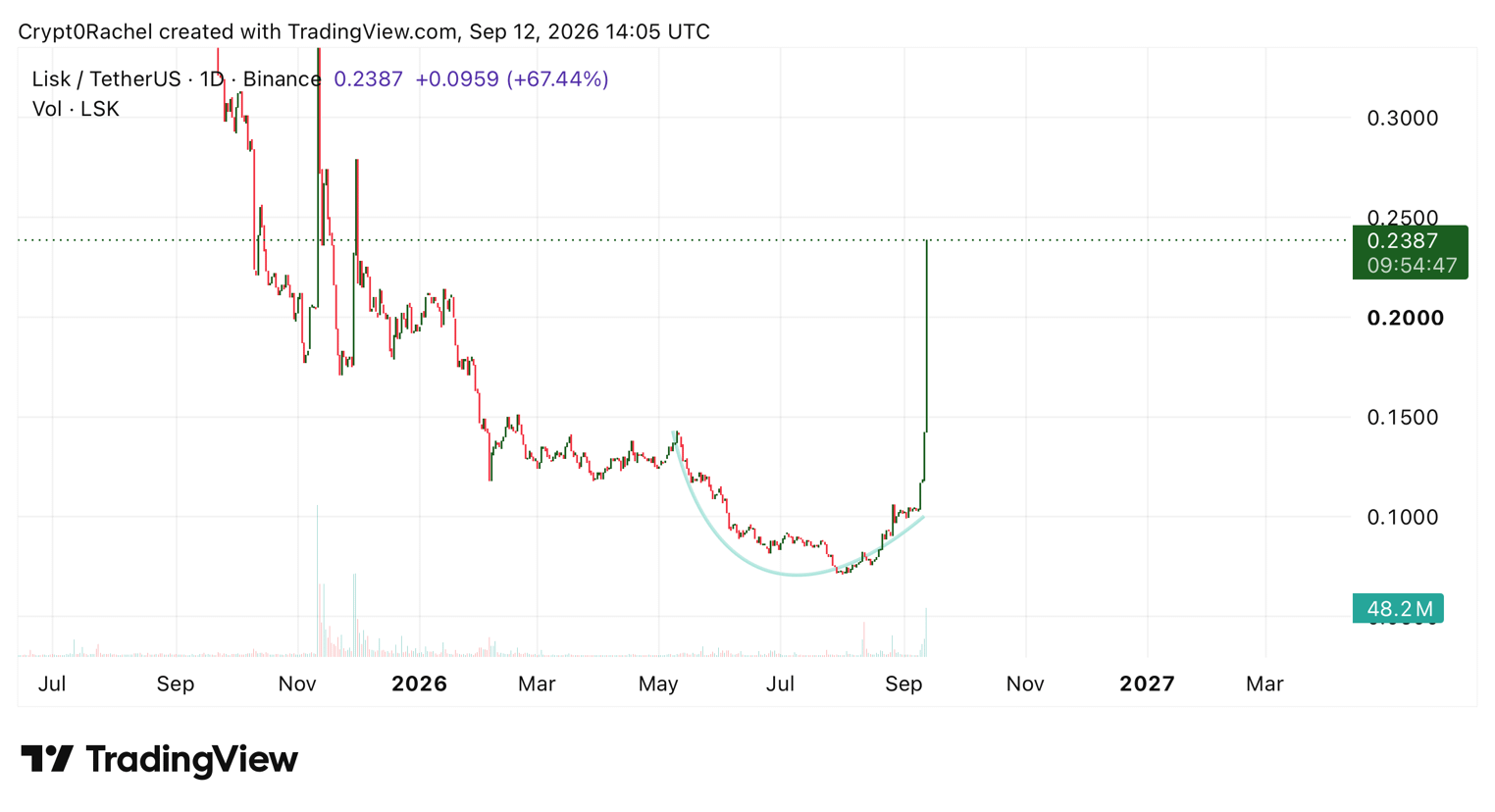
Mining $LSK? ⛏️ Here’s what I’m watching.
Mining isn’t just about getting block rewards.
Miners have to balance:
→ Hashrate
→ Electricity costs
→ Mining hardware
→ Network difficulty
→ Pool fees & performance
The goal is simple: use your computing power efficiently and stay profitable.
That’s why #cryptomining pools matter. Platforms like ViaBTC help miners combine their hashpower and make the mining process more practical.
$LSK is one network I’m keeping on my mining radar.
#LSK #Mining #CryptoMining #Write2Earn #Write2Earn!
Mining $LSK? ⛏️ Here’s what I’m watching.
Mining isn’t just about getting block rewards.
Miners have to balance:
→ Hashrate
→ Electricity costs
→ Mining hardware
→ Network difficulty
→ Pool fees & performance
The goal is simple: use your computing power efficiently and stay profitable.
That’s why #cryptomining pools matter. Platforms like ViaBTC help miners combine their hashpower and make the mining process more practical.
$LSK is one network I’m keeping on my mining radar.
#LSK #Mining #CryptoMining #Write2Earn #Write2Earn!
Mining isn’t just about getting block rewards.
Miners have to balance:
→ Hashrate
→ Electricity costs
→ Mining hardware
→ Network difficulty
→ Pool fees & performance
The goal is simple: use your computing power efficiently and stay profitable.
That’s why #cryptomining pools matter. Platforms like ViaBTC help miners combine their hashpower and make the mining process more practical.
$LSK is one network I’m keeping on my mining radar.
#LSK #Mining #CryptoMining #Write2Earn #Write2Earn!
221

·
--
The U.S. government splashed $73 million to support domestic mining technology! This move directly benefits the $BTC mining sector—looks like the U.S. wants to regain leadership in the crypto space!
US gov just dropped $73M for mining tech! Major boost for $BTC mining - looks like US wants to dominate crypto space!
#CryptoMining $BTC
The U.S. government splashed $73 million to support domestic mining technology! This move directly benefits the $BTC mining sector—looks like the U.S. wants to regain leadership in the crypto space!
US gov just dropped $73M for mining tech! Major boost for $BTC mining - looks like US wants to dominate crypto space!
#CryptoMining $BTC
US gov just dropped $73M for mining tech! Major boost for $BTC mining - looks like US wants to dominate crypto space!
#CryptoMining $BTC
48

📊 Shares of cryptocurrency mining companies witness a synchronized rebound alongside Bitcoin’s stability
Shares of data-center operating companies linked to the cryptocurrency mining sector recorded notable gains today. This rise coincided with Bitcoin’s price stabilizing near its recent levels. This move reflects the link between the performance of the leading digital currency and the stocks of companies operating within its infrastructure.
━━━━━━━━━━━━━━
📊 Impact: 📊 Average
🏷️ BITCOIN
#Bitcoin #CryptoMining #MarketUpdate #DataCenters #DigitalAssets
📰 Source: biztoc.com
📊 Shares of cryptocurrency mining companies witness a synchronized rebound alongside Bitcoin’s stability
Shares of data-center operating companies linked to the cryptocurrency mining sector recorded notable gains today. This rise coincided with Bitcoin’s price stabilizing near its recent levels. This move reflects the link between the performance of the leading digital currency and the stocks of companies operating within its infrastructure.
━━━━━━━━━━━━━━
📊 Impact: 📊 Average
🏷️ BITCOIN
#Bitcoin #CryptoMining #MarketUpdate #DataCenters #DigitalAssets
📰 Source: biztoc.com
Shares of data-center operating companies linked to the cryptocurrency mining sector recorded notable gains today. This rise coincided with Bitcoin’s price stabilizing near its recent levels. This move reflects the link between the performance of the leading digital currency and the stocks of companies operating within its infrastructure.
━━━━━━━━━━━━━━
📊 Impact: 📊 Average
🏷️ BITCOIN
#Bitcoin #CryptoMining #MarketUpdate #DataCenters #DigitalAssets
📰 Source: biztoc.com
25
·
--
Mexico has just seized 300 mining rigs, and these rigs were actually illegally connected to hydropower stations! Investigators are tracing who is paying the bill, and the possibility of money laundering cannot be ruled out. This matter again reminds everyone how crucial mining compliance is. In the short term, mining-related cryptocurrencies may see some minor fluctuations, but in the long run, industry standardization is a good thing. Global regulation of mining will only become stricter, and only compliant players will have the last laugh. #CryptoMining $BTC
Mexico has just seized 300 mining rigs, and these rigs were actually illegally connected to hydropower stations! Investigators are tracing who is paying the bill, and the possibility of money laundering cannot be ruled out. This matter again reminds everyone how crucial mining compliance is. In the short term, mining-related cryptocurrencies may see some minor fluctuations, but in the long run, industry standardization is a good thing. Global regulation of mining will only become stricter, and only compliant players will have the last laugh. #CryptoMining $BTC
74

·
--
See translation
💥 NEW YORK CITY WEIGHS 12-MONTH MORATORIUM ON CRYPTO MINING AND AI DATA CENTERS
Plattsburgh, New York, is considering a 12-month moratorium on new or expanded high-energy computing facilities, including crypto mining, blockchain validation, AI computing and large-scale data centers.
The proposed law would apply to facilities with connected electrical demand of at least 300 kW and would temporarily block new building, zoning and other land-use approvals while the city updates its zoning rules. Existing facilities could continue operating if they are already lawful and do not materially expand.
The proposal reflects growing concerns over electricity demand, grid capacity, cooling, noise, emergency response and infrastructure costs.
Importantly, this is not yet a ban. The city has not approved the measure and is scheduled to discuss it again on Sept. 17.
#BTC #CryptoMining #AI
#ThuyBNB
$BTC $BNB
💥 NEW YORK CITY WEIGHS 12-MONTH MORATORIUM ON CRYPTO MINING AND AI DATA CENTERS
Plattsburgh, New York, is considering a 12-month moratorium on new or expanded high-energy computing facilities, including crypto mining, blockchain validation, AI computing and large-scale data centers.
The proposed law would apply to facilities with connected electrical demand of at least 300 kW and would temporarily block new building, zoning and other land-use approvals while the city updates its zoning rules. Existing facilities could continue operating if they are already lawful and do not materially expand.
The proposal reflects growing concerns over electricity demand, grid capacity, cooling, noise, emergency response and infrastructure costs.
Importantly, this is not yet a ban. The city has not approved the measure and is scheduled to discuss it again on Sept. 17.
#BTC #CryptoMining #AI
#ThuyBNB
$BTC $BNB
Plattsburgh, New York, is considering a 12-month moratorium on new or expanded high-energy computing facilities, including crypto mining, blockchain validation, AI computing and large-scale data centers.
The proposed law would apply to facilities with connected electrical demand of at least 300 kW and would temporarily block new building, zoning and other land-use approvals while the city updates its zoning rules. Existing facilities could continue operating if they are already lawful and do not materially expand.
The proposal reflects growing concerns over electricity demand, grid capacity, cooling, noise, emergency response and infrastructure costs.
Importantly, this is not yet a ban. The city has not approved the measure and is scheduled to discuss it again on Sept. 17.
#BTC #CryptoMining #AI
#ThuyBNB
$BTC $BNB
66

·
--
See translation
🚀 $EUV DRIVES SAMSUNG'S HIGH-NA LITHO SHIFT – INDUSTRY REWRITE! 🦈
📊 Samsung’s joint push with ASML to adopt 12‑inch masks unlocks a 66% NA boost, slicing pattern size for DRAM by 2028. ⚡ The enlarged mask compensates EUV’s depth‑of‑focus limits, translating into higher fab throughput and lower per‑chip cost. 🌊 Extending the tech to a 1.4 nm logic node positions Samsung’s foundry as a liquidity source for next‑gen crypto‑miner silicon. 🔍 Institutional fabs are quietly re‑balancing supply, setting a new efficiency baseline.
💬 How will this lithography leap reshape the semiconductor supply chain for crypto miners? 👇
⚠️ Not financial advice. Always manage your risk. 🛡️
🏷️ #EUV #Semiconductor #TechShift #CryptoMining
🔥 💎
🚀 $EUV DRIVES SAMSUNG'S HIGH-NA LITHO SHIFT – INDUSTRY REWRITE! 🦈
📊 Samsung’s joint push with ASML to adopt 12‑inch masks unlocks a 66% NA boost, slicing pattern size for DRAM by 2028. ⚡ The enlarged mask compensates EUV’s depth‑of‑focus limits, translating into higher fab throughput and lower per‑chip cost. 🌊 Extending the tech to a 1.4 nm logic node positions Samsung’s foundry as a liquidity source for next‑gen crypto‑miner silicon. 🔍 Institutional fabs are quietly re‑balancing supply, setting a new efficiency baseline.
💬 How will this lithography leap reshape the semiconductor supply chain for crypto miners? 👇
⚠️ Not financial advice. Always manage your risk. 🛡️
🏷️ #EUV #Semiconductor #TechShift #CryptoMining
🔥 💎
📊 Samsung’s joint push with ASML to adopt 12‑inch masks unlocks a 66% NA boost, slicing pattern size for DRAM by 2028. ⚡ The enlarged mask compensates EUV’s depth‑of‑focus limits, translating into higher fab throughput and lower per‑chip cost. 🌊 Extending the tech to a 1.4 nm logic node positions Samsung’s foundry as a liquidity source for next‑gen crypto‑miner silicon. 🔍 Institutional fabs are quietly re‑balancing supply, setting a new efficiency baseline.
💬 How will this lithography leap reshape the semiconductor supply chain for crypto miners? 👇
⚠️ Not financial advice. Always manage your risk. 🛡️
🏷️ #EUV #Semiconductor #TechShift #CryptoMining
🔥 💎
31
·
--
A New York town is going all-out! After banning Bitcoin mining for 18 months, it now wants to affect AI data centers and the entire crypto mining industry. With this move, miners probably fear they’ll have to relocate en masse. In the short term, the market may face some pressure and mining-farm migration costs will rise, but in the long run, this is effectively forcing the industry onto a more compliant and eco-friendly roadmap. Mining isn’t a monster—sound, rational development is the way to go. $BTC $ETH #CryptoMining #Regulation
A New York town is going all-out! After banning Bitcoin mining for 18 months, it now wants to affect AI data centers and the entire crypto mining industry. With this move, miners probably fear they’ll have to relocate en masse. In the short term, the market may face some pressure and mining-farm migration costs will rise, but in the long run, this is effectively forcing the industry onto a more compliant and eco-friendly roadmap. Mining isn’t a monster—sound, rational development is the way to go. $BTC $ETH #CryptoMining #Regulation
56
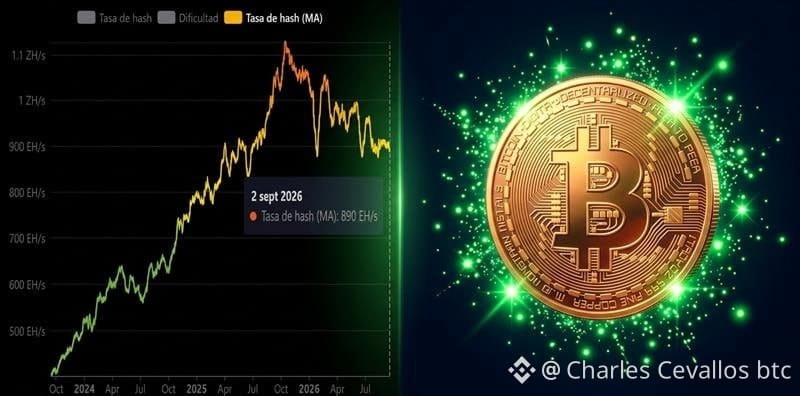
🔥 Adjustment in the Hashrate of $BTC : Strategic Cleanup or Capital Migration?
Bitcoin hashrate records a 19% contraction, mainly driven by the reallocation of electrical capacity (MW) from large public miners toward Artificial Intelligence (AI) and High-Performance Computing (HPC) infrastructure.
Technical-operational reading of the network:
Capacity Optimization: This does not reflect a security failure; companies are migrating their megawatts toward AI contracts with stable dollar-denominated revenue.
Difficulty Readjustment: The temporary exit of computing power forces a downward adjustment in mining difficulty, increasing marginal profitability (hashprice) for the efficient operators that remain active.
Selling Pressure: By diversifying revenue with AI, miners reduce their dependence on liquidating reserves of $BTC
{future}(BTCUSDT)
to cover operating costs.
💬 How do you see this move in the mining structure?
Do you think the migration toward AI will strengthen miners' financial health or reduce decentralization in the long term? Comment your view below and share the post!
#bitcoin #hashrate #CryptoMining #artificialintelligence
🔥 Adjustment in the Hashrate of $BTC : Strategic Cleanup or Capital Migration?
Bitcoin hashrate records a 19% contraction, mainly driven by the reallocation of electrical capacity (MW) from large public miners toward Artificial Intelligence (AI) and High-Performance Computing (HPC) infrastructure.
Technical-operational reading of the network:
Capacity Optimization: This does not reflect a security failure; companies are migrating their megawatts toward AI contracts with stable dollar-denominated revenue.
Difficulty Readjustment: The temporary exit of computing power forces a downward adjustment in mining difficulty, increasing marginal profitability (hashprice) for the efficient operators that remain active.
Selling Pressure: By diversifying revenue with AI, miners reduce their dependence on liquidating reserves of $BTC
to cover operating costs.
💬 How do you see this move in the mining structure?
Do you think the migration toward AI will strengthen miners' financial health or reduce decentralization in the long term? Comment your view below and share the post!
#bitcoin #hashrate #CryptoMining #artificialintelligence
Bitcoin hashrate records a 19% contraction, mainly driven by the reallocation of electrical capacity (MW) from large public miners toward Artificial Intelligence (AI) and High-Performance Computing (HPC) infrastructure.
Technical-operational reading of the network:
Capacity Optimization: This does not reflect a security failure; companies are migrating their megawatts toward AI contracts with stable dollar-denominated revenue.
Difficulty Readjustment: The temporary exit of computing power forces a downward adjustment in mining difficulty, increasing marginal profitability (hashprice) for the efficient operators that remain active.
Selling Pressure: By diversifying revenue with AI, miners reduce their dependence on liquidating reserves of $BTC
to cover operating costs.
💬 How do you see this move in the mining structure?
Do you think the migration toward AI will strengthen miners' financial health or reduce decentralization in the long term? Comment your view below and share the post!
#bitcoin #hashrate #CryptoMining #artificialintelligence
1
173

·
--
See translation
🚨 ZEC surges, pushing mining profits and hashrate to highs. Price momentum reflects strong miner interest and network activity. Watch for sustained demand in privacy-focused assets.
Could this rally extend into next week?
#CryptoMining
$ZEC #TradingSignal #CryptoAnalysis
🚨 ZEC surges, pushing mining profits and hashrate to highs. Price momentum reflects strong miner interest and network activity. Watch for sustained demand in privacy-focused assets.
Could this rally extend into next week?
#CryptoMining
$ZEC #TradingSignal #CryptoAnalysis
Could this rally extend into next week?
#CryptoMining
$ZEC #TradingSignal #CryptoAnalysis

87

·
--
See translation
A local moratorium discussion just put crypto mining back in the spotlight ⚠️
In Hancock County, supervisors did not vote on a proposed moratorium covering data centers, crypto mining, and solar farms after the paperwork was only just presented at Monday’s meeting. The issue was introduced by Supervisor Sis Greiman and will be taken up again later.
For crypto watchers, this matters because local policy can shape where mining operations can expand or even keep running. Nothing has been decided yet, so this isn’t a shutdown story — it’s a watch-the-next-meeting situation. But moves like this can create uncertainty for miners and for anyone tracking infrastructure-heavy crypto activity in the area.
The big picture? Crypto isn’t only about charts and exchanges. Sometimes the next headline comes from a county boardroom. 🏛️
Do you think local moratoriums like this can meaningfully pressure crypto mining, or is the impact usually overblown? 👀
#CryptoMining #DataCenters #SolarFarms #CryptoRegulation #BinanceSquare
A local moratorium discussion just put crypto mining back in the spotlight ⚠️
In Hancock County, supervisors did not vote on a proposed moratorium covering data centers, crypto mining, and solar farms after the paperwork was only just presented at Monday’s meeting. The issue was introduced by Supervisor Sis Greiman and will be taken up again later.
For crypto watchers, this matters because local policy can shape where mining operations can expand or even keep running. Nothing has been decided yet, so this isn’t a shutdown story — it’s a watch-the-next-meeting situation. But moves like this can create uncertainty for miners and for anyone tracking infrastructure-heavy crypto activity in the area.
The big picture? Crypto isn’t only about charts and exchanges. Sometimes the next headline comes from a county boardroom. 🏛️
Do you think local moratoriums like this can meaningfully pressure crypto mining, or is the impact usually overblown? 👀
#CryptoMining #DataCenters #SolarFarms #CryptoRegulation #BinanceSquare
In Hancock County, supervisors did not vote on a proposed moratorium covering data centers, crypto mining, and solar farms after the paperwork was only just presented at Monday’s meeting. The issue was introduced by Supervisor Sis Greiman and will be taken up again later.
For crypto watchers, this matters because local policy can shape where mining operations can expand or even keep running. Nothing has been decided yet, so this isn’t a shutdown story — it’s a watch-the-next-meeting situation. But moves like this can create uncertainty for miners and for anyone tracking infrastructure-heavy crypto activity in the area.
The big picture? Crypto isn’t only about charts and exchanges. Sometimes the next headline comes from a county boardroom. 🏛️
Do you think local moratoriums like this can meaningfully pressure crypto mining, or is the impact usually overblown? 👀
#CryptoMining #DataCenters #SolarFarms #CryptoRegulation #BinanceSquare
25
·
--
Water is more precious than ore! The mining frenzy in the U.S. Southwest directly crashes into the red line on water resources. The law may grant you mining rights, but the sky won’t give you water—there’s a gulf of ten thousand and eight thousand miles between paper rights and real water supply.
Don’t think this is just trouble for lithium and copper mines. Big miners can’t escape it either. In places like Texas and Arizona, where mining sites are clustered, machine cooling and power generation all rely on burning water. Once water gets tight, mining costs instantly soar.
My judgment is straightforward: going forward, mining won’t be just about power prices—it will also be about water. Only mining companies that implement water-saving solutions like immersion liquid cooling, waste-heat recovery, and using flare gas will have the last laugh. Loose, extensive mining will eventually be shuffled out.
In the short term, $BTC’s hash rate may see a wave of migration-related volatility, but in the long run, the survival of the fittest among miners will make the network healthier instead. In the next cycle, green, low-cost mining will be the way to go.
$BTC #BitcoinMining #CryptoMining
Water is more precious than ore! The mining frenzy in the U.S. Southwest directly crashes into the red line on water resources. The law may grant you mining rights, but the sky won’t give you water—there’s a gulf of ten thousand and eight thousand miles between paper rights and real water supply.
Don’t think this is just trouble for lithium and copper mines. Big miners can’t escape it either. In places like Texas and Arizona, where mining sites are clustered, machine cooling and power generation all rely on burning water. Once water gets tight, mining costs instantly soar.
My judgment is straightforward: going forward, mining won’t be just about power prices—it will also be about water. Only mining companies that implement water-saving solutions like immersion liquid cooling, waste-heat recovery, and using flare gas will have the last laugh. Loose, extensive mining will eventually be shuffled out.
In the short term, $BTC ’s hash rate may see a wave of migration-related volatility, but in the long run, the survival of the fittest among miners will make the network healthier instead. In the next cycle, green, low-cost mining will be the way to go.
$BTC #BitcoinMining #CryptoMining
Don’t think this is just trouble for lithium and copper mines. Big miners can’t escape it either. In places like Texas and Arizona, where mining sites are clustered, machine cooling and power generation all rely on burning water. Once water gets tight, mining costs instantly soar.
My judgment is straightforward: going forward, mining won’t be just about power prices—it will also be about water. Only mining companies that implement water-saving solutions like immersion liquid cooling, waste-heat recovery, and using flare gas will have the last laugh. Loose, extensive mining will eventually be shuffled out.
In the short term, $BTC ’s hash rate may see a wave of migration-related volatility, but in the long run, the survival of the fittest among miners will make the network healthier instead. In the next cycle, green, low-cost mining will be the way to go.
$BTC #BitcoinMining #CryptoMining
55

·
--
Article
See translation
Hut 8’s Texas Power Deal: 260× Revenue Lease Fuels AI‑Crypto Power SurgeHut 8’s Texas campus just inked a $19.6 billion lease—over 260 times its latest quarterly revenue—highlighting a new war for power between AI giants and crypto miners.
Why it matters now: AI firms like Anthropic are scrambling to lock in low‑cost, high‑capacity energy to keep their models running. Meanwhile, crypto miners are chasing the same cheap, renewable sources to shave operating costs. The convergence of these two high‑energy industries is creating a new “power frontier” that could reshape the competitive landscape for both sectors.
Smart money is already positioning: $BTC and $ETH holders are buying energy‑efficient mining rigs, while AI‑focused ETFs are allocating capital to infrastructure providers. #CryptoMining #AIInfrastructure #EnergyWars
Forward signal: If the Texas lease expands to 50 GW of capacity, we expect a 12‑15% uptick in mining hash rates and a 5‑7% rise in $BTC’s daily trading volume as miners shift to the new site. #PowerPlay
Are you ready to capitalize on the next wave of energy‑centric crypto growth?
Hut 8’s Texas Power Deal: 260× Revenue Lease Fuels AI‑Crypto Power Surge
Hut 8’s Texas campus just inked a $19.6 billion lease—over 260 times its latest quarterly revenue—highlighting a new war for power between AI giants and crypto miners.
Why it matters now: AI firms like Anthropic are scrambling to lock in low‑cost, high‑capacity energy to keep their models running. Meanwhile, crypto miners are chasing the same cheap, renewable sources to shave operating costs. The convergence of these two high‑energy industries is creating a new “power frontier” that could reshape the competitive landscape for both sectors.
Smart money is already positioning: $BTC and $ETH holders are buying energy‑efficient mining rigs, while AI‑focused ETFs are allocating capital to infrastructure providers. #CryptoMining #AIInfrastructure #EnergyWars
Forward signal: If the Texas lease expands to 50 GW of capacity, we expect a 12‑15% uptick in mining hash rates and a 5‑7% rise in $BTC ’s daily trading volume as miners shift to the new site. #PowerPlay
Are you ready to capitalize on the next wave of energy‑centric crypto growth?
Why it matters now: AI firms like Anthropic are scrambling to lock in low‑cost, high‑capacity energy to keep their models running. Meanwhile, crypto miners are chasing the same cheap, renewable sources to shave operating costs. The convergence of these two high‑energy industries is creating a new “power frontier” that could reshape the competitive landscape for both sectors.
Smart money is already positioning: $BTC and $ETH holders are buying energy‑efficient mining rigs, while AI‑focused ETFs are allocating capital to infrastructure providers. #CryptoMining #AIInfrastructure #EnergyWars
Forward signal: If the Texas lease expands to 50 GW of capacity, we expect a 12‑15% uptick in mining hash rates and a 5‑7% rise in $BTC ’s daily trading volume as miners shift to the new site. #PowerPlay
Are you ready to capitalize on the next wave of energy‑centric crypto growth?
16


Article
See translation
Why Owning Real Hardware Rigs is Dead: How Liquid Hashrate via GoMining Solves BTC MiningFor over a decade, Bitcoin mining was restricted to multi-million dollar corporations or individuals willing to deal with loud $5,000+ ASIC rigs, high electricity bills, and constant hardware depreciation.
GoMining (gomining.com) changes this dynamic through Liquid Bitcoin Hashrate (LBH). Instead of buying physical hardware, users hold Digital Miners—NFT assets backed by real computing power hosted in institutional-grade data centers operated worldwide.
How Liquid Bitcoin Hashrate Works
When you purchase a Digital Miner, you buy actual terahashes ($\text{TH/s}$) of mining power operating in facilities built in partnership with leading hardware providers like Bitmain.
Automated Daily Payouts: Every 24 hours, Bitcoin mining rewards are calculated based on your total terahashes and distributed straight to your wallet.No Facility Overhead: No noise, no heat, and zero setup knowledge required.Upgradable Hashpower & Energy Efficiency: Upgrade your miner's total power ($\text{TH}$) or energy efficiency ($\text{W/TH}$) anytime directly inside the app to optimize net daily returns.
Key Features Driving GoMining Yields
1. The $GOMINING Utility Discount
Operational costs (electricity and maintenance) are standard in Bitcoin mining. GoMining allows users to pay these daily maintenance fees using the platform's native token ($GOMINING) to unlock discounts up to 20%. Paying less for electricity directly increases your net daily $BTC rewards.
2. Gamified Mining via "Miner Wars"
For users seeking active participation, GoMining includes Miner Wars—a gamified arena where players form clans, pool their hashpower, and compete for additional $BTC and$GOMINING rewards beyond standard solo mining.
3. Integrated Financial Ecosystem
GoMining extends beyond basic cloud mining into a broader Bitcoin superapp:
Virtual/Physical Cards: Spend earned $BTC rewards in real life.Bitcoin-Backed Loans: Unlock liquidity against your digital miner or $BTC without selling your underlying assets.Simple Earn: Earn extra yield on idle crypto balances.
Step-by-Step: How to Start Mining Today
Sign Up: Create an account via the official app/web link.Select Your Digital Miner: Choose your desired starting hashpower ($\text{TH}$) based on your budget.Pay Maintenance in $GOMINING: Enable the maintenance token discount to maximize net yields.Collect Daily Bitcoin: Track block confirmations and collect daily $BTC payouts.
👉 Claim Your Starter Digital Miner & Join GoMining:
https://gomining.com/?ref=JZOO65H
Platform Summary
FeatureDetailsCore AssetDigital Miners (Liquid Hashrate NFTs)PayoutsDaily Bitcoin ($BTC) directly to walletToken Utility$GOMINING (Up to 20% maintenance fee discount)InfrastuctureGlobal data centers, Bitmain hardware partnerships
Disclaimer: Bitcoin mining returns fluctuate depending on network difficulty, energy costs, and market pricing. Always do your own research (DYOR).
#Bitcoin #CryptoMining
Why Owning Real Hardware Rigs is Dead: How Liquid Hashrate via GoMining Solves BTC Mining
For over a decade, Bitcoin mining was restricted to multi-million dollar corporations or individuals willing to deal with loud $5,000+ ASIC rigs, high electricity bills, and constant hardware depreciation.
GoMining (gomining.com) changes this dynamic through Liquid Bitcoin Hashrate (LBH). Instead of buying physical hardware, users hold Digital Miners—NFT assets backed by real computing power hosted in institutional-grade data centers operated worldwide.
How Liquid Bitcoin Hashrate Works
When you purchase a Digital Miner, you buy actual terahashes ($\text{TH/s}$) of mining power operating in facilities built in partnership with leading hardware providers like Bitmain.
Automated Daily Payouts: Every 24 hours, Bitcoin mining rewards are calculated based on your total terahashes and distributed straight to your wallet.No Facility Overhead: No noise, no heat, and zero setup knowledge required.Upgradable Hashpower & Energy Efficiency: Upgrade your miner's total power ($\text{TH}$) or energy efficiency ($\text{W/TH}$) anytime directly inside the app to optimize net daily returns.
Key Features Driving GoMining Yields
1. The $GOMINING Utility Discount
Operational costs (electricity and maintenance) are standard in Bitcoin mining. GoMining allows users to pay these daily maintenance fees using the platform's native token ($GOMINING) to unlock discounts up to 20%. Paying less for electricity directly increases your net daily $BTC rewards.
2. Gamified Mining via "Miner Wars"
For users seeking active participation, GoMining includes Miner Wars—a gamified arena where players form clans, pool their hashpower, and compete for additional $BTC and$GOMINING rewards beyond standard solo mining.
3. Integrated Financial Ecosystem
GoMining extends beyond basic cloud mining into a broader Bitcoin superapp:
Virtual/Physical Cards: Spend earned $BTC rewards in real life.Bitcoin-Backed Loans: Unlock liquidity against your digital miner or $BTC without selling your underlying assets.Simple Earn: Earn extra yield on idle crypto balances.
Step-by-Step: How to Start Mining Today
Sign Up: Create an account via the official app/web link.Select Your Digital Miner: Choose your desired starting hashpower ($\text{TH}$) based on your budget.Pay Maintenance in $GOMINING: Enable the maintenance token discount to maximize net yields.Collect Daily Bitcoin: Track block confirmations and collect daily $BTC payouts.
👉 Claim Your Starter Digital Miner & Join GoMining:
https://gomining.com/?ref=JZOO65H
Platform Summary
FeatureDetailsCore AssetDigital Miners (Liquid Hashrate NFTs)PayoutsDaily Bitcoin ($BTC) directly to walletToken Utility$GOMINING (Up to 20% maintenance fee discount)InfrastuctureGlobal data centers, Bitmain hardware partnerships
Disclaimer: Bitcoin mining returns fluctuate depending on network difficulty, energy costs, and market pricing. Always do your own research (DYOR).
#Bitcoin #CryptoMining
GoMining (gomining.com) changes this dynamic through Liquid Bitcoin Hashrate (LBH). Instead of buying physical hardware, users hold Digital Miners—NFT assets backed by real computing power hosted in institutional-grade data centers operated worldwide.
How Liquid Bitcoin Hashrate Works
When you purchase a Digital Miner, you buy actual terahashes ($\text{TH/s}$) of mining power operating in facilities built in partnership with leading hardware providers like Bitmain.
Automated Daily Payouts: Every 24 hours, Bitcoin mining rewards are calculated based on your total terahashes and distributed straight to your wallet.No Facility Overhead: No noise, no heat, and zero setup knowledge required.Upgradable Hashpower & Energy Efficiency: Upgrade your miner's total power ($\text{TH}$) or energy efficiency ($\text{W/TH}$) anytime directly inside the app to optimize net daily returns.
Key Features Driving GoMining Yields
1. The $GOMINING Utility Discount
Operational costs (electricity and maintenance) are standard in Bitcoin mining. GoMining allows users to pay these daily maintenance fees using the platform's native token ($GOMINING) to unlock discounts up to 20%. Paying less for electricity directly increases your net daily $BTC rewards.
2. Gamified Mining via "Miner Wars"
For users seeking active participation, GoMining includes Miner Wars—a gamified arena where players form clans, pool their hashpower, and compete for additional $BTC and$GOMINING rewards beyond standard solo mining.
3. Integrated Financial Ecosystem
GoMining extends beyond basic cloud mining into a broader Bitcoin superapp:
Virtual/Physical Cards: Spend earned $BTC rewards in real life.Bitcoin-Backed Loans: Unlock liquidity against your digital miner or $BTC without selling your underlying assets.Simple Earn: Earn extra yield on idle crypto balances.
Step-by-Step: How to Start Mining Today
Sign Up: Create an account via the official app/web link.Select Your Digital Miner: Choose your desired starting hashpower ($\text{TH}$) based on your budget.Pay Maintenance in $GOMINING: Enable the maintenance token discount to maximize net yields.Collect Daily Bitcoin: Track block confirmations and collect daily $BTC payouts.
👉 Claim Your Starter Digital Miner & Join GoMining:
https://gomining.com/?ref=JZOO65H
Platform Summary
FeatureDetailsCore AssetDigital Miners (Liquid Hashrate NFTs)PayoutsDaily Bitcoin ($BTC) directly to walletToken Utility$GOMINING (Up to 20% maintenance fee discount)InfrastuctureGlobal data centers, Bitmain hardware partnerships
Disclaimer: Bitcoin mining returns fluctuate depending on network difficulty, energy costs, and market pricing. Always do your own research (DYOR).
#Bitcoin #CryptoMining
1
87

·
--
See translation
Bitcoin's Subsidy Clock Is Ticking — And The Fee Market Has To Answer
Most people focus on the halving as a price catalyst. Far fewer talk about what happens when the block subsidy approaches zero — and why that makes the next decade critical for $BTC's long-term security model.
Right now, miners rely on the block reward for the vast majority of their revenue. Transaction fees are secondary. But Bitcoin was designed to transition away from subsidies entirely. The long-term security budget depends entirely on fee revenue being sufficient to incentivize miners to keep the network honest.
That shift hasn't happened yet. And it has to.
The optimistic case: Bitcoin blockspace becomes genuinely scarce and valuable. Ordinals and BRC-20s gave the first real glimpse of fee spikes driven by demand, not just congestion. Layer 2 protocols like Lightning and newer Bitcoin L2s could drive enormous settlement volume back to the base layer, creating sustained fee pressure.
$ETH already solved this problem structurally with EIP-1559 and a burn mechanism. $SOL is evolving its fee markets. Bitcoin's path is different — no protocol-enforced burn, no staking yield. Just pure fee market economics.
This is not a flaw. It's a design bet. The question is whether Bitcoin's fee market matures fast enough to sustain miner security long before the subsidy becomes negligible.
If it does, Bitcoin's decentralization story is the strongest in crypto. If it doesn't, it's the most important unresolved risk in the entire asset class.
#Bitcoin #CryptoMining #BlockchainSecurity #LongTermCrypto #BTC
Bitcoin's Subsidy Clock Is Ticking — And The Fee Market Has To Answer
Most people focus on the halving as a price catalyst. Far fewer talk about what happens when the block subsidy approaches zero — and why that makes the next decade critical for $BTC 's long-term security model.
Right now, miners rely on the block reward for the vast majority of their revenue. Transaction fees are secondary. But Bitcoin was designed to transition away from subsidies entirely. The long-term security budget depends entirely on fee revenue being sufficient to incentivize miners to keep the network honest.
That shift hasn't happened yet. And it has to.
The optimistic case: Bitcoin blockspace becomes genuinely scarce and valuable. Ordinals and BRC-20s gave the first real glimpse of fee spikes driven by demand, not just congestion. Layer 2 protocols like Lightning and newer Bitcoin L2s could drive enormous settlement volume back to the base layer, creating sustained fee pressure.
$ETH already solved this problem structurally with EIP-1559 and a burn mechanism. $SOL is evolving its fee markets. Bitcoin's path is different — no protocol-enforced burn, no staking yield. Just pure fee market economics.
This is not a flaw. It's a design bet. The question is whether Bitcoin's fee market matures fast enough to sustain miner security long before the subsidy becomes negligible.
If it does, Bitcoin's decentralization story is the strongest in crypto. If it doesn't, it's the most important unresolved risk in the entire asset class.
#Bitcoin #CryptoMining #BlockchainSecurity #LongTermCrypto #BTC
Most people focus on the halving as a price catalyst. Far fewer talk about what happens when the block subsidy approaches zero — and why that makes the next decade critical for $BTC 's long-term security model.
Right now, miners rely on the block reward for the vast majority of their revenue. Transaction fees are secondary. But Bitcoin was designed to transition away from subsidies entirely. The long-term security budget depends entirely on fee revenue being sufficient to incentivize miners to keep the network honest.
That shift hasn't happened yet. And it has to.
The optimistic case: Bitcoin blockspace becomes genuinely scarce and valuable. Ordinals and BRC-20s gave the first real glimpse of fee spikes driven by demand, not just congestion. Layer 2 protocols like Lightning and newer Bitcoin L2s could drive enormous settlement volume back to the base layer, creating sustained fee pressure.
$ETH already solved this problem structurally with EIP-1559 and a burn mechanism. $SOL is evolving its fee markets. Bitcoin's path is different — no protocol-enforced burn, no staking yield. Just pure fee market economics.
This is not a flaw. It's a design bet. The question is whether Bitcoin's fee market matures fast enough to sustain miner security long before the subsidy becomes negligible.
If it does, Bitcoin's decentralization story is the strongest in crypto. If it doesn't, it's the most important unresolved risk in the entire asset class.
#Bitcoin #CryptoMining #BlockchainSecurity #LongTermCrypto #BTC
90

·
--
Verified
See translation
⛏️ MINING:
Luke Dashjr’s exit from OCEAN could become a bigger story than it first appears.
After a full equity buyout, he has stepped down from his roles as chairman, CTO and director. But the real question isn’t just about one person leaving.
It’s about the hashrate. ⚡
OCEAN currently represents around 2.5%–3% of Bitcoin’s hashrate. If a meaningful number of miners decide to follow Dashjr toward his new CONVOY pool, the mining landscape could start shifting.
The catch? CONVOY still hasn’t revealed its operating endpoint, miner base or infrastructure.
So for now, this is more of a transition than a migration.
Will miners stay with OCEAN—or wait for Dashjr’s next move? 👀
#Bitcoin #BTC #CryptoMining #BinanceSquare #CryptoNews
⛏️ MINING:
Luke Dashjr’s exit from OCEAN could become a bigger story than it first appears.
After a full equity buyout, he has stepped down from his roles as chairman, CTO and director. But the real question isn’t just about one person leaving.
It’s about the hashrate. ⚡
OCEAN currently represents around 2.5%–3% of Bitcoin’s hashrate. If a meaningful number of miners decide to follow Dashjr toward his new CONVOY pool, the mining landscape could start shifting.
The catch? CONVOY still hasn’t revealed its operating endpoint, miner base or infrastructure.
So for now, this is more of a transition than a migration.
Will miners stay with OCEAN—or wait for Dashjr’s next move? 👀
#Bitcoin #BTC #CryptoMining #BinanceSquare #CryptoNews
Luke Dashjr’s exit from OCEAN could become a bigger story than it first appears.
After a full equity buyout, he has stepped down from his roles as chairman, CTO and director. But the real question isn’t just about one person leaving.
It’s about the hashrate. ⚡
OCEAN currently represents around 2.5%–3% of Bitcoin’s hashrate. If a meaningful number of miners decide to follow Dashjr toward his new CONVOY pool, the mining landscape could start shifting.
The catch? CONVOY still hasn’t revealed its operating endpoint, miner base or infrastructure.
So for now, this is more of a transition than a migration.
Will miners stay with OCEAN—or wait for Dashjr’s next move? 👀
#Bitcoin #BTC #CryptoMining #BinanceSquare #CryptoNews

1
1
696
Log in to explore more content
Join global crypto users on Binance Square
⚡️ Get latest and useful information about crypto.
💬 Trusted by the world’s largest crypto exchange.
👍 Discover real insights from verified creators.
Email / Phone number
Trending Topics
1
#BTCBreaks80K
158,582 views
2,543 Discussing
2
#比特币突破8万
111,477 views
328 Discussing
3
#BitcoinMarketCapTopsTesla
2,018 views
149 Discussing
4
#SOLJumpsAbout10%
10,362 views
294 Discussing
5
#EthereumReclaims$2600
1,065 views
34 Discussing
6
#LineraShutsDownAfterFundraisingFallsShort
0 views
5 Discussing
7
#SECReceivesAmendedInjectiveETFFiling
8,365 views
278 Discussing
8
#SanDiskToJoinSP100OnSep21
6,551 views
179 Discussing
9
#PolygonToDeployContractBurning100MPOL
4,466 views
146 Discussing
10
#TRMReportsYouTubeScamStole274.6ETH
2,006 views
66 Discussing