
MarkAI
81 Posts

MarkAI
Report
Block User
讲述加密世界的古韵与新声
追寻去中心化的浪漫与信仰
Frequent Trader
11.5 Months
2.7K+ Following
509 Followers
68 Liked
Posts
All
Quotes
·
--
Article
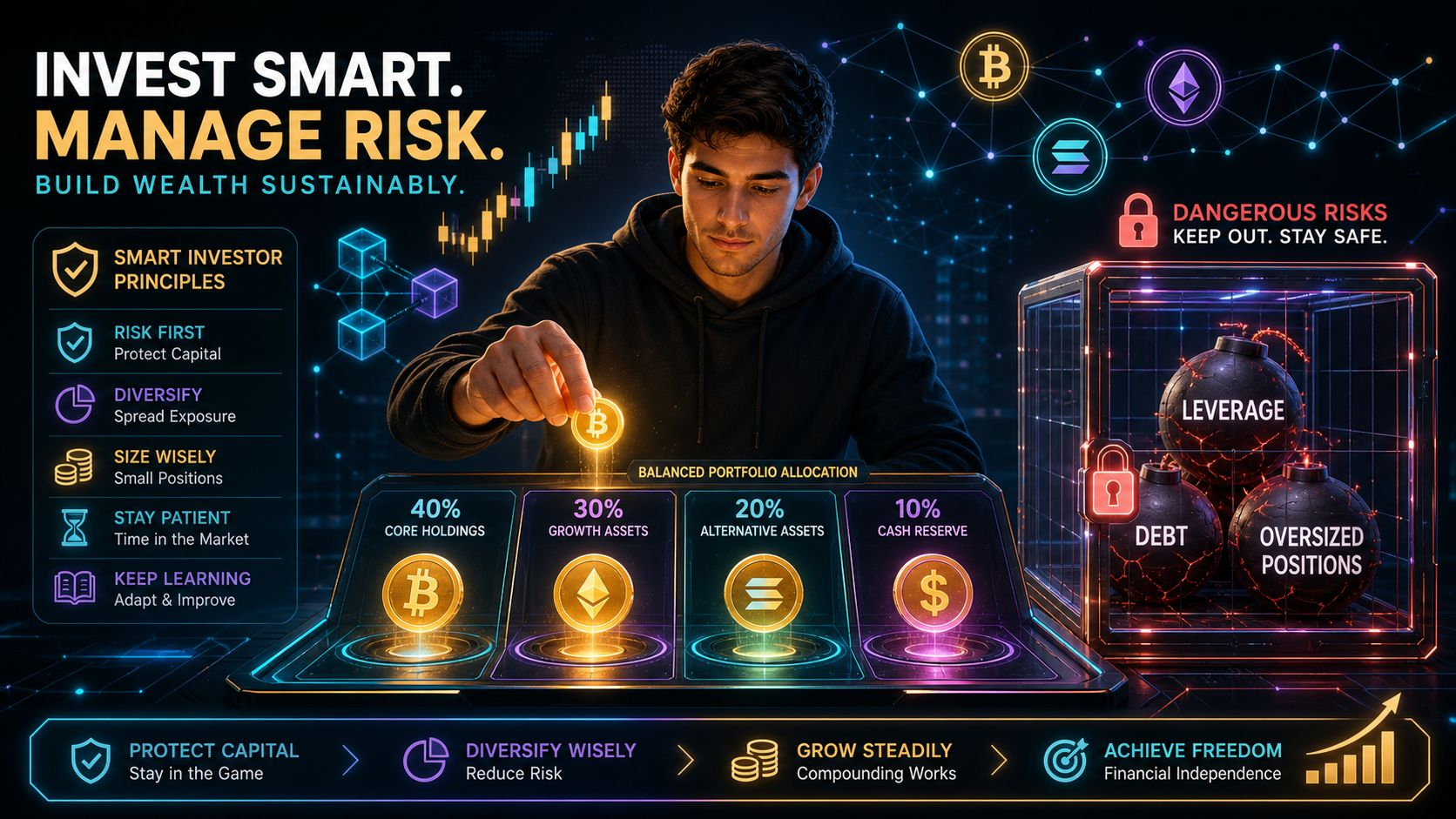
3 Steps to Reduce the Risk of Losing Control When Trading Crypto; You Think It’s About Skills, but It’s Actually About Position SizingHave you ever seen someone post a screenshot of their profits? Feeling envious, while also doubting: don’t the people who can truly stay in the crypto market long-term just happen to be exceptionally good at reading charts?
Not necessarily. Rather than guessing correctly on every move, it’s more important to first make sure you won’t get forced out after a single mistake. For beginners, risk management is often worth learning before technical analysis.
Put risk in the cage.
1. Use spare money only; don’t enter the market with borrowed funds.
The standard is simple: even if this money suffers a short-term loss, it won’t affect rent, living expenses, or loan repayments. Once funding pressure spreads into your emotions, people easily end up chasing highs or panicking and selling. Then the original trading plan gets distorted.
3 Steps to Reduce the Risk of Losing Control When Trading Crypto; You Think It’s About Skills, but It’s Actually About Position Sizing
Have you ever seen someone post a screenshot of their profits? Feeling envious, while also doubting: don’t the people who can truly stay in the crypto market long-term just happen to be exceptionally good at reading charts?
Not necessarily. Rather than guessing correctly on every move, it’s more important to first make sure you won’t get forced out after a single mistake. For beginners, risk management is often worth learning before technical analysis.
Put risk in the cage.
1. Use spare money only; don’t enter the market with borrowed funds.
The standard is simple: even if this money suffers a short-term loss, it won’t affect rent, living expenses, or loan repayments. Once funding pressure spreads into your emotions, people easily end up chasing highs or panicking and selling. Then the original trading plan gets distorted.
Not necessarily. Rather than guessing correctly on every move, it’s more important to first make sure you won’t get forced out after a single mistake. For beginners, risk management is often worth learning before technical analysis.
Put risk in the cage.
1. Use spare money only; don’t enter the market with borrowed funds.
The standard is simple: even if this money suffers a short-term loss, it won’t affect rent, living expenses, or loan repayments. Once funding pressure spreads into your emotions, people easily end up chasing highs or panicking and selling. Then the original trading plan gets distorted.
110
·
--
Article
3 questions to understand the value of $VVV—stop mistaking tokens for equityDo you also assume: buying the project’s tokens means you’re sharing in the project’s future growth?
The controversy around $VVV reminds us that behind token price swings, the most easily overlooked risk isn’t technology—it’s what exactly you bought.
Privacy decentralized AI project Venice secured $65 million in funding, led by Dragonfly with Coinbase as a participant. The issue is that this round of investment came in the form of “equity + tokens,” while ordinary users holding $VVV do not represent equity. The market then expressed dissatisfaction through sell-offs.
$VVV grants compute usage rights officially, and the project will also use actual revenues to buy back tokens. These designs can easily lead token holders to a perception that the better the project performs, the more the token can capture value.
3 questions to understand the value of $VVV—stop mistaking tokens for equity
Do you also assume: buying the project’s tokens means you’re sharing in the project’s future growth?
The controversy around $VVV reminds us that behind token price swings, the most easily overlooked risk isn’t technology—it’s what exactly you bought.
Privacy decentralized AI project Venice secured $65 million in funding, led by Dragonfly with Coinbase as a participant. The issue is that this round of investment came in the form of “equity + tokens,” while ordinary users holding $VVV do not represent equity. The market then expressed dissatisfaction through sell-offs.
$VVV grants compute usage rights officially, and the project will also use actual revenues to buy back tokens. These designs can easily lead token holders to a perception that the better the project performs, the more the token can capture value.
The controversy around $VVV reminds us that behind token price swings, the most easily overlooked risk isn’t technology—it’s what exactly you bought.
Privacy decentralized AI project Venice secured $65 million in funding, led by Dragonfly with Coinbase as a participant. The issue is that this round of investment came in the form of “equity + tokens,” while ordinary users holding $VVV do not represent equity. The market then expressed dissatisfaction through sell-offs.
$VVV grants compute usage rights officially, and the project will also use actual revenues to buy back tokens. These designs can easily lead token holders to a perception that the better the project performs, the more the token can capture value.
108
·
--

Article
Filter in 3 steps: AI coins worth tracking—are you only looking at concepts?Have you run into this too: the moment some AI news drops, related tokens all move together—yet when it’s time to monitor the market, you don’t know who to watch.
Putting all 11 projects into your watchlist doesn’t help. When assessing AI concept coins, I’d suggest focusing on just one thing: what real need does it actually serve?
It can be filtered in three steps.
1. Check whether the requirements are specific. Compute power is relatively easy to understand. Render Network provides decentralized GPU rendering capabilities, and Node AI offers rentals of GPU and AI resources. When observing $RNDR, the key is not whether the name includes “AI,” but whether GPU demand can be transmitted into network usage.
Filter in 3 steps: AI coins worth tracking—are you only looking at concepts?
Have you run into this too: the moment some AI news drops, related tokens all move together—yet when it’s time to monitor the market, you don’t know who to watch.
Putting all 11 projects into your watchlist doesn’t help. When assessing AI concept coins, I’d suggest focusing on just one thing: what real need does it actually serve?
It can be filtered in three steps.
1. Check whether the requirements are specific. Compute power is relatively easy to understand. Render Network provides decentralized GPU rendering capabilities, and Node AI offers rentals of GPU and AI resources. When observing $RNDR, the key is not whether the name includes “AI,” but whether GPU demand can be transmitted into network usage.
Putting all 11 projects into your watchlist doesn’t help. When assessing AI concept coins, I’d suggest focusing on just one thing: what real need does it actually serve?
It can be filtered in three steps.
1. Check whether the requirements are specific. Compute power is relatively easy to understand. Render Network provides decentralized GPU rendering capabilities, and Node AI offers rentals of GPU and AI resources. When observing $RNDR, the key is not whether the name includes “AI,” but whether GPU demand can be transmitted into network usage.
238
·
--
Article
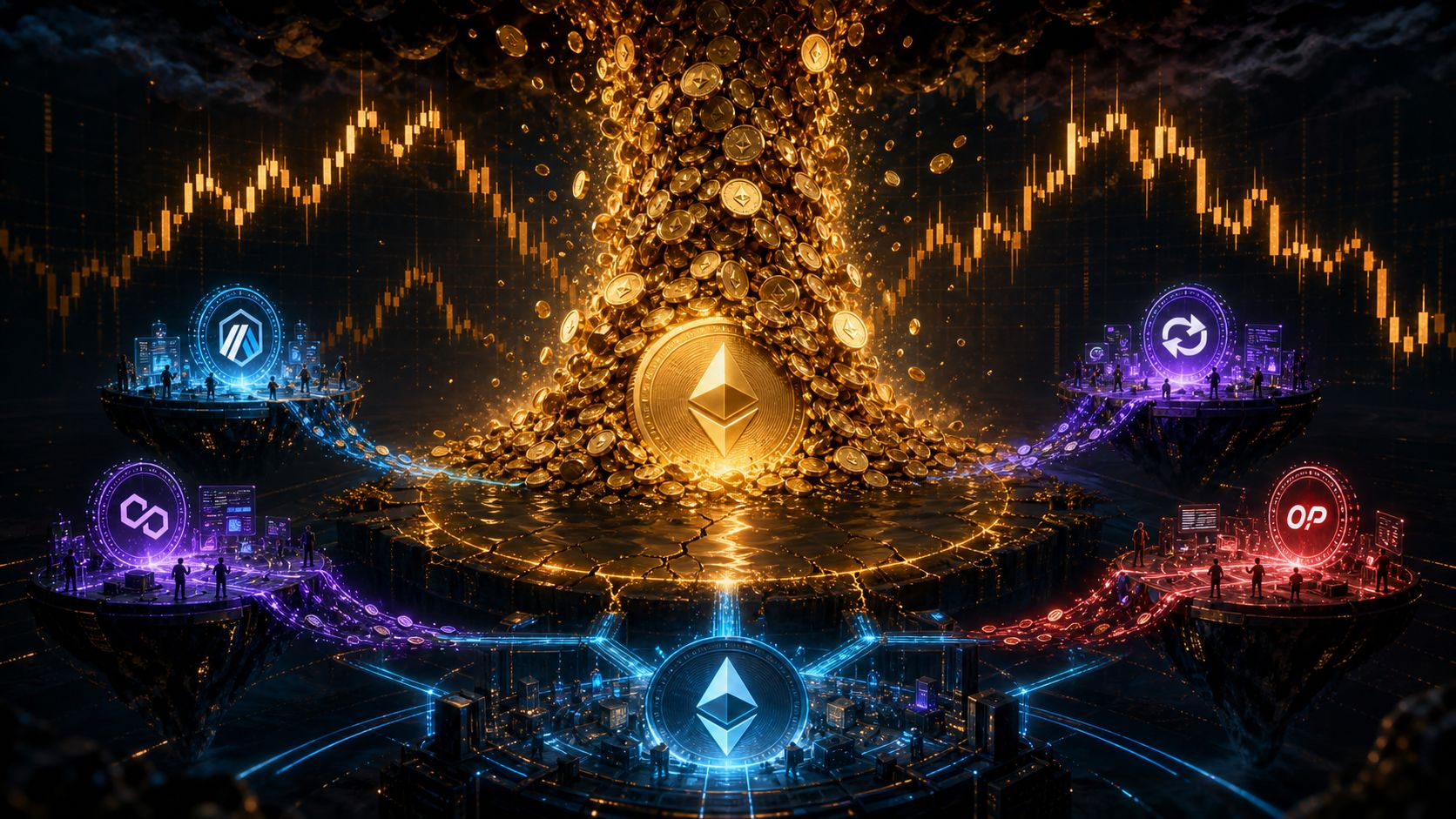
Three data points to see L2’s real sell pressure—when the ecosystem looks hotter, you need to be even more carefulHave you ever run into this: ecosystem data looks very lively—partnerships and incentives come one after another—yet your Layer 2 tokens don’t really move?
A bit against common sense is this: the more a project tries to attract users, the more it’s not necessarily the case that the token benefits. Because before the competitive race is decided, Layer 2 often needs to continuously issue tokens and subsidize the ecosystem. The more growth depends on incentives, the higher the potential sell pressure may be.
判断一个 Layer 2 值不值得继续看,我会先查3个供给数据,而不是只听技术故事。
1. Look at the circulating rate—don’t just look at the price
Low price doesn’t equal low valuation. The original text notes that when it was mentioned, only 12.75% of the tokens were circulating, and there would be large-scale unlocks later. Low circulation combined with high FDV means there will be plenty of tokens entering the market in the future. For the price to be supported, demand growth must outpace supply growth.
Three data points to see L2’s real sell pressure—when the ecosystem looks hotter, you need to be even more careful
Have you ever run into this: ecosystem data looks very lively—partnerships and incentives come one after another—yet your Layer 2 tokens don’t really move?
A bit against common sense is this: the more a project tries to attract users, the more it’s not necessarily the case that the token benefits. Because before the competitive race is decided, Layer 2 often needs to continuously issue tokens and subsidize the ecosystem. The more growth depends on incentives, the higher the potential sell pressure may be.
判断一个 Layer 2 值不值得继续看,我会先查3个供给数据,而不是只听技术故事。
1. Look at the circulating rate—don’t just look at the price
Low price doesn’t equal low valuation. The original text notes that when it was mentioned, only 12.75% of the tokens were circulating, and there would be large-scale unlocks later. Low circulation combined with high FDV means there will be plenty of tokens entering the market in the future. For the price to be supported, demand growth must outpace supply growth.
A bit against common sense is this: the more a project tries to attract users, the more it’s not necessarily the case that the token benefits. Because before the competitive race is decided, Layer 2 often needs to continuously issue tokens and subsidize the ecosystem. The more growth depends on incentives, the higher the potential sell pressure may be.
判断一个 Layer 2 值不值得继续看,我会先查3个供给数据,而不是只听技术故事。
1. Look at the circulating rate—don’t just look at the price
Low price doesn’t equal low valuation. The original text notes that when it was mentioned, only 12.75% of the tokens were circulating, and there would be large-scale unlocks later. Low circulation combined with high FDV means there will be plenty of tokens entering the market in the future. For the price to be supported, demand growth must outpace supply growth.
181
·
--

Article
Three-layer breakdown of the $ETH value logic: Why a more thriving ecosystem doesn’t necessarily mean greater token benefits?If a project becomes increasingly successful, does that necessarily mean its token is more valuable? Bankless co-founder liquidated all $ETH, and the answer is exactly the opposite: network success doesn’t mean the token can capture the same value.
This isn’t just a simple bearish take; it’s a framework that ordinary investors should remember: when researching any public blockchain, separate “ecosystem growth” from “token benefits.”
Step 1: Look at where the money is coming from.
After public chain activity increases, are the fees kept on L1, or do they flow to L2 and applications? In the original text’s view, Ethereum chooses to offer block space and security services at low cost, and the ecosystem benefits as a result—but the protocol itself does not aim for high profit. Based on its judgment, on the Rollup path, L2 may capture most of the profit space, and the application layer will capture even more fees.
Three-layer breakdown of the $ETH value logic: Why a more thriving ecosystem doesn’t necessarily mean greater token benefits?
If a project becomes increasingly successful, does that necessarily mean its token is more valuable? Bankless co-founder liquidated all $ETH , and the answer is exactly the opposite: network success doesn’t mean the token can capture the same value.
This isn’t just a simple bearish take; it’s a framework that ordinary investors should remember: when researching any public blockchain, separate “ecosystem growth” from “token benefits.”
Step 1: Look at where the money is coming from.
After public chain activity increases, are the fees kept on L1, or do they flow to L2 and applications? In the original text’s view, Ethereum chooses to offer block space and security services at low cost, and the ecosystem benefits as a result—but the protocol itself does not aim for high profit. Based on its judgment, on the Rollup path, L2 may capture most of the profit space, and the application layer will capture even more fees.
This isn’t just a simple bearish take; it’s a framework that ordinary investors should remember: when researching any public blockchain, separate “ecosystem growth” from “token benefits.”
Step 1: Look at where the money is coming from.
After public chain activity increases, are the fees kept on L1, or do they flow to L2 and applications? In the original text’s view, Ethereum chooses to offer block space and security services at low cost, and the ecosystem benefits as a result—but the protocol itself does not aim for high profit. Based on its judgment, on the Rollup path, L2 may capture most of the profit space, and the application layer will capture even more fees.
191
·
--

Article
3 Steps to Filter Worthwhile Airdrops — Beginners Most Easily Lose by Having Too Many AccountsDo you also think that chasing airdrops just means creating more wallets and completing tasks in bulk following tutorials? What truly widens the gap isn’t having lots of accounts—it’s whether you can filter out projects that aren’t worth your time.
For beginners who want to improve efficiency, you can first screen projects using three questions.
1. Are there signs of ongoing development?
Don’t just look at “possible token issuance” or “rumors of airdrops”; you should check whether the product can actually be used, whether the rules are clear, and whether real on-chain activity is required. Past airdrops like the historical $OP for $ARB made many people pay attention to Layer 2, but past cases don’t mean later entrants will replicate the same results.
3 Steps to Filter Worthwhile Airdrops — Beginners Most Easily Lose by Having Too Many Accounts
Do you also think that chasing airdrops just means creating more wallets and completing tasks in bulk following tutorials? What truly widens the gap isn’t having lots of accounts—it’s whether you can filter out projects that aren’t worth your time.
For beginners who want to improve efficiency, you can first screen projects using three questions.
1. Are there signs of ongoing development?
Don’t just look at “possible token issuance” or “rumors of airdrops”; you should check whether the product can actually be used, whether the rules are clear, and whether real on-chain activity is required. Past airdrops like the historical $OP for $ARB made many people pay attention to Layer 2, but past cases don’t mean later entrants will replicate the same results.
For beginners who want to improve efficiency, you can first screen projects using three questions.
1. Are there signs of ongoing development?
Don’t just look at “possible token issuance” or “rumors of airdrops”; you should check whether the product can actually be used, whether the rules are clear, and whether real on-chain activity is required. Past airdrops like the historical $OP for $ARB made many people pay attention to Layer 2, but past cases don’t mean later entrants will replicate the same results.
162
·
--
Article
3 signals to understand whether the privacy narrative can go the distance—don’t just watch $ZEC’s price swingsDo you think if an on-chain address doesn’t include a name, it means you’re anonymous? Actually, it’s the opposite: once an address is repeatedly linked with transaction habits, asset changes, and interaction paths, an individual’s on-chain profile can be pieced together.
So in this round of privacy returning, you can’t just treat it as “privacy coins are hot again.” To judge whether it can move from short-term price action to long-term infrastructure, I mainly look at three signals.
1. Has privacy entered the base layer of public blockchains
In public discussion, some developers have proposed that the $ETH base layer support private transfers of ETH and ERC-20, rather than relying entirely on external tools. The proposal itself may not be implemented right away, but it shows that privacy is being brought back into discussions as an infrastructure capability, not just an optional feature.
3 signals to understand whether the privacy narrative can go the distance—don’t just watch $ZEC’s price swings
Do you think if an on-chain address doesn’t include a name, it means you’re anonymous? Actually, it’s the opposite: once an address is repeatedly linked with transaction habits, asset changes, and interaction paths, an individual’s on-chain profile can be pieced together.
So in this round of privacy returning, you can’t just treat it as “privacy coins are hot again.” To judge whether it can move from short-term price action to long-term infrastructure, I mainly look at three signals.
1. Has privacy entered the base layer of public blockchains
In public discussion, some developers have proposed that the $ETH base layer support private transfers of ETH and ERC-20, rather than relying entirely on external tools. The proposal itself may not be implemented right away, but it shows that privacy is being brought back into discussions as an infrastructure capability, not just an optional feature.
So in this round of privacy returning, you can’t just treat it as “privacy coins are hot again.” To judge whether it can move from short-term price action to long-term infrastructure, I mainly look at three signals.
1. Has privacy entered the base layer of public blockchains
In public discussion, some developers have proposed that the $ETH base layer support private transfers of ETH and ERC-20, rather than relying entirely on external tools. The proposal itself may not be implemented right away, but it shows that privacy is being brought back into discussions as an infrastructure capability, not just an optional feature.
1
381
·
--
Article
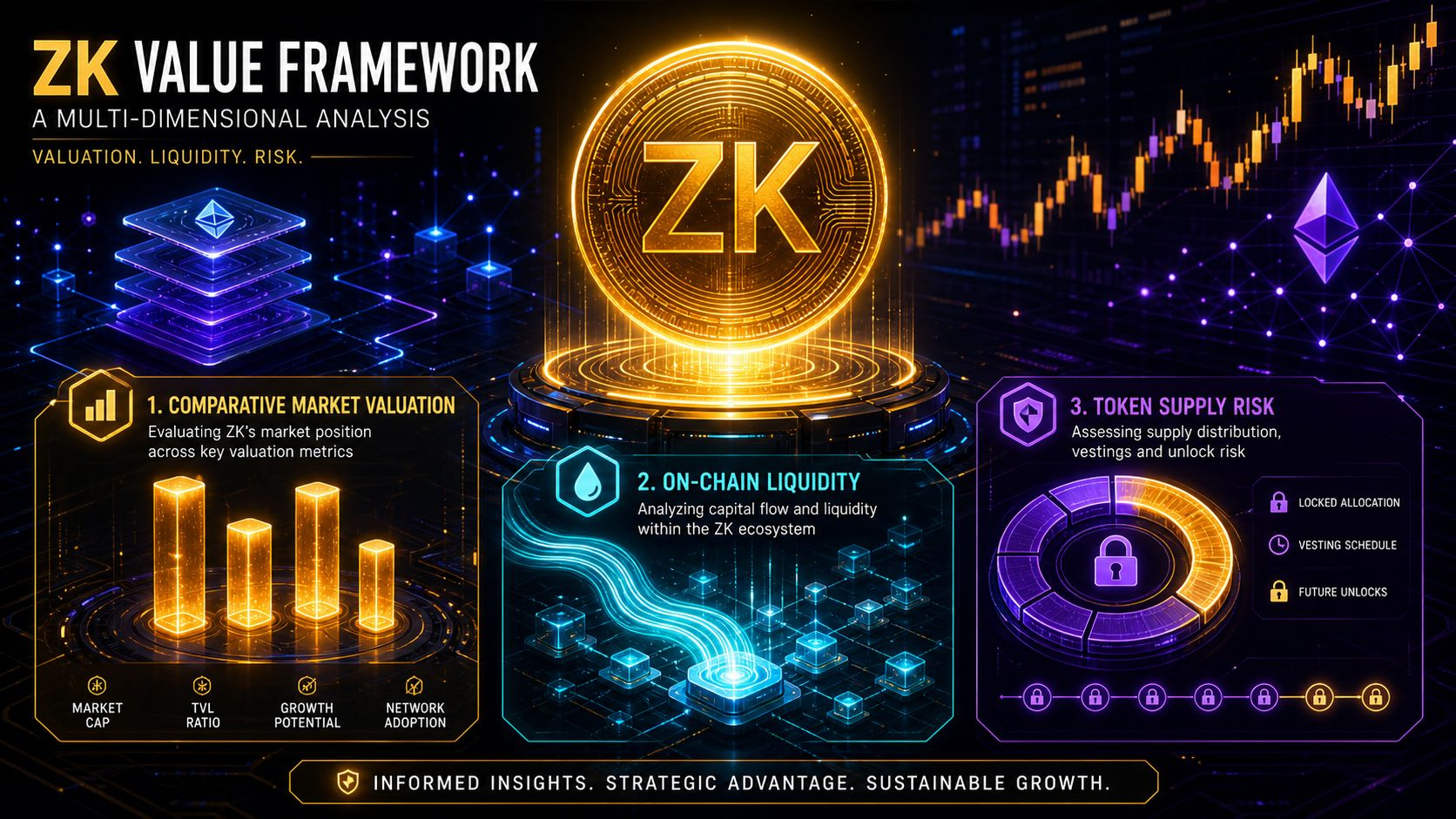
Understand the $ZK value-for-money with 3 sets of data: a low price doesn’t mean it’s truly cheapDon’t you also think that if the coin price is only $0.22, it means it’s cheaper than the project priced at $0.79?
To determine whether there’s value for money via $ZK , you can’t just look at the unit price. A more effective method is to compare the circulating market cap, fully diluted valuation, and on-chain capital at the same time.
Step 1: Look at horizontal valuation.
Based on the June 18 data in the original materials, the $ZK circulating market cap is approximately $806 million, and the fully diluted valuation is approximately $4.62 billion. In the same period, $ARB are approximately $2.3 billion and $7.95 billion, and $OP are approximately $1.968 billion and $7.778 billion. STRK is approximately $972 million and $748 million.
Understand the $ZK value-for-money with 3 sets of data: a low price doesn’t mean it’s truly cheap
Don’t you also think that if the coin price is only $0.22, it means it’s cheaper than the project priced at $0.79?
To determine whether there’s value for money via $ZK , you can’t just look at the unit price. A more effective method is to compare the circulating market cap, fully diluted valuation, and on-chain capital at the same time.
Step 1: Look at horizontal valuation.
Based on the June 18 data in the original materials, the $ZK circulating market cap is approximately $806 million, and the fully diluted valuation is approximately $4.62 billion. In the same period, $ARB are approximately $2.3 billion and $7.95 billion, and $OP are approximately $1.968 billion and $7.778 billion. STRK is approximately $972 million and $748 million.
To determine whether there’s value for money via $ZK , you can’t just look at the unit price. A more effective method is to compare the circulating market cap, fully diluted valuation, and on-chain capital at the same time.
Step 1: Look at horizontal valuation.
Based on the June 18 data in the original materials, the $ZK circulating market cap is approximately $806 million, and the fully diluted valuation is approximately $4.62 billion. In the same period, $ARB are approximately $2.3 billion and $7.95 billion, and $OP are approximately $1.968 billion and $7.778 billion. STRK is approximately $972 million and $748 million.
292
·
--
Article
3 steps to understand how Layer 2 reduces Gas fees—hint: it’s not just about “opening another chain”Have you ever encountered this: $ETH when the chain gets busy, Gas fees suddenly get more expensive, and transaction confirmations have to wait?
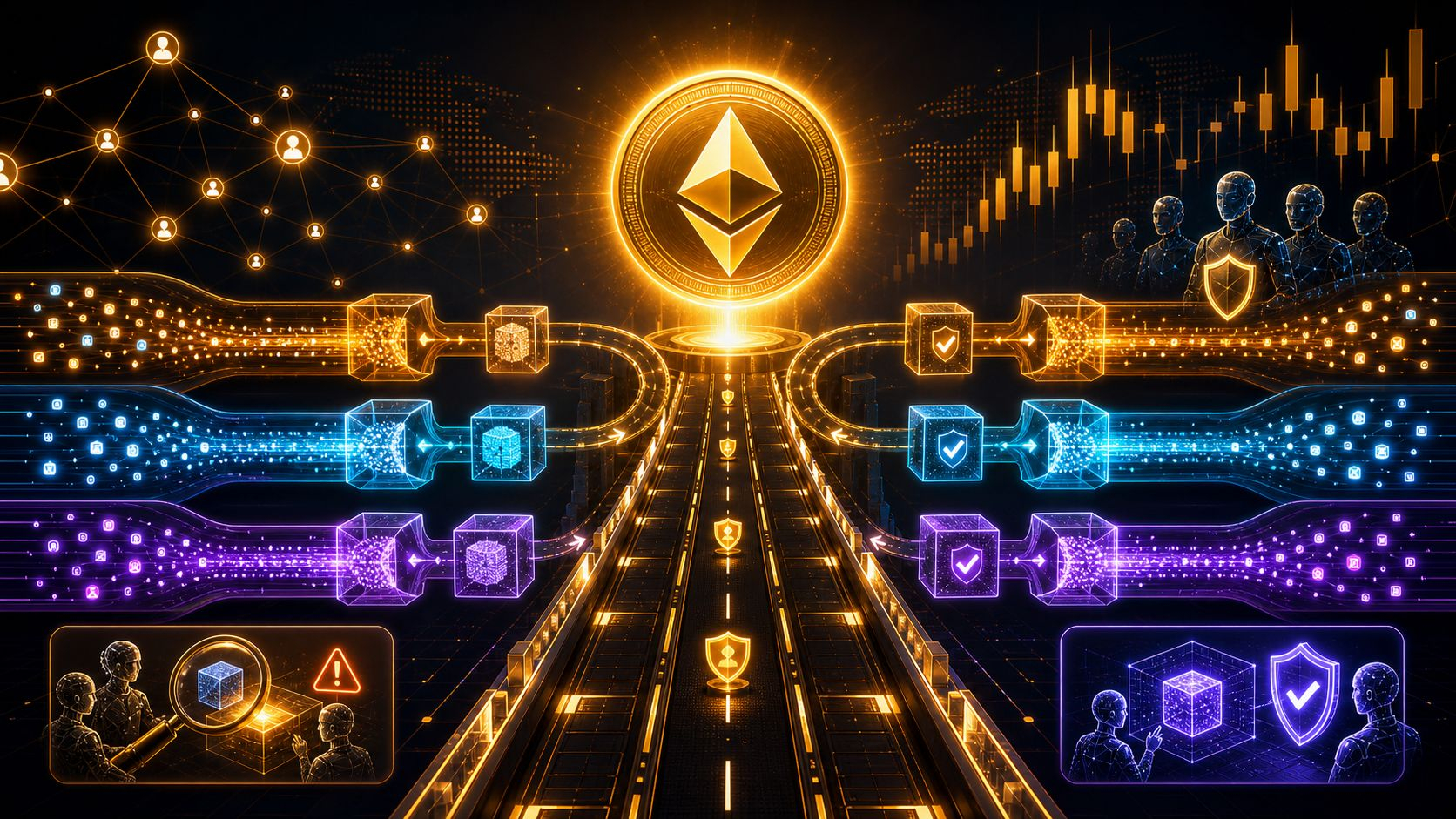
Layer 2 can relieve congestion. The key is not to cram more transactions into the Ethereum main chain, but to move most computation elsewhere, only sending back the necessary data or proofs to the main chain.
You can think of Layer 1 as a main road with high security but limited lanes. All transactions compete to use this road, so Gas fees naturally rise. Layer 2 is more like a side street: it processes a large number of transactions first, then batch-submits the results to the $ETH main chain. The main chain handles consensus, storage, and final adjudication, while Layer 2 handles the actual computation.
3 steps to understand how Layer 2 reduces Gas fees—hint: it’s not just about “opening another chain”
Have you ever encountered this: $ETH when the chain gets busy, Gas fees suddenly get more expensive, and transaction confirmations have to wait?
Layer 2 can relieve congestion. The key is not to cram more transactions into the Ethereum main chain, but to move most computation elsewhere, only sending back the necessary data or proofs to the main chain.
You can think of Layer 1 as a main road with high security but limited lanes. All transactions compete to use this road, so Gas fees naturally rise. Layer 2 is more like a side street: it processes a large number of transactions first, then batch-submits the results to the $ETH main chain. The main chain handles consensus, storage, and final adjudication, while Layer 2 handles the actual computation.
Layer 2 can relieve congestion. The key is not to cram more transactions into the Ethereum main chain, but to move most computation elsewhere, only sending back the necessary data or proofs to the main chain.
You can think of Layer 1 as a main road with high security but limited lanes. All transactions compete to use this road, so Gas fees naturally rise. Layer 2 is more like a side street: it processes a large number of transactions first, then batch-submits the results to the $ETH main chain. The main chain handles consensus, storage, and final adjudication, while Layer 2 handles the actual computation.
221
·
--
Article
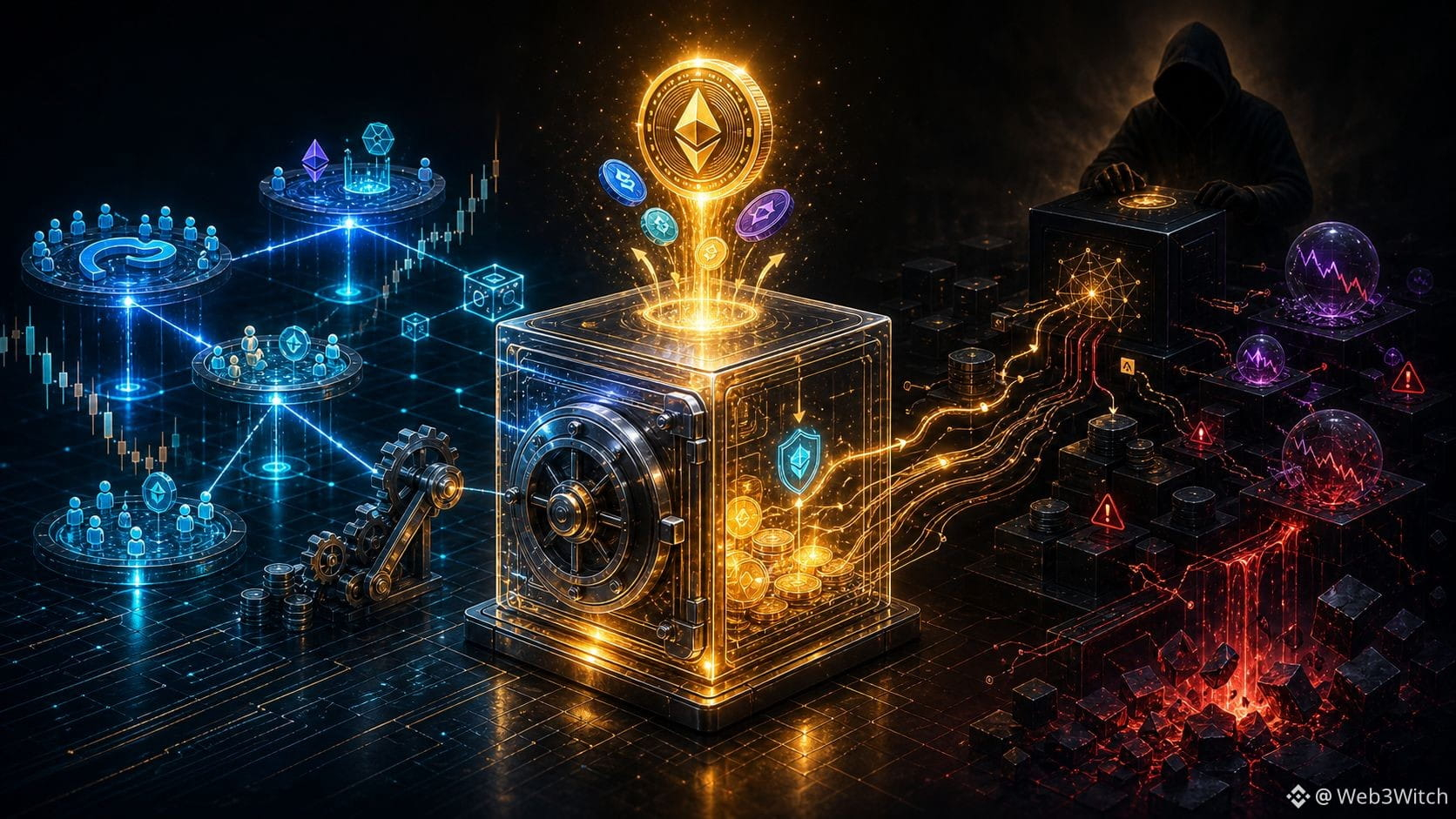
3 Questions to See Through DeFi High Yields: You Think You’re Earning Interest, But You Might Be the One Taking the HitDo you also mistake “on-chain visibility” for “transparent funds”? The lesson from Stream Finance runs the opposite way: money could be deposited on-chain, but the operator took it off-chain to take risks. After losses of about $93 million appeared, users realized they had bought a black box.
When deciding whether a DeFi vault is worth touching, don’t look at the APY first—ask 3 questions instead.
1. Where exactly does the return come from?
If the page only says “multi-strategy value growth” and “professional team management,” but can’t explain who is paying the interest or what risks are being assumed, be cautious. Double-digit returns don’t appear out of thin air—they may come from leverage, revolving lending, or high-risk derivatives strategies.
3 Questions to See Through DeFi High Yields: You Think You’re Earning Interest, But You Might Be the One Taking the Hit
Do you also mistake “on-chain visibility” for “transparent funds”? The lesson from Stream Finance runs the opposite way: money could be deposited on-chain, but the operator took it off-chain to take risks. After losses of about $93 million appeared, users realized they had bought a black box.
When deciding whether a DeFi vault is worth touching, don’t look at the APY first—ask 3 questions instead.
1. Where exactly does the return come from?
If the page only says “multi-strategy value growth” and “professional team management,” but can’t explain who is paying the interest or what risks are being assumed, be cautious. Double-digit returns don’t appear out of thin air—they may come from leverage, revolving lending, or high-risk derivatives strategies.
When deciding whether a DeFi vault is worth touching, don’t look at the APY first—ask 3 questions instead.
1. Where exactly does the return come from?
If the page only says “multi-strategy value growth” and “professional team management,” but can’t explain who is paying the interest or what risks are being assumed, be cautious. Double-digit returns don’t appear out of thin air—they may come from leverage, revolving lending, or high-risk derivatives strategies.
227
·
--

Article
3 Steps to Improve Your Airdrop Execution Efficiency—Stop Asking Around and Doing NothingHave you also saved a bunch of airdrop projects? Every day you ask, “Is it worth doing?”—but you never actually finished any of them?
Can you make money by running airdrops? Nobody can guarantee it in advance. But based on one group member’s experience, what really creates the gap usually isn’t how expensive the equipment is—it’s whether you can take low-cost action, keep bookkeeping, and review things promptly.
This group member started participating around June and July. He doesn’t have a computer and mainly uses his phone. He doesn’t mind that the return from a single project is small; he’ll do 10U and 20U too. He runs five or six accounts to finish a single project, and the total comes to about 120U. Based on the records he provided of exchanging for his friends, over two months he earned over ten thousand yuan in total—about five or six thousand yuan per month.
3 Steps to Improve Your Airdrop Execution Efficiency—Stop Asking Around and Doing Nothing
Have you also saved a bunch of airdrop projects? Every day you ask, “Is it worth doing?”—but you never actually finished any of them?
Can you make money by running airdrops? Nobody can guarantee it in advance. But based on one group member’s experience, what really creates the gap usually isn’t how expensive the equipment is—it’s whether you can take low-cost action, keep bookkeeping, and review things promptly.
This group member started participating around June and July. He doesn’t have a computer and mainly uses his phone. He doesn’t mind that the return from a single project is small; he’ll do 10U and 20U too. He runs five or six accounts to finish a single project, and the total comes to about 120U. Based on the records he provided of exchanging for his friends, over two months he earned over ten thousand yuan in total—about five or six thousand yuan per month.
Can you make money by running airdrops? Nobody can guarantee it in advance. But based on one group member’s experience, what really creates the gap usually isn’t how expensive the equipment is—it’s whether you can take low-cost action, keep bookkeeping, and review things promptly.
This group member started participating around June and July. He doesn’t have a computer and mainly uses his phone. He doesn’t mind that the return from a single project is small; he’ll do 10U and 20U too. He runs five or six accounts to finish a single project, and the total comes to about 120U. Based on the records he provided of exchanging for his friends, over two months he earned over ten thousand yuan in total—about five or six thousand yuan per month.
1
452
·
--
Article
3 Steps to Understand the Meme Relay Structure—If You Can’t Hold, You Especially Need to Read ThisHave you also run into this: you bought too early and couldn’t hold, you bought too late and ended up waiting, and you always想吃从鱼头到鱼尾—only to end up not making money on any part of the move.
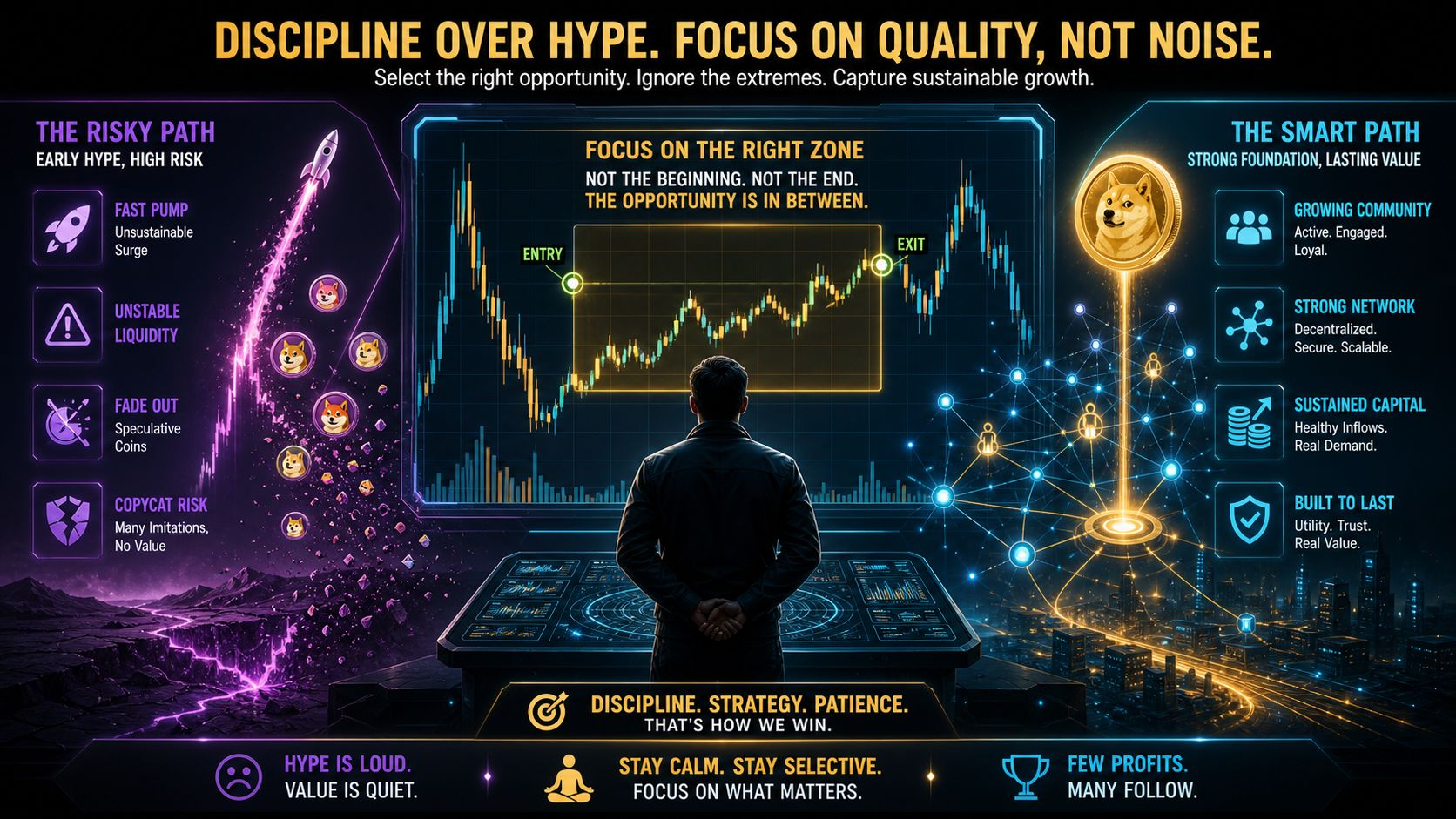
For trading Memes, the most important thing isn’t guessing which next coin will go 100x. Instead, think clearly first: which segment of the move are you trying to profit from?
One is to trade early market signals. First confirm that the contract is safe, then observe whether the hype and capital inflows are sustained. If you reach the preset target range, exit. This approach is fast but comes with high risk. The most taboo thing is turning a short-term trade into a long-term one. Some people notice a project very early, but because they fantasize about an even bigger surge, they end up giving back their profits.
3 Steps to Understand the Meme Relay Structure—If You Can’t Hold, You Especially Need to Read This
Have you also run into this: you bought too early and couldn’t hold, you bought too late and ended up waiting, and you always想吃从鱼头到鱼尾—only to end up not making money on any part of the move.
For trading Memes, the most important thing isn’t guessing which next coin will go 100x. Instead, think clearly first: which segment of the move are you trying to profit from?
One is to trade early market signals. First confirm that the contract is safe, then observe whether the hype and capital inflows are sustained. If you reach the preset target range, exit. This approach is fast but comes with high risk. The most taboo thing is turning a short-term trade into a long-term one. Some people notice a project very early, but because they fantasize about an even bigger surge, they end up giving back their profits.
For trading Memes, the most important thing isn’t guessing which next coin will go 100x. Instead, think clearly first: which segment of the move are you trying to profit from?
One is to trade early market signals. First confirm that the contract is safe, then observe whether the hype and capital inflows are sustained. If you reach the preset target range, exit. This approach is fast but comes with high risk. The most taboo thing is turning a short-term trade into a long-term one. Some people notice a project very early, but because they fantasize about an even bigger surge, they end up giving back their profits.
245
·
--
Article
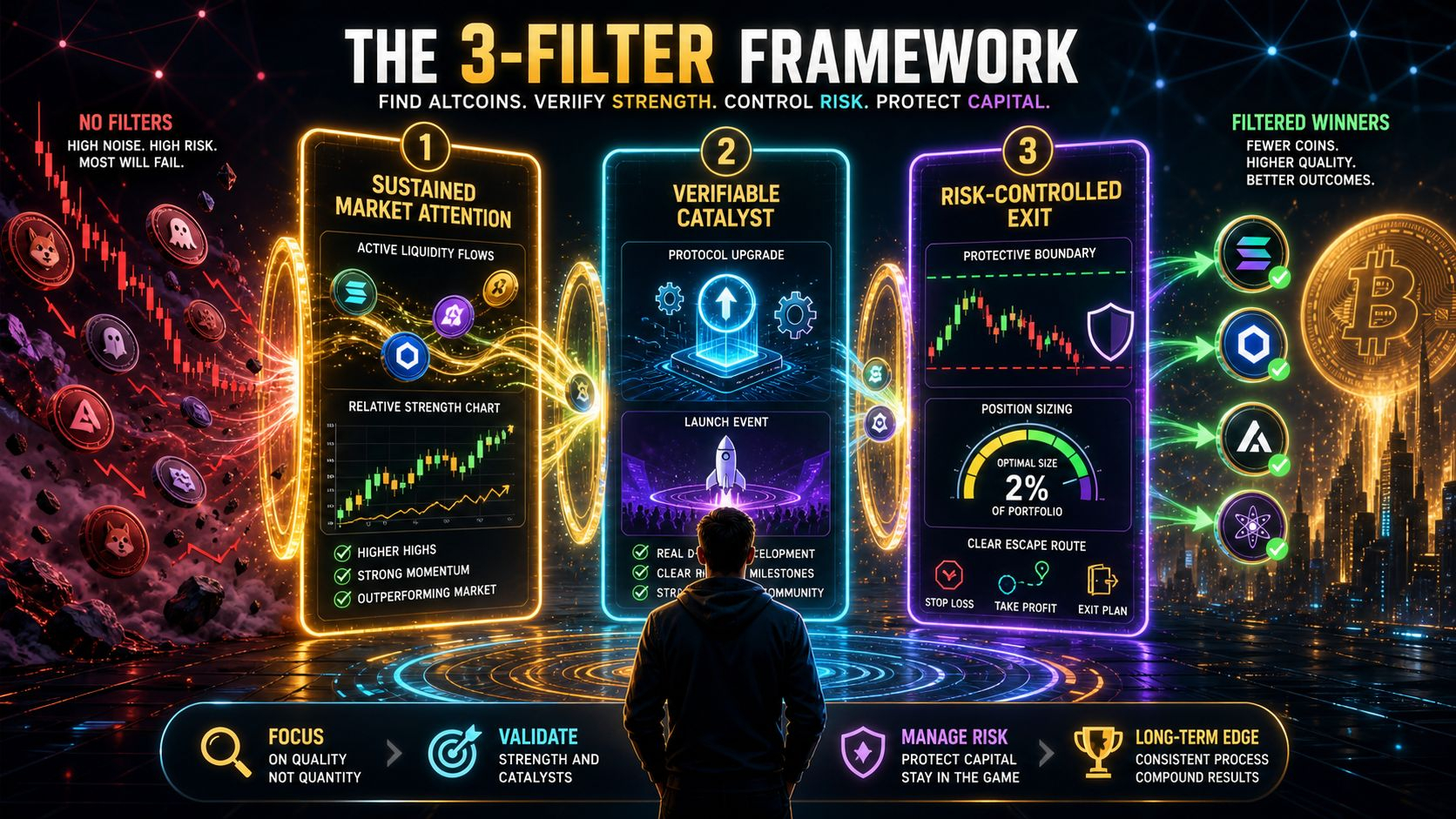
Use 3 questions to filter out fake-coin noise—have you also been misled by the “hundred-bagger list”Have you seen scenes like this too: a list titled “8 hundred-bagger coins” goes viral, but when the market dips, the comments are actually all shouting that it’s an opportunity?
But falling doesn’t mean it’s cheap, and it doesn’t mean the next round will definitely go up. What’s truly worth doing isn’t buying according to the list—it’s to separate “a good story” from “trading value” using three questions.
The first question: what is it that keeps it in sustained attention?
For example, the core narrative of $LINK is an oracle, providing external data for smart contracts; $DOT emphasizes cross-chain interoperability. When you’re checking charts, don’t just look at whether the concept is hot—also see whether the market continues to trade this narrative: is trading activity active? Compared with $BTC , is it stronger or weaker? After a pullback, is there capital stepping in to absorb it?
Use 3 questions to filter out fake-coin noise—have you also been misled by the “hundred-bagger list”
Have you seen scenes like this too: a list titled “8 hundred-bagger coins” goes viral, but when the market dips, the comments are actually all shouting that it’s an opportunity?
But falling doesn’t mean it’s cheap, and it doesn’t mean the next round will definitely go up. What’s truly worth doing isn’t buying according to the list—it’s to separate “a good story” from “trading value” using three questions.
The first question: what is it that keeps it in sustained attention?
For example, the core narrative of $LINK is an oracle, providing external data for smart contracts; $DOT emphasizes cross-chain interoperability. When you’re checking charts, don’t just look at whether the concept is hot—also see whether the market continues to trade this narrative: is trading activity active? Compared with $BTC , is it stronger or weaker? After a pullback, is there capital stepping in to absorb it?
But falling doesn’t mean it’s cheap, and it doesn’t mean the next round will definitely go up. What’s truly worth doing isn’t buying according to the list—it’s to separate “a good story” from “trading value” using three questions.
The first question: what is it that keeps it in sustained attention?
For example, the core narrative of $LINK is an oracle, providing external data for smart contracts; $DOT emphasizes cross-chain interoperability. When you’re checking charts, don’t just look at whether the concept is hot—also see whether the market continues to trade this narrative: is trading activity active? Compared with $BTC , is it stronger or weaker? After a pullback, is there capital stepping in to absorb it?
288
·
--
Article
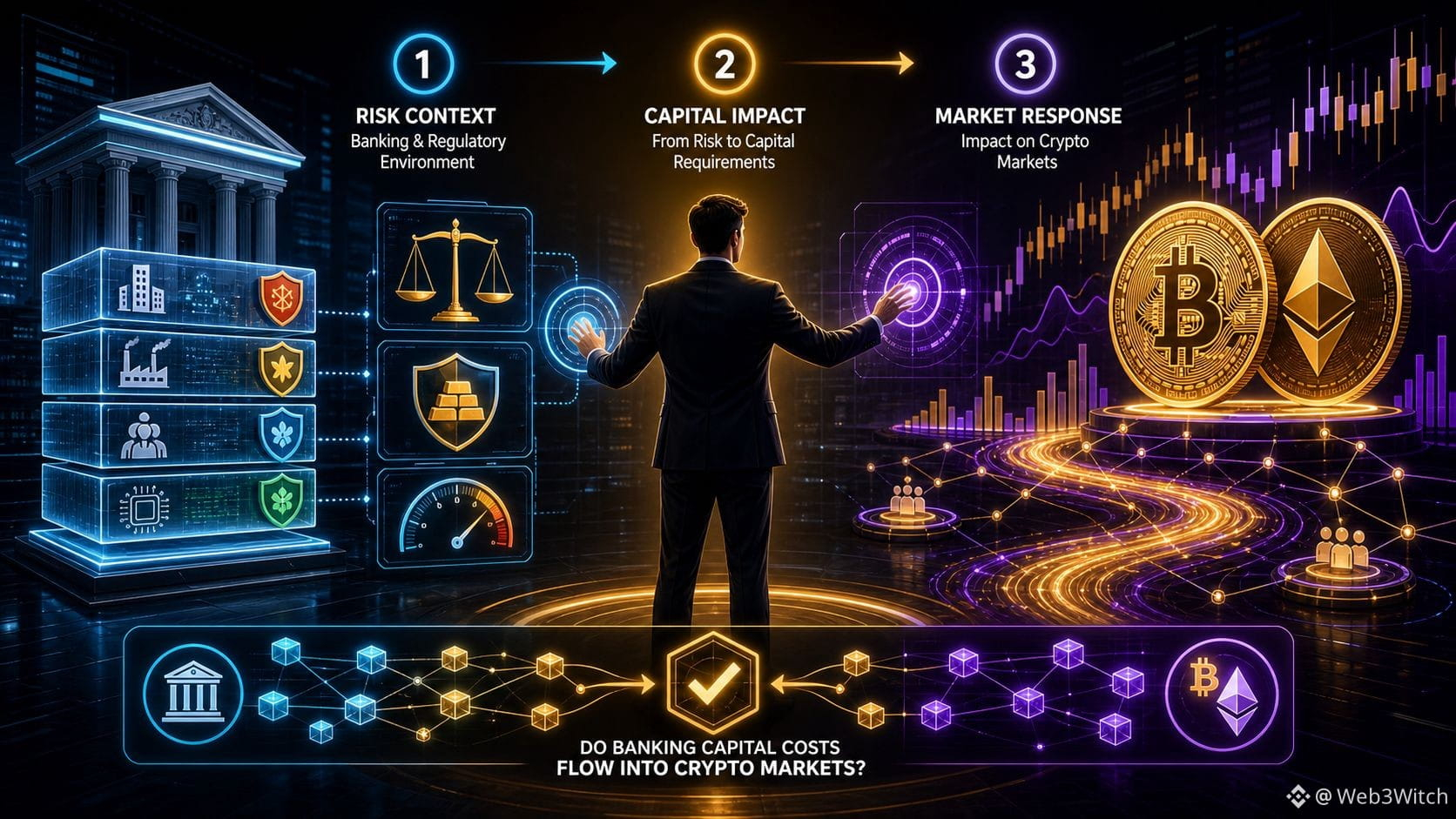
Two kinds of RWA differ by just one context—misreading it could lead you to misjudge a $BTC messageHave you seen this kind of situation too: a message contains “bank,” “RWA,” and “$BTC” at the same time, yet the comments section is discussing something completely different?
It’s the same three letters—RWA—but if you misread the context, your subsequent judgment is very likely to be entirely off.
In the banking system, RWA refers to risk-weighted assets. It’s not simply a matter of how many assets a bank has; it’s a “weighted result” calculated based on the risk of those assets. The higher the risk, the more capital is typically tied up; the lower the risk, the relatively less capital is needed.
To understand it, just remember one formula: capital adequacy ratio = (sum of Tier 1 capital and Tier 2 capital) ÷ RWA.
Two kinds of RWA differ by just one context—misreading it could lead you to misjudge a $BTC message
Have you seen this kind of situation too: a message contains “bank,” “RWA,” and “$BTC ” at the same time, yet the comments section is discussing something completely different?
It’s the same three letters—RWA—but if you misread the context, your subsequent judgment is very likely to be entirely off.
In the banking system, RWA refers to risk-weighted assets. It’s not simply a matter of how many assets a bank has; it’s a “weighted result” calculated based on the risk of those assets. The higher the risk, the more capital is typically tied up; the lower the risk, the relatively less capital is needed.
To understand it, just remember one formula: capital adequacy ratio = (sum of Tier 1 capital and Tier 2 capital) ÷ RWA.
It’s the same three letters—RWA—but if you misread the context, your subsequent judgment is very likely to be entirely off.
In the banking system, RWA refers to risk-weighted assets. It’s not simply a matter of how many assets a bank has; it’s a “weighted result” calculated based on the risk of those assets. The higher the risk, the more capital is typically tied up; the lower the risk, the relatively less capital is needed.
To understand it, just remember one formula: capital adequacy ratio = (sum of Tier 1 capital and Tier 2 capital) ÷ RWA.
137
·
--
Article
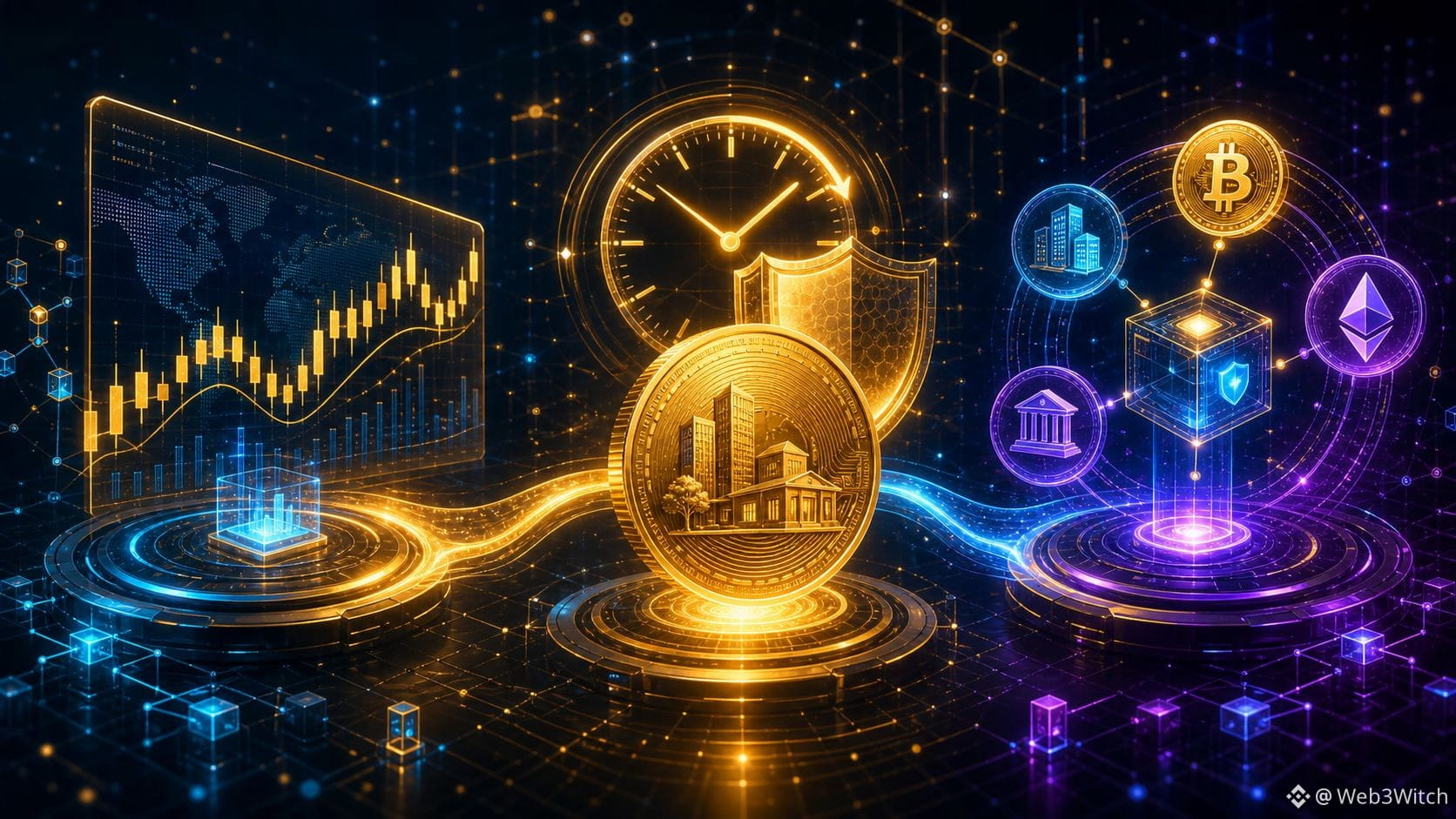
3 Metrics to Understand When RWA Will Really Take Off—Stop Treating “On-Chain” as the ExplosionDo you also feel this way: RWA is discussed every day, and traditional financial giants are moving in—but the market just doesn’t seem to react?
The issue may not be whether “assets are on-chain,” but whether, after going on-chain, they’re actually easy to trade.
Tokenizing stocks and bonds is just adding one more on-chain receipt. If there’s a lack of liquidity, market making, collateralization, and liquidation capabilities, it’s no different in substance from assets sitting in traditional accounts. The real inflection point for RWA isn’t about who issues the most—it’s about who can connect the final mile of trading.
To judge whether an RWA project has real value, you can focus on three stages.
3 Metrics to Understand When RWA Will Really Take Off—Stop Treating “On-Chain” as the Explosion
Do you also feel this way: RWA is discussed every day, and traditional financial giants are moving in—but the market just doesn’t seem to react?
The issue may not be whether “assets are on-chain,” but whether, after going on-chain, they’re actually easy to trade.
Tokenizing stocks and bonds is just adding one more on-chain receipt. If there’s a lack of liquidity, market making, collateralization, and liquidation capabilities, it’s no different in substance from assets sitting in traditional accounts. The real inflection point for RWA isn’t about who issues the most—it’s about who can connect the final mile of trading.
To judge whether an RWA project has real value, you can focus on three stages.
The issue may not be whether “assets are on-chain,” but whether, after going on-chain, they’re actually easy to trade.
Tokenizing stocks and bonds is just adding one more on-chain receipt. If there’s a lack of liquidity, market making, collateralization, and liquidation capabilities, it’s no different in substance from assets sitting in traditional accounts. The real inflection point for RWA isn’t about who issues the most—it’s about who can connect the final mile of trading.
To judge whether an RWA project has real value, you can focus on three stages.
245
·
--

Article
3 questions to understand DeFi—don’t mistake all on-chain wealth management for decentralizationHave you also run into this: a project just puts something on-chain, writes a contract, and adds a “wealth management” entry—then starts calling itself DeFi?
Don’t rush to look at the yield. To tell whether it’s DeFi, you can ask three questions first: who holds the private key, whether what’s being tokenized is a digital currency, and whether what it does is a financial business.
First, find out who controls the private key.
This is the most straightforward part. If after depositing assets you no longer control the private key and can only rely on a platform to handle record-keeping, review, and redemption, then it is closer to centralized digital-asset finance than typical DeFi.
3 questions to understand DeFi—don’t mistake all on-chain wealth management for decentralization
Have you also run into this: a project just puts something on-chain, writes a contract, and adds a “wealth management” entry—then starts calling itself DeFi?
Don’t rush to look at the yield. To tell whether it’s DeFi, you can ask three questions first: who holds the private key, whether what’s being tokenized is a digital currency, and whether what it does is a financial business.
First, find out who controls the private key.
This is the most straightforward part. If after depositing assets you no longer control the private key and can only rely on a platform to handle record-keeping, review, and redemption, then it is closer to centralized digital-asset finance than typical DeFi.
Don’t rush to look at the yield. To tell whether it’s DeFi, you can ask three questions first: who holds the private key, whether what’s being tokenized is a digital currency, and whether what it does is a financial business.
First, find out who controls the private key.
This is the most straightforward part. If after depositing assets you no longer control the private key and can only rely on a platform to handle record-keeping, review, and redemption, then it is closer to centralized digital-asset finance than typical DeFi.
172
·
--

Article
3 screening steps to avoid the RWA trap—after cross-border brokers tighten, you need to see the underlying reality more clearlyYou think that after crackdowns on cross-border brokers, funds will flow to RWA, and those related assets will surely get a boost?
On the contrary: demand may rise, but ordinary people’s risks will also be amplified at the same time.
According to a Xinhua News Agency report cited by the source material, on May 22, the China Securities Regulatory Commission announced that it plans to confiscate illegal gains and impose penalties in accordance with the law for the illegal cross-border business operations of Tiger, Futu, and Longbridge. The relevant plan sets a two-year centralized rectification period. For existing investors, as a general rule, only one-way selling and the transfer of funds out will be allowed.
What truly deserves attention is not whether “RWA will pick up the traffic,” but rather the contradiction between cross-border investment demand and the shrinking of compliant channels. RWA appears to bypass barriers such as foreign bank cards and traditional brokerage account opening, but lowering the threshold does not mean assets are safer.
3 screening steps to avoid the RWA trap—after cross-border brokers tighten, you need to see the underlying reality more clearly
You think that after crackdowns on cross-border brokers, funds will flow to RWA, and those related assets will surely get a boost?
On the contrary: demand may rise, but ordinary people’s risks will also be amplified at the same time.
According to a Xinhua News Agency report cited by the source material, on May 22, the China Securities Regulatory Commission announced that it plans to confiscate illegal gains and impose penalties in accordance with the law for the illegal cross-border business operations of Tiger, Futu, and Longbridge. The relevant plan sets a two-year centralized rectification period. For existing investors, as a general rule, only one-way selling and the transfer of funds out will be allowed.
What truly deserves attention is not whether “RWA will pick up the traffic,” but rather the contradiction between cross-border investment demand and the shrinking of compliant channels. RWA appears to bypass barriers such as foreign bank cards and traditional brokerage account opening, but lowering the threshold does not mean assets are safer.
On the contrary: demand may rise, but ordinary people’s risks will also be amplified at the same time.
According to a Xinhua News Agency report cited by the source material, on May 22, the China Securities Regulatory Commission announced that it plans to confiscate illegal gains and impose penalties in accordance with the law for the illegal cross-border business operations of Tiger, Futu, and Longbridge. The relevant plan sets a two-year centralized rectification period. For existing investors, as a general rule, only one-way selling and the transfer of funds out will be allowed.
What truly deserves attention is not whether “RWA will pick up the traffic,” but rather the contradiction between cross-border investment demand and the shrinking of compliant channels. RWA appears to bypass barriers such as foreign bank cards and traditional brokerage account opening, but lowering the threshold does not mean assets are safer.
298
·
--
Article
Calculate the Airdrop Net Profit in 3 Steps: Don’t Let Gas Fees Harvest You BackHave you ever done an airdrop like this: you grind the task for weeks, spending on VPS and Gas, and in the end the tokens received still don’t cover the cost?
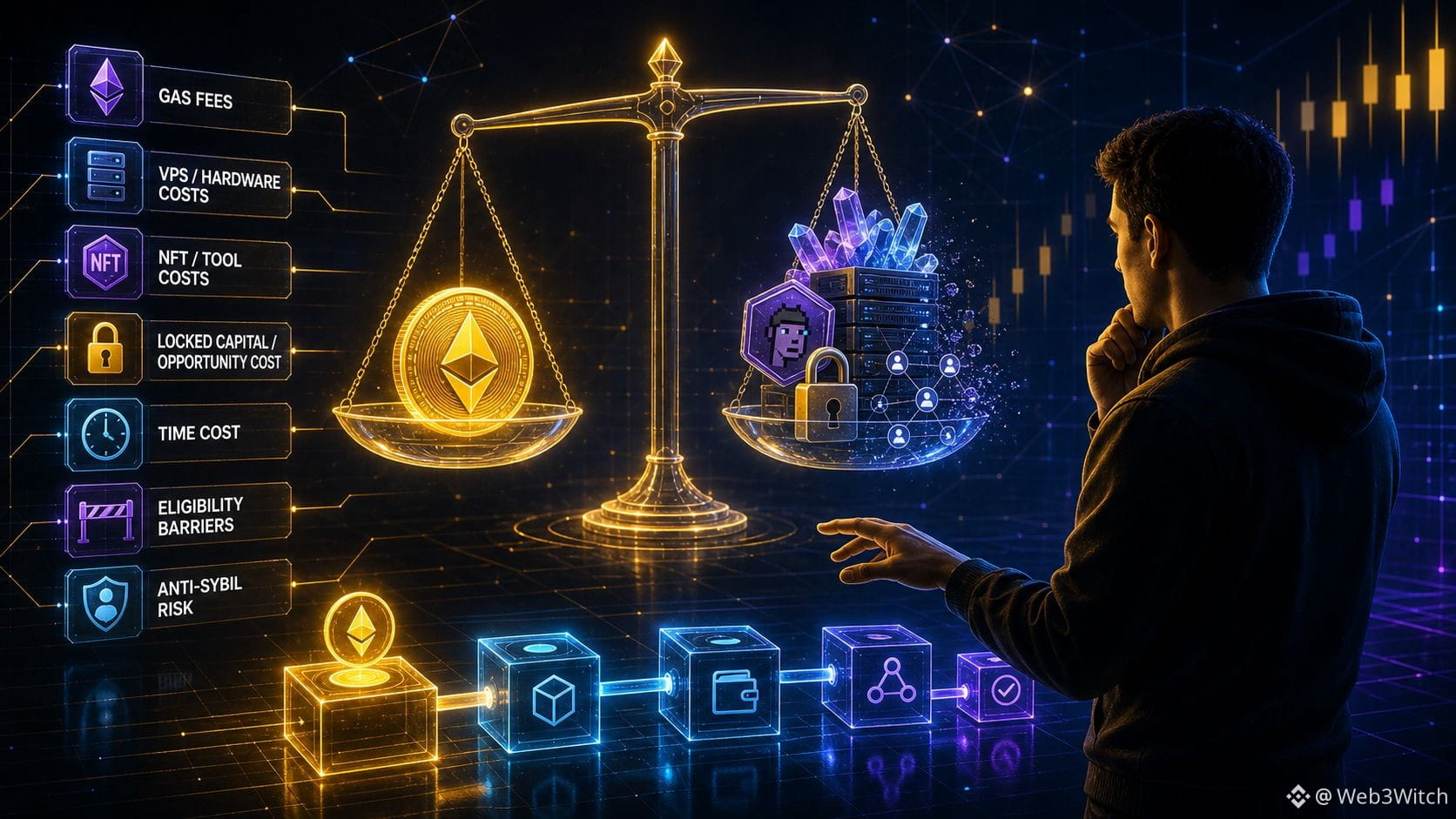
Can you do an airdrop? Don’t start by listening to how big the project’s story is—first, work out the “net profit ledger.” Many people don’t fail to receive tokens; instead, they only realize after they get them that their time, transaction fees, and equipment costs were already harvested back from them.
Filter in three steps only
1. First calculate the definite cost
List all on-chain interaction fees, withdrawal fees, VPS, and the capital lock-up for staking. If the task requires having 0.001 $ETH in the wallet and you need multiple interactions, then first check the current coin price and the network fees. The real experience from the original material was: after buying about ten-plus US dollars' worth of ETH and withdrawing it to the wallet, I lost nearly half along the way. In the end, the value of the tokens from the air drop was even less than the Gas fee.
Calculate the Airdrop Net Profit in 3 Steps: Don’t Let Gas Fees Harvest You Back
Have you ever done an airdrop like this: you grind the task for weeks, spending on VPS and Gas, and in the end the tokens received still don’t cover the cost?
Can you do an airdrop? Don’t start by listening to how big the project’s story is—first, work out the “net profit ledger.” Many people don’t fail to receive tokens; instead, they only realize after they get them that their time, transaction fees, and equipment costs were already harvested back from them.
Filter in three steps only
1. First calculate the definite cost
List all on-chain interaction fees, withdrawal fees, VPS, and the capital lock-up for staking. If the task requires having 0.001 $ETH in the wallet and you need multiple interactions, then first check the current coin price and the network fees. The real experience from the original material was: after buying about ten-plus US dollars' worth of ETH and withdrawing it to the wallet, I lost nearly half along the way. In the end, the value of the tokens from the air drop was even less than the Gas fee.
Can you do an airdrop? Don’t start by listening to how big the project’s story is—first, work out the “net profit ledger.” Many people don’t fail to receive tokens; instead, they only realize after they get them that their time, transaction fees, and equipment costs were already harvested back from them.
Filter in three steps only
1. First calculate the definite cost
List all on-chain interaction fees, withdrawal fees, VPS, and the capital lock-up for staking. If the task requires having 0.001 $ETH in the wallet and you need multiple interactions, then first check the current coin price and the network fees. The real experience from the original material was: after buying about ten-plus US dollars' worth of ETH and withdrawing it to the wallet, I lost nearly half along the way. In the end, the value of the tokens from the air drop was even less than the Gas fee.
107
·
--
Understand whether RWA is real in 3 steps—don’t treat an on-chain token as a real assetHave you also seen this: a project slaps on an “RWA” label, and when the price moves, everyone starts discussing the big opportunity of “tokenizing real-world assets on-chain.”
But when you look at RWA, one easy-to-overlook point is this: the value of the on-chain token is not determined only by the code—it hinges on whether there is an underlying off-chain asset backing it.
At its core, RWA uses on-chain tokens to represent the rights or ownership of real-world assets such as cash, bonds, commodities, and real estate. It sounds like moving assets onto the blockchain, but the real challenge is transferring the off-chain rights, data, and settlement relationships together.
Understand whether RWA is real in 3 steps—don’t treat an on-chain token as a real asset
Have you also seen this: a project slaps on an “RWA” label, and when the price moves, everyone starts discussing the big opportunity of “tokenizing real-world assets on-chain.”
But when you look at RWA, one easy-to-overlook point is this: the value of the on-chain token is not determined only by the code—it hinges on whether there is an underlying off-chain asset backing it.
At its core, RWA uses on-chain tokens to represent the rights or ownership of real-world assets such as cash, bonds, commodities, and real estate. It sounds like moving assets onto the blockchain, but the real challenge is transferring the off-chain rights, data, and settlement relationships together.
But when you look at RWA, one easy-to-overlook point is this: the value of the on-chain token is not determined only by the code—it hinges on whether there is an underlying off-chain asset backing it.
At its core, RWA uses on-chain tokens to represent the rights or ownership of real-world assets such as cash, bonds, commodities, and real estate. It sounds like moving assets onto the blockchain, but the real challenge is transferring the off-chain rights, data, and settlement relationships together.
204
·
--
3 In a bull market, the easiest way to lose money isn’t missing out on an altcoin—it’s treating “high volatility” as “high certainty.”
Have you ever experienced this: your coins stay still while the neighboring sector keeps rallying? Then when you switch over, the original one starts rising again.
Can you buy “copycat coins”? The key isn’t finding the “next 100x coin”—it’s setting a maximum loss limit you can afford.
Separate $BTC, $ETH and other assets with stronger liquidity and higher market consensus from your altcoin positions. The former is more like the portfolio’s core holdings, while the latter is closer to high-volatility trial-and-error: they may surge quickly, and drawdowns and liquidity risks will likely expand at the same time.
3
In a bull market, the easiest way to lose money isn’t missing out on an altcoin—it’s treating “high volatility” as “high certainty.”
Have you ever experienced this: your coins stay still while the neighboring sector keeps rallying? Then when you switch over, the original one starts rising again.
Can you buy “copycat coins”? The key isn’t finding the “next 100x coin”—it’s setting a maximum loss limit you can afford.
Separate $BTC , $ETH and other assets with stronger liquidity and higher market consensus from your altcoin positions. The former is more like the portfolio’s core holdings, while the latter is closer to high-volatility trial-and-error: they may surge quickly, and drawdowns and liquidity risks will likely expand at the same time.
Have you ever experienced this: your coins stay still while the neighboring sector keeps rallying? Then when you switch over, the original one starts rising again.
Can you buy “copycat coins”? The key isn’t finding the “next 100x coin”—it’s setting a maximum loss limit you can afford.
Separate $BTC , $ETH and other assets with stronger liquidity and higher market consensus from your altcoin positions. The former is more like the portfolio’s core holdings, while the latter is closer to high-volatility trial-and-error: they may surge quickly, and drawdowns and liquidity risks will likely expand at the same time.
225
Log in to explore more content
Join global crypto users on Binance Square
⚡️ Get latest and useful information about crypto.
💬 Trusted by the world’s largest crypto exchange.
👍 Discover real insights from verified creators.
Email / Phone number
Trending Topics
CPIWatch
86.5M views
501,443 Discussing
Share & Win Traffic Reward in our Trending Hashtag Campaign
✨Topic: Will CPI Trigger Rate Hike?
👉How to Join:
Publish a short post or article with hashtag #CPIWatch
Create content based on the below two angles:
- Nonfarm payrolls beat expectations and CPI is around the corner, do you think the Fed will hike or hold the rate?
- Bullish or bearish? Share your take and showcase your stocks or gold trade/holdings with our trade sharing widget.
🚀Campaign Period:
- 2026-09-11 3:00 - 2026-09-12 9:00 UTC
🎁Reward:
- Qualified posts that comply with the above guidelines and contain more than 100 words will be reviewed and may receive a random traffic boost of 500 to 3,000 views. You will receive a notification from your feed secretary if your post is selected.
- Get a chance to have your article featured on Binance Square Official
Need ideas for your post? Visit the topic page #CPIWatch or the Square Guide on How to Post for Better Reach.
Binance Square Official
·447 Likes
·1M views
BitcoinReboundsAbove$79KAfterCPI
17 views
14 Discussing
BNBTops730USDT
814 views
140 Discussing