
TheCryptoDegen
1.1k Posts

TheCryptoDegen
Blockchain & Digital assets management: Doing the most ,knows alot,Sharing More. On X @BuundiKe
Occasional Trader
5.1 Years
21 Following
3.7K+ Followers
2.0K+ Liked
Posts
All
Quotes
Videos
PINNED
Bitcoin had a feature in 2009 so dangerous Satoshi himself deleted it after one user pointed it out
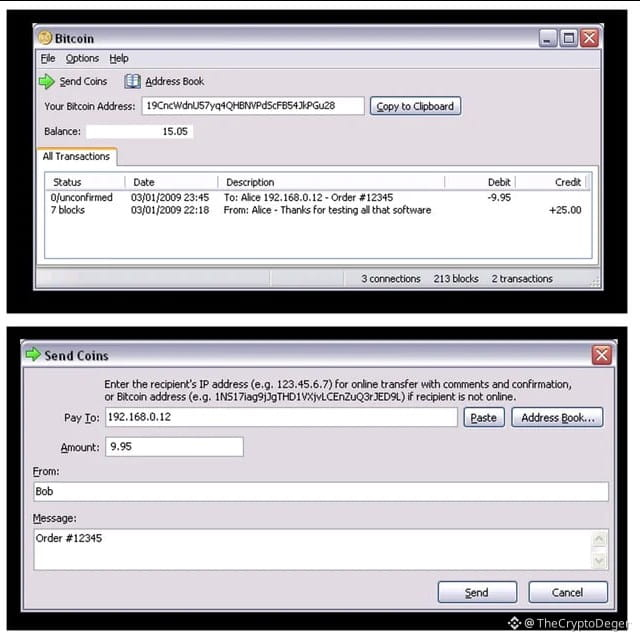
In the original version of Bitcoin you could send coins directly to someone's IP address
There was no wallet address needed and even worse, your computer would connect to theirs to send the coins through
That meant anyone could see your IP, locate your machine and try to attack it just by sending you Bitcoin
On January 14, 2009 Satoshi decided to test it himself and emailed an early miner named Dustin Trammell asking for his IP
Trammell replied and actually sent it to him
A few minutes later Satoshi connected and sent him 25 BTC with a message that said "Hello"
Trammell answered him with a warning that the feature was insecure and within weeks Satoshi deleted it from Bitcoin entirely
Those 25 BTC would be worth $1.86 million today
In the original version of Bitcoin you could send coins directly to someone's IP address
There was no wallet address needed and even worse, your computer would connect to theirs to send the coins through
That meant anyone could see your IP, locate your machine and try to attack it just by sending you Bitcoin
On January 14, 2009 Satoshi decided to test it himself and emailed an early miner named Dustin Trammell asking for his IP
Trammell replied and actually sent it to him
A few minutes later Satoshi connected and sent him 25 BTC with a message that said "Hello"
Trammell answered him with a warning that the feature was insecure and within weeks Satoshi deleted it from Bitcoin entirely
Those 25 BTC would be worth $1.86 million today
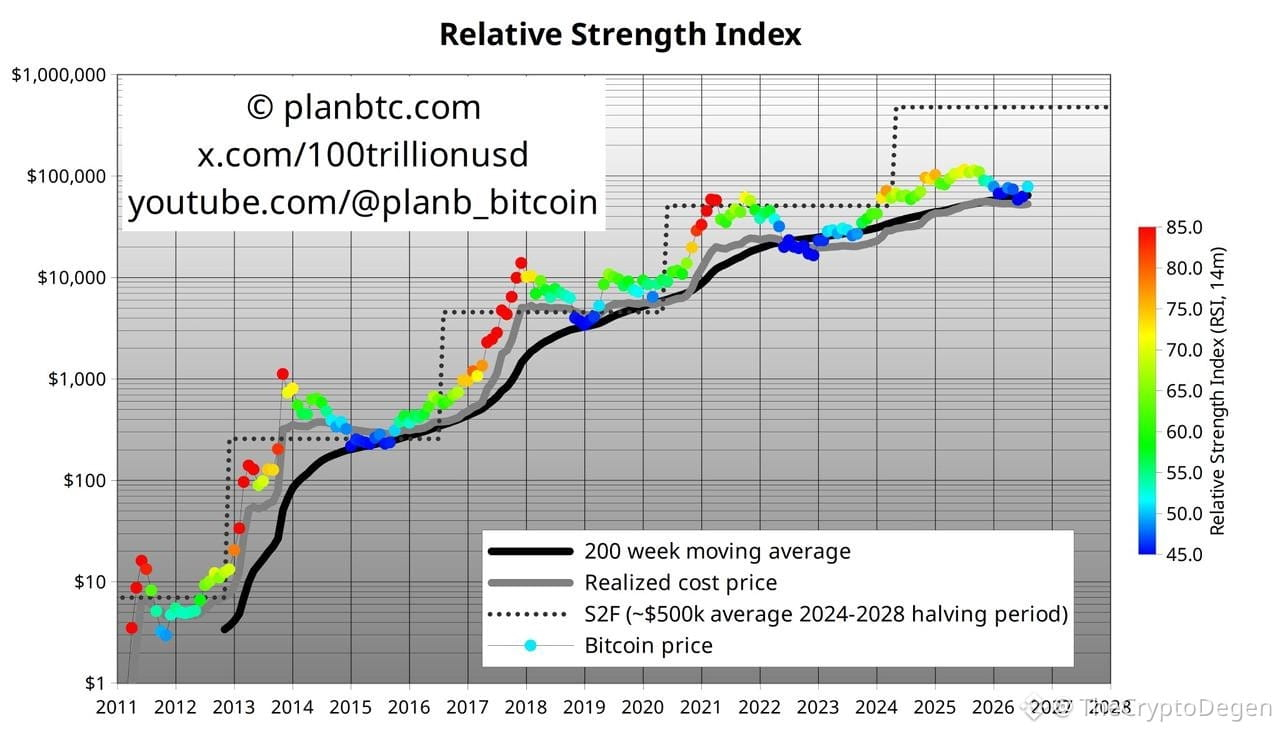
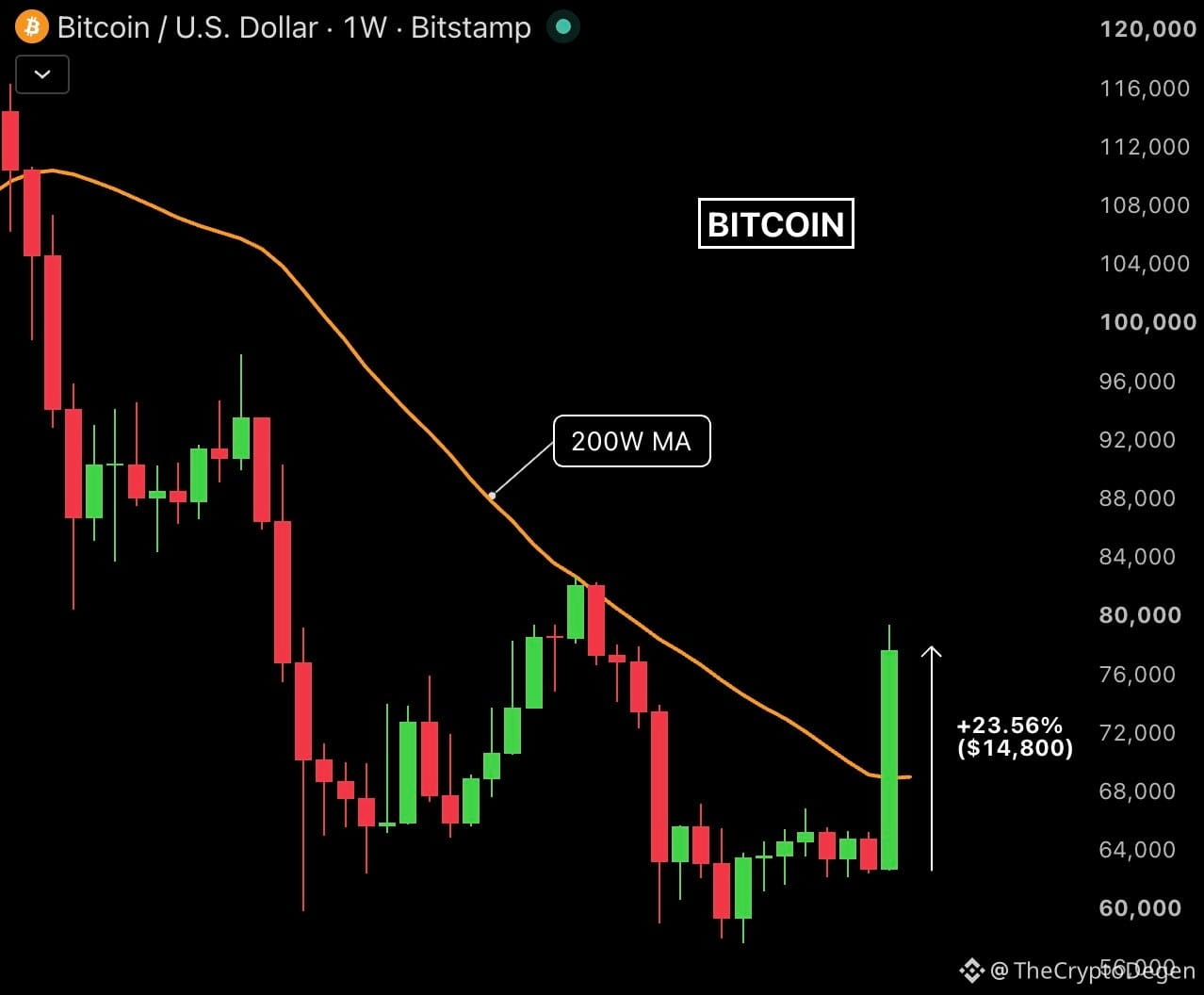
Bitcoin closed August at $78,571
- Above 200 week MA $65k
- Above 5 month (STH) realized price $72k
- All realized prices are increasing again
- Bitcoin in profit 72% (up from 50%)
- Monthly RSI 51 (up from 41)
IMO the bottom is behind us.
I expect higher prices from here.
- Above 200 week MA $65k
- Above 5 month (STH) realized price $72k
- All realized prices are increasing again
- Bitcoin in profit 72% (up from 50%)
- Monthly RSI 51 (up from 41)
IMO the bottom is behind us.
I expect higher prices from here.
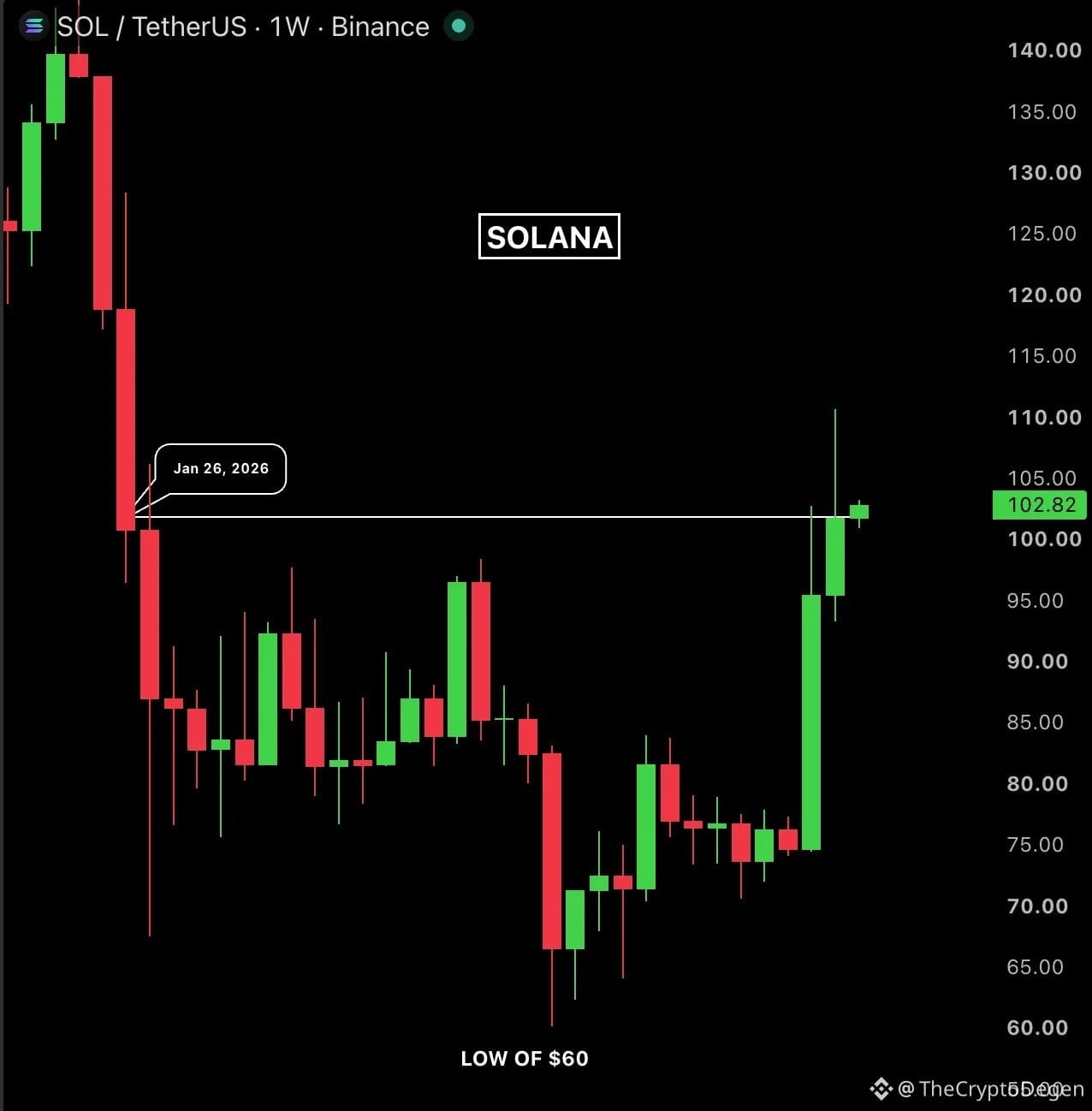
If you didn't sell your coins after:
October 10th crash
February crash
US and Iran war
Google Quantum FUD
Exchange hacks
Projects rugpull
Saylor FUD
Massive underperformance
Now is not the time to do it.
If the crypto market has bottomed we are about to enter a parabolic phase
If the market is still following the 4 year cycle there are 6-8 weeks of pain left
In either case the worst is almost over and that's exactly when generational opportunities emerge
October 10th crash
February crash
US and Iran war
Google Quantum FUD
Exchange hacks
Projects rugpull
Saylor FUD
Massive underperformance
Now is not the time to do it.
If the crypto market has bottomed we are about to enter a parabolic phase
If the market is still following the 4 year cycle there are 6-8 weeks of pain left
In either case the worst is almost over and that's exactly when generational opportunities emerge
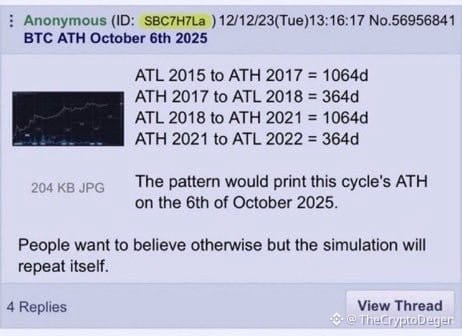
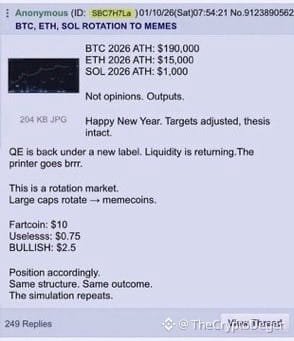
Feels like a good time to revisit the 4chan posts that called the Oct 6th Crypto top.
More importantly, how the second post calls the rebound.
BTC: $190,000
ETH: $15,000
SOL: $1,000
QE is back under a different name and Crypto appears to have bottomed.
If that same math applies to other alts, here's what it looks like:
$HBAR: → $1.50–$2.00
$XRP: → $5–$7
$XLM: → $1.20–$1.60
$QNT: → $800–$1,000
$CC: → $2–$3
$ALGO: → $2–$3
Not predictions.
Not advice.
Just another fake 4chan conspiracy... right??
More importantly, how the second post calls the rebound.
BTC: $190,000
ETH: $15,000
SOL: $1,000
QE is back under a different name and Crypto appears to have bottomed.
If that same math applies to other alts, here's what it looks like:
$HBAR: → $1.50–$2.00
$XRP: → $5–$7
$XLM: → $1.20–$1.60
$QNT: → $800–$1,000
$CC: → $2–$3
$ALGO: → $2–$3
Not predictions.
Not advice.
Just another fake 4chan conspiracy... right??
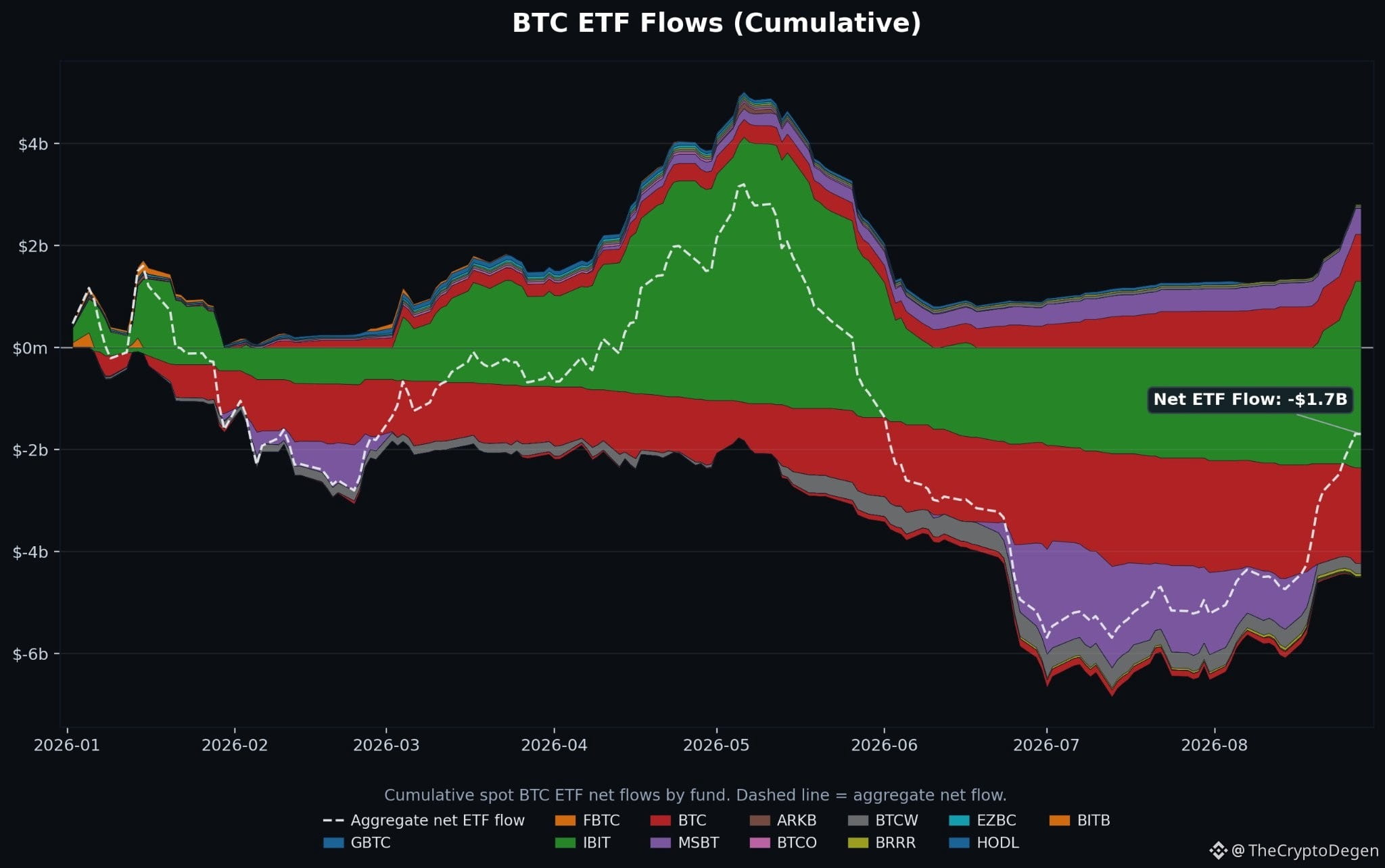
Spot BTC ETF flows have swung ~+$4.3B from the recent trough.
That matters because the lead-lag data show:
Price moves first and flows follow.
So rising BTC can pull in more capital, which absorbs more supply and reinforces the move.
That is the reflexive bull case.
That matters because the lead-lag data show:
Price moves first and flows follow.
So rising BTC can pull in more capital, which absorbs more supply and reinforces the move.
That is the reflexive bull case.
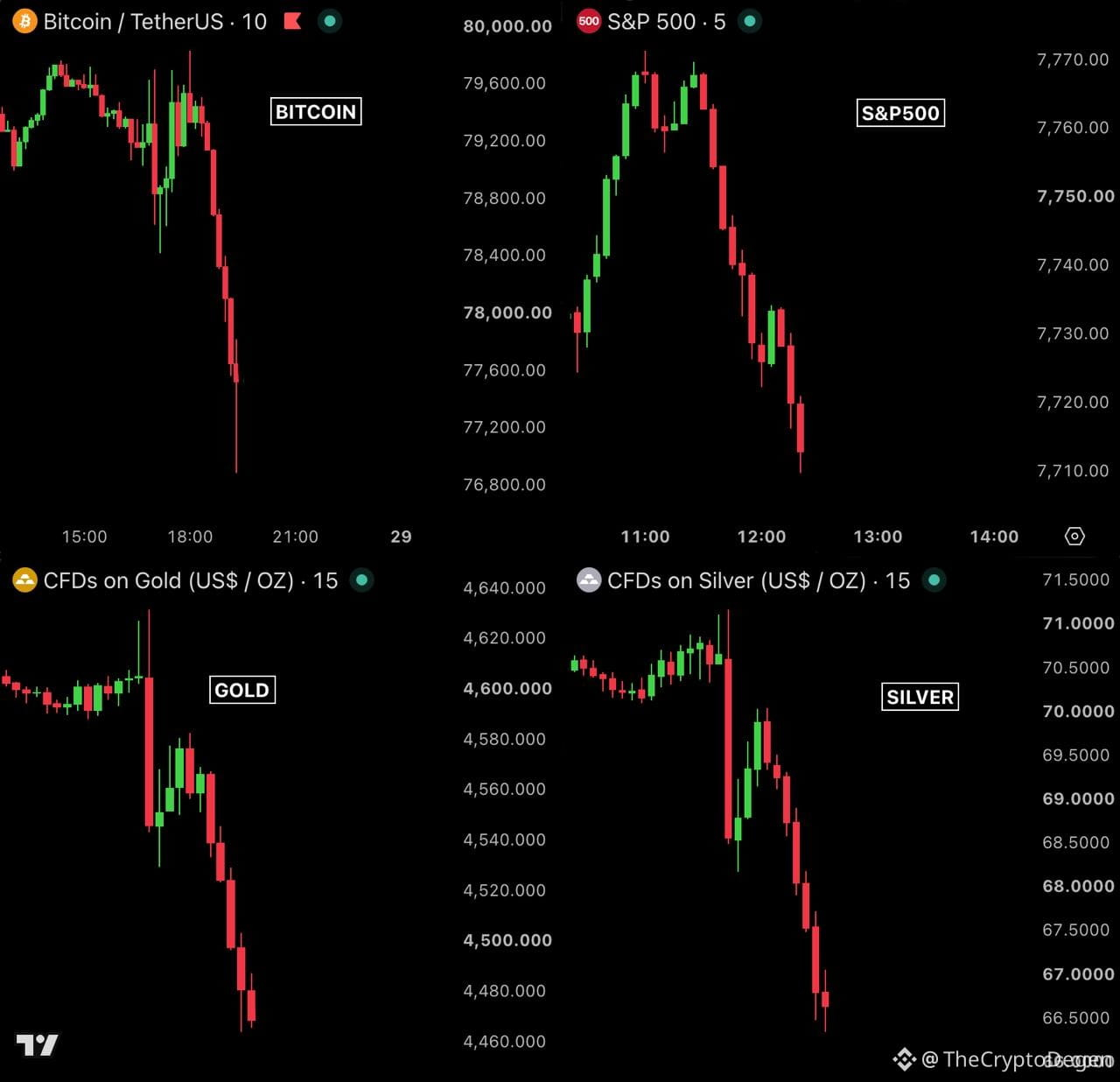
🚨Nearly $2 TRILLION wiped out from stocks, metals and crypto in just 2.5 hours.
Here's why:
1. Fed Chair Kevin Warsh called inflation "concerning" at Jackson Hole.
2. September rate hike odds jumped from 34% to 61.7% within hours.
3. US 2Y bond yield hit a 1 month high.
Here's why:
1. Fed Chair Kevin Warsh called inflation "concerning" at Jackson Hole.
2. September rate hike odds jumped from 34% to 61.7% within hours.
3. US 2Y bond yield hit a 1 month high.
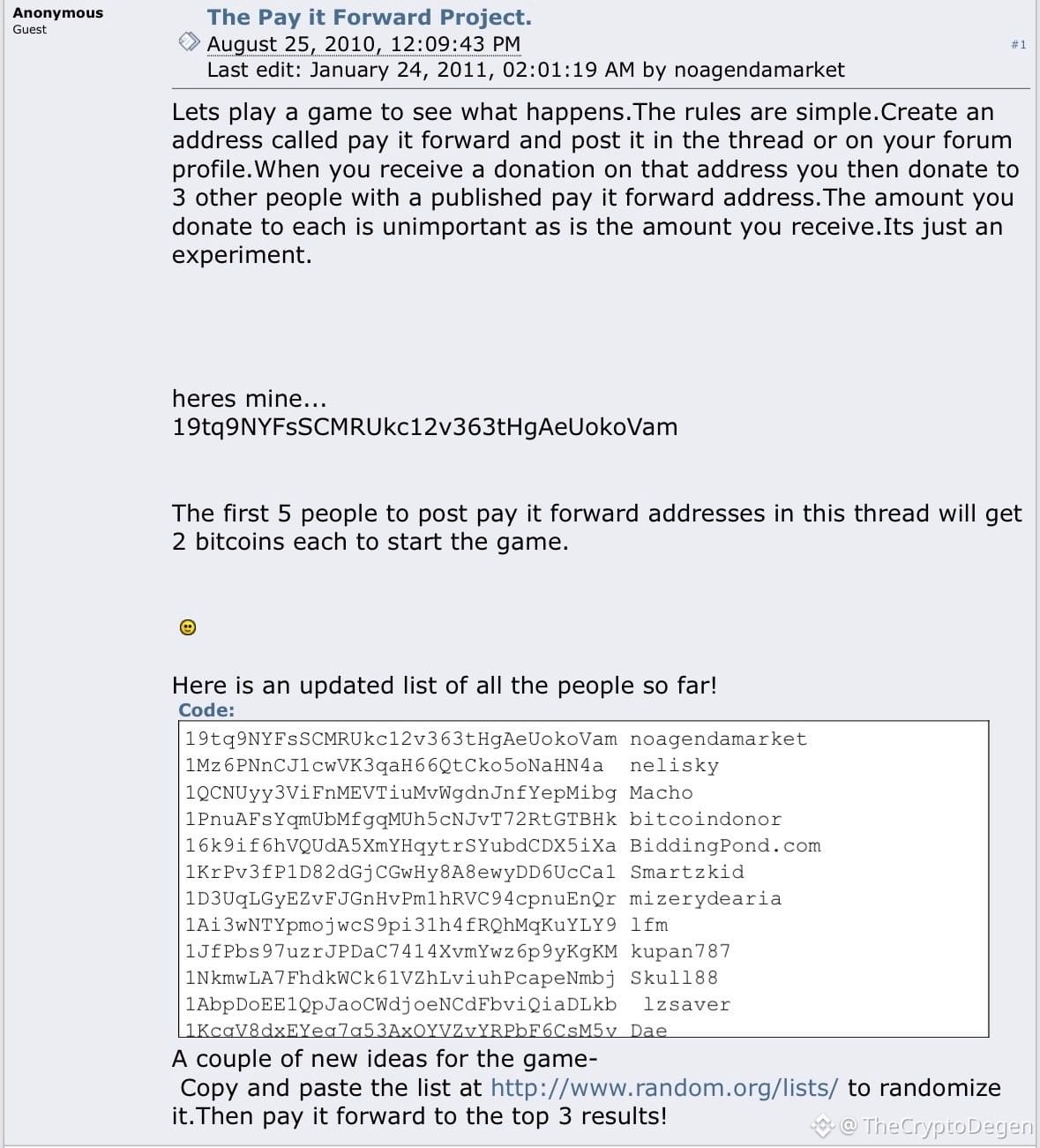
On this day in history, 16 years ago, internet forum users invented a game where they give 2 bitcoin to other people, and those people continue paying the bitcoin forward to the next. This continued for months until the chain of giving bitcoin stopped.
“There’s no way Bitcoin can go to $250k in 2 years bro.”
Really?
Using Bitcoin’s current price of about $79,200 and its circulating supply of roughly 20.075 million BTC, Bitcoin’s market cap today is about $1.59 trillion.
At $250,000/BTC, using that same circulating supply for a clean apples-to-apples comparison, Bitcoin would have a market cap of roughly $5.02 trillion.
That means Bitcoin needs to add about $3.43 trillion in market cap from here.
That’s a price gain of roughly 215.5%.
Sounds insane?
Gold recently went from roughly an $18.3 trillion market cap in early 2025 to around $39 trillion at its 2026 peak.
Gold added roughly $20.7 TRILLION in market value.
So Bitcoin going all the way from ~$79,200 to $250,000 would require absolute market-cap creation equal to only about 16.6% of what gold just added.
Read that again.
Bitcoin could more than TRIPLE from here to $250,000 and the entire increase in Bitcoin’s market cap would equal roughly ONE-SIXTH of the market value gold added during its recent explosion.
And even at $250,000 Bitcoin, BTC would be worth only about $5.02 trillion, or roughly 12.9% of gold’s ~$39 trillion peak market cap.
Gold would still be approximately 7.8 TIMES LARGER than Bitcoin.
People hear “$250,000 Bitcoin” and imagine some mathematically impossible financial event.
The math says something completely different.
$250K BITCOIN ISN’T EVEN CLOSE TO REQUIRING GOLD-SIZED CAPITAL APPRECIATION.
Bullish on Bitcoin. $BTC
Really?
Using Bitcoin’s current price of about $79,200 and its circulating supply of roughly 20.075 million BTC, Bitcoin’s market cap today is about $1.59 trillion.
At $250,000/BTC, using that same circulating supply for a clean apples-to-apples comparison, Bitcoin would have a market cap of roughly $5.02 trillion.
That means Bitcoin needs to add about $3.43 trillion in market cap from here.
That’s a price gain of roughly 215.5%.
Sounds insane?
Gold recently went from roughly an $18.3 trillion market cap in early 2025 to around $39 trillion at its 2026 peak.
Gold added roughly $20.7 TRILLION in market value.
So Bitcoin going all the way from ~$79,200 to $250,000 would require absolute market-cap creation equal to only about 16.6% of what gold just added.
Read that again.
Bitcoin could more than TRIPLE from here to $250,000 and the entire increase in Bitcoin’s market cap would equal roughly ONE-SIXTH of the market value gold added during its recent explosion.
And even at $250,000 Bitcoin, BTC would be worth only about $5.02 trillion, or roughly 12.9% of gold’s ~$39 trillion peak market cap.
Gold would still be approximately 7.8 TIMES LARGER than Bitcoin.
People hear “$250,000 Bitcoin” and imagine some mathematically impossible financial event.
The math says something completely different.
$250K BITCOIN ISN’T EVEN CLOSE TO REQUIRING GOLD-SIZED CAPITAL APPRECIATION.
Bullish on Bitcoin. $BTC

99.6% of people own less than 0.01 Bitcoin — River
Just 825k people own 1 BTC+
Buy BTC while you can!
Just 825k people own 1 BTC+
Buy BTC while you can!


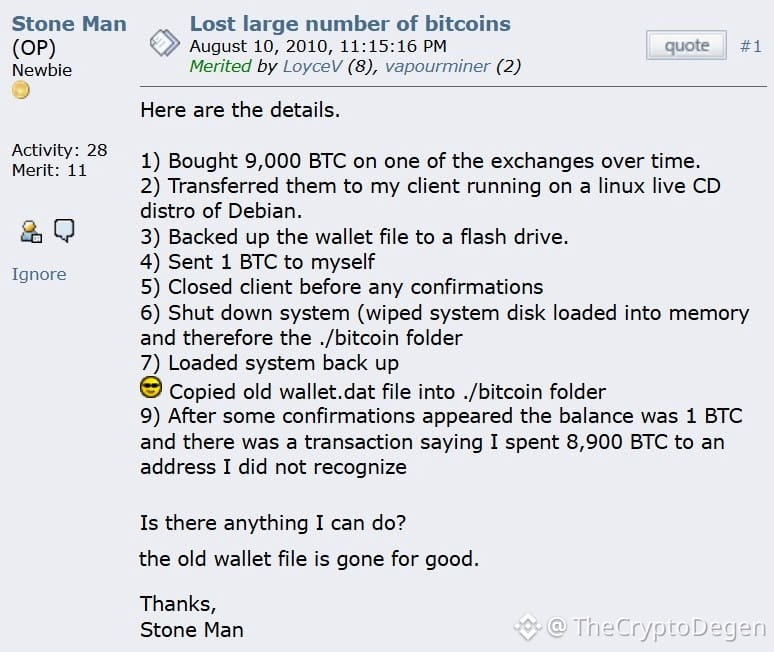
TRAGIC: 16 years ago, 'Stone Man' formatted his hard drive and lost 9,000 Bitcoins. 🤯
BTC remain frozen there, worth $700M.
Pour one out for a legend!
BTC remain frozen there, worth $700M.
Pour one out for a legend!
EL SALVADOR TRAVEL AGENCY OFFICIALLY CONFIRMS ITS 1st FLIGHT PAID 100% IN #BITCOIN
FREEDOM MONEY SPREADING GLOBALLY 🧡
FREEDOM MONEY SPREADING GLOBALLY 🧡


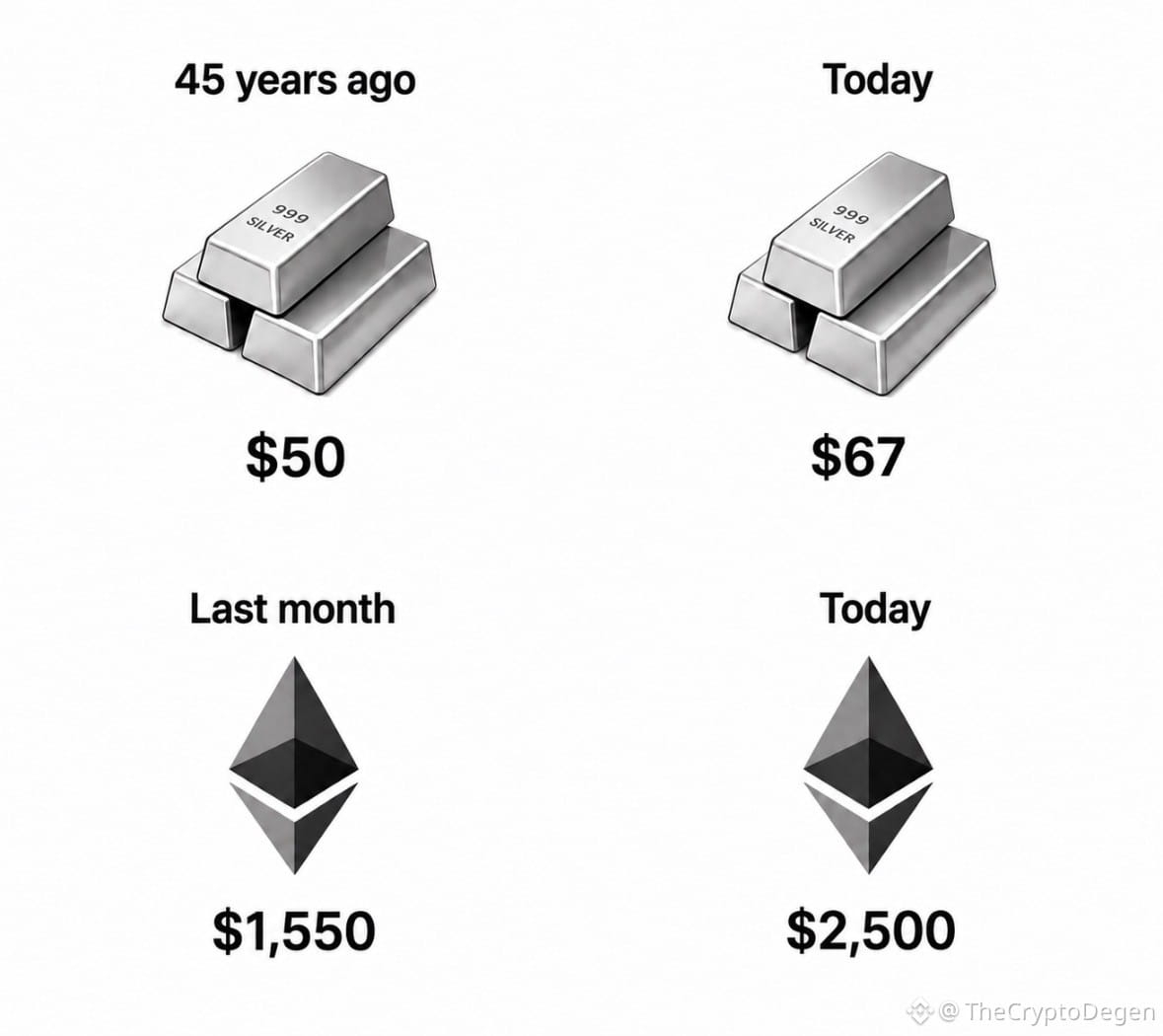
If you bought $ETH last month, you'd have outperformed someone holding Silver for 45 years.
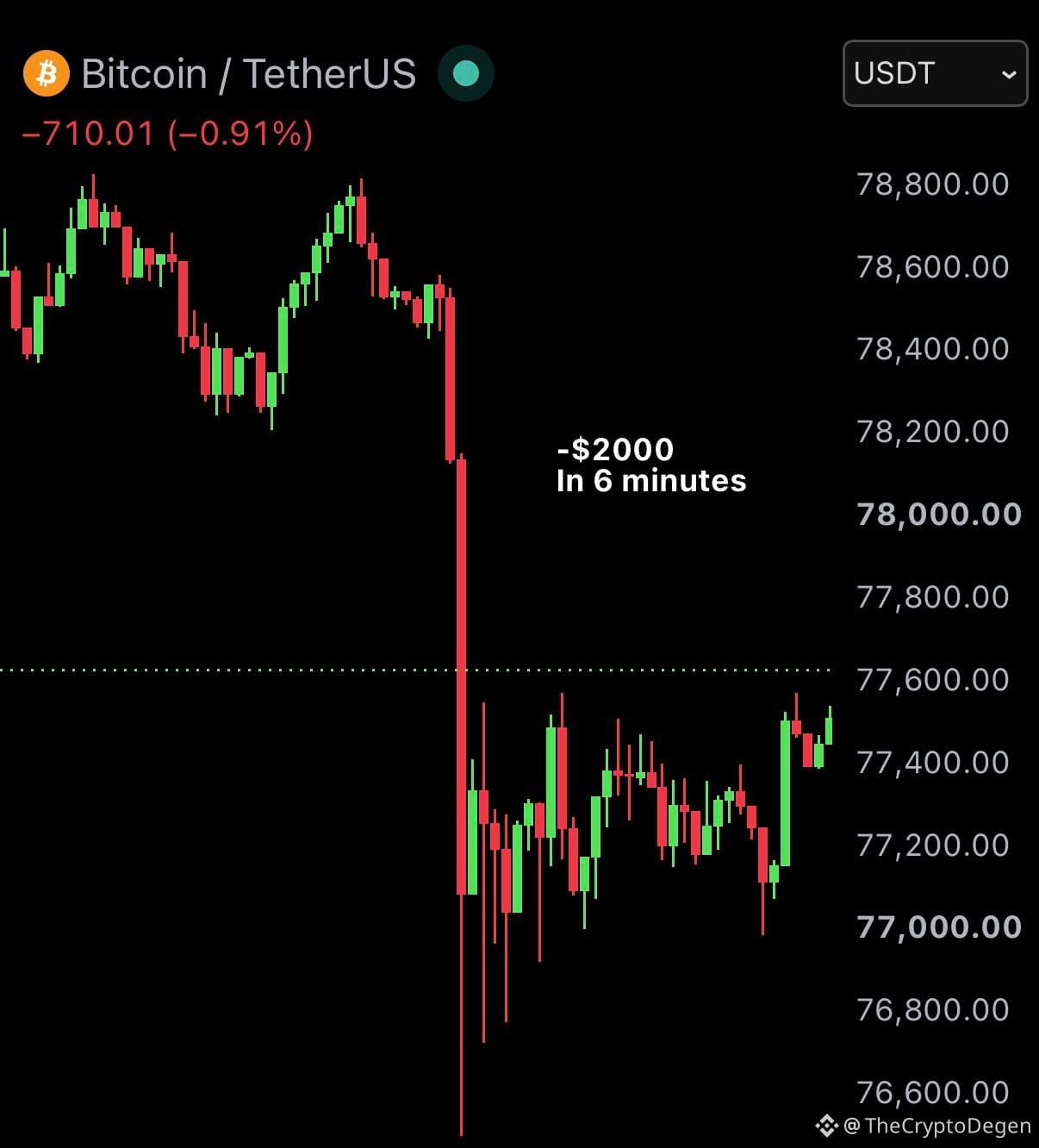
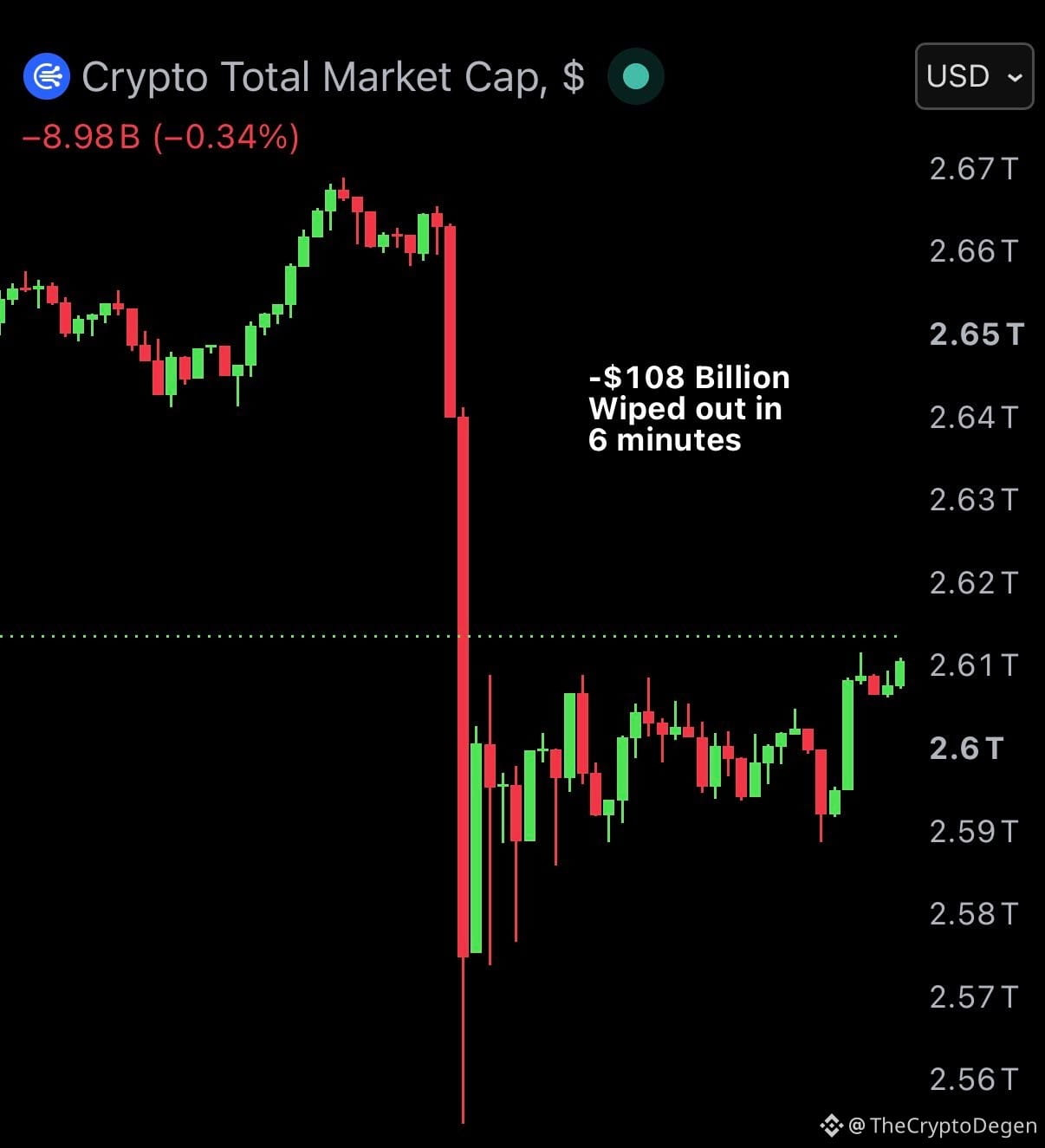
🚨 Insane flash crash In just 6 minutes:
- Bitcoin dropped -$2,000
- $500 million in longs were liquidated
- $108 Billion wiped out from crypto
- Bitcoin dropped -$2,000
- $500 million in longs were liquidated
- $108 Billion wiped out from crypto
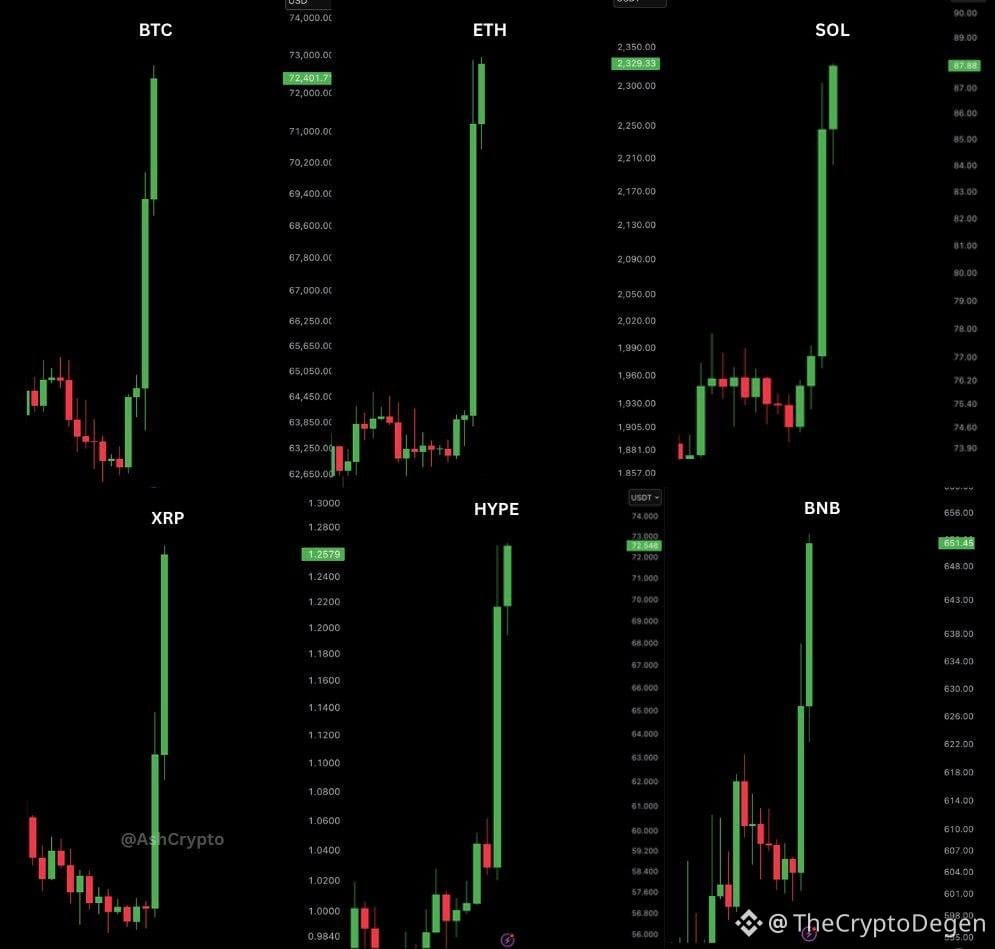
Before you get giga bullish, please read this.
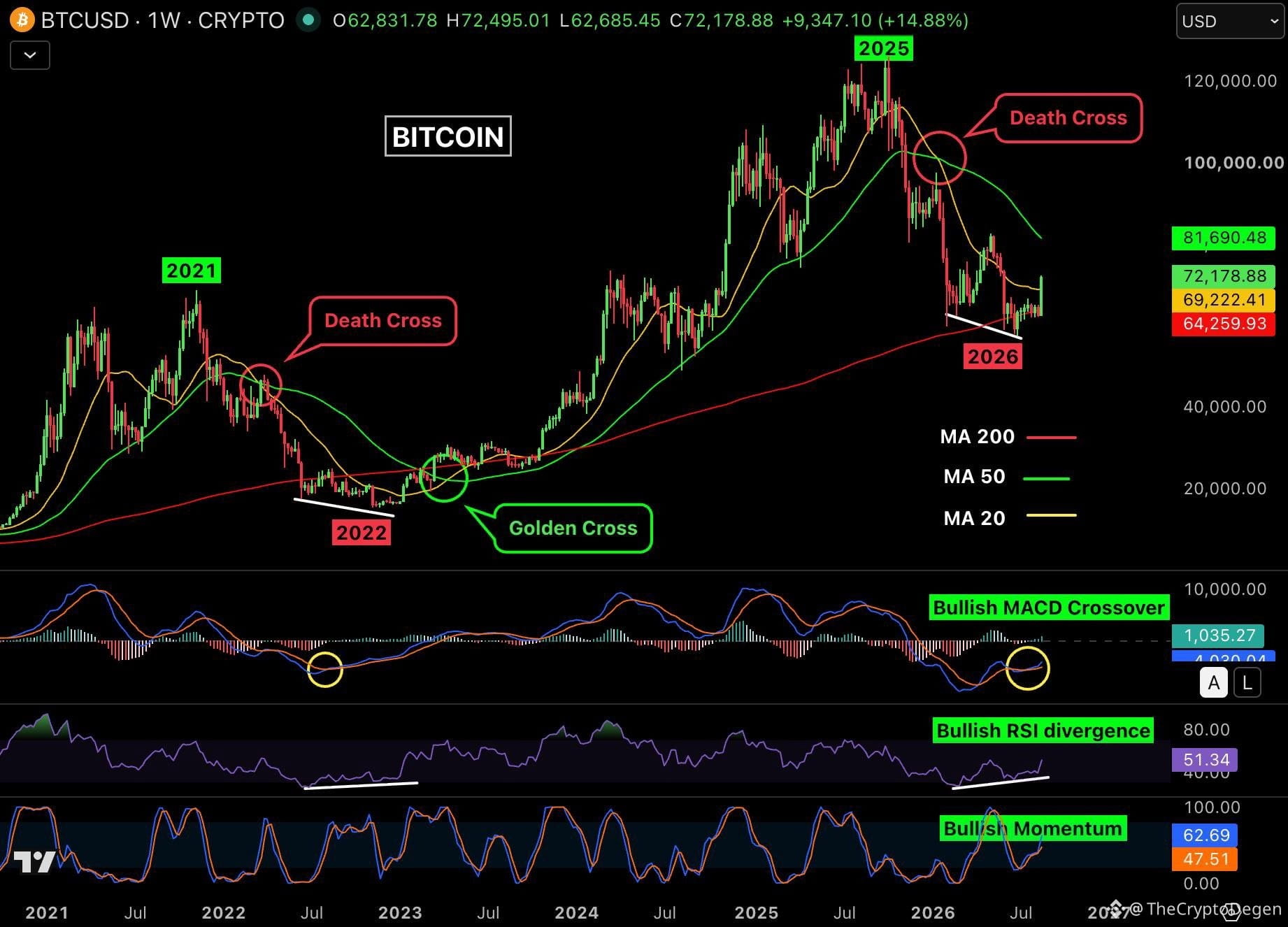
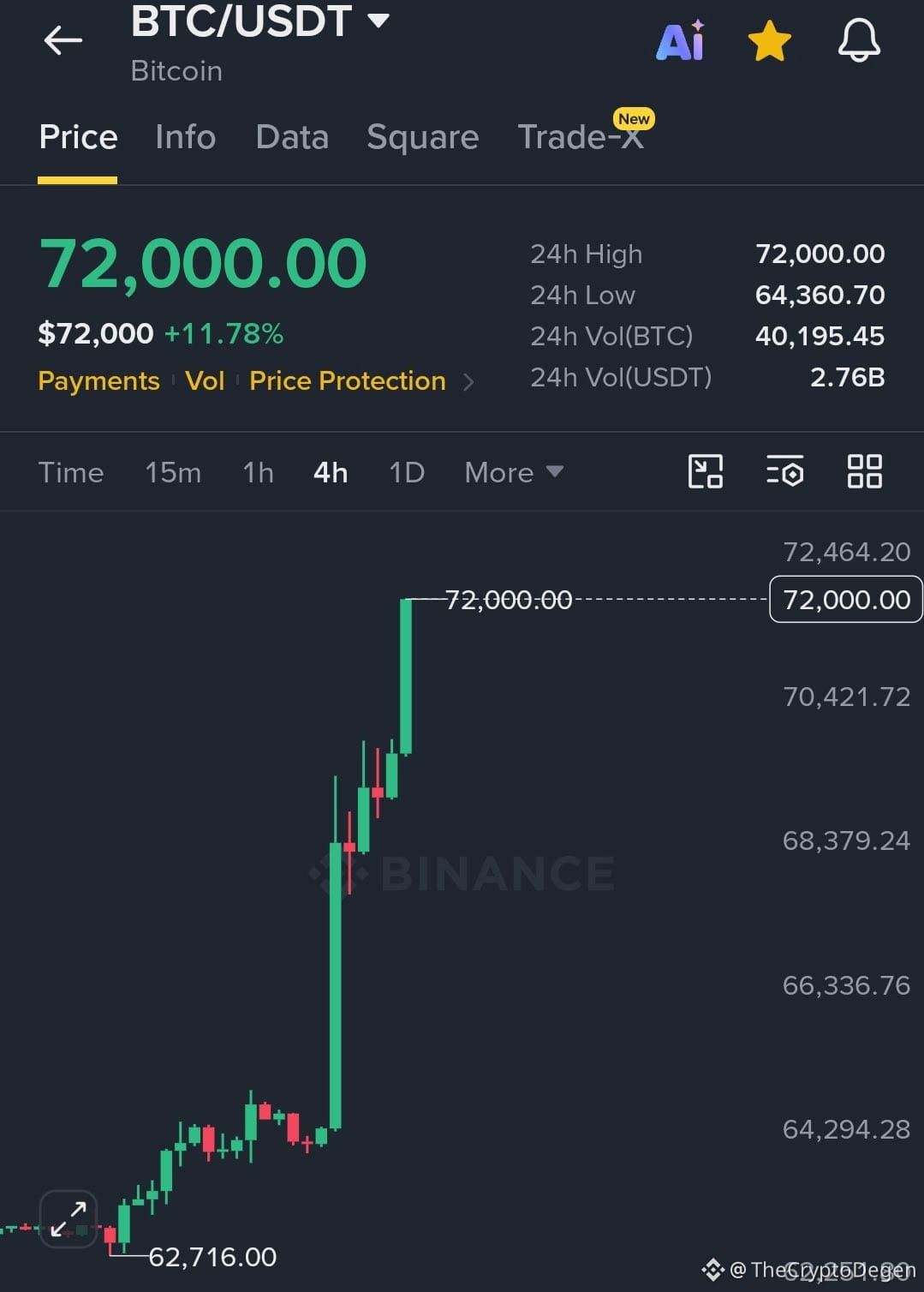
Bitcoin pumped +15% in the last 4 days, flipping short-term momentum ultra-bullish, but this does not fully cancel the risk of a Q4 correction and bottom.
1. Why this is the first real reversal sign
-BTC reclaimed its weekly MA 200
-Bullish RSI divergence & MACD crossover
- Macro conditions are bullish with Core inflation at 5-year lows and ISM at a 4-year high.
- Russell 2000 is hitting new highs ( historically leading indicator for crypto )
2. The warning
In July–August 2022, BTC rallied +40% with identical metrics before violently dropping -22% in a single week of November and printing new lows.
3. Conclusion
Short-term momentum has clearly shifted bullish, but the larger trend structure has not fully flipped yet.
Holding above $67K keeps the recovery intact; losing it would mean the breakout was a fakeout.
$BTC
Bitcoin pumped +15% in the last 4 days, flipping short-term momentum ultra-bullish, but this does not fully cancel the risk of a Q4 correction and bottom.
1. Why this is the first real reversal sign
-BTC reclaimed its weekly MA 200
-Bullish RSI divergence & MACD crossover
- Macro conditions are bullish with Core inflation at 5-year lows and ISM at a 4-year high.
- Russell 2000 is hitting new highs ( historically leading indicator for crypto )
2. The warning
In July–August 2022, BTC rallied +40% with identical metrics before violently dropping -22% in a single week of November and printing new lows.
3. Conclusion
Short-term momentum has clearly shifted bullish, but the larger trend structure has not fully flipped yet.
Holding above $67K keeps the recovery intact; losing it would mean the breakout was a fakeout.
$BTC
Log in to explore more content