
Prometheus
6.3k Posts

Prometheus
Выжимка самого главного и интересного из мира крипты.

Level 1 Creator
6 Following
29.7K+ Followers
93.1K+ Liked
1 Badges
Posts
All
Quotes
Videos
Gram Wallet appeared in Telegram for a limited group of users.
In the coming weeks, it will start being opened to everyone else.
The wallet is linked to your account. If your account is banned, you lose your crypto 😎
In the coming weeks, it will start being opened to everyone else.
The wallet is linked to your account. If your account is banned, you lose your crypto 😎

Verified
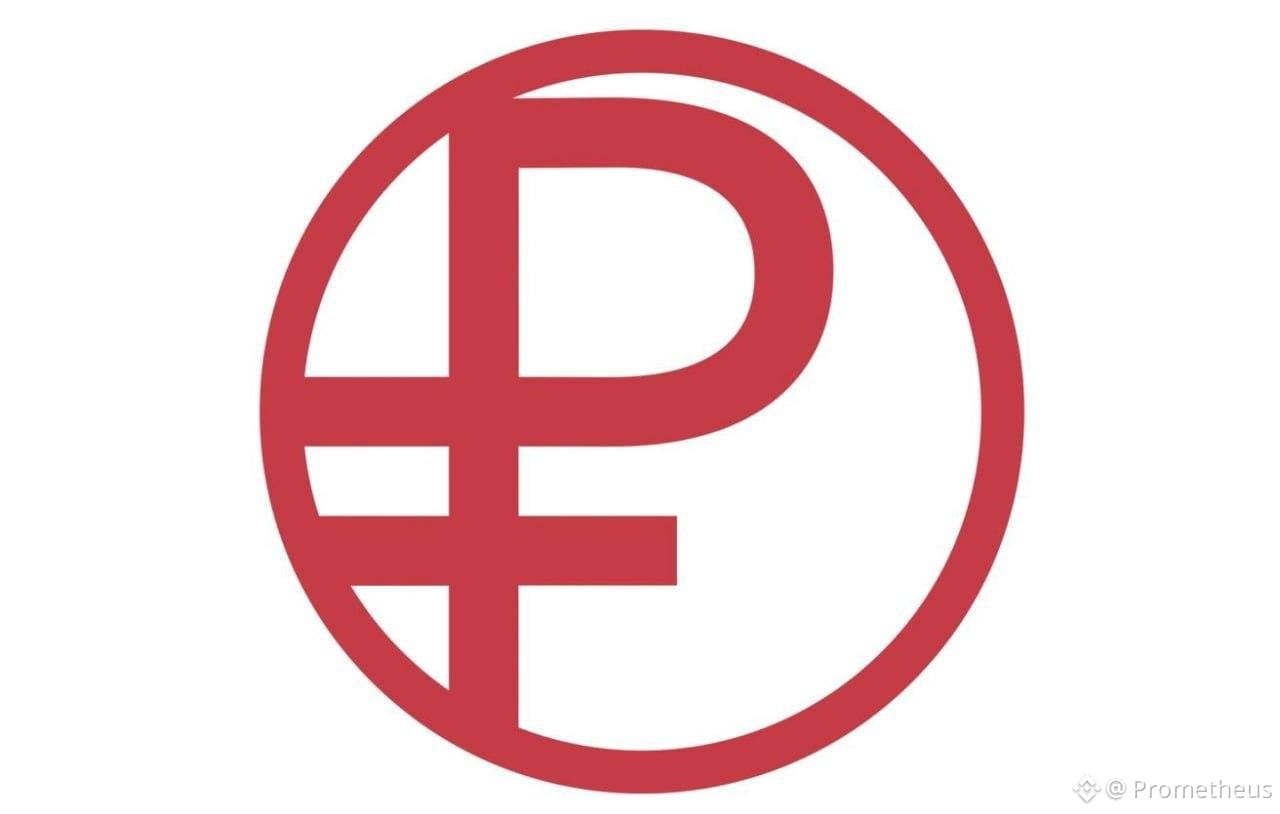
The Bank of Russia approved the official logo of the digital ruble.
Everything will begin tomorrow.
Everything will begin tomorrow.
Verified
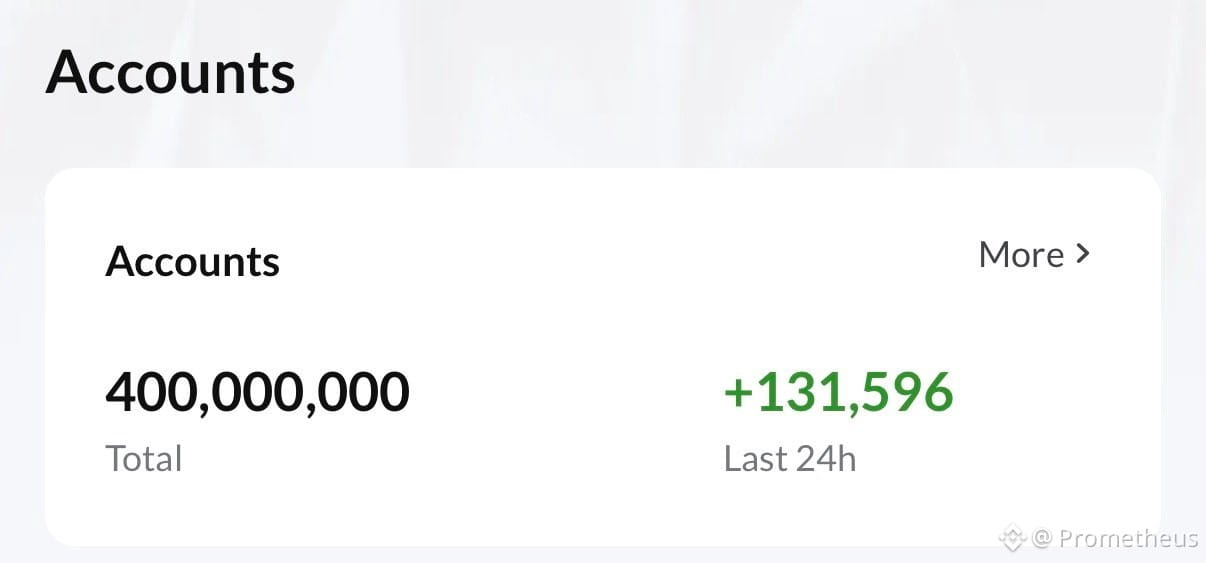
🫡 40.0 million addresses registered on network #Tron what lies behind this number, using the example of one successful blockchain:
- June 2018 — genesis block
- June 2022 — 100 million addresses on TRON
- December 2023 — 200 million addresses
- April 2025 — 300 million addresses
- August 2026 — 400 million addresses.
TRON today:
- 51.4% of the total circulating USDT volume in the world
- TRC-20 USDT volume is about 95 billion
- on average 11.82 million transactions per day, 490 thousand transactions per hour
- on average 170 thousand addresses are registered on TRON per day, about 3.2 million TRX are burned.
Since launch, the network has processed a total of more than 15 billion transactions.
- June 2018 — genesis block
- June 2022 — 100 million addresses on TRON
- December 2023 — 200 million addresses
- April 2025 — 300 million addresses
- August 2026 — 400 million addresses.
TRON today:
- 51.4% of the total circulating USDT volume in the world
- TRC-20 USDT volume is about 95 billion
- on average 11.82 million transactions per day, 490 thousand transactions per hour
- on average 170 thousand addresses are registered on TRON per day, about 3.2 million TRX are burned.
Since launch, the network has processed a total of more than 15 billion transactions.
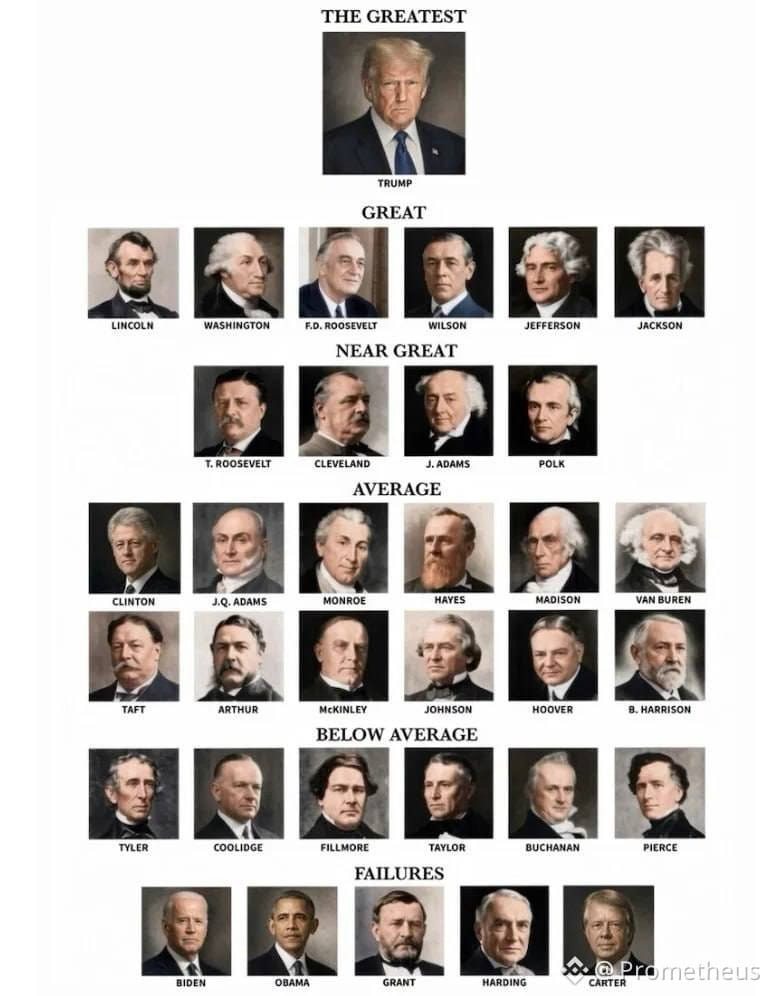
Meanwhile, Trump’s poll of US presidents, where the greatest president is… you know who.
Verified
🫡 $4.7 billion was lost by investors in Trump’s cryptocurrency projects.
- $3.2 billion on the $TRUMP memecoin
- $1 billion on the $WLFI token
- Another $500 million on other crypto initiatives of the president’s family.
- $3.2 billion on the $TRUMP memecoin
- $1 billion on the $WLFI token
- Another $500 million on other crypto initiatives of the president’s family.

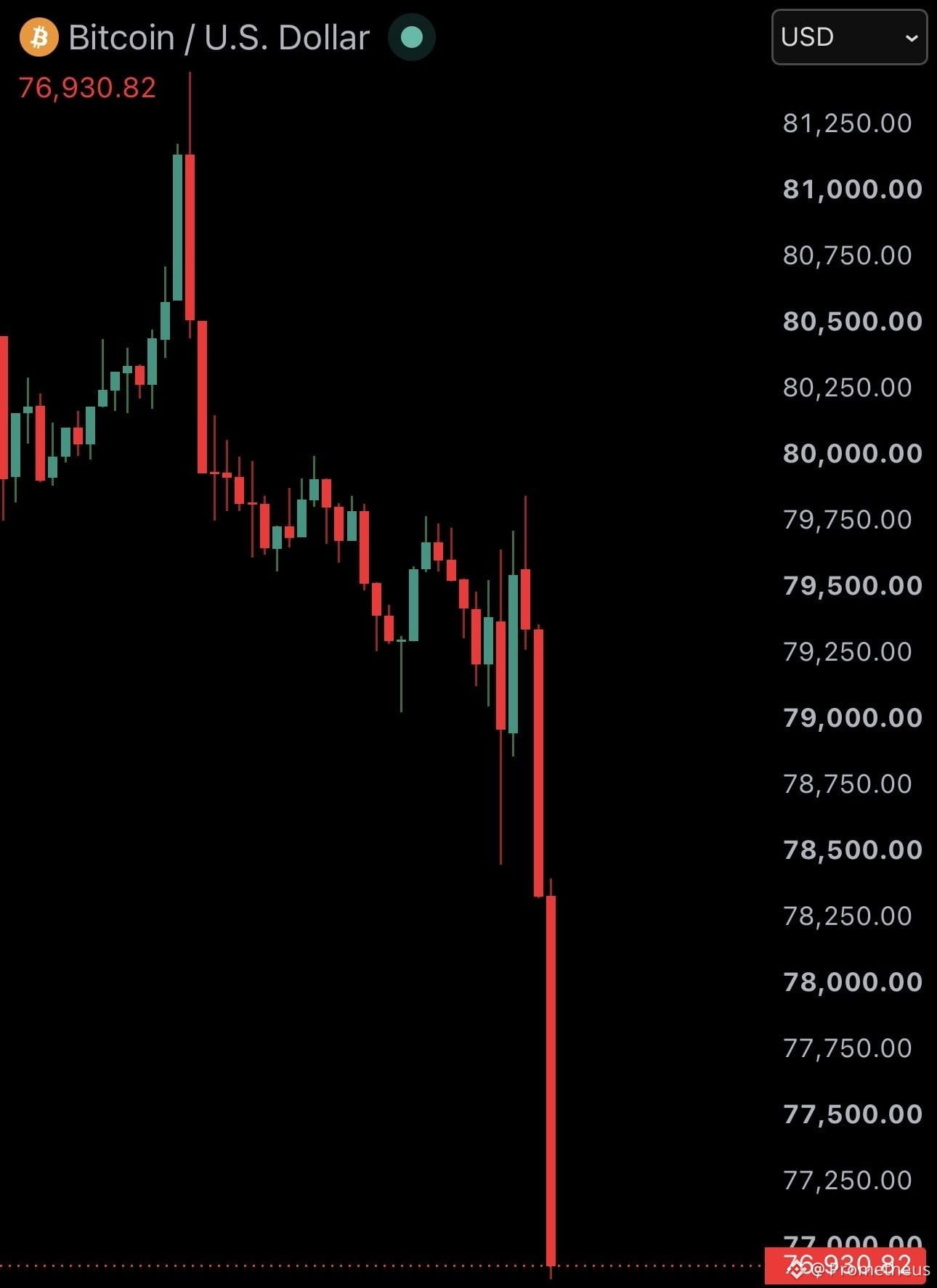
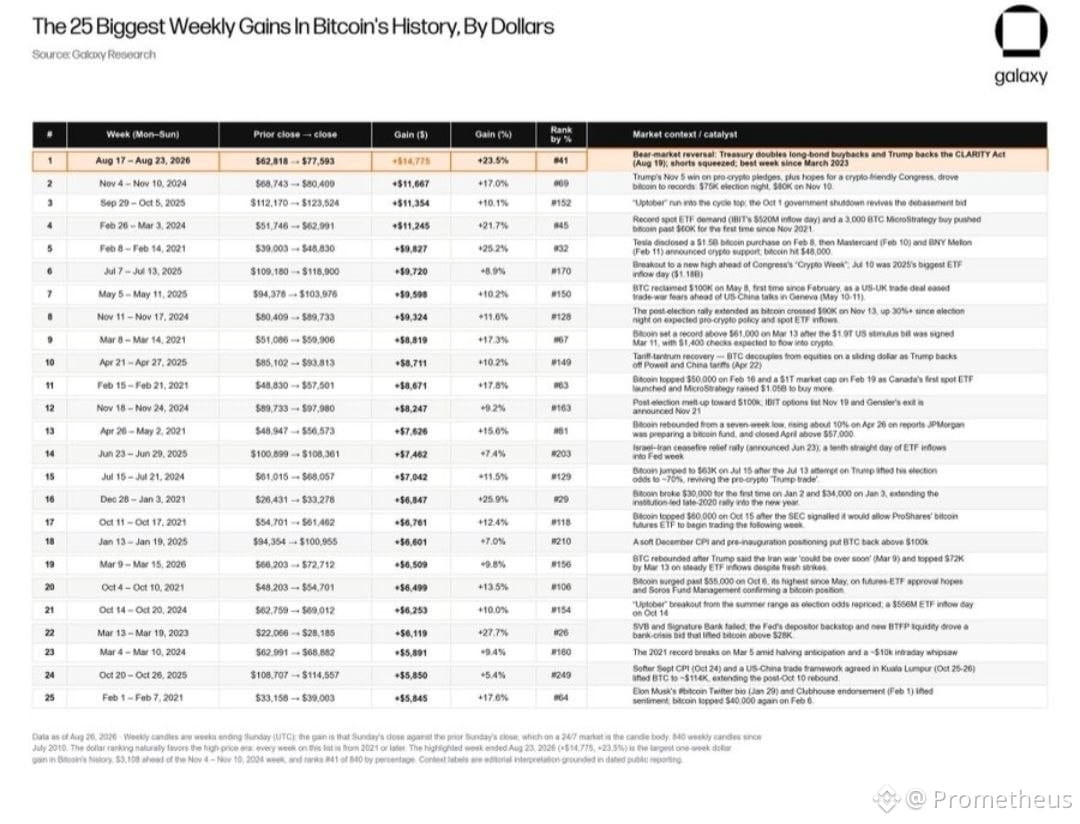
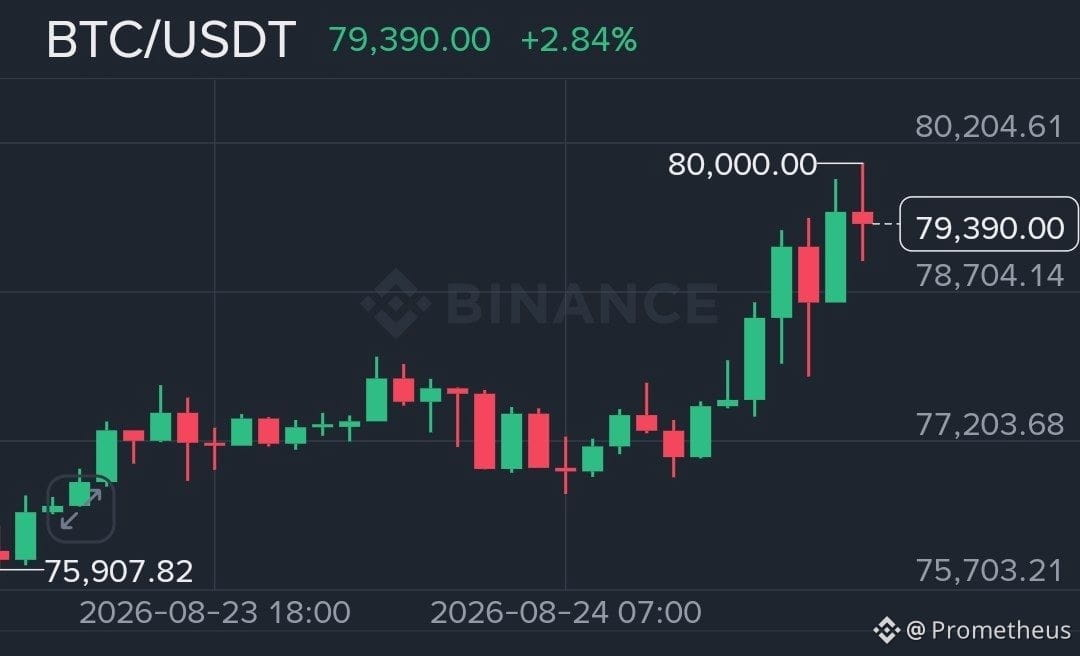
By the way, the current weekly candle has become a record for the entire history of Bitcoin.
Verified
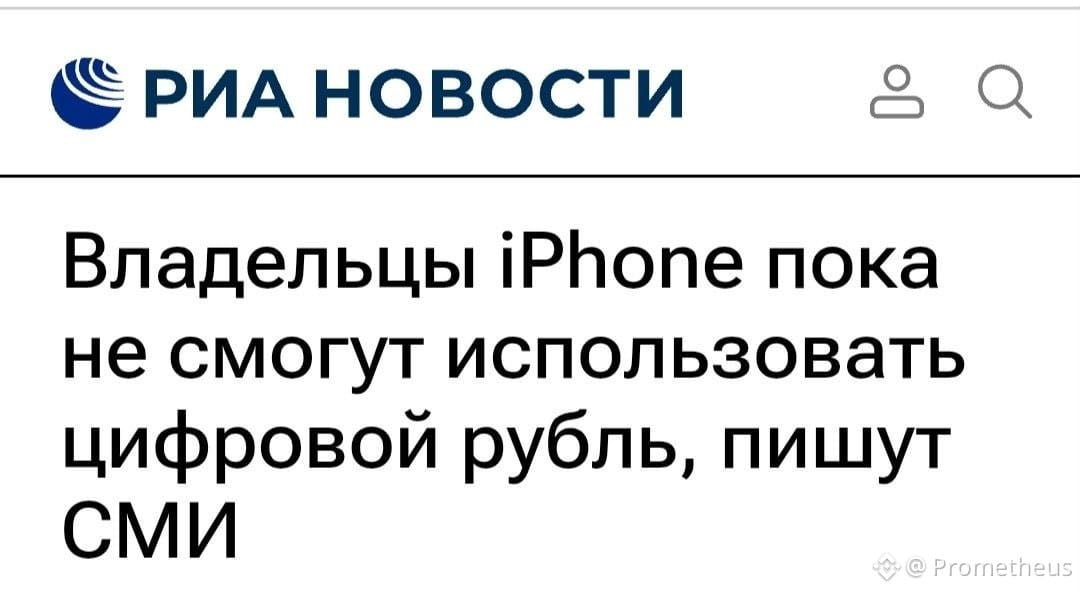
iPhone owners will not be able to use the digital ruble.
Banks cannot upload updated apps to the App Store for the digital ruble.
The official reason is related to the Central Bank of Russia’s requirements for cryptographic protection of applications. The most likely reason is that Apple is blocking updates and has not provided Russia with access to NFC payments from third-party services.
The digital ruble will start operating on September 1.
Banks cannot upload updated apps to the App Store for the digital ruble.
The official reason is related to the Central Bank of Russia’s requirements for cryptographic protection of applications. The most likely reason is that Apple is blocking updates and has not provided Russia with access to NFC payments from third-party services.
The digital ruble will start operating on September 1.
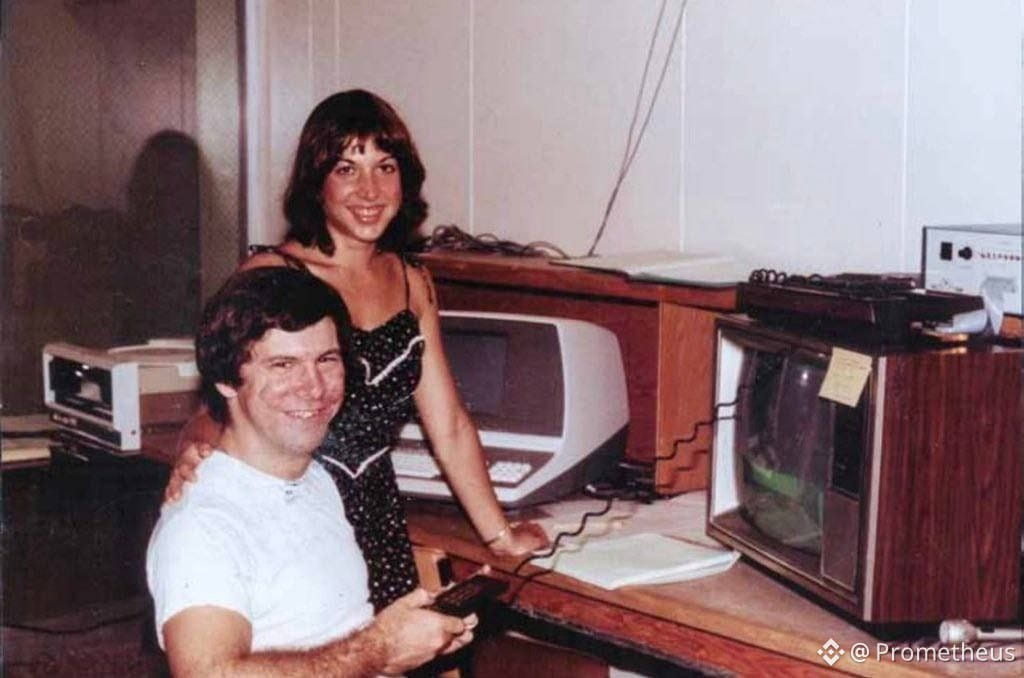
Exactly 12 years ago, Hal Finney died— the man who stood at the origins of cryptocurrency, was the first user of the coin, was the first to run a Bitcoin node on his own computer, and received the first transaction of 10 BTC from Satoshi Nakamoto himself (many believe that he is Satoshi Nakamoto).
He died on August 28, 2014, leaving instructions before his death to freeze his body for resurrection in the future, when scientists will find a way to cure diseases.
He died on August 28, 2014, leaving instructions before his death to freeze his body for resurrection in the future, when scientists will find a way to cure diseases.

🫣 Chinese hackers hacked the websites of the US Senate, the Fed, and NASA.
The US government reports that the hackers used QScan — an application that scans for poorly secured devices. Most often, these are routers and cameras; they were infected, assembling an entire network for attacks. To the United States, it looked as if they were being attacked from within the country.
Which specific data the Chinese managed to steal is not specified.
The US government reports that the hackers used QScan — an application that scans for poorly secured devices. Most often, these are routers and cameras; they were infected, assembling an entire network for attacks. To the United States, it looked as if they were being attacked from within the country.
Which specific data the Chinese managed to steal is not specified.

🐺 Wolves from Wall Street began to realize that trading needs to be done around the clock, without days off—staying ahead of the American fund market.
While Wall Street is only rolling out a 23/5 schedule, Binance is actively trading with traditional assets 24/7, and that’s proving very popular.
By the end of July, 62% of bStocks volumes on Binance came specifically during the hours when the U.S. stock market was closed. As a result, monthly bStocks trading volume reached $14.7 billion, while TradFi futures volume totaled $439 billion.
According to статистике Binance Research, 92% of the movement in TradFi trading on the crypto exchange was determined by the structure of how traditional markets opened on Monday.
So now bStocks are setting the pace for traditional assets.
While Wall Street is only rolling out a 23/5 schedule, Binance is actively trading with traditional assets 24/7, and that’s proving very popular.
By the end of July, 62% of bStocks volumes on Binance came specifically during the hours when the U.S. stock market was closed. As a result, monthly bStocks trading volume reached $14.7 billion, while TradFi futures volume totaled $439 billion.
According to статистике Binance Research, 92% of the movement in TradFi trading on the crypto exchange was determined by the structure of how traditional markets opened on Monday.
So now bStocks are setting the pace for traditional assets.

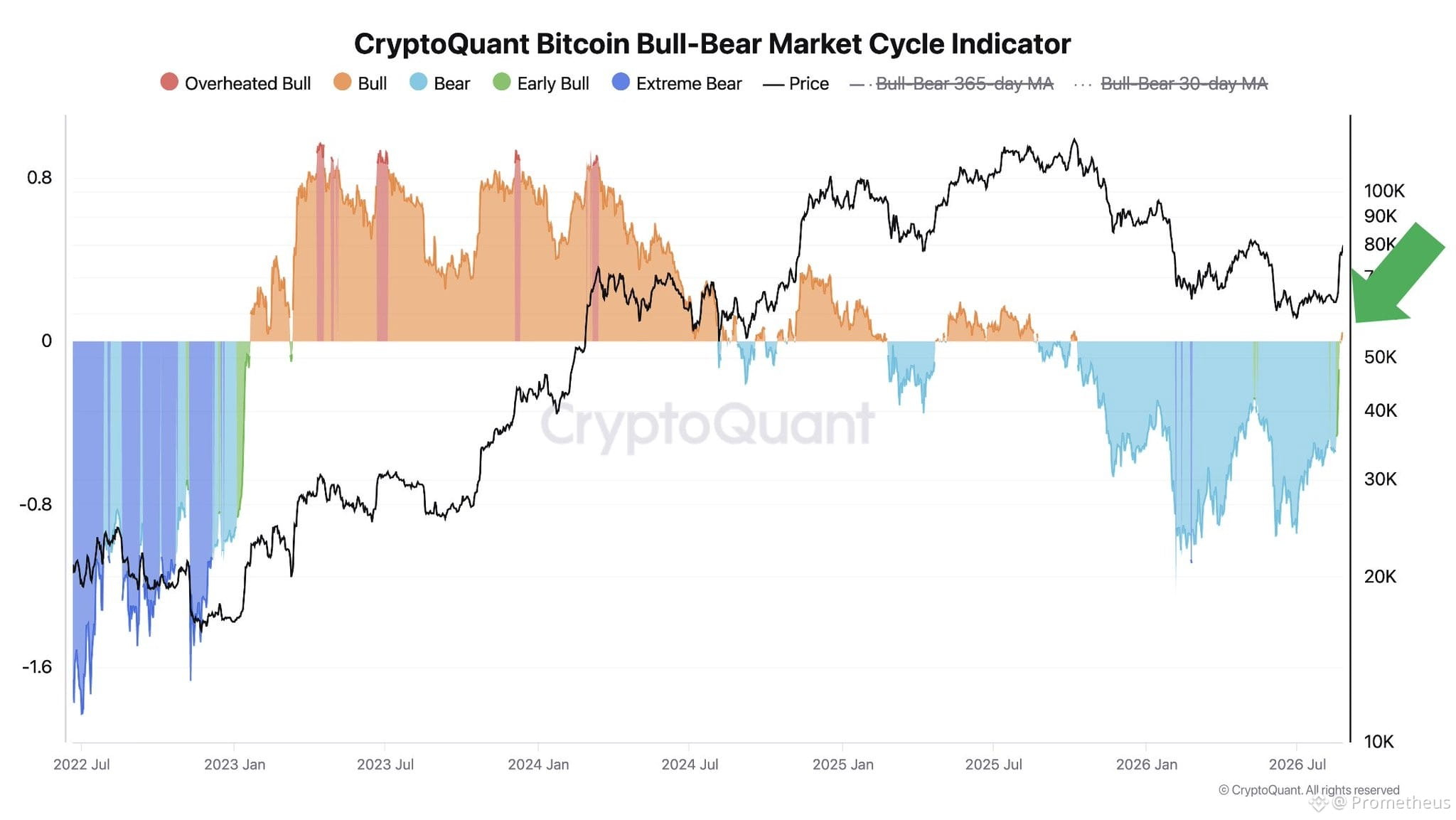
The Bear cycle of Bitcoin has ended, analysts from CryptoQuant said.
Get ready to count the Xs 😎
Get ready to count the Xs 😎
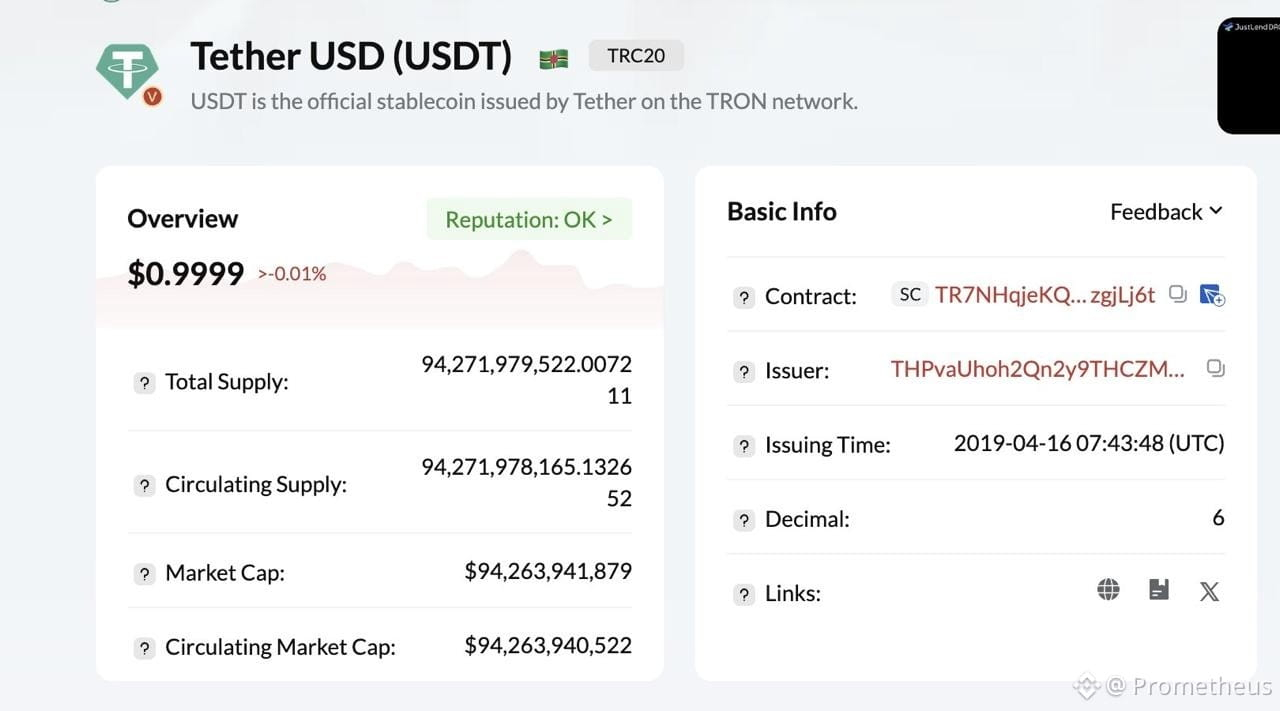
🚀 Circulating USDT volume on the TRON network has exceeded 94.2 billion!
Right now, the main volumes of Tether stablecoin transfers are taking place on this blockchain.
#TGF #TronGlobalFriends
Right now, the main volumes of Tether stablecoin transfers are taking place on this blockchain.
#TGF #TronGlobalFriends

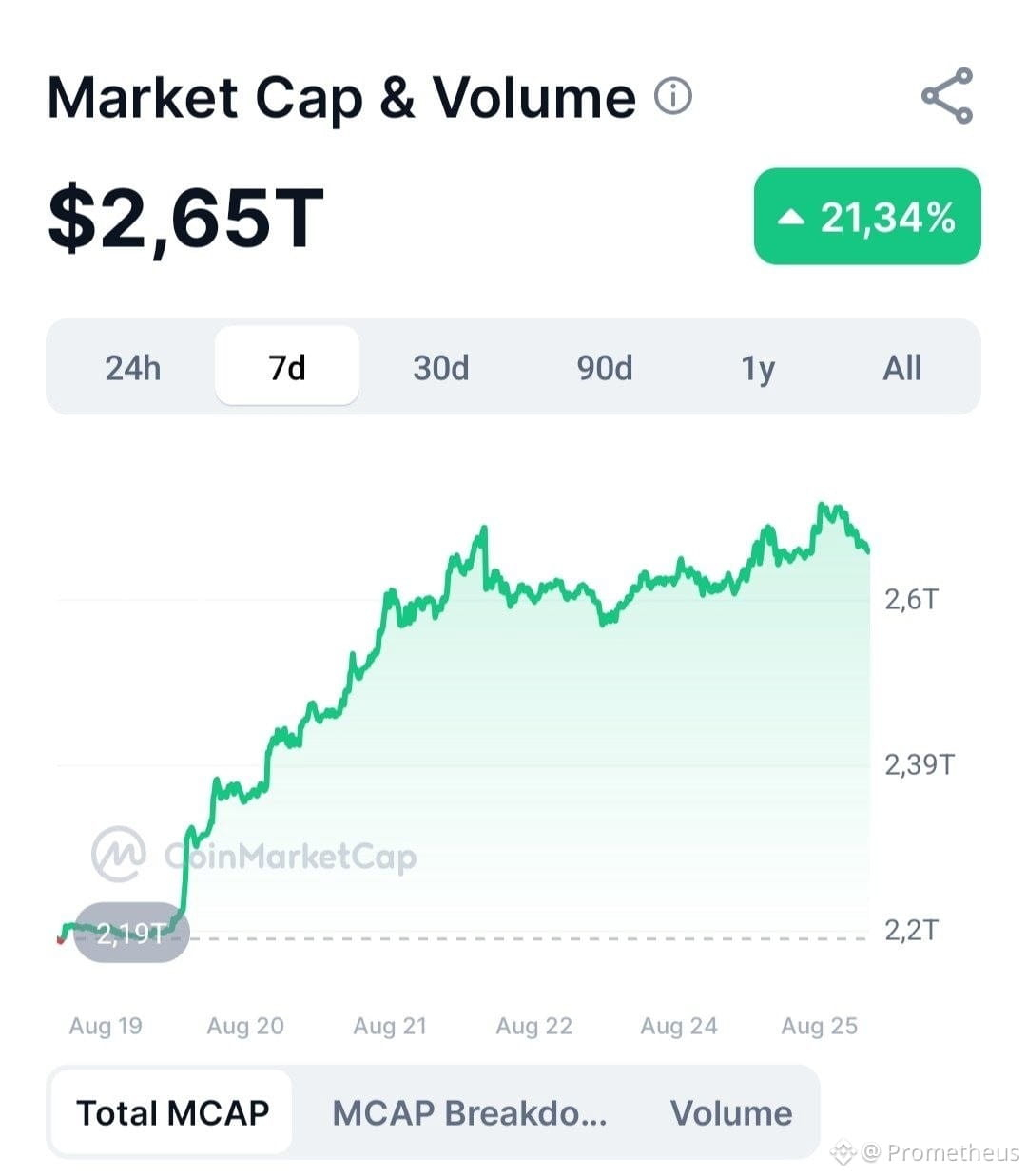
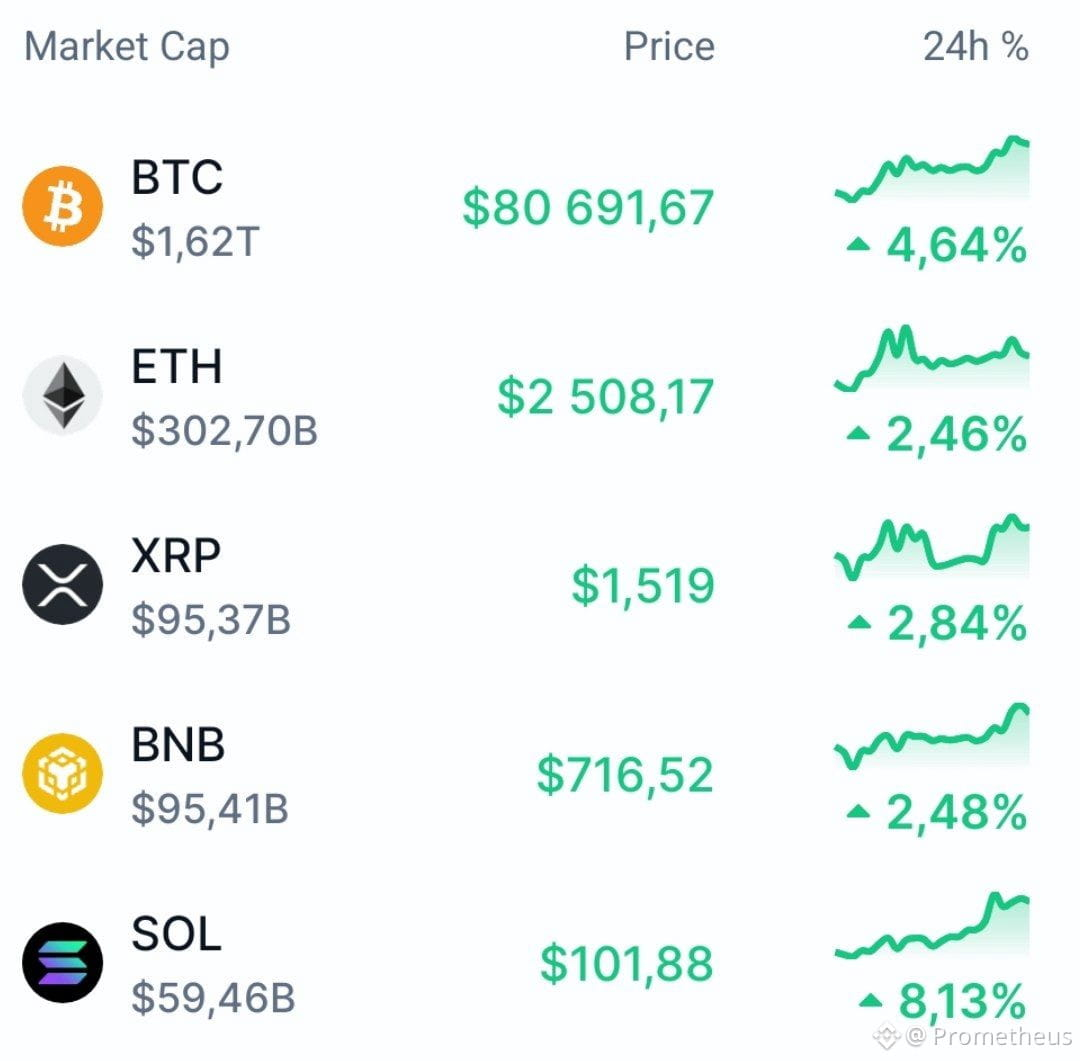
🫡 Cryptocurrency market capitalization rose by 22% over the past week—the largest weekly increase since February 2021.
Verified
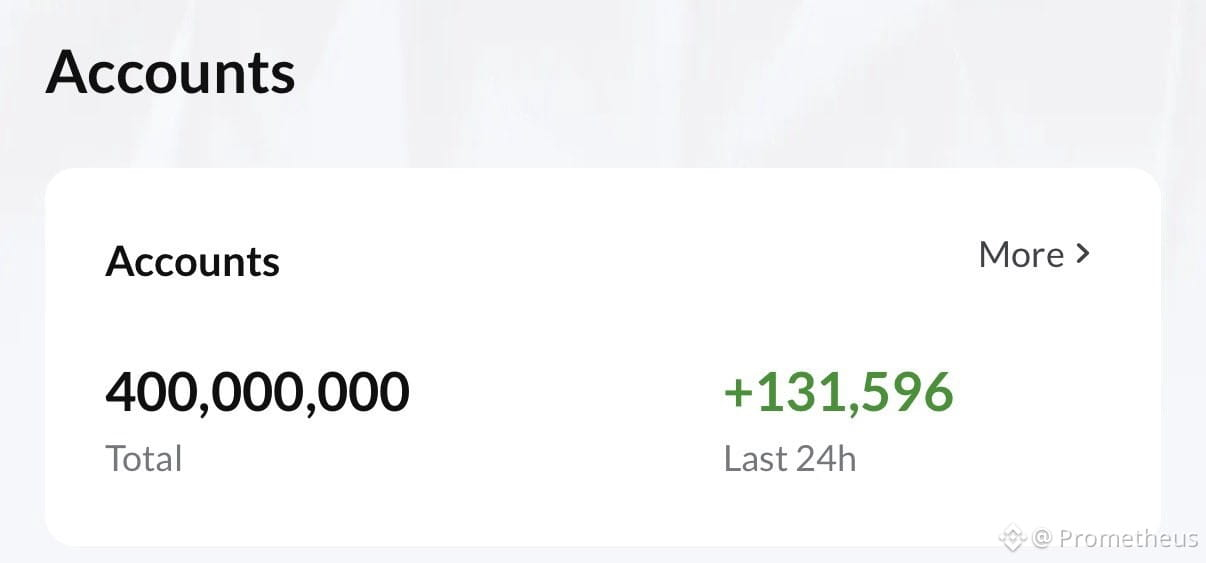
🚀 The number of accounts on the TRON network reached 400 million.
After its launch in 2018, this blockchain took 4 years to record its first 100 million wallets, and another 4 years to cross the 400 million milestone.
#TGF #TronGlobalFriends
After its launch in 2018, this blockchain took 4 years to record its first 100 million wallets, and another 4 years to cross the 400 million milestone.
#TGF #TronGlobalFriends
Log in to explore more content