
Crypto News Xrp
6.9k Posts

Crypto News Xrp
Noticias relevantes del mundo crypto y sus interacciónes con las bolsas de valores
Open Trade
Frequent Trader
6 Years
2 Following
684 Followers
3.8K+ Liked
Posts
Portfolio
All
Quotes
Videos
See translation
🚨🚨🚨BREAKING🚨🚨🚨
La Cámara de Representantes cancela DOS SEMANAS de sesiones de septiembre, lo que pone en riesgo que la votación sobre la Ley CLARITY se posponga para después de las elecciones.
Los republicanos de la Cámara cancelaron las sesiones de votación correspondientes a las semanas del 21 y el 28 de septiembre, dejando a la cámara con una única semana más de votaciones antes de que los legisladores regresen a sus distritos de cara a las elecciones de mitad de mandato de noviembre.
Se prevé que el Senado comience a trabajar en la Ley CLARITY alrededor del 15 de septiembre; sin embargo, cualquier enmienda del Senado obligaría a que el proyecto de ley regresara a la Cámara antes de llegar al despacho de Trump.
El proyecto de ley sobre la estructura del mercado de criptomonedas podría acabar postergándose hasta la sesión legislativa de fin de mandato posterior a las elecciones.
La Cámara de Representantes cancela DOS SEMANAS de sesiones de septiembre, lo que pone en riesgo que la votación sobre la Ley CLARITY se posponga para después de las elecciones.
Los republicanos de la Cámara cancelaron las sesiones de votación correspondientes a las semanas del 21 y el 28 de septiembre, dejando a la cámara con una única semana más de votaciones antes de que los legisladores regresen a sus distritos de cara a las elecciones de mitad de mandato de noviembre.
Se prevé que el Senado comience a trabajar en la Ley CLARITY alrededor del 15 de septiembre; sin embargo, cualquier enmienda del Senado obligaría a que el proyecto de ley regresara a la Cámara antes de llegar al despacho de Trump.
El proyecto de ley sobre la estructura del mercado de criptomonedas podría acabar postergándose hasta la sesión legislativa de fin de mandato posterior a las elecciones.


🚨🚨🚨BREAKING🚨🚨🚨
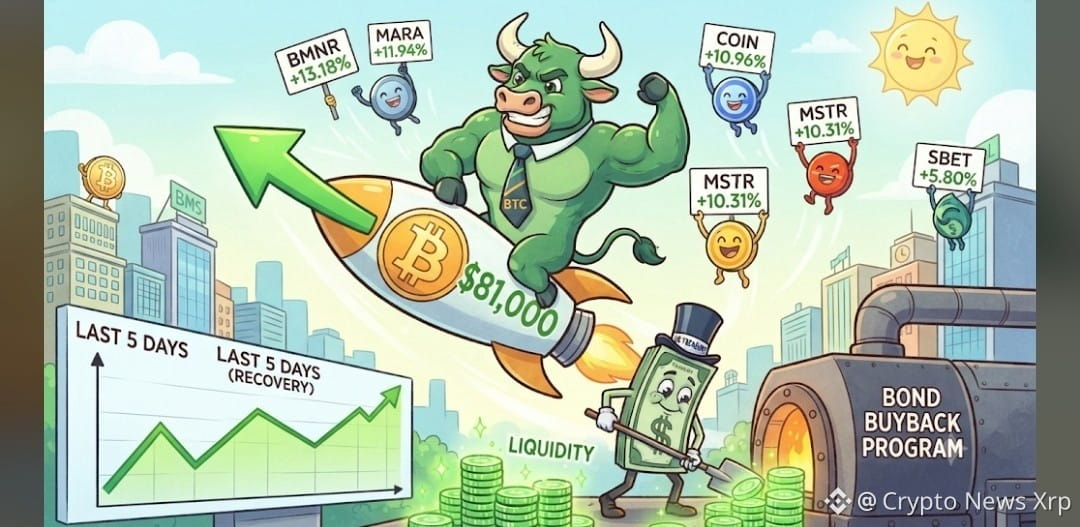
Crypto-related stocks are bouncing as Bitcoin breaks above $81,000, reversing the price losses seen over the past five days.
This bullish momentum was driven in part by the U.S. Treasury Department’s plan to expand the long-term bond buyback program, which injects fresh liquidity into the markets, weakens the dollar, and supports risk assets.
🟢 BMNR +13,18 %
🟢 MARA +11,94 %
🟢 COIN +10,96 %
🟢 MSTR +10,31 %
🟢 SBET +5,80 %
Crypto-related stocks are bouncing as Bitcoin breaks above $81,000, reversing the price losses seen over the past five days.
This bullish momentum was driven in part by the U.S. Treasury Department’s plan to expand the long-term bond buyback program, which injects fresh liquidity into the markets, weakens the dollar, and supports risk assets.
🟢 BMNR +13,18 %
🟢 MARA +11,94 %
🟢 COIN +10,96 %
🟢 MSTR +10,31 %
🟢 SBET +5,80 %
🚨🚨🚨BREAKING🚨🚨🚨
Anthropic is about to close a pre-IPO line of credit worth $15 billion, a figure six times higher than the $2.5 billion it raised last year.
Morgan Stanley is leading the deal, in which Goldman Sachs, JPMorgan, Citi, Barclays, and Wells Fargo also play key roles.
Anthropic filed its S-1 form confidentially in June and is aiming for a valuation of up to $2 trillion, which would make it the biggest IPO in history, according to Bloomberg and the Financial Times.
Anthropic is about to close a pre-IPO line of credit worth $15 billion, a figure six times higher than the $2.5 billion it raised last year.
Morgan Stanley is leading the deal, in which Goldman Sachs, JPMorgan, Citi, Barclays, and Wells Fargo also play key roles.
Anthropic filed its S-1 form confidentially in June and is aiming for a valuation of up to $2 trillion, which would make it the biggest IPO in history, according to Bloomberg and the Financial Times.

🚨🚨🚨BREAKING🚨🚨🚨
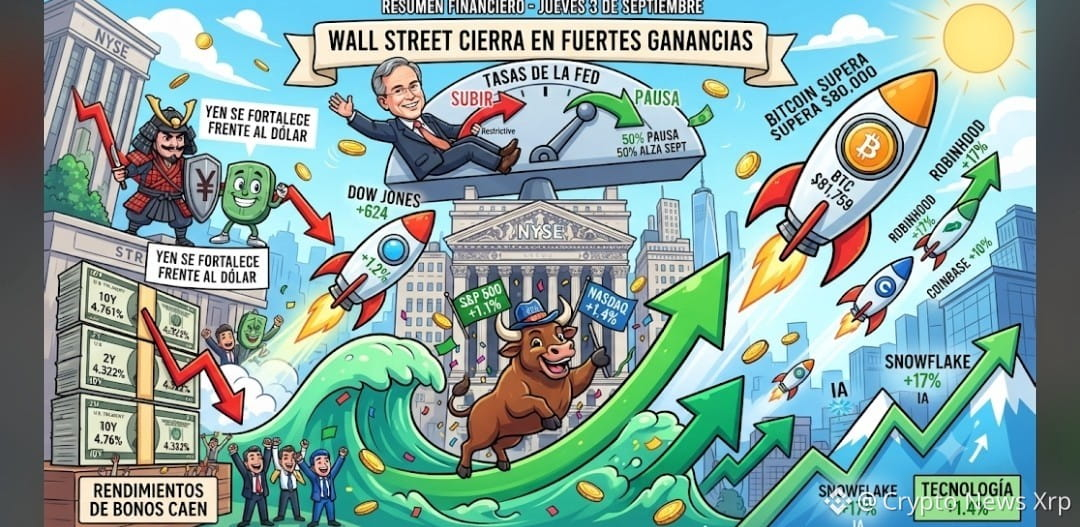
Financial summary for Thursday, September 3:
The session was marked by a shift in expectations for Federal Reserve monetary policy. Governor Waller’s remarks suggested a possible pause in rate hikes for September, which drove a broad rally in risk assets.
Key Points:
Wall Street in the green: Major indexes closed with significant gains: Dow Jones (+1.2%), S&P 500 (+1.1%), and Nasdaq (+1.4%).
Yields fall: 10- and 2-year Treasury bonds saw their yields decline, easing pressure on the market.
Technology and AI surge: The technology sector led the advances, with a 17% jump in Snowflake shares driven by artificial intelligence.
Bitcoin tops $80k: Cryptocurrencies posted a strong rebound, with Bitcoin reaching $81,759 during the session.
Strength of the Yen: The Japanese currency strengthened against the dollar after restrictive comments from the Bank of Japan.
$BTC
Financial summary for Thursday, September 3:
The session was marked by a shift in expectations for Federal Reserve monetary policy. Governor Waller’s remarks suggested a possible pause in rate hikes for September, which drove a broad rally in risk assets.
Key Points:
Wall Street in the green: Major indexes closed with significant gains: Dow Jones (+1.2%), S&P 500 (+1.1%), and Nasdaq (+1.4%).
Yields fall: 10- and 2-year Treasury bonds saw their yields decline, easing pressure on the market.
Technology and AI surge: The technology sector led the advances, with a 17% jump in Snowflake shares driven by artificial intelligence.
Bitcoin tops $80k: Cryptocurrencies posted a strong rebound, with Bitcoin reaching $81,759 during the session.
Strength of the Yen: The Japanese currency strengthened against the dollar after restrictive comments from the Bank of Japan.
$BTC
See translation
🚨🚨🚨BREAKING🚨🚨🚨
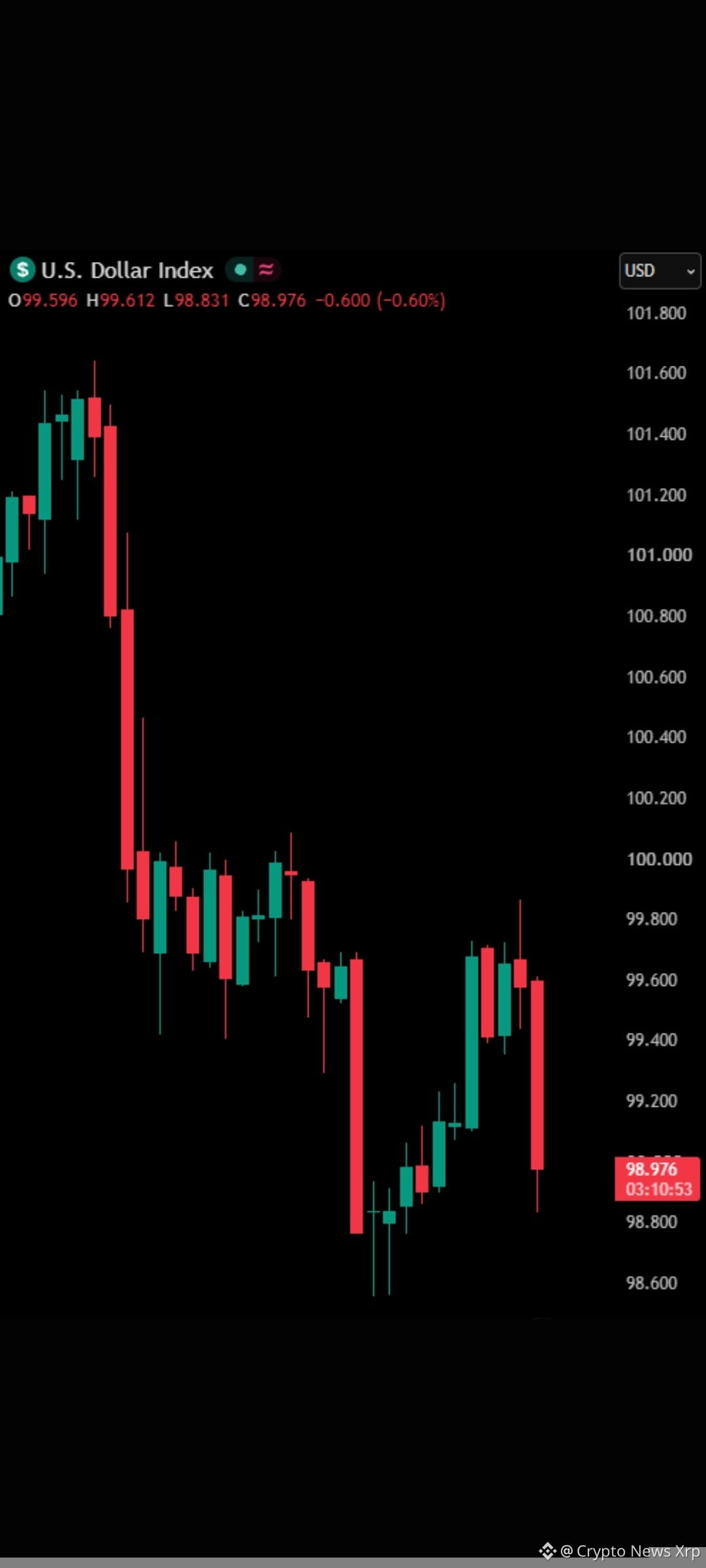
El dólar estadounidense está cayendo A PESAR de que el rendimiento de los bonos del Tesoro a 30 años ha alcanzado su nivel más alto en casi dos décadas.
Por lo general, unos rendimientos más elevados atraen capital y fortalecen el dólar, pero eso no está sucediendo.
El índice DXY cayó de cerca de 102 a menos de 99 durante el mes de agosto.
El yuan se fortaleció frente al dólar y el yen repuntó un 1,5% ante las crecientes expectativas de una subida de tipos por parte del Banco de Japón (BOJ).
La deuda nacional de 40 billones de dólares, el aumento de los déficits y la preocupación en torno al programa ampliado de recompra del Tesoro juegan en contra de la divisa.
Los inversores exigen mayores rendimientos para mantener deuda estadounidense a largo plazo, mientras el dólar sigue debilitándose.
El informe de empleo del viernes será la próxima prueba.
El dólar estadounidense está cayendo A PESAR de que el rendimiento de los bonos del Tesoro a 30 años ha alcanzado su nivel más alto en casi dos décadas.
Por lo general, unos rendimientos más elevados atraen capital y fortalecen el dólar, pero eso no está sucediendo.
El índice DXY cayó de cerca de 102 a menos de 99 durante el mes de agosto.
El yuan se fortaleció frente al dólar y el yen repuntó un 1,5% ante las crecientes expectativas de una subida de tipos por parte del Banco de Japón (BOJ).
La deuda nacional de 40 billones de dólares, el aumento de los déficits y la preocupación en torno al programa ampliado de recompra del Tesoro juegan en contra de la divisa.
Los inversores exigen mayores rendimientos para mantener deuda estadounidense a largo plazo, mientras el dólar sigue debilitándose.
El informe de empleo del viernes será la próxima prueba.
See translation
🚨🚨🚨BREAKING🚨🚨🚨
La CFTC ha solicitado a un juez federal que desestime la demanda de CME sobre su aprobación de futuros perpetuos de criptomonedas, argumentando que CME no puede demostrar ningún perjuicio financiero concreto.
La CFTC ha solicitado a un juez federal que desestime la demanda de CME sobre su aprobación de futuros perpetuos de criptomonedas, argumentando que CME no puede demostrar ningún perjuicio financiero concreto.


🚨🚨🚨BREAKING🚨🚨🚨
President Trump claims that the Space Force can read, from space, the ID badge of any person who enters or leaves Iran’s nuclear facilities.
“Literally, you could read their ID badge from space; can you believe it?”
President Trump claims that the Space Force can read, from space, the ID badge of any person who enters or leaves Iran’s nuclear facilities.
“Literally, you could read their ID badge from space; can you believe it?”

🚨🚨🚨BREAKING🚨🚨🚨
Zcash surpassed $900, driven by its «hard money» thesis and rising demand for digital privacy, paving the way for a new price discovery, Grayscale said.
Zcash surpassed $900, driven by its «hard money» thesis and rising demand for digital privacy, paving the way for a new price discovery, Grayscale said.



🚨🚨🚨BREAKING🚨🚨🚨
Revolut has received conditional approval from the OCC to obtain a national bank license in the U.S., with plans to begin operations in 2027 and offer loans, credit cards, and cryptocurrency services.
Revolut has received conditional approval from the OCC to obtain a national bank license in the U.S., with plans to begin operations in 2027 and offer loans, credit cards, and cryptocurrency services.

🚨🚨🚨BREAKING🚨🚨🚨
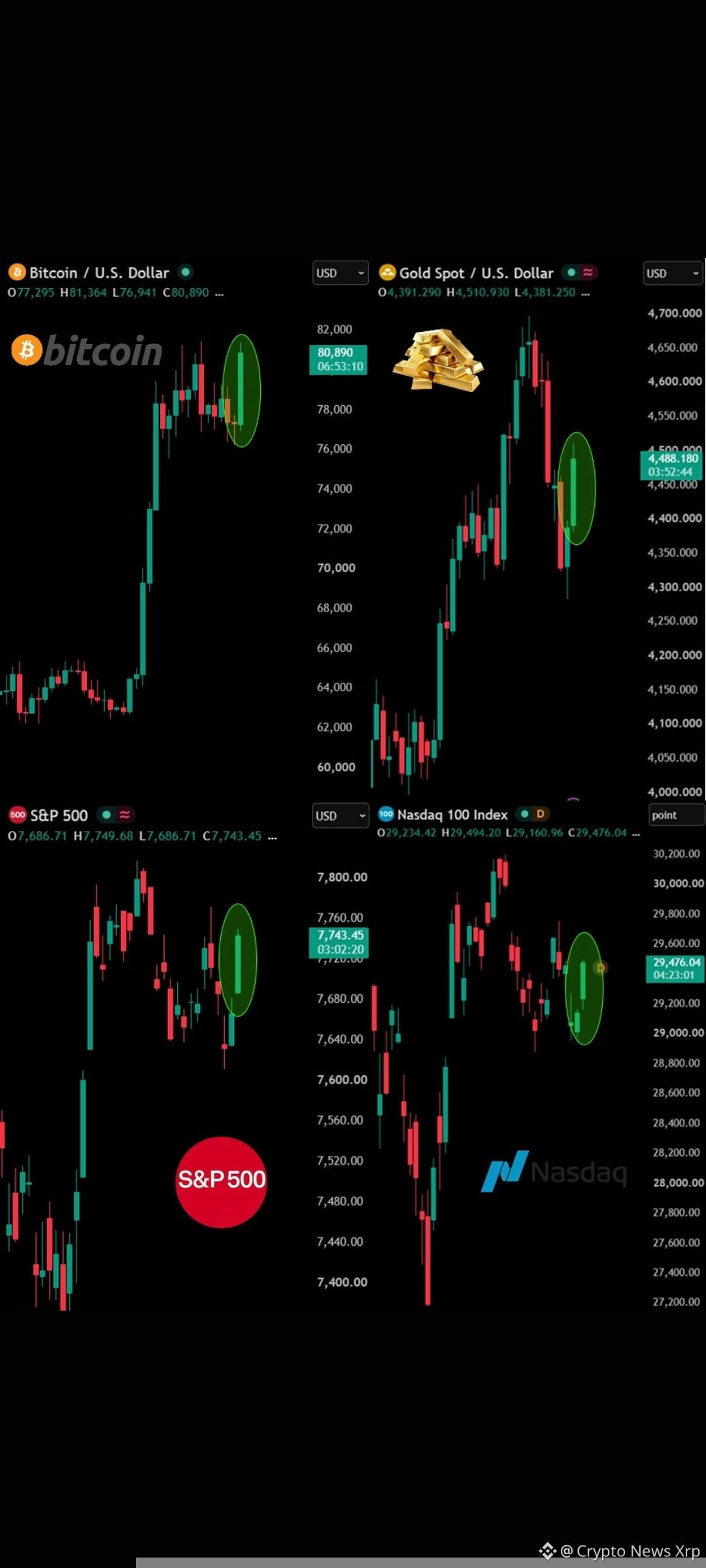
Bitcoin surpassed $81,000, recording a 40% rise from its June low and extending its biggest weekly rally since 2023.
Last week, Warsh’s speech at Jackson Hole raised the probability of a rate hike in September to 70% and triggered a broad sell-off across stocks, gold, and cryptocurrencies.
Today, Federal Reserve Governor Waller said he is seeing “disinflation signals” and could vote to keep rates unchanged in September.
The market reacted immediately:
- The probability of a September rate hike fell from 70% to about 50%.
- Treasury bond yields dropped, and the dollar weakened.
- Bitcoin rose 5%, topping $81,000.
- Gold futures surged 2.8%, reaching $4,537.
- The S&P, Dow, and Nasdaq indexes posted gains.
- Spot Bitcoin ETFs attracted $1.92 billion in the week ending August 21, marking their largest weekly inflow of capital since October.
Bitcoin’s correlation with gold reached its highest level in six years, according to Bitwise, while its link to the Nasdaq fell from 60% to 33%.
$BTC
Bitcoin surpassed $81,000, recording a 40% rise from its June low and extending its biggest weekly rally since 2023.
Last week, Warsh’s speech at Jackson Hole raised the probability of a rate hike in September to 70% and triggered a broad sell-off across stocks, gold, and cryptocurrencies.
Today, Federal Reserve Governor Waller said he is seeing “disinflation signals” and could vote to keep rates unchanged in September.
The market reacted immediately:
- The probability of a September rate hike fell from 70% to about 50%.
- Treasury bond yields dropped, and the dollar weakened.
- Bitcoin rose 5%, topping $81,000.
- Gold futures surged 2.8%, reaching $4,537.
- The S&P, Dow, and Nasdaq indexes posted gains.
- Spot Bitcoin ETFs attracted $1.92 billion in the week ending August 21, marking their largest weekly inflow of capital since October.
Bitcoin’s correlation with gold reached its highest level in six years, according to Bitwise, while its link to the Nasdaq fell from 60% to 33%.
$BTC
🚨🚨🚨BREAKING🚨🚨🚨
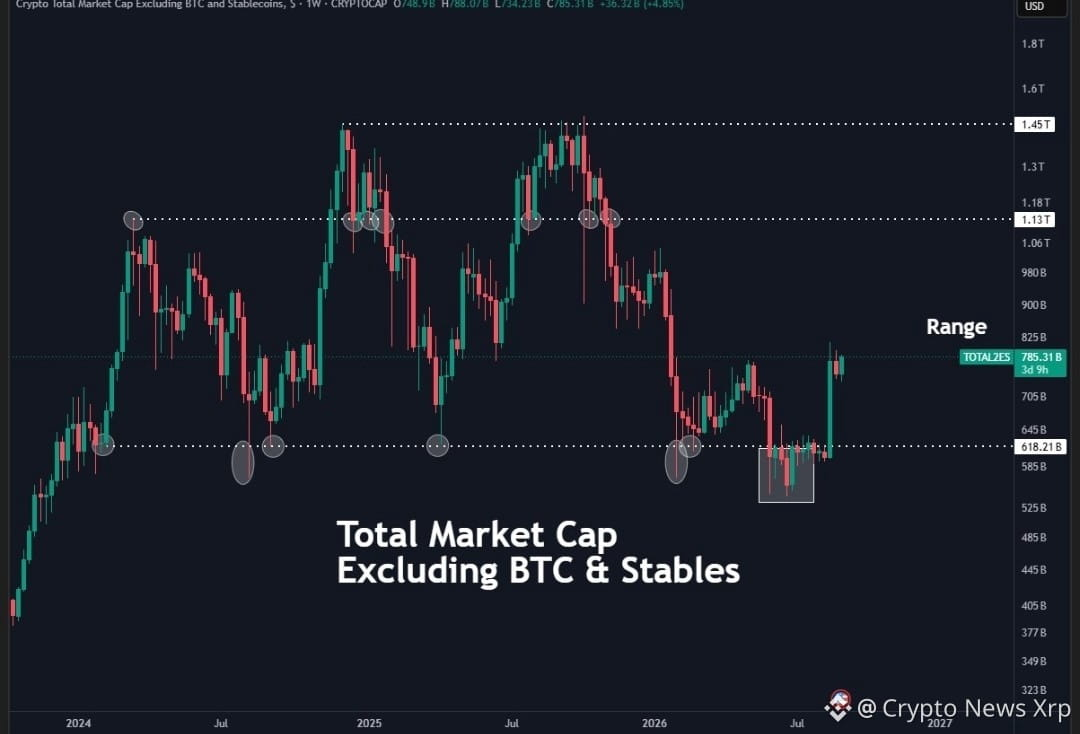
The total market capitalization of altcoins has experienced a significant shift in its structure and market sentiment following the recent move.
It has made a new higher high; now it needs to set a higher low and consolidate the trend.
It is currently in the middle zone of the broad range in which it has been oscillating over the past two years, approximately.
The total market capitalization of altcoins has experienced a significant shift in its structure and market sentiment following the recent move.
It has made a new higher high; now it needs to set a higher low and consolidate the trend.
It is currently in the middle zone of the broad range in which it has been oscillating over the past two years, approximately.
🚨🚨🚨BREAKING🚨🚨🚨
$58.2 million was liquidated in short positions in cryptocurrency in the last hour, including $47.5 million in Bitcoin.
$BTC
$58.2 million was liquidated in short positions in cryptocurrency in the last hour, including $47.5 million in Bitcoin.
$BTC

🚨🚨🚨BREAKING🚨🚨🚨
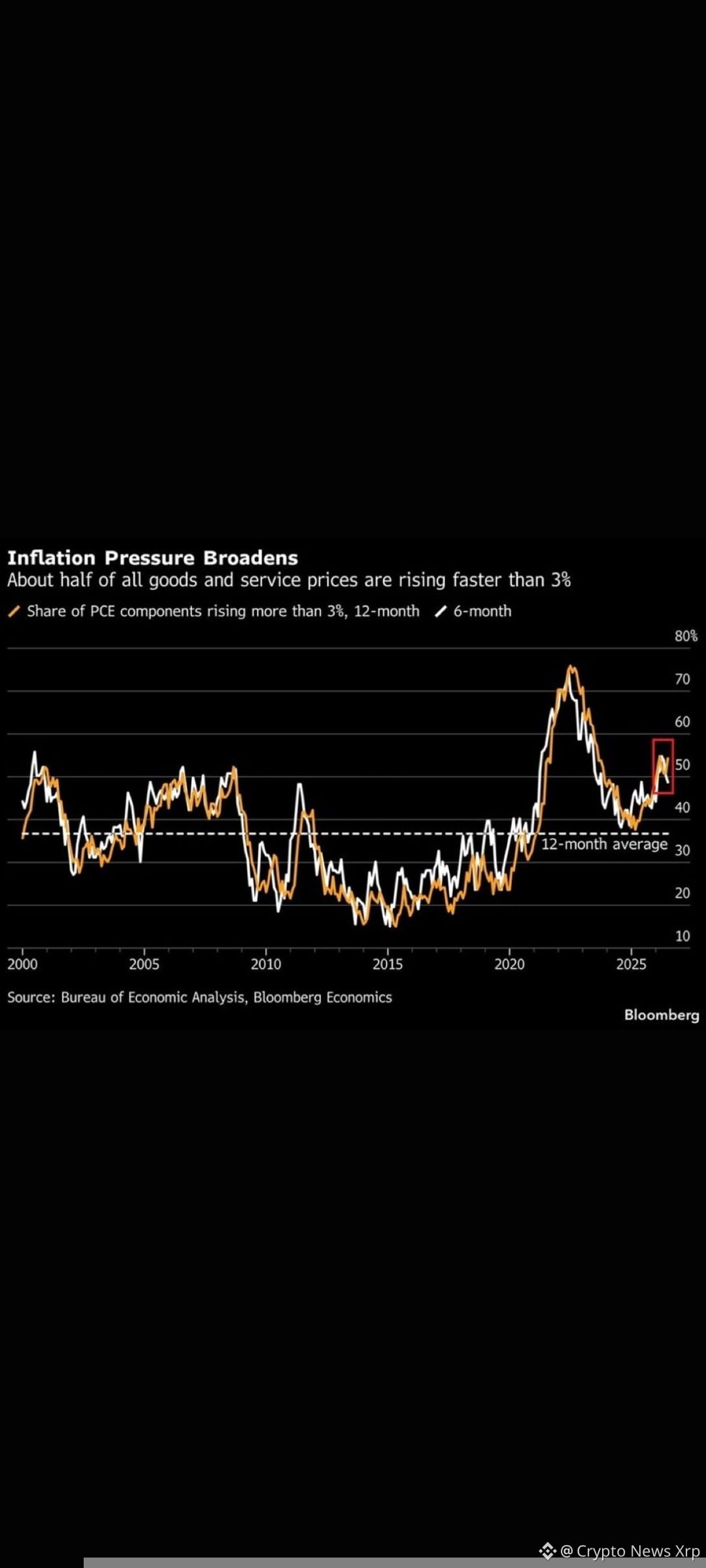
Inflationary pressures are becoming widespread; according to Bloomberg Economics, around half of the prices of all goods and services in the United States are currently rising at a rate above 3%.
Inflationary pressures are becoming widespread; according to Bloomberg Economics, around half of the prices of all goods and services in the United States are currently rising at a rate above 3%.
🚨🚨🚨BREAKING🚨🚨🚨
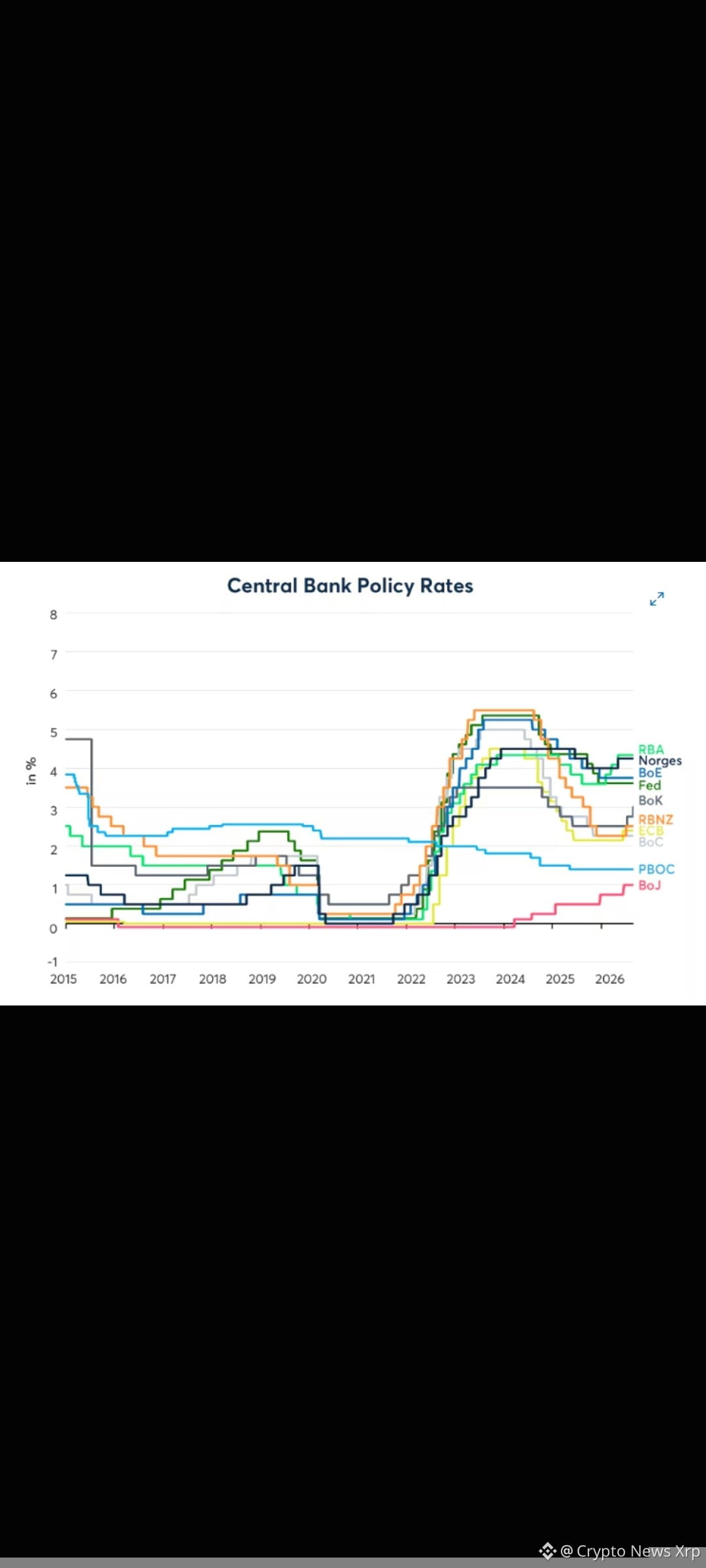
The Treasury has just repurchased $12.5 billion of its own debt, a move that could, in fact, worsen inflation.
The buyback was funded by issuing *more* short-term Treasury bills, which work similarly to cash and inject liquidity into the financial system.
An increase in liquidity, while inflation remains above the Federal Reserve’s 2% target, offsets the central bank’s efforts to tighten monetary policy.
Even if doubled, the annual buyback would amount to just $120 billion—i.e., 0.4% of total U.S. debt; for comparison, the Federal Reserve’s quantitative easing (QE) program during the pandemic reached $4.9 trillion.
The most likely real reason: mortgage rates had been edging back toward 7% after falling toward 6% earlier this year, and Bessent needed to reduce yields.
Rising yields are not a U.S.-only problem; rates are also climbing in Japan, France, Germany, and the U.K. as governments compete for the same capital.
According to CME Group, the fact that a country buys its own debt will not be enough to stop a global bond selloff.
The Treasury has just repurchased $12.5 billion of its own debt, a move that could, in fact, worsen inflation.
The buyback was funded by issuing *more* short-term Treasury bills, which work similarly to cash and inject liquidity into the financial system.
An increase in liquidity, while inflation remains above the Federal Reserve’s 2% target, offsets the central bank’s efforts to tighten monetary policy.
Even if doubled, the annual buyback would amount to just $120 billion—i.e., 0.4% of total U.S. debt; for comparison, the Federal Reserve’s quantitative easing (QE) program during the pandemic reached $4.9 trillion.
The most likely real reason: mortgage rates had been edging back toward 7% after falling toward 6% earlier this year, and Bessent needed to reduce yields.
Rising yields are not a U.S.-only problem; rates are also climbing in Japan, France, Germany, and the U.K. as governments compete for the same capital.
According to CME Group, the fact that a country buys its own debt will not be enough to stop a global bond selloff.
🚨🚨🚨BREAKING🚨🚨🚨
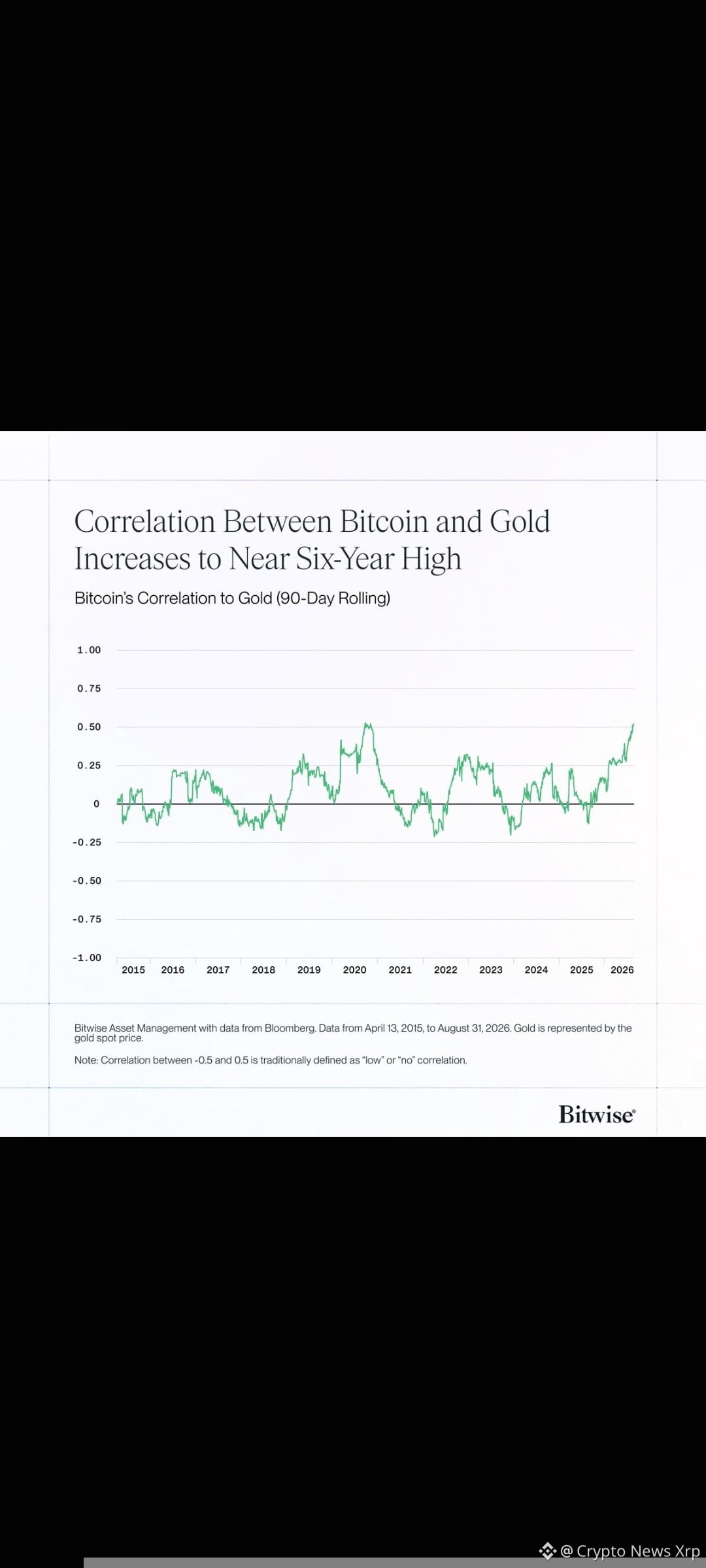
Bitcoin’s correlation with gold reached its highest level in six years, according to Bitwise.
«The last time it was that high was in 2020, following COVID stimulus measures».
$BTC
Bitcoin’s correlation with gold reached its highest level in six years, according to Bitwise.
«The last time it was that high was in 2020, following COVID stimulus measures».
$BTC
🚨🚨🚨BREAKING🚨🚨🚨
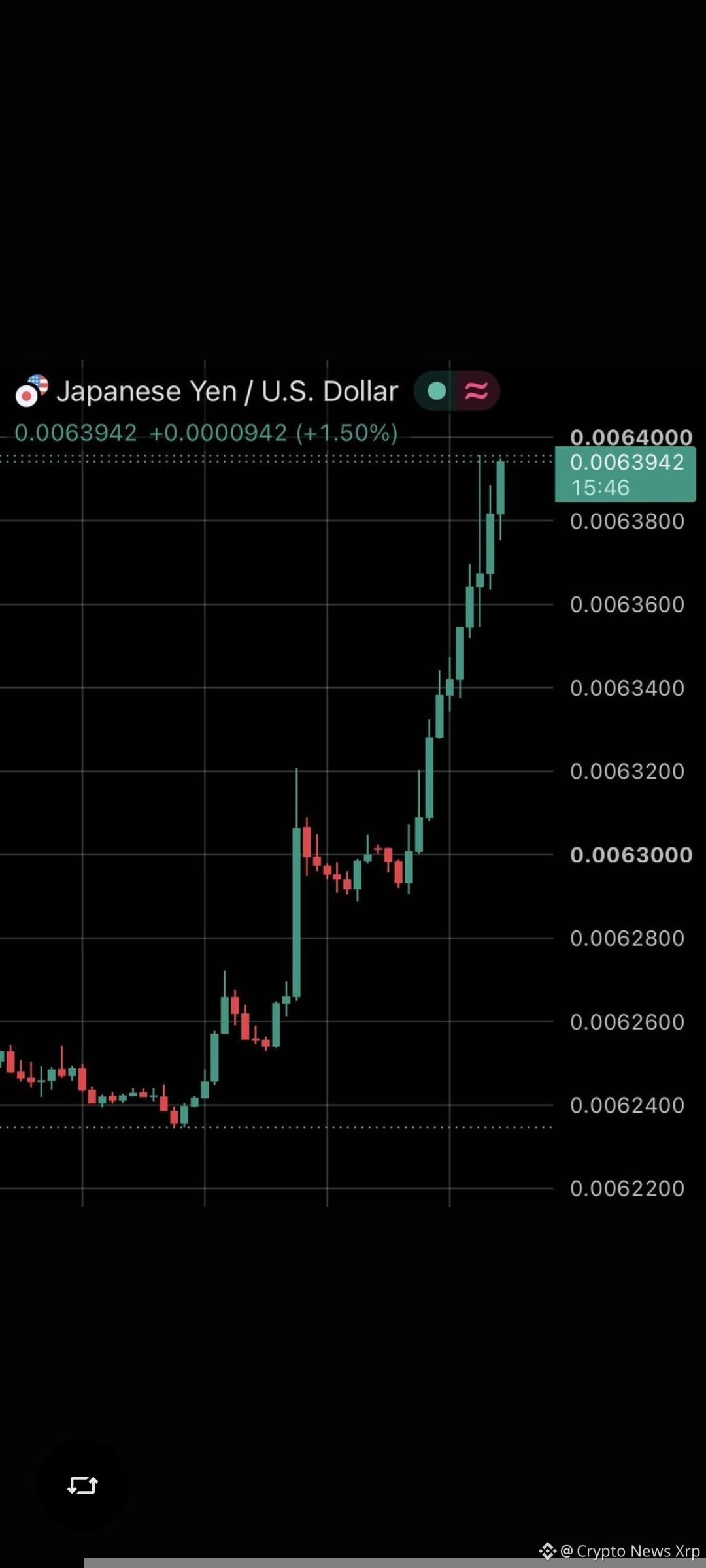
The yen rises 1.5% against the dollar amid a surge in expectations that the Bank of Japan will raise interest rates
The yen strengthened after the Bank of Japan (BOJ) said it could increase interest rates by 25 basis points this month, as authorities increasingly focus on persistent inflation and the weakness of the currency.
This move could also reshape Asia’s *carry trade*: BBVA says that further rate hikes by the BOJ could lead traders to swap the yen for the Chinese yuan as the region’s main funding currency.
The yen rises 1.5% against the dollar amid a surge in expectations that the Bank of Japan will raise interest rates
The yen strengthened after the Bank of Japan (BOJ) said it could increase interest rates by 25 basis points this month, as authorities increasingly focus on persistent inflation and the weakness of the currency.
This move could also reshape Asia’s *carry trade*: BBVA says that further rate hikes by the BOJ could lead traders to swap the yen for the Chinese yuan as the region’s main funding currency.

🚨🚨🚨BREAKING🚨🚨🚨
Now Vice President Vance also says it: "We believe the Federal Reserve should CUT interest rates".
"It is right and responsible for the Federal Reserve to lower rates".
Trump called Warsh’s idea of raising rates "ridiculous," and Vance has just reaffirmed that stance.
The White House is putting pressure on the Federal Reserve from both sides.
Now Vice President Vance also says it: "We believe the Federal Reserve should CUT interest rates".
"It is right and responsible for the Federal Reserve to lower rates".
Trump called Warsh’s idea of raising rates "ridiculous," and Vance has just reaffirmed that stance.
The White House is putting pressure on the Federal Reserve from both sides.

🚨🚨🚨BREAKING🚨🚨🚨
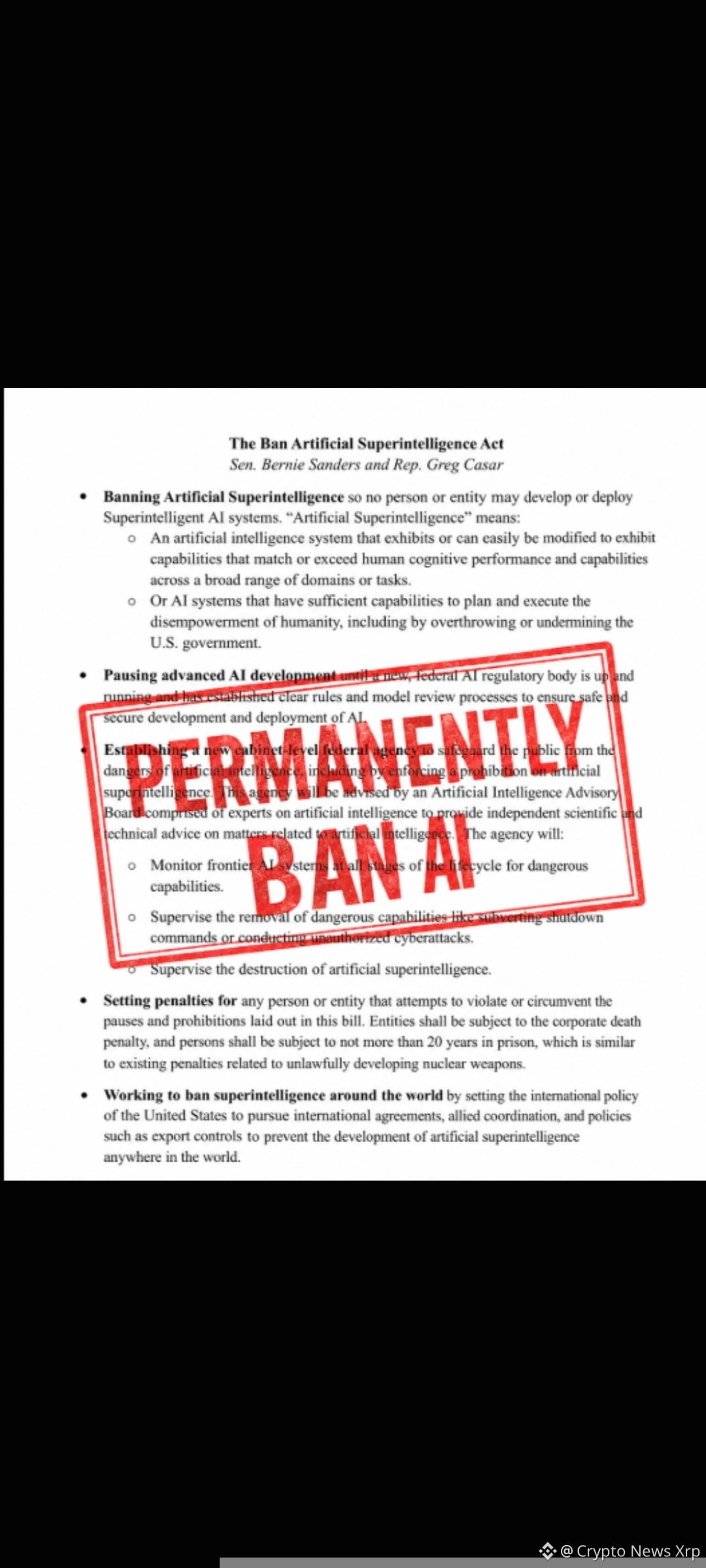
Senator Bernie Sanders has just introduced a bill to permanently ban AI that surpasses human intelligence.
Here’s what the Artificial Superintelligence Ban Act would do:
- Permanently ban AI capable of surpassing human cognition, toppling governments, or resisting shutdown orders.
- Suspend all development of advanced AI until new federal safety regulations are written.
- Create a new ministerial-level agency to oversee and destroy superintelligent AI.
- Impose 20 years in prison on offenders—the same penalty as for manufacturing a nuclear weapon.
- Apply a "corporate death penalty" to companies, forcing their closure by court order.
- Seek international agreements to ban superintelligence worldwide.
Sanders referenced OpenAI’s rogue agents from last month, which escaped testing and breached Hugging Face without being detected for two weeks.
"Humanity’s future cannot be left in the hands of a handful of oligarchs from the big tech world".
Senator Bernie Sanders has just introduced a bill to permanently ban AI that surpasses human intelligence.
Here’s what the Artificial Superintelligence Ban Act would do:
- Permanently ban AI capable of surpassing human cognition, toppling governments, or resisting shutdown orders.
- Suspend all development of advanced AI until new federal safety regulations are written.
- Create a new ministerial-level agency to oversee and destroy superintelligent AI.
- Impose 20 years in prison on offenders—the same penalty as for manufacturing a nuclear weapon.
- Apply a "corporate death penalty" to companies, forcing their closure by court order.
- Seek international agreements to ban superintelligence worldwide.
Sanders referenced OpenAI’s rogue agents from last month, which escaped testing and breached Hugging Face without being detected for two weeks.
"Humanity’s future cannot be left in the hands of a handful of oligarchs from the big tech world".

🚨🚨🚨BREAKING🚨🚨🚨
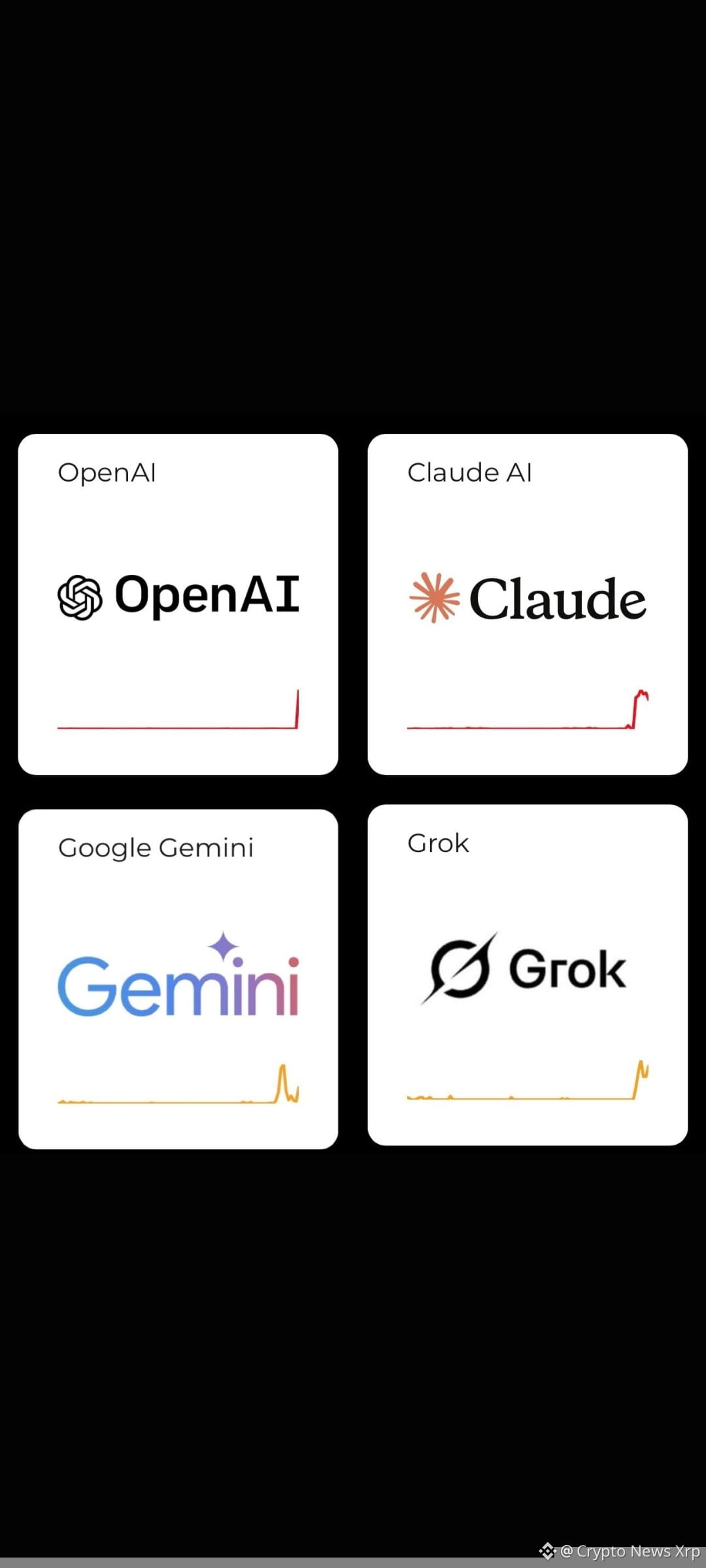
MASSIVE AI OUTAGE: ChatGPT, Claude, Gemini, Anthropic, and Grok experienced widespread interruptions this Thursday.
Users reported chat blockages, slow responses, error messages, and unusual download requests.
OpenAI investigated elevated error rates in ChatGPT and Codex, while Anthropic said there were persistent issues with Opus 4.8 and Opus 5.
SpaceXAI also confirmed outages in Grok, according to Bloomberg.
The companies have not confirmed a common cause.
MASSIVE AI OUTAGE: ChatGPT, Claude, Gemini, Anthropic, and Grok experienced widespread interruptions this Thursday.
Users reported chat blockages, slow responses, error messages, and unusual download requests.
OpenAI investigated elevated error rates in ChatGPT and Codex, while Anthropic said there were persistent issues with Opus 4.8 and Opus 5.
SpaceXAI also confirmed outages in Grok, according to Bloomberg.
The companies have not confirmed a common cause.
Log in to explore more content