
BlockchainBaller
67.4k Posts

BlockchainBaller
 Square Verified+
Report
Block User
Trader || X (Twitter): @bl_ockchain || Binance KOL || Trade Setups are my Personal Opinions || DYOR

2025 Blockchain 100 — Trader

Creator Awards 2024

Top Voices
Frequent Trader
5 Years
62 Following
246.7K+ Followers
710.9K+ Liked
3 Badges
Posts
All
Quotes
Videos
Live
PINNED
·
--
Bullish
Hey Fam, I need your only 2 mins about a serious issue you all are facing.
Most of you been following my calls …. and you’ve seen the setups hit in real time. But before that when the post reached out to you. You already had missed it or you got liquidated.. But Now I have Solution..
I just launched BlockchainBaller Premium group on Binance Square. [Click here to join or Scan QR](https://app.binance.com/uni-qr/group-chat-landing?channelToken=0prEXOlryZcOq9s9Qimohg&type=1&entrySource=sharing_link)
That’s the stuff that actually makes you money without missing anybtrade.
I tried free groups twice. both turned into red packet spam and random links. zero serious traders. so I built something only for the ambitious ones.
what you get inside:
🚀 Real time trade setups with exact Entry / TP / SL before they go public
🚀 Early alpha on narratives before they trend
🚀 My personal moves and position sizing
🚀 Direct access to ask me anything
🚀 7 Days Free Trial
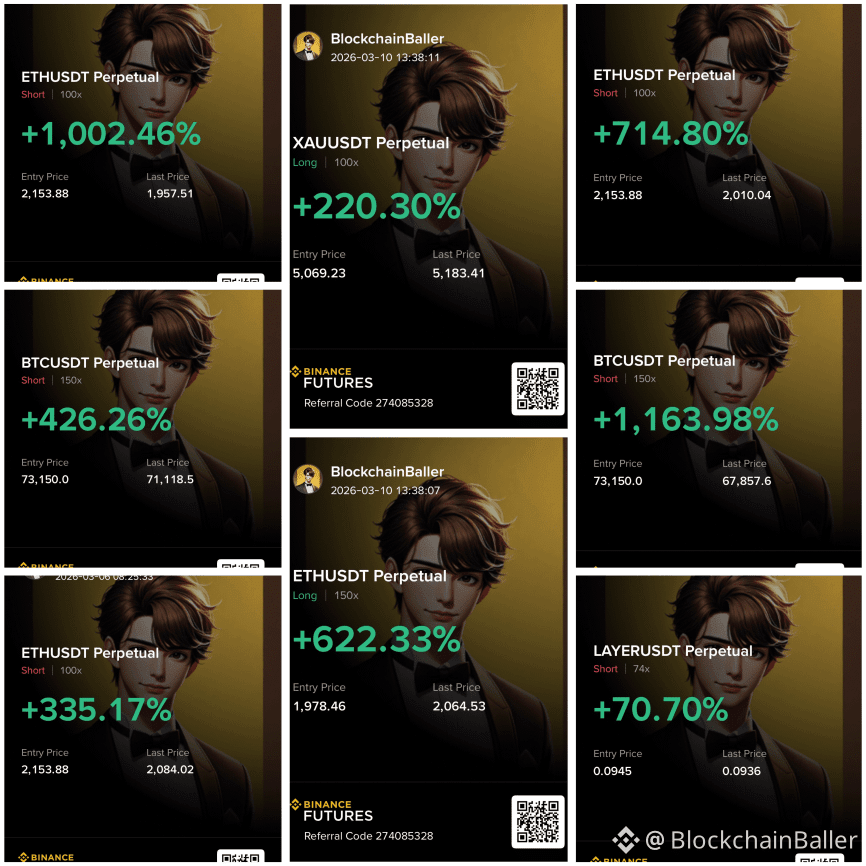
6 years trading. Top 5 Binance Blockchain 100. 235K+ fam watched the calls I post.now you can trade alongside me.
Hey Fam, I need your only 2 mins about a serious issue you all are facing.
Most of you been following my calls …. and you’ve seen the setups hit in real time. But before that when the post reached out to you. You already had missed it or you got liquidated.. But Now I have Solution..
I just launched BlockchainBaller Premium group on Binance Square. Click here to join or Scan QR
That’s the stuff that actually makes you money without missing anybtrade.
I tried free groups twice. both turned into red packet spam and random links. zero serious traders. so I built something only for the ambitious ones.
what you get inside:
🚀 Real time trade setups with exact Entry / TP / SL before they go public
🚀 Early alpha on narratives before they trend
🚀 My personal moves and position sizing
🚀 Direct access to ask me anything
🚀 7 Days Free Trial
6 years trading. Top 5 Binance Blockchain 100. 235K+ fam watched the calls I post.now you can trade alongside me.
Most of you been following my calls …. and you’ve seen the setups hit in real time. But before that when the post reached out to you. You already had missed it or you got liquidated.. But Now I have Solution..
I just launched BlockchainBaller Premium group on Binance Square. Click here to join or Scan QR
That’s the stuff that actually makes you money without missing anybtrade.
I tried free groups twice. both turned into red packet spam and random links. zero serious traders. so I built something only for the ambitious ones.
what you get inside:
🚀 Real time trade setups with exact Entry / TP / SL before they go public
🚀 Early alpha on narratives before they trend
🚀 My personal moves and position sizing
🚀 Direct access to ask me anything
🚀 7 Days Free Trial
6 years trading. Top 5 Binance Blockchain 100. 235K+ fam watched the calls I post.now you can trade alongside me.
255
46
598
48.6k
PINNED
·
--
Bullish
𝐇𝐨𝐧𝐨𝐫𝐞𝐝 𝐭𝐨 𝐁𝐞 𝐀𝐦𝐨𝐧𝐠 𝐭𝐡𝐞 𝐁𝐥𝐨𝐜𝐤𝐜𝐡𝐚𝐢𝐧 𝟏𝟎𝟎 — 𝐍𝐨𝐰 𝐢𝐧 𝐭𝐡𝐞 𝐓𝐨𝐩 𝟓 𝐓𝐫𝐚𝐝𝐞𝐫 𝐂𝐚𝐭𝐞𝐠𝐨𝐫𝐲!
I’m truly grateful to everyone who supported, voted, and believed in me throughout this journey. Being ranked in the Top 5 Traders among the Blockchain 100 by Binance is a huge milestone — and it wouldn’t have been possible without this amazing community.
Your trust and engagement drive me every day to share better insights, stronger analysis, and real value. The journey continues — this is just the beginning. Thank you, fam.
𝐇𝐨𝐧𝐨𝐫𝐞𝐝 𝐭𝐨 𝐁𝐞 𝐀𝐦𝐨𝐧𝐠 𝐭𝐡𝐞 𝐁𝐥𝐨𝐜𝐤𝐜𝐡𝐚𝐢𝐧 𝟏𝟎𝟎 — 𝐍𝐨𝐰 𝐢𝐧 𝐭𝐡𝐞 𝐓𝐨𝐩 𝟓 𝐓𝐫𝐚𝐝𝐞𝐫 𝐂𝐚𝐭𝐞𝐠𝐨𝐫𝐲!
I’m truly grateful to everyone who supported, voted, and believed in me throughout this journey. Being ranked in the Top 5 Traders among the Blockchain 100 by Binance is a huge milestone — and it wouldn’t have been possible without this amazing community.
Your trust and engagement drive me every day to share better insights, stronger analysis, and real value. The journey continues — this is just the beginning. Thank you, fam.
I’m truly grateful to everyone who supported, voted, and believed in me throughout this journey. Being ranked in the Top 5 Traders among the Blockchain 100 by Binance is a huge milestone — and it wouldn’t have been possible without this amazing community.
Your trust and engagement drive me every day to share better insights, stronger analysis, and real value. The journey continues — this is just the beginning. Thank you, fam.

323
230
1.4k
16.2k
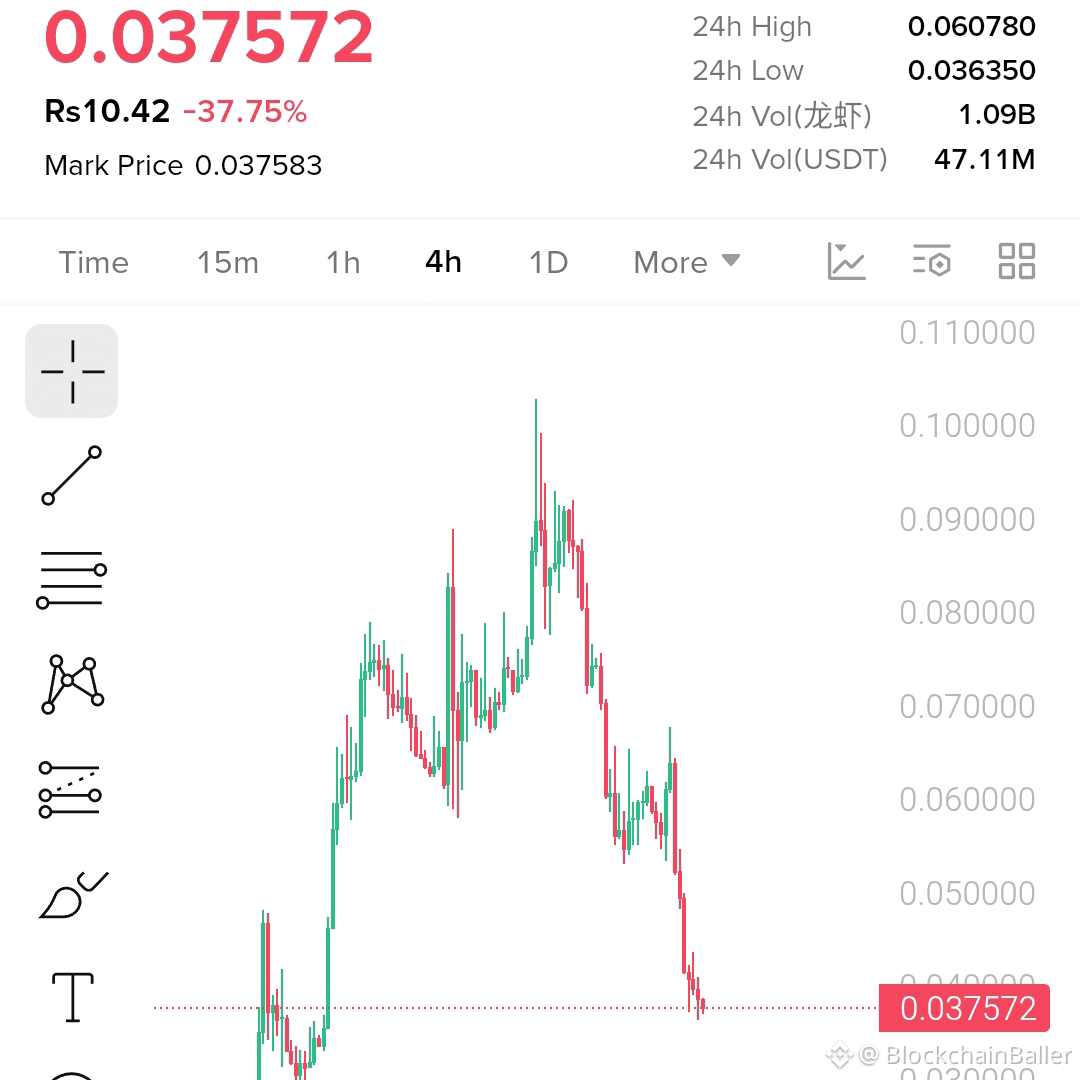
$龙虾 Still Looks Weak...
entry zone: $0.0375–$0.0400
tp1: $0.0340
tp2: $0.0310
tp3: $0.0270
sl: $0.0430
$龙虾 Still Looks Weak...
entry zone: $0.0375–$0.0400
tp1: $0.0340
tp2: $0.0310
tp3: $0.0270
sl: $0.0430
entry zone: $0.0375–$0.0400
tp1: $0.0340
tp2: $0.0310
tp3: $0.0270
sl: $0.0430
2
67
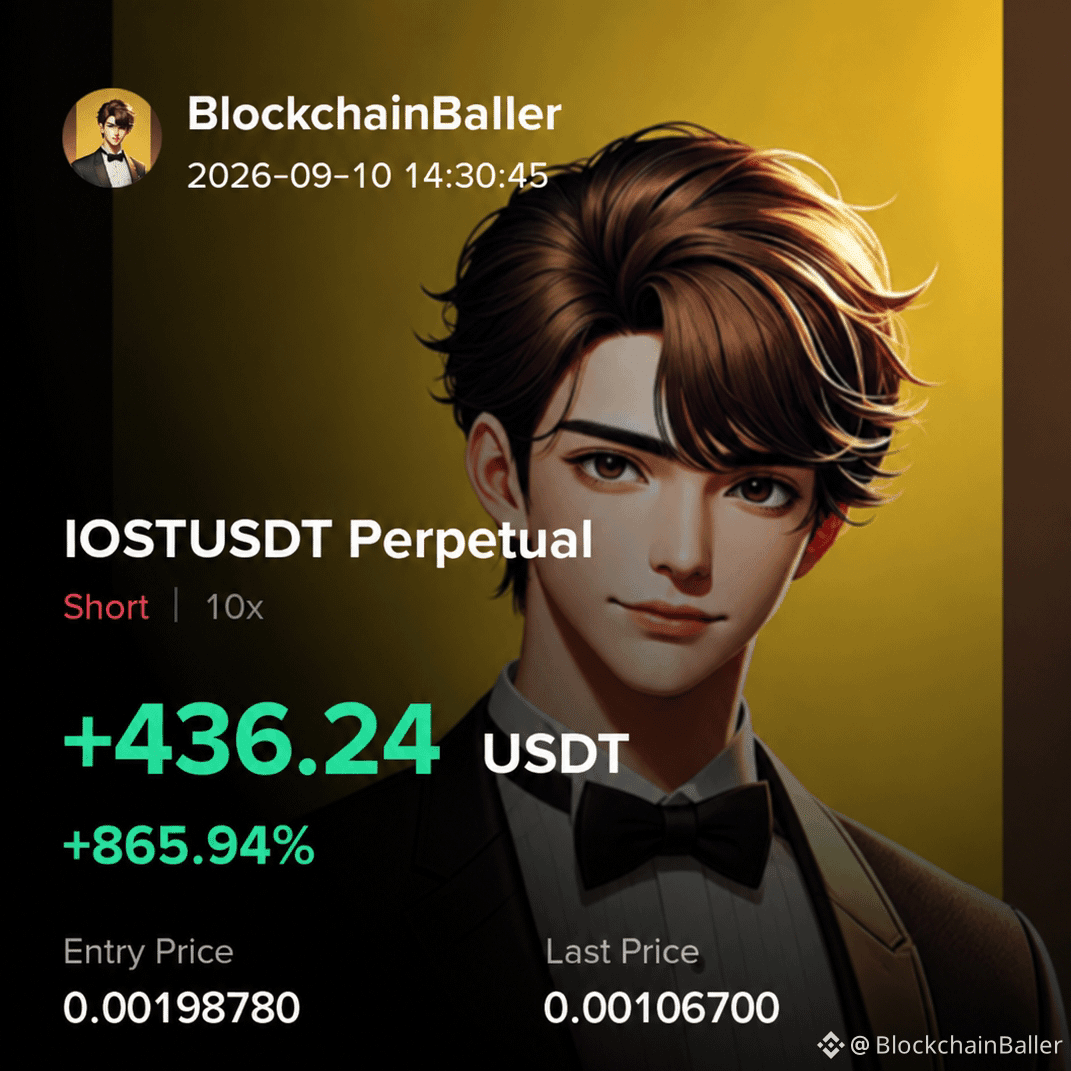
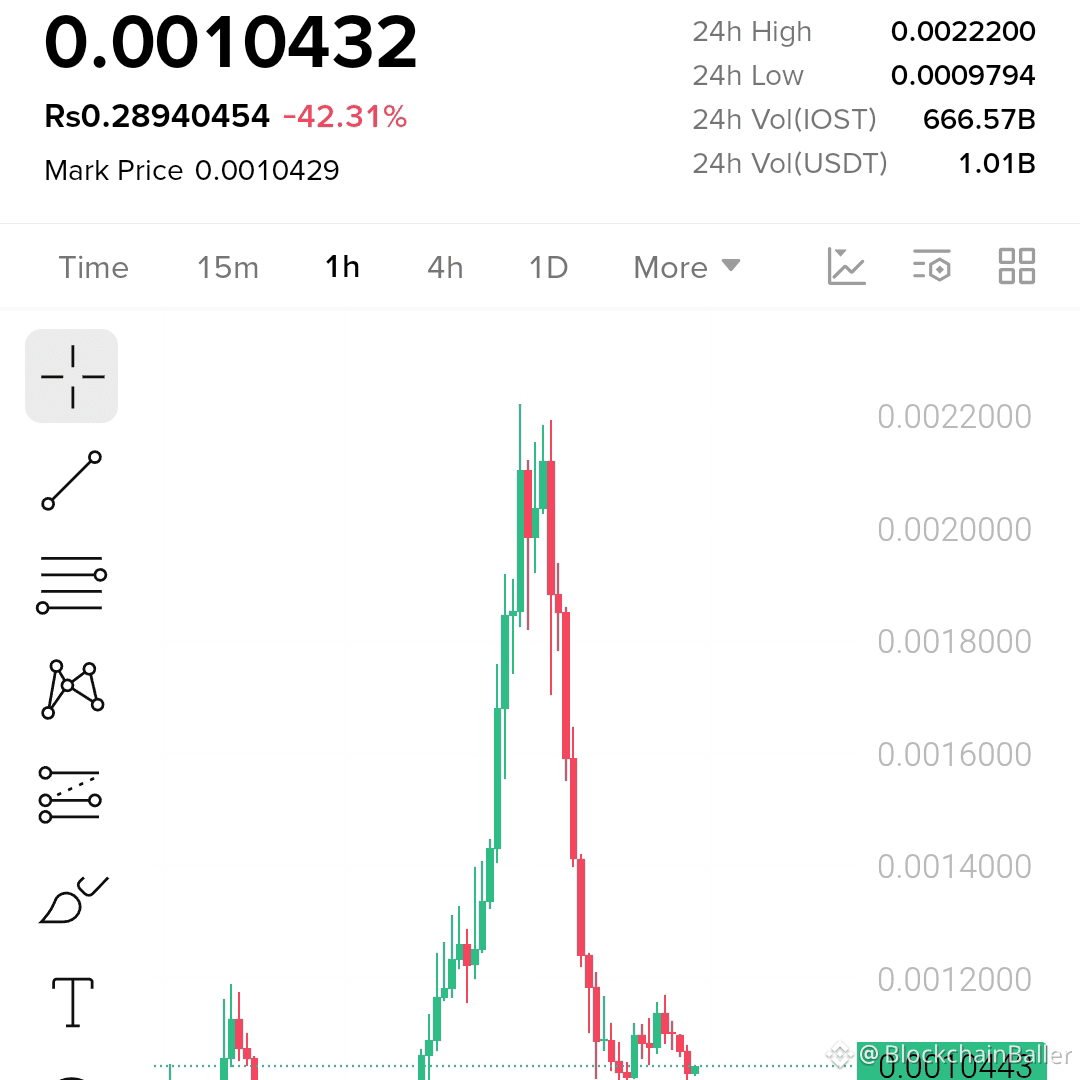
$IOST Still Looks Weak I’m Watching More Downside
entry zone: $0.00104–$0.00110
tp1: $0.00098
tp2: $0.00090
tp3: $0.00082
sl: $0.00117
$IOST Still Looks Weak I’m Watching More Downside
entry zone: $0.00104–$0.00110
tp1: $0.00098
tp2: $0.00090
tp3: $0.00082
sl: $0.00117
entry zone: $0.00104–$0.00110
tp1: $0.00098
tp2: $0.00090
tp3: $0.00082
sl: $0.00117
1
270
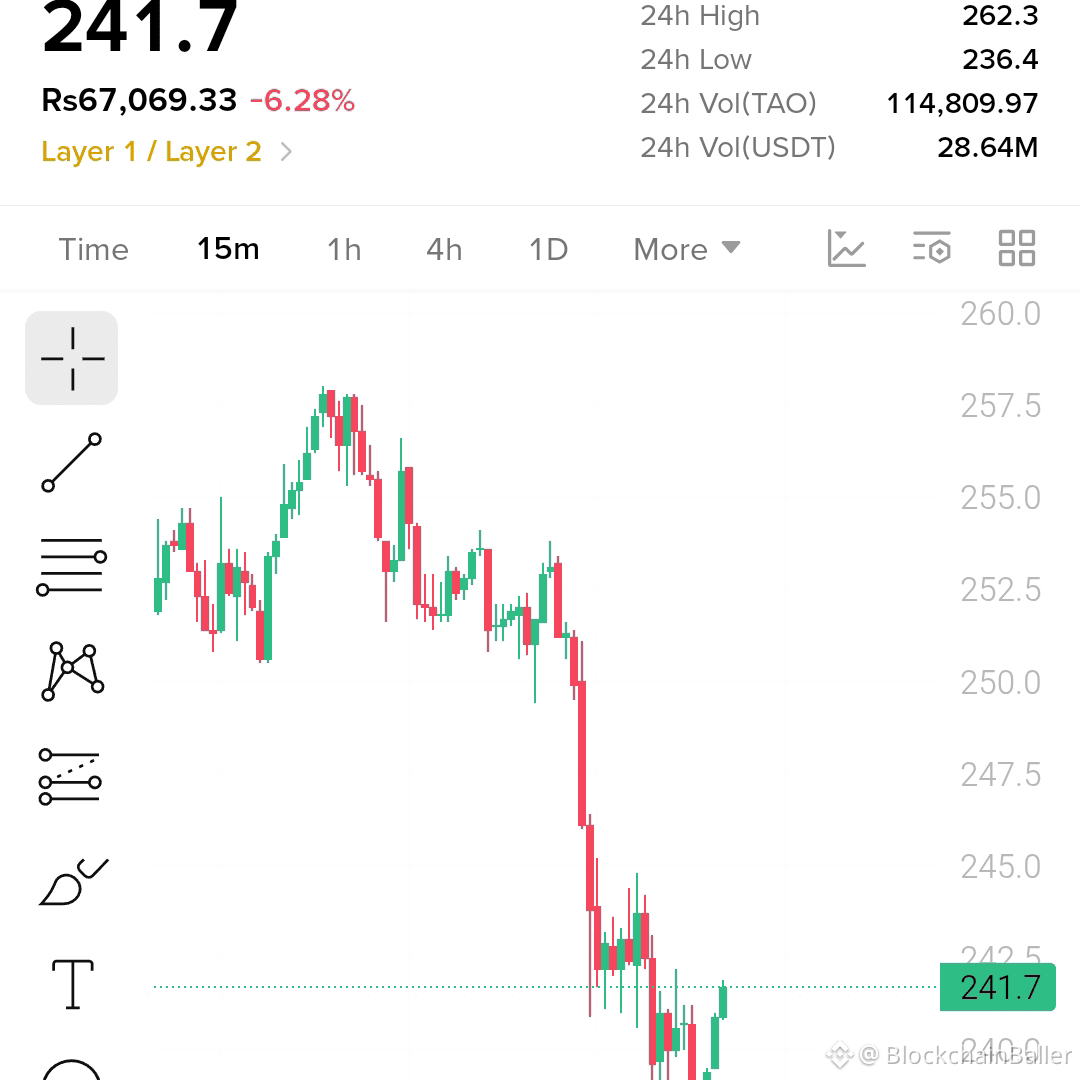
Wait Guys, $TAO Is Bouncing I’m Watching a Long....
Entry Zone: $238–$242
TP1: $246
TP2: $252
TP3: $258
SL: $235
Wait Guys, $TAO Is Bouncing I’m Watching a Long....
Entry Zone: $238–$242
TP1: $246
TP2: $252
TP3: $258
SL: $235
Entry Zone: $238–$242
TP1: $246
TP2: $252
TP3: $258
SL: $235
1
508
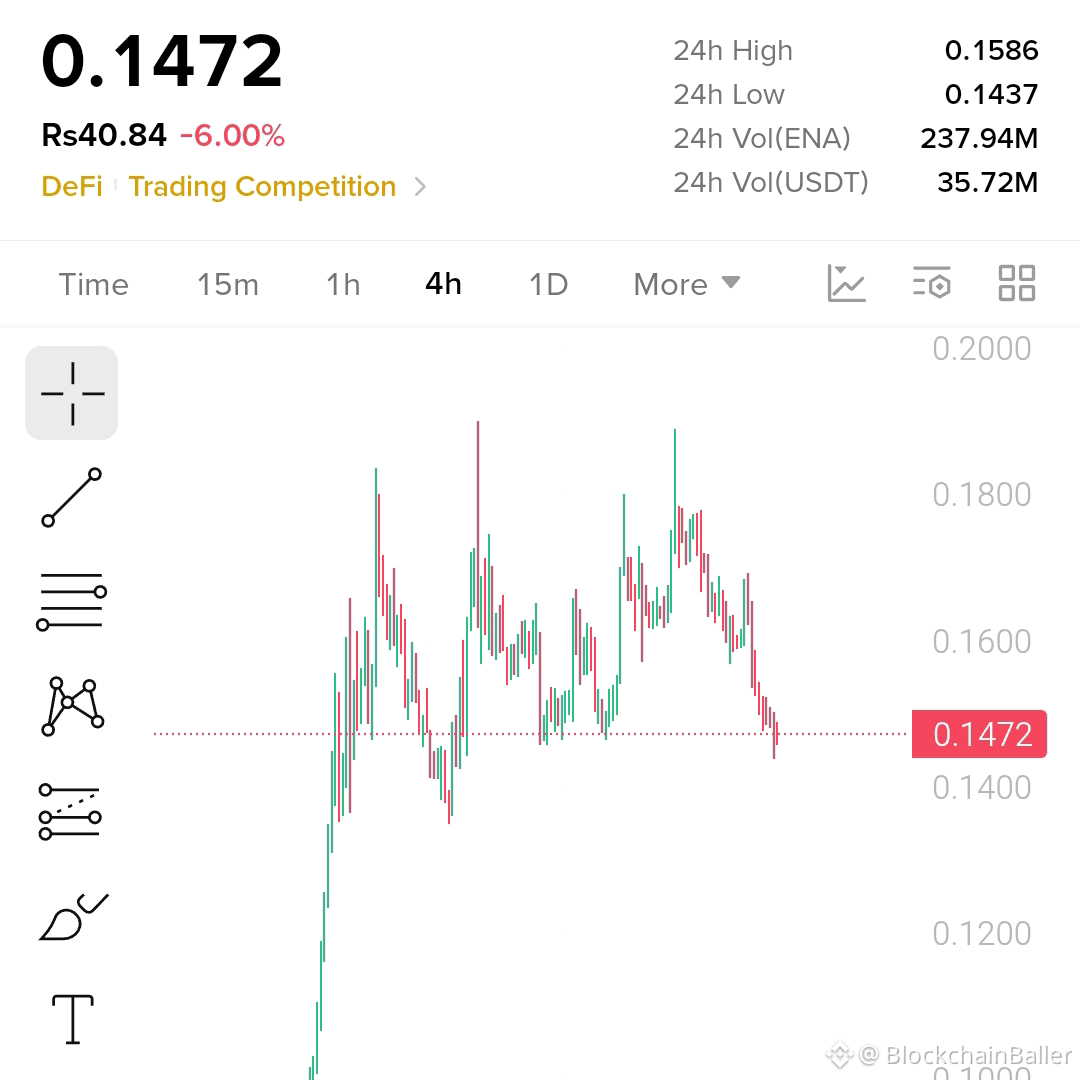
$ENA sellers still in control... short it with 20x leverage
entry zone: $0.147–$0.151
tp1: $0.143
tp2: $0.138
tp3: $0.132
sl: $0.156
$ENA sellers still in control... short it with 20x leverage
entry zone: $0.147–$0.151
tp1: $0.143
tp2: $0.138
tp3: $0.132
sl: $0.156
entry zone: $0.147–$0.151
tp1: $0.143
tp2: $0.138
tp3: $0.132
sl: $0.156
1
484
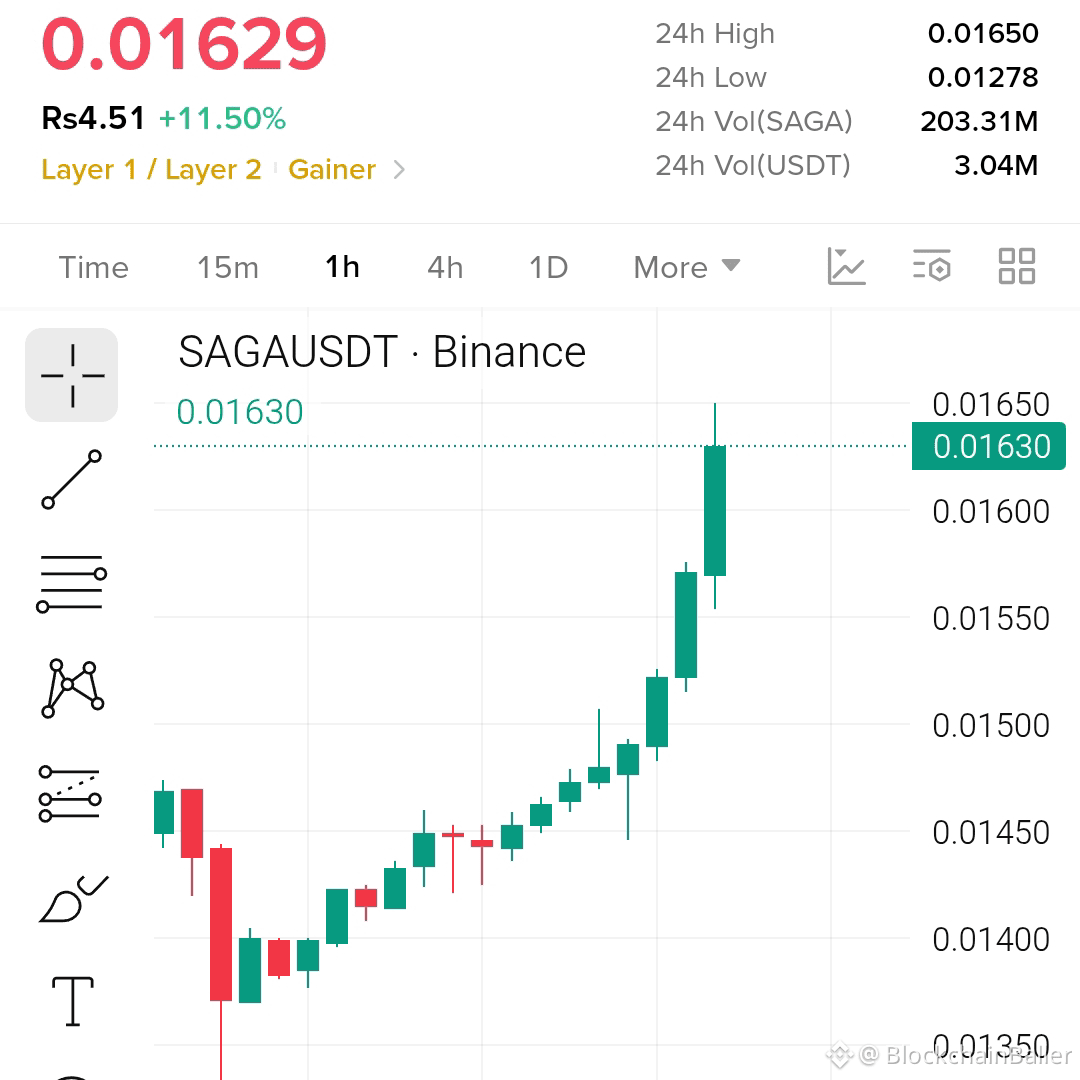
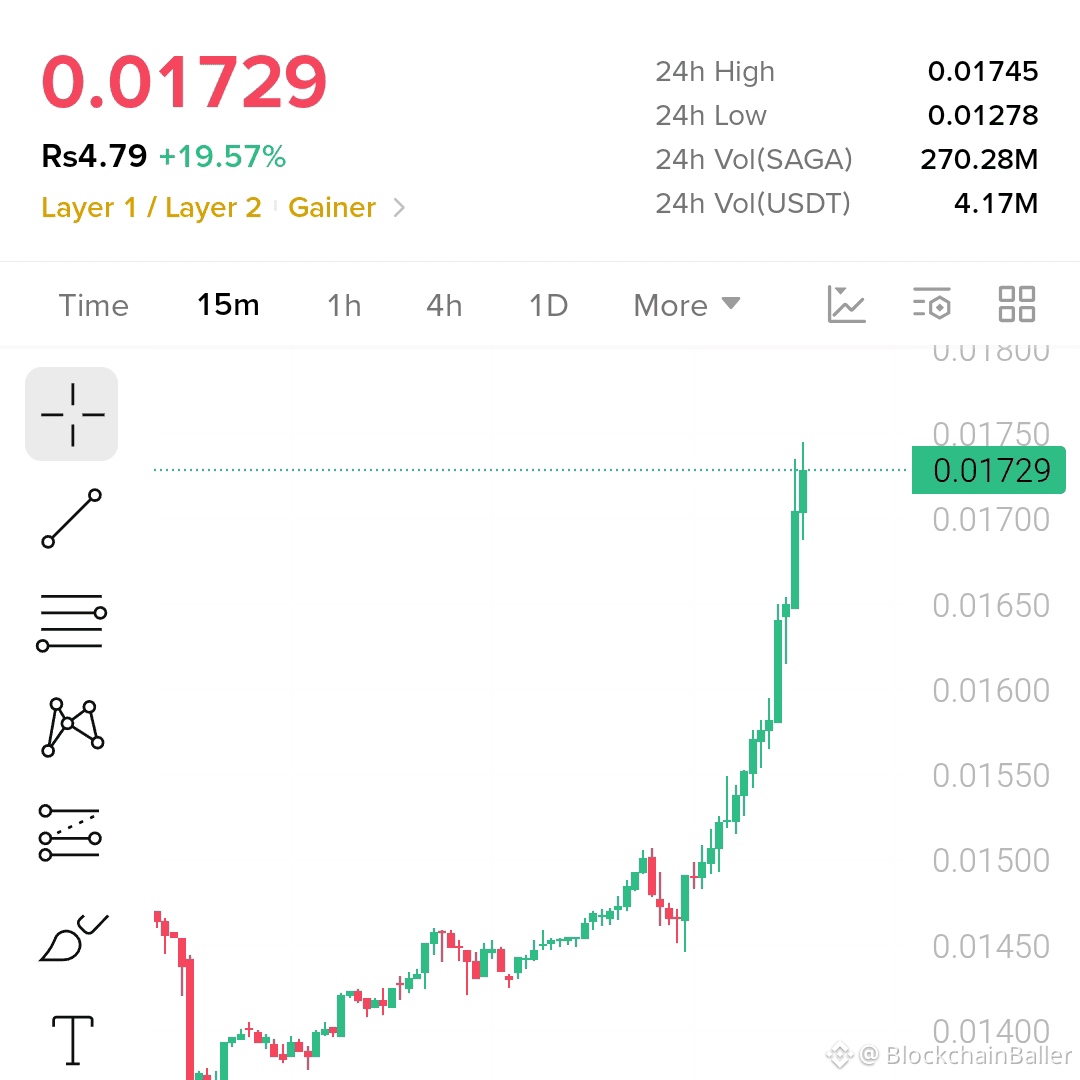
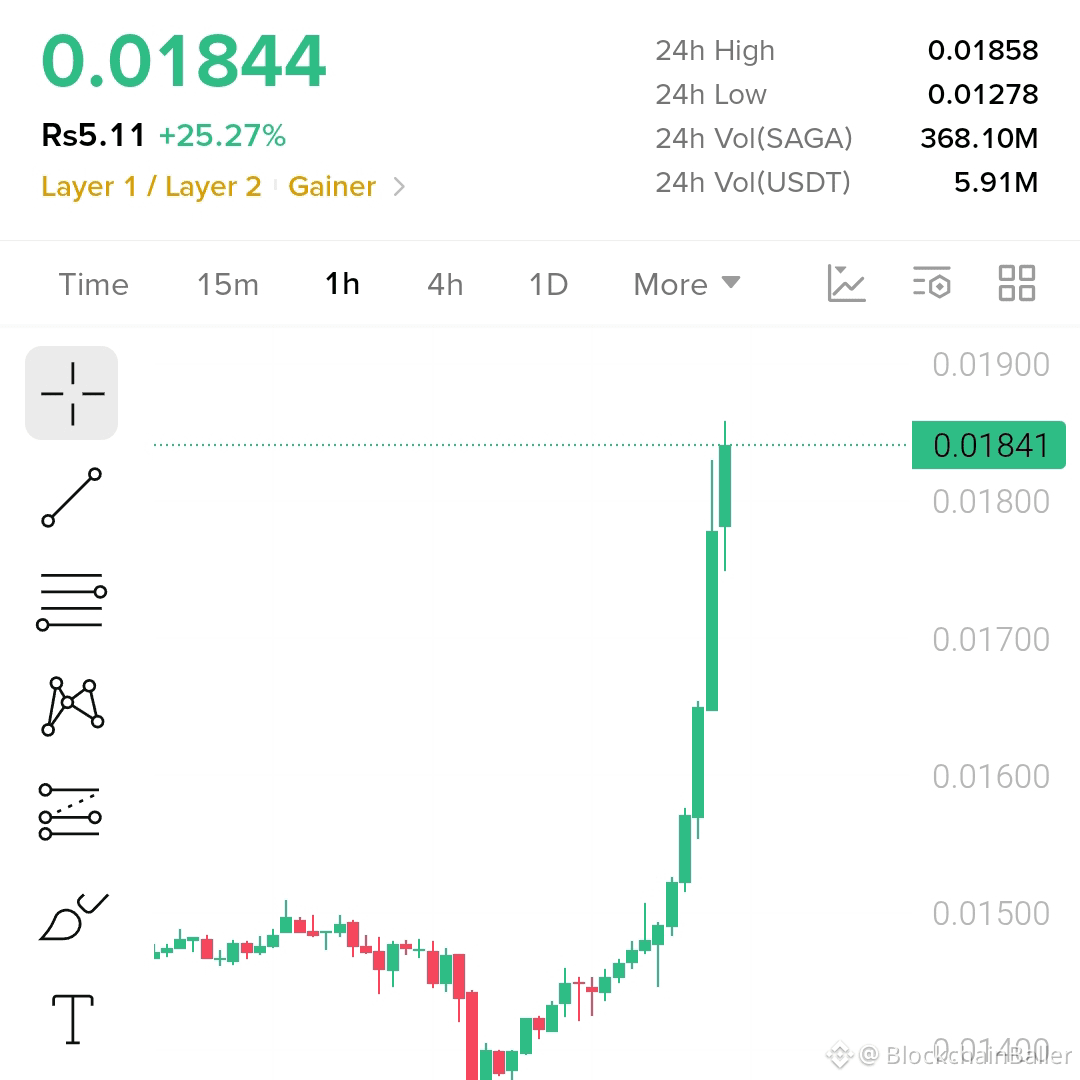
WE NAILED IT 🙂↕️🙂↕️🤝🤝$SAGA IS RUNNING BULLS ARE PUSHING HARD‼️‼️
$SAGA is up over 25% today and momentum is looking strong.
Entry zone: $0.0175–$0.0184
TP1: $0.0195
TP2: $0.0210
TP3: $0.0230
SL: $0.0165
[Inviting you to join my group Baller Premium](https://app.binance.com/uni-qr/LSiEaqBS)
WE NAILED IT 🙂↕️🙂↕️🤝🤝$SAGA IS RUNNING BULLS ARE PUSHING HARD‼️‼️
$SAGA is up over 25% today and momentum is looking strong.
Entry zone: $0.0175–$0.0184
TP1: $0.0195
TP2: $0.0210
TP3: $0.0230
SL: $0.0165
Inviting you to join my group Baller Premium
$SAGA is up over 25% today and momentum is looking strong.
Entry zone: $0.0175–$0.0184
TP1: $0.0195
TP2: $0.0210
TP3: $0.0230
SL: $0.0165
Inviting you to join my group Baller Premium
2
707
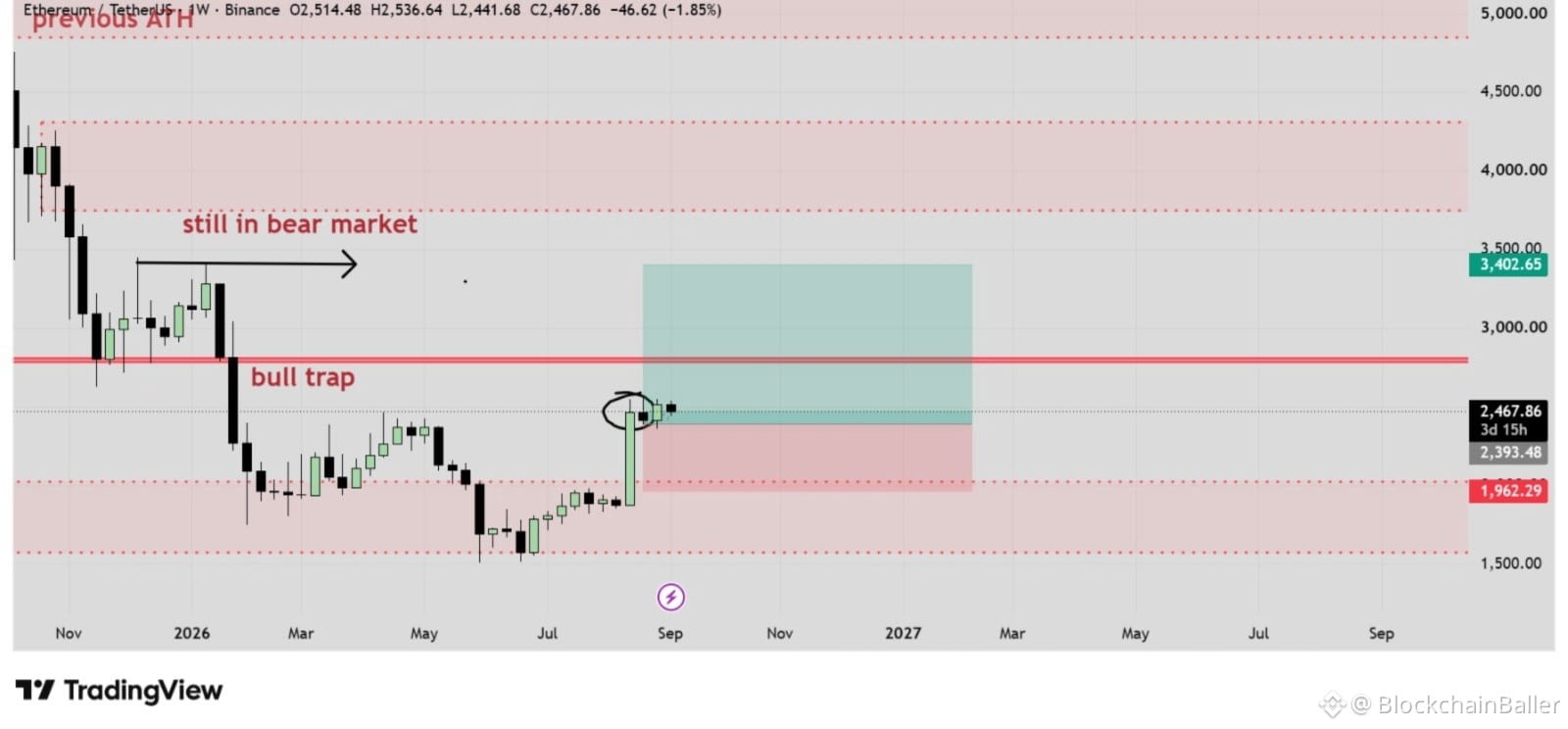
$ETH JUST WOKE UP IS $3.4K REALLY LOADING?
$ETH is holding around $2,400–$2,500 after a strong bounce from the lows.....
Bulls have momentum, but the bigger structure still needs confirmation.
A clean break above $2,800 could open the way toward $3,000 → $3,400.
If ETH loses $2,390, the bullish move gets weaker and $1,960 becomes the key downside level to watch.
Right now, bulls are cooking but $2.8K is the real test.
$ETH JUST WOKE UP IS $3.4K REALLY LOADING?
$ETH is holding around $2,400–$2,500 after a strong bounce from the lows.....
Bulls have momentum, but the bigger structure still needs confirmation.
A clean break above $2,800 could open the way toward $3,000 → $3,400.
If ETH loses $2,390, the bullish move gets weaker and $1,960 becomes the key downside level to watch.
Right now, bulls are cooking but $2.8K is the real test.
$ETH is holding around $2,400–$2,500 after a strong bounce from the lows.....
Bulls have momentum, but the bigger structure still needs confirmation.
A clean break above $2,800 could open the way toward $3,000 → $3,400.
If ETH loses $2,390, the bullish move gets weaker and $1,960 becomes the key downside level to watch.
Right now, bulls are cooking but $2.8K is the real test.
2
475
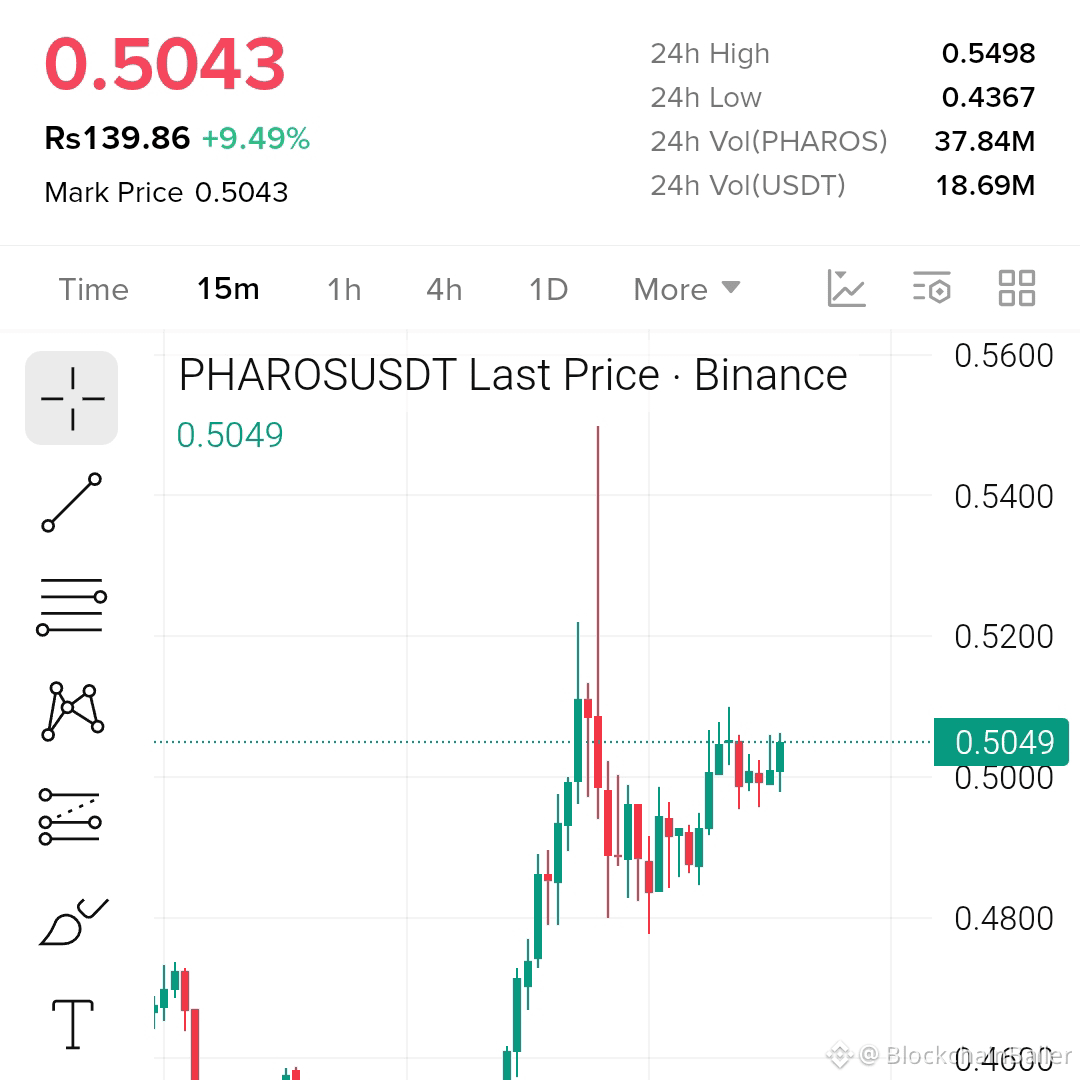
$PHAROS IS HOLDING STRONG ‼️‼️
Entry Zone: $0.495–$0.505
TP1: $0.515
TP2: $0.530
TP3: $0.550
SL: $0.480
$PHAROS IS HOLDING STRONG ‼️‼️
Entry Zone: $0.495–$0.505
TP1: $0.515
TP2: $0.530
TP3: $0.550
SL: $0.480
Entry Zone: $0.495–$0.505
TP1: $0.515
TP2: $0.530
TP3: $0.550
SL: $0.480
1
465
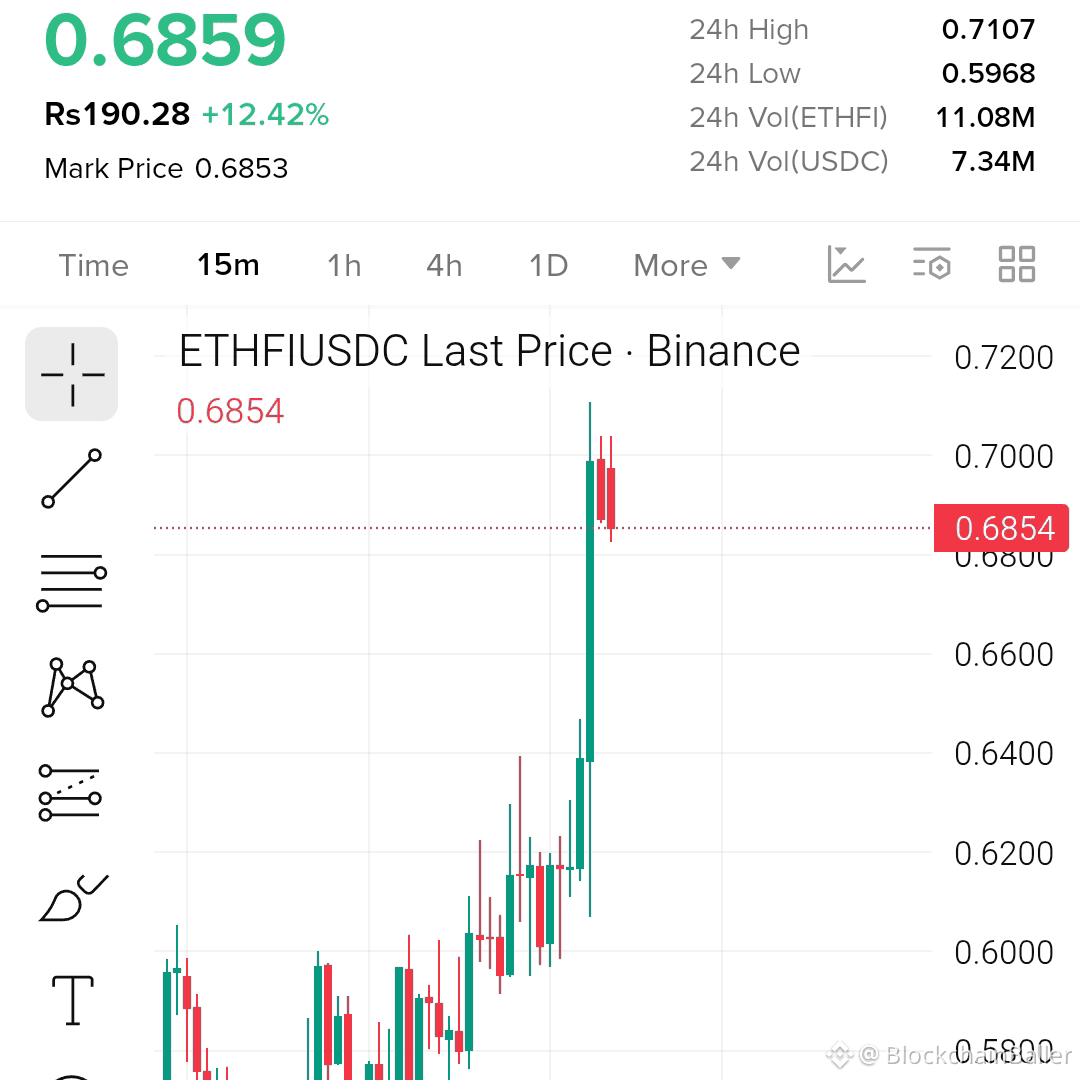
$ETHFI LOOKS OVERHEATED ‼️
Entry Zone: $0.685–$0.700
TP1: $0.660
TP2: $0.640
TP3: $0.620
SL: $0.712
$ETHFI LOOKS OVERHEATED ‼️
Entry Zone: $0.685–$0.700
TP1: $0.660
TP2: $0.640
TP3: $0.620
SL: $0.712
Entry Zone: $0.685–$0.700
TP1: $0.660
TP2: $0.640
TP3: $0.620
SL: $0.712
2
4
1.1k
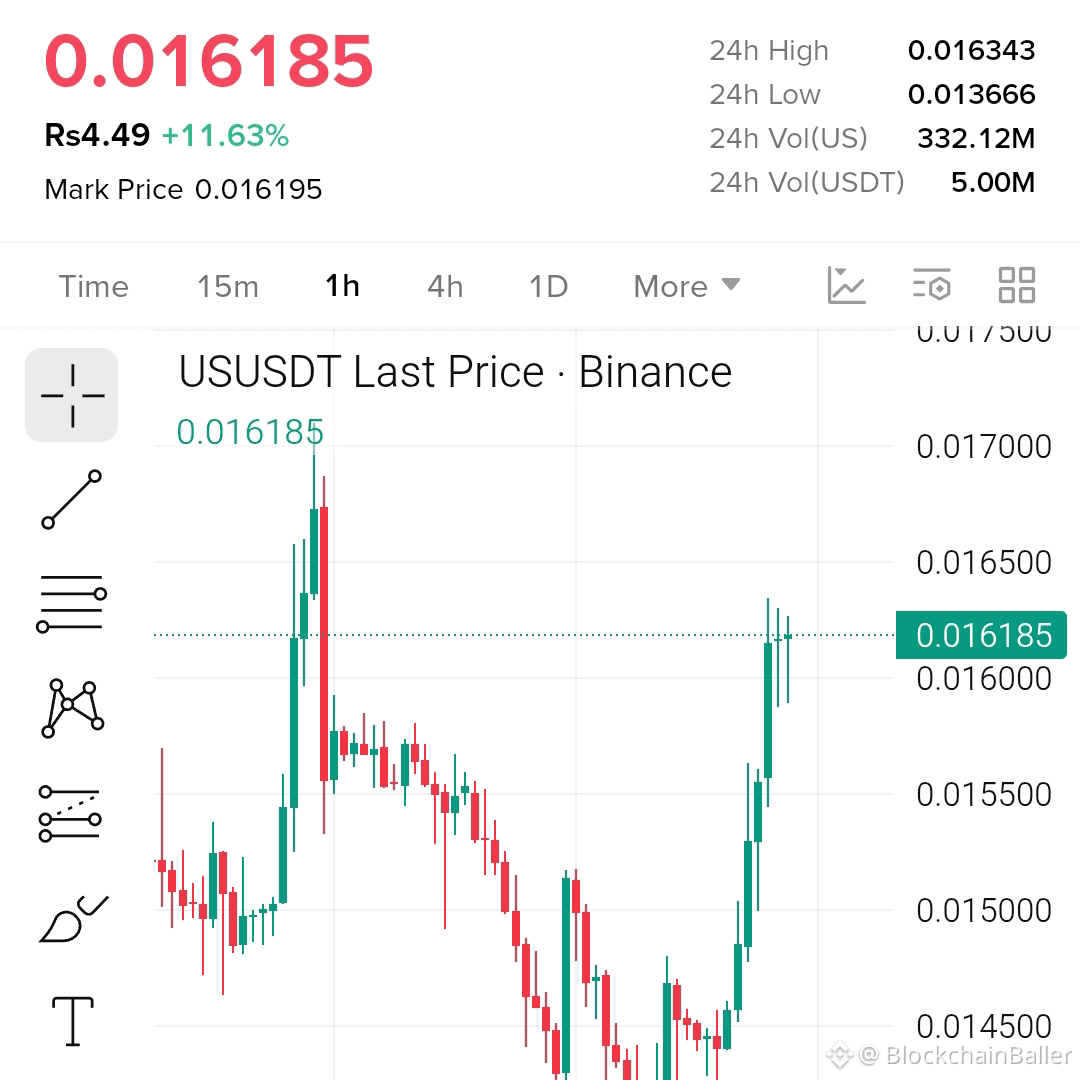
GUYS, $US IS PUSHING HARD ‼️‼️‼️
Entry Zone: $0.0158–$0.0162
TP1: $0.0165
TP2: $0.0168
SL: $0.0154
GUYS, $US IS PUSHING HARD ‼️‼️‼️
Entry Zone: $0.0158–$0.0162
TP1: $0.0165
TP2: $0.0168
SL: $0.0154
Entry Zone: $0.0158–$0.0162
TP1: $0.0165
TP2: $0.0168
SL: $0.0154
4
757
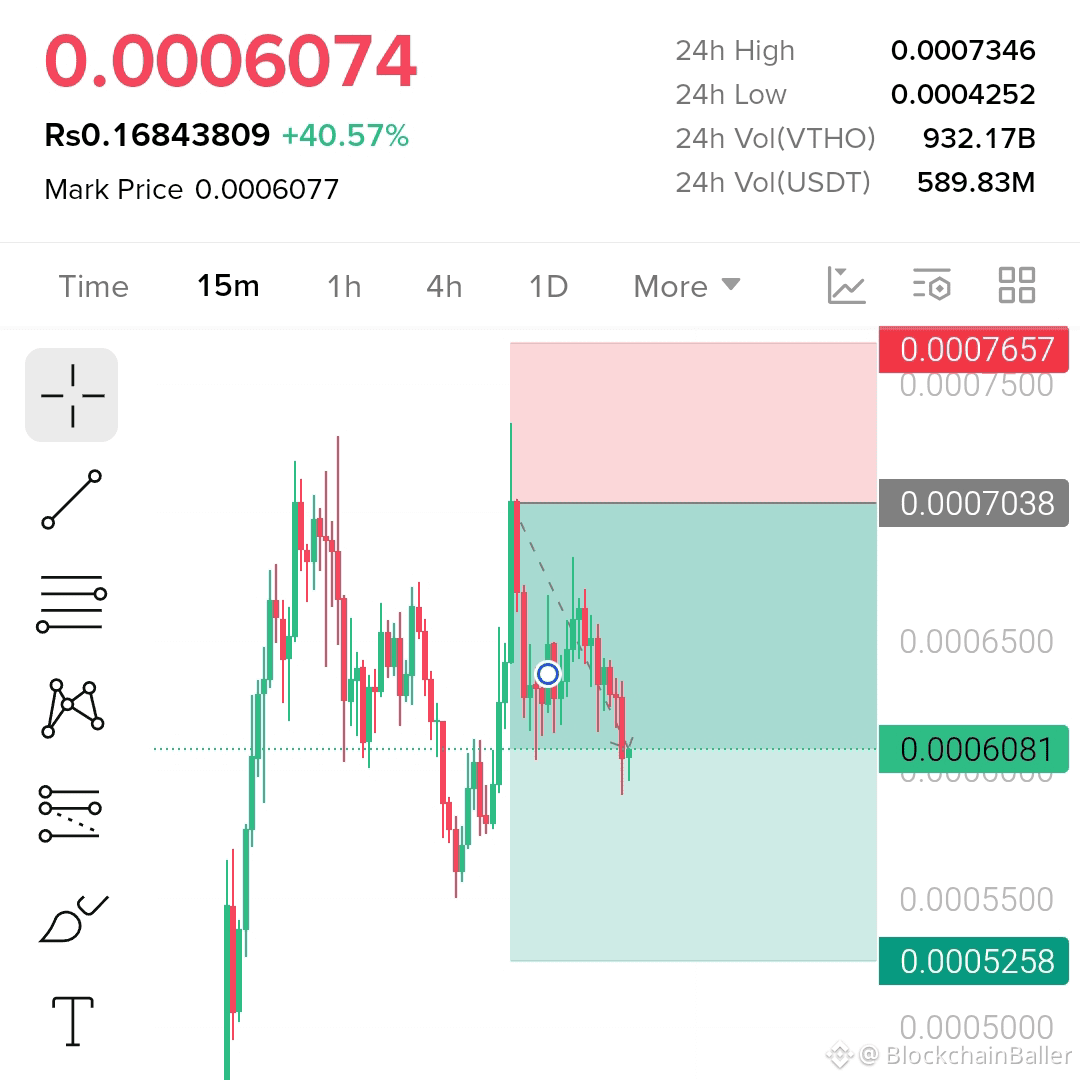
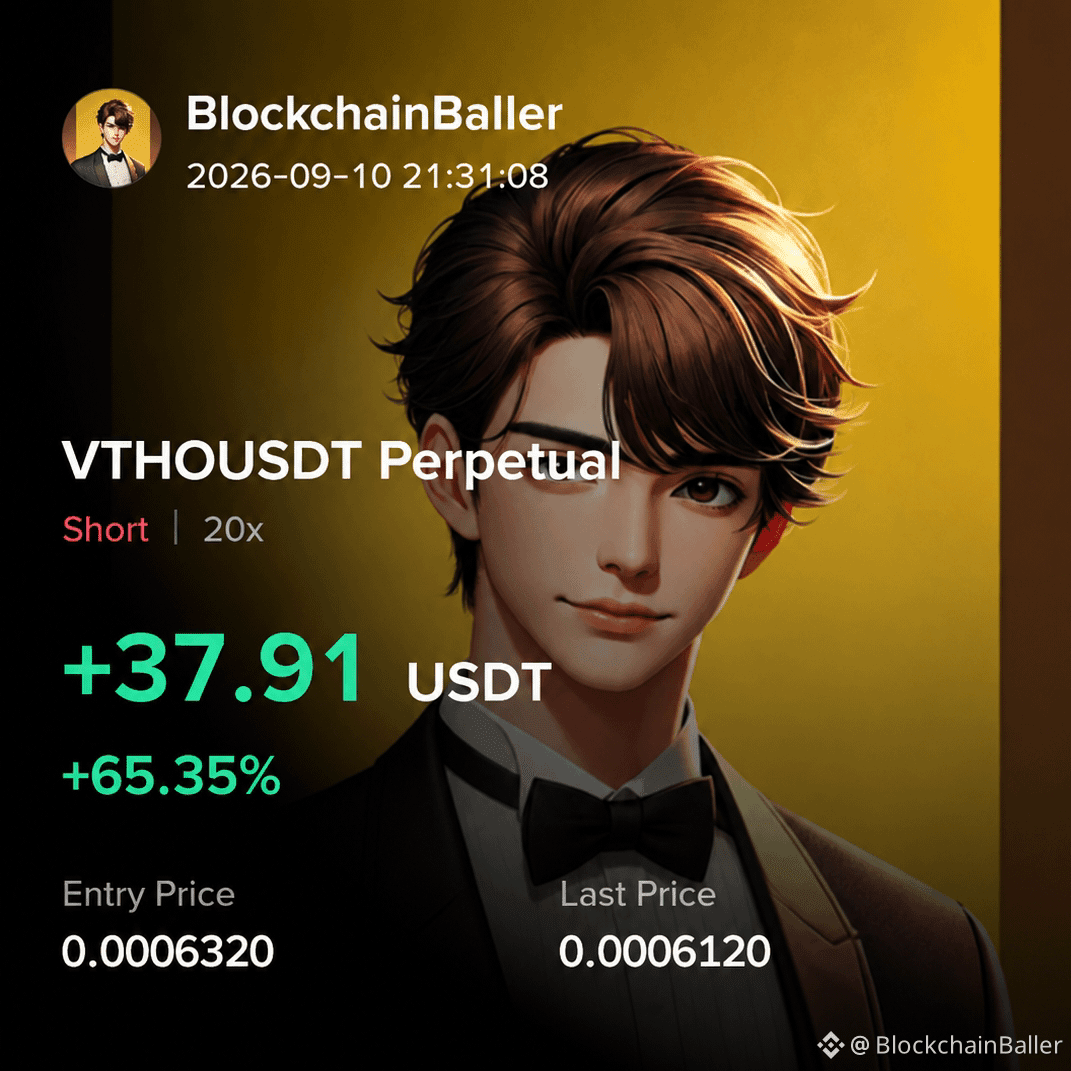
GUYS, $VTHO IS LOSING MOMENTUM... short $VTHO with 20x leverage
Entry Zone: $0.000620–$0.000650
TP1: $0.000580
TP2: $0.000550
TP3: $0.000526
SL: $0.000704
GUYS, $VTHO IS LOSING MOMENTUM... short $VTHO with 20x leverage
Entry Zone: $0.000620–$0.000650
TP1: $0.000580
TP2: $0.000550
TP3: $0.000526
SL: $0.000704
Entry Zone: $0.000620–$0.000650
TP1: $0.000580
TP2: $0.000550
TP3: $0.000526
SL: $0.000704
2
636
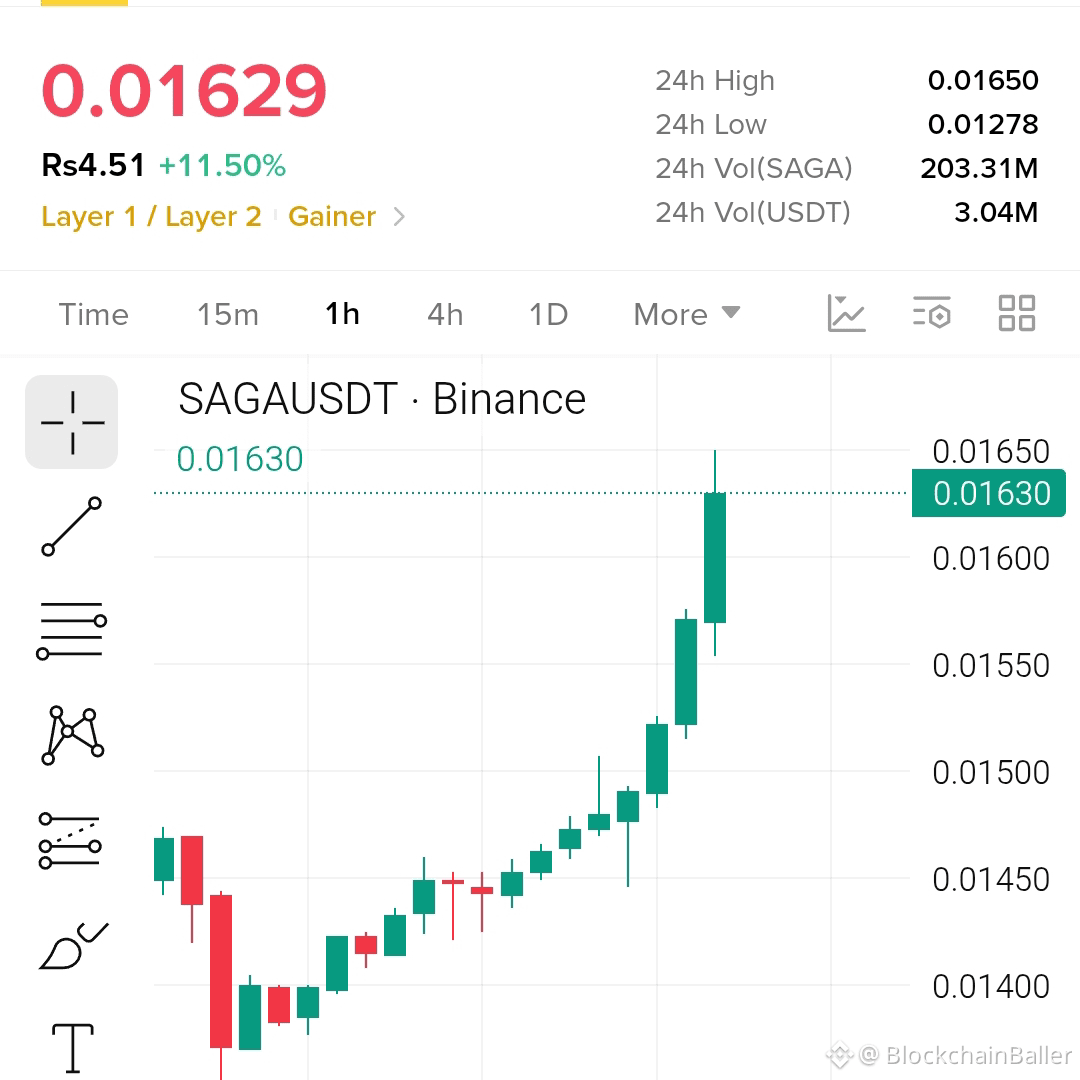
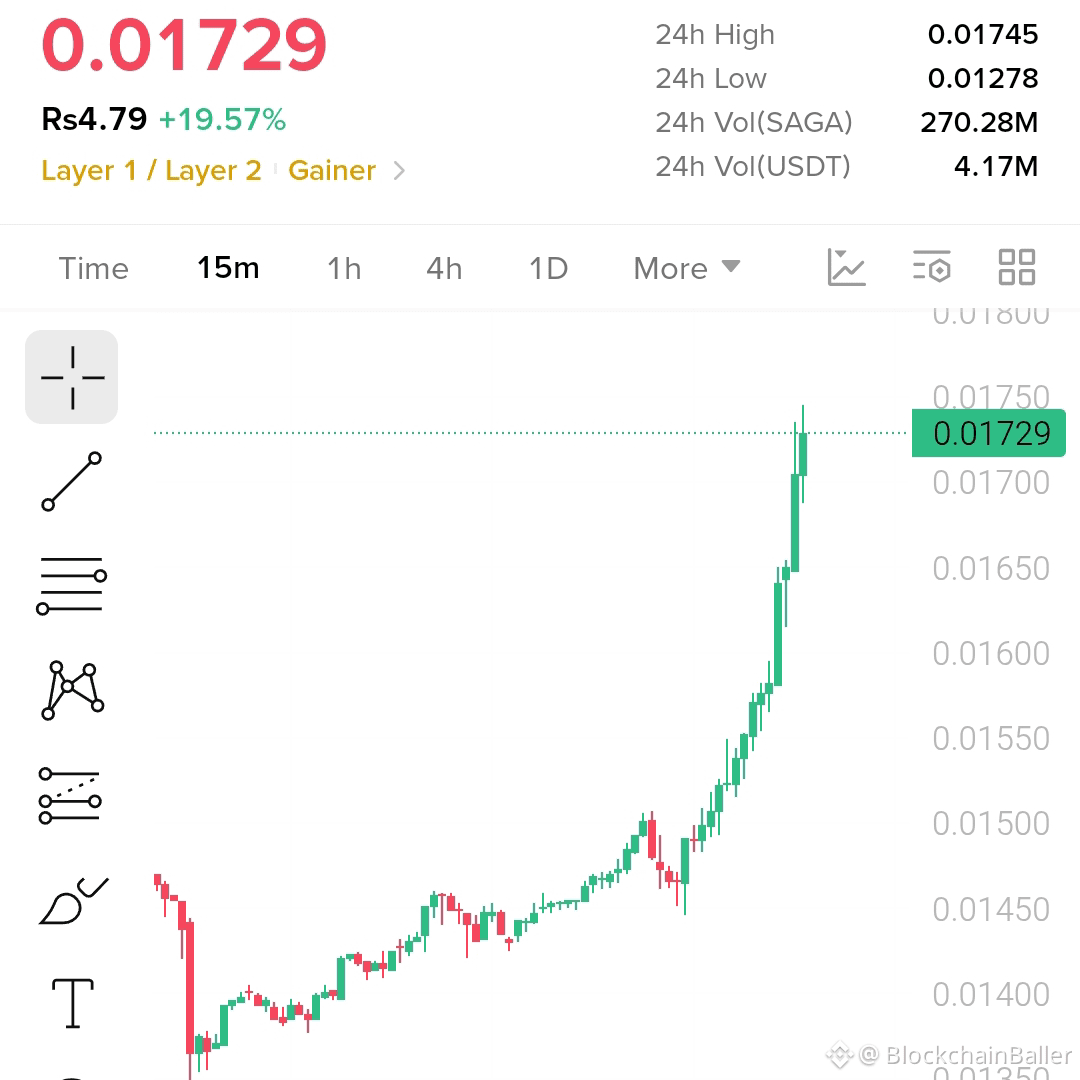
$SAGA IS FLYING ‼️‼️$SAGA WENT CRAZY WHAT A MOVE
Early call, big pump, clean profit. We ate this one! 🔥
Big W to everyone who followed my $SAGA call on time. 🚀
Entry Zone: $0.0165–$0.0170
TP1: $0.0178
TP2: $0.0185
TP3: $0.0195
SL: $0.0158
$SAGA IS FLYING ‼️‼️$SAGA WENT CRAZY WHAT A MOVE
Early call, big pump, clean profit. We ate this one! 🔥
Big W to everyone who followed my $SAGA call on time. 🚀
Entry Zone: $0.0165–$0.0170
TP1: $0.0178
TP2: $0.0185
TP3: $0.0195
SL: $0.0158
Early call, big pump, clean profit. We ate this one! 🔥
Big W to everyone who followed my $SAGA call on time. 🚀
Entry Zone: $0.0165–$0.0170
TP1: $0.0178
TP2: $0.0185
TP3: $0.0195
SL: $0.0158
1
960
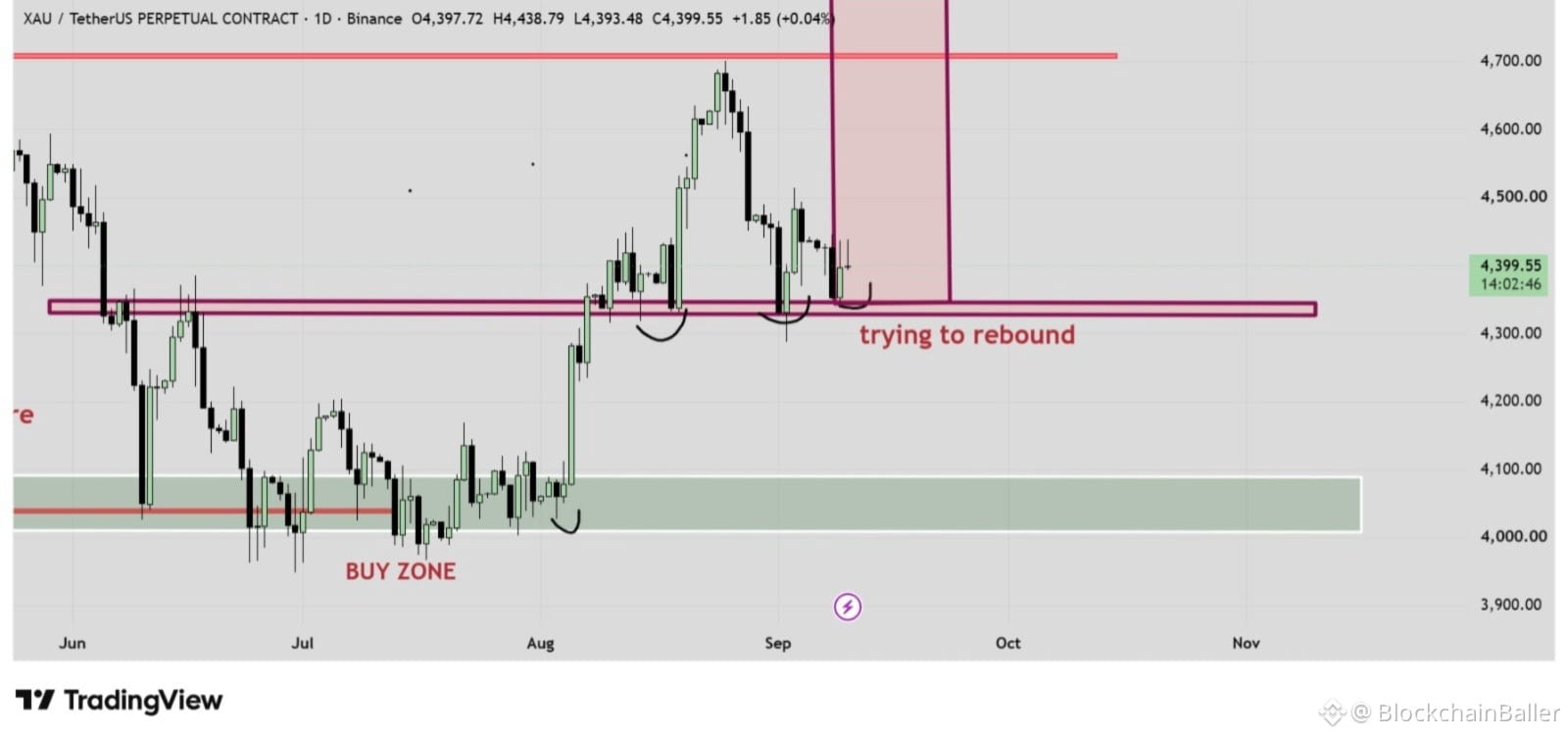
$XAU IS TRYNA BOUNCE BULLS COOKING AGAIN❓❓
$XAU is testing the $4,330–$4,350 support area and buyers are trying to defend it.
If this zone holds, I’m watching $4,500 → $4,600 → $4,700 next.
But losing this support could bring a deeper pullback toward the $4,000–$4,100 buy zone.
For now, $4,330 is the level to watch.
$XAU IS TRYNA BOUNCE BULLS COOKING AGAIN❓❓
$XAU is testing the $4,330–$4,350 support area and buyers are trying to defend it.
If this zone holds, I’m watching $4,500 → $4,600 → $4,700 next.
But losing this support could bring a deeper pullback toward the $4,000–$4,100 buy zone.
For now, $4,330 is the level to watch.
$XAU is testing the $4,330–$4,350 support area and buyers are trying to defend it.
If this zone holds, I’m watching $4,500 → $4,600 → $4,700 next.
But losing this support could bring a deeper pullback toward the $4,000–$4,100 buy zone.
For now, $4,330 is the level to watch.
1
607
Partly True
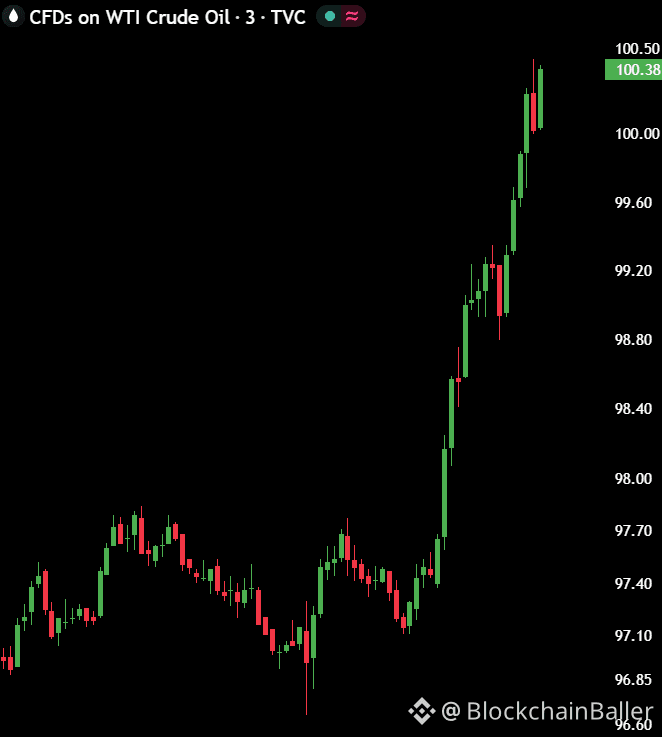
JUST IN:
#Oil breaks above $100 for the first time since May 2026.
Inflation is about to run very hot.
$CL
JUST IN:
#Oil breaks above $100 for the first time since May 2026.
Inflation is about to run very hot.
$CL
#Oil breaks above $100 for the first time since May 2026.
Inflation is about to run very hot.
$CL
2
1.3k
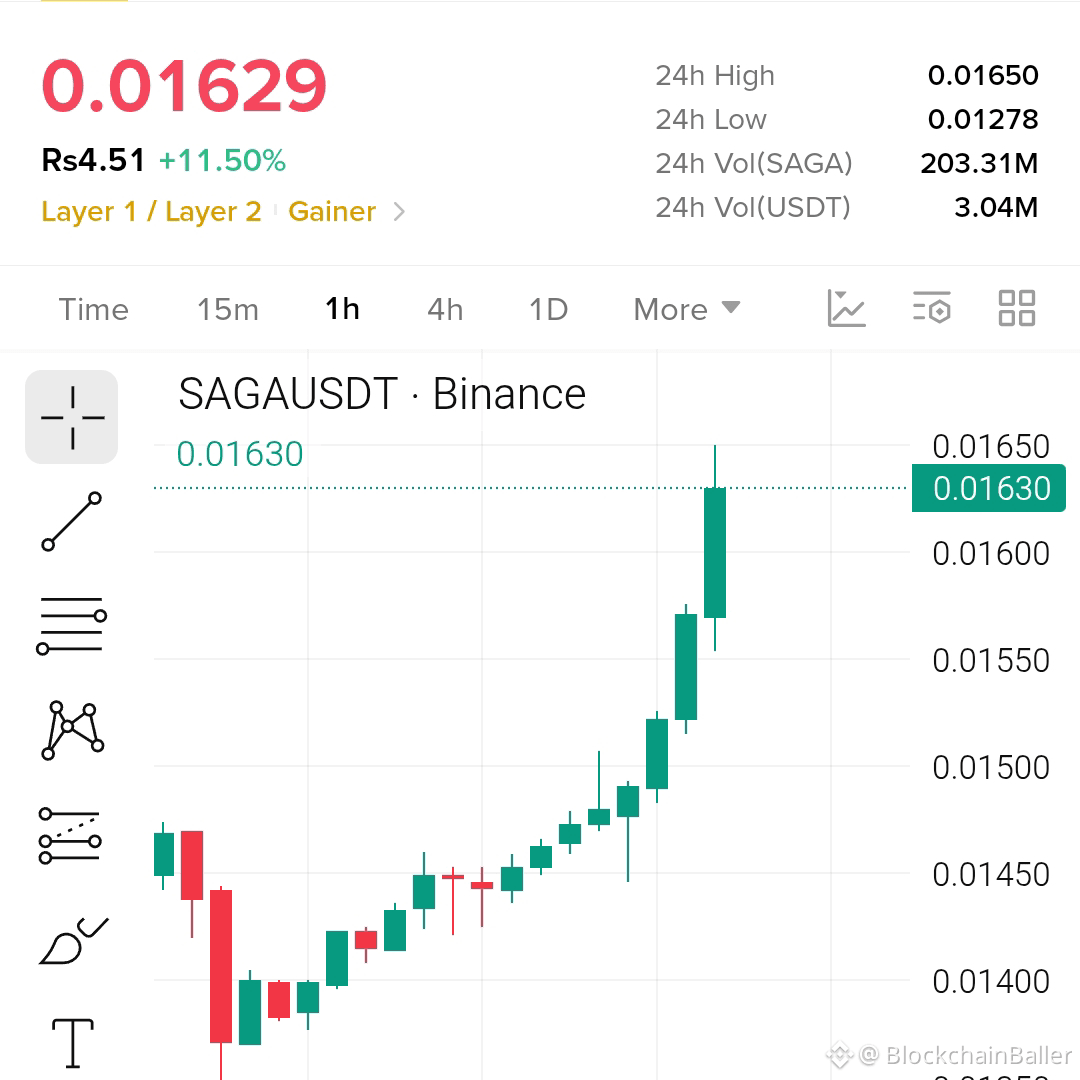
$SAGA BULLS ARE PUSHING‼️‼️
Entry: $0.0160–$0.0163
TP1: $0.0170
TP2: $0.0178
SL: $0.0144
$SAGA BULLS ARE PUSHING‼️‼️
Entry: $0.0160–$0.0163
TP1: $0.0170
TP2: $0.0178
SL: $0.0144
Entry: $0.0160–$0.0163
TP1: $0.0170
TP2: $0.0178
SL: $0.0144
3
1
1k
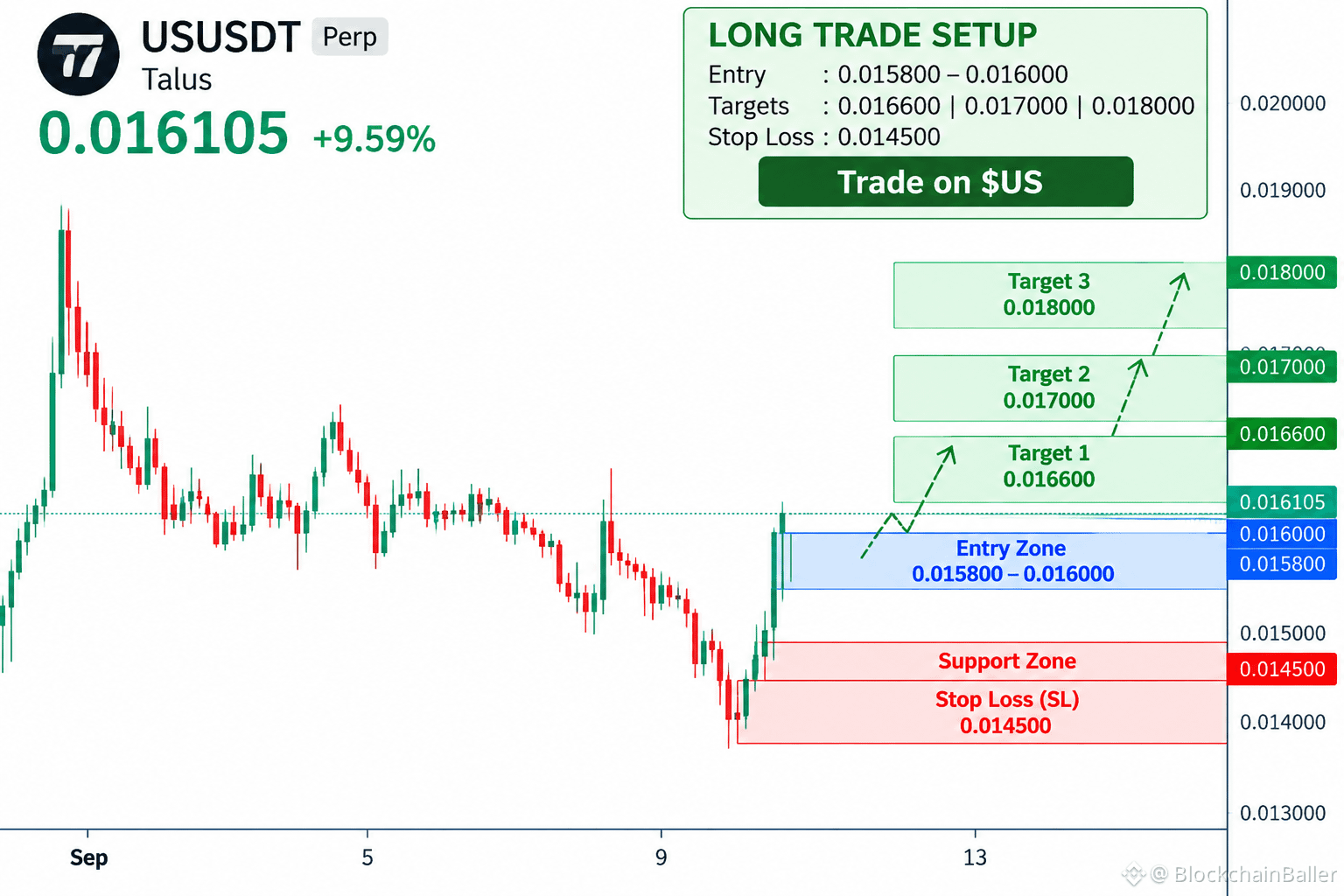
GUYSSS… $US IS WAKING UP
$US bounced strongly from around $0.014 and buyers are pushing price back above $0.016.
Entry Zone: $0.0157–$0.0161
TP1: $0.0165
TP2: $0.0170
TP3: $0.0176
SL: $0.0147
GUYSSS… $US IS WAKING UP
$US bounced strongly from around $0.014 and buyers are pushing price back above $0.016.
Entry Zone: $0.0157–$0.0161
TP1: $0.0165
TP2: $0.0170
TP3: $0.0176
SL: $0.0147
$US bounced strongly from around $0.014 and buyers are pushing price back above $0.016.
Entry Zone: $0.0157–$0.0161
TP1: $0.0165
TP2: $0.0170
TP3: $0.0176
SL: $0.0147
2
1.6k
·
--
Bearish
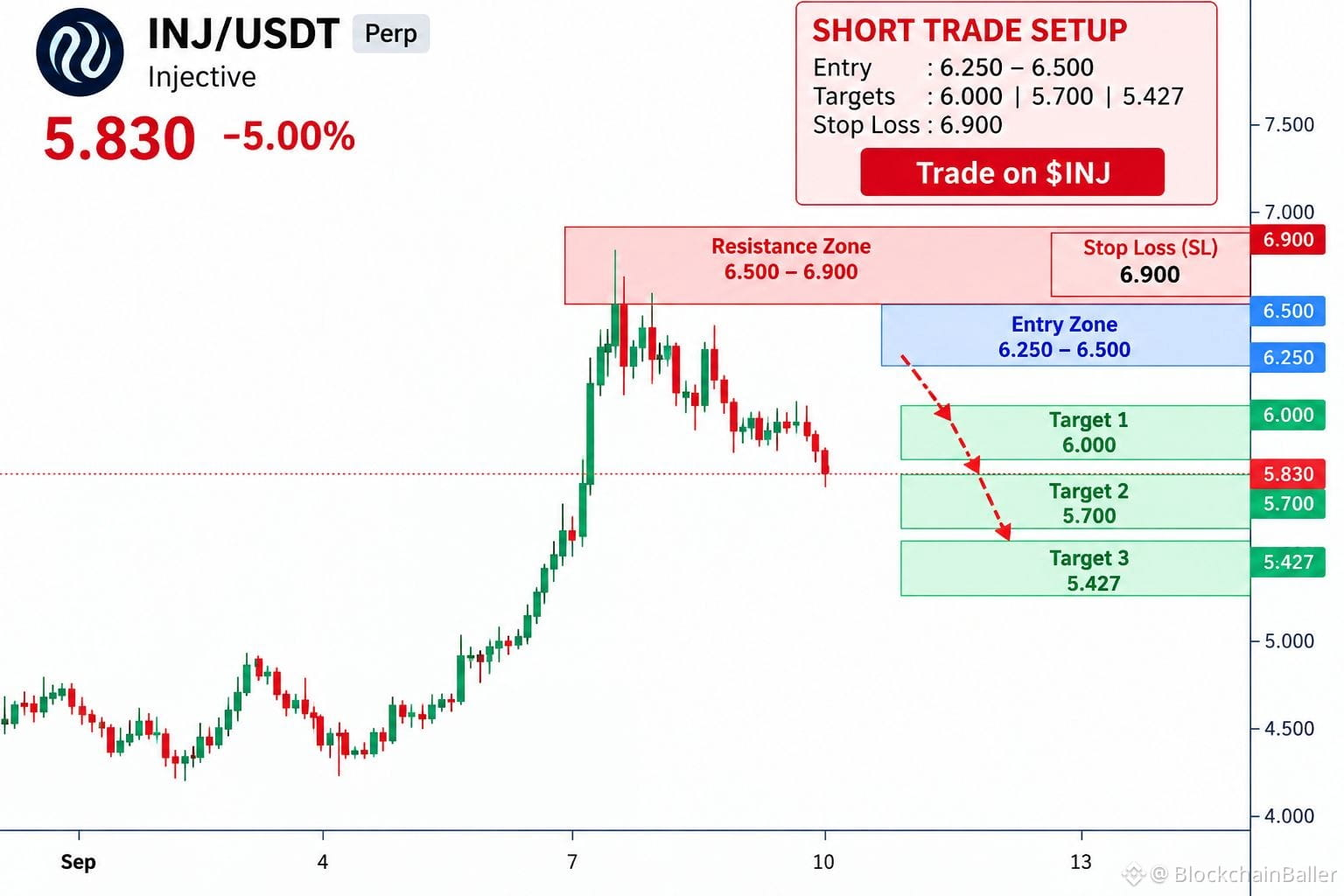
$INJ IS LOOKING HEAVY HERE
$INJ pumped hard toward $6.50, but sellers stepped in and price is now sliding around $5.83. I’m watching for this pullback to continue.
Bias: SHORT
Entry Zone: $5.83–$6.00
TP1: $5.65
TP2: $5.43
SL: $6.50
If sellers keep control, $INJ could give back more of that fast pump.
$INJ IS LOOKING HEAVY HERE
$INJ pumped hard toward $6.50, but sellers stepped in and price is now sliding around $5.83. I’m watching for this pullback to continue.
Bias: SHORT
Entry Zone: $5.83–$6.00
TP1: $5.65
TP2: $5.43
SL: $6.50
If sellers keep control, $INJ could give back more of that fast pump.
$INJ pumped hard toward $6.50, but sellers stepped in and price is now sliding around $5.83. I’m watching for this pullback to continue.
Bias: SHORT
Entry Zone: $5.83–$6.00
TP1: $5.65
TP2: $5.43
SL: $6.50
If sellers keep control, $INJ could give back more of that fast pump.
2
986
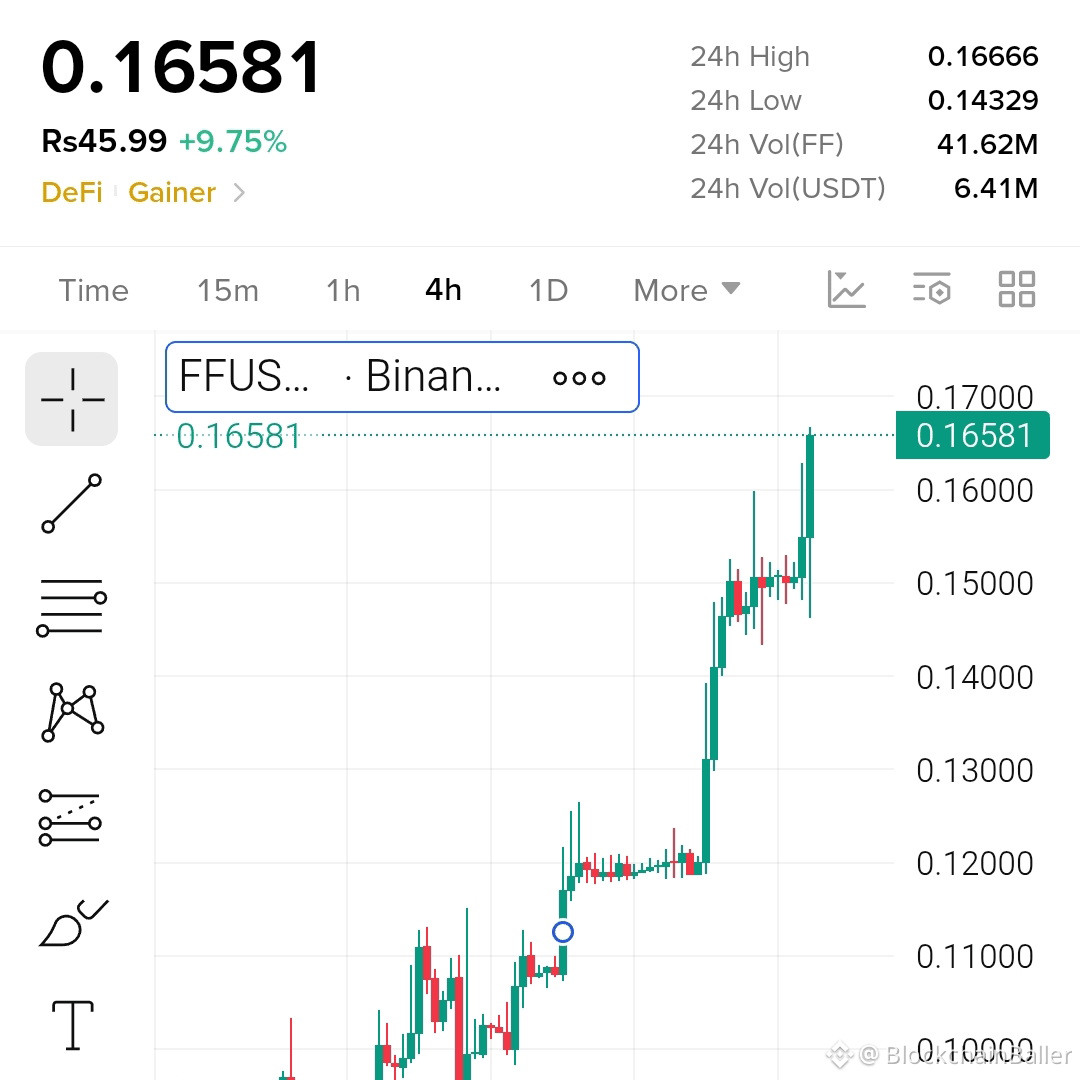
bruh $FF is holding strong after a clean breakout and is now trading around $0.166
Entry Zone: $0.158–$0.164
TP1: $0.170
TP2: $0.180
TP3: $0.190
SL: $0.149
bruh $FF is holding strong after a clean breakout and is now trading around $0.166
Entry Zone: $0.158–$0.164
TP1: $0.170
TP2: $0.180
TP3: $0.190
SL: $0.149
Entry Zone: $0.158–$0.164
TP1: $0.170
TP2: $0.180
TP3: $0.190
SL: $0.149
4
1.1k
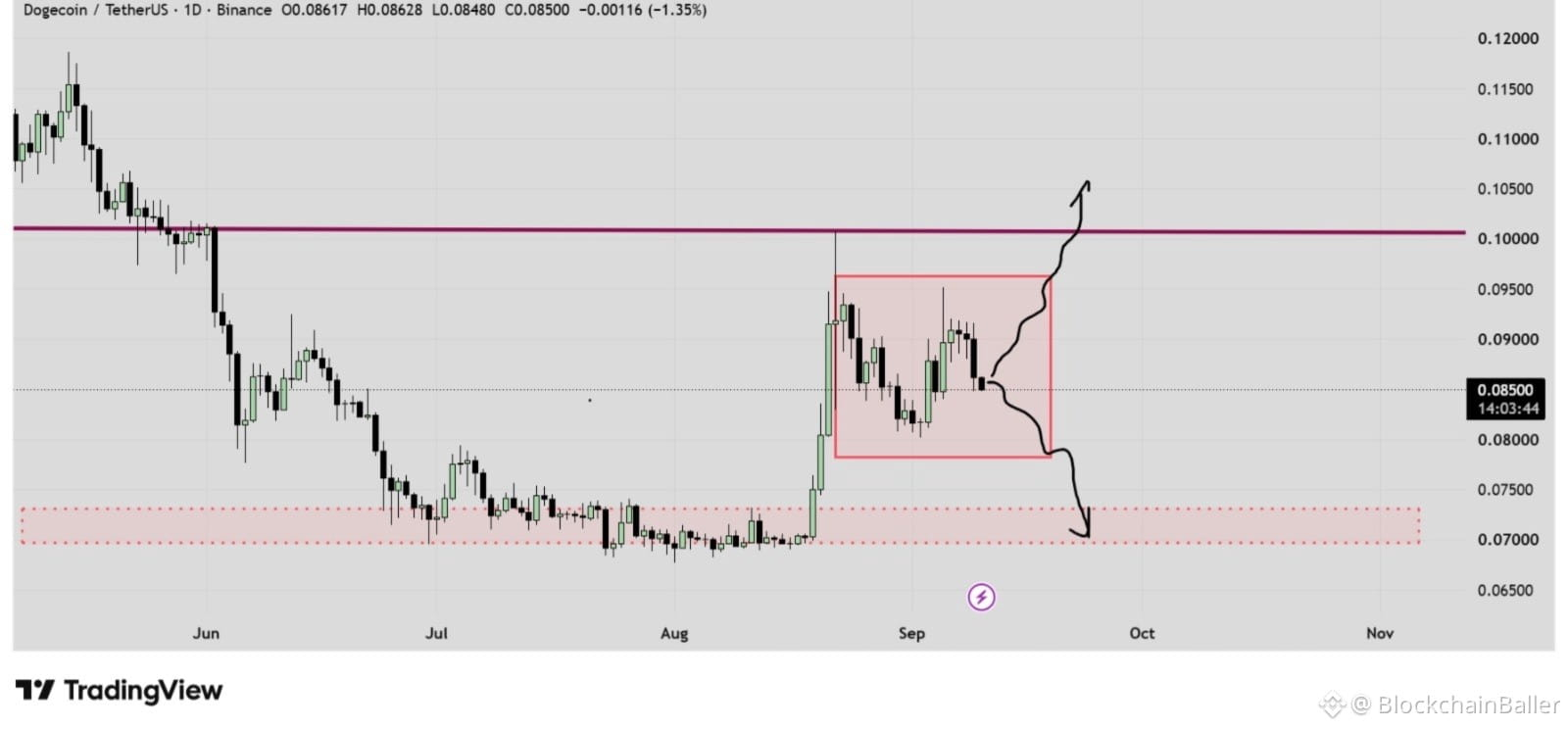
$DOGE IS COOKING SOMETHING WHICH WAY WE SENDING?
$DOGE is consolidating around $0.085 inside a key range.
A breakout above $0.096–$0.10 could open the door toward $0.105+.
But if $0.078 support breaks, DOGE could slide back toward the $0.070–$0.073 zone.
Right now, this range is the battlefield $0.10 or $0.07, which comes first?
$DOGE IS COOKING SOMETHING WHICH WAY WE SENDING?
$DOGE is consolidating around $0.085 inside a key range.
A breakout above $0.096–$0.10 could open the door toward $0.105+.
But if $0.078 support breaks, DOGE could slide back toward the $0.070–$0.073 zone.
Right now, this range is the battlefield $0.10 or $0.07, which comes first?
$DOGE is consolidating around $0.085 inside a key range.
A breakout above $0.096–$0.10 could open the door toward $0.105+.
But if $0.078 support breaks, DOGE could slide back toward the $0.070–$0.073 zone.
Right now, this range is the battlefield $0.10 or $0.07, which comes first?
2
719
Log in to explore more content
Join global crypto users on Binance Square
⚡️ Get latest and useful information about crypto.
💬 Trusted by the world’s largest crypto exchange.
👍 Discover real insights from verified creators.
Email / Phone number
Trending Topics
USAugustPPIRisesLessThanExpected
18,924 views
467 Discussing
🚨 US AUG PPI: Rises LESS Than Expected! Bullish for Crypto? 🚀
PPI +0.4% MoM as expected, but CORE PPI only +0.2% vs +0.3% expected - cooling!
What it means:
• Wholesale inflation softer than feared
• Fed rate hike chance now 62% - but dovish signals coming
• Core PCE revisions expected downward - bullish
• BTC usually pumps on softer PPI
Fed meeting Sep 15-16 - Market now expects pause, not hike?
Is this the green light for Q4 rally?
#Bitcoin #PPI #Fed #CryptoNews #BTC#usaugustppiriseslessthanexpected
True News
·1 Likes
·1.2k views
SECApprovesNasdaqTexasCommodityTrustRule
13,626 views
397 Discussing
ECBRaisesRatesSecondTimeTo2.5%
10,248 views
286 Discussing