
著名的鸡学者
31 Posts

著名的鸡学者
19年ETH挖矿入场 | 分享加密实用教程 | 多领域自媒体创作者 | YouTube博主
1 Following
48 Followers
11 Liked
Posts
All
Quotes

So this is the legendary “just go take a look”?
Spending money is impossible to see
Not spending money might still let you see
Spending money is impossible to see
Not spending money might still let you see


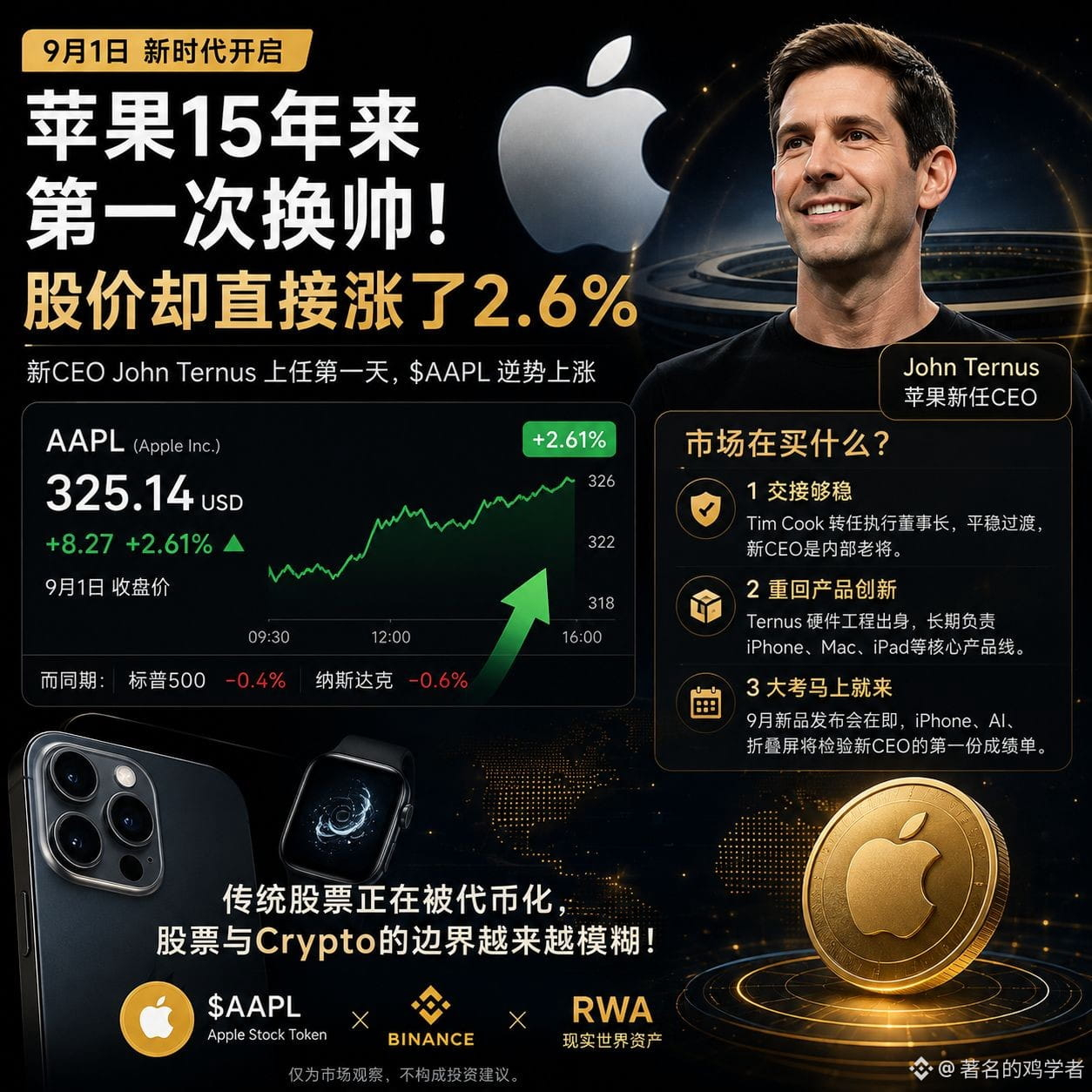
《Apple Replaces CEO, the Market First Bought It With a 2.6% Jump》
It’s the first time Apple has changed leadership in 15 years, yet the stock price rose straight by 2.6%.
On his first day as new CEO, John Ternus, $AAPL
—shares climbed against the trend, while the US stock market index was actually falling that day.
Why?
1️⃣ Smooth handover
Tim Cook didn’t leave—he became Executive Chairman, and the new CEO is also an Apple insider veteran.
2️⃣ Apple may put “product innovation” back in the spotlight
Ternus himself comes from a hardware engineering background and has long been responsible for Apple’s core products such as iPhone, Mac, and iPad.
3️⃣ The real big test is coming soon
The September product launch event is right around the corner, and iPhone, AI, and even foldable screens will all become the market’s first scorecard for evaluating the new CEO.
So I think the most worth watching part of this Apple leadership change isn’t how much the stock rises in a single day,
but that the market has started betting again: can Apple still make the next product that people are looking forward to?
Now even Apple’s stock has begun entering crypto trading platforms in a tokenized form, and the boundary between traditional stocks and Crypto is getting increasingly blurry.
$AAPLB
#Apple #Aİ #美股 #RWA
For market observation only; not investment advice.
It’s the first time Apple has changed leadership in 15 years, yet the stock price rose straight by 2.6%.
On his first day as new CEO, John Ternus, $AAPL
—shares climbed against the trend, while the US stock market index was actually falling that day.
Why?
1️⃣ Smooth handover
Tim Cook didn’t leave—he became Executive Chairman, and the new CEO is also an Apple insider veteran.
2️⃣ Apple may put “product innovation” back in the spotlight
Ternus himself comes from a hardware engineering background and has long been responsible for Apple’s core products such as iPhone, Mac, and iPad.
3️⃣ The real big test is coming soon
The September product launch event is right around the corner, and iPhone, AI, and even foldable screens will all become the market’s first scorecard for evaluating the new CEO.
So I think the most worth watching part of this Apple leadership change isn’t how much the stock rises in a single day,
but that the market has started betting again: can Apple still make the next product that people are looking forward to?
Now even Apple’s stock has begun entering crypto trading platforms in a tokenized form, and the boundary between traditional stocks and Crypto is getting increasingly blurry.
$AAPLB
#Apple #Aİ #美股 #RWA
For market observation only; not investment advice.
《September: Don’t just watch the K-line—save these 6 dates first》
I’ve briefly outlined the more important policies and macro milestones this month:
September 4|US Non-Farm Payrolls
Employment data will affect the market’s assessment of the Federal Reserve’s subsequent policy.
September 11|US CPI
This is a crucial inflation report ahead of the FOMC. BTC and ETH could both see amplified volatility as a result.
September 15|Key procedural milestone for the US crypto market structure bill
The key takeaway is: how the US will define the regulatory boundary between the SEC and the CFTC for crypto assets.
September 15–16|Federal Reserve FOMC
This is, in my view, the most important macro event in September. Besides the rate decision, it’s also worth paying attention to the dot plot and Powell’s statements on future policy.
Throughout September|Ongoing discussion of new SEC rules for crypto assets
This includes directions such as token issuance exemptions and safe-harbor provisions, which may ultimately affect US altcoin issuance and trading rules.
September 30|US PCE + EU MiCA related review milestones
One impacts expectations for the Federal Reserve, and the other impacts crypto regulation in Europe.
So remember one line of focus:
September 15–16 may be the two most worth-watching days for the crypto market this month.
It may not necessarily determine whether prices rise or fall, but it very likely determines the core logic that drives market trading over the following period.
#BTC #ETH #Crypto #美联储 #加密监管
$BTC $ETH $SOL
For market observation only and does not constitute investment advice.
I’ve briefly outlined the more important policies and macro milestones this month:
September 4|US Non-Farm Payrolls
Employment data will affect the market’s assessment of the Federal Reserve’s subsequent policy.
September 11|US CPI
This is a crucial inflation report ahead of the FOMC. BTC and ETH could both see amplified volatility as a result.
September 15|Key procedural milestone for the US crypto market structure bill
The key takeaway is: how the US will define the regulatory boundary between the SEC and the CFTC for crypto assets.
September 15–16|Federal Reserve FOMC
This is, in my view, the most important macro event in September. Besides the rate decision, it’s also worth paying attention to the dot plot and Powell’s statements on future policy.
Throughout September|Ongoing discussion of new SEC rules for crypto assets
This includes directions such as token issuance exemptions and safe-harbor provisions, which may ultimately affect US altcoin issuance and trading rules.
September 30|US PCE + EU MiCA related review milestones
One impacts expectations for the Federal Reserve, and the other impacts crypto regulation in Europe.
So remember one line of focus:
September 15–16 may be the two most worth-watching days for the crypto market this month.
It may not necessarily determine whether prices rise or fall, but it very likely determines the core logic that drives market trading over the following period.
#BTC #ETH #Crypto #美联储 #加密监管
$BTC $ETH $SOL
For market observation only and does not constitute investment advice.

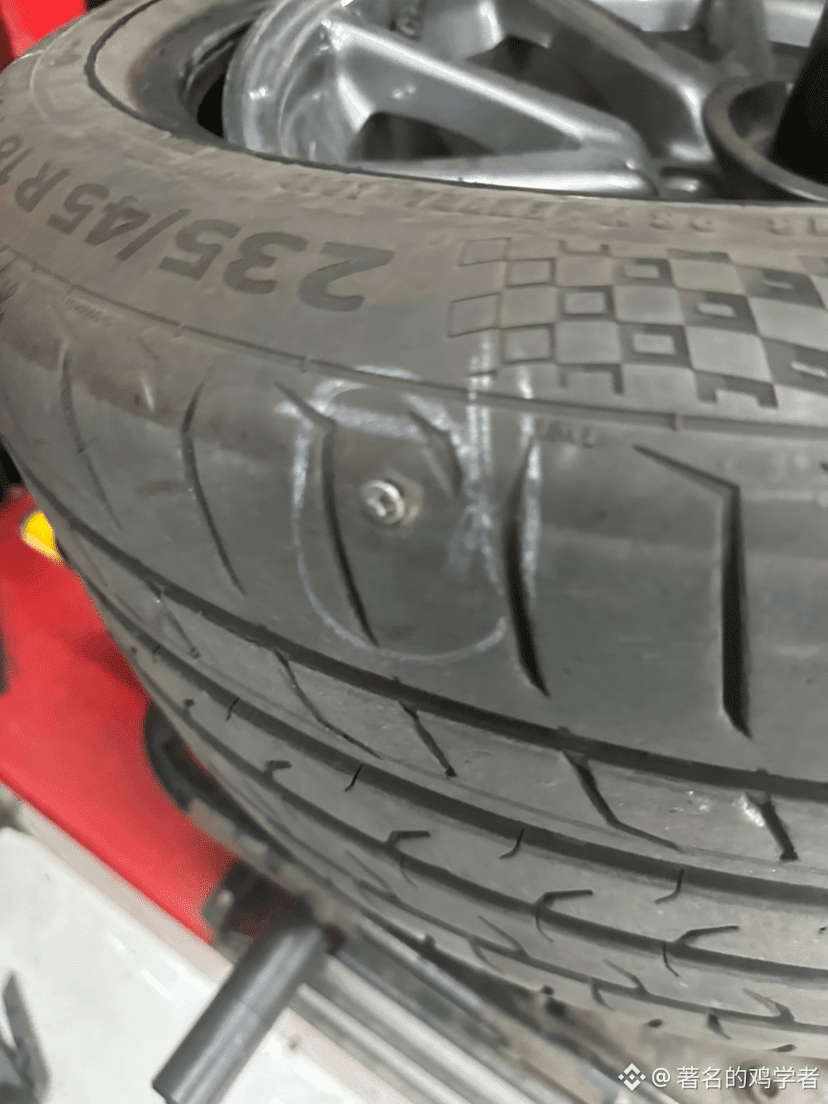
What’s the market like? Don’t worry about that for now.
Let’s eat noodles at noon first.
26 yuan for pork liver and tripe noodles—how about it?
$NVDAB
Let’s eat noodles at noon first.
26 yuan for pork liver and tripe noodles—how about it?
$NVDAB



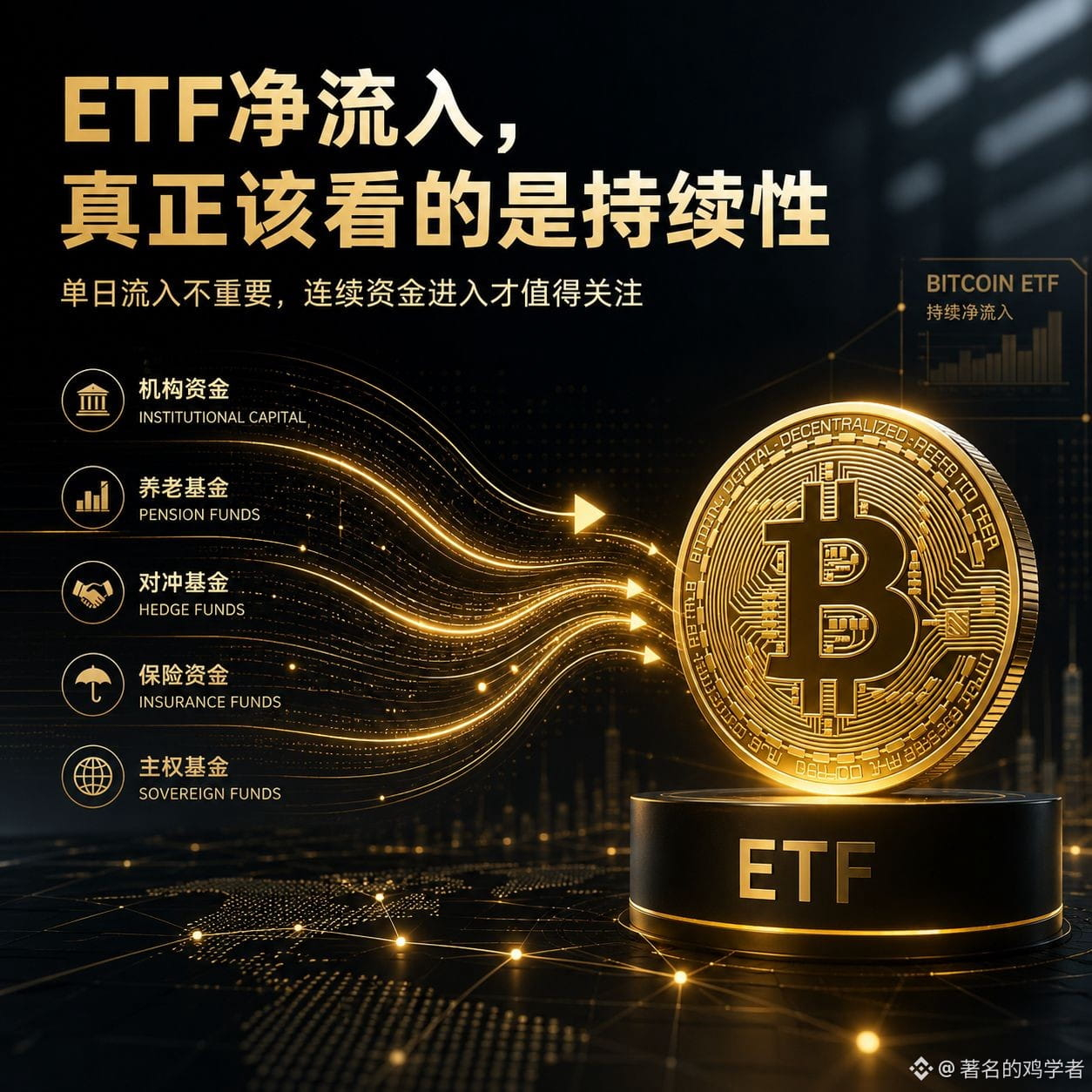
Why are ETF net inflows worth watching?
Many people can see every day how much “Bitcoin ETF inflows” there are, but actually what matters isn’t just a single day.
The core is one sentence:
Continuous net inflows mean traditional capital is steadily increasing its exposure to crypto assets.
Single-day inflows may just reflect short-term fluctuations. It’s more worth paying attention when capital enters over several consecutive days—or even weeks.
So I look at $BTC ; besides the price, I also check whether ETF funds are continuing to move in.
#BTC #ETF
For market observation only and does not constitute investment advice.
Many people can see every day how much “Bitcoin ETF inflows” there are, but actually what matters isn’t just a single day.
The core is one sentence:
Continuous net inflows mean traditional capital is steadily increasing its exposure to crypto assets.
Single-day inflows may just reflect short-term fluctuations. It’s more worth paying attention when capital enters over several consecutive days—or even weeks.
So I look at $BTC ; besides the price, I also check whether ETF funds are continuing to move in.
#BTC #ETF
For market observation only and does not constitute investment advice.
The market greed index has reached 71, so today it’s actually not suitable to impulsively chase prices.
Right now, I’m mainly watching three directions:
$BTC $ETH $ SOL: See whether the leading coins can continue to absorb capital.
$HOME $QNT: Today the community heat is relatively high, and short-term attention is clearly stronger.
$COTI : In the past hour, big players and top traders have both been leaning toward buying—worth continuing to monitor whether the trading volume can keep up.
The logic today is simple:
For major coins, watch the trend; for hot coins, watch sentiment; for breakout/abnormal movers, watch the flow of funds.
What I fear most now isn’t missing opportunities, but seeing it rise and then chasing.
#BTC #ETH #SOL #COTI #HOME #QNT
For market observation only; not investment advice
$SOL $COTI
Right now, I’m mainly watching three directions:
$BTC $ETH $ SOL: See whether the leading coins can continue to absorb capital.
$HOME $QNT: Today the community heat is relatively high, and short-term attention is clearly stronger.
$COTI : In the past hour, big players and top traders have both been leaning toward buying—worth continuing to monitor whether the trading volume can keep up.
The logic today is simple:
For major coins, watch the trend; for hot coins, watch sentiment; for breakout/abnormal movers, watch the flow of funds.
What I fear most now isn’t missing opportunities, but seeing it rise and then chasing.
#BTC #ETH #SOL #COTI #HOME #QNT
For market observation only; not investment advice
$SOL $COTI
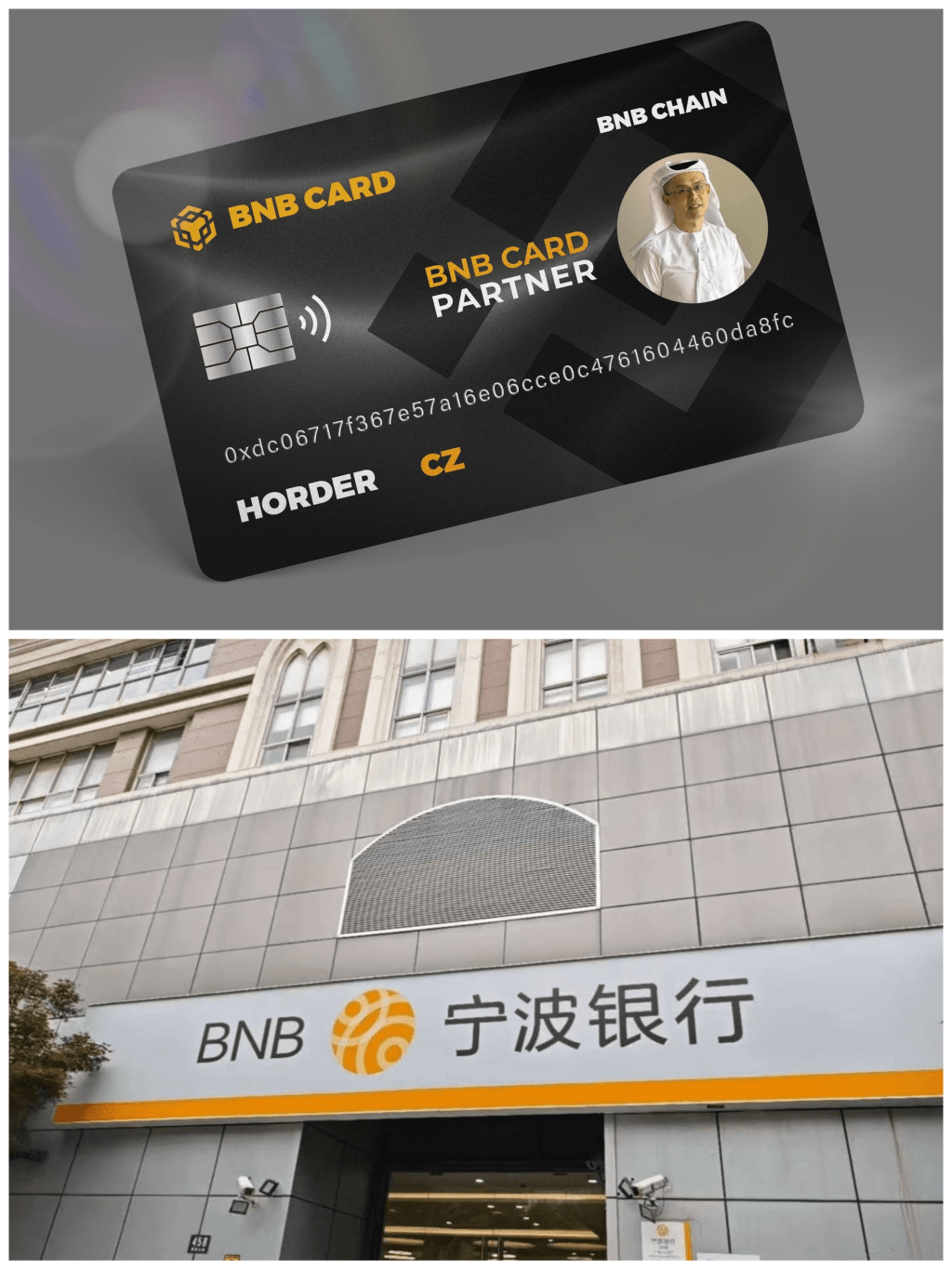
OK, there probably won't be any opportunities this year. Let's prepare for the civil service exam.

Even if this card is to be released, users from the mainland will be the first to be excluded from the restrictions.

奥力给
·
--
#BNBCard is just around the corner, the future is promising. The next miracle awaits.
Rolling Points Principle does not mean that consumption increases the next day. If there's a chance, it would be good to watch my YTB video as well.

闫大大
·
--
How many people were deceived by the new bloggers on X and YTB, who only said the monthly project volume, some big profits, and easy score increase... They thought that the daily points were enough and the additional 15 points were just enough to be used up, but in fact they ate two, one of which was only 30 eyes, and then entered the stage of unlimited no score increase...
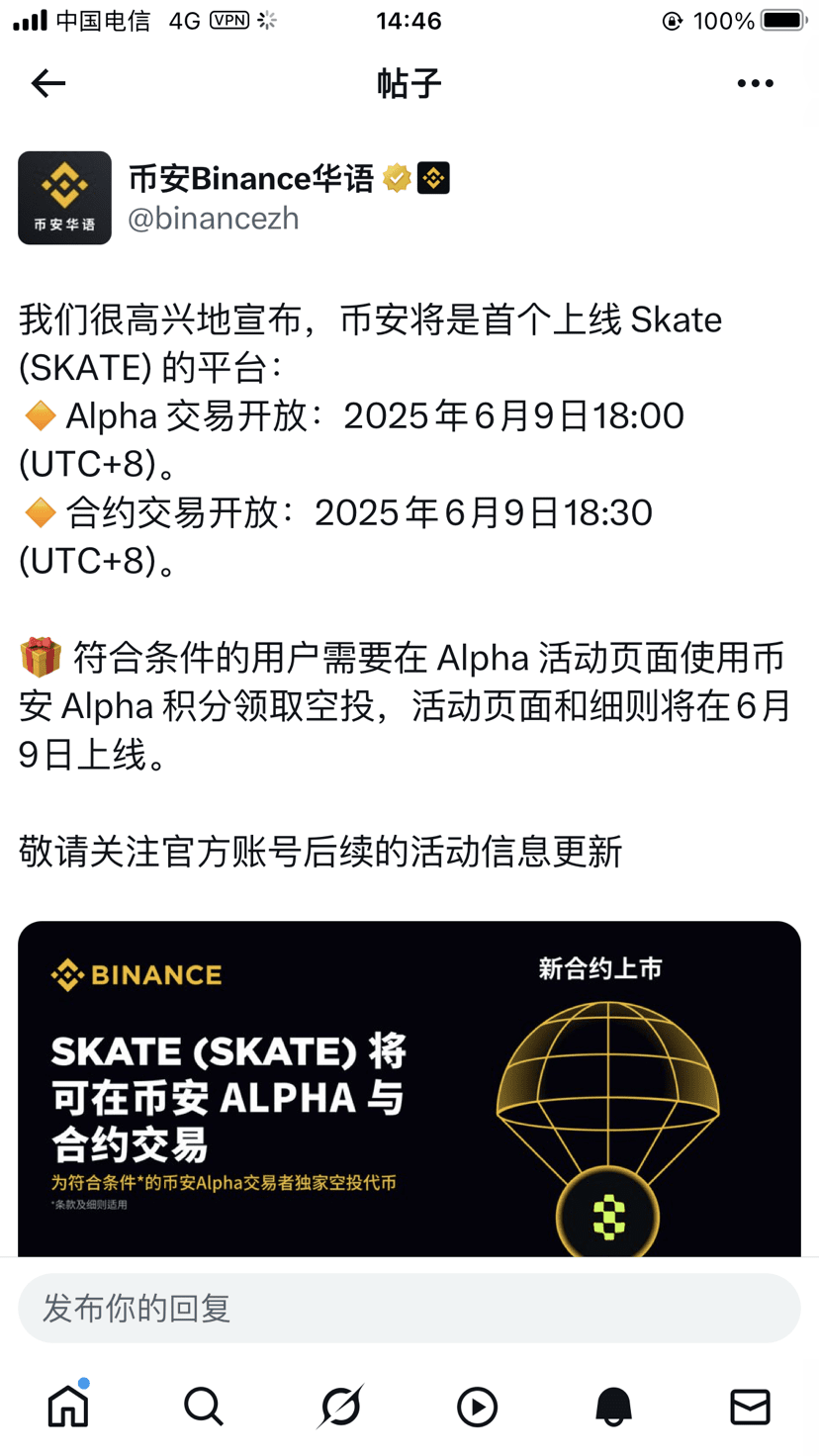
At first glance, you seem old, and perhaps your education level is not high.
These trash articles can be posted and edited by yourself.
Then you can screenshot it and get excited by yourself🤔
These trash articles can be posted and edited by yourself.
Then you can screenshot it and get excited by yourself🤔
鑫锋F1
·
--
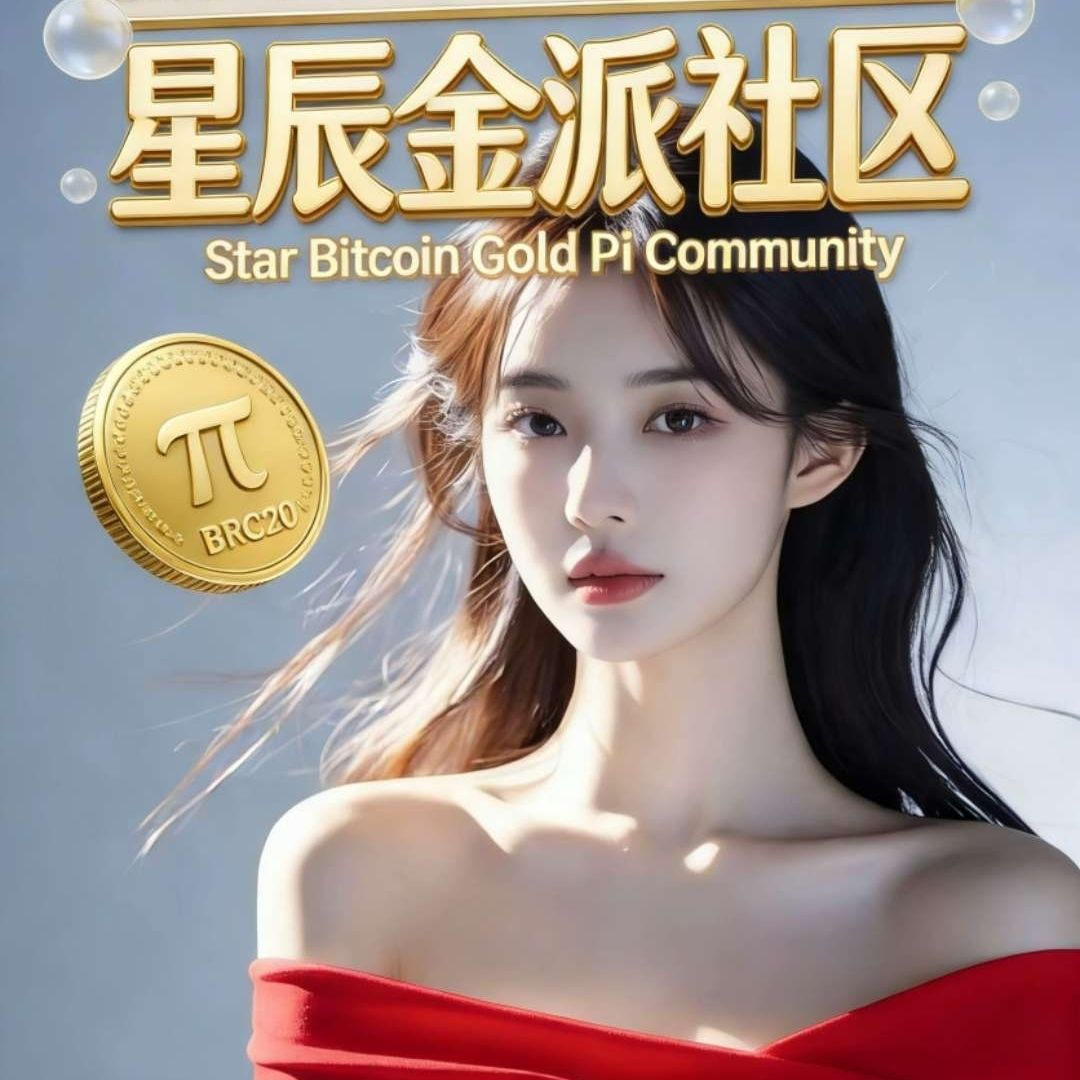
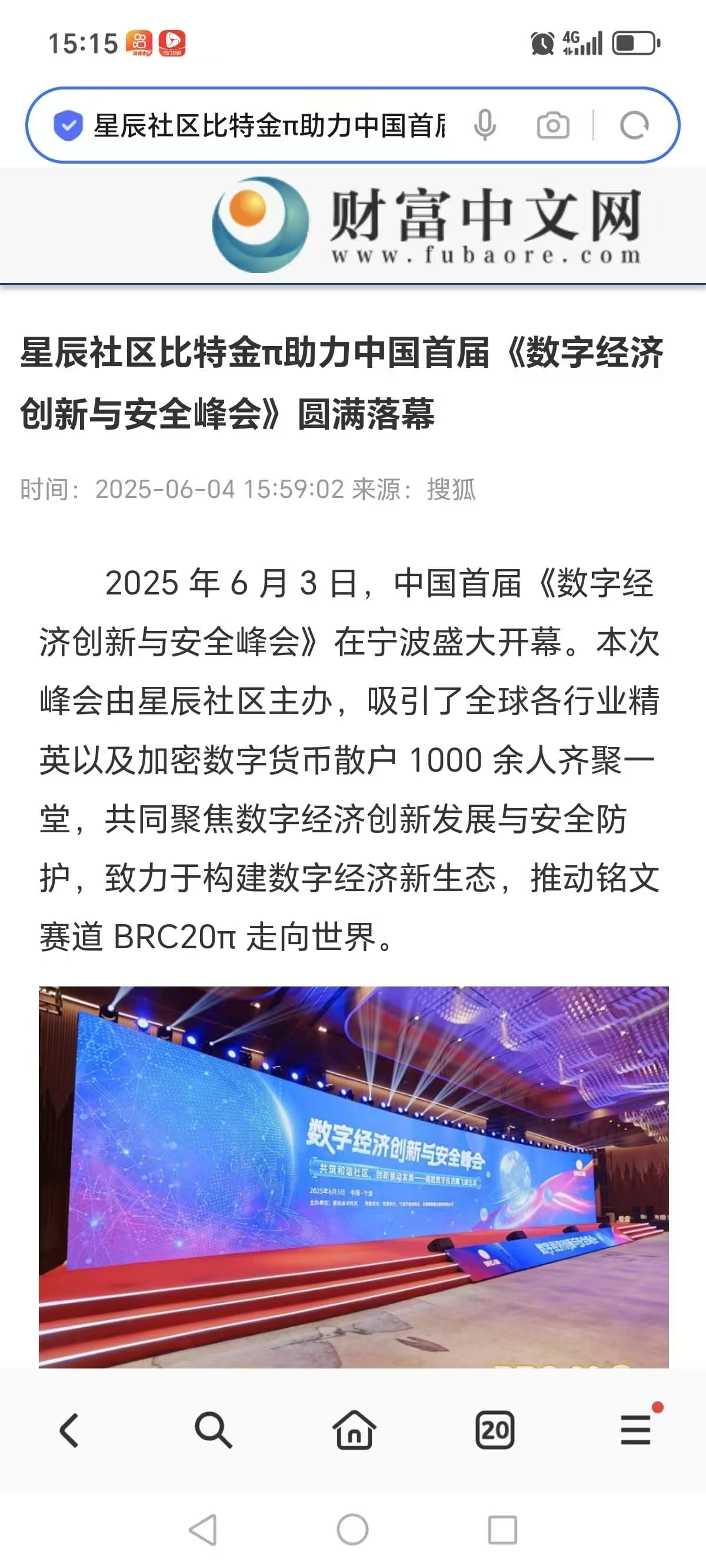
Hold your π in your hand

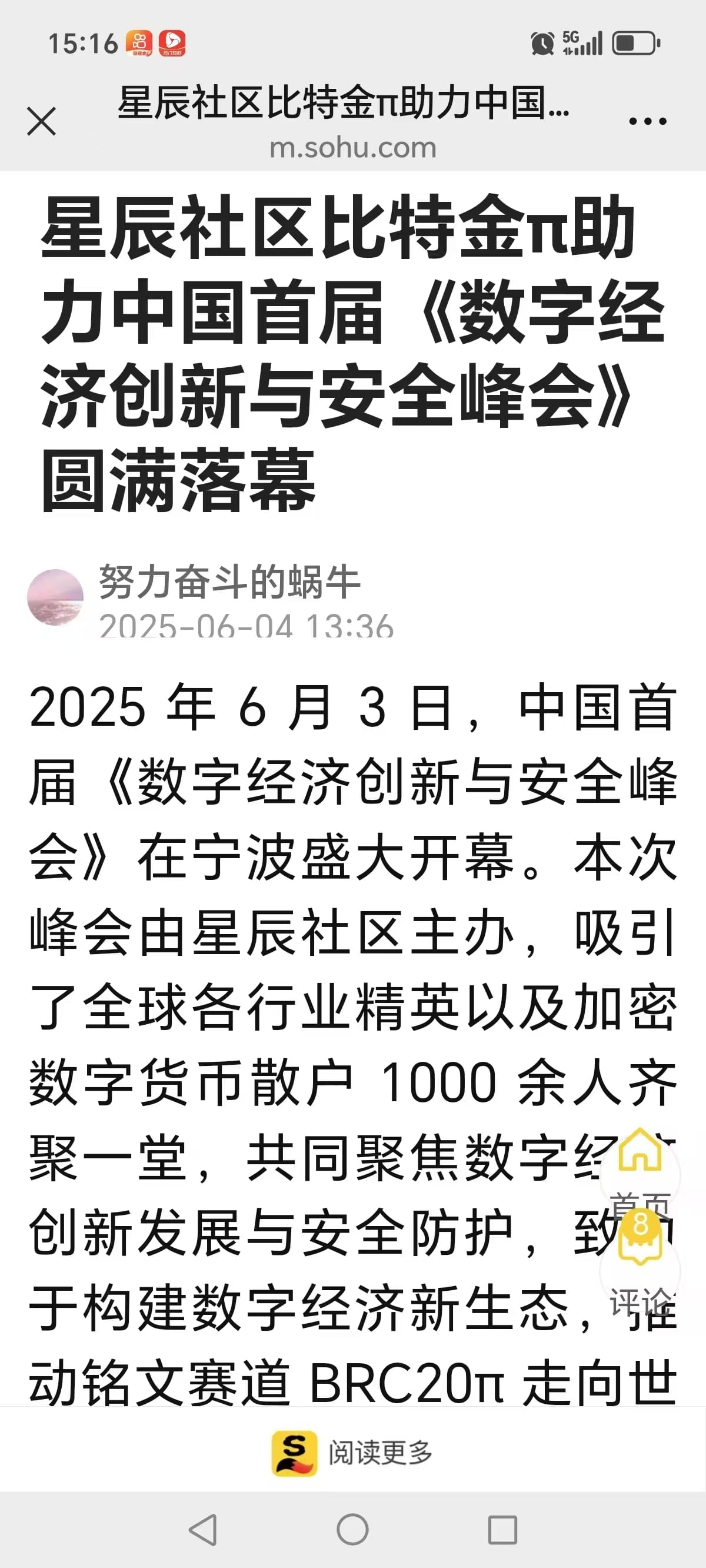
Pokepay is still okay, finding unscrupulous merchants, losses greater than 20%, even 50%.
Quoted content has been removed
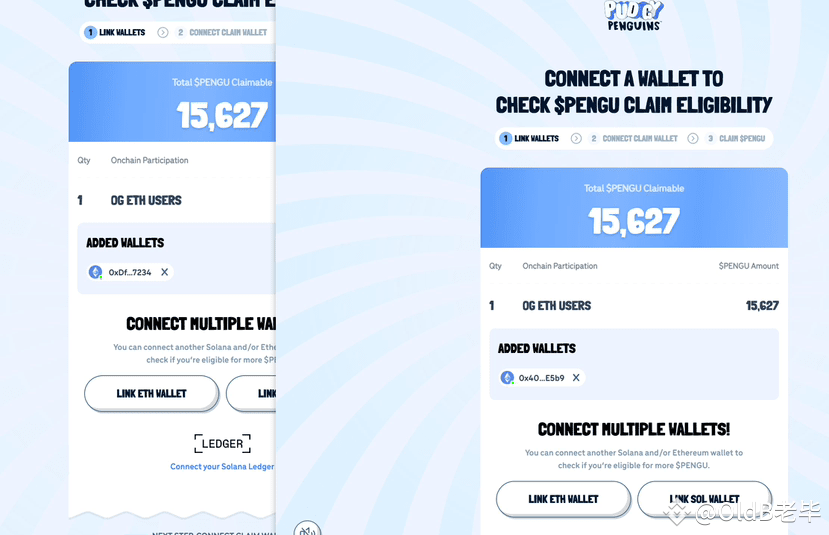
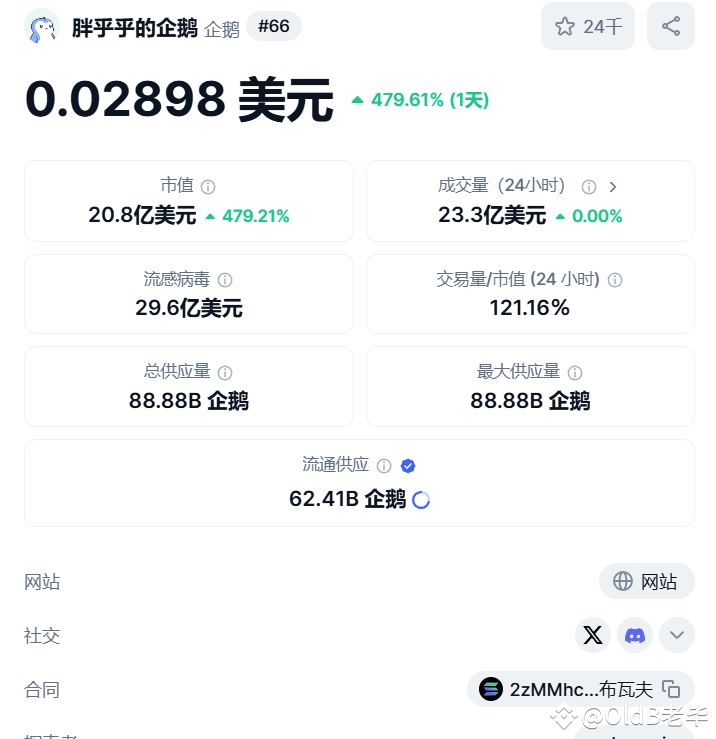
I'm really impressed, the fat penguin has quite the vision!
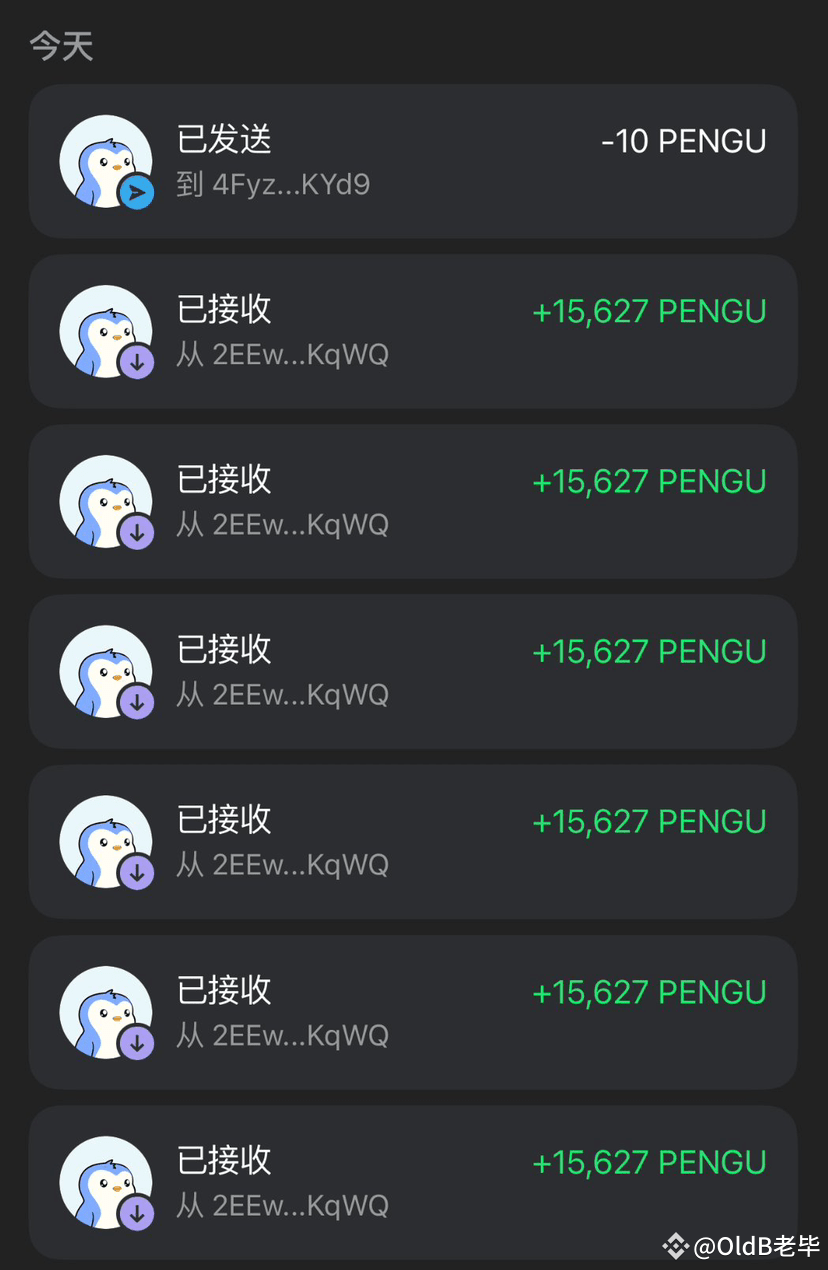
I checked 20 of my veteran accounts and they all had airdrops
A total of 300,000 tokens. Thanks, darling.
#PENGU开盘 $PENGU
I checked 20 of my veteran accounts and they all had airdrops
A total of 300,000 tokens. Thanks, darling.
#PENGU开盘 $PENGU
【USDT converted to CNY in half a minute】
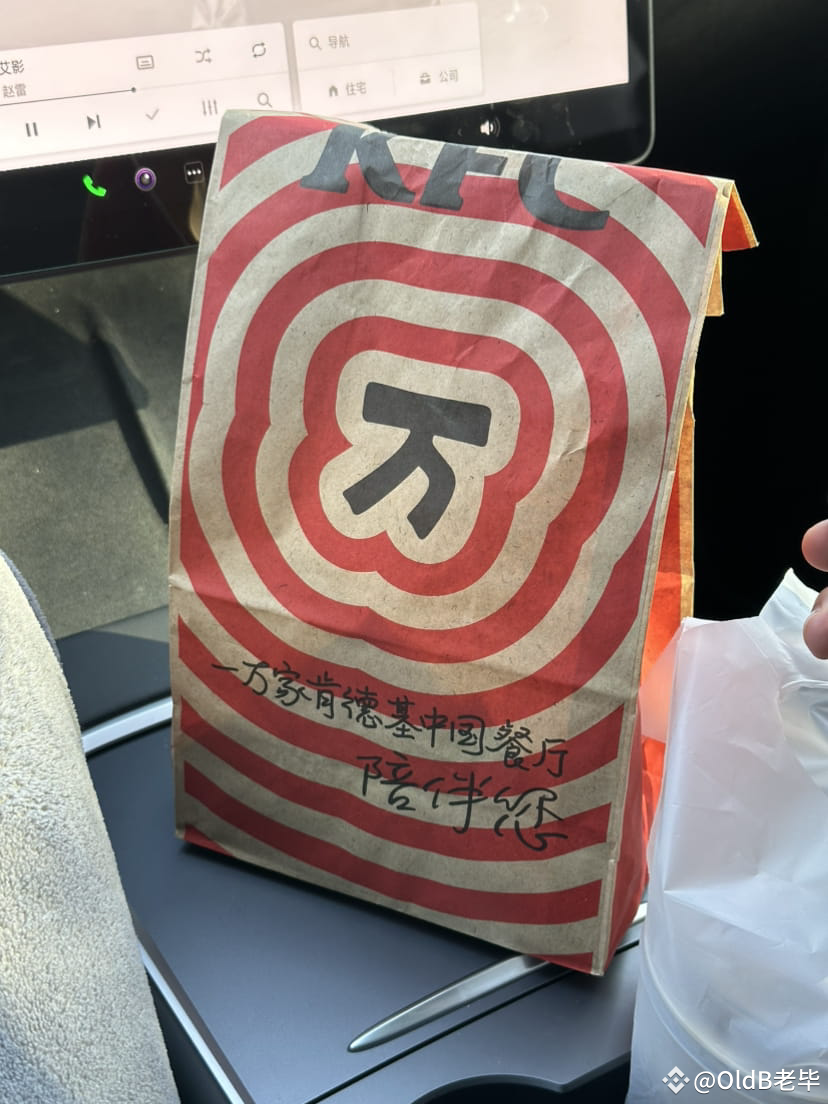
Happy weekend 😄 Alipay to buy e-cigarette liquid
Then I withdrew some money using Pokepay, tested the exchange loss
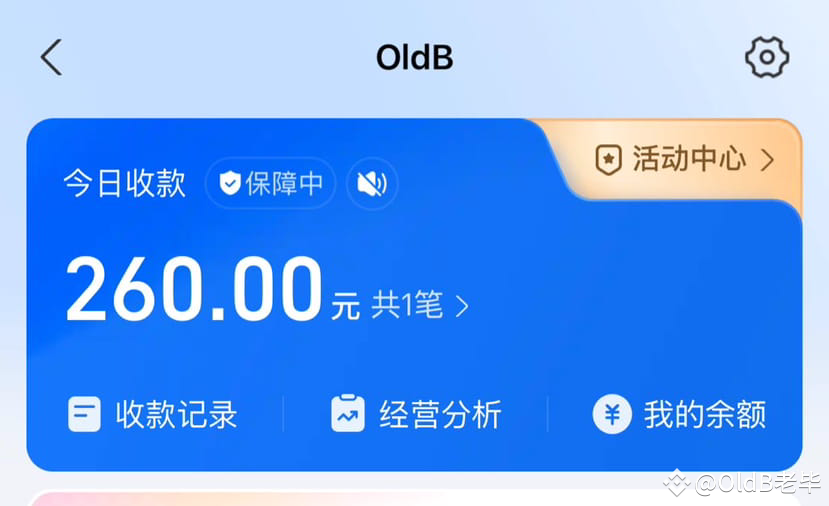
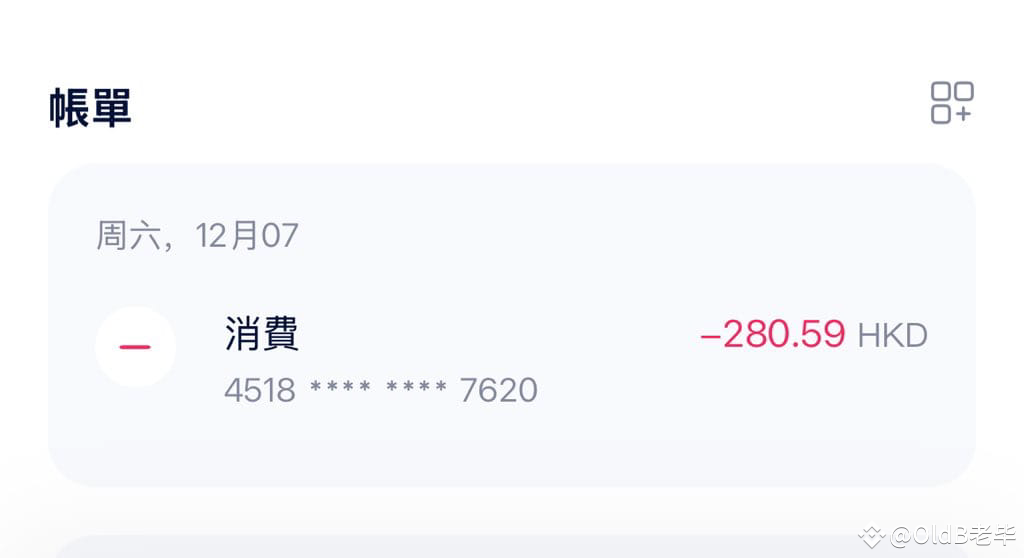
Transferred to the receiving code 260 CNY, actual deduction 280.5 HKD, according to the exchange rate of the day 278.8 HKD
In summary, the exchange loss is 0.7%
Small amount withdrawal is still quite fast, at least it's cash
Happy weekend 😄 Alipay to buy e-cigarette liquid
Then I withdrew some money using Pokepay, tested the exchange loss
Transferred to the receiving code 260 CNY, actual deduction 280.5 HKD, according to the exchange rate of the day 278.8 HKD
In summary, the exchange loss is 0.7%
Small amount withdrawal is still quite fast, at least it's cash
Who still remembers this hero

[(Cold Wallet) Uses of Hardware Wallets]
A hardware wallet (cold wallet) is a physical device used to securely store the private keys of cryptocurrencies. Unlike software wallets or online wallets, hardware wallets store private keys in offline devices, thus providing greater security. Here are the main uses and advantages of hardware wallets:
1. Secure storage of cryptocurrencies
Private key protection: Hardware wallets store private keys in an encrypted chip inside the device, which is never exposed to an Internet environment, avoiding the risk of hackers stealing through the Internet.
Preventing phishing attacks: Hardware wallets prevent phishing attacks because users confirm transactions on the device, ensuring the authenticity of the transaction and cannot be tampered with by malware or fake websites.
Free from computer virus infection: Hardware wallets are independent of computers or mobile phones, so they are not threatened by viruses, malware or ransomware.
2. Conduct cryptocurrency transactions
Offline signing: Users can sign transactions offline on the hardware wallet without exposing private keys to the Internet environment. In this way, transactions can still be broadcast to the blockchain network.
Support multiple cryptocurrencies: Most hardware wallets support multiple cryptocurrencies (such as Bitcoin, Ethereum, Dogecoin, Litecoin, etc.), allowing users to manage different assets on one device.
3. Long-term storage and investment
Long-term custody: Hardware wallets are ideal for investors who intend to hold cryptocurrencies for a long time.
Cold wallet: Hardware wallets are essentially cold wallets, meaning that private keys are stored completely offline, reducing any risk of being connected to the Internet.
4. Support for multi-signatures (Multisig)
Enhanced security: Some hardware wallets support multi-signature functions, which can require multiple private keys to sign transactions, making asset management more secure and flexible. This is an important security feature for corporate users or high-net-worth individuals.
Asset control: The multi-signature function can be used to set asset control permissions for a family or business, for example, requiring at least two or more authorizations to make large transfers.
A hardware wallet (cold wallet) is a physical device used to securely store the private keys of cryptocurrencies. Unlike software wallets or online wallets, hardware wallets store private keys in offline devices, thus providing greater security. Here are the main uses and advantages of hardware wallets:
1. Secure storage of cryptocurrencies
Private key protection: Hardware wallets store private keys in an encrypted chip inside the device, which is never exposed to an Internet environment, avoiding the risk of hackers stealing through the Internet.
Preventing phishing attacks: Hardware wallets prevent phishing attacks because users confirm transactions on the device, ensuring the authenticity of the transaction and cannot be tampered with by malware or fake websites.
Free from computer virus infection: Hardware wallets are independent of computers or mobile phones, so they are not threatened by viruses, malware or ransomware.
2. Conduct cryptocurrency transactions
Offline signing: Users can sign transactions offline on the hardware wallet without exposing private keys to the Internet environment. In this way, transactions can still be broadcast to the blockchain network.
Support multiple cryptocurrencies: Most hardware wallets support multiple cryptocurrencies (such as Bitcoin, Ethereum, Dogecoin, Litecoin, etc.), allowing users to manage different assets on one device.
3. Long-term storage and investment
Long-term custody: Hardware wallets are ideal for investors who intend to hold cryptocurrencies for a long time.
Cold wallet: Hardware wallets are essentially cold wallets, meaning that private keys are stored completely offline, reducing any risk of being connected to the Internet.
4. Support for multi-signatures (Multisig)
Enhanced security: Some hardware wallets support multi-signature functions, which can require multiple private keys to sign transactions, making asset management more secure and flexible. This is an important security feature for corporate users or high-net-worth individuals.
Asset control: The multi-signature function can be used to set asset control permissions for a family or business, for example, requiring at least two or more authorizations to make large transfers.
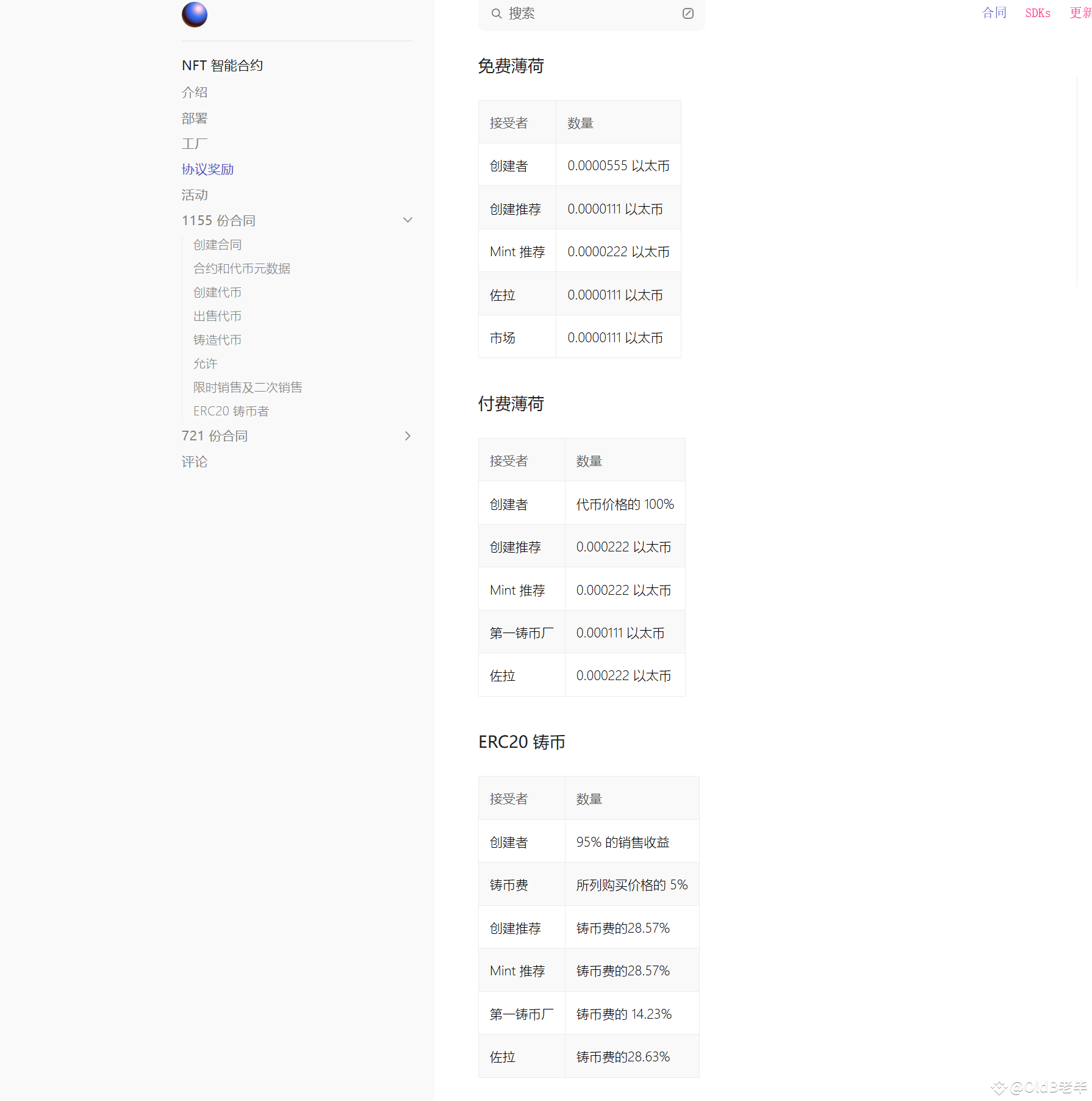
99.99% of the NFTs recommended by Zora are for recruiting people
So what is the trick to play a few self-defense?
What good projects have given airdrops?
So what is the trick to play a few self-defense?
What good projects have given airdrops?
After the approval of spot ETFs for Bitcoin and Ethereum, the market's attention towards other cryptocurrency ETFs is increasing. Although there are currently no clear applications, the following cryptocurrencies, due to their market capitalization, technological features, and market demand, may become candidates for future ETF applications:
1. Cardano (ADA): As a third-generation blockchain platform, Cardano is noted for its unique proof-of-stake (PoS) mechanism and scalability.
2. Polkadot (DOT): Polkadot aims to achieve interoperability between different blockchains, and its innovative multi-chain architecture gives it an important position in the market.
3. Binance Coin (BNB): As the native token of the Binance exchange, BNB has wide applications in trading fee discounts and decentralized finance (DeFi) applications.
4. Polygon (MATIC): Polygon is dedicated to improving the scalability and performance of the Ethereum network and has become the preferred scaling solution for many DeFi projects.
5. Avalanche (AVAX): Avalanche is known for its high performance and low-latency blockchain platform, attracting a large number of developers for decentralized applications.
6. Dogecoin (DOGE): Although initially created as a joke, Dogecoin has gained widespread community support and market recognition.
7. Cosmos (ATOM): Cosmos focuses on the interoperability of blockchains, aiming to build the "Internet of Blockchains," and its technological philosophy has garnered significant attention.
8. Chainlink (LINK): As a leading decentralized oracle network, Chainlink plays a key role in connecting smart contracts with real-world data.
9. Uniswap (UNI): As one of the largest decentralized exchanges, Uniswap's governance token UNI holds significant influence in the DeFi space.
10. Aave (AAVE): Aave is a leading decentralized lending platform, and its native token AAVE occupies an important position in the DeFi ecosystem.
$BNB
$LTC
$UNI
1. Cardano (ADA): As a third-generation blockchain platform, Cardano is noted for its unique proof-of-stake (PoS) mechanism and scalability.
2. Polkadot (DOT): Polkadot aims to achieve interoperability between different blockchains, and its innovative multi-chain architecture gives it an important position in the market.
3. Binance Coin (BNB): As the native token of the Binance exchange, BNB has wide applications in trading fee discounts and decentralized finance (DeFi) applications.
4. Polygon (MATIC): Polygon is dedicated to improving the scalability and performance of the Ethereum network and has become the preferred scaling solution for many DeFi projects.
5. Avalanche (AVAX): Avalanche is known for its high performance and low-latency blockchain platform, attracting a large number of developers for decentralized applications.
6. Dogecoin (DOGE): Although initially created as a joke, Dogecoin has gained widespread community support and market recognition.
7. Cosmos (ATOM): Cosmos focuses on the interoperability of blockchains, aiming to build the "Internet of Blockchains," and its technological philosophy has garnered significant attention.
8. Chainlink (LINK): As a leading decentralized oracle network, Chainlink plays a key role in connecting smart contracts with real-world data.
9. Uniswap (UNI): As one of the largest decentralized exchanges, Uniswap's governance token UNI holds significant influence in the DeFi space.
10. Aave (AAVE): Aave is a leading decentralized lending platform, and its native token AAVE occupies an important position in the DeFi ecosystem.
$BNB
$LTC
$UNI
Log in to explore more content