
(Source: MyBattery.com)
Intro | mybattery
Among the top 10 global manufacturers of installed power battery capacity in the first half of the year, Samsung SDI has fallen out of the top ten, leaving only LGES and SK On; among the top 10 global lithium battery energy storage system shippers in the first half of the year, all Korean battery companies have dropped out, with LGES and Samsung SDI ranking eleventh and twelfth, respectively.
Affected by the slowdown in the global electric vehicle demand growth rate, major Korean battery players are adjusting their strategies. By acquiring equity in joint ventures and other measures, they are redirecting some production capacity originally planned for automotive batteries toward the energy storage system sector.
On August 11, Samsung SDI announced that it has acquired 49.99% of the shares in Synergy Cells, the jointly venture between the two parties held by General Motors. Through this equity acquisition, Samsung SDI has established its first independently operated battery production base in North America.
It is understood that the battery plant is currently under construction. Its originally planned capacity is 27GWh, with the goal of starting mass production in 2027.
As Samsung SDI fully takes over Synergy Cells and, once the project is built and operational, Samsung SDI will be the first to use the plant to produce batteries for energy storage systems, so as to quickly respond to the rapid growth of the U.S. energy storage market.
In October 2025, Samsung SDI’s joint venture plant StarPlus Energy with Stellantis began converting its NCA lithium ternary battery production lines into lithium iron phosphate production lines for energy storage.
In addition to Samsung SDI, two other Korean battery giants, LGES and SK On, had previously also announced that they would convert some of their battery plants jointly run with automakers into production of energy storage batteries.
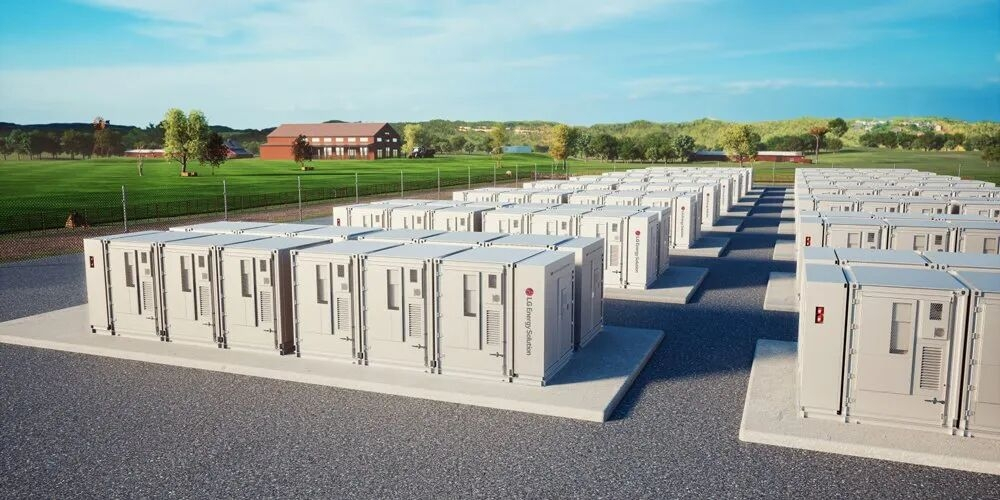
On July 30, LGES disclosed in its 2026 Q2 report that both the Ultium Cells plant it jointly runs with General Motors and the L-H Battery plant it has set up together with Honda have successfully begun mass production of energy storage cells.
According to publicly available information, in December 2019, General Motors and LGES jointly established the Ultium Cells joint venture. In 2020, the two parties invested $2.3 billion to build the first battery plant in Ohio. The plant’s annual capacity is 30GWh and it began production in 2022. In April 2021, Ultium Cells announced it would build a second lithium battery plant in Tennessee. In 2022, General Motors and LGES announced an investment of $2.6 billion to establish a third battery plant in Michigan. The two parties also planned to build a fourth plant in Indiana with investment of more than $2 billion.
To cope with market changes, Ultium Cells began strategic expansion in 2025 and entered the lithium iron phosphate battery field. In May 2025, LGES acquired General Motors’ stake in a plant in Michigan (the former Ultium Cells 3), making it a wholly owned subsidiary of LGES. In March 2026, Ultium Cells announced that it would invest $70 million to renovate its plant in Tennessee, planning to begin mass production of lithium iron phosphate batteries for energy storage systems in the second quarter.
LGES and Stellantis Group’s joint venture plant NextStar Energy was established in March 2022. It was originally planned to supply batteries to multiple electric-vehicle brands under Stellantis. This February, due to weak demand for electric vehicles, LGES bought only a 49% stake in NextStar Energy held by Stellantis for $100.
LGES and Honda established the L-H Battery factory joint venture in August 2022, planning a capacity of 40GWh. The initial design purpose was also to produce traction batteries. Due to changes in the U.S. electric vehicle regulatory environment and strong growth prospects in the energy storage market, L-H Battery adjusted its production strategy and began formal mass production of energy storage cells starting in July 2026.
Earlier this year, LGES mentioned that facing a new pattern in which the global battery market is rapidly extending from electric vehicles to diversified fields such as ESS, robots, and urban air mobility, LGES is actively推进 a strategic transformation. Its core measures include flexibly allocating capacity between electric vehicle and energy storage system production, and on the basis of maximizing the use of existing global production lines, compressing new investment to the greatest extent possible.
This strategic shift by LGES aims to raise this year’s global energy storage production capacity to more than 60GWh, with over 50GWh of capacity concentrated in North America.
The direct result of this deployment is that in the first half of 2026, LGES achieved cumulative revenue of 14.1 trillion won, a year-on-year increase of 10.5%. Of this, the energy storage business saw a sharp increase in revenue year on year, up by 4.6 times, as it flexibly scheduled output through overseas production bases to actively respond to a surge in local demand. New signed order value exceeded 3 trillion won, with its contribution to total revenue accounting for more than 20%.
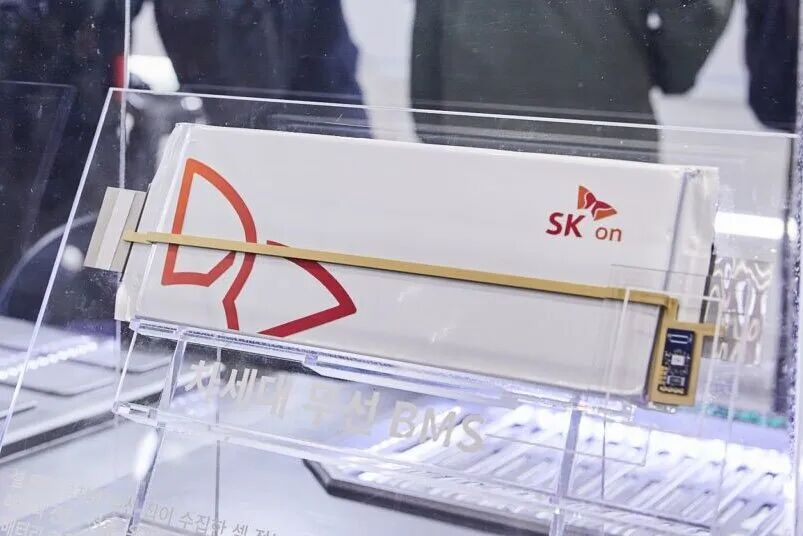
SK On announced in December 2025 that it had reached an agreement with Ford to terminate the BlueOval SK joint venture between the two companies, and the two sides will split up the assets.
It is understood that BlueOval SK is a joint venture established by both parties in July 2022. Through this company, the two sides will invest $11.4 billion to build three traction battery plants in Tennessee and Kentucky in the United States, with total planned annual production capacity of 129GWh.
According to the agreement reached by both parties, the production facilities under BlueOval SK will be held and operated independently by the two companies. Specifically, Ford will wholly own and control the battery plant in Kentucky, while the battery plant in Tennessee will be wholly owned by SK On and responsible for operations.
At the time, SK On said that this business adjustment was a strategic restructuring of its asset and capacity layout. After the adjustment, the company can respond more quickly to changes in the market, accelerate its deployment of energy storage system business in North America, and strengthen battery business production efficiency and cost competitiveness.
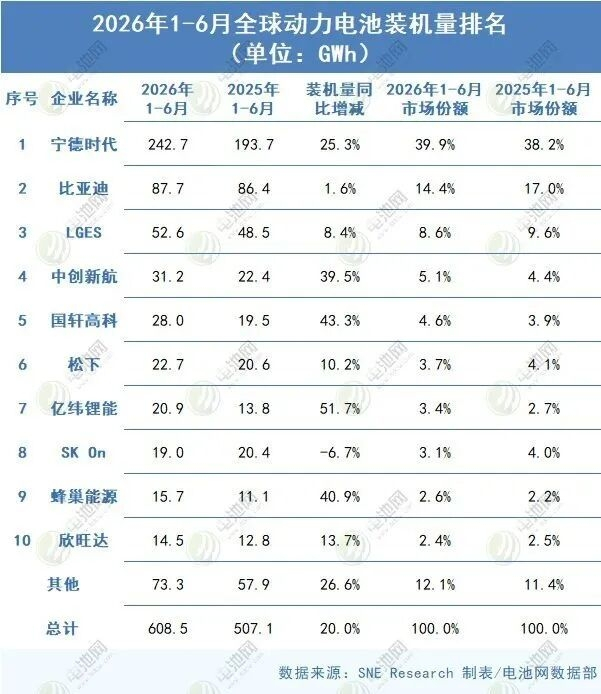
In terms of market competitiveness, according to the latest data released by South Korea’s research institute SNE Research, among the top 10 companies globally in terms of passenger battery shipments (installed capacity) in the first half of 2026, Samsung SDI has dropped out of the top ten. Only LGES and SK On remain. The combined shipments of the two companies were 71.6GWh, and their global market share declined from 13.3% in the same period last year to 11.7%. Among them, LGES ranked third with 52.6GWh, but its growth rate of 8.4% lagged behind the overall market; SK On’s shipments were only 19GWh, down 6.7% year on year, and its market share fell to 3.1%, as customers in North America and Europe adjusted the electrification pace.
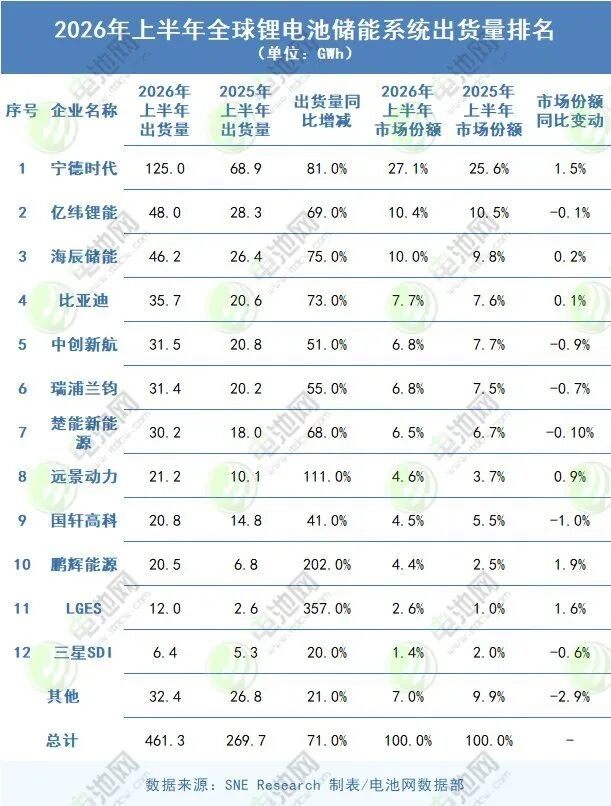
Among the top 10 global lithium battery energy storage system shipping companies in the first half of 2026, all Korean battery companies fell behind. LGES and Samsung SDI ranked eleventh and twelfth, respectively. However, LGES shipped 12GWh, up 357% year on year, the highest growth rate among the top 12 global lithium battery energy storage system companies in the first half, with a market share of 2.6%. LGES shipped 6.7GWh in only the second quarter, more than six times the 1.1GWh shipped in the same period last year. Samsung SDI shipped 6.4GWh, up 20% year on year; among the top 12 companies, it had the lowest growth rate, with a market share of 1.4%.
By Xiao He
Battery Network | Value portal for the battery industry chain
