
#cryptoportfolio
cryptoportfolio
412,863 views
977 Discussing
Hot
Latest

I’ve been re‑evaluating my portfolio’s exposure after a week of tight ranges. With $BTC hovering around $78,012 and $ETH near $2,458, the market isn’t giving us strong directional cues, so the way we size each position matters more than ever.
First, set a hard cap on any single‑asset exposure – 20 % of total capital works for me. That way a sudden 5 % dip in one coin only trims a small slice of the whole pool. Next, apply a volatility‑adjusted unit size: take the 24 h ATR (average true range) as a proxy, then divide your risk budget by that number. If $BTC ’s 24 h range is roughly $1,575, a $500 risk budget translates to a position of about 0.32 BTC. The same logic on $ETH , with a $52 range, yields a proportionally larger unit size.
How do you balance exposure caps with volatility‑based sizing in a sideways market?
#RiskManagement #CryptoPortfolio #BinanceTips #GAMERXERO
First, set a hard cap on any single‑asset exposure – 20 % of total capital works for me. That way a sudden 5 % dip in one coin only trims a small slice of the whole pool. Next, apply a volatility‑adjusted unit size: take the 24 h ATR (average true range) as a proxy, then divide your risk budget by that number. If $BTC ’s 24 h range is roughly $1,575, a $500 risk budget translates to a position of about 0.32 BTC. The same logic on $ETH , with a $52 range, yields a proportionally larger unit size.
How do you balance exposure caps with volatility‑based sizing in a sideways market?
#RiskManagement #CryptoPortfolio #BinanceTips #GAMERXERO



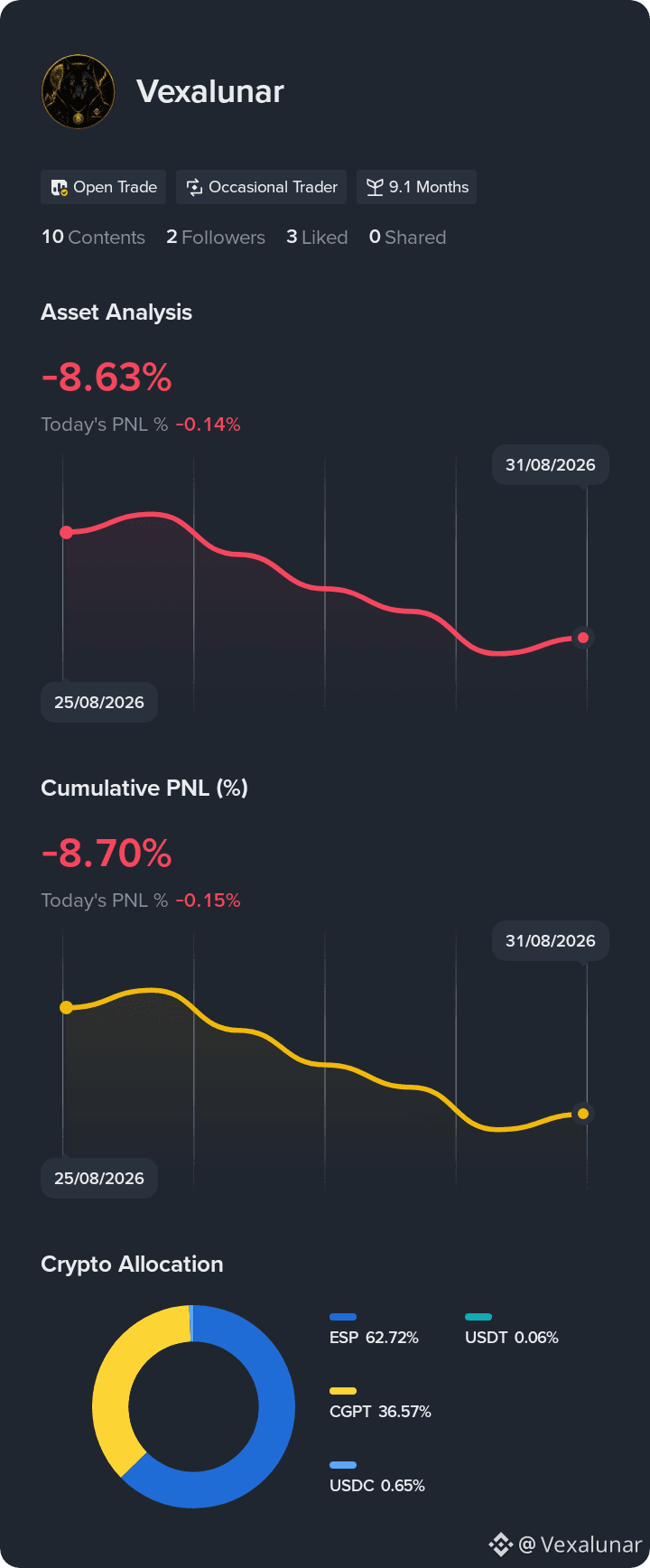
See my returns and portfolio breakdown. Follow for investment tips. Markets move fast, but I’m focused on staying disciplined, managing risk, and watching the opportunities ahead. 🚀
📉 7D Return: -8.63%
📈 Today’s PNL: +1.42%
💼 Portfolio Breakdown:
🔵 ESP: 62.72%
🟡 CGPT: 36.57%
💙 USDC: 0.65%
🟢 USDT: 0.06%
#cryptouniverseofficial #CryptoPortfolio #Binance #ESP #CGPT #CryptoInvesting #InvestmentTips #Altcoins #Trading #CryptoMarket
📉 7D Return: -8.63%
📈 Today’s PNL: +1.42%
💼 Portfolio Breakdown:
🔵 ESP: 62.72%
🟡 CGPT: 36.57%
💙 USDC: 0.65%
🟢 USDT: 0.06%
#cryptouniverseofficial #CryptoPortfolio #Binance #ESP #CGPT #CryptoInvesting #InvestmentTips #Altcoins #Trading #CryptoMarket
$BTC is trading just above $78,500, while $ETH hovers near $2,490. Both sit in relatively tight 24‑hour ranges, which is a good cue to review how much of your portfolio is tied to single‑asset moves.
A practical rule I keep: no more than 20 % of the total capital on any one coin. With $BTC ’s modest 0.6 % daily drift, a 20 % exposure means a $15k swing would only affect the portfolio by $3k – a manageable hit if the market pulls back.
Diversify across asset classes and timeframes. Pair a core holding of $BTC with a smaller, volatility‑scaled position in $ETH . Use the “volatility‑adjusted sizing” formula: Position Size = (Portfolio * Risk %)/ (ATR * Leverage). Plugging today’s ATR‑approximation (high‑low spread) for $ETH (~$44) and a 2 % risk tolerance yields roughly a $1,200 stake, keeping drawdown potential in check.
Finally, set a recovery target. If a trade hits a 5 % loss, the next winning trade needs to earn about 10 % to break even, so plan stop‑losses and profit targets accordingly.
How do you balance exposure limits when a favorite coin spikes but your overall risk budget is tight?
#RiskManagement #CryptoPortfolio #Diversify #GAMERXERO
A practical rule I keep: no more than 20 % of the total capital on any one coin. With $BTC ’s modest 0.6 % daily drift, a 20 % exposure means a $15k swing would only affect the portfolio by $3k – a manageable hit if the market pulls back.
Diversify across asset classes and timeframes. Pair a core holding of $BTC with a smaller, volatility‑scaled position in $ETH . Use the “volatility‑adjusted sizing” formula: Position Size = (Portfolio * Risk %)/ (ATR * Leverage). Plugging today’s ATR‑approximation (high‑low spread) for $ETH (~$44) and a 2 % risk tolerance yields roughly a $1,200 stake, keeping drawdown potential in check.
Finally, set a recovery target. If a trade hits a 5 % loss, the next winning trade needs to earn about 10 % to break even, so plan stop‑losses and profit targets accordingly.
How do you balance exposure limits when a favorite coin spikes but your overall risk budget is tight?
#RiskManagement #CryptoPortfolio #Diversify #GAMERXERO



$BNB Building a strong crypto portfolio is way more important than just chasing random daily pumps! 📊
Smart investors always focus on a balance between solid foundational assets and growth projects. Diversification, proper risk management, and holding your nerve during market swings are what build long-term success. Never put all your funds into a single trade!
💡 Pro Tip: Always keep a portion of your portfolio in top-tier assets to stay safe during sudden market drops.
What does your current portfolio strategy look like? Are you focusing on major coins or exploring altcoins? Let me know in the comments below! 👇
#CryptoPortfolio #SmartInvesting" #BinanceSquare #Write2Ear
#CryptoTips
Smart investors always focus on a balance between solid foundational assets and growth projects. Diversification, proper risk management, and holding your nerve during market swings are what build long-term success. Never put all your funds into a single trade!
💡 Pro Tip: Always keep a portion of your portfolio in top-tier assets to stay safe during sudden market drops.
What does your current portfolio strategy look like? Are you focusing on major coins or exploring altcoins? Let me know in the comments below! 👇
#CryptoPortfolio #SmartInvesting" #BinanceSquare #Write2Ear
#CryptoTips
Seeing how $BTC is hovering around $79,604 and $ETH near $2,505 on Binance, I’m reminded that single‑asset focus can quickly turn a small swing into a painful drawdown. A practical way to keep that risk in check is to cap each position at a fixed % of total equity—typically 2‑4 % depending on volatility tolerance. If you allocate 3 % to $BTC , a 10 % move against you only erodes 0.3 % of the whole portfolio, giving you breathing room to stay in the trade longer.
Diversification complements the cap. Pairing a high‑beta asset like $BTC with a lower‑beta one such as $ETH spreads exposure across different market drivers. Even within crypto, consider adding a stable‑coin holding (e.g., USDC) to offset sudden drops; it’s not about chasing returns but preserving capital.
When a loss does occur, recovery math matters. To regain a 5 % loss on a $10,000 account, you need a 5.26 % gain—not a 5 % one. Knowing this helps set realistic stop‑loss levels and prevents chasing the market with oversized positions.
What exposure‑limit or diversification tweak has saved you from a bigger drawdown lately?
#RiskManagement #CryptoPortfolio #Diversify #GAMERXERO
Diversification complements the cap. Pairing a high‑beta asset like $BTC with a lower‑beta one such as $ETH spreads exposure across different market drivers. Even within crypto, consider adding a stable‑coin holding (e.g., USDC) to offset sudden drops; it’s not about chasing returns but preserving capital.
When a loss does occur, recovery math matters. To regain a 5 % loss on a $10,000 account, you need a 5.26 % gain—not a 5 % one. Knowing this helps set realistic stop‑loss levels and prevents chasing the market with oversized positions.
What exposure‑limit or diversification tweak has saved you from a bigger drawdown lately?
#RiskManagement #CryptoPortfolio #Diversify #GAMERXERO

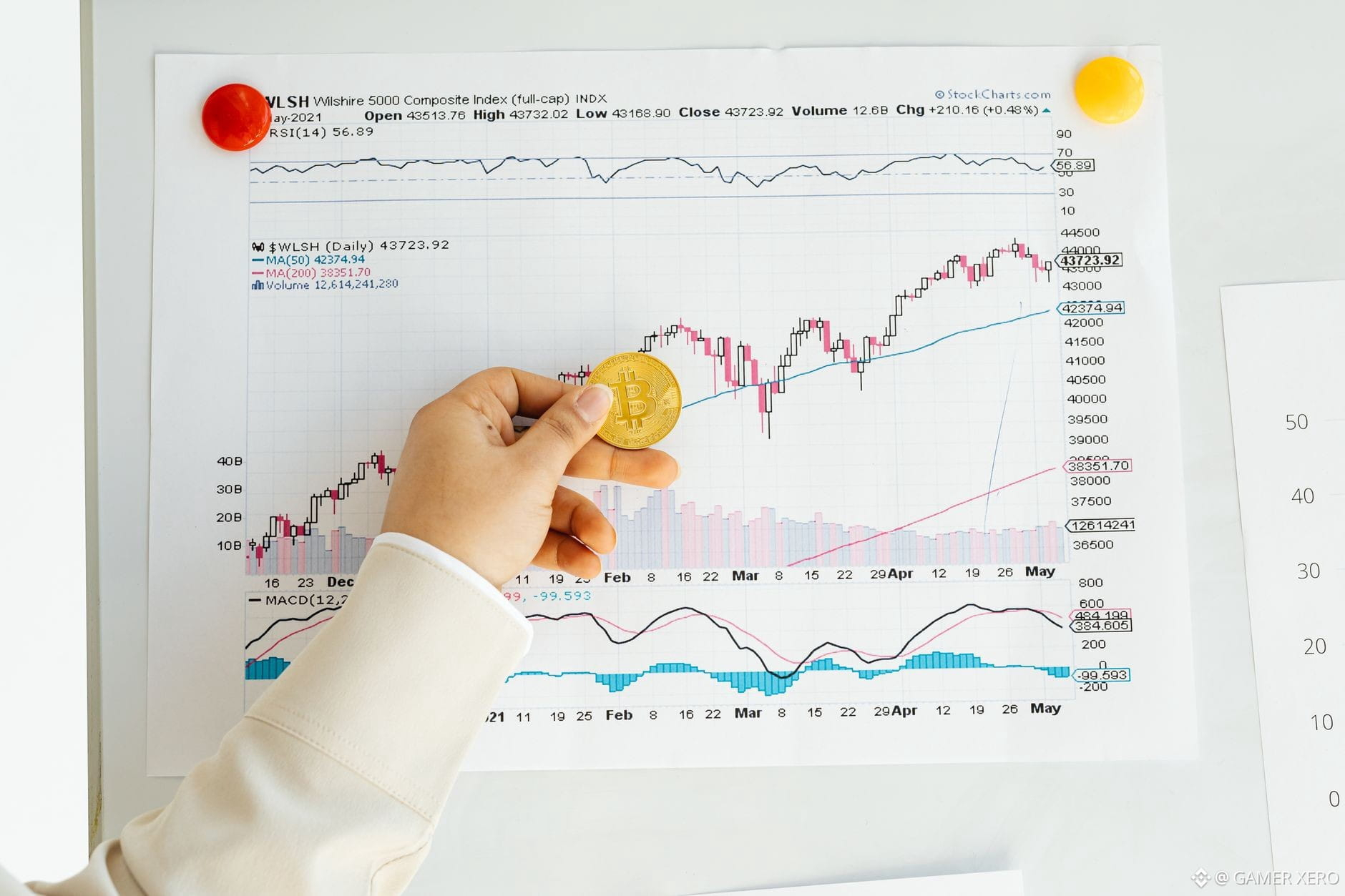
Seeing $BTC sit just above $80,400 while $ETH nudges past $2,500 makes me think about the next layer of risk control: portfolio‑level exposure caps. I keep my total crypto allocation under 40 % of the overall account, then slice that slice into three buckets: a core 60 % long‑term hold, a 30 % tactical swing set, and a 10 % opportunistic scalp pool. Each bucket gets its own position‑size rule based on the asset’s recent volatility – for $BTC I use a 1 % risk per trade, which translates to roughly a $800‑$900 stop‑loss given today’s 2.5 % 24 h swing. $ETH ’s tighter range lets me stretch to 1.2 % risk per trade, still keeping the dollar amount in line with the overall capital limit.
How do you structure your exposure limits across different volatility profiles?
#RiskManagement #CryptoPortfolio #Diversify #GAMERXERO
How do you structure your exposure limits across different volatility profiles?
#RiskManagement #CryptoPortfolio #Diversify #GAMERXERO
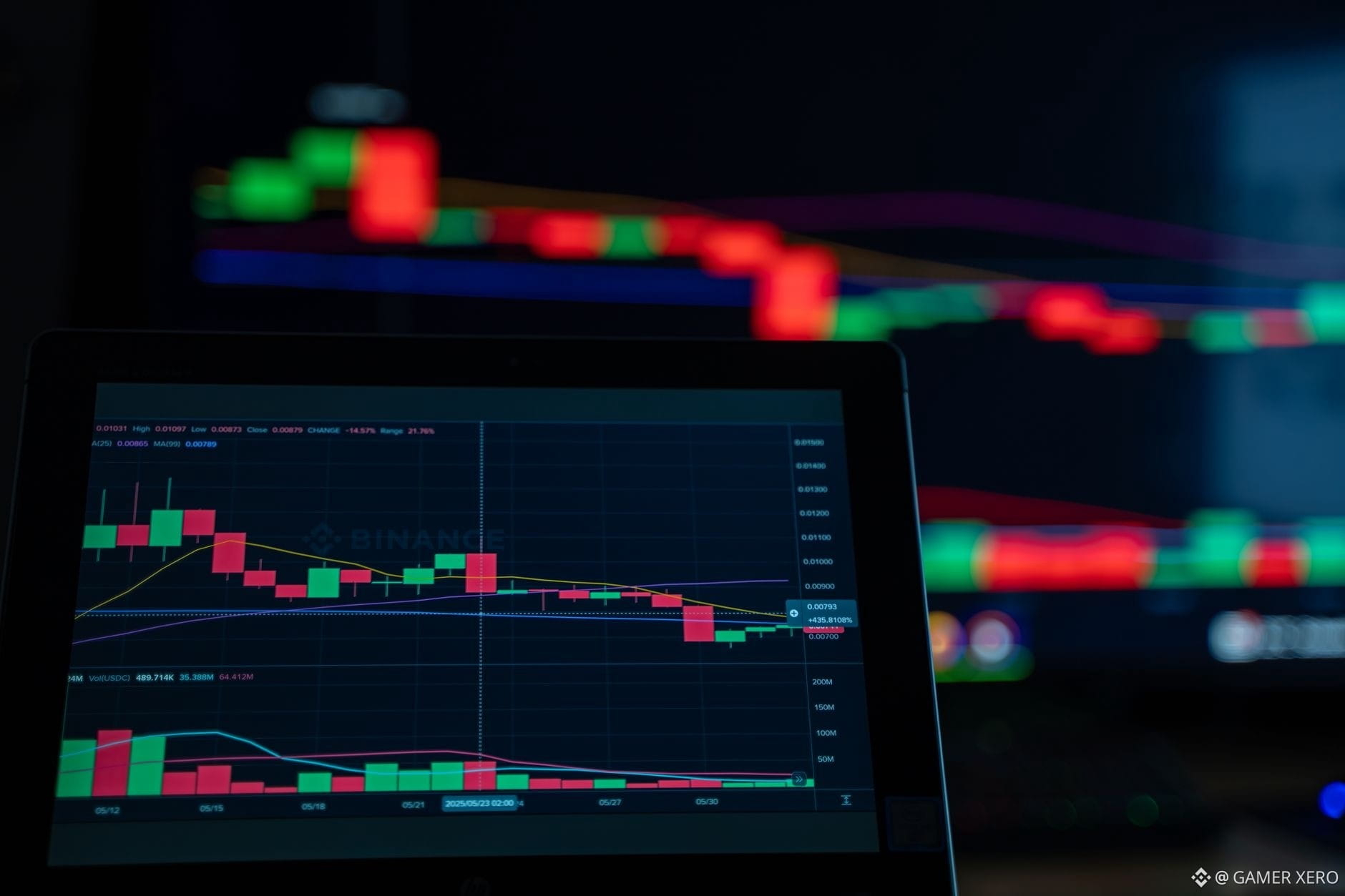

Seeing $BTC trade at $79,028 and $ETH near $2,506 on Binance gives a clean snapshot for a quick risk‑check. I start every portfolio review by capping any single‑asset exposure at 20 % of total capital – that way a 10 % swing in the biggest position only dents the whole book by 2 %. With $BTC ’s 24‑hour range tight ($77,632‑$79,251) and a modest 0.58 % gain, it’s a good candidate for a “core” holding, while $ETH ’s 2.58 % rise and broader volatility can serve as a “satellite” that adds upside without blowing the risk ceiling.
Next, I calculate a drawdown buffer. If the portfolio’s peak value was $100k, I set a stop‑loss band at 15 % drawdown ($85k). The math tells me I need roughly $12.5k of cash or stablecoins ready to either buy the dip or cover margin if the market slips past that band. Using the current $BTC low of $77,632, a 5 % move would shave about $3.9k off a $10k BTC position – still within the buffer.
How do you balance core versus satellite positions when volatility spikes unexpectedly?
#RiskManagement #CryptoPortfolio #BinanceTips #GAMERXERO
Next, I calculate a drawdown buffer. If the portfolio’s peak value was $100k, I set a stop‑loss band at 15 % drawdown ($85k). The math tells me I need roughly $12.5k of cash or stablecoins ready to either buy the dip or cover margin if the market slips past that band. Using the current $BTC low of $77,632, a 5 % move would shave about $3.9k off a $10k BTC position – still within the buffer.
How do you balance core versus satellite positions when volatility spikes unexpectedly?
#RiskManagement #CryptoPortfolio #BinanceTips #GAMERXERO


$BTC hovering around $79,085 and $ETH near $2,465 are both in modest downtrends today. That’s a good reminder that a single‑asset focus can inflate portfolio volatility when the market swings. One practical rule I keep: cap any one coin’s weight at 20 % of total equity. If your account is 10 BTC, that means no more than 2 BTC in $BTC alone; the rest can be spread across uncorrelated assets or stablecoins.
Finally, track drawdowns at the portfolio level, not just per coin. If the combined equity falls 10 % from its peak, consider tightening exposure limits or adding hedges rather than chasing the next rally. How do you currently adjust position size when volatility spikes?
#RiskManagement #CryptoPortfolio #Diversify #GAMERXERO
Finally, track drawdowns at the portfolio level, not just per coin. If the combined equity falls 10 % from its peak, consider tightening exposure limits or adding hedges rather than chasing the next rally. How do you currently adjust position size when volatility spikes?
#RiskManagement #CryptoPortfolio #Diversify #GAMERXERO

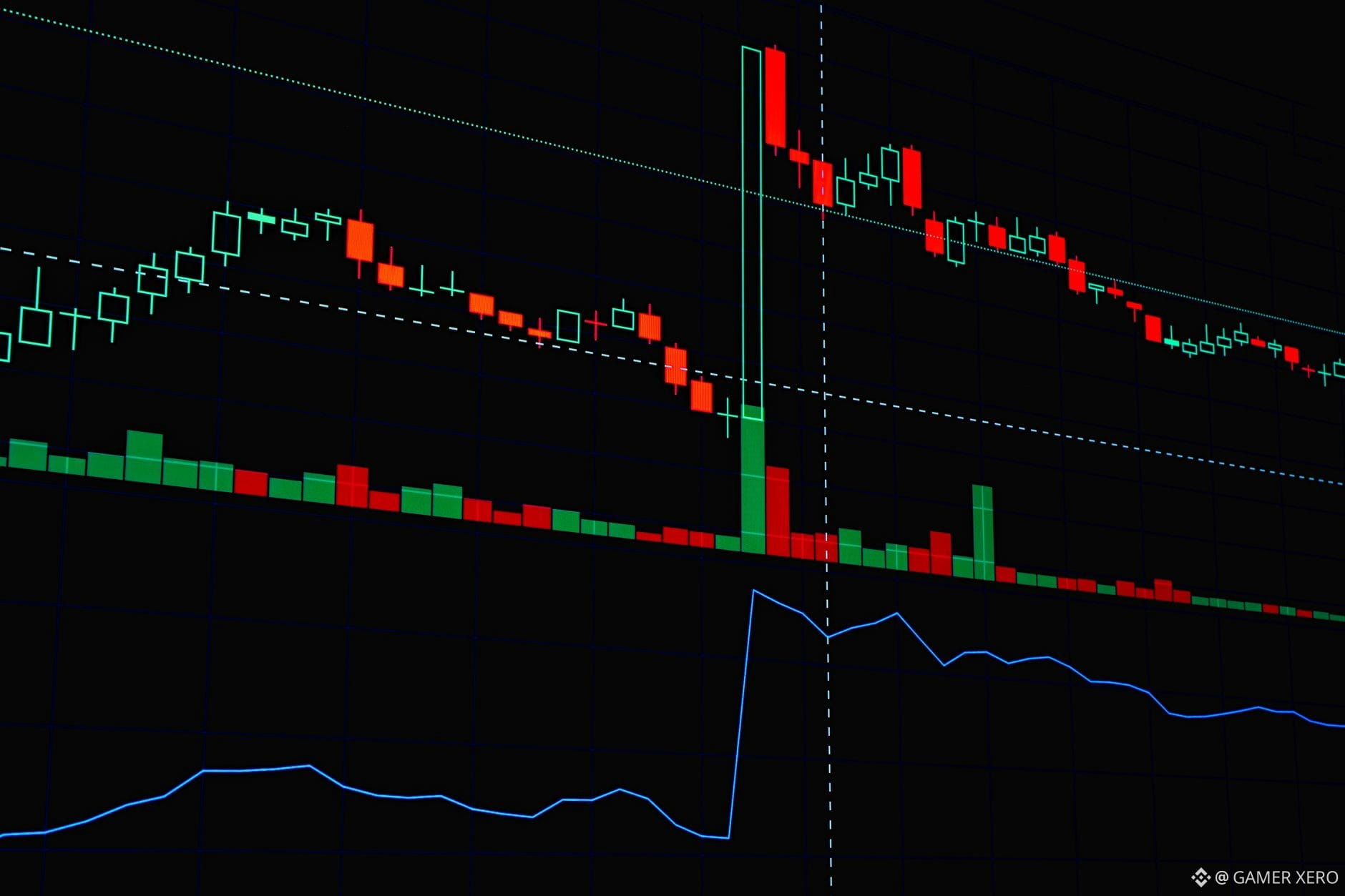
Seeing $BTC near $79,118 and $ETH at $2,477, the market looks steady but risk still hides in the range. I keep it simple: cap any single name at 15‑20% of portfolio equity, then size the order by the asset’s 24‑hour high‑low swing. $BTC moved roughly $3,320 today, so a 1% move equals about $790. On a $10k account a $1,500 risk budget means a $790 swing would consume half the allocation, so the position size works out to about 1.9 BTC. $ETH ’s 24‑hour range is $78, making a 1% move $24.8; the same budget supports roughly 60 ETH contracts. This volatility‑scaled approach keeps dollar risk uniform.
If a drawdown reaches 20%, you need a 25% gain to break even (20 /(100‑20)). Knowing that lets you set realistic stop‑losses and avoid over‑leveraging.
How do you blend exposure caps with volatility sizing in your own portfolio?
#RiskManagement #CryptoPortfolio #GAMERXERO
If a drawdown reaches 20%, you need a 25% gain to break even (20 /(100‑20)). Knowing that lets you set realistic stop‑losses and avoid over‑leveraging.
How do you blend exposure caps with volatility sizing in your own portfolio?
#RiskManagement #CryptoPortfolio #GAMERXERO
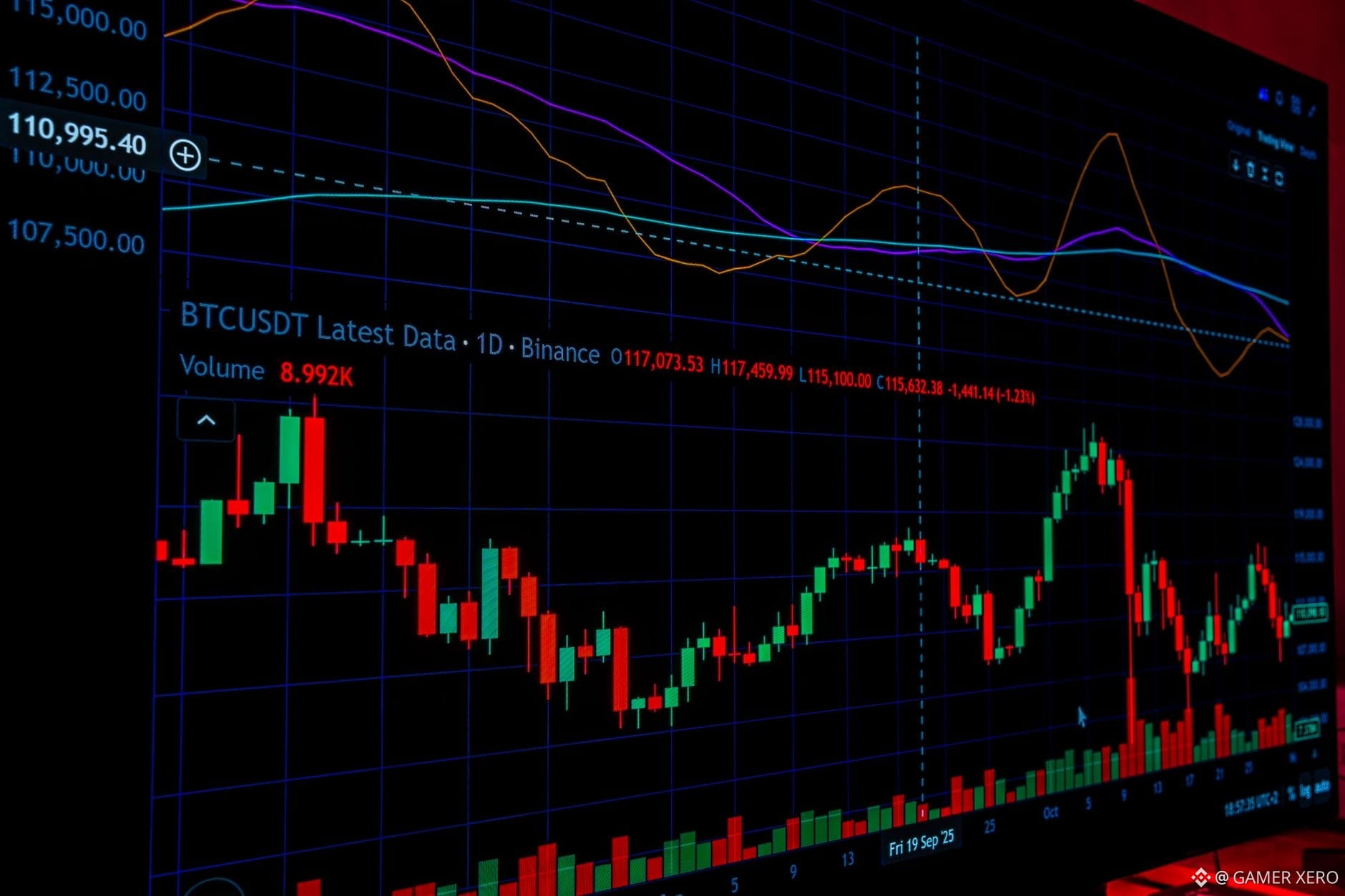

Seeing $BTC hover around $78,770 with a 2 % daily swing and $ETH nudging above $2,460 in a 1.2 % range, it’s easy to feel the market is calm. Calm periods are when portfolio risk can creep up unnoticed, especially if you let a single asset dominate.
A practical rule I keep: no more than 5 % of total equity on any one ticker. If you have $20 k allocated, that caps $BTC exposure at $1 k, which translates to roughly 0.012 BTC at today’s price. The same logic applies to $ETH – $1 k buys about 0.41 ETH. This limit forces you to spread capital across uncorrelated positions, smoothing out drawdowns when one market leg falters.
How do you currently size positions around volatility, and what exposure caps have worked for you?
#RiskManagement #CryptoPortfolio #BinanceTips #GAMERXERO
A practical rule I keep: no more than 5 % of total equity on any one ticker. If you have $20 k allocated, that caps $BTC exposure at $1 k, which translates to roughly 0.012 BTC at today’s price. The same logic applies to $ETH – $1 k buys about 0.41 ETH. This limit forces you to spread capital across uncorrelated positions, smoothing out drawdowns when one market leg falters.
How do you currently size positions around volatility, and what exposure caps have worked for you?
#RiskManagement #CryptoPortfolio #BinanceTips #GAMERXERO

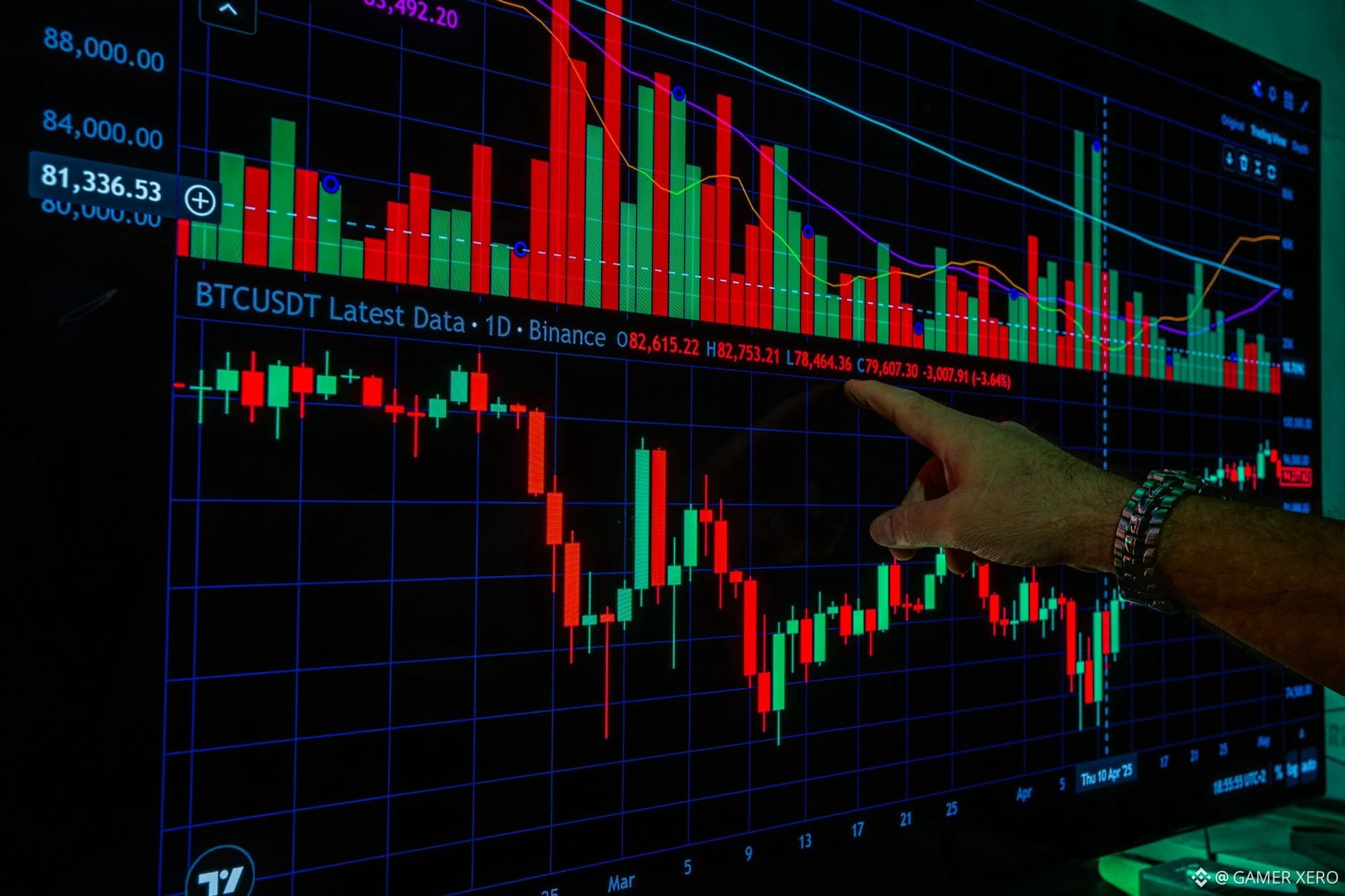
$BTC hovering at $77,742, just under its 24‑hour high of $78,052, shows a tight range. When the swing is only a few percent, capping any single asset at 5 % of portfolio value prevents a modest move from blowing up overall exposure. A 20 % drop in $BTC would then affect the whole portfolio by just 1 %.
Drawdown recovery is simple math: a 10 % loss needs about an 11.1 % gain to break even. Apply it to $ETH at $2,463 with a 1.62 % daily rise – a 15 % dip would demand roughly a 17.7 % rebound, which is a tall order in a market whose 24‑hour band sits between $2,355 and $2,485.
For position sizing, use the recent high‑low spread as a volatility proxy. $BTC ’s spread is $2,507, roughly 3.2 % of price. If you risk 1 % per trade, set a stop‑loss about one‑third of that spread, which translates to a position size of about 0.33 % of your capital. This keeps risk tight while giving the price room to move.
How do you adjust your exposure limits when the market stays in a narrow corridor? #RiskManagement #CryptoPortfolio #GAMERXERO #BinanceSquare
Drawdown recovery is simple math: a 10 % loss needs about an 11.1 % gain to break even. Apply it to $ETH at $2,463 with a 1.62 % daily rise – a 15 % dip would demand roughly a 17.7 % rebound, which is a tall order in a market whose 24‑hour band sits between $2,355 and $2,485.
For position sizing, use the recent high‑low spread as a volatility proxy. $BTC ’s spread is $2,507, roughly 3.2 % of price. If you risk 1 % per trade, set a stop‑loss about one‑third of that spread, which translates to a position size of about 0.33 % of your capital. This keeps risk tight while giving the price room to move.
How do you adjust your exposure limits when the market stays in a narrow corridor? #RiskManagement #CryptoPortfolio #GAMERXERO #BinanceSquare
Seeing $BTC sit at $77,130 with a tight 24‑hour range and $ETH nudging above $2,420, it’s easy to let the market’s momentum dictate position size. Instead, anchor every entry to a concrete exposure limit. I set a hard cap of 5 % of total portfolio equity for any single asset; that way even a 30 % swing stays within a tolerable loss window.
Next, blend that cap with volatility‑adjusted sizing. Take the 24‑hour range of $BTC (about $2,600) and divide by the range of $ETH (≈$180). The ratio tells you how much more room $BTC has to move relative to $ETH . If you allocate $BTC at 3 % of equity and $ETH at 2 %, the combined exposure respects both the cap and the relative volatility.
Finally, plan your drawdown recovery mathematically. A 10 % portfolio dip means you need a 11.1 % gain to break even. By keeping each trade’s risk under 1 % of equity, you can afford roughly ten losing trades before the math forces a reassessment.
How do you balance exposure limits with the urge to chase higher‑volatility pairs?
#RiskManagement #CryptoPortfolio #TradingTips #GAMERXERO
Next, blend that cap with volatility‑adjusted sizing. Take the 24‑hour range of $BTC (about $2,600) and divide by the range of $ETH (≈$180). The ratio tells you how much more room $BTC has to move relative to $ETH . If you allocate $BTC at 3 % of equity and $ETH at 2 %, the combined exposure respects both the cap and the relative volatility.
Finally, plan your drawdown recovery mathematically. A 10 % portfolio dip means you need a 11.1 % gain to break even. By keeping each trade’s risk under 1 % of equity, you can afford roughly ten losing trades before the math forces a reassessment.
How do you balance exposure limits with the urge to chase higher‑volatility pairs?
#RiskManagement #CryptoPortfolio #TradingTips #GAMERXERO
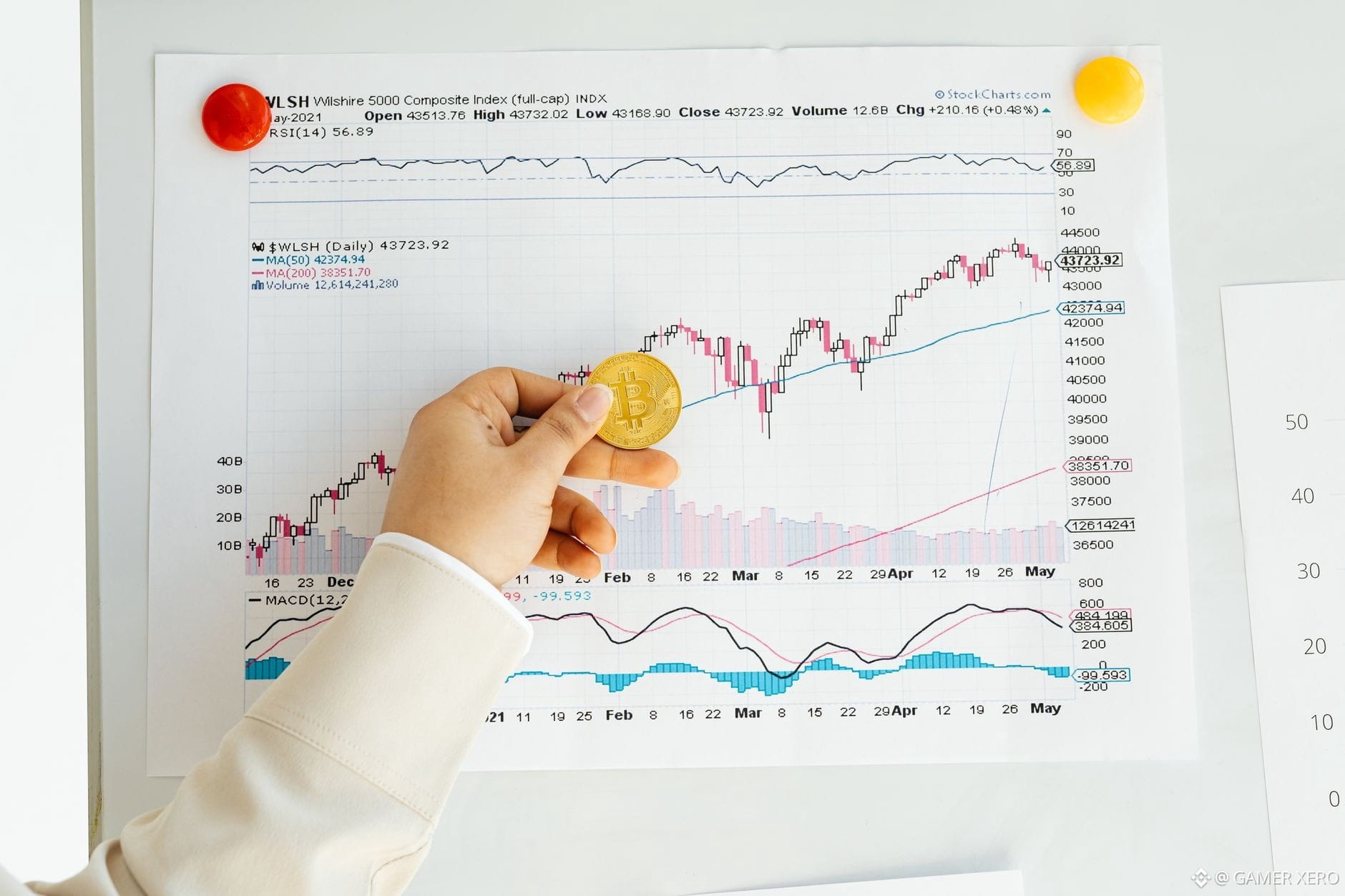
Seeing a sudden spike in volatility on $BTC while $ETH steadies reminds me that portfolio risk isn’t just about individual coin moves, it’s about the whole exposure picture. Start by capping any single‑asset position to a comfortable percentage of total capital—most of my peers stick around 15‑20 %. That way, a 5 % swing in $BTC ’s 24‑hour range (currently $73,074 ↔ $68,902) won’t dent the overall balance sheet.
Finally, build a recovery plan: allocate a small “re‑entry” buffer (5‑10 % of capital) that stays in cash or stablecoins. When the market corrects, you can redeploy that buffer without adding fresh risk. How do you currently size into volatility, and what buffer tactics have helped you bounce back from a sharp pull‑back?
#RiskManagement #CryptoPortfolio #Diversification #GAMERXERO
Finally, build a recovery plan: allocate a small “re‑entry” buffer (5‑10 % of capital) that stays in cash or stablecoins. When the market corrects, you can redeploy that buffer without adding fresh risk. How do you currently size into volatility, and what buffer tactics have helped you bounce back from a sharp pull‑back?
#RiskManagement #CryptoPortfolio #Diversification #GAMERXERO
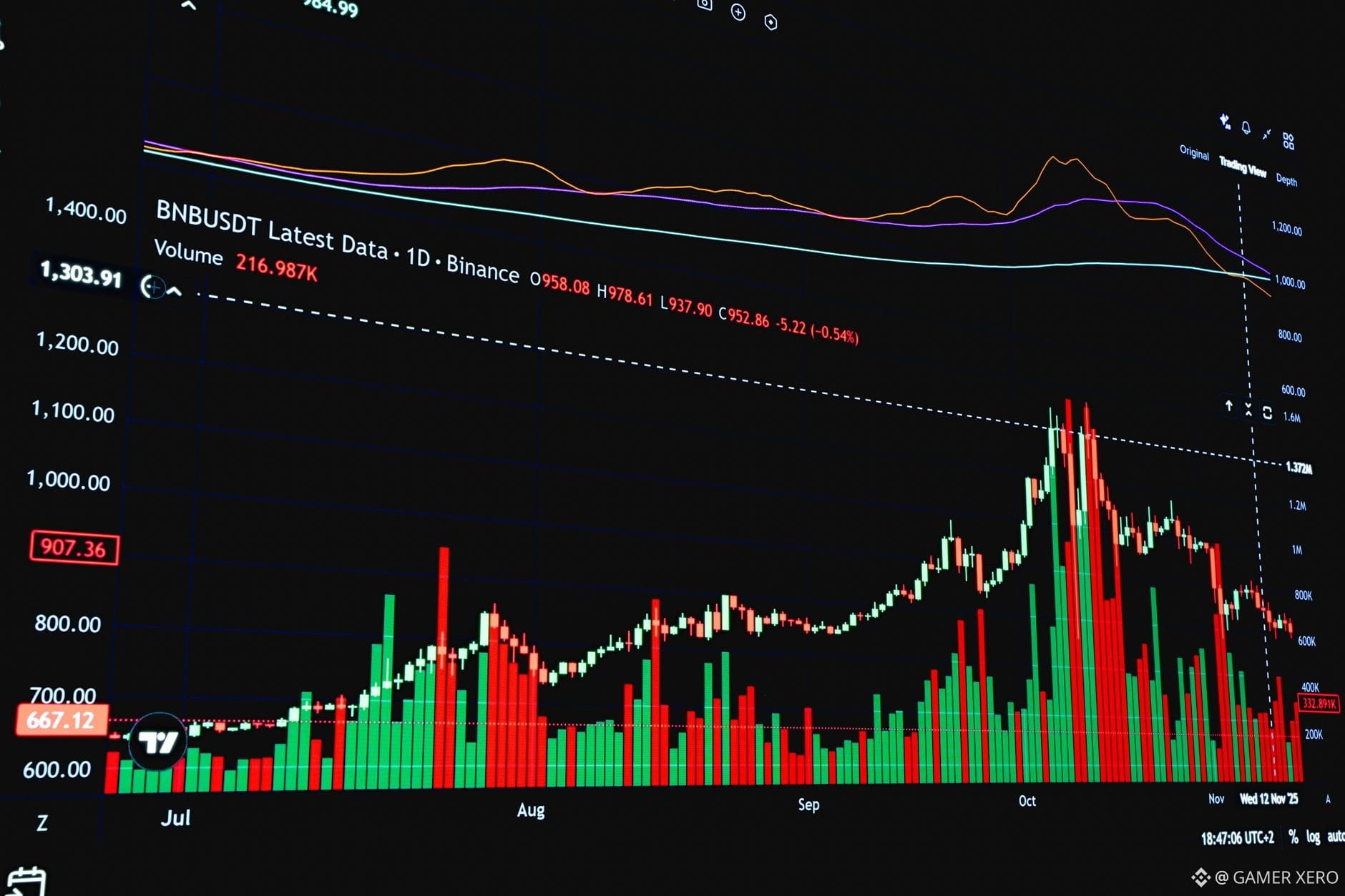
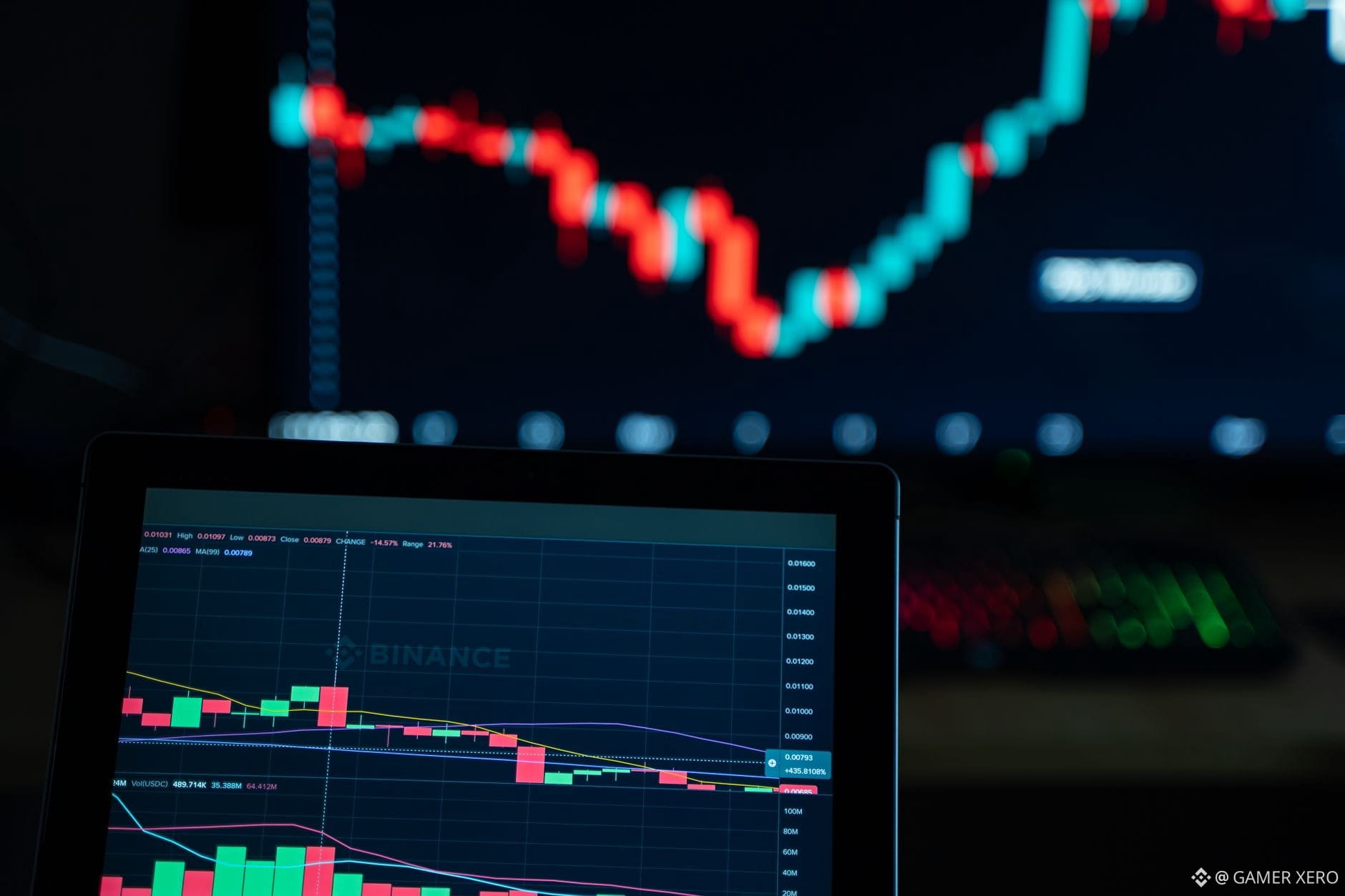
Seeing $BTC hover around $69,400 on Binance while $ETH rides a 17 % surge gives a practical backdrop to rethink portfolio exposure. A simple rule I keep is “no single asset should own more than 20 % of total capital.” If you hold $10 k, that caps $BTC at $2 k and $ETH at $2 k, leaving room for stablecoins or low‑beta projects.
Finally, diversify across uncorrelated assets. SOL’s recent 10 % gain and lower volatility can act as a stabilizer when $BTC swings wider. Pairing a small exposure to a higher‑beta coin with a modest stake in a lower‑beta asset smooths the equity curve and eases recovery after a drawdown.
What’s your go‑to method for setting exposure limits when the market’s this choppy?
#RiskManagement #CryptoPortfolio #Binance #GAMERXERO
Finally, diversify across uncorrelated assets. SOL’s recent 10 % gain and lower volatility can act as a stabilizer when $BTC swings wider. Pairing a small exposure to a higher‑beta coin with a modest stake in a lower‑beta asset smooths the equity curve and eases recovery after a drawdown.
What’s your go‑to method for setting exposure limits when the market’s this choppy?
#RiskManagement #CryptoPortfolio #Binance #GAMERXERO


Crypto Portfolio Construction: Stop Pretending Diversification Works the Way You Think
Most crypto investors hold 10 tokens and believe they are diversified. During bull runs, everything pumps — and that feels like confirmation. During risk-off events, everything crashes together. That is not diversification. That is correlated exposure wearing a costume.
In traditional finance, diversification relies on low or negative correlation between assets. In crypto, the majority of tokens share one dominant risk factor: Bitcoin sentiment. When $BTC drops sharply, altcoins do not decouple — they amplify. $ETH and $AVAX both bleed harder and faster than the benchmark move.
True portfolio construction in crypto requires you to think in layers:
1. BTC Core — store of value, liquidity anchor, the baseline.
2. Smart Contract Beta — $ETH and its ecosystem give you tech-cycle exposure.
3. Structural Differentiators — assets with genuinely uncorrelated catalysts: network upgrades, ecosystem unlocks, real revenue, or institutional flows unique to that token.
4. Stablecoin Reserve — dry powder is a position. It earns yield and protects optionality.
The trap is overweighting layers 2 and 3 in bull markets and then scrambling to rebalance when correlation spikes. By then, you are selling lows.
Build the portfolio for the worst week, not the best month. Correlation is lowest when you need it to be high, and highest when you need it to be low.
Know your actual risk before the market shows it to you.
$BTC $ETH $AVAX
#CryptoPortfolio #RiskManagement #BinanceSquare #CryptoInvesting #MarketCycle
Most crypto investors hold 10 tokens and believe they are diversified. During bull runs, everything pumps — and that feels like confirmation. During risk-off events, everything crashes together. That is not diversification. That is correlated exposure wearing a costume.
In traditional finance, diversification relies on low or negative correlation between assets. In crypto, the majority of tokens share one dominant risk factor: Bitcoin sentiment. When $BTC drops sharply, altcoins do not decouple — they amplify. $ETH and $AVAX both bleed harder and faster than the benchmark move.
True portfolio construction in crypto requires you to think in layers:
1. BTC Core — store of value, liquidity anchor, the baseline.
2. Smart Contract Beta — $ETH and its ecosystem give you tech-cycle exposure.
3. Structural Differentiators — assets with genuinely uncorrelated catalysts: network upgrades, ecosystem unlocks, real revenue, or institutional flows unique to that token.
4. Stablecoin Reserve — dry powder is a position. It earns yield and protects optionality.
The trap is overweighting layers 2 and 3 in bull markets and then scrambling to rebalance when correlation spikes. By then, you are selling lows.
Build the portfolio for the worst week, not the best month. Correlation is lowest when you need it to be high, and highest when you need it to be low.
Know your actual risk before the market shows it to you.
$BTC $ETH $AVAX
#CryptoPortfolio #RiskManagement #BinanceSquare #CryptoInvesting #MarketCycle
Seeing the market stuck in a narrow $63,020‑$63,190 band for $BTC and a $1,876‑$1,887 window for $ETH reminds me that tight ranges are the perfect laboratory for testing portfolio risk controls. My rule‑set starts with a hard exposure ceiling: no more than 5 % of total capital on any single asset and an overall crypto cap of 20 % of the portfolio. The remaining 80 % sits in stablecoins or low‑vol assets, which cushions the drawdown tail.
When a position hits the 5 % limit I scale out in half‑sized slices, each tied to a volatility metric. Using the 24‑hour range as a proxy for ATR, $BTC ’s swing is about $155, $ETH ’s about $10.5. I size the next entry to a fraction of my capital equal to (risk % ÷ ATR). For a 1 % risk tolerance on a $10k account, $BTC entry = $100 ÷ $155 ≈ 0.64 % of the portfolio, $ETH ≈ 0.95 %.
If the portfolio falls 10 %, you need roughly an 11.1 % gain to break even; that math helps set realistic recovery targets and avoids chasing.
How do you adjust your position sizing when the market compresses into a sub‑$200 range like we see today? #RiskManagement #CryptoPortfolio #GAMERXERO #BinanceSquare
When a position hits the 5 % limit I scale out in half‑sized slices, each tied to a volatility metric. Using the 24‑hour range as a proxy for ATR, $BTC ’s swing is about $155, $ETH ’s about $10.5. I size the next entry to a fraction of my capital equal to (risk % ÷ ATR). For a 1 % risk tolerance on a $10k account, $BTC entry = $100 ÷ $155 ≈ 0.64 % of the portfolio, $ETH ≈ 0.95 %.
If the portfolio falls 10 %, you need roughly an 11.1 % gain to break even; that math helps set realistic recovery targets and avoids chasing.
How do you adjust your position sizing when the market compresses into a sub‑$200 range like we see today? #RiskManagement #CryptoPortfolio #GAMERXERO #BinanceSquare
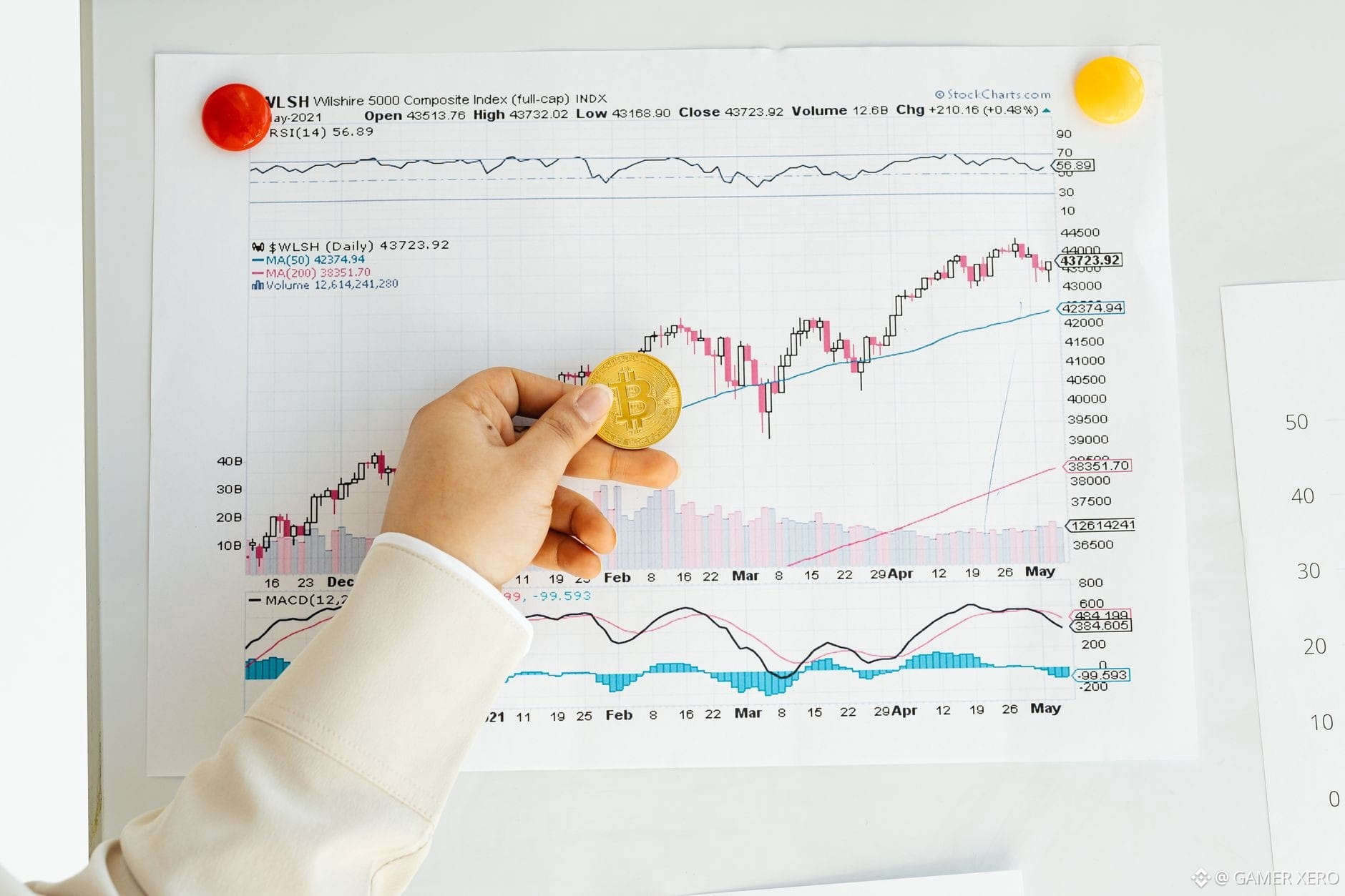
Seeing $BTC linger around $63,129 and $ETH nudging $1,884 on Binance tells me the market’s calm is a perfect time to tighten the portfolio’s risk framework. First, set a hard exposure ceiling – for most traders a 20 % cap on any single asset keeps tail‑risk in check. With $BTC representing half the crypto market, a 20 % limit means you’d allocate no more than $12‑13k of a $60k portfolio to it, leaving room for other positions.
Next, diversify across uncorrelated slices. Pairing a core $BTC holding with a smaller tactical $ETH stake can smooth volatility because their 24‑hour ranges differ slightly; $BTC swung –0.39 % while $ETH was up 0.26 %. A 70/30 split lets the modest upside in $ETH offset modest dips in $BTC , reducing overall drawdown potential.
How do you structure your exposure limits when the market sits in a narrow range?
#RiskManagement #CryptoPortfolio #Diversification #GAMERXERO
Next, diversify across uncorrelated slices. Pairing a core $BTC holding with a smaller tactical $ETH stake can smooth volatility because their 24‑hour ranges differ slightly; $BTC swung –0.39 % while $ETH was up 0.26 %. A 70/30 split lets the modest upside in $ETH offset modest dips in $BTC , reducing overall drawdown potential.
How do you structure your exposure limits when the market sits in a narrow range?
#RiskManagement #CryptoPortfolio #Diversification #GAMERXERO
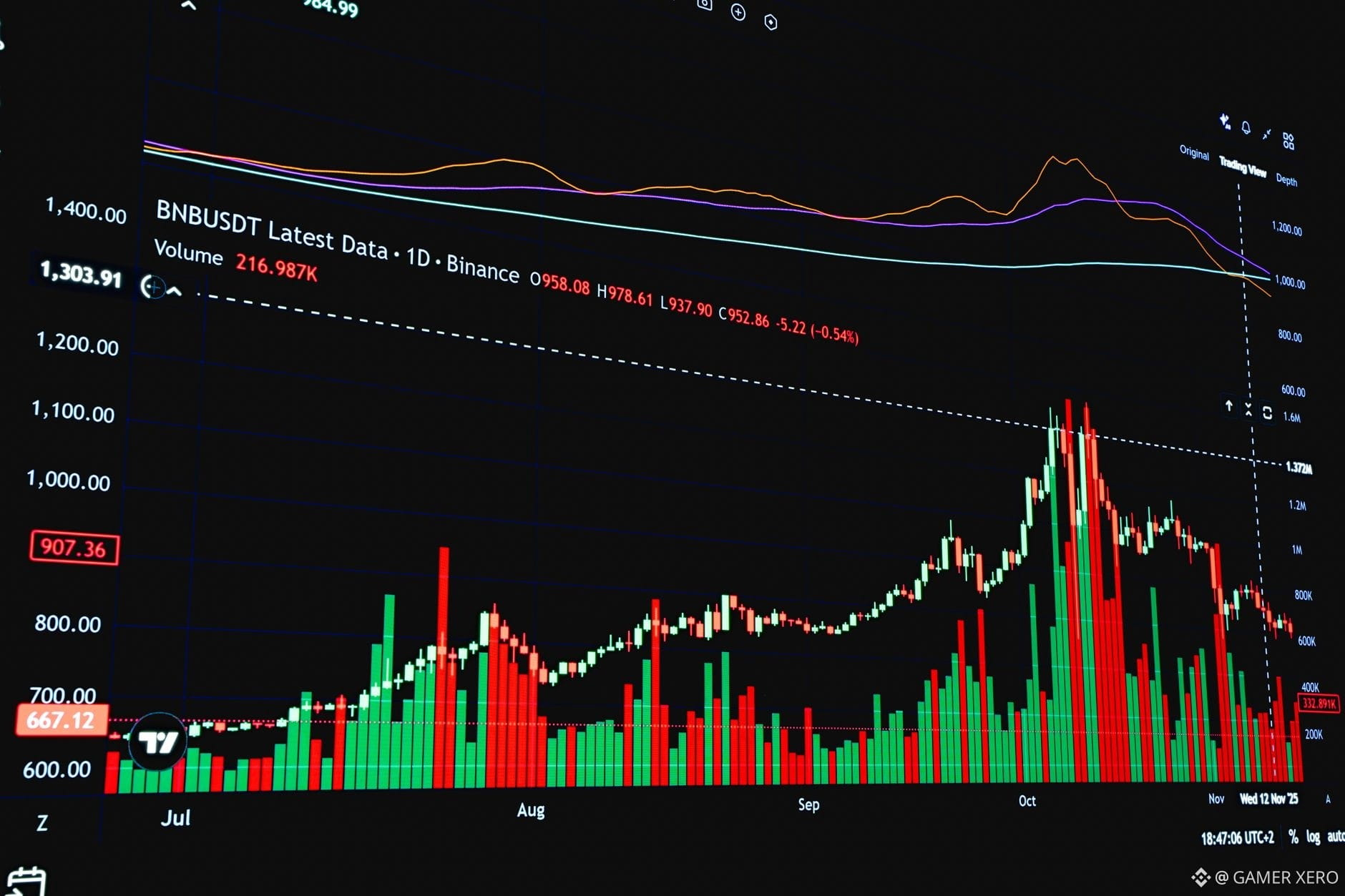

Seeing $BTC sit at $63,595 on Binance while $ETH hovers around $1,886, I’m reminded how a single‑asset focus can inflate volatility exposure. A practical way to keep portfolio risk in check is to set an explicit exposure cap per asset – for example, no more than 20 % of total capital in any one coin. That means if you have $10,000 allocated, the $BTC position should stay under $2,000, regardless of short‑term price swings.
Finally, size each entry to volatility. Calculate the 24‑hour average true range (ATR) – for $BTC it’s roughly $1,190 (high‑low) and for $ETH about $52. Set your position size so that a single ATR move would not exceed 1 % of your account. This “volatility‑adjusted sizing” keeps drawdowns manageable and makes recovery math straightforward: a 10 % loss on a 1 % risk per trade implies you’d need about ten winning trades to break even, assuming similar risk.
What methods do you use to balance exposure limits and volatility sizing in a tight market?
#RiskManagement #CryptoPortfolio #Diversification #GAMERXERO
Finally, size each entry to volatility. Calculate the 24‑hour average true range (ATR) – for $BTC it’s roughly $1,190 (high‑low) and for $ETH about $52. Set your position size so that a single ATR move would not exceed 1 % of your account. This “volatility‑adjusted sizing” keeps drawdowns manageable and makes recovery math straightforward: a 10 % loss on a 1 % risk per trade implies you’d need about ten winning trades to break even, assuming similar risk.
What methods do you use to balance exposure limits and volatility sizing in a tight market?
#RiskManagement #CryptoPortfolio #Diversification #GAMERXERO

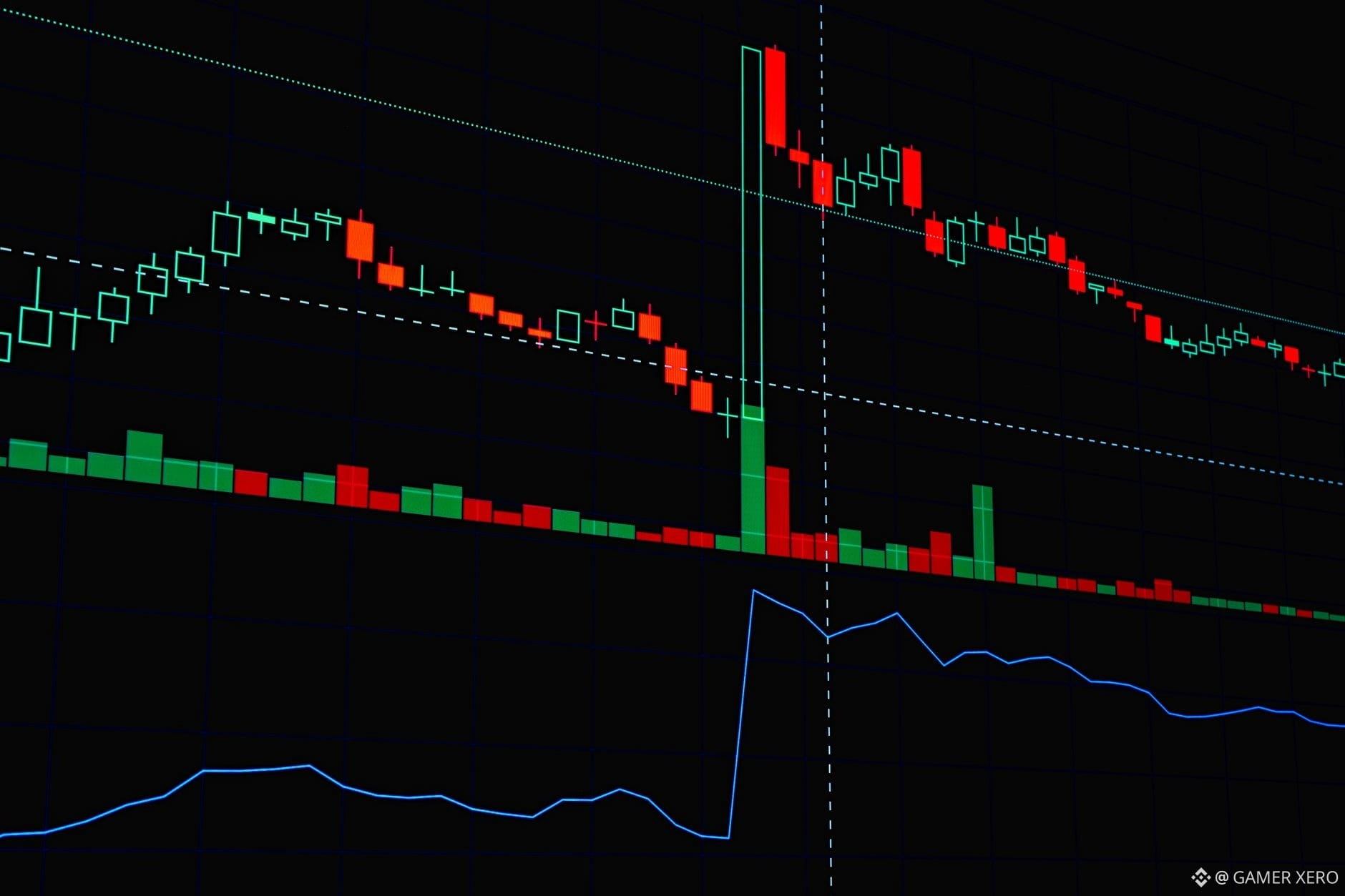
Seeing $BTC hovering at $63,794 on Binance while $ETH trades around $1,891 reminds me how quickly a balanced‑risk plan can become a safety net. I keep my crypto exposure capped at 30 % of total capital; the rest sits in stable‑coins and a small slice of traditional assets. Within that 30 % I split evenly between a “core” position (the top‑2 market caps) and a “satellite” basket of higher‑volatility picks. The core slice is sized by the asset’s 30‑day volatility: for $BTC that’s roughly 2 % daily, so a 2 % × $63,794 ≈ $1,276 risk per trade translates to a 2 % position of the crypto allocation. If a drawdown hits 15 %, I rebalance by cutting the losing position by half and reallocating the freed margin into the stable‑coin pool, which cushions future entries and reduces overall volatility.
How do you structure your exposure limits and drawdown buffers to stay comfortable during sideways markets?
#RiskManagement #CryptoPortfolio #Diversification #GAMERXERO
How do you structure your exposure limits and drawdown buffers to stay comfortable during sideways markets?
#RiskManagement #CryptoPortfolio #Diversification #GAMERXERO
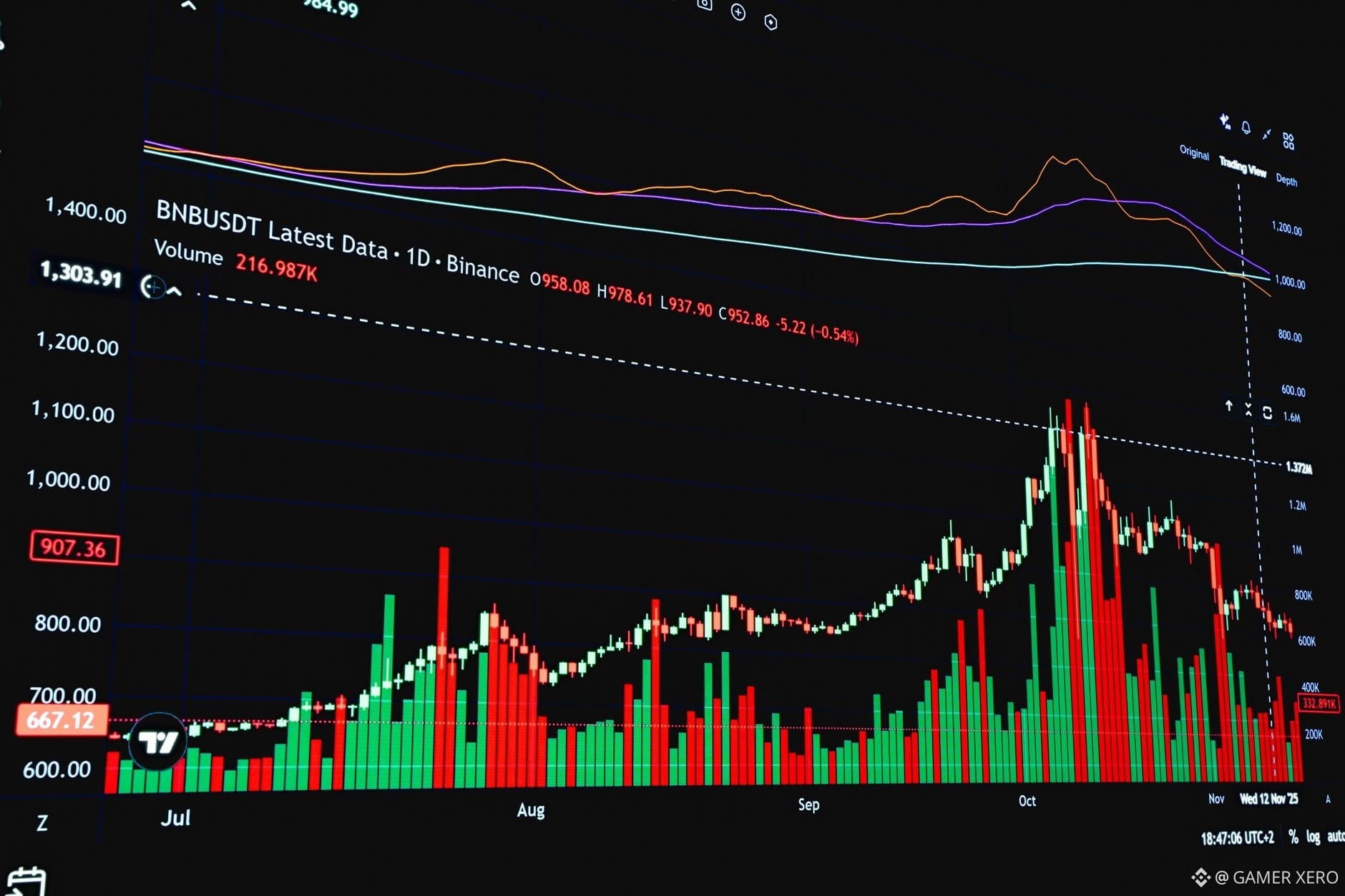
Seeing $BTC hover around $63,767 on Binance while $ETH trades near $1,873 highlights a common trap: letting a single asset dominate the portfolio. A quick rule of thumb is the 20‑20‑60 split – 20 % of capital in the two biggest positions, another 20 % spread across three to five lower‑correlation coins, and the remaining 60 % in cash or stable‑coin reserves. That way a 10 % dip in $BTC won’t erase more than a couple of percent of total equity.
When you size into volatility, use the average true range (ATR) of the past 14 days as a guide. If $BTC ’s 24‑hour range is about $1,000, a 1‑% position (relative to total capital) would translate to roughly $637 of exposure per $63,767 price move – a level most traders can tolerate without triggering a margin call. For $ETH , with a tighter $30‑day swing, the same percentage yields a smaller absolute risk, which can be useful for balancing the overall drawdown.
How do you currently allocate risk across your top holdings, and what tweak would make your drawdown plan more resilient?
#RiskManagement #CryptoPortfolio #GAMERXERO #TradingTips
When you size into volatility, use the average true range (ATR) of the past 14 days as a guide. If $BTC ’s 24‑hour range is about $1,000, a 1‑% position (relative to total capital) would translate to roughly $637 of exposure per $63,767 price move – a level most traders can tolerate without triggering a margin call. For $ETH , with a tighter $30‑day swing, the same percentage yields a smaller absolute risk, which can be useful for balancing the overall drawdown.
How do you currently allocate risk across your top holdings, and what tweak would make your drawdown plan more resilient?
#RiskManagement #CryptoPortfolio #GAMERXERO #TradingTips

Log in to explore more content