

艾伦Eren1688
3.9k Posts

艾伦Eren1688
432 Following
16.8K+ Followers
11.3K+ Liked
Posts
All
Quotes
Live
PINNED
艾伦Eren1688
·
--
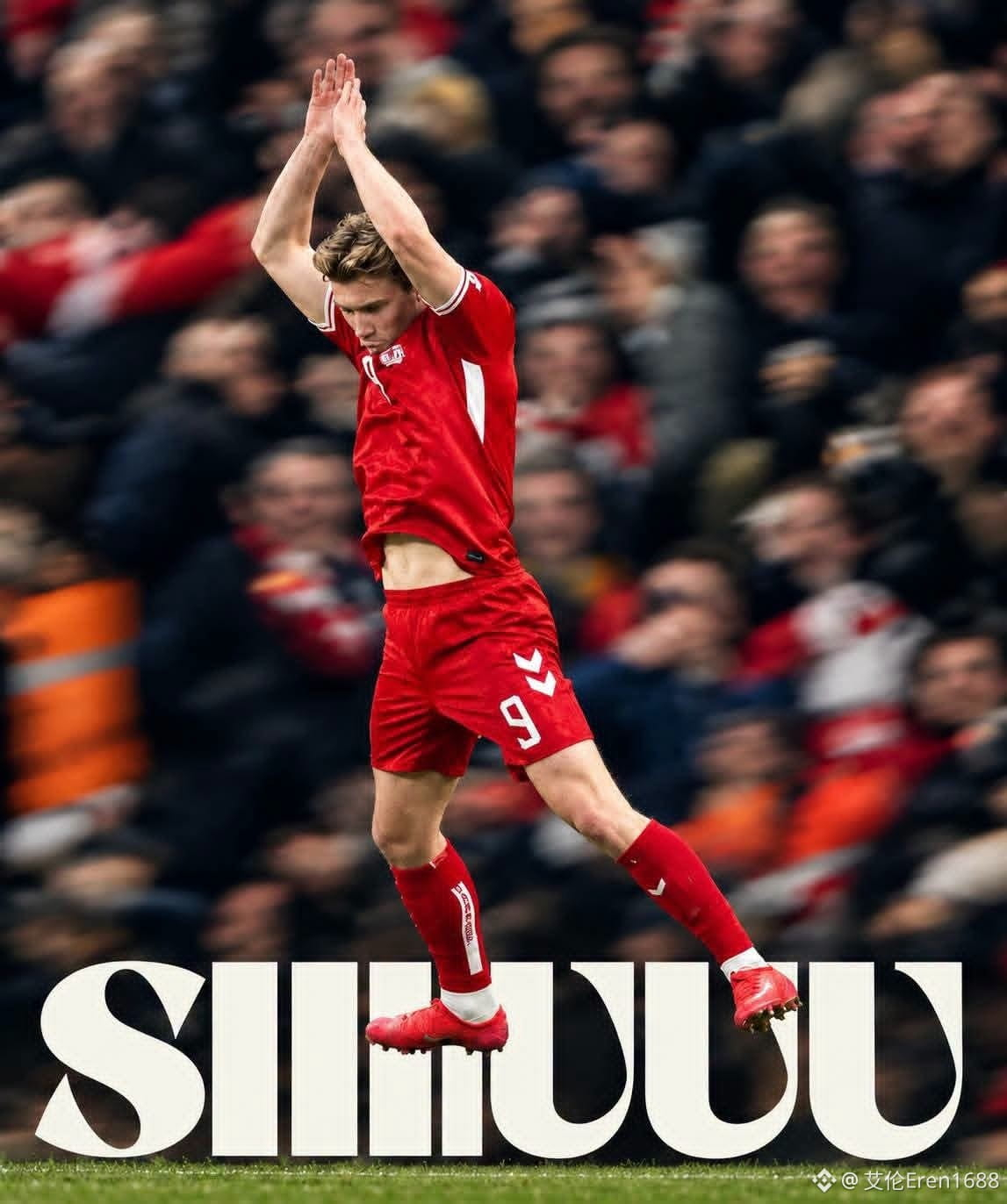
BullishHøjlund, people will always remember this moment.🇩🇰❤️
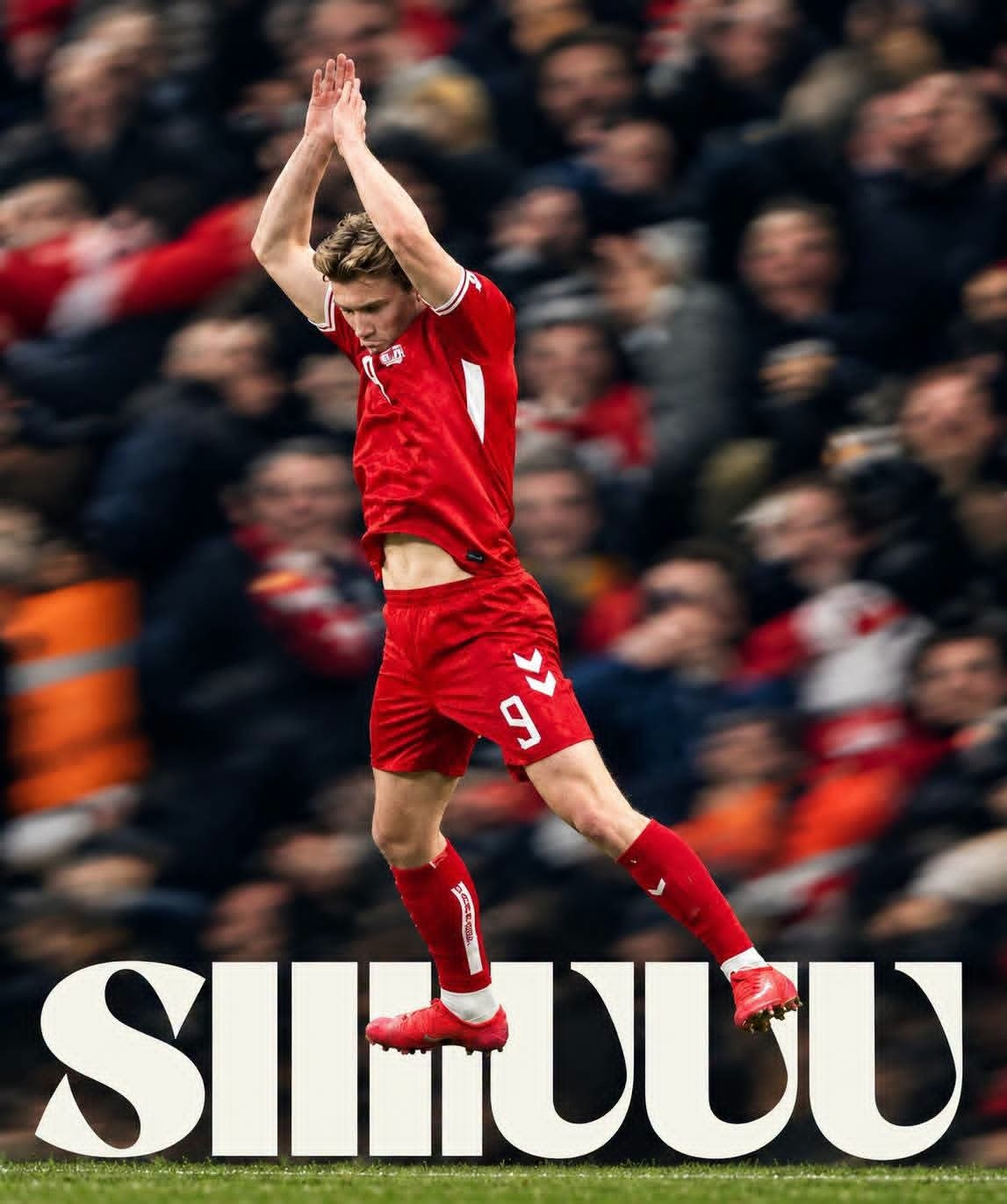
Although the Portugal team beat the Denmark team 4-2, Højlund’s celebration carried a deeper meaning.
When he scored against Portugal, he made his signature “SIUUUU” celebration—exactly like the one he did in 2025. Back then, he explained that it wasn’t mockery, but a tribute to the superstar who inspired him to grow. Later, after scoring in the second-leg match, Cristiano Ronaldo returned the same celebration.
However, last night felt completely different.
After Ronaldo left the Portugal national team following a clash with Jorge Jesus, Højlund realized that this idol’s national team career might be nearing its end.
After scoring, he looked toward the stands and made the “SIUUUU” gesture, as if declaring: “This is the legacy of Cristiano Ronaldo.”
Then, when the final whistle blew, he refused to shake hands with Jorge Jesus and, looking visibly displeased, pushed him in the chest.
After the match, Højlund said: “It’s just to pay tribute to that man—especially after what happened—someone whose national team career might be over. He is my great idol.”
This is not just a celebration.
It’s a young player standing up against the injustice and disrespect suffered by his idol, while also showing respect to the one who inspired him.
What else can be said? Only thanks.
Thank you, Højlund. 🇩🇰❤️
Continue 20k!
#1688家族family #prediction...
Although the Portugal team beat the Denmark team 4-2, Højlund’s celebration carried a deeper meaning.
When he scored against Portugal, he made his signature “SIUUUU” celebration—exactly like the one he did in 2025. Back then, he explained that it wasn’t mockery, but a tribute to the superstar who inspired him to grow. Later, after scoring in the second-leg match, Cristiano Ronaldo returned the same celebration.
However, last night felt completely different.
After Ronaldo left the Portugal national team following a clash with Jorge Jesus, Højlund realized that this idol’s national team career might be nearing its end.
After scoring, he looked toward the stands and made the “SIUUUU” gesture, as if declaring: “This is the legacy of Cristiano Ronaldo.”
Then, when the final whistle blew, he refused to shake hands with Jorge Jesus and, looking visibly displeased, pushed him in the chest.
After the match, Højlund said: “It’s just to pay tribute to that man—especially after what happened—someone whose national team career might be over. He is my great idol.”
This is not just a celebration.
It’s a young player standing up against the injustice and disrespect suffered by his idol, while also showing respect to the one who inspired him.
What else can be said? Only thanks.
Thank you, Højlund. 🇩🇰❤️
Continue 20k!
#1688家族family #prediction...
See translation
Cryptology_7
·
--
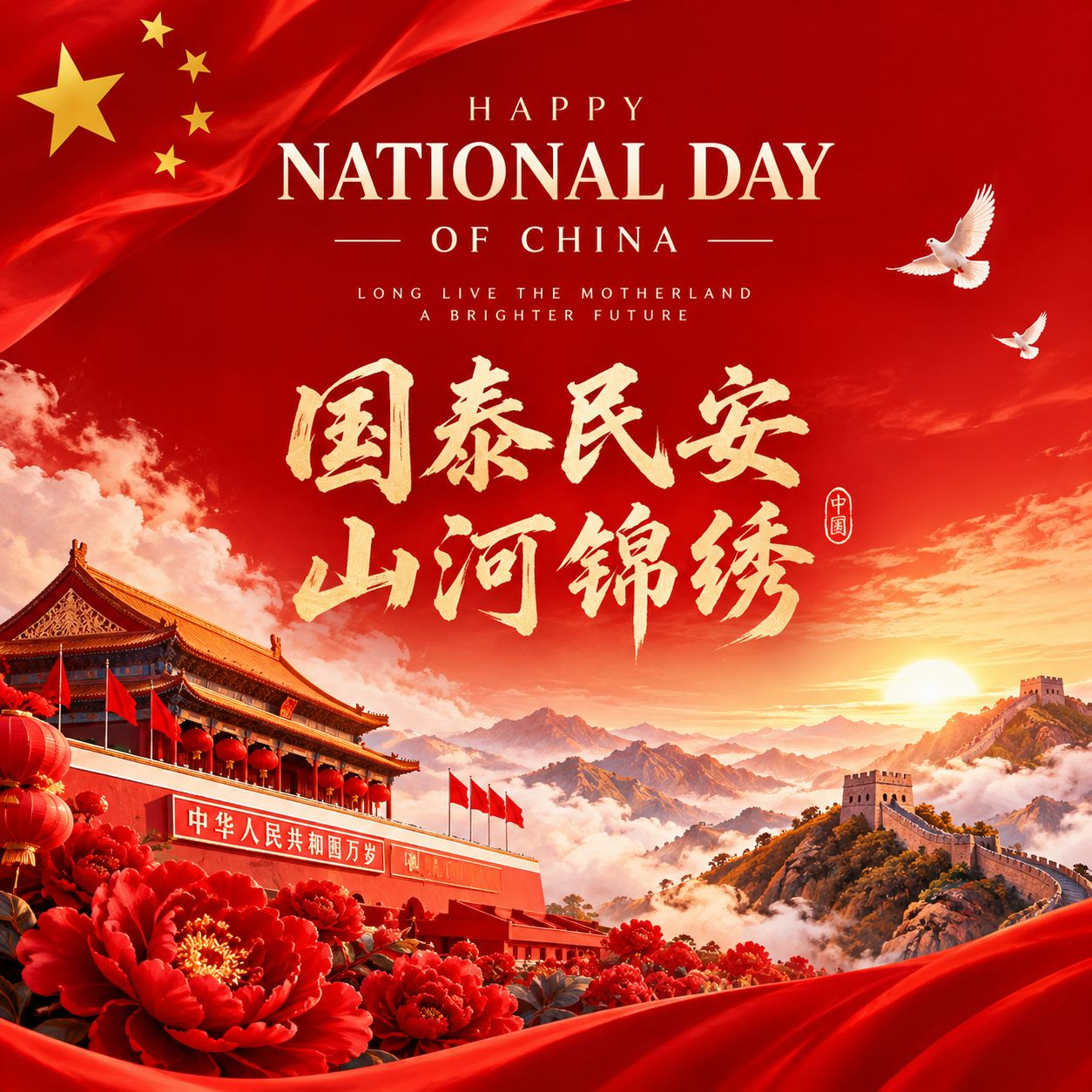
🇨🇳 𝗛𝗮𝗽𝗽𝘆 𝗖𝗵𝗶𝗻𝗮 𝗡𝗮𝘁𝗶𝗼𝗻𝗮𝗹 𝗗𝗮𝘆 🇨🇳 𝗕𝗼𝗿𝗱𝗲𝗿𝘀 𝗺𝗮𝘆 𝗱𝗶𝘃𝗶𝗱𝗲 𝗻𝗮𝘁𝗶𝗼𝗻𝘀, 𝗯𝘂𝘁 𝗯𝗹𝗼𝗰𝗸𝗰𝗵𝗮𝗶𝗻 𝗰𝗼𝗻𝗻𝗲𝗰𝘁𝘀 𝗽𝗲𝗼𝗽𝗹𝗲 𝘁𝗵𝗿𝗼𝘂𝗴𝗵 𝗮 𝘀𝗵𝗮𝗿𝗲𝗱 𝗱𝗶𝗴𝗶𝘁𝗮𝗹 𝗳𝘂𝘁𝘂𝗿𝗲. 🪩
Bitcoin in China: Estimates put China national Bitcoin holdings at approximately 194,000 $BTC This refers to estimated national holdings, not individual investors. 📊
#BTC走势分析 #October #Cryptology_7
Bitcoin in China: Estimates put China national Bitcoin holdings at approximately 194,000 $BTC This refers to estimated national holdings, not individual investors. 📊
#BTC走势分析 #October #Cryptology_7
See translation


Emmaa alex02
·
--
✨ Quiet vibes, lucky surprise 🧧
SOL Red Packet just landed. 🎁
Who’s catching it? 👀🤩
SOL Red Packet just landed. 🎁
Who’s catching it? 👀🤩

See translation

Prof Denial
·
--
✨✨ $DOGE GIFT FOR YOU ✨✨
🎉 ‼️Claim Fast Before it's gone ‼️ 🎉
I’m giving away $DOGE gifts 🎁 to my community as a thank-you for the support.
🎉 ‼️Claim Fast Before it's gone ‼️ 🎉
I’m giving away $DOGE gifts 🎁 to my community as a thank-you for the support.

See translation

Mahi_玛希BNB
·
--
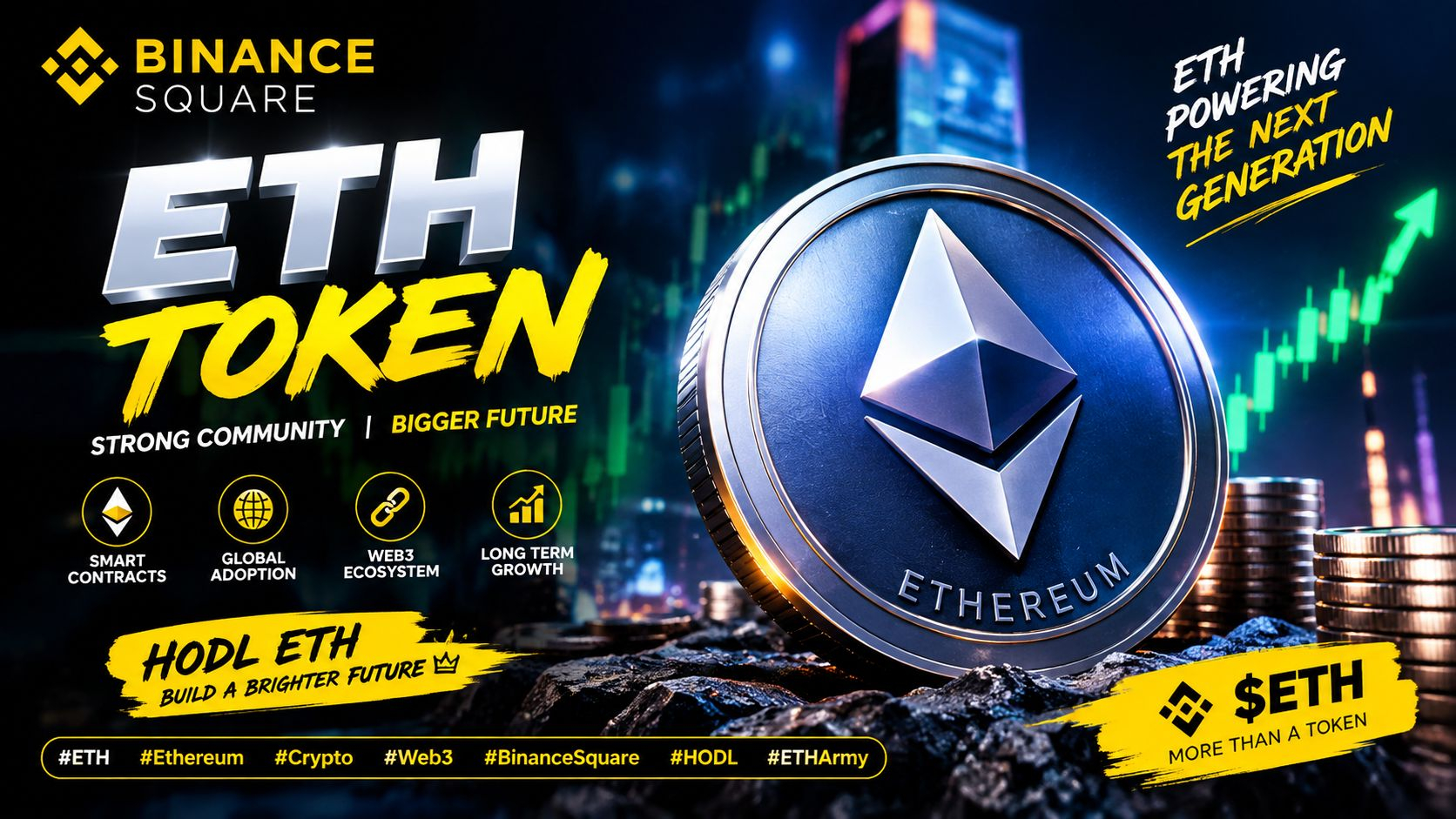
🚀 **$ETH — More Than Just a Token!**
Ethereum continues to power a huge part of the **Web3 ecosystem**, from smart contracts to DeFi and beyond. 🔥
The market is always moving, and ETH** remains one of the tokens worth keeping on your radar. 👀
Are you watching the next ETH move? 📈
$BNB $BTC
#ETH #Ethereum #Crypto #Web3 #defi #BinanceSquare #ETHArmy #CryptoCommunity #blockchain
Ethereum continues to power a huge part of the **Web3 ecosystem**, from smart contracts to DeFi and beyond. 🔥
The market is always moving, and ETH** remains one of the tokens worth keeping on your radar. 👀
Are you watching the next ETH move? 📈
$BNB $BTC
#ETH #Ethereum #Crypto #Web3 #defi #BinanceSquare #ETHArmy #CryptoCommunity #blockchain
See translation

NAJAF_加密 143
·
--
‼️$DOGE 🧧 Reward is here ‼️
I’m sharing $DOGE 🧧 rewards with the community as a Bigger thank-you.
✨ Just claim your reward and enjoy! ✨
Claim it. Get rewarded
@DOGE_ $DOGE #DOGE
I’m sharing $DOGE 🧧 rewards with the community as a Bigger thank-you.
✨ Just claim your reward and enjoy! ✨
Claim it. Get rewarded
@DOGE_ $DOGE #DOGE

See translation

分析师尤斯1688
·
--
🧧🧧🧧🧧🎁🎁🎁🎁
🎁🎁🎁🎁🧧🧧🧧🧧
🎁🎁🎁🎁🧧🧧🧧🧧
See translation

Sara_ k
·
--
Top crypto narratives
.
claim here 👈🧧🧧🧧🧧🧧
.
claim 2 🧧🧧🧧🧧🧧👈
.
$XRP $HBAR $ALGO
.
claim here 👈🧧🧧🧧🧧🧧
.
claim 2 🧧🧧🧧🧧🧧👈
.
$XRP $HBAR $ALGO

See translation

Mr Max
·
--
🎁 Claim your Gift 🎁
🧧🧧🧧🧧🧧
🧧🧧🧧🧧🧧
Hint { 7866 }...............
$BTC $ETH $SOL
#BTC70K✈️ #Ethereum #SolanaUSTD #SNDKUSTD #BTC🔥🔥🔥🔥🔥
🧧🧧🧧🧧🧧
🧧🧧🧧🧧🧧
Hint { 7866 }...............
$BTC $ETH $SOL
#BTC70K✈️ #Ethereum #SolanaUSTD #SNDKUSTD #BTC🔥🔥🔥🔥🔥

See translation

Zuby - PK
·
--
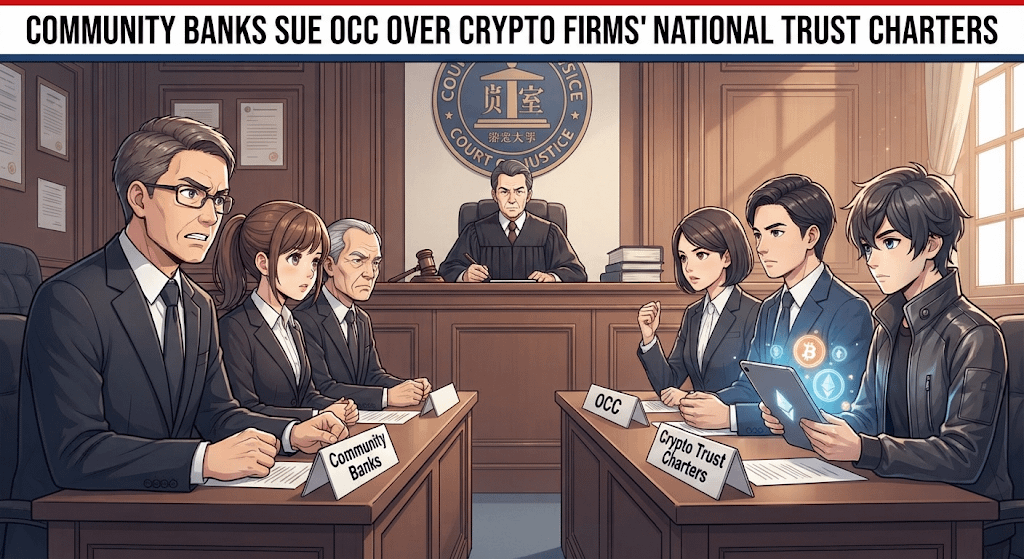
🏦 Community Banks Sue OCC Over Crypto Charters
⚖️ Lawsuit Against OCC
🔹 The ICBA has sued the U.S. OCC over national trust charters granted to crypto companies.
🔹 Community banks argue crypto firms receive bank-like credibility without the same requirements as traditional banks.
💰 What’s at Stake
🔹 Trust charters allow firms to manage customer assets and process transactions, but not take regular deposits or issue loans.
🔹 The OCC says its rules only clarify existing chartering powers.
📊 Growing Crypto Interest
🔹 The OCC received 40 bank-charter applications in about 18 months, including 23 tied to digital assets.
🔹 The lawsuit could influence how crypto firms access the U.S. banking system and affect future stablecoin regulation.
🏷️#CryptoBankingRegulation #OCCDigitalAssetCharters
#NationalTrustBanking #USCryptoRegulation
⚖️ Lawsuit Against OCC
🔹 The ICBA has sued the U.S. OCC over national trust charters granted to crypto companies.
🔹 Community banks argue crypto firms receive bank-like credibility without the same requirements as traditional banks.
💰 What’s at Stake
🔹 Trust charters allow firms to manage customer assets and process transactions, but not take regular deposits or issue loans.
🔹 The OCC says its rules only clarify existing chartering powers.
📊 Growing Crypto Interest
🔹 The OCC received 40 bank-charter applications in about 18 months, including 23 tied to digital assets.
🔹 The lawsuit could influence how crypto firms access the U.S. banking system and affect future stablecoin regulation.
🏷️#CryptoBankingRegulation #OCCDigitalAssetCharters
#NationalTrustBanking #USCryptoRegulation
See translation

RCB signal
·
--
claim your web3 benefits 👈 .
.
claim 🎁🎁🎁👈
.
claim 2 🎁🎁🎁🎁🎁👈
.
.
claim 🎁🎁🎁👈
.
claim 2 🎁🎁🎁🎁🎁👈
.
See translation

苏菲亚 Sophia
·
--
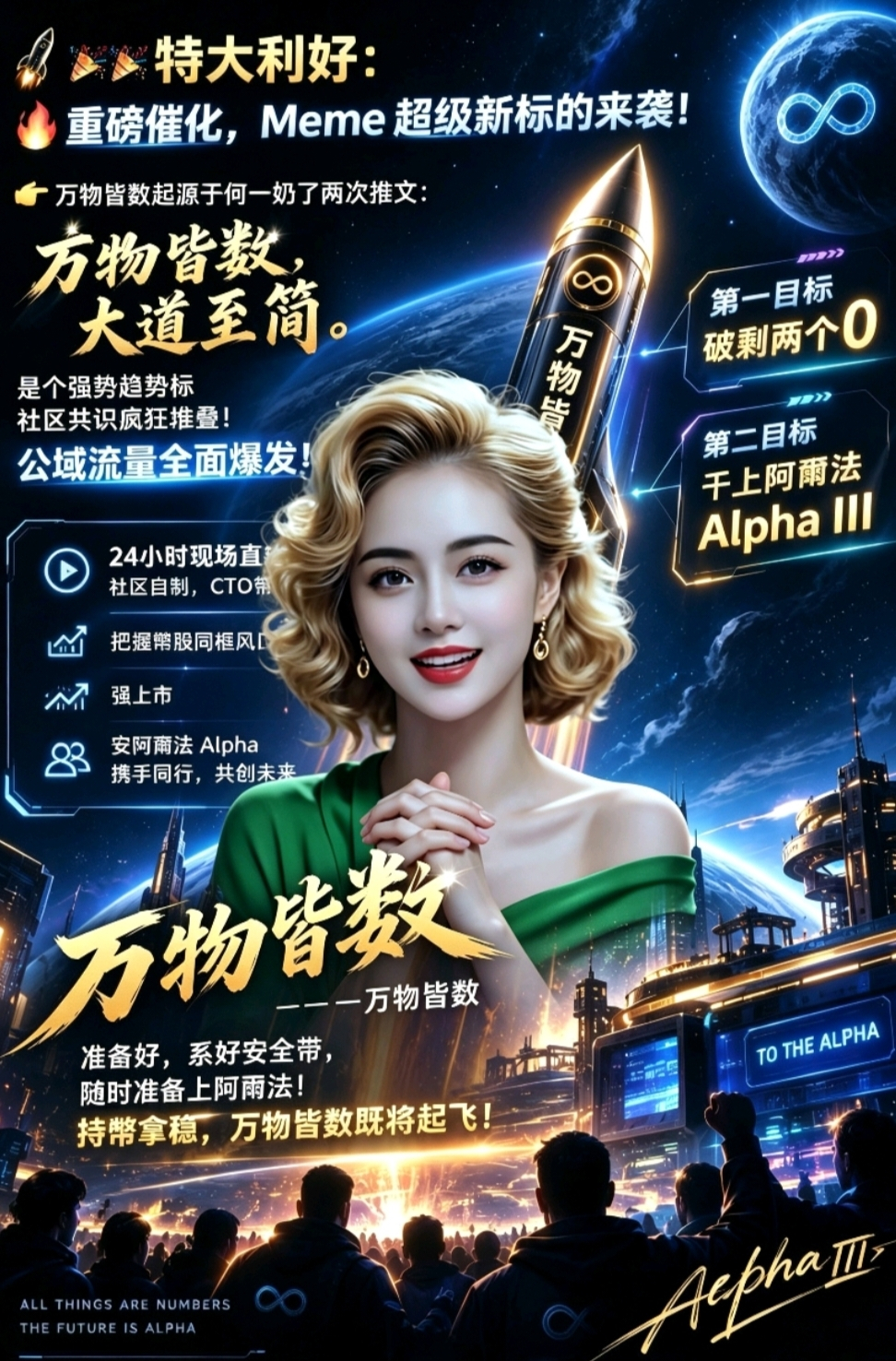
🎉 🎉Big bullish catalyst🎊🎊
🔥💥 Major catalyst—new Meme super track is coming!
Everything is numbers, where does it originate from—one or two posts
Everything is numbers
The great way is simple
▫ Strong momentum trend stock
▫ Community consensus wildly piling up
▫ Public traffic fully explodes
First target
Break two zeroes remaining
Second target
Go for Alpha Alpha 💰🏆
24-hour live broadcast · community-made
CTO leads the team to catch the crossover window for coins and stocks—strong listings
An Alpha Alpha
Walk together, create the future
——Everything is numbers
💰💰💰$GOOGL.US $SOL 💰$TRUMP
Get ready, buckle up
Be ready to go for Alpha at any time
Hold your coins tight—Everything is numbers is about to take off 🚀🚀🚀#SEC批准3倍杠杆比特币以太坊ETP #NEARIntents追回380万美元结束调查
#比特币涨至8.65万美元后回落
🔥💥 Major catalyst—new Meme super track is coming!
Everything is numbers, where does it originate from—one or two posts
Everything is numbers
The great way is simple
▫ Strong momentum trend stock
▫ Community consensus wildly piling up
▫ Public traffic fully explodes
First target
Break two zeroes remaining
Second target
Go for Alpha Alpha 💰🏆
24-hour live broadcast · community-made
CTO leads the team to catch the crossover window for coins and stocks—strong listings
An Alpha Alpha
Walk together, create the future
——Everything is numbers
💰💰💰$GOOGL.US $SOL 💰$TRUMP
Get ready, buckle up
Be ready to go for Alpha at any time
Hold your coins tight—Everything is numbers is about to take off 🚀🚀🚀#SEC批准3倍杠杆比特币以太坊ETP #NEARIntents追回380万美元结束调查
#比特币涨至8.65万美元后回落
See translation

VeronX143
·
--
Bullish🎁 Whoever wants a gift, hurry up and grab yours! 😜❤️
A little gift from my community is ready for all of you 🎁✨$ETH
Just do one small thing 👇
❤️ Like this post
💬 Comment 444
🎁 And the gift is yours!
Let’s see who comes first to claim it 👀😂❤️
Good luck everyone 🍀🎁
A little gift from my community is ready for all of you 🎁✨$ETH
Just do one small thing 👇
❤️ Like this post
💬 Comment 444
🎁 And the gift is yours!
Let’s see who comes first to claim it 👀😂❤️
Good luck everyone 🍀🎁

See translation

Flora Firdos
·
--
👀 Who wants some $USDT PALA? 💸🔥
One lucky community member is getting a little surprise! 🎁💚
💬 Comment 999
❤️ Hit like
🔄 Repost this
➕ Follow me
Finish the steps and you’re in! 🚀
Good luck, everyone! 🍀✨
One lucky community member is getting a little surprise! 🎁💚
💬 Comment 999
❤️ Hit like
🔄 Repost this
➕ Follow me
Finish the steps and you’re in! 🚀
Good luck, everyone! 🍀✨

See translation

燕寶Melissa
·
--
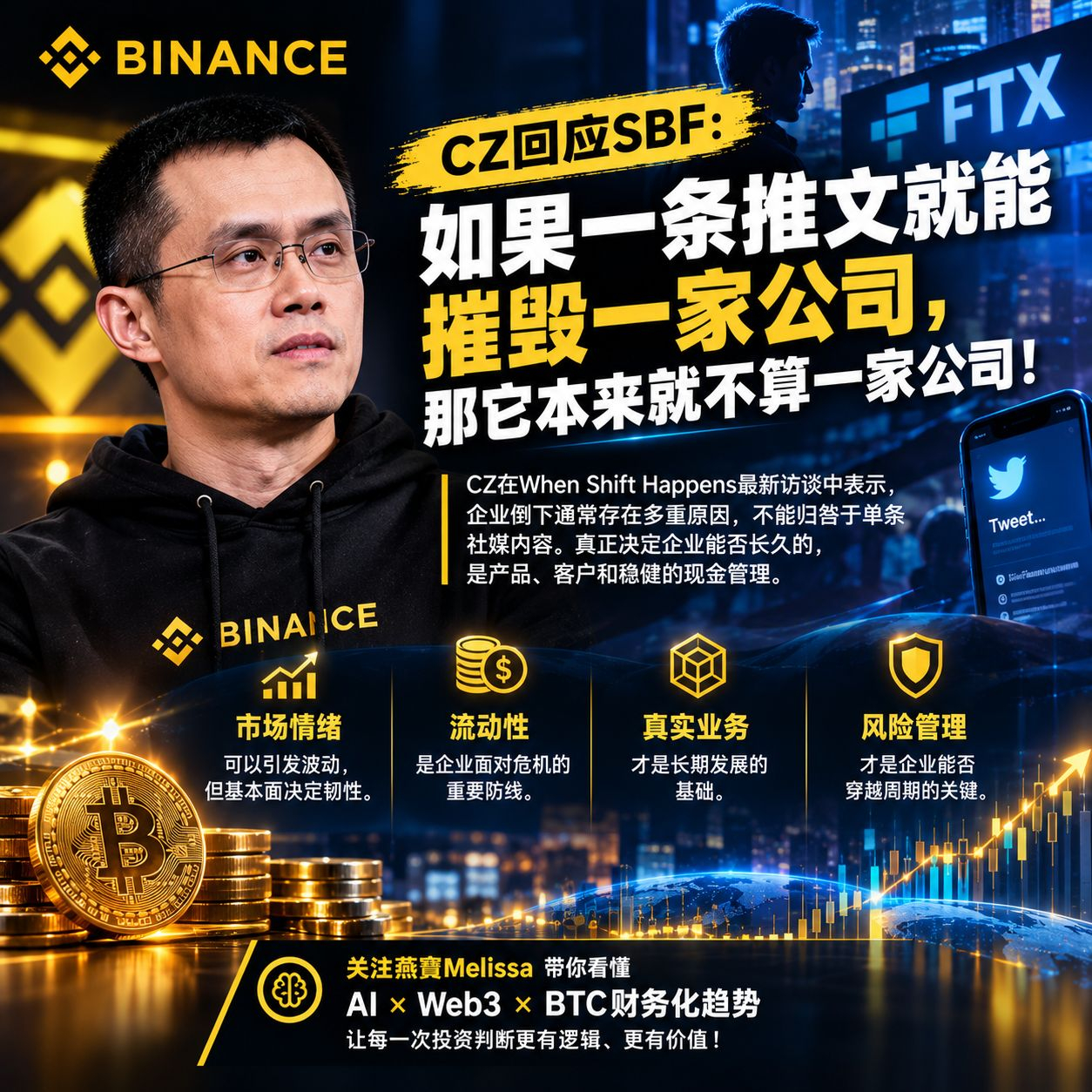
Bearish🚨 CZ Responds to SBF: If a single tweet could destroy a company, then it was never really a company!
Can one tweet really make a billion-dollar enterprise go bankrupt?
In the latest interview for 《When Shift Happens》, Binance founder CZ once again addressed the controversy surrounding the FTX collapse, pointing to a core issue:
If a competitor’s tweet is enough to bring down a company, then the problem may never have been with that tweet at all.
Regarding SBF’s claim that the FTX collapse was caused by CZ’s announcement to liquidate FTT back then, CZ said that when companies fail, there are often multiple contributing factors, and it’s not something that can be blamed on a single piece of social media commentary.
He also gave the example of an AI chip company:
Even if industry leaders publicly express negative views, a company’s stock price may fluctuate as a result, but as long as it has real products, real customers, and the ability to manage cash prudently, it won’t disappear because of just one tweet.
💡 These remarks by CZ are worth every entrepreneur and investor thinking about.
🔹 1. Market sentiment can trigger volatility, but fundamentals determine a company’s resilience
🔹 2. Liquidity is the most important line of defense for a company facing a crisis
🔹 3. Real business is the foundation for long-term development
🔹 4. Lessons from the FTX incident: don’t simply attribute operating risks to external factors
CZ believes that the problems at FTX were not just something that could be explained by market sentiment or a single tweet.
From an investor’s perspective, when evaluating a company, besides looking at the founder’s influence and market visibility, it’s also necessary to examine its financial transparency, capital management, risk controls, and governance mechanisms.
#比特币站上8.6万美元涨2.99%
$BTC
$ETH
$BNB
Can one tweet really make a billion-dollar enterprise go bankrupt?
In the latest interview for 《When Shift Happens》, Binance founder CZ once again addressed the controversy surrounding the FTX collapse, pointing to a core issue:
If a competitor’s tweet is enough to bring down a company, then the problem may never have been with that tweet at all.
Regarding SBF’s claim that the FTX collapse was caused by CZ’s announcement to liquidate FTT back then, CZ said that when companies fail, there are often multiple contributing factors, and it’s not something that can be blamed on a single piece of social media commentary.
He also gave the example of an AI chip company:
Even if industry leaders publicly express negative views, a company’s stock price may fluctuate as a result, but as long as it has real products, real customers, and the ability to manage cash prudently, it won’t disappear because of just one tweet.
💡 These remarks by CZ are worth every entrepreneur and investor thinking about.
🔹 1. Market sentiment can trigger volatility, but fundamentals determine a company’s resilience
🔹 2. Liquidity is the most important line of defense for a company facing a crisis
🔹 3. Real business is the foundation for long-term development
🔹 4. Lessons from the FTX incident: don’t simply attribute operating risks to external factors
CZ believes that the problems at FTX were not just something that could be explained by market sentiment or a single tweet.
From an investor’s perspective, when evaluating a company, besides looking at the founder’s influence and market visibility, it’s also necessary to examine its financial transparency, capital management, risk controls, and governance mechanisms.
#比特币站上8.6万美元涨2.99%
$BTC
$ETH
$BNB
See translation
宝贝屎壳郎-Lucky
·
--
🧧🧧🧧🎁🎁🎁
Happy National Day Holiday 🙂, more red envelopes are coming ✅️
ᨒ🏡𝗠𝗮𝗸𝗲 𝗺𝗼𝗻𝗲𝘆💰⁺⁹⁹⁹
One trip in this world—make wealth the top priority 💎💳
If love can’t make you feel satisfied and content 🤍
Then let cash stand tall and reach the sky 💸💴🌴
There’s 🈶 @SOL here 🧧, everyone, be fast with your fingers ⬆️
Happy National Day Holiday 🙂, more red envelopes are coming ✅️
ᨒ🏡𝗠𝗮𝗸𝗲 𝗺𝗼𝗻𝗲𝘆💰⁺⁹⁹⁹
One trip in this world—make wealth the top priority 💎💳
If love can’t make you feel satisfied and content 🤍
Then let cash stand tall and reach the sky 💸💴🌴
There’s 🈶 @SOL here 🧧, everyone, be fast with your fingers ⬆️
See translation

慢就是快Mike
·
--
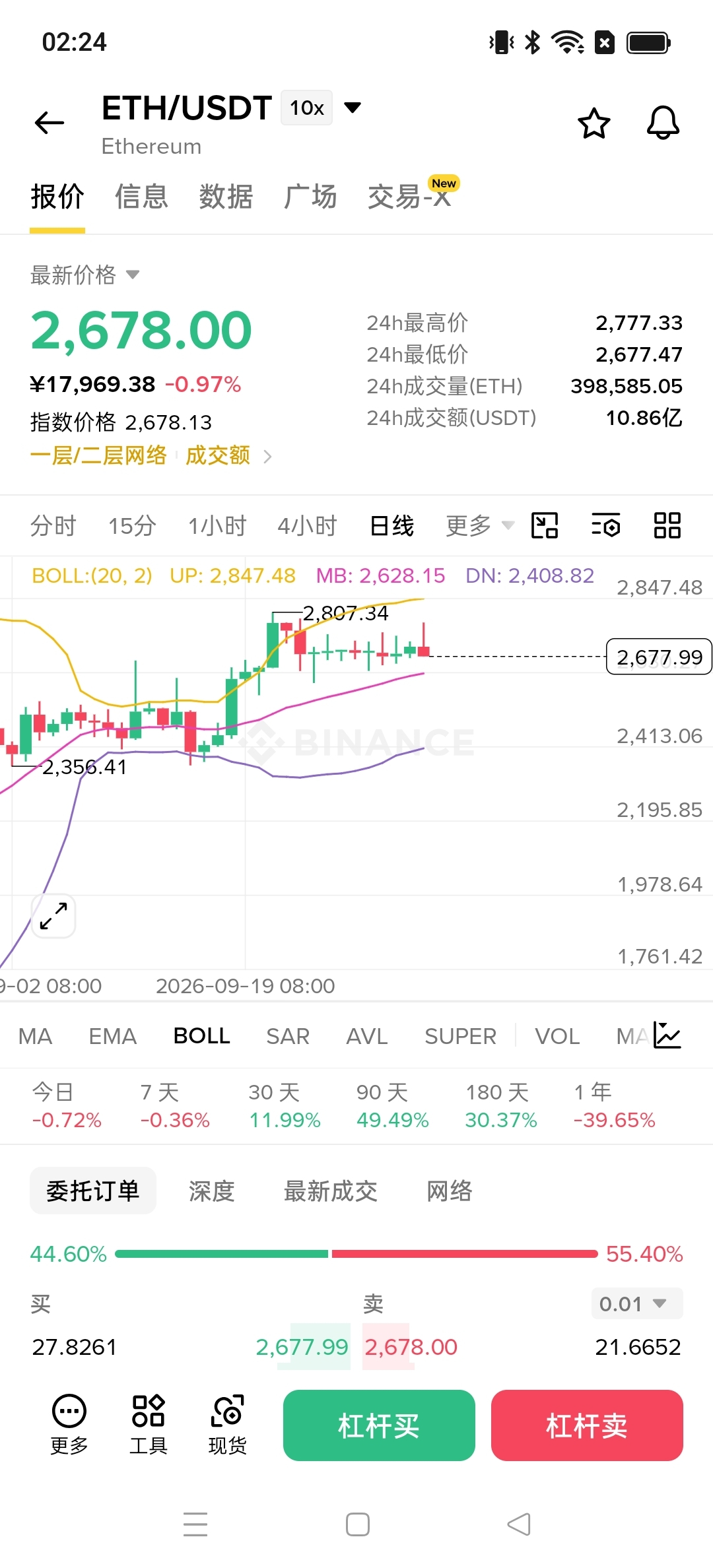
$ETH Nonfarm is good news, so why would it first rise and then fall? Something strange is always a sign of trouble. The spot market has already sold off part of it; then we’ll buy again on the pullback. I firmly believe there will be a big bull market!!!
See translation

Jerry说加密
·
--
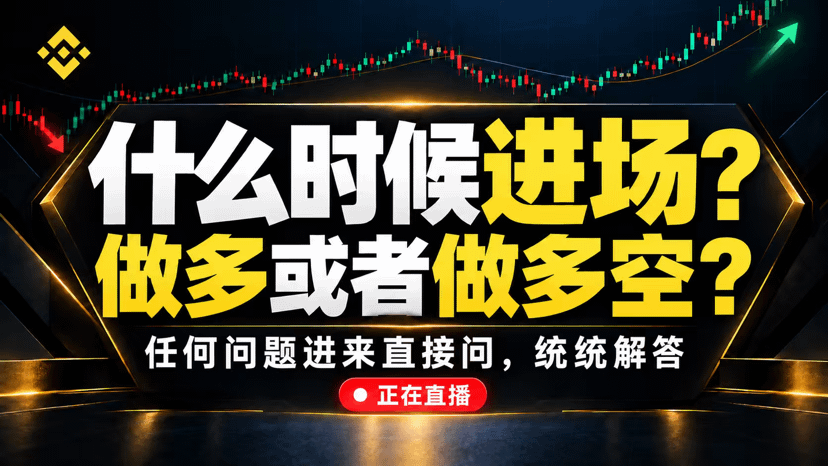
🧧🧧$Every night I stream on Binance and share some mainstream coin intraday trading insights 🤝 Ask me anything
$ETH
$ETH
See translation

艾琳irene
·
--
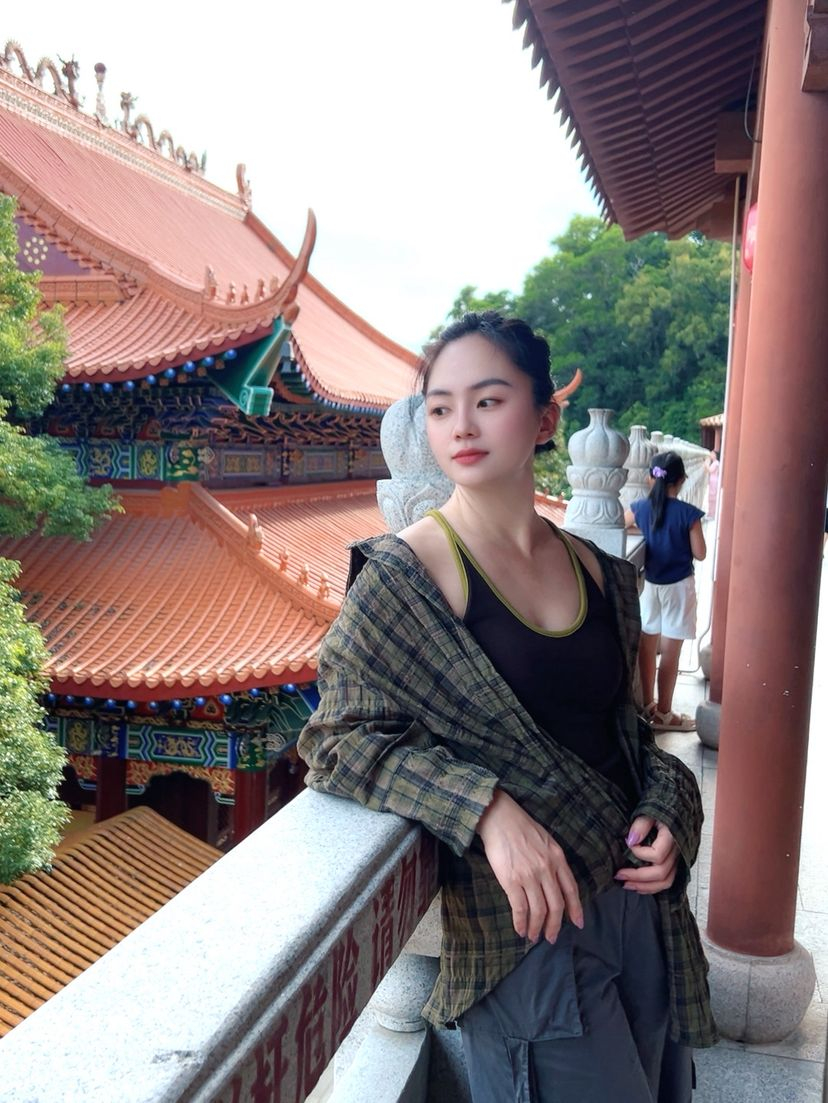
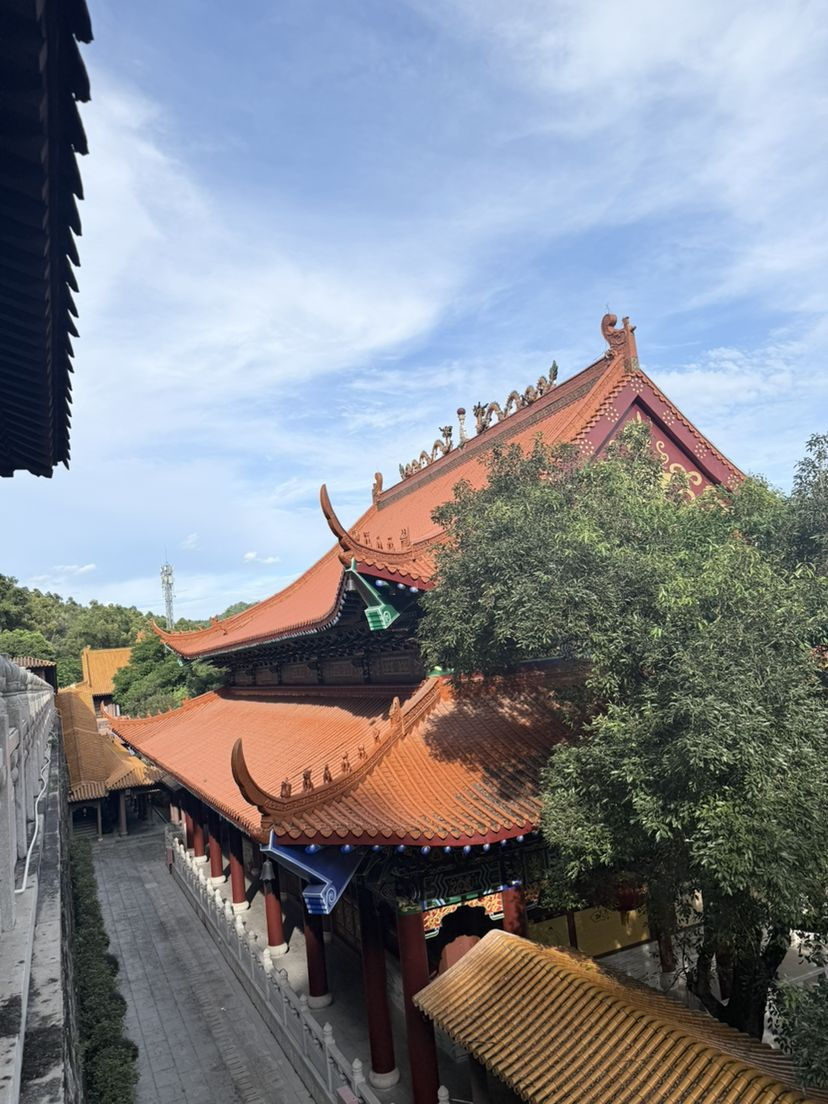
National Day visit to the ancient temple, temporarily away from the red and green candles. Market rise and fall are natural, and gains and losses are all impermanent.
One incense stick of pure fragrance—no pursuit of explosive profits, only seeking inner steadiness and calm. Knowing when to stop gives one inner resolve.
After watching the market’s ups and downs, one understands that the greatest cultivation is holding onto one’s mindset and moving with the trend. $BTC #The beginning of a Bitcoin bull market. All of this is only the start.⚡🚀
One incense stick of pure fragrance—no pursuit of explosive profits, only seeking inner steadiness and calm. Knowing when to stop gives one inner resolve.
After watching the market’s ups and downs, one understands that the greatest cultivation is holding onto one’s mindset and moving with the trend. $BTC #The beginning of a Bitcoin bull market. All of this is only the start.⚡🚀


Log in to explore more content