

Mastering Crypto
16.2k Posts
Mastering Crypto
 Square Verified+
Report
Block User
Twitter(X) @ MasteringCrypt

Creator Awards 2024

Traders League Badge Expert

#BinanceTurns7 task 2
Open Trade
High-Frequency Trader
4.5 Years
241 Following
398.8K+ Followers
241.4K+ Liked
5 Badges
Posts
Portfolio
All
Quotes
Videos
Live
PINNED
See translation
Unlock $1000 USDT Daily With Futures 🗝
Not one… not two…
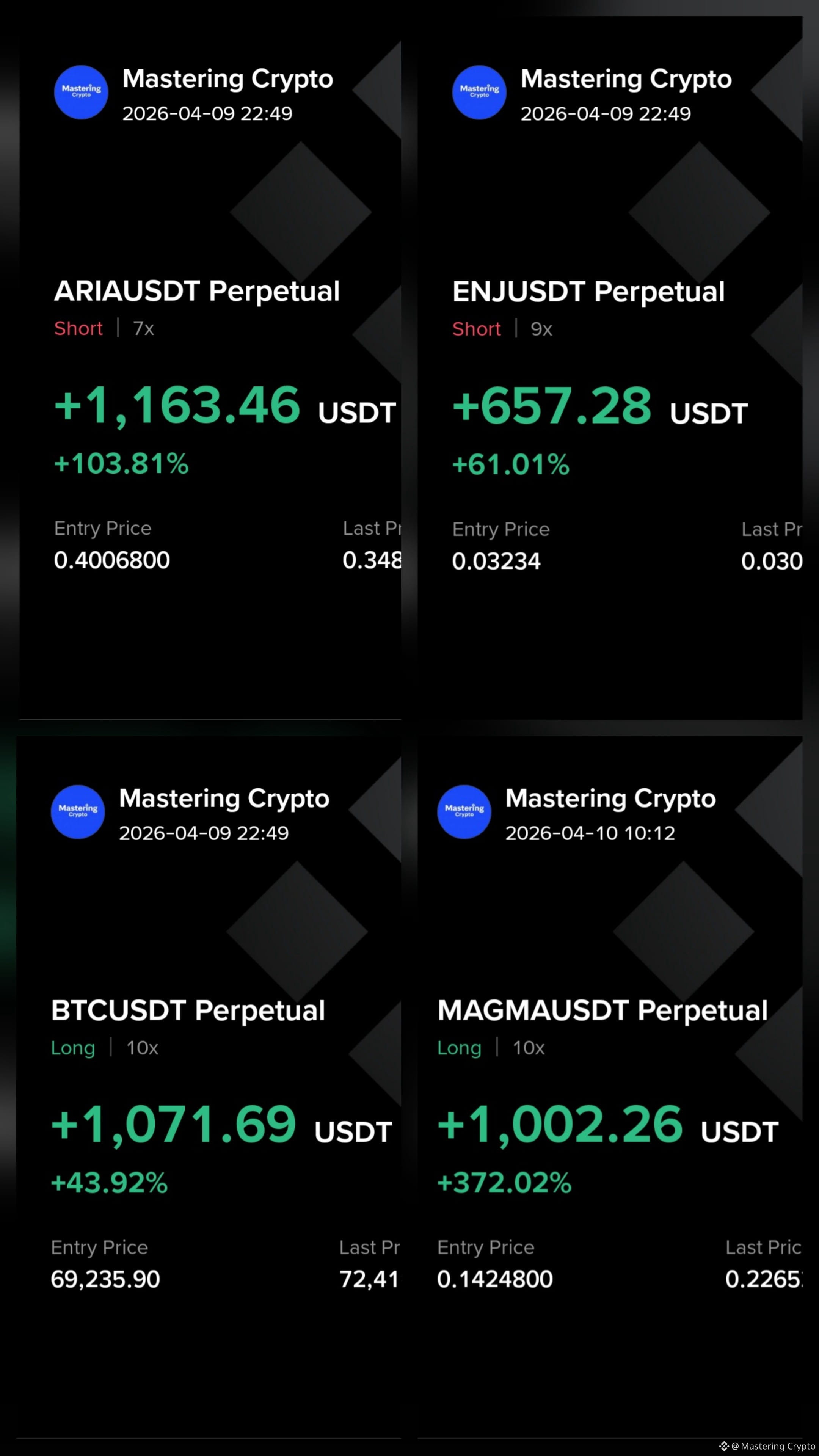
FOUR trades. All were green.💚
[Join My Premium Club For Highly Profitable Trades](https://app.binance.com/uni-qr/group-chat-landing?channelToken=jMv1tS4NA7v8KtC8c1jFqw&type=1&entrySource=sharing_link)
$ARIA short… +$1,163 ✅
$BTC long… +$1,071 ✅
$ENJ short… +$657 ✅
$MAGMA long… +$1,002 ✅
That's over $3,800 in a single day 👀
And every single one of these…
was shared inside my Premium Group
before it happened. 🤝
If you're still trading alone…
still staring at charts for hours…
still ending the day in red…
I want to ask you something honestly…
How long are you going to keep doing this? 💀
Because while you were losing…
my members were printing.
Not because they're lucky…
not because they're experts…
Some of them were complete beginners
just weeks ago 😏
The difference?
They stopped guessing…
and started following a system that works.
Every single day inside my group👇🏻
Real trade setups before the move ✅
Entry, TP, SL… everything clear ✅
Futures trading explained simply ✅
Results like these… daily 💰
No confusion. No noise.
Just clean trades and real profits.
If you're tired of losses…
tired of watching others win…
tired of not knowing what you're doing…
This is your moment 👀
Spots are limited…
and they're filling fast 🚨
The question is simple…
are you going to keep losing alone…
or start winning with us? 💯
{future}(ARIAUSDT)
{future}(BTCUSDT)
{future}(ENJUSDT)
#freedomofmoney #CZonTBPNInterview
Unlock $1000 USDT Daily With Futures 🗝
Not one… not two…
FOUR trades. All were green.💚
Join My Premium Club For Highly Profitable Trades
$ARIA short… +$1,163 ✅
$BTC long… +$1,071 ✅
$ENJ short… +$657 ✅
$MAGMA long… +$1,002 ✅
That's over $3,800 in a single day 👀
And every single one of these…
was shared inside my Premium Group
before it happened. 🤝
If you're still trading alone…
still staring at charts for hours…
still ending the day in red…
I want to ask you something honestly…
How long are you going to keep doing this? 💀
Because while you were losing…
my members were printing.
Not because they're lucky…
not because they're experts…
Some of them were complete beginners
just weeks ago 😏
The difference?
They stopped guessing…
and started following a system that works.
Every single day inside my group👇🏻
Real trade setups before the move ✅
Entry, TP, SL… everything clear ✅
Futures trading explained simply ✅
Results like these… daily 💰
No confusion. No noise.
Just clean trades and real profits.
If you're tired of losses…
tired of watching others win…
tired of not knowing what you're doing…
This is your moment 👀
Spots are limited…
and they're filling fast 🚨
The question is simple…
are you going to keep losing alone…
or start winning with us? 💯
#freedomofmoney #CZonTBPNInterview
Not one… not two…
FOUR trades. All were green.💚
Join My Premium Club For Highly Profitable Trades
$ARIA short… +$1,163 ✅
$BTC long… +$1,071 ✅
$ENJ short… +$657 ✅
$MAGMA long… +$1,002 ✅
That's over $3,800 in a single day 👀
And every single one of these…
was shared inside my Premium Group
before it happened. 🤝
If you're still trading alone…
still staring at charts for hours…
still ending the day in red…
I want to ask you something honestly…
How long are you going to keep doing this? 💀
Because while you were losing…
my members were printing.
Not because they're lucky…
not because they're experts…
Some of them were complete beginners
just weeks ago 😏
The difference?
They stopped guessing…
and started following a system that works.
Every single day inside my group👇🏻
Real trade setups before the move ✅
Entry, TP, SL… everything clear ✅
Futures trading explained simply ✅
Results like these… daily 💰
No confusion. No noise.
Just clean trades and real profits.
If you're tired of losses…
tired of watching others win…
tired of not knowing what you're doing…
This is your moment 👀
Spots are limited…
and they're filling fast 🚨
The question is simple…
are you going to keep losing alone…
or start winning with us? 💯
#freedomofmoney #CZonTBPNInterview
80
3
72
9.1k
PINNED
See translation
Enjoy high class trading signals and generate more revenue with less risk on Binance Futures. 📈
[Join here 👈](https://app.binance.com/uni-qr/group-chat-landing?channelToken=jMv1tS4NA7v8KtC8c1jFqw&type=1&entrySource=sharing_link)
Join my premium group and support Mastering Crypto Ecosystem on Binance.
You will get all trading related help and early signals to maximize your profits.
Stop losing and start making real cash 💸
Enjoy high class trading signals and generate more revenue with less risk on Binance Futures. 📈
Join here 👈
Join my premium group and support Mastering Crypto Ecosystem on Binance.
You will get all trading related help and early signals to maximize your profits.
Stop losing and start making real cash 💸
Join here 👈
Join my premium group and support Mastering Crypto Ecosystem on Binance.
You will get all trading related help and early signals to maximize your profits.
Stop losing and start making real cash 💸
29
1
45
868
See translation
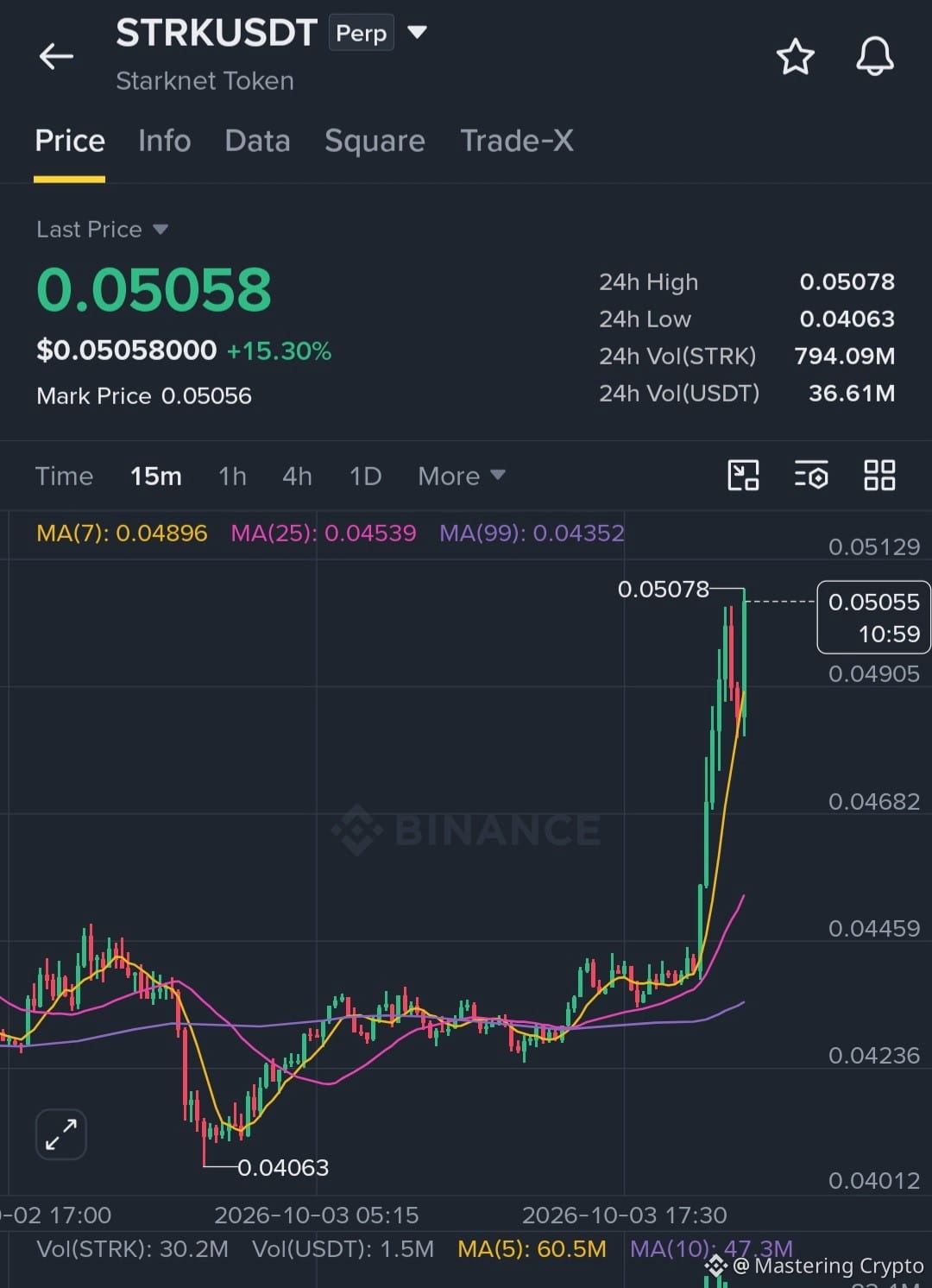
$STRK is striking hard on resistance
Long $STRK
Entry: 0.0480 – 0.0500
SL: 0.0460
TP1: 0.05150
TP2: 0.05300
TP3: 0.05500
TP4: 0.05800
🫂 Join my Binance Group Chat and Let's together win every trade.
Trade $STRK here 👇
{future}(STRKUSDT)
$STRK is striking hard on resistance
Long $STRK
Entry: 0.0480 – 0.0500
SL: 0.0460
TP1: 0.05150
TP2: 0.05300
TP3: 0.05500
TP4: 0.05800
🫂 Join my Binance Group Chat and Let's together win every trade.
Trade $STRK here 👇
Long $STRK
Entry: 0.0480 – 0.0500
SL: 0.0460
TP1: 0.05150
TP2: 0.05300
TP3: 0.05500
TP4: 0.05800
🫂 Join my Binance Group Chat and Let's together win every trade.
Trade $STRK here 👇
3
709
See translation
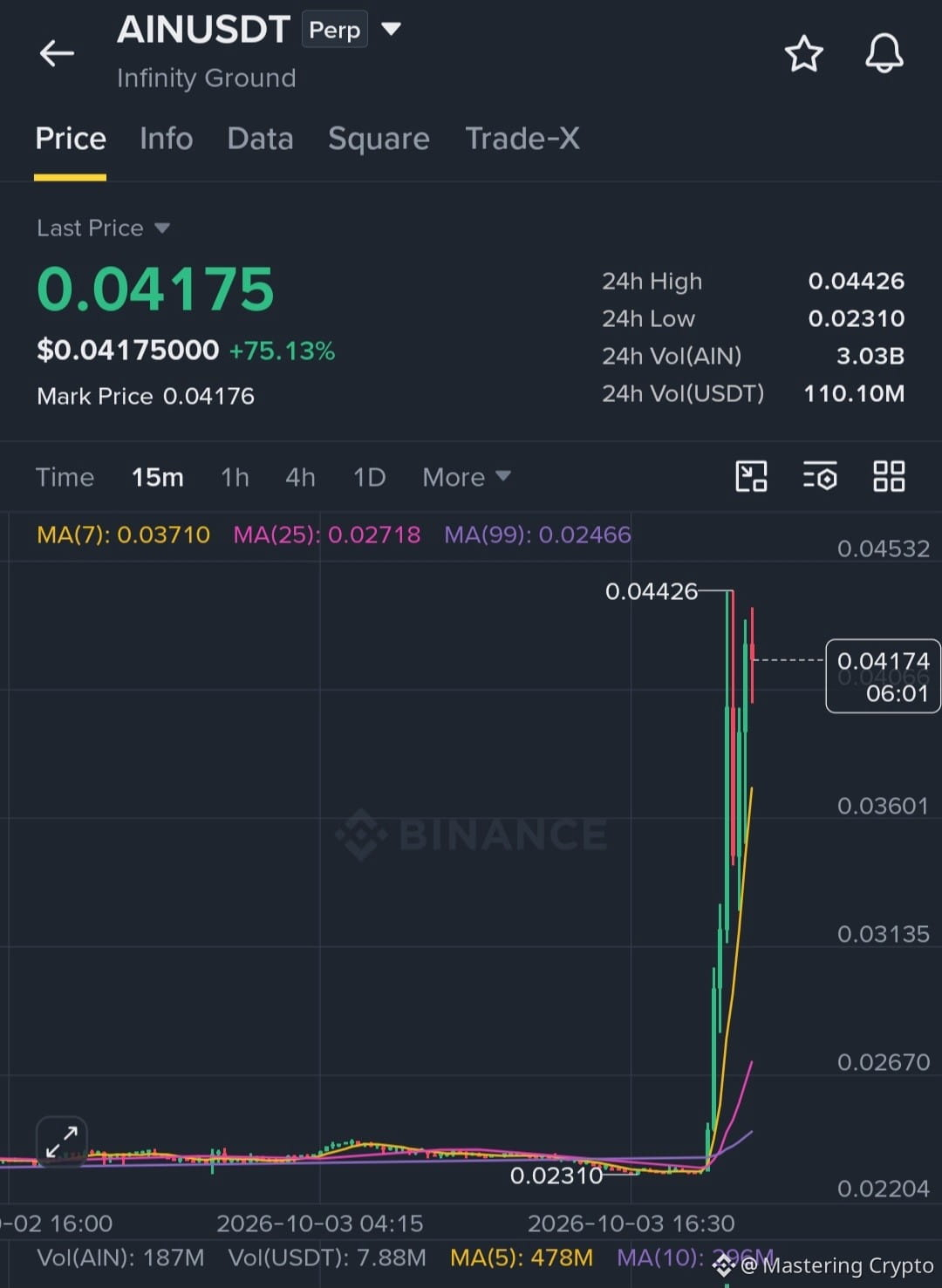
$AIN is getting out of control guys
Long $AIN
Entry: 0.0365 – 0.0415
SL: 0.0340
TP1: 0.0445
TP2: 0.0470
TP3: 0.0500
TP4: 0.0550
🫂 Join my Binance Group Chat and Let's together win every trade.
Trade $AIN here 👇
{future}(AINUSDT)
$AIN is getting out of control guys
Long $AIN
Entry: 0.0365 – 0.0415
SL: 0.0340
TP1: 0.0445
TP2: 0.0470
TP3: 0.0500
TP4: 0.0550
🫂 Join my Binance Group Chat and Let's together win every trade.
Trade $AIN here 👇
Long $AIN
Entry: 0.0365 – 0.0415
SL: 0.0340
TP1: 0.0445
TP2: 0.0470
TP3: 0.0500
TP4: 0.0550
🫂 Join my Binance Group Chat and Let's together win every trade.
Trade $AIN here 👇
2
953
See translation
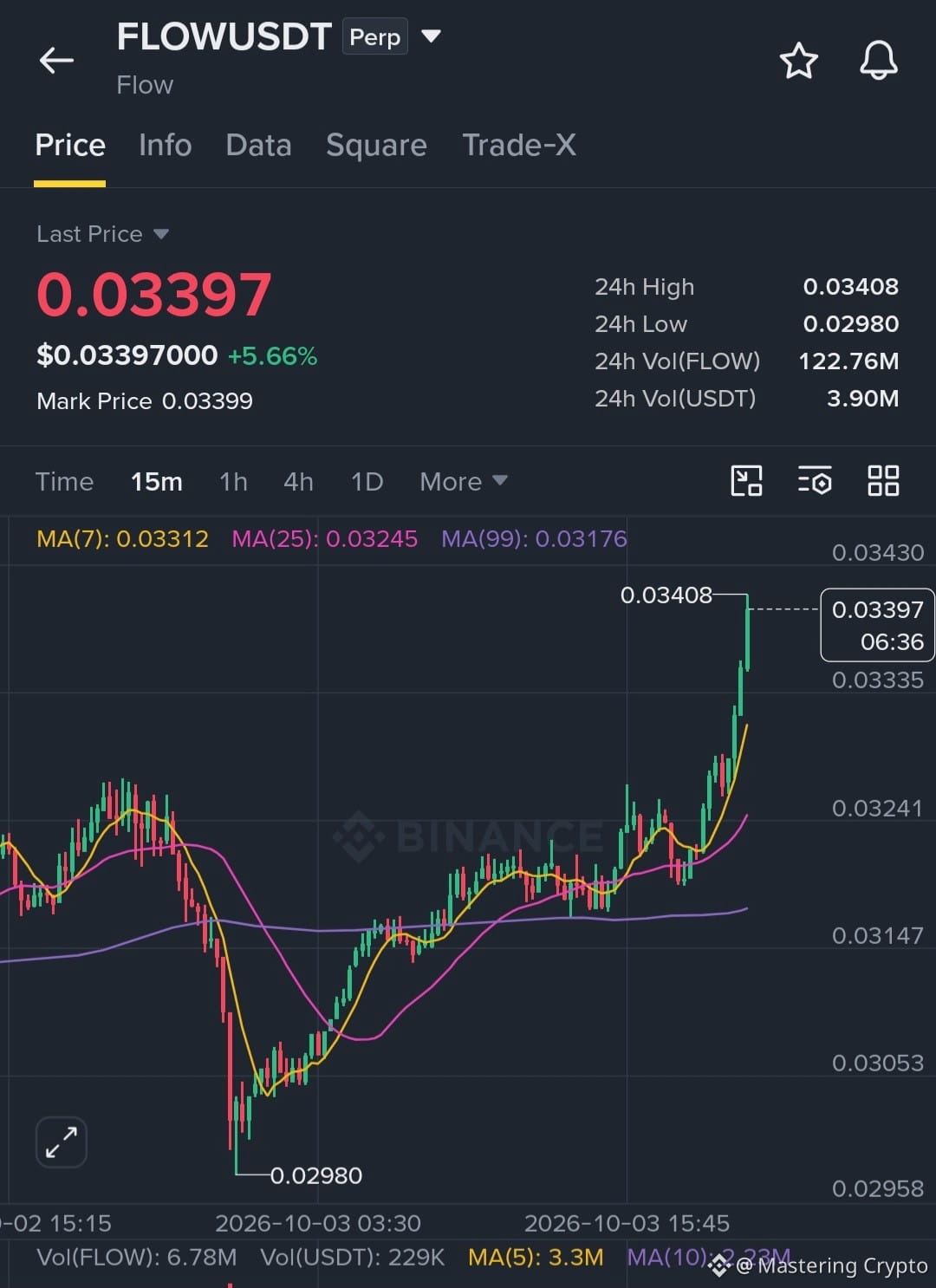
$FLOW is getting high bullish flow
Long $FLOW
Entry: 0.0320 – 0.0335
SL: 0.0310
TP1: 0.0345
TP2: 0.0355
TP3: 0.0365
TP4: 0.0380
🫂 Join my Binance Group Chat and Let's together win every trade.
Trade $FLOW here 👇
{future}(FLOWUSDT)
$FLOW is getting high bullish flow
Long $FLOW
Entry: 0.0320 – 0.0335
SL: 0.0310
TP1: 0.0345
TP2: 0.0355
TP3: 0.0365
TP4: 0.0380
🫂 Join my Binance Group Chat and Let's together win every trade.
Trade $FLOW here 👇
Long $FLOW
Entry: 0.0320 – 0.0335
SL: 0.0310
TP1: 0.0345
TP2: 0.0355
TP3: 0.0365
TP4: 0.0380
🫂 Join my Binance Group Chat and Let's together win every trade.
Trade $FLOW here 👇
583
See translation
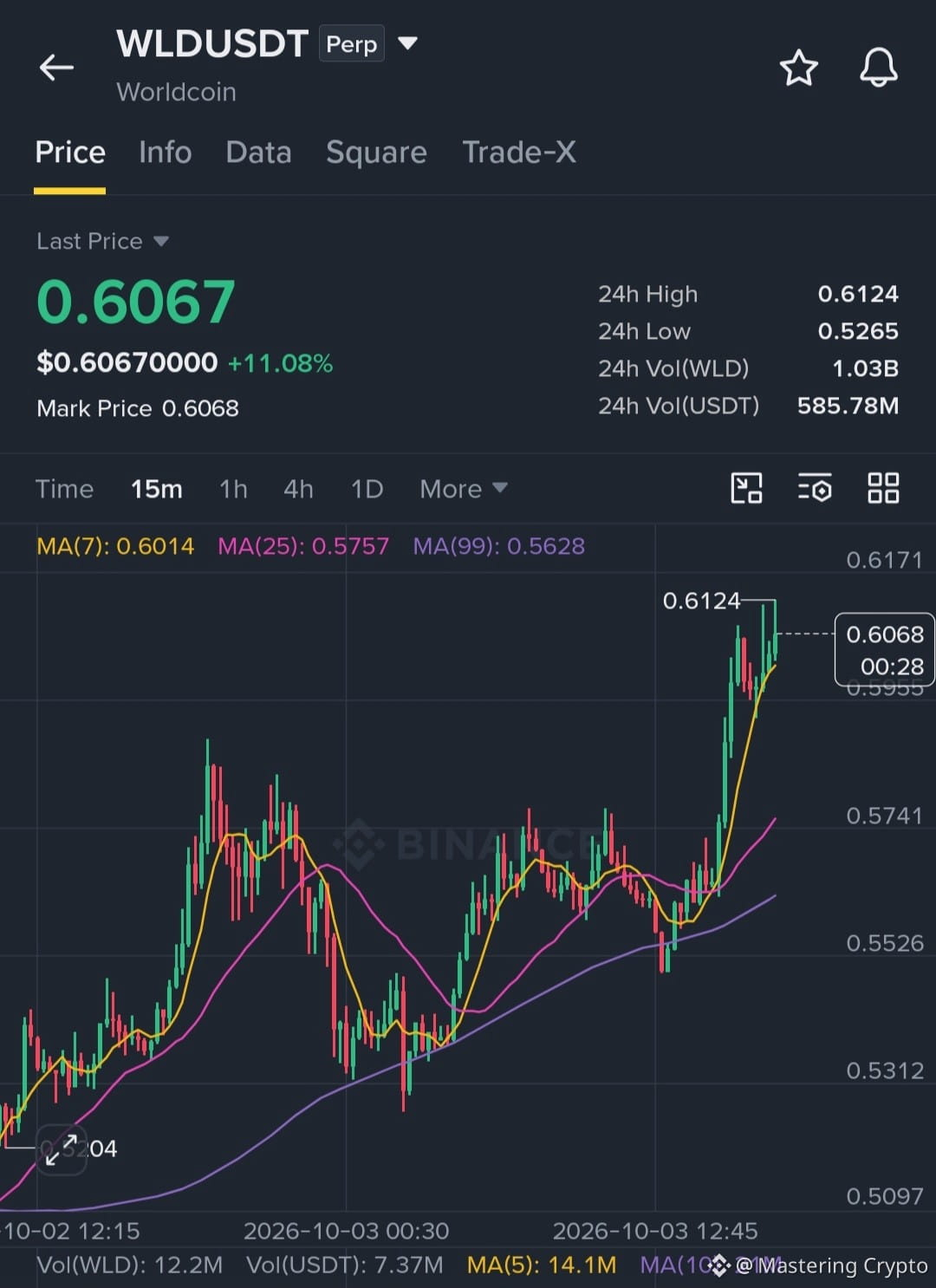
$WLD is pushing higher levels
Long $WLD
Entry: 0.575 – 0.600
SL: 0.555
TP1: 0.6125
TP2: 0.6250
TP3: 0.6450
TP4: 0.6700
🫂 Join my Binance Group Chat and Let's together win every trade.
Trade $WLD here 👇
{future}(WLDUSDT)
$WLD is pushing higher levels
Long $WLD
Entry: 0.575 – 0.600
SL: 0.555
TP1: 0.6125
TP2: 0.6250
TP3: 0.6450
TP4: 0.6700
🫂 Join my Binance Group Chat and Let's together win every trade.
Trade $WLD here 👇
Long $WLD
Entry: 0.575 – 0.600
SL: 0.555
TP1: 0.6125
TP2: 0.6250
TP3: 0.6450
TP4: 0.6700
🫂 Join my Binance Group Chat and Let's together win every trade.
Trade $WLD here 👇
759
See translation
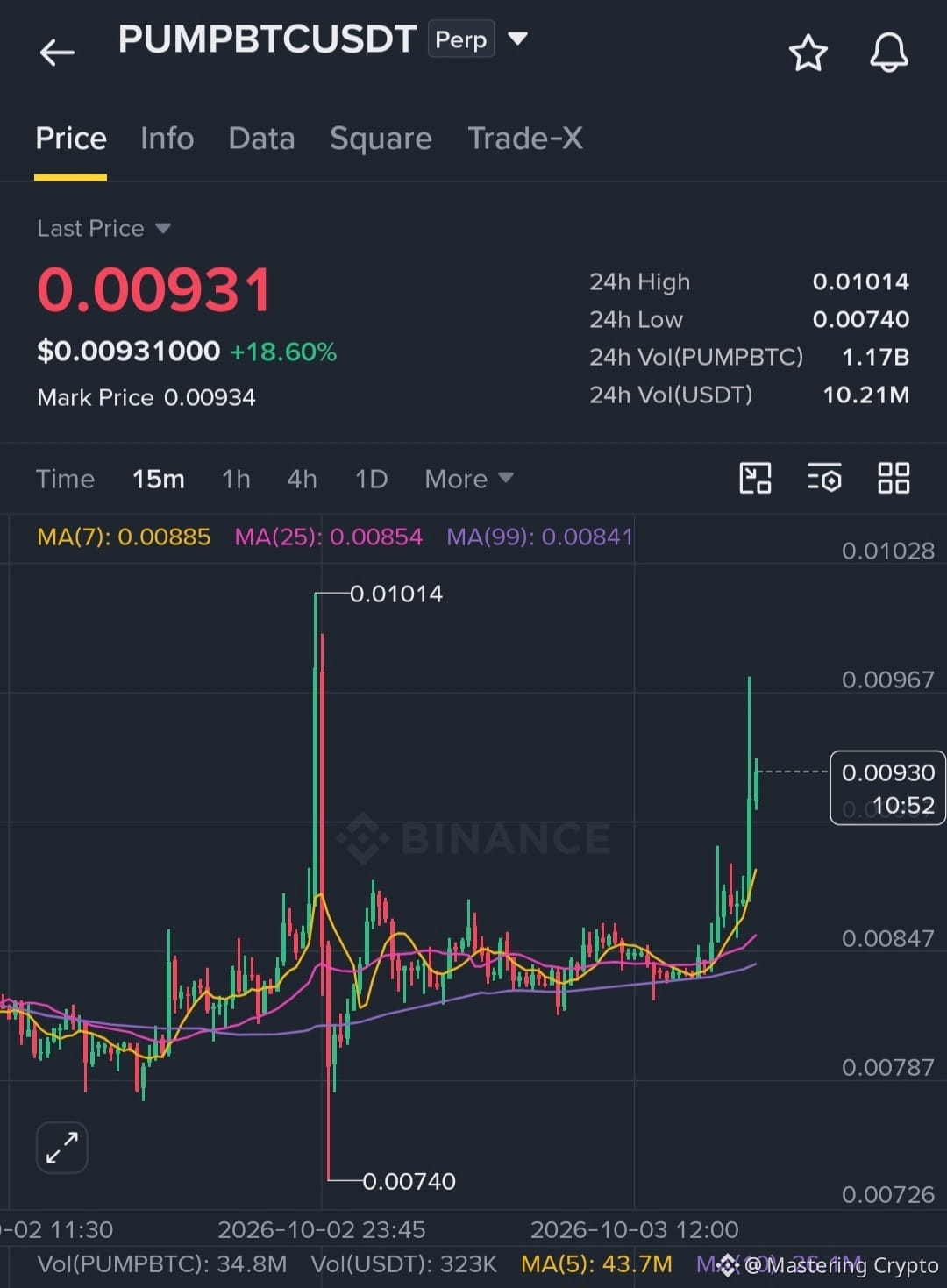
$PUMPBTC Bulls Are Charging Hard
Long $PUMPBTC
Entry: 0.00840 – 0.00880
SL: 0.00800
TP1: 0.00950
TP2: 0.01050
TP3: 0.01100
TP4: 0.01200
🫂 Join my Binance Group Chat and Let's together win every trade.
Trade $PUMPBTC here 👇
{future}(PUMPBTCUSDT)
$PUMPBTC Bulls Are Charging Hard
Long $PUMPBTC
Entry: 0.00840 – 0.00880
SL: 0.00800
TP1: 0.00950
TP2: 0.01050
TP3: 0.01100
TP4: 0.01200
🫂 Join my Binance Group Chat and Let's together win every trade.
Trade $PUMPBTC here 👇
Long $PUMPBTC
Entry: 0.00840 – 0.00880
SL: 0.00800
TP1: 0.00950
TP2: 0.01050
TP3: 0.01100
TP4: 0.01200
🫂 Join my Binance Group Chat and Let's together win every trade.
Trade $PUMPBTC here 👇
630
See translation
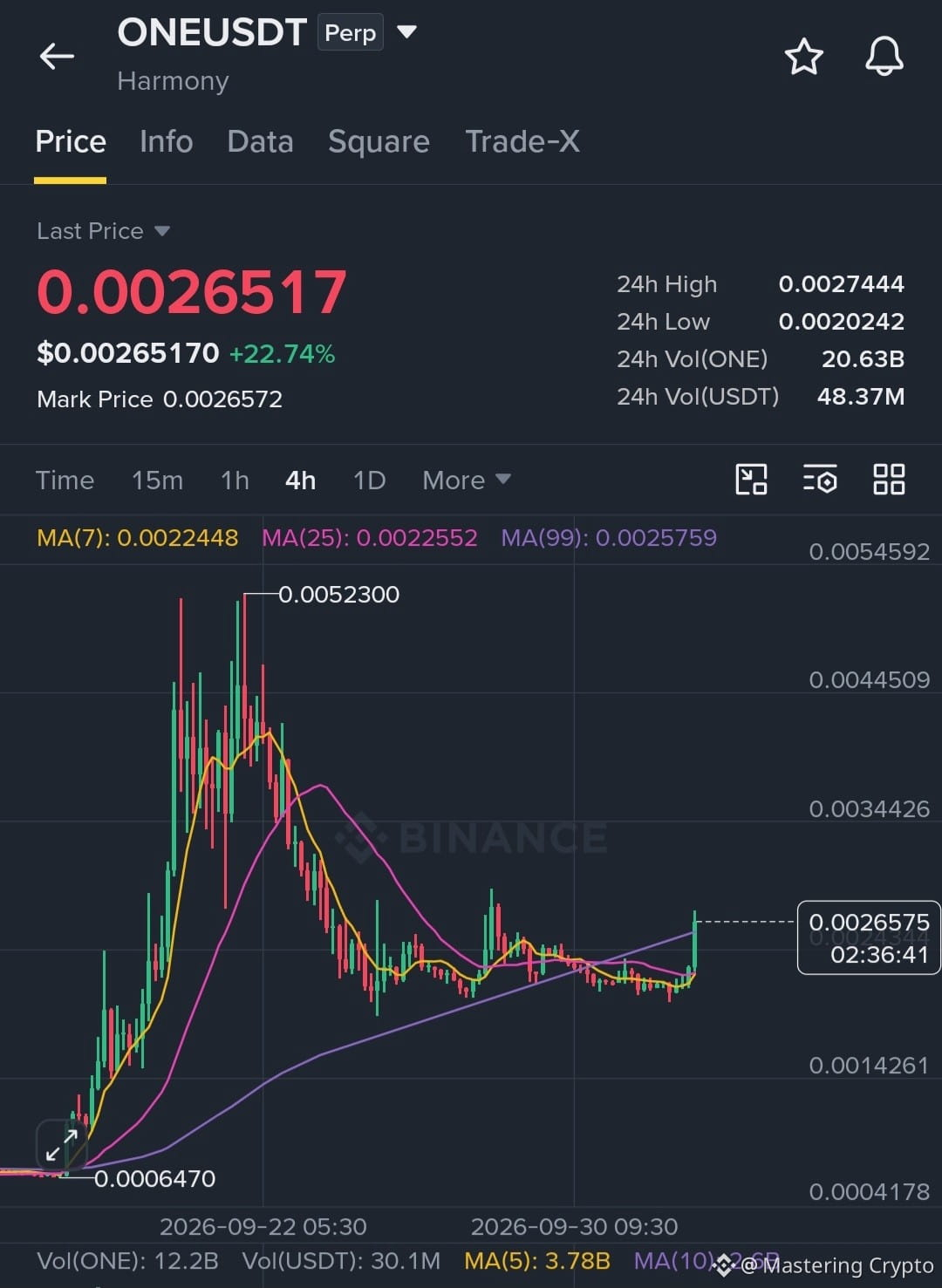
$ONE is setting up big bullish trap
Short $ONE
Entry: 0.00280 – 0.00340
SL: 0.0040
TP1: 0.00255
TP2: 0.00235
TP3: 0.00220
TP4: 0.00200
🫂 Join my Binance Group Chat and Let’s together win every trade.
Trade $ONE here 👇
{future}(ONEUSDT)
$ONE is setting up big bullish trap
Short $ONE
Entry: 0.00280 – 0.00340
SL: 0.0040
TP1: 0.00255
TP2: 0.00235
TP3: 0.00220
TP4: 0.00200
🫂 Join my Binance Group Chat and Let’s together win every trade.
Trade $ONE here 👇
Short $ONE
Entry: 0.00280 – 0.00340
SL: 0.0040
TP1: 0.00255
TP2: 0.00235
TP3: 0.00220
TP4: 0.00200
🫂 Join my Binance Group Chat and Let’s together win every trade.
Trade $ONE here 👇
3
859
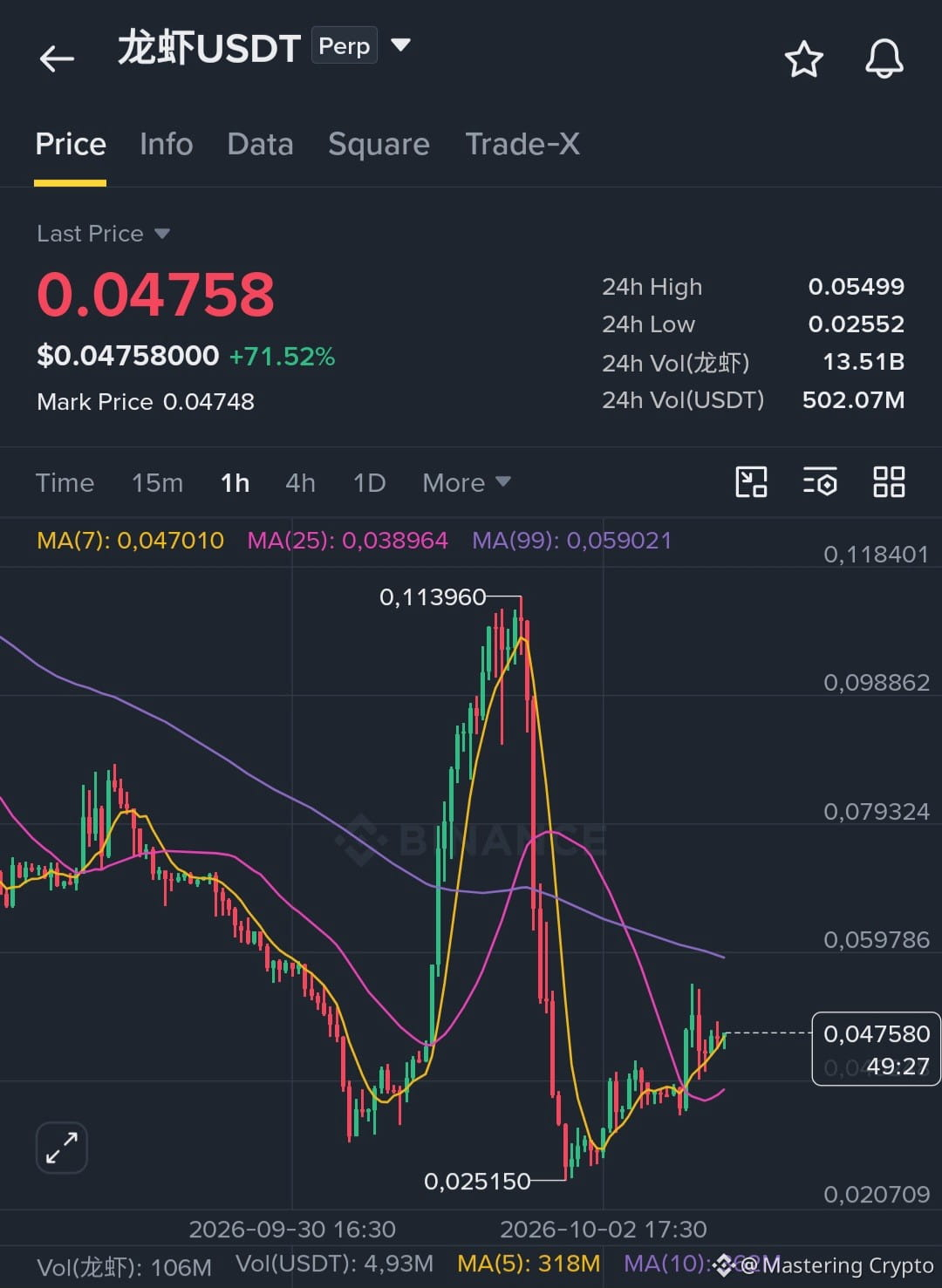
$龙虾 again facing heavy resistance
Short $龙虾
Entry: 0.050 – 0.060
SL: 0.080
TP1: 0.045
TP2: 0.040
TP3: 0.030
TP4: 0.020
🫂 Join my Binance Group Chat and Let’s together win every trade.
Trade $龙虾 here 👇
{future}(龙虾USDT)
$龙虾 again facing heavy resistance
Short $龙虾
Entry: 0.050 – 0.060
SL: 0.080
TP1: 0.045
TP2: 0.040
TP3: 0.030
TP4: 0.020
🫂 Join my Binance Group Chat and Let’s together win every trade.
Trade $龙虾 here 👇
Short $龙虾
Entry: 0.050 – 0.060
SL: 0.080
TP1: 0.045
TP2: 0.040
TP3: 0.030
TP4: 0.020
🫂 Join my Binance Group Chat and Let’s together win every trade.
Trade $龙虾 here 👇
1
3
770
See translation
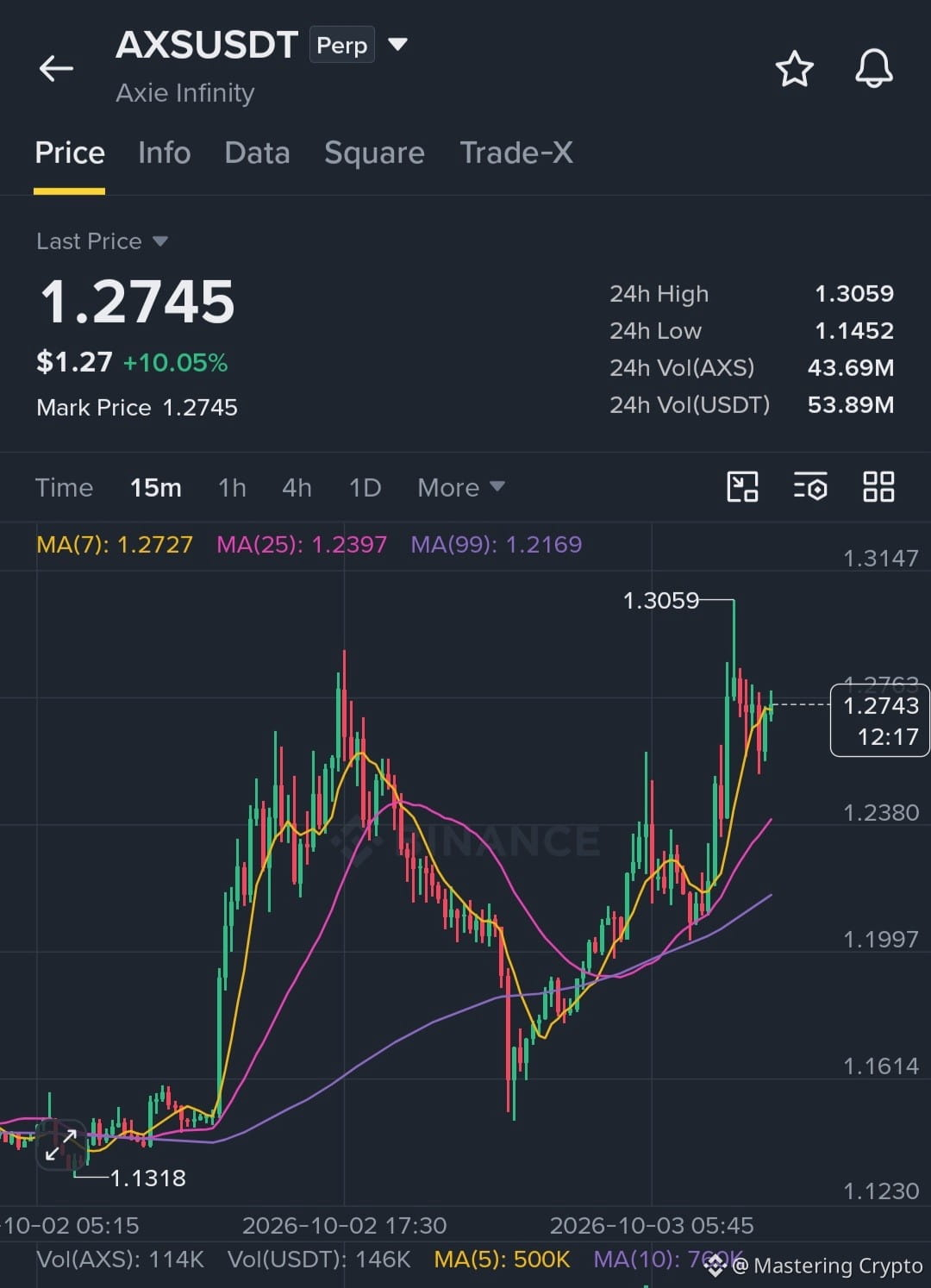
$AXS is cooking something big so Guy's I'm chasing personally long here
Long $AXS
Entry: 1.225 – 1.275
SL: 1.20
TP1: 1.3000
TP2: 1.3300
TP3: 1.3700
TP4: 1.4200
🫂 Join my Binance Group Chat and Let's together win every trade.
Trade $AXS here 👇
{future}(AXSUSDT)
$AXS is cooking something big so Guy's I'm chasing personally long here
Long $AXS
Entry: 1.225 – 1.275
SL: 1.20
TP1: 1.3000
TP2: 1.3300
TP3: 1.3700
TP4: 1.4200
🫂 Join my Binance Group Chat and Let's together win every trade.
Trade $AXS here 👇
Long $AXS
Entry: 1.225 – 1.275
SL: 1.20
TP1: 1.3000
TP2: 1.3300
TP3: 1.3700
TP4: 1.4200
🫂 Join my Binance Group Chat and Let's together win every trade.
Trade $AXS here 👇
3
2
831
See translation
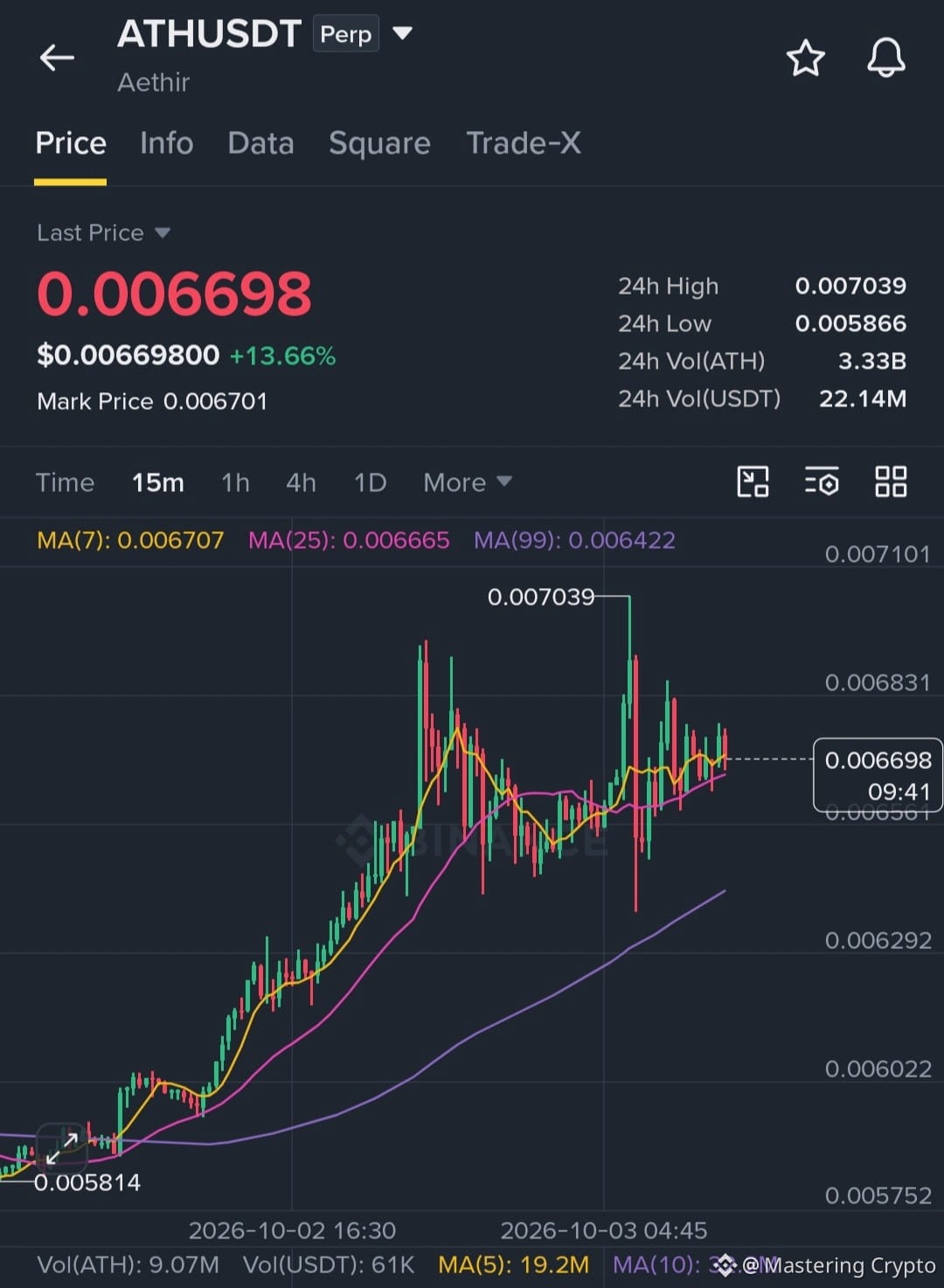
$ATH is slowly reloading the bullish game and this time is eyeing big levels
Long $ATH
Entry: 0.00630 – 0.00660
SL: 0.00590
TP1: 0.00695
TP2: 0.00715
TP3: 0.00740
TP4: 0.00780
🫂 Join my Binance Group Chat and Let's together win every trade.
Trade $ATH here 👇
{future}(ATHUSDT)
$ATH is slowly reloading the bullish game and this time is eyeing big levels
Long $ATH
Entry: 0.00630 – 0.00660
SL: 0.00590
TP1: 0.00695
TP2: 0.00715
TP3: 0.00740
TP4: 0.00780
🫂 Join my Binance Group Chat and Let's together win every trade.
Trade $ATH here 👇
Long $ATH
Entry: 0.00630 – 0.00660
SL: 0.00590
TP1: 0.00695
TP2: 0.00715
TP3: 0.00740
TP4: 0.00780
🫂 Join my Binance Group Chat and Let's together win every trade.
Trade $ATH here 👇
2
583
See translation
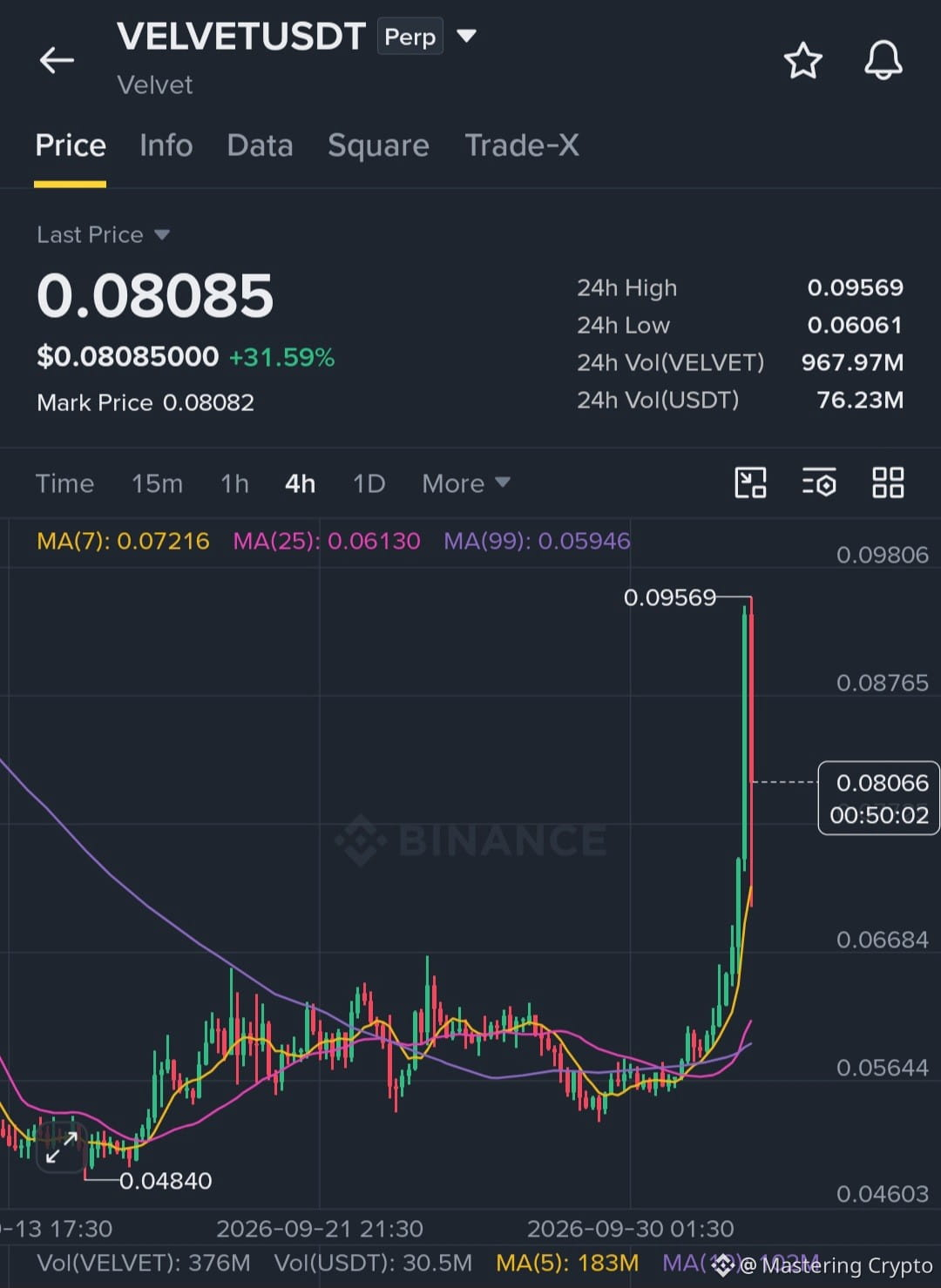
$VELVET is setting up big bullish trap
Short $VELVET
Entry: 0.085 – 0.10
SL: 0.130
TP1: 0.0760
TP2: 0.0710
TP3: 0.0660
TP4: 0.0615
🫂 Join my Binance Group Chat and Let’s together win every trade.
Trade $VELVET here 👇
{future}(VELVETUSDT)
$VELVET is setting up big bullish trap
Short $VELVET
Entry: 0.085 – 0.10
SL: 0.130
TP1: 0.0760
TP2: 0.0710
TP3: 0.0660
TP4: 0.0615
🫂 Join my Binance Group Chat and Let’s together win every trade.
Trade $VELVET here 👇
Short $VELVET
Entry: 0.085 – 0.10
SL: 0.130
TP1: 0.0760
TP2: 0.0710
TP3: 0.0660
TP4: 0.0615
🫂 Join my Binance Group Chat and Let’s together win every trade.
Trade $VELVET here 👇
4
4
959
·
--
Bearish
See translation
🚨 Hip Hip Hurray Guy's 🥳
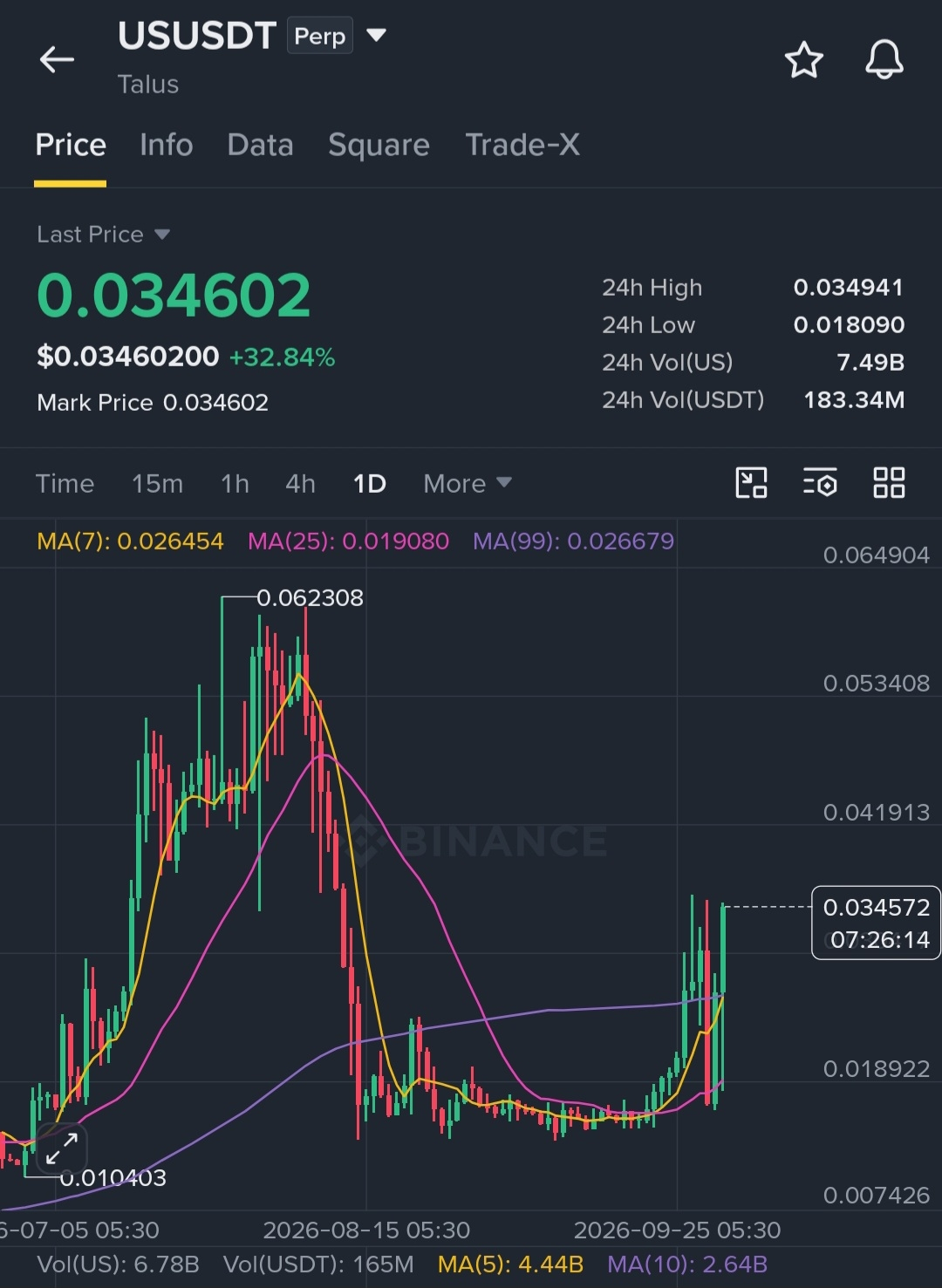
$US short trade hit all TPs successfully and still dumping hard 🤑
Imagine making an entry at 0.04 and taking full profit at 0.024 look how much profit would you have made 🤑
Everyone was giving you the long trade call only Mastering gave you the right short one and see at the results clearly🚀
My Binance Group chat members are growing daily with high quality trade setups like this 👌
Join my Binance group chat and enjoy daily trade setups to grow your capital with proper risk management 🫂
$US is still bearish and next update will be given exclusively in my Binance group chat so better chase now or regret later 💯
Still missing Join $US short trade and my Binance Chat Group here 👇
🚨 Hip Hip Hurray Guy's 🥳
$US short trade hit all TPs successfully and still dumping hard 🤑
Imagine making an entry at 0.04 and taking full profit at 0.024 look how much profit would you have made 🤑
Everyone was giving you the long trade call only Mastering gave you the right short one and see at the results clearly🚀
My Binance Group chat members are growing daily with high quality trade setups like this 👌
Join my Binance group chat and enjoy daily trade setups to grow your capital with proper risk management 🫂
$US is still bearish and next update will be given exclusively in my Binance group chat so better chase now or regret later 💯
Still missing Join $US short trade and my Binance Chat Group here 👇
$US short trade hit all TPs successfully and still dumping hard 🤑
Imagine making an entry at 0.04 and taking full profit at 0.024 look how much profit would you have made 🤑
Everyone was giving you the long trade call only Mastering gave you the right short one and see at the results clearly🚀
My Binance Group chat members are growing daily with high quality trade setups like this 👌
Join my Binance group chat and enjoy daily trade setups to grow your capital with proper risk management 🫂
$US is still bearish and next update will be given exclusively in my Binance group chat so better chase now or regret later 💯
Still missing Join $US short trade and my Binance Chat Group here 👇
Mastering Crypto
·
--
$US is setting up massive bullish trap
Short $US
Entry: 0.0365 – 0.0425
SL: 0.0475
TP1: 0.0315
TP2: 0.0285
TP3: 0.0265
TP4: 0.0230
🫂 Join my Binance Group Chat and Let's together win every trade.
Trade $US here 👇
Short $US
Entry: 0.0365 – 0.0425
SL: 0.0475
TP1: 0.0315
TP2: 0.0285
TP3: 0.0265
TP4: 0.0230
🫂 Join my Binance Group Chat and Let's together win every trade.
Trade $US here 👇
3
1.2k
See translation
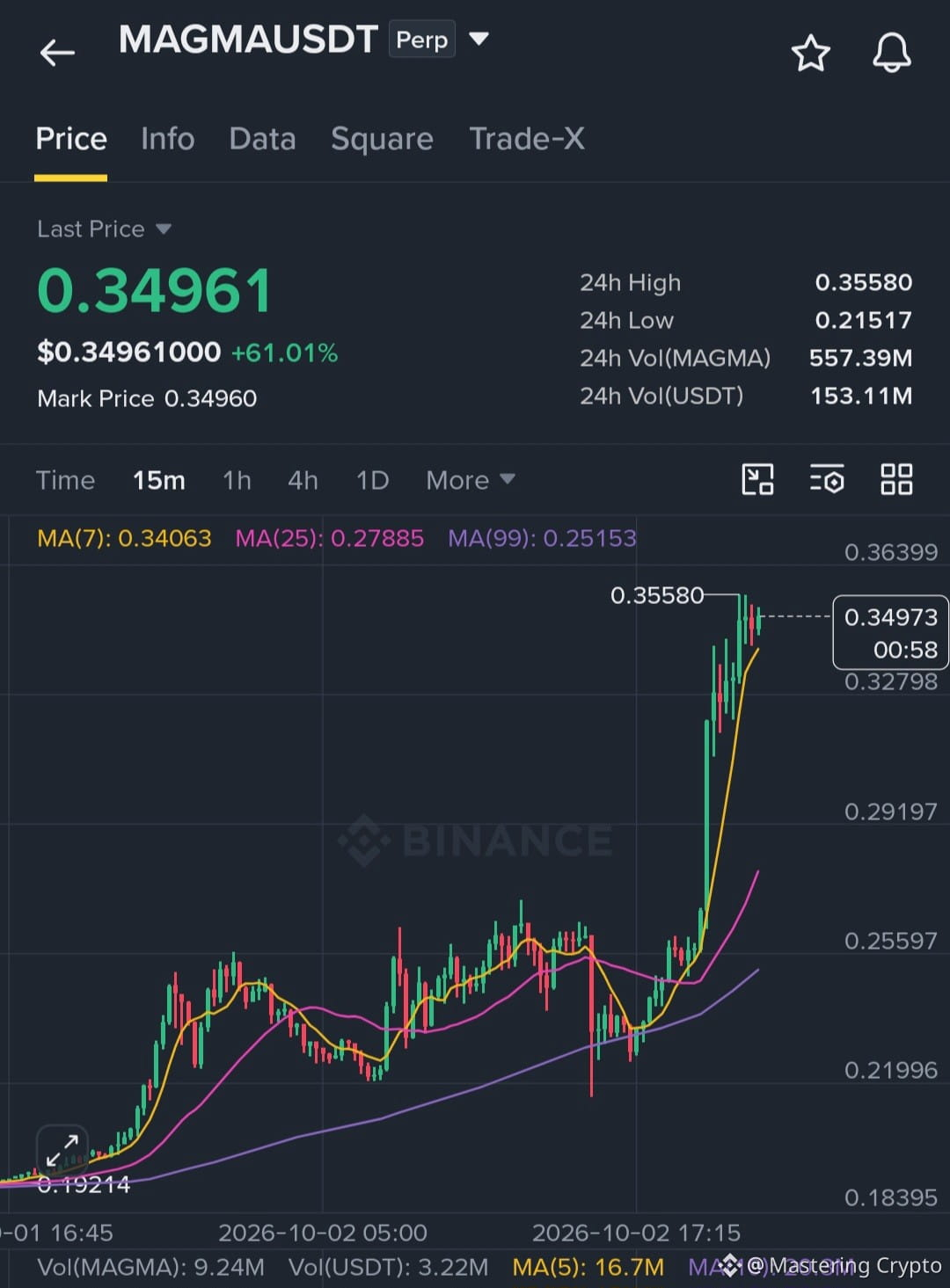
$MAGMA reaching overheated zone
Short $MAGMA
Entry: 0.375 – 0.425
SL: 0.485
TP1: 0.345
TP2: 0.320
TP3: 0.280
TP4: 0.260
🫂 Join my Binance Group Chat and Let’s together win every trade.
Trade $MAGMA here 👇
{future}(MAGMAUSDT)
$MAGMA reaching overheated zone
Short $MAGMA
Entry: 0.375 – 0.425
SL: 0.485
TP1: 0.345
TP2: 0.320
TP3: 0.280
TP4: 0.260
🫂 Join my Binance Group Chat and Let’s together win every trade.
Trade $MAGMA here 👇
Short $MAGMA
Entry: 0.375 – 0.425
SL: 0.485
TP1: 0.345
TP2: 0.320
TP3: 0.280
TP4: 0.260
🫂 Join my Binance Group Chat and Let’s together win every trade.
Trade $MAGMA here 👇
4
6
1.5k
See translation
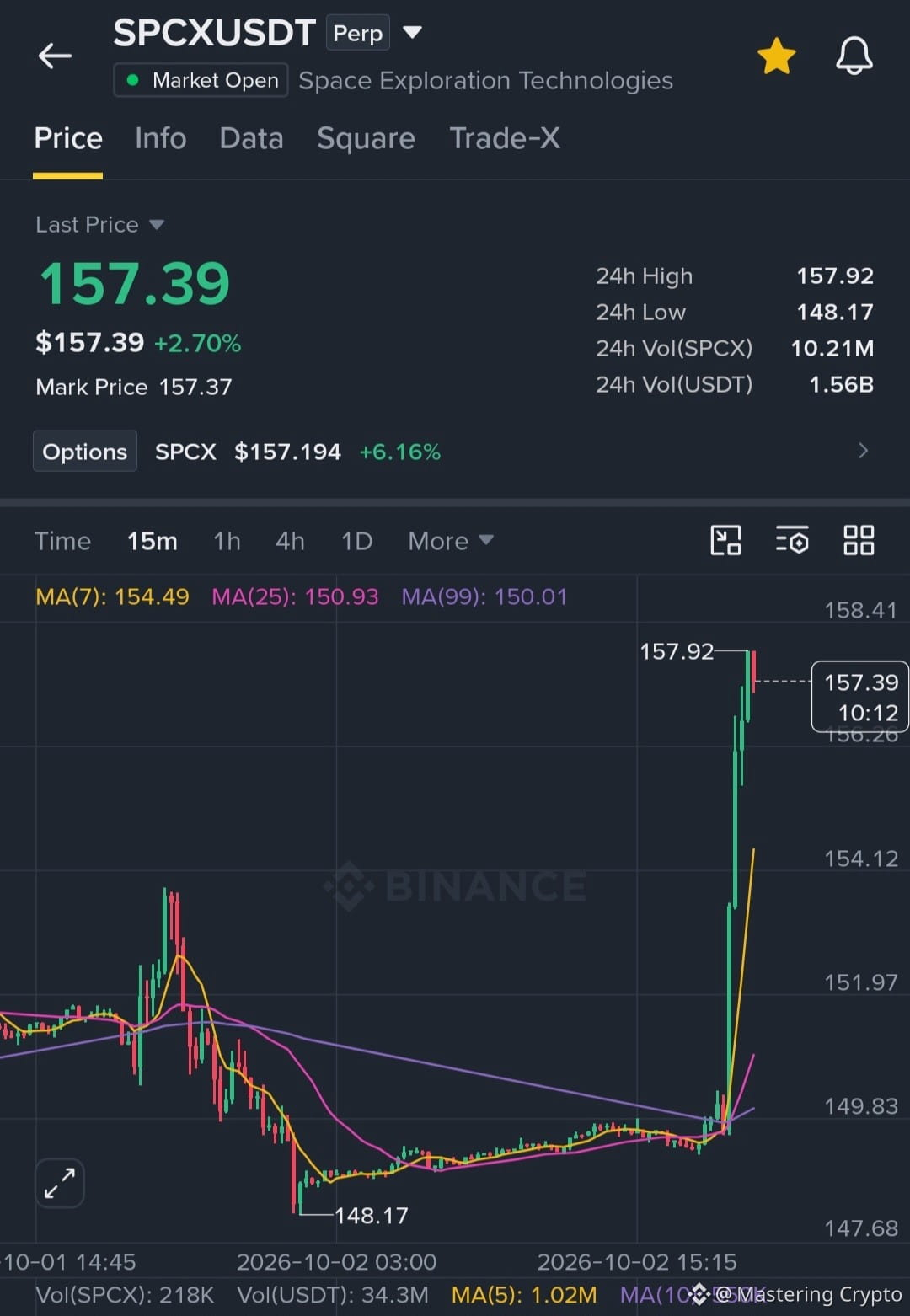
$SPCX non stop liquidity chase 🛸
Long $SPCX
Entry: 154.50 – 157.0
SL: 152.00
TP1: 159.50
TP2: 162.00
TP3: 165.00
TP4: 170.00
🫂 Join my Binance Group Chat and Let's together win every trade.
Trade $SPCX here 👇
{future}(SPCXUSDT)
$SPCX non stop liquidity chase 🛸
Long $SPCX
Entry: 154.50 – 157.0
SL: 152.00
TP1: 159.50
TP2: 162.00
TP3: 165.00
TP4: 170.00
🫂 Join my Binance Group Chat and Let's together win every trade.
Trade $SPCX here 👇
Long $SPCX
Entry: 154.50 – 157.0
SL: 152.00
TP1: 159.50
TP2: 162.00
TP3: 165.00
TP4: 170.00
🫂 Join my Binance Group Chat and Let's together win every trade.
Trade $SPCX here 👇
2
1
4
1.1k
See translation
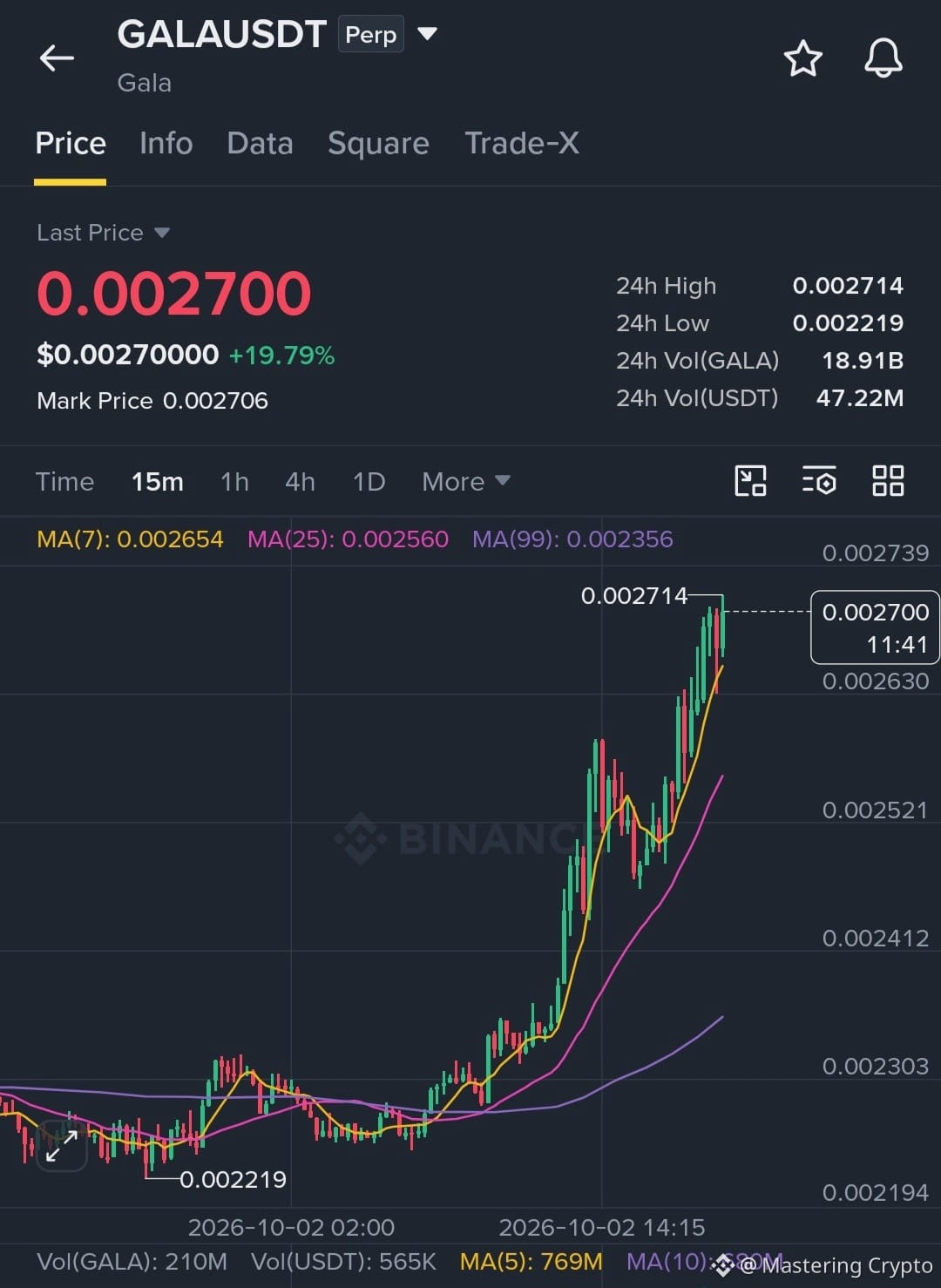
$GALA is cooking something big Guy’s so let's chase big long here
Long $GALA
Entry: 0.00255 – 0.00270
SL: 0.00245
TP1: 0.00280
TP2: 0.00290
TP3: 0.00305
TP4: 0.00320
🫂 Join my Binance Group Chat and Let's together win every trade.
Trade $GALA here 👇
{future}(GALAUSDT)
$GALA is cooking something big Guy’s so let's chase big long here
Long $GALA
Entry: 0.00255 – 0.00270
SL: 0.00245
TP1: 0.00280
TP2: 0.00290
TP3: 0.00305
TP4: 0.00320
🫂 Join my Binance Group Chat and Let's together win every trade.
Trade $GALA here 👇
Long $GALA
Entry: 0.00255 – 0.00270
SL: 0.00245
TP1: 0.00280
TP2: 0.00290
TP3: 0.00305
TP4: 0.00320
🫂 Join my Binance Group Chat and Let's together win every trade.
Trade $GALA here 👇
1
4
717
See translation
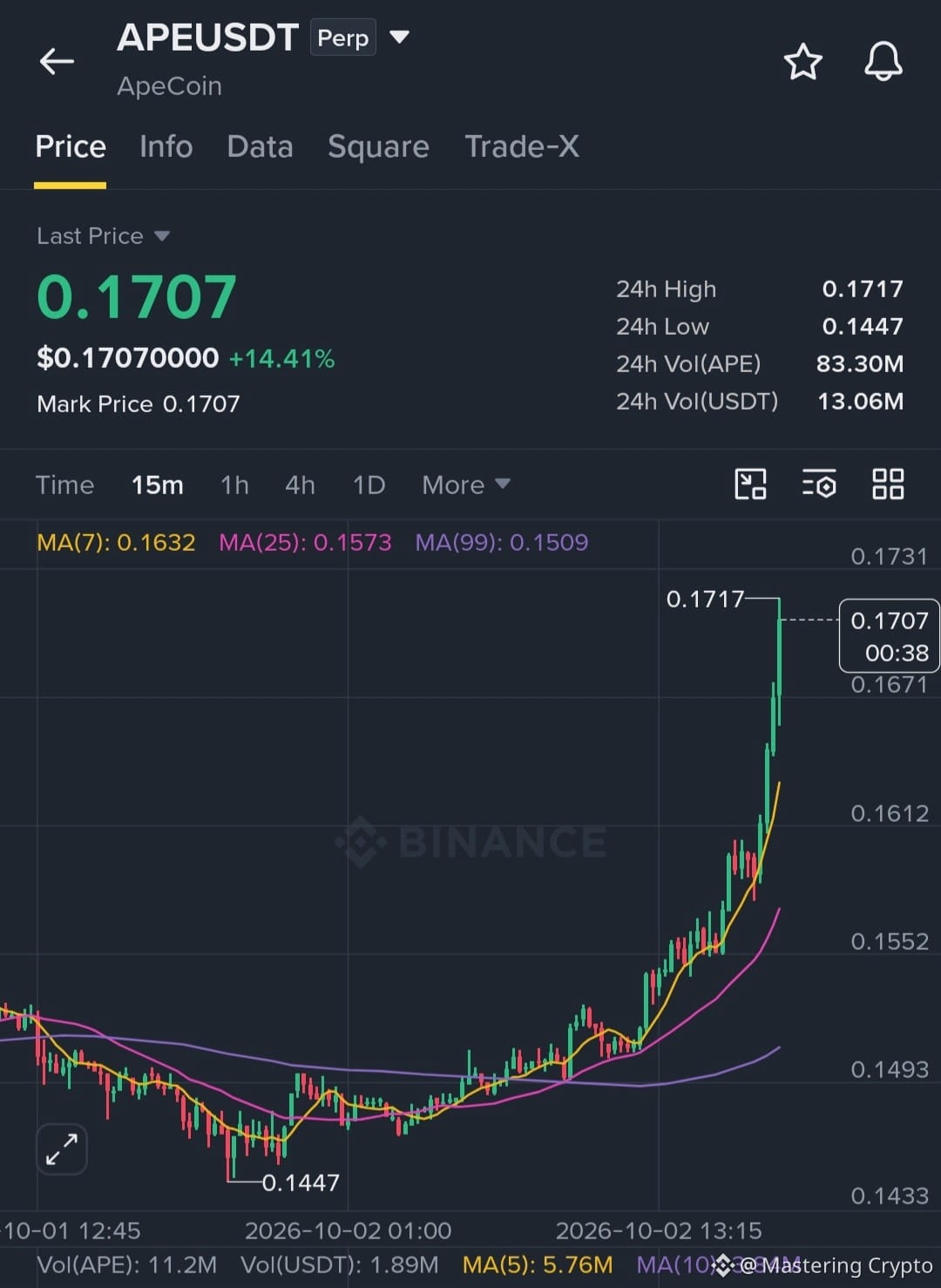
$APE bulls are getting totally out of control
Long $APE
Entry: 0.156 – 0.165
SL: 0.150
TP1: 0.175
TP2: 0.183
TP3: 0.192
TP4: 0.210
🫂 Join my Binance Group Chat and Let's together win every trade.
Trade $APE here 👇
{future}(APEUSDT)
$APE bulls are getting totally out of control
Long $APE
Entry: 0.156 – 0.165
SL: 0.150
TP1: 0.175
TP2: 0.183
TP3: 0.192
TP4: 0.210
🫂 Join my Binance Group Chat and Let's together win every trade.
Trade $APE here 👇
Long $APE
Entry: 0.156 – 0.165
SL: 0.150
TP1: 0.175
TP2: 0.183
TP3: 0.192
TP4: 0.210
🫂 Join my Binance Group Chat and Let's together win every trade.
Trade $APE here 👇
1
4
557
See translation
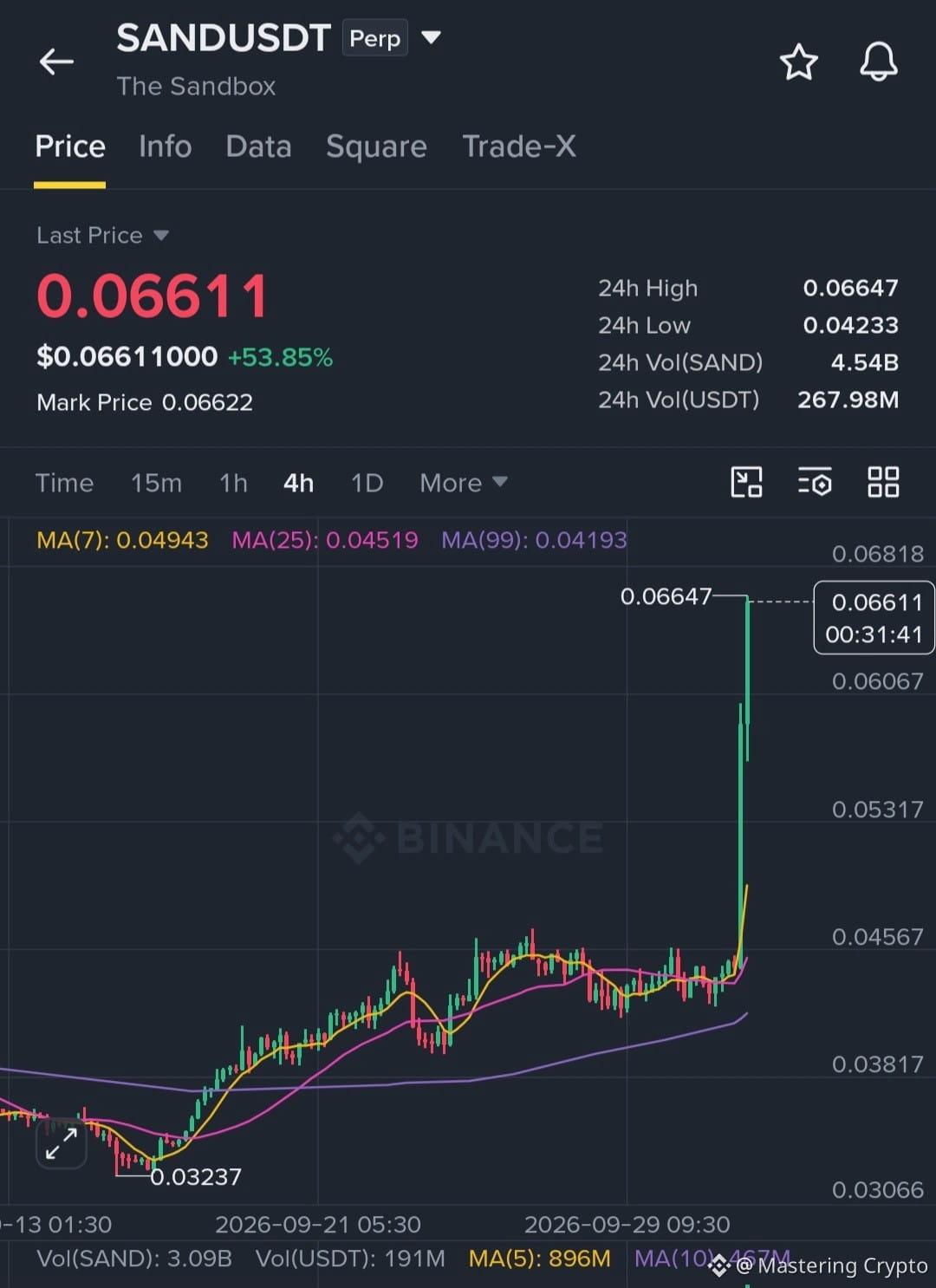
$SAND is facing massive resistance from bears
Short $SAND
Entry: 0.068 – 0.078
SL: 0.088
TP1: 0.0610
TP2: 0.0570
TP3: 0.0530
TP4: 0.0495
🫂 Join my Binance Group Chat and Let’s together win every trade.
Trade $SAND here 👇
{future}(SANDUSDT)
$SAND is facing massive resistance from bears
Short $SAND
Entry: 0.068 – 0.078
SL: 0.088
TP1: 0.0610
TP2: 0.0570
TP3: 0.0530
TP4: 0.0495
🫂 Join my Binance Group Chat and Let’s together win every trade.
Trade $SAND here 👇
Short $SAND
Entry: 0.068 – 0.078
SL: 0.088
TP1: 0.0610
TP2: 0.0570
TP3: 0.0530
TP4: 0.0495
🫂 Join my Binance Group Chat and Let’s together win every trade.
Trade $SAND here 👇
3
1.1k
See translation
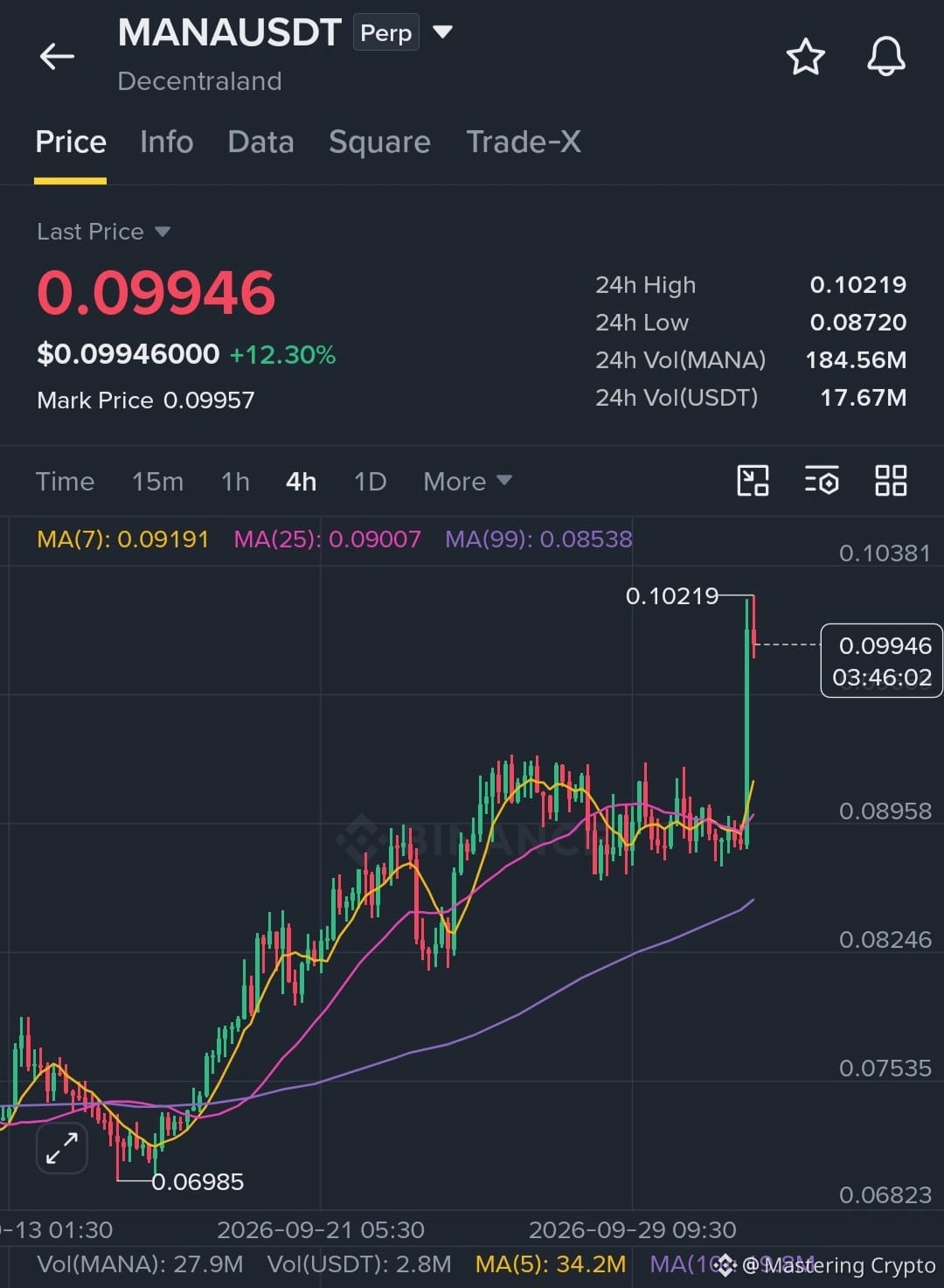
$MANA is getting into the distribution
Short $MANA
Entry: 0.108 – 0.118
SL: 0.135
TP1: 0.0970
TP2: 0.0920
TP3: 0.0850
TP4: 0.0780
🫂 Join my Binance Group Chat and Let's together win every trade.
Trade $MANA here 👇
{future}(MANAUSDT)
$MANA is getting into the distribution
Short $MANA
Entry: 0.108 – 0.118
SL: 0.135
TP1: 0.0970
TP2: 0.0920
TP3: 0.0850
TP4: 0.0780
🫂 Join my Binance Group Chat and Let's together win every trade.
Trade $MANA here 👇
Short $MANA
Entry: 0.108 – 0.118
SL: 0.135
TP1: 0.0970
TP2: 0.0920
TP3: 0.0850
TP4: 0.0780
🫂 Join my Binance Group Chat and Let's together win every trade.
Trade $MANA here 👇
2
2
767
See translation
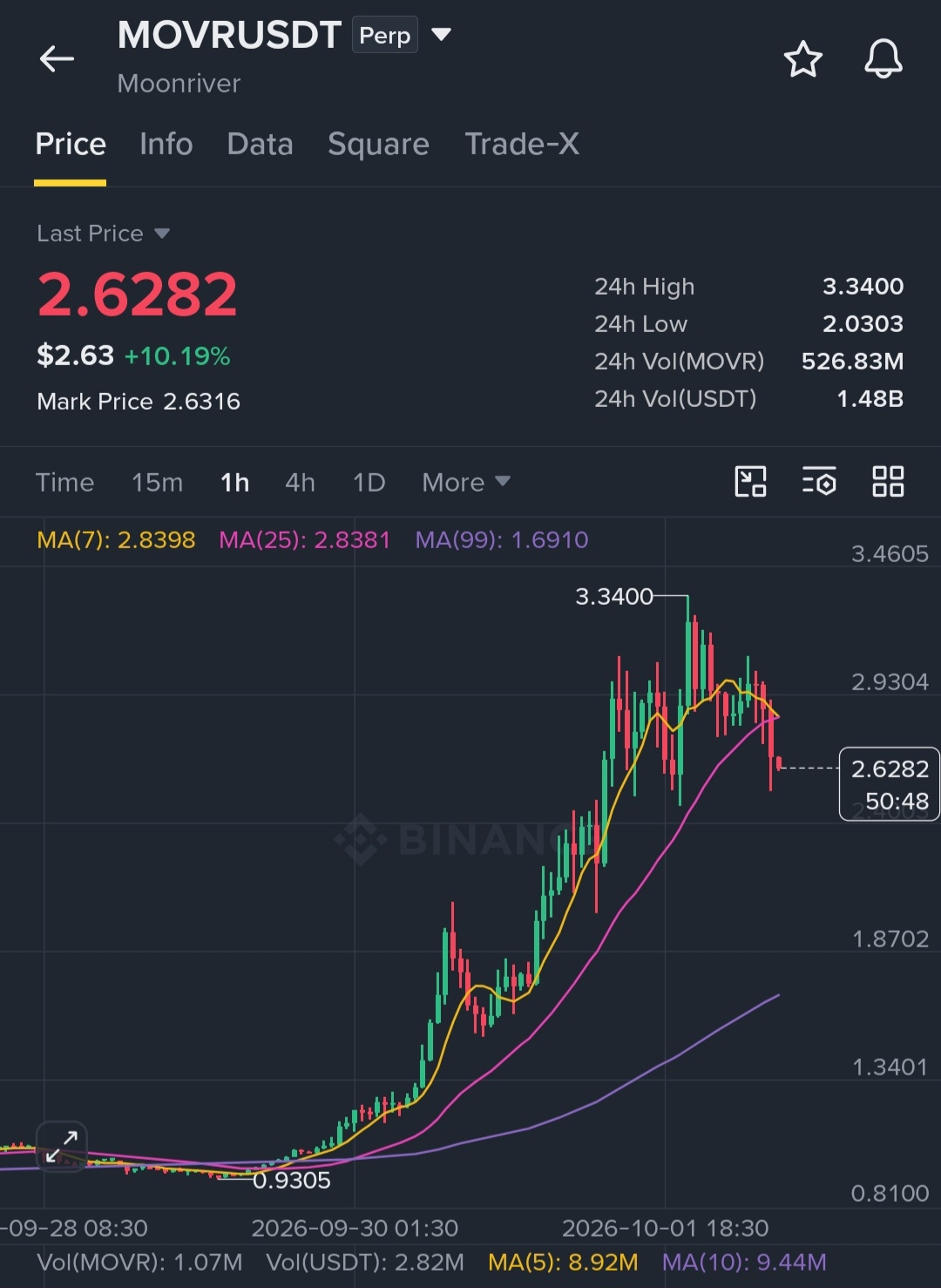
Guy's Go Chase Short on $MOVR now before it dumps hard 🤑
Full $MOVR short trade setup here 👇
Guy's Go Chase Short on $MOVR now before it dumps hard 🤑
Full $MOVR short trade setup here 👇
Full $MOVR short trade setup here 👇
Mastering Crypto
·
--
$MOVR slowly losing it's fierce form
Short $MOVR
Entry: 2.70 – 3.1
SL: 3.5
TP1: 2.50
TP2: 2.30
TP3: 2.05
TP4: 1.85
🫂 Join my Binance Group Chat and Let's together win every trade.
Trade $MOVR here 👇
Short $MOVR
Entry: 2.70 – 3.1
SL: 3.5
TP1: 2.50
TP2: 2.30
TP3: 2.05
TP4: 1.85
🫂 Join my Binance Group Chat and Let's together win every trade.
Trade $MOVR here 👇
3
4
2.6k
Log in to explore more content
Join global crypto users on Binance Square
⚡️ Get latest and useful information about crypto.
💬 Trusted by the world’s largest crypto exchange.
👍 Discover real insights from verified creators.
Email / Phone number
Trending Topics
ZcashETFPostsFirstWeeklyOutflow$93.6M
35,557 views
101 Discussing
#ZcashETFPostsFirstWeeklyOutflow$93.6M
🚨🚨🚨🚨🚨🚨🚨🚨🚨🚨🚨🚨🚨🚨✅ 🚨 ZCASH ETF FLOWS TURN NEGATIVE FOR THE FIRST TIME! 📉
$ZEC is facing a notable shift in institutional fund flows, with Zcash investment products recording their first weekly net outflow since launching in August.
According to fund-flow data, around $93.6M was withdrawn from Zcash products during the latest week, while ZEC price action also cooled significantly.
📊 WHAT HAPPENED?
• Weekly Zcash ETF outflow: $93.6M
• September 30 daily outflow: $30.25M
• ZCSH previously attracted around $98.2M in one week
• ZEC is trading near $1,300
• Recent high: around $1,690
• Weekly decline: roughly 17%+
🔍 LEVELS TO WATCH
🟢 Support: $1,280–$1,300
🔴 Resistance: $1,450–$1,500
The key question now is whether the $1,300 area can hold and attract fresh buyers.
Institutional flows will also be important. A return of consistent positive inflows could signal renewed confidence, while continued outflows may keep pressure on $ZEC .
👀 Is this simply profit-taking after ZEC’s huge rally, or could we see another deeper pullback before buyers return?
Share your view below. 👇
#Zcash #ZEC #ZcashETF #Crypto
#analysis
owhggwiohsjowve
·0 Likes
·164 views
GreekPoliceBustCryptoScamRingArrest17
79,876 views
698 Discussing
BitcoinRejectedAt$87K
123,109 views
161 Discussing