Last night, someone tossed out this line: Thailand has opened the door for tourists to pay by scanning a QR code with crypto. But when you put the rules for both directions side by side, it’s clear that the same door has very different gates for those coming in and those going out. $BTC
For people coming in from abroad, converting stablecoins to baht costs 1.5% upfront, with tax included in the fee; the wallet limit is 100,000 baht. Any money left over can’t be withdrawn as cash. It can only be transferred back to the original wallet for the same amount, and you have to close the account first. Deposits are accepted only in two US dollar stablecoins on a particular blockchain. Pick the wrong chain and even recovering your funds can be difficult. Money can get in, but it can’t get out or be used freely. $CL
Thais spending money abroad have a different route. They tried it once this April: Thai tourists in Singapore paid by scanning local QR codes, with settlement handled on-chain using a Singapore dollar stablecoin. The scheme was also under the same central-bank sandbox. Stablecoins paved the way in both cases, but one route is tightly sealed while the other is already up and running. $ETH
No one can stop the drive to save money. In 2025, stablecoin flows in Asia reached $12.5 trillion, up 67% from the previous year. It’s estimated that around 43% of cross-border payments by Southeast Asian businesses already use this route. Traditional cross-border remittances take an average cut of 8.3%; switch to direct on-chain transfers and fees can fall below 0.1%. The savings are real money. Regulators can only choose which gate to let it through.
Just recently, Thailand’s Supreme Court classified BTC. In the Koh Samui case, 2.480801 coins, worth around 1.878 million baht at the time, were deemed property by the court—not currency. Property can be held and recovered, but it can’t be used directly to settle a bill. Seen this way, the whole setup makes sense: hold it as an asset, but when it’s time to spend, first convert it to baht.
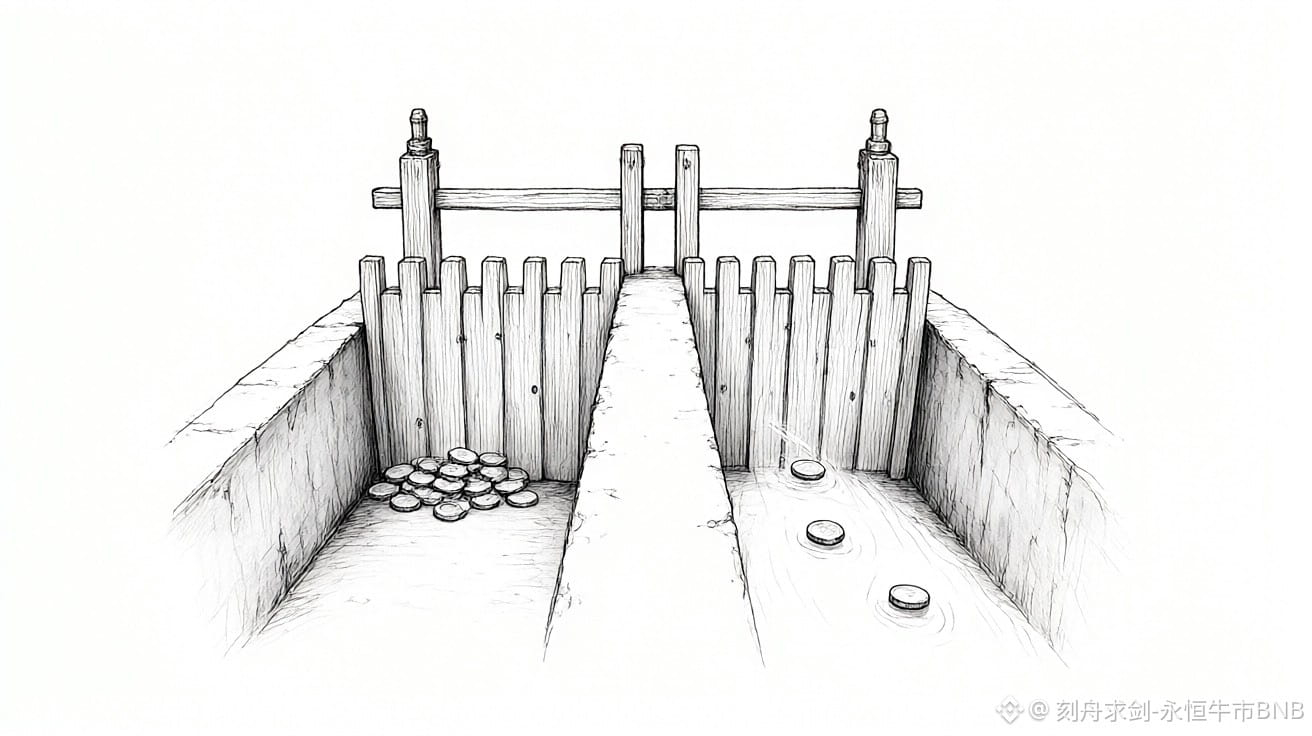
The entrance is sealed shut; the exit is only half open. The cheaper payment channel has been reserved for locals.
Personal opinion only; not investment advice. You are responsible for any gains or losses.
#泰国推出WORPT支持游客加密货币兑泰铢消费