

橙子Joyce
 Square Verified+
十年以上专注美股市场实战投资策略与资产管理|十年以上投资BTC.ETH.BNB.|每日分享美股实盘与宏观盘面解盘|追踪美联储货币政策解读|前瞻·宏观数据点评·加密市场的联动分析|贵金属投资策略黄金.白银.铜|中长期价值投资者|直播北京时间晚上21:00-23:30|推特X:@Joyce88AI|✨星河社区联合创始人✨

BNB Holder
Frequent Trader
8.9 Years
1.8K+ Following
42.2K+ Followers
48.9K+ Liked
Posts
All
Quotes
Videos
Live
PINNED

NVDAUS-0.94%
GOOGLUS-1.51%
SPCXUS-1.64%
橙子Joyce
·
--
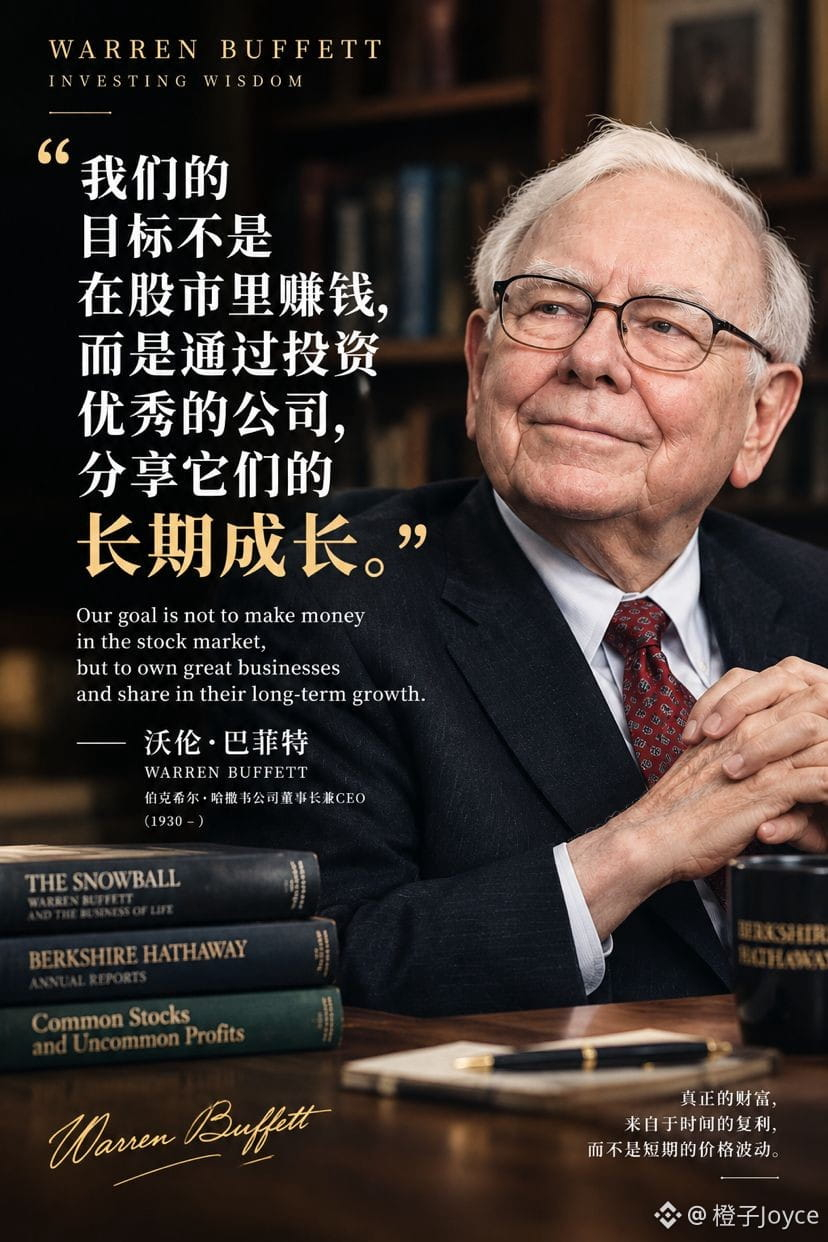
BullishBig market swings are actually healthy! U.S. stocks, interest rates, and AI: The best way to prevent irrational exuberance is to let the market suffer setbacks from time to time
🔥 The market’s “cold shower” is actually the best reality check
> Key takeaway: The best way to prevent irrational exuberance is to let the market suffer setbacks from time to time. What’s truly dangerous has never been volatility, but everyone being certain that “you can’t fail no matter what you do.”
>
Recent swings in U.S. stocks, tech stocks, and the AI sector have sparked widespread discussion. As investors, we need to understand a few key principles:
* Volatility is a healthy preservative
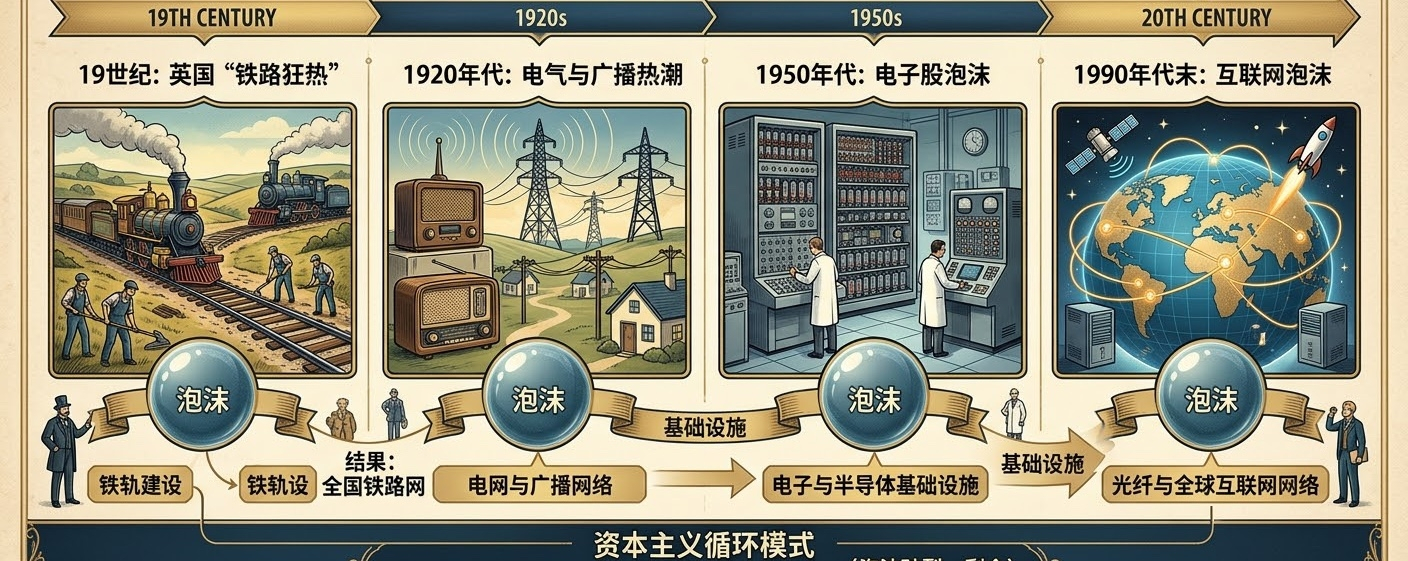
Markets always tend to amplify everything. From the early “SaaS apocalypse” to the recent tech stock correction, setbacks can effectively deflate bubbles fueled by excessive optimism. The most extreme irrational exuberance often stems from the blind confidence that “you can make money buying anything with your eyes closed.”
* AI’s next stop: the power bottleneck
We are currently in the early stages of the AI business cycle (roughly equivalent to the third inning of a baseball game), and demand for infrastructure remains strong. But the ultimate questions remain unanswered: Where will the real profits come from? Who will have the last laugh? In addition, data centers will need to grow by three to ten times in the future, making power supply the real bottleneck.
* Macroeconomic interest rates and inflation expectations
Inflationary pressures remain, and interest rates are unlikely to fall much below current levels. The Federal Reserve’s job is not to protect anyone from making mistakes. In fact, tighter macroeconomic policy objectively helps cool the market and bring it back to rationality.
💡 Investment takeaway:
What often gets you into trouble isn’t what you don’t know, but what you “are sure you know, but are actually completely wrong about.” In a volatile market, staying humble and thinking independently will help you go further.
#币安美股投资策略与实盘交易
$SPCX.US
$GOOGL.US
$NVDA.US

See translation
橙子Joyce
·
--
BullishBig market swings are actually healthy! U.S. stocks, interest rates, and AI: The best way to prevent irrational exuberance is to let the market suffer setbacks from time to time
🔥 The market’s “cold shower” is actually the best reality check
> Key takeaway: The best way to prevent irrational exuberance is to let the market suffer setbacks from time to time. What’s truly dangerous has never been volatility, but everyone being certain that “you can’t fail no matter what you do.”
>
Recent swings in U.S. stocks, tech stocks, and the AI sector have sparked widespread discussion. As investors, we need to understand a few key principles:
* Volatility is a healthy preservative
Markets always tend to amplify everything. From the early “SaaS apocalypse” to the recent tech stock correction, setbacks can effectively deflate bubbles fueled by excessive optimism. The most extreme irrational exuberance often stems from the blind confidence that “you can make money buying anything with your eyes closed.”
* AI’s next stop: the power bottleneck
We are currently in the early stages of the AI business cycle (roughly equivalent to the third inning of a baseball game), and demand for infrastructure remains strong. But the ultimate questions remain unanswered: Where will the real profits come from? Who will have the last laugh? In addition, data centers will need to grow by three to ten times in the future, making power supply the real bottleneck.
* Macroeconomic interest rates and inflation expectations
Inflationary pressures remain, and interest rates are unlikely to fall much below current levels. The Federal Reserve’s job is not to protect anyone from making mistakes. In fact, tighter macroeconomic policy objectively helps cool the market and bring it back to rationality.
💡 Investment takeaway:
What often gets you into trouble isn’t what you don’t know, but what you “are sure you know, but are actually completely wrong about.” In a volatile market, staying humble and thinking independently will help you go further.
#币安美股投资策略与实盘交易
$SPCX.US
$GOOGL.US
$NVDA.US
🔥 The market’s “cold shower” is actually the best reality check
> Key takeaway: The best way to prevent irrational exuberance is to let the market suffer setbacks from time to time. What’s truly dangerous has never been volatility, but everyone being certain that “you can’t fail no matter what you do.”
>
Recent swings in U.S. stocks, tech stocks, and the AI sector have sparked widespread discussion. As investors, we need to understand a few key principles:
* Volatility is a healthy preservative
Markets always tend to amplify everything. From the early “SaaS apocalypse” to the recent tech stock correction, setbacks can effectively deflate bubbles fueled by excessive optimism. The most extreme irrational exuberance often stems from the blind confidence that “you can make money buying anything with your eyes closed.”
* AI’s next stop: the power bottleneck
We are currently in the early stages of the AI business cycle (roughly equivalent to the third inning of a baseball game), and demand for infrastructure remains strong. But the ultimate questions remain unanswered: Where will the real profits come from? Who will have the last laugh? In addition, data centers will need to grow by three to ten times in the future, making power supply the real bottleneck.
* Macroeconomic interest rates and inflation expectations
Inflationary pressures remain, and interest rates are unlikely to fall much below current levels. The Federal Reserve’s job is not to protect anyone from making mistakes. In fact, tighter macroeconomic policy objectively helps cool the market and bring it back to rationality.
💡 Investment takeaway:
What often gets you into trouble isn’t what you don’t know, but what you “are sure you know, but are actually completely wrong about.” In a volatile market, staying humble and thinking independently will help you go further.
#币安美股投资策略与实盘交易
$SPCX.US
$GOOGL.US
$NVDA.US
See translation
橙子Joyce
·
--
BullishBig market swings are actually healthy! U.S. stocks, interest rates, and AI: The best way to prevent irrational exuberance is to let the market suffer setbacks from time to time
🔥 The market’s “cold shower” is actually the best reality check
> Key takeaway: The best way to prevent irrational exuberance is to let the market suffer setbacks from time to time. What’s truly dangerous has never been volatility, but everyone being certain that “you can’t fail no matter what you do.”
>
Recent swings in U.S. stocks, tech stocks, and the AI sector have sparked widespread discussion. As investors, we need to understand a few key principles:
* Volatility is a healthy preservative
Markets always tend to amplify everything. From the early “SaaS apocalypse” to the recent tech stock correction, setbacks can effectively deflate bubbles fueled by excessive optimism. The most extreme irrational exuberance often stems from the blind confidence that “you can make money buying anything with your eyes closed.”
* AI’s next stop: the power bottleneck
We are currently in the early stages of the AI business cycle (roughly equivalent to the third inning of a baseball game), and demand for infrastructure remains strong. But the ultimate questions remain unanswered: Where will the real profits come from? Who will have the last laugh? In addition, data centers will need to grow by three to ten times in the future, making power supply the real bottleneck.
* Macroeconomic interest rates and inflation expectations
Inflationary pressures remain, and interest rates are unlikely to fall much below current levels. The Federal Reserve’s job is not to protect anyone from making mistakes. In fact, tighter macroeconomic policy objectively helps cool the market and bring it back to rationality.
💡 Investment takeaway:
What often gets you into trouble isn’t what you don’t know, but what you “are sure you know, but are actually completely wrong about.” In a volatile market, staying humble and thinking independently will help you go further.
#币安美股投资策略与实盘交易
$SPCX.US
$GOOGL.US
$NVDA.US
🔥 The market’s “cold shower” is actually the best reality check
> Key takeaway: The best way to prevent irrational exuberance is to let the market suffer setbacks from time to time. What’s truly dangerous has never been volatility, but everyone being certain that “you can’t fail no matter what you do.”
>
Recent swings in U.S. stocks, tech stocks, and the AI sector have sparked widespread discussion. As investors, we need to understand a few key principles:
* Volatility is a healthy preservative
Markets always tend to amplify everything. From the early “SaaS apocalypse” to the recent tech stock correction, setbacks can effectively deflate bubbles fueled by excessive optimism. The most extreme irrational exuberance often stems from the blind confidence that “you can make money buying anything with your eyes closed.”
* AI’s next stop: the power bottleneck
We are currently in the early stages of the AI business cycle (roughly equivalent to the third inning of a baseball game), and demand for infrastructure remains strong. But the ultimate questions remain unanswered: Where will the real profits come from? Who will have the last laugh? In addition, data centers will need to grow by three to ten times in the future, making power supply the real bottleneck.
* Macroeconomic interest rates and inflation expectations
Inflationary pressures remain, and interest rates are unlikely to fall much below current levels. The Federal Reserve’s job is not to protect anyone from making mistakes. In fact, tighter macroeconomic policy objectively helps cool the market and bring it back to rationality.
💡 Investment takeaway:
What often gets you into trouble isn’t what you don’t know, but what you “are sure you know, but are actually completely wrong about.” In a volatile market, staying humble and thinking independently will help you go further.
#币安美股投资策略与实盘交易
$SPCX.US
$GOOGL.US
$NVDA.US
Verified

SPCXUS-1.64%



NVDAUS-0.94%
SPCXUS-1.64%
TSMUS-1.77%


AMZNUS-1.35%
NVDAUS-0.94%
SPCXUS-1.64%
·
--
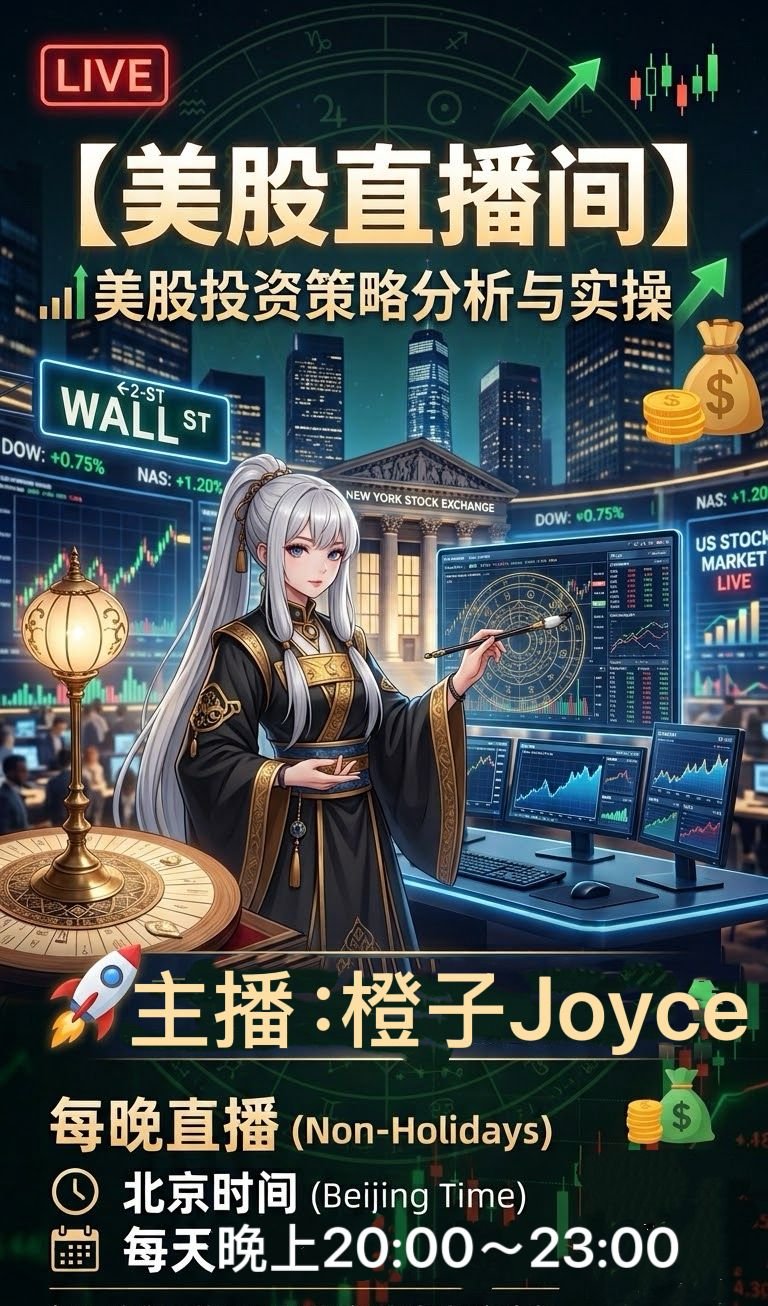
🎙️ #Building Binance Square and the BNB ecosystem together, connecting the future, empowering diversity, and building an interconnected world! Investment strategy analysis and live trading for U.S. stocks on Binance
End
03 h 20 m 51 s
2.6k
BNB
Holding
-9.14
5
Log in to explore more content