Instant takeaway: Perseverance discovered at Jezero’s “Margin Unit” at least three rounds of water–rock interactions on early Mars—not just shoreline sediments, and not a straightforward “life found” claim.
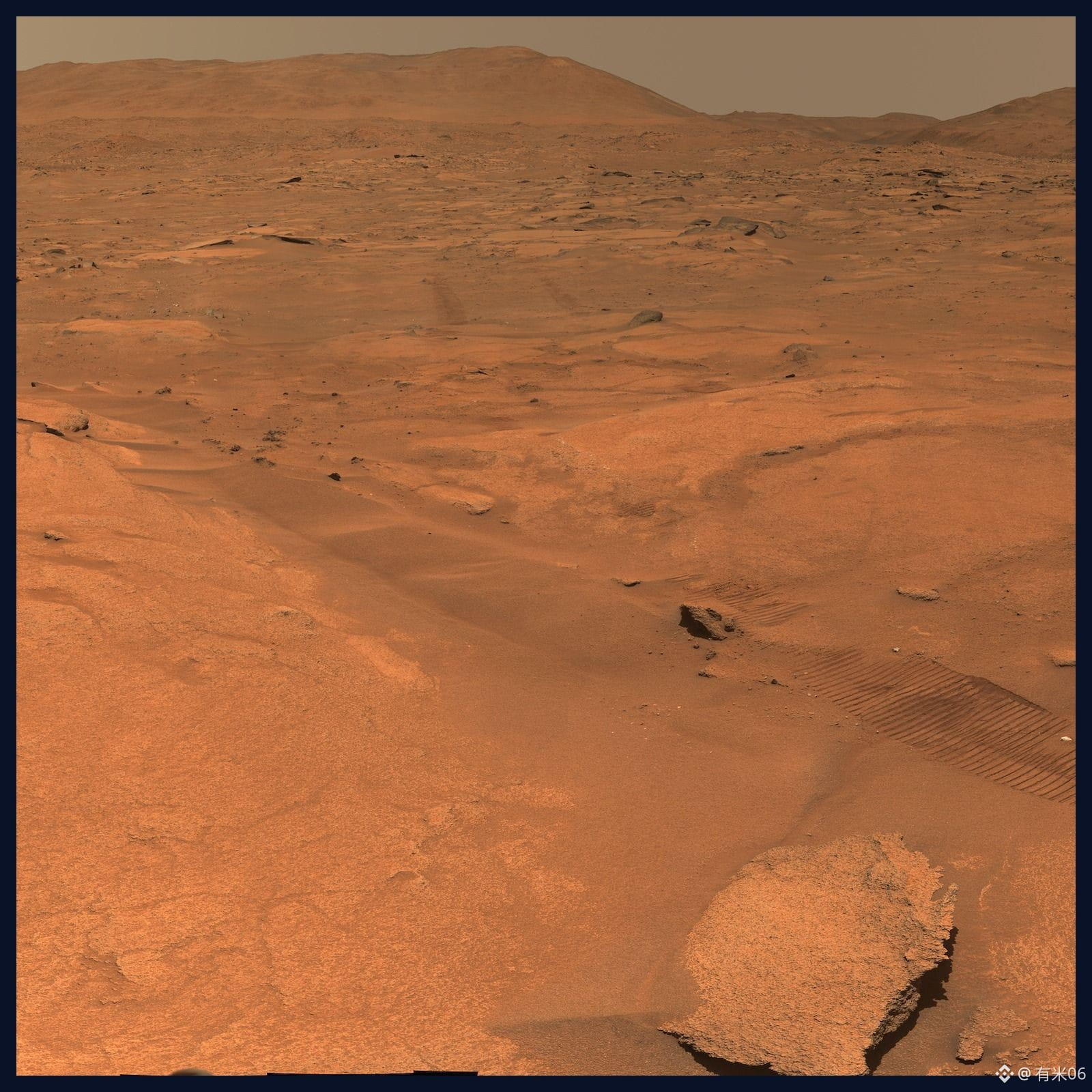
According to NASA (2026-09-21): From orbit, this area looks like an ancient lakeshore, with strong carbonate signatures; but on site it is mainly olivine-bearing igneous rock that cooled slowly. After SuperCam scanned an elevation difference of about 265 meters, the rocks reveal at least three episodes of encountering water. First, slightly neutral, CO₂-rich groundwater precipitated carbonate ridges in the fractures. Next, more acidic fluids (possibly ancient lake water or evolving groundwater) further transported the carbonates and left more silica below the waterline. Finally, a hotter round of subsurface hydrothermal water deposited calcium sulfate veins containing fluorite.
Independent review: The same-day Communications Earth & Environment paper (Bedford et al., DOI 10.1038/s43247-026-03997-9) matches the analysis framework—olivine on the higher slopes was barely touched by water, while the lower parts show multi-stage alteration. Jezero lies within one of Mars’s major carbonate exposure regions, so this story can be extended to a broader context.
Image: NASA/JPL-Caltech/MSSS, Mastcam-Z “Turquoise Bay” panorama crop (Sols 933–944, PIA26815; original image letterboxed, not AI)
Data as of: NASA press release + Comm. Earth Environ. 2026-09-21
#毅力号 #Mars
According to NASA (2026-09-21): From orbit, this area looks like an ancient lakeshore, with strong carbonate signatures; but on site it is mainly olivine-bearing igneous rock that cooled slowly. After SuperCam scanned an elevation difference of about 265 meters, the rocks reveal at least three episodes of encountering water. First, slightly neutral, CO₂-rich groundwater precipitated carbonate ridges in the fractures. Next, more acidic fluids (possibly ancient lake water or evolving groundwater) further transported the carbonates and left more silica below the waterline. Finally, a hotter round of subsurface hydrothermal water deposited calcium sulfate veins containing fluorite.
Independent review: The same-day Communications Earth & Environment paper (Bedford et al., DOI 10.1038/s43247-026-03997-9) matches the analysis framework—olivine on the higher slopes was barely touched by water, while the lower parts show multi-stage alteration. Jezero lies within one of Mars’s major carbonate exposure regions, so this story can be extended to a broader context.
Image: NASA/JPL-Caltech/MSSS, Mastcam-Z “Turquoise Bay” panorama crop (Sols 933–944, PIA26815; original image letterboxed, not AI)
Data as of: NASA press release + Comm. Earth Environ. 2026-09-21
#毅力号 #Mars