
#etfexplained
etfexplained
1 views
2 Discussing
Hot
Latest

·
--
See translation
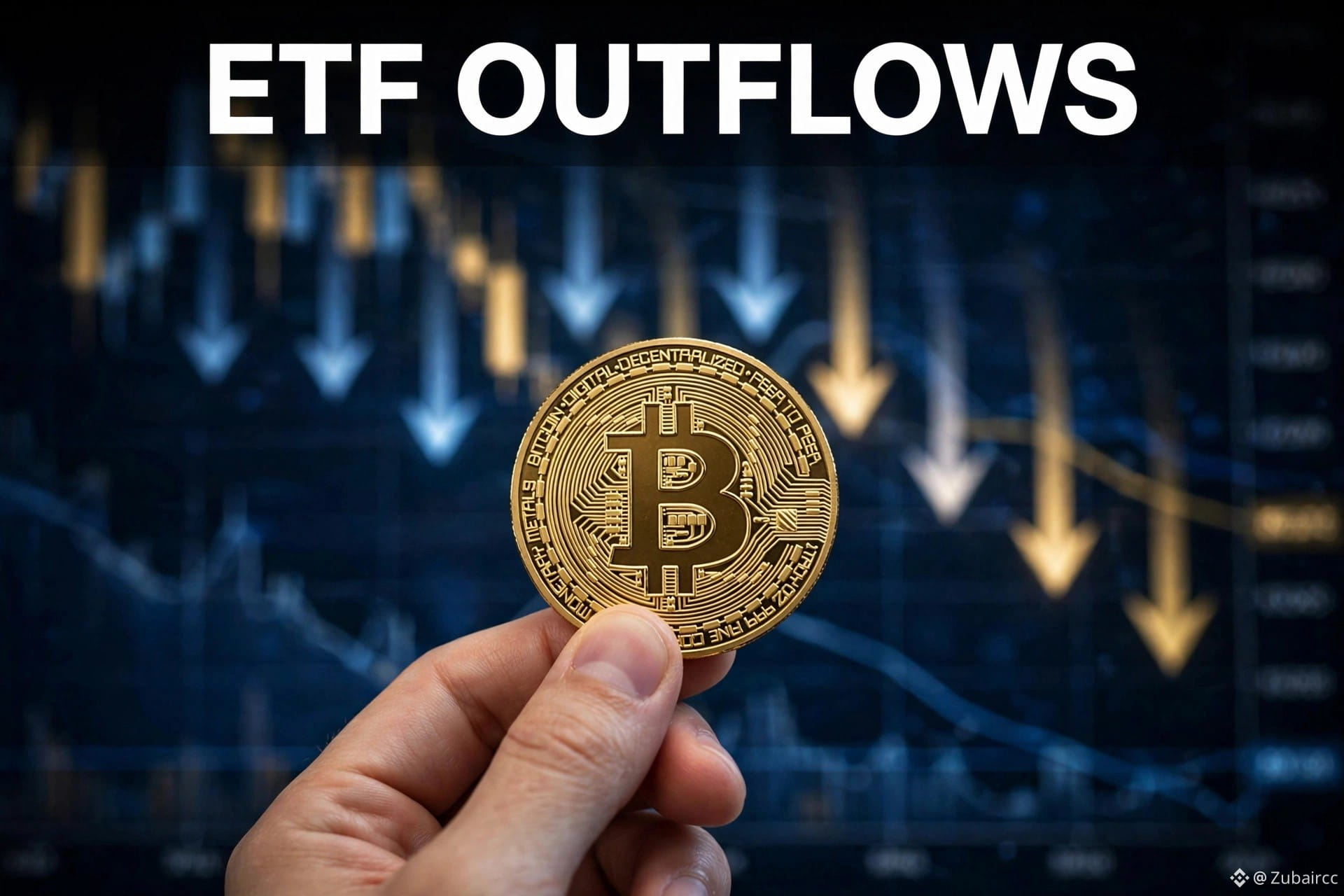
BIG INVESTORS PULLED MONEY OUT. SHOULD BEGINNERS PANIC?
Large outflows from Bitcoin and Ethereum funds made headlines last week. That sounds scary, but an outflow alone does not tell the full story.
First, what is an ETF outflow, in simple words:
An ETF is a fund that holds Bitcoin or Ethereum, and investors buy shares in it. An outflow means more investors sold their shares than bought new ones in that period.
Why do outflows happen?
1. RISK REDUCTION AFTER A SHOCK.
After a big market scare, large investors often reduce risk for a while.
2. CAUTION BEFORE BIG EVENTS.
Elections, jobs data, and central bank decisions can make investors wait before adding more.
3. PROFIT-TAKING AND REBALANCING.
Some investors simply take profits or adjust their portfolios. It is not always a verdict on crypto itself.
What an outflow does NOT mean:
It does not mean Bitcoin or Ethereum disappeared, and it does not mean the technology stopped working. Fund flows are one signal, not the whole market.
Three smart checks for beginners:
1. LOOK AT THE TREND, NOT ONE DAY.
One heavy day matters less than flows over weeks.
2. READ FLOWS TOGETHER WITH PRICE AND NEWS.
Flows alone can mislead. Context makes them useful.
3. STICK TO YOUR OWN PLAN.
Never copy a large fund's move without knowing its goal, time horizon, and risk limit.
Outflows are information, not instructions. Learn to read them calmly, and they stop feeling like panic.
Do you check fund flows before you decide, or do you follow price only?
$BTC $ETH $BNB
#CryptoForBeginners #ETFExplained #learncrypto
Educational only, not financial advice.
98
Log in to explore more content
Join global crypto users on Binance Square
⚡️ Get latest and useful information about crypto.
💬 Trusted by the world’s largest crypto exchange.
👍 Discover real insights from verified creators.
Email / Phone number
Trending Topics
1
#BinanceIncidentReport
37,948 views
575 Discussing
2
#BinanceReopensWithdrawalsForMoreAssets
151,508 views
1,767 Discussing
3
#BinanceHourlyDepositsExceedWithdrawals
72,518 views
813 Discussing
4
#USMidtermElections
894,951 views
4,652 Discussing
5
#AnthropicIPOPricedDownasInvestorsEye$1.5T
4,257 views
55 Discussing
6
#USOctoberNFP-AreRateCutsStillPossible
167,474 views
1,295 Discussing
7
#AppleReportsMixedResults
67,495 views
979 Discussing
8
#PalantirSlides3PercentOn$2BRevenue
5,983 views
47 Discussing
9
#FrenchAssemblyRejectsTwoCryptoExitTaxProposals
12,847 views
182 Discussing
10
#Nasdaq100EntersCorrection
15,962 views
196 Discussing